
Alaskan Malamute Breed Information: Characteristics, Behavior, Temperament, Lifespan, Weight
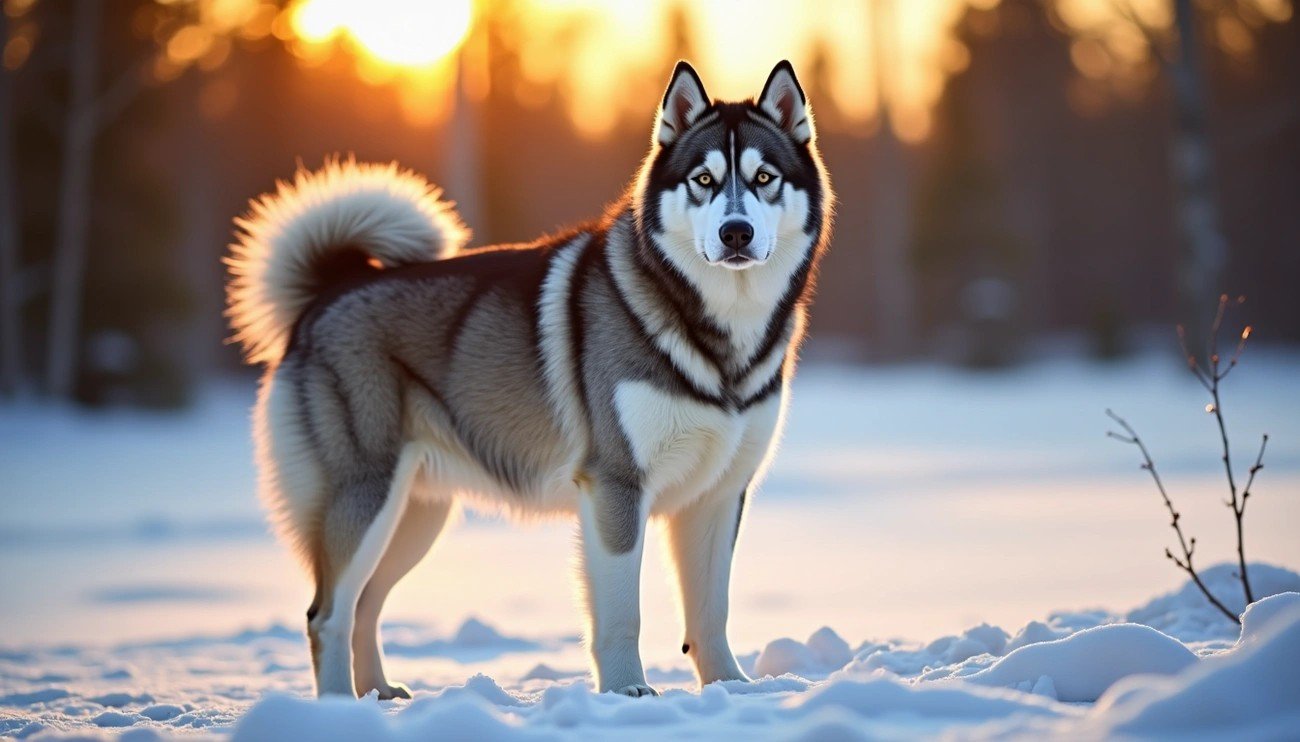
Alaskan Malamutes are strong, powerful dogs built for endurance. These impressive canines stand 23 to 25 inches at the shoulder. Males usually weigh around 85 pounds, while females tip the scales at about 75 pounds. Their thick double coat shows up in many colors like gray, black, white, copper, and sable.
These dogs stay healthy and live 10-14 years on average [-5]. Malamute’s care needs careful attention. Their high energy demands quality food – adult dogs need about 2500 kcal daily, while puppies consume around 1500 kcal. Their thick double coat sheds a lot, so regular grooming becomes essential. This piece covers what you should know about the malamute breed – from their unique personality and behavior to practical things like their diet requirements and what they cost in India.
Breed Origin and Historical Background
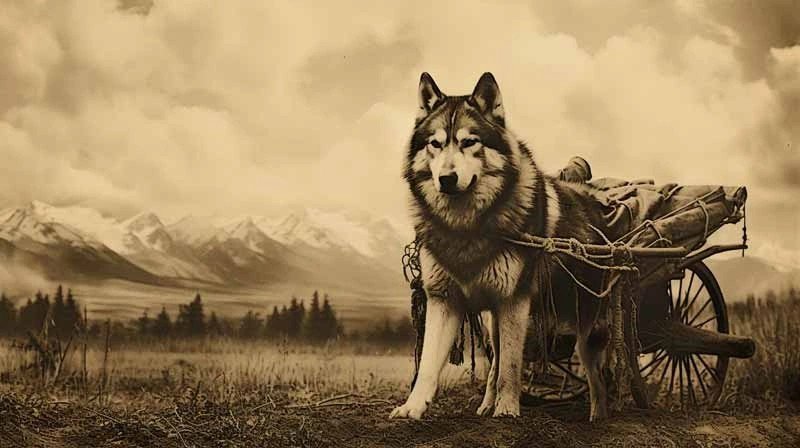
Image Source: Alaskan Malamute HQ
Breed Origin and Historical Background
The Alaskan Malamute ranks among the oldest Arctic sled dogs, with roots going back at least 4,000 years. These powerful dogs connect us to ancient human history. They grew stronger alongside indigenous peoples in one of Earth’s harshest environments.
The Mahlemut tribe and Arctic roots
The breed’s story starts with the Mahlemut (also spelled Mahlemiut) Inuit tribe who made their home along Kotzebue Sound’s shores in northwestern Alaska. Scientists found evidence of Eskimo civilization in these areas dating back to 1850 B.C.. These dogs came to Alaska with nomadic tribes who crossed the Bering Strait from Siberia thousands of years ago.
The Malamute stood out from other Arctic dogs because of their unique bond with the Mahlemut people. The Mahlemut people treated their Malamutes better than most working dogs of that time. Explorers who reached the region in the 1700s noticed the strong connection between the Mahlemut people and their dogs.
This special care made sense beyond just showing affection. The Mahlemut people’s survival depended on their dogs. These amazing animals had several vital tasks:
- Hauling heavy sleds and possessions between seasonal settlements
- Hunting seals and tracking polar bears
- Moving meat from successful hunts back to settlements
- Serving as lookouts for dangerous bears
- Guarding valuable caribou herds
Malamutes also watched over children when parents went hunting. This might explain why they make such great family companions today. The Mahlemut people bred selectively by neutering all males except the lead dogs. This careful breeding created dogs known for their strength, intelligence, and reliability.
Role in the Klondike Gold Rush
Gold’s discovery in 1896 near the Klondike River changed everything for the breed. Word spread faster, and by 1898, about 30,000 prospectors rushed to the region. These gold seekers soon learned they needed strong dogs to haul heavy freight through tough conditions.
The Alaskan Malamute became the most valued team dog. Their incredible strength, endurance, and ability to pull heavy loads over long distances in extreme weather made them invaluable. These dogs needed less food for their size compared to other sled dogs—a huge advantage when resources were scarce.
Good sled dogs became highly sought after. A quality Malamute cost prospectors about ₹42,190, worth ₹29,533-₹59,066 today. Some teams sold for as much as ₹126,570.
This sudden popularity almost ruined the breed. Many prospectors mixed Malamutes with other dogs to create more sled teams quickly, which threatened pure bloodlines. Some sources say purebred Malamutes almost disappeared during this time.
Rise into a companion breed
After the Gold Rush, sled dog racing posed new challenges for the breed. Malamutes excelled at pulling heavy loads over long distances but weren’t built for speed. Some breeders mixed them with faster dogs, again putting purebred populations at risk.
Mrs. Eva B. Seeley helped save the breed. She played a vital role in getting formal breed recognition in 1935, when the Alaskan Malamute Club of America started. Many dogs had unknown backgrounds then—breeders used dogs that looked purebred while excluding others.
World War II hit the breed hard, and many Malamutes died in service. Only about 30 registered dogs remained by 1947. Robert J. Zoller helped save the breed by combining different strains to create the Husky-Pak line.
These preservation efforts paid off. The American Kennel Club registered 4,409 Malamutes in 1997, ranking them 46th among 145 recognized breeds. Modern Malamutes carry their ancient Arctic heritage forward as descendants of these early strains.
Physical Characteristics and Appearance

Image Source: Embrace Pet Insurance
Physical Characteristics and Appearance
Alaskan Malamutes stand out with their powerful build, bred for strength and endurance rather than speed. These Arctic working dogs showcase a distinctive appearance that matches their historical role as heavy freight haulers.
Alaskan Malamute size and weight
Male and female Alaskan Malamutes differ significantly in size. The American Kennel Club breed standards show that males reach about 25 inches tall at the shoulder and weigh around 85 pounds. Female dogs are smaller, standing about 23 inches with weights averaging 75 pounds.
Size variations among individual Malamutes are common. Many dogs weigh 90 pounds while others stay under 75 pounds. Some even grow to exceed 100 pounds. You can easily spot the size difference between males and females.
Malamute puppies grow at a predictable rate. They weigh 5-10 pounds at one month and reach 45-60 pounds by six months. Most reach their full height and weight around their first birthday. Their chest and muscles continue to develop until they turn two.
Coat type and color variations
A Malamute’s double coat provides excellent protection in harsh Arctic conditions. The undercoat feels oily and wooly, reaching up to two inches thick. Their coarse outer guard coat stands away from the body. It grows longer at the withers but stays within one inch from the sides.
AKC recognizes these official colors:
- Gray & White
- Black & White
- Red & White
- Seal & White
- Silver & White
- White
- Sable & White
- Blue & White
- Agouti & White
White remains the main color on the underbody, parts of legs, feet, and facial markings. Pure white stands as the only permitted solid color in the breed.
The coat’s density changes with seasons. Summer brings a shorter, lighter coat. Puppy coats often look different from adult ones. Agouti puppies might appear almost black at birth with just hints of white.
Distinctive features and markings
Alaskan Malamutes have several unique physical traits. Their broad head features erect, wedge-shaped ears that look small compared to the head size. A deep, broad muzzle tapers slightly from skull to nose.
These dogs sport various facial markings that make each one unique:
- Cap: Colored area on the head’s center extending to the forehead and covering ears
- Bar: Dark area running from cap to nose
- Full Mask: Combined bar, cap, and goggles (dark eye shading)
- Blaze: White mark from forehead to back cap’s center
Purebred Malamute’s eyes are almond-shaped in various brown shades. Darker eyes get preference. Blue eyes never appear in purebred Malamutes.
The Malamute’s well-furred tail waves like a plume over their back. This tail serves a practical purpose – they wrap it around their nose while sleeping to shield against harsh weather.
Their compact, strong build includes substantial bones and snowshoe feet. These features clearly show their heritage as working dogs built to pull heavy loads across snow and ice.
Temperament and Personality Traits

Image Source: HubPages
Temperament and Personality Traits
A complex personality shaped by centuries of human cooperation lies behind the Alaskan Malamute’s striking appearance. These magnificent dogs combine unique traits that make them rewarding companions, though they can challenge their owners at times.
Affectionate but independent
Alaskan Malamutes show remarkable affection and possess a strong pack mentality from their working dog heritage. They build deep bonds with their human families and see them as their pack members. You’ll find them eager to join all daily activities. Their people-oriented nature makes them loyal companions who need social interaction to thrive.
These dogs maintain their independence despite their loving nature. Unlike other breeds that eagerly please their owners, Malamutes show a strong will and stubborn streak. This independence doesn’t stem from dominance – it comes from their history of making vital decisions in harsh Arctic conditions.
“A Malamute’s lack of cooperation is typically a show of their independence rather than a show of dominance over their owner”. These smart dogs often follow commands only when they see a benefit. Successful owners know that steady leadership works nowhere near as well as trying to dominate these intelligent animals.
Alaskan Malamute temperament with kids
Malamutes show patience and affection toward children, especially those socialized from puppyhood. Their gentle nature makes them excellent companions for kids despite their size. These friendly and playful dogs often create strong bonds with their household’s children.
All the same, you should know:
- Their size and boundless energy might overwhelm small children
- Young puppies play roughly and show excessive excitement
- Kids need supervision around these large dogs
Malamutes show amazing patience even with their high energy levels. Families with older children or teenagers who can handle their size and playful nature make better matches. Early training and socialization are vital to develop good behavior around children.
Behavior with strangers and other pets
These dogs welcome strangers warmly despite their impressive size. They make poor guard dogs because they’re so friendly with unknown people. Some might even follow strangers home, which makes them ineffective protection dogs.
Managing their interactions with other animals needs careful attention:
- Other dogs: Many Malamutes live peacefully with familiar dogs, but same-sex aggression often appears after they turn two years old
- Cats and small pets: Their strong prey drive makes them chase smaller animals
- Early socialization: This shapes how they interact with all other animals
Malamutes living with cats or small pets need gradual introductions in controlled settings and constant supervision. Many learn to accept other household pets with proper training and early exposure, though this takes dedication.
These dogs express themselves through howls and unique sounds that owners often call “conversations” instead of barking. Their intelligence, playful nature, and occasional stubbornness create a dog with amazing personality. Owners must commit to understanding and working with their unique temperament to succeed.
Exercise and Activity Requirements

Image Source: HubPages
Exercise and Activity Requirements
Alaskan Malamutes are powerful working dogs with remarkable stamina. These dogs need substantial physical activity to stay mentally and physically healthy. Their build focuses on endurance, and their energy levels just need proper outlets.
Daily physical needs
Alaskan Malamutes need much more exercise than other breeds. Experts suggest a minimum of one to two hours of vigorous exercise daily. Your Malamute needs two 45-minute walks plus playtime to stay healthy and avoid boredom. These aren’t mere suggestions—this high-energy breed depends on them.
A Malamute that lacks physical activity often develops bad behaviors. One expert states, “a bored or lonely Malamute will wreak havoc on your house and garden”. Their incredible stamina comes from their heritage—they were bred to pull heavy supply-laden sleds across many miles.
Your climate plays a crucial role in planning exercise routines. Malamutes’ thick double coats make them prone to overheating. Warm climate dwellers should schedule activities during early morning or evening. These dogs excel in cold weather—healthy Malamutes make great long-distance running partners and can cover 10+ miles based on their fitness level.
Mental stimulation and enrichment
Physical exercise alone won’t satisfy these intelligent dogs—they need mental challenges too. Their working heritage means they thrive when activities involve both mind and body.
Daily routines should include training. Start training early and keep it consistent, patient, and gentle. Basic commands like ‘hike’, ‘whoa’, and ‘stay’ add structure and mental stimulation.
Your Malamute needs these items to avoid boredom during your absence:
- Brain puzzles and safe toys
- Interactive games that test problem-solving skills
- Food puzzles that make treat-earning fun
Note that Malamutes shouldn’t stay alone beyond four hours—some might show negative effects even before that. These dogs can develop destructive behaviors without proper mental challenges.
Fun activities for high-energy dogs
Alaskan Malamutes’ extraordinary endurance makes them ideal for dog sports and outdoor adventures. Their sled dog history helps them excel at pulling activities.
Weight pulling gives them an excellent workout. Your Malamute pulls a weighted sled over a set distance. This activity honors their heritage and lets them use their natural strengths.
Malamutes also enjoy these activities:
- Sledding and skijoring: Winter activities that match their pulling instinct
- Hiking and backpacking: They handle day-long hikes or multi-day treks well, often enjoying their own backpacks
- Agility training: This activity tests both mind and body as they direct through obstacle courses
- Swimming: A great choice for warm months when running risks overheating
Competition participation with your Malamute offers two benefits—it keeps them fit and deepens their commitment to you. Puppies should wait until six months for serious training, and most competitions need dogs to be at least one year old.
Grooming and Shedding Needs

Image Source: Hepper
Grooming and Shedding Needs
Alaskan Malamute’s thick double coat just needs regular care to stay healthy and keep your home relatively fur-free. These northern dogs have specific grooming needs that owners should understand to give proper care to these magnificent animals.
Brushing and bathing routine
Your Malamute’s dense coat just needs daily brushing to stay in good shape. Most experts suggest daily brushing with a slicker brush or pin brush to remove loose fur and stop matting. Regular grooming keeps their coat looking great and removes dirt. It also gets more natural oil production and prevents painful tangles that can trap bacteria.
The best way to brush is with long, controlled strokes. Be firm but gentle because the skin under their thick coat can be quite sensitive. A good grooming kit should have:
- A long-bristled slicker brush for daily use
- An undercoat rake to reach deep down
- A wide-toothed comb to finish detangling
Malamutes are nowhere near as high-maintenance with baths as they are with brushing. A bath every six to eight weeks works well for pet Malamutes. Some experts suggest monthly baths for healthy skin and coat. Too much washing can strip natural oils and cause dry, irritated skin. Make sure to dry them well after baths to avoid matting and skin problems.
Managing seasonal shedding
Malamutes shed heavily twice a year in what owners call “blowing coat” – when they lose huge amounts of undercoat as seasons change. This big shed happens in spring and fall as their bodies get ready for temperature changes.
During shedding season, you might need to brush twice daily to handle all the loose fur. The undercoat rake becomes your best friend at these times. It helps pull out dead undercoat without hurting the protective top layer.
Here’s how to keep fur under control during heavy shedding:
- Brush outside whenever you can
- Think about more frequent pro grooming (every 8-12 weeks) with extra visits during shedding season
- Use proper deshedding tools instead of cutting or shaving the coat
Never shave a Malamute. Their double coat controls their temperature, and shaving messes up this natural system. It can cause sunburn and change their coat’s texture forever.
Ear, eye, and nail care tips
Good grooming goes beyond coat care. Check your Malamute’s ears each week for dirt, wax buildup, or signs of infection. Clean only what you can see with a vet-approved cleaner and cotton balls. Don’t stick anything deep in the ear canal.
Your dog’s eyes need daily checks to catch problems early. Use a damp cloth to wipe away eye discharge before it builds up and causes infection. Dog eye wipes work great too.
Trim nails every 4-6 weeks. Long nails can mess up how they walk and stand, which leads to bone and joint problems. Keep styptic powder close by in case you cut the quick.
Regular attention to these grooming needs helps your Alaskan Malamute look and feel great throughout their life.
Health Concerns and Lifespan
Health Concerns and Lifespan
Alaskan Malamutes are generally healthy dogs with a strong constitution. Like other purebred dogs, they can inherit certain health conditions that new owners should know about before welcoming one into their home.
Common health issues in Alaskan Malamutes
Hip dysplasia ranks among the most common problems these dogs face. This condition creates an improperly formed hip joint that can cause arthritis as dogs get older. Dogs might limp, struggle to stand, or sit in unusual ways. Their elbows can also develop a similar condition called elbow dysplasia, which affects how joints develop.
About 21% of Malamutes develop hypothyroidism. This happens when their bodies don’t make enough thyroid hormone. You might notice weight gain without diet changes, tiredness, heat-seeking behavior, and hair that becomes dry and brittle.
These Arctic dogs often face eye problems, such as:
- Cataracts – which make their vision worse over time
- Day blindness – which makes them sensitive to bright light
- Progressive retinal atrophy – which slowly reduces their vision
These dogs face other health challenges too:
Chondrodysplasia, a genetic condition that causes limb deformities and results in “dwarf puppies”. Polyneuropathy affects many parts of their nervous system. Dogs with this condition fall often, walk strangely, and lose muscle. Bloat (Gastric Dilatation and Volvulus) can be life-threatening – the stomach fills with gas and twists itself.
Recommended health screenings
Good breeders test their dogs before breeding them. The American Kennel Club suggests tests for hip dysplasia, elbow dysplasia, thyroid problems, and inherited eye conditions.
Your Malamute needs regular vet checkups throughout its life. Yearly or twice-yearly visits help catch problems early. Blood tests can spot conditions like hypothyroidism, which usually responds well to hormone replacement treatment.
Puppies should get x-rays between 5-12 weeks to check for chondrodysplasia. Simple cheek swabs or blood tests can show if they carry genes for polyneuropathy and day blindness.
Alaskan Malamute lifespan and aging care
Most Alaskan Malamutes live 10 to 14 years, typically reaching about 12 years. Some dogs with great care and good genes might live until 15 or 16.
Older Malamutes need special attention. Their metabolism usually slows around age 8-9, which might make them gain weight. Keeping them at a healthy weight is vital since extra pounds can make joint problems worse.
Senior Malamutes do better with:
- Light, regular exercise to stay mobile
- Diet changes that include less protein to help their kidneys
- Omega-3 fatty acids and zinc supplements
- Soft, supportive beds to help their joints
The best way to help your Malamute live a long, healthy life is through good preventive care. This includes proper food, regular exercise, dental care, and weight management.
Training and Socialization Guide
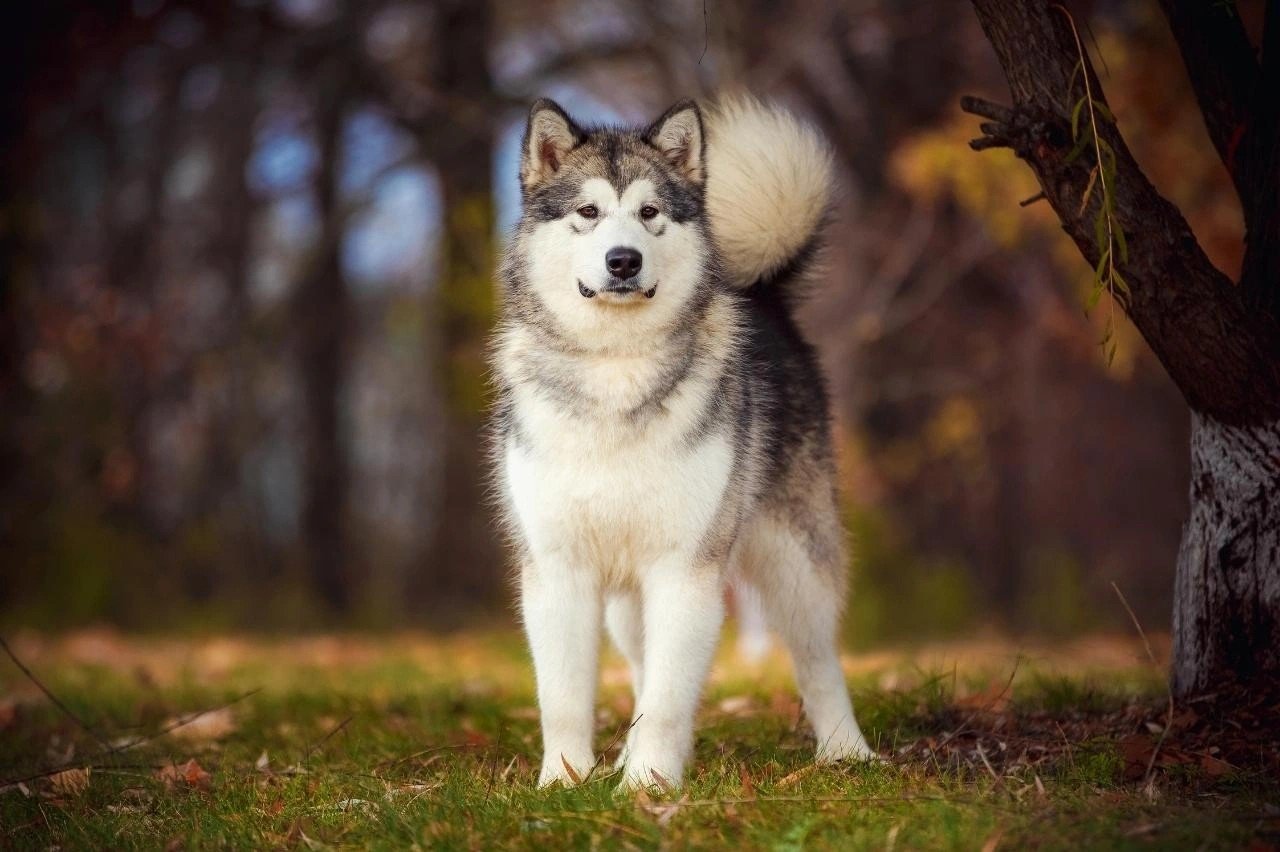
Image Source: iHeartDogs.com
Training an Alaskan Malamute takes a deep understanding of their unique psychology and specific approaches that work with their independent spirit. These smart Arctic dogs bring special challenges to the table. You’ll need patience, consistency, and creative thinking to work with them.
Training challenges and solutions
An Alaskan Malamute’s smarts come with an equal dose of stubbornness and independent thinking. They don’t train like other dogs who aim to please their owners. These dogs get bored with repetitive exercises and you’ll need the right motivation to get them on board. They see training as a two-way conversation, not something they have to do.
Short, engaging sessions work best with Malamutes. You’ll see better results from ten quick 10-minute sessions spread throughout the day than long, repetitive training blocks. They can’t focus on the same task too long – think of them as dogs with ADD!
Treats, praise, and social attention bring the best results. Stay away from trainers who show negative attitudes toward Malamutes – harsh methods like collar corrections will backfire. These dogs respond to respect, not force.
Socialization tips for puppies
The right time to socialize your puppy happens between 3-14 weeks of age. This crucial period shapes how your puppy will act as an adult.
Good socialization includes:
- Meeting different people (all ages, looks, and those using mobility aids)
- Exploring new places, walking surfaces, and sounds
- Making good memories with treats and praise
- Starting in quiet places before moving to busier spots
Start with quick car trips to pet-friendly stores and banks. Then slowly add new experiences – watch for signs your puppy needs a break and keep early visits short. Each new experience should leave a positive impression to prevent fear.
Dealing with stubborn behavior
Your Alaskan Malamute needs firm but loving guidance from puppyhood. Their pack mentality means you must become their respected leader. Without proper guidance, they’ll try to boss around people or animals they don’t respect.
Skip ineffective tricks like spray bottles or shake cans when they’re being stubborn. Stick to consistent expectations and commands. These dogs will test your limits, but patience and clear rules lead to success.
Some behaviors, like digging, might stick around. It makes more sense to redirect these natural instincts than try to stop them completely. Managing a Malamute’s independent nature needs understanding rather than force.
Pay extra attention to recall training because of their strong prey drive. Start in fenced areas before trying off-leash work in open spaces.
Alaskan Malamute Price and Ownership in India
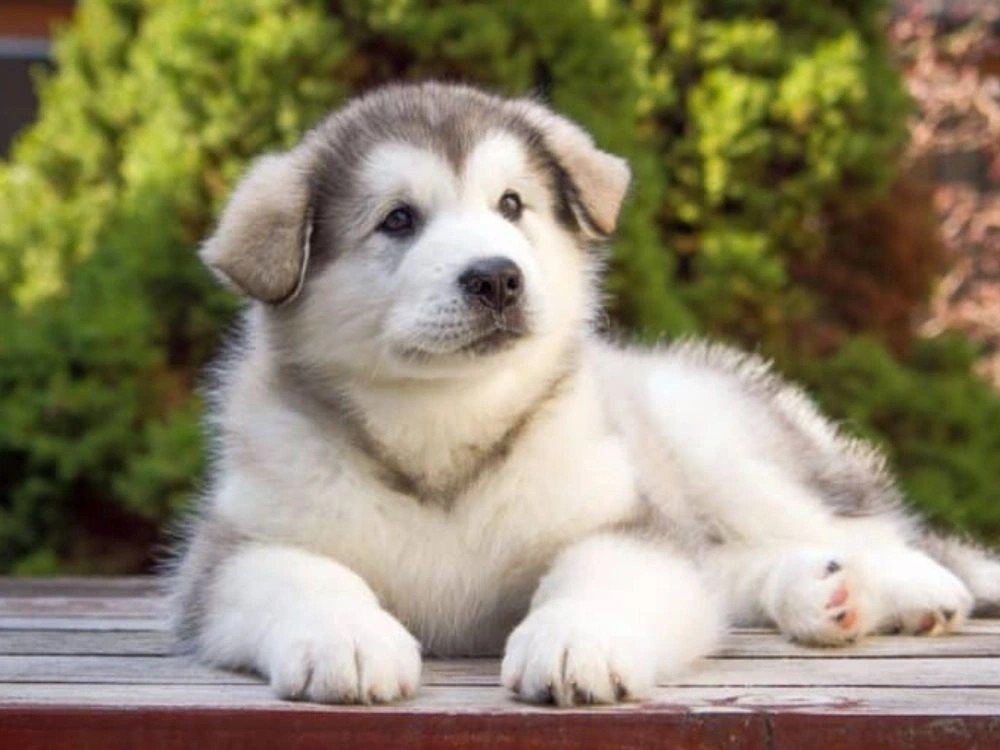
Image Source: The Barking Babies
Alaskan Malamute Price and Ownership in India
Bringing an Alaskan Malamute home in India means understanding both the original cost and long-term financial commitment these magnificent Arctic dogs need.
Alaskan Malamute price in India
The price of an Alaskan Malamute puppy in India shows significant variation. You can expect to pay anywhere between ₹45,000 to ₹1,50,000. Some puppies might cost up to ₹3 lakh based on their quality. The prices differ across major cities:
- Mumbai/Bangalore: ₹60,000 – ₹1,70,000
- Delhi: ₹60,000 – ₹1,50,000
- Hyderabad/Chennai/Kolkata: ₹45,000 – ₹1,50,000
- Pune: ₹50,000 – ₹1,50,000
Factors affecting cost
The breeder’s reputation stands out as a key factor in a Malamute’s price. Reputable breeders who screen their dogs for health issues charge more but give you healthier puppies. The dog’s coat color, age, size, lineage, and your location also affect the final price.
Your expenses don’t stop at the purchase price. Quality dog food runs between ₹3,000-₹7,000 each month. Vet care including check-ups, vaccinations, and emergency visits can add up to ₹9,000-₹16,000 yearly. Professional grooming costs range from ₹2,000-₹4,000 per session.
Adoption vs buying: what to consider
You have two main options: buying from breeders or adopting. Reputable breeders focus on health, screen their dogs properly, and help you understand breed-specific care.
Whatever your choice, do your homework before making a decision. See the facilities yourself, check health certificates and vaccination records, and learn everything about the breed’s needs.
Conclusion
Alaskan Malamutes rank among the oldest and most striking dog breeds around. These powerful, beautiful dogs have complex personalities shaped by thousands of years of working with humans in harsh Arctic conditions. Their double coat, curled tail, and wolf-like features make them stand out anywhere they go.
These amazing dogs need proper outlets for their boundless energy. They stay happy and healthy with daily exercise, mental challenges, and activities that let them pull things – it’s in their nature. Without enough to do, Malamutes can get bored and frustrated, which leads to behavior problems.
Future owners should think about the time needed for grooming these dogs. You’ll have to brush them regularly, especially during twice-yearly shedding when their undercoat “blows” like crazy. Their independent nature also makes training tricky. You’ll need patience and consistency rather than trying to dominate them.
Smart owners keep an eye out for breed-specific health issues like hip dysplasia, hypothyroidism, and eye problems. Regular vet checkups and proper screening help these dogs live full lives of 10-14 years. Anyone looking to bring a Malamute home should review the costs carefully. In India, prices range from ₹45,000 to ₹3,00,000, plus ongoing expenses for good food, vet care, and grooming.
These challenges fade when you see a Malamute’s steadfast loyalty, affection, and one-of-a-kind personality. Their smarts, unique vocalizations, and expressive nature make them true family members. The special connection you build with these remarkable Arctic dogs makes every challenge worth it if you’re ready to meet their needs.
Key Takeaways
Understanding the Alaskan Malamute breed requires recognizing their unique combination of ancient heritage, substantial care needs, and distinctive personality traits that make them both rewarding and challenging companions.
• Alaskan Malamutes are large, powerful dogs (75-85 pounds) with thick double coats requiring daily brushing and significant grooming maintenance, especially during seasonal shedding periods.
• These high-energy working dogs need 1-2 hours of vigorous daily exercise plus mental stimulation to prevent destructive behaviors from boredom.
• Their independent, stubborn temperament requires patient, positive training methods rather than dominance-based approaches for successful behavior management.
• Common health concerns include hip dysplasia, hypothyroidism, and eye conditions, with proper screening and veterinary care supporting their 10-14 year lifespan.
• In India, expect to invest ₹45,000-₹3,00,000 for purchase plus ongoing monthly costs of ₹5,000-₹11,000 for food, healthcare, and grooming.
While Malamutes form deep bonds with their families and excel as loyal companions, they’re best suited for experienced dog owners who can commit to their substantial exercise, grooming, and training requirements throughout their lifetime.
FAQs
Q1. What are the key personality traits of an Alaskan Malamute? Alaskan Malamutes are loyal, bold, and independent dogs with a strong will. They are sociable towards people but can be aggressive towards unfamiliar dogs or animals. Their high energy levels mean they need plenty of exercise and mental stimulation to prevent destructive behaviors.
Q2. How long do Alaskan Malamutes typically live? The average lifespan of a well-cared-for Alaskan Malamute is between 11 and 14 years. Regular veterinary check-ups are important, especially as they enter their senior years around age 7, to manage any potential health issues.
Q3. What kind of temperament can you expect from an Alaskan Malamute? Alaskan Malamutes are strong-willed and intelligent dogs that require consistent training and mental challenges. Despite their imposing appearance, they are generally friendly, affectionate, and loyal to their families. However, their stubborn nature can make training challenging.
Q4. How smart are Alaskan Malamutes? Alaskan Malamutes are highly intelligent dogs. However, this intelligence is coupled with an independent and often stubborn nature, which can make them challenging to train. They require patient, consistent training methods that engage their problem-solving abilities.
Q5. What are the exercise requirements for an Alaskan Malamute? Alaskan Malamutes have high energy levels and require significant daily exercise. They typically need 1-2 hours of vigorous activity each day, which can include walks, runs, or activities that engage their natural pulling instinct. Without proper exercise, they may develop destructive behaviors.