
Alaskan Husky Dog Breed Information: Characteristics, Behavior, Temperament, Lifespan, Weight kg
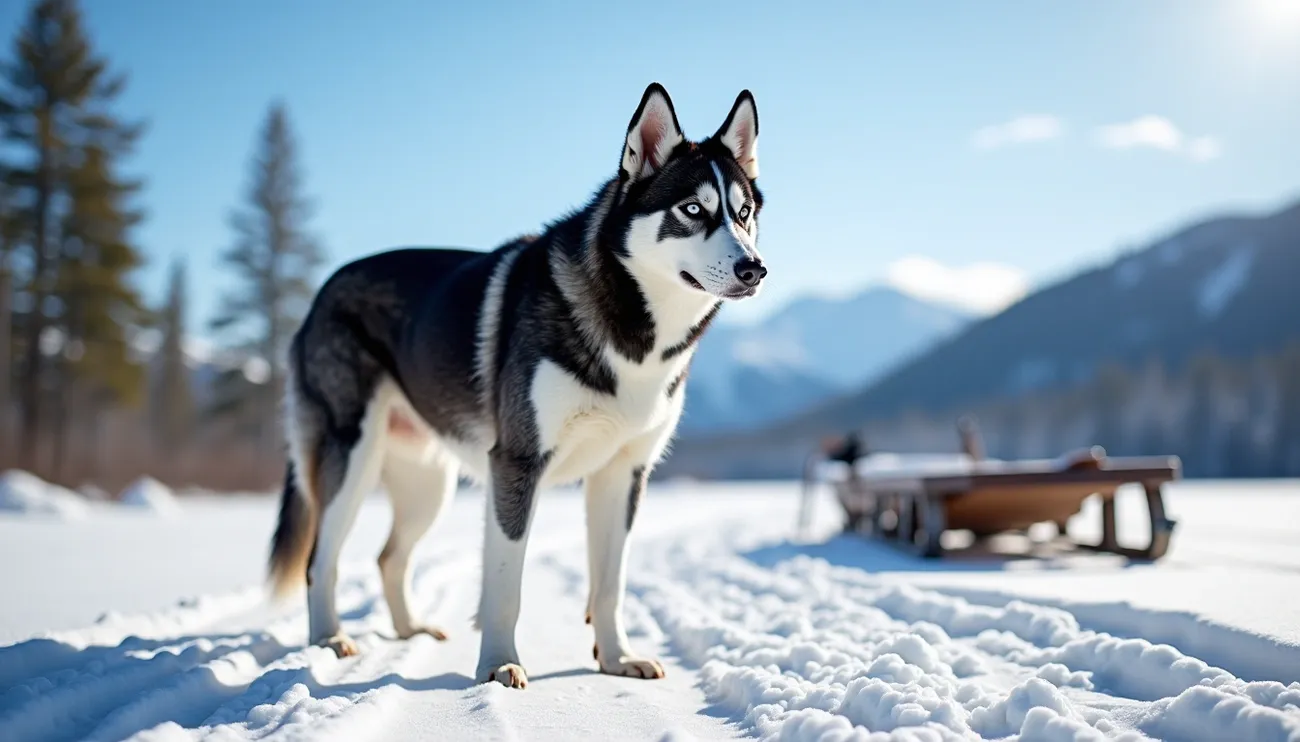 Alaskan Huskies rule the competitive sled dog racing world. They are the top choice for short-distance sprint races and tough long-distance events like the Iditarod Trail Sled Dog Race. These medium-sized working dogs differ from purebreds because breeders focus on their performance rather than strict appearance standards.
An Alaskan Husky’s height ranges from 20 to 26 inches and they weigh between 35 to 75 pounds. The breed’s build is taller than Siberian Huskies but lighter than Alaskan Malamutes, two breeds that share their ancestry. These dogs look different from each other since breeders care more about behavior and athletic ability. Their strength and endurance help them pull heavy loads and survive harsh conditions. Living 14 to 16 years, Alaskan Huskies blend impressive physical abilities with a temperament like in their Siberian cousins.
What is an Alaskan Husky?
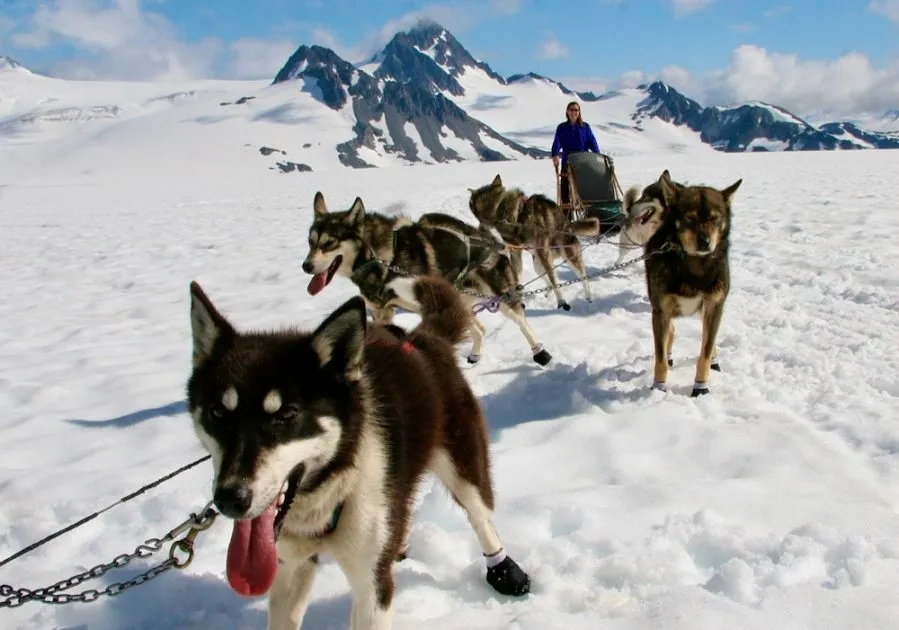
Image Source: kdfoundation.org
The Alaskan Husky stands out in the dog world as a breed shaped by function rather than looks. These dogs weren’t bred to win beauty contests or meet specific appearance standards. Their creators had one main goal: to excel as working sled dogs.
Not a purebred, but a performance-bred type
No kennel club officially recognizes the Alaskan Husky, and it lacks a formal breed standard. This vital difference sets them apart from purebred dogs like the Siberian Husky or Alaskan Malamute. They’re not just “mixed breeds” or random crosses – they’re something more specialized.
Careful selection from various breeds has shaped these dogs. Breeders focus on qualities that matter: pulling strength, stamina, speed, smarts, appetite, and how well they handle extreme weather. Performance matters more than looks in every breeding choice.
DNA studies reveal something fascinating – Alaskan Huskies share a distinct genetic signature and show up clearly on DNA breed tests. This shows how breeding for performance has created a unique genetic profile over generations.
Professional dog musher and breeder Jaye Foucher explains that Alaskan Huskies come in specific lines based on their sledding purpose:
- Distance lines: These dogs have thicker double coats and traits perfect for endurance and cold climates. They look similar to Siberian Huskies or Alaskan Malamutes and share more genes with Arctic northern breeds.
- Sprint lines: These dogs are sleeker and handle heat better. Their genes show more similarities to salukis, pointers, and hounds.
The Alaskan Husky’s breeding history shows a practical approach to dog development. While kennel clubs stick to “pure” bloodlines, Alaskan Husky breeders care about what works. Most keep detailed breeding records and pedigrees, showing the same care as responsible purebred dog breeders.
Differences from Siberian and Alaskan Malamute
Alaskan Huskies might look similar to their purebred relatives at first glance, but they’re quite different in several ways.
These dogs stand taller than Siberian Huskies and weigh less than Alaskan Malamutes. Most measure between 20 and 26 inches tall and weigh 35 to 75 pounds. Their looks vary a lot since breeding focuses on work ability rather than appearance.
Some Alaskan Husky lines show traditional husky features with pointed ears and curled tails. Others look more like their hound or gundog ancestors with tipped or floppy ears, straight tails, and tucked-up sighthound-like bodies. This variety comes from their diverse background, which includes Arctic breeds plus pointers, greyhounds, German shorthaired pointers, salukis, borzois, labradors, and setters.
Each breed serves a different purpose. Siberian Huskies pull light loads over long distances, while Alaskan Malamutes handle heavy loads for short trips. Alaskan Huskies have evolved for various sledding needs, with different lines specializing in either sprint or distance racing.
Foucher notes these dogs show more obedience, resilience, and energy than Siberian Huskies. They share the pack mentality with Siberians but show less affection while staying friendly with humans.
The Alaskan Husky proves that function beats form in dog breeding. Bear Hill Husky sums it up perfectly: “They’re not bred for looks. They’re bred for grit, speed, endurance, appetite, recovery time, foot health, coat quality—the things that actually matter when your job is to run across frozen wilderness”.
Physical Characteristics and Appearance
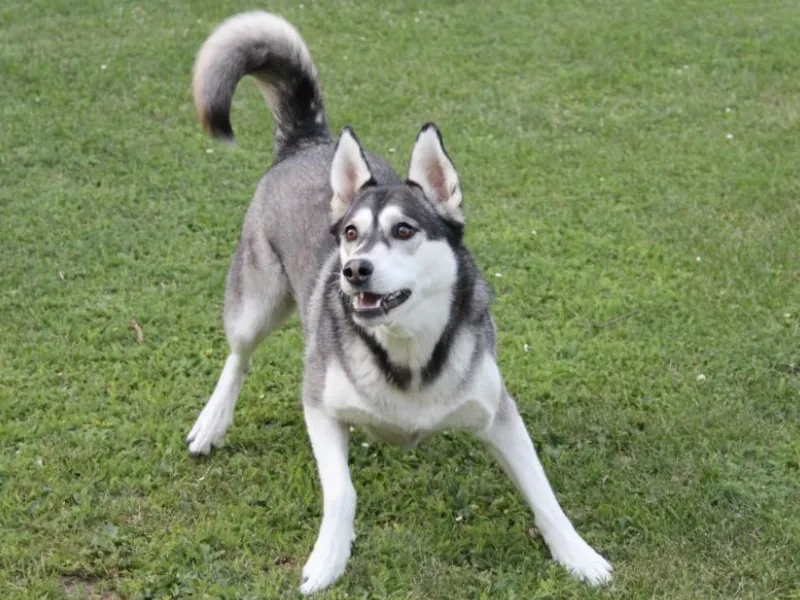
Image Source: Holistapet
The Alaskan Husky shows a wide range of physical traits that reflect its rise as a performance-bred sled dog. These dogs look quite different from each other because they’re bred to work rather than match any standard appearance.
Height and weight range
Most Alaskan Huskies are between 20 to 26 inches (51 to 66 cm) tall at the shoulder. They weigh anywhere from 35 to 75 pounds (16 to 34 kg). Males are usually bigger, while females stay a bit smaller. They’re taller than Siberian Huskies but lighter than Alaskan Malamutes – both breeds that share their family tree.
These dogs have the perfect build for their job. They’re strong enough to last long distances but lean enough to move fast. You won’t find a standard look among them since breeders care more about how well they perform than how they look. Champion sprint musher Arleigh Reynolds puts it well: “a purpose-based breed – a dog that is bred to do something. It doesn’t matter what color they are. What matters is how they function”.
Coat types and colors
Each Alaskan Husky’s coat looks different based on its family line and job. Most have a double coat that keeps them warm in harsh weather, though some have thicker coats than others. These dogs can come in just about any color or pattern you can imagine.
Coat colors include:
- Black and white combinations
- Gray and silver variations
- Red and copper tones
- Sable patterns
- Agouti (wild-type coloration)
- Pure white
- Various combinations and patterns
The coat’s texture ranges from smooth and tight to thick and fluffy, based on what the dog needs to do. These variations help the dogs do their jobs better rather than just look pretty. Without strict breed rules, Alaskan Huskies have grown into different looks while staying great at their work.
Sprint vs distance line features
The biggest difference in how Alaskan Huskies look comes from sprint and distance lines. These differences show how breeding for specific jobs creates distinct physical traits.
Sprint-line Alaskan Huskies usually have:
- Shorter coats that help them stay cool during fast races
- Lean, streamlined bodies built for speed
- More features from hound-type dogs
- Lighter weight to help them run faster
Distance-line Alaskan Huskies typically show:
- Thicker double coats that protect them from long cold exposure
- Stronger builds that help them keep going
- Looks that remind you of Arctic breeds like Siberian Huskies or Malamutes
- Tough feet made for long trips
The Alaskan Husky’s look changed a lot in the mid-to-late 1990s. European mushers started adding hound-type dogs to the mix. German shorthairs, English pointers, and sometimes greyhounds have really changed how sprint lines look.
These dogs’ feet matter more than anything else. Mushers really want tough, durable feet that can handle rough terrain. Distance dogs especially just need strong feet, and they often wear protective booties during long races.
An interesting change has happened as distance lines got faster. More Alaskan Huskies now just need dog coats during cold races because they’ve lost some of their thick double-coat from their Arctic ancestors. This shows how these dogs keep changing to match what we ask them to do.
Genetic Lineage and Breed Origins
The Alaskan Husky’s genetic story goes back thousands of years. Their breeding history shows a remarkable focus on creating one of the world’s best working dogs. These dogs emerged from a unique breeding approach where performance mattered more than looks.
Ancestry from Arctic and European breeds
The Alaskan Husky’s genetic roots come from two main sources: ancient Arctic breeds and specialized European working dogs. Research shows these dogs first appeared about 12,000 years ago in what we now call Alaska. Their earliest ancestors were pre-Colonial North American Arctic village dogs—which later became the Alaskan Malamute—and Siberian imports that evolved into the Siberian Husky.
A groundbreaking DNA study from 2015 proved that Alaskan Huskies share close genetic ties with both Siberian Huskies and Alaskan Malamutes. All these breeds connect back to Chukotka sled-dogs from Siberia. The study also showed they remain genetically different from other Inuit dogs like the Canadian Eskimo Dog and the Greenland Dog.
European breeds joined the mix later when mushers wanted to improve specific traits. The key European breeds added to the bloodline include:
- Pointers for speed and heat tolerance
- German Shepherd Dogs for intelligence and trainability
- Salukis and Greyhounds for improved speed capacity
- Border Collies for intelligence and working drive
Role of selective breeding for sled work
The Alaskan Husky stands apart from most modern dog breeds. These dogs evolved through pure functional selection. Early mushers bred dogs that excelled at pulling sleds, which led to specialized lines for different sledding needs.
This careful breeding created two distinct groups within the Alaskan sled dog gene pool: sprint dogs and distance dogs. Each type shows genetic adaptations that match their specific work.
Sprint lines, bred for races under 50 km at speeds of 25-40 km per hour, have more genes from Pointer-type dogs and Salukis. Distance lines, bred for endurance races like the 1,600 km Iditarod, show stronger genetic links to Siberian Huskies and Alaskan Malamutes.
Genetic tests reveal that distance-specialized Alaskan Huskies have DNA from the Mastiff/Terrier group, mostly Great Pyrenees and Anatolian Shepherd breeds. Mushers breeding for top speed prefer dogs with established Alaskan Husky bloodlines, which creates a stronger genetic pattern.
DNA studies and breed consistency
The Alaskan Husky’s most remarkable feature is its genetic consistency. Despite having no breed standard or closed registry, performance-based selection has created a distinct genetic population. Several scientific studies confirm that Alaskan Huskies have their own unique genetic signature on DNA tests.
Dr. Huson’s pioneering research showed that Alaskan sled dogs are a genetically distinct breed, defined by performance rather than looks. Her study of 199 Alaskan sled dogs and 141 other breeds found these dogs are more genetically distinct than similar heritage breeds like the Alaskan Malamute and Siberian Husky.
Scientists have also found fascinating adaptations unique to sled dogs. Like polar bears, Alaskan Huskies have specific genes that let them eat high-fat diets without getting heart disease—a crucial adaptation for Arctic working dogs.
Genetic distinctness varies between different groups too. Distance-focused Alaskan Huskies show more genetic diversity between kennels and individual dogs compared to sprint specialists. This difference reflects their varied ancestry and the different priorities in breeding programs focused on endurance versus speed.
Years of selecting for athletic performance traits have transformed what started as a mixed-breed working dog into a genetically identifiable population with its own unique heritage and abilities.
Temperament and Behavior Traits
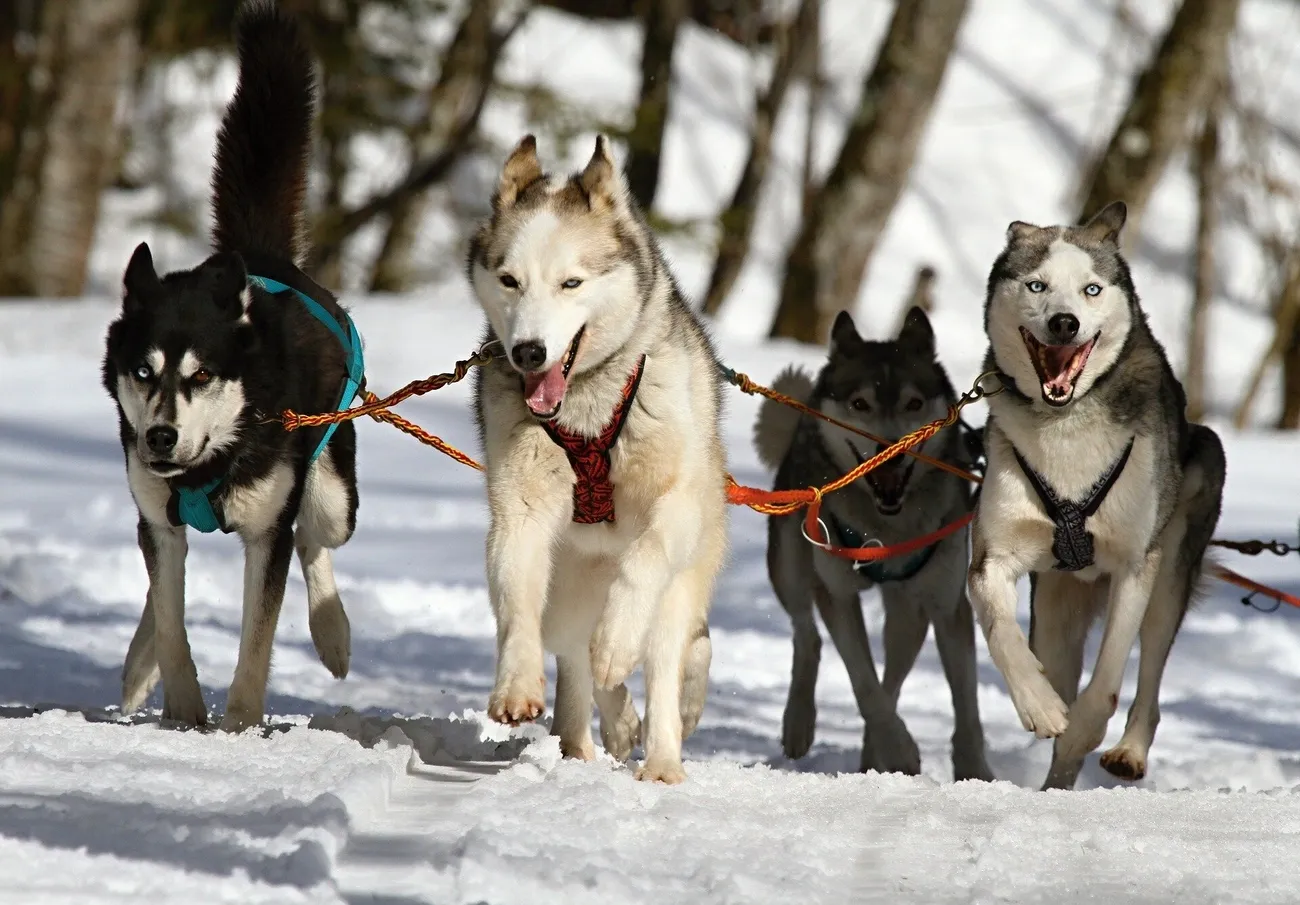
Image Source: Phys.org
Alaskan Huskies were bred to work in harsh Arctic environments. These dogs have unique behavioral traits that come from their specialized purpose and genetic background. They blend intense work drive with social temperaments, making them exceptional performance animals and great companions.
Pack-oriented and social
The genetic makeup of Alaskan Huskies includes a strong pack mentality, which is vital to their role as team sled dogs. These dogs excel in group settings and prefer to be with other dogs and humans rather than alone. They show their social nature by playing in groups, using various sounds to communicate, and bursting with energy around other pack members.
Alaskan Huskies perform best in homes with multiple dogs, according to expert breeders. “They really need a dog companion,” one specialist points out. Their pack-oriented nature makes them great team players but creates challenges in single-dog homes. These social animals might develop anxiety if left alone, even for short periods. This anxiety often leads to destructive behaviors such as chewing, howling, digging, or scratching.
These dogs build strong bonds with their family “pack” and rarely show aggressive behavior toward humans. Many breeds are surprisingly warm with people, including strangers, and get along well with older children after proper socialization. Someone should watch them around smaller children because of their energetic play style.
High energy and drive to run
An Alaskan Husky’s most defining trait is without doubt their boundless energy and need to run. Experts say these dogs have “near-limitless energy”. This comes from their development as working sled dogs that can run over 160 kilometers (100 miles) daily for up to ten days straight.
These dogs need lots of physical exercise – most experts recommend at least two hours each day. Dogs that don’t get enough activity often develop problem behaviors from boredom and frustration. One breeder explains that they “may very well partake in inappropriate, destructive behaviors out of boredom”.
Physical exercise isn’t enough – Alaskan Huskies also need mental challenges through obedience training, puzzle toys, and games. Their smart but independent nature helps them solve problems creatively, though sometimes stubbornly. These dogs show incredible work ethics, especially in groups, and stay dedicated to tasks once properly guided.
Differences from Siberian Huskies
Alaskan Huskies share some traits with Siberian Huskies but have their own distinct personality. Both breeds are smart, independent, and social, but Alaskan Huskies show more focus, drive, and work ethic. They respond better to commands and are easier to train than Siberian Huskies.
Experienced musher Jaye Foucher notes that Alaskan Huskies are “just a tad less affectionate” than Siberian Huskies. She adds, “Most of my Siberians will get right in my face and lick me senseless, but my Alaskans are just not big kissers.” Still, they remain outgoing with humans and love being part of a pack.
These related breeds also make different sounds. Both howl, but Alaskan Huskies bark more at strangers and join group howling sessions with enthusiasm. Siberian Huskies love human companionship, while Alaskan Huskies show more independence and adventure-seeking traits, which can make training harder.
The Alaskan Husky’s temperament comes from their breeding for performance. Their social nature helps them work in teams, their endless energy powers their work, and their focused drive sets them apart from other husky breeds.
Health and Lifespan of Alaskan Huskies
Alaskan Huskies face several health challenges throughout their relatively long lives, even though they were bred for performance. These working dogs’ health profile shows both their diverse genetic background and how their bodies handle physical demands.
Common health issues
We found that Alaskan Huskies deal with several breed-specific health concerns. Eye conditions are among the most frequent problems, especially cataracts that can lead to visual impairment. Senior dogs mainly face this ocular issue, but it sometimes appears as a congenital disorder in puppies. It also turns out that Progressive retinal atrophy (PRA) and other common eye disorders might affect vision as time goes on.
Some Alaskan Huskies develop hip dysplasia, a developmental condition that affects one or both hip joints. Dogs with this condition usually have trouble getting out of bed after rest and show a distinctive “rabbit hopping” style when running. Veterinarians call this issue a result of genetic mutation, though Alaskans get it less often than other breeds.
Older dogs often develop hypothyroidism because of autoimmune thyroiditis. The signs can be quite different – unexplained weight gain with normal eating habits, coat changes, hair loss, and recurring ear infections. The good news is that thyroid hormone supplements help manage this condition in most cases.
Laryngeal dysplasia affects some Alaskan Huskies – it’s a developmental defect in the larynx that causes breathing problems and makes wheezing sounds during heavy breathing. Unfortunately, there’s no treatment for this condition, and affected dogs sometimes need new homes.
Right now, these dogs can also get digestive problems, bladder conditions, sensitive skin, and certain types of cancer. Some dogs might develop inflammatory bowel disease, heart disease, skin infections, or epilepsy.
Average husky dog lifespan
Alaskan Huskies enjoy remarkably good health compared to many other breeds. Their average lifespan typically ranges between 10 to 15 years. Well-cared-for Alaskan Huskies might even live between 14 to 16 years according to some sources. This is a big deal as it means that they outlive many similarly-sized dog breeds.
Good care affects how long these dogs live before they reach their senior years. Regular vet visits, proper nutrition, enough exercise, and preventative health measures help maximize an Alaskan Husky’s lifespan.
Metabolic adaptations for endurance
These dogs are extraordinary athletes with unique body adaptations from a metabolic standpoint. They qualify as “highly aerobic mammals and elite endurance athletes” that can keep going for many days. Moderately trained yearlings show estimated maximal oxygen consumption (VO2max) of about 198 ml·min-1·kg-1 – one of the highest values seen in aerobic mammals.
Their energy use jumps to 12,000 kcal/day during endurance racing. These dogs usually eat diets low in carbohydrates but high in lipids and proteins to handle this massive energy need, which helps reduce muscle injuries and keep glycogen stores intact.
Recent research has shown something surprising – Alaskan Huskies might not rely mainly on lipids for energy, in stark comparison to what we thought before. Science suggests they actually need more carbohydrates as they get fitter. This metabolic approach involves more urea production, slight increases in blood sugar, and changes in the glucagon/insulin ratio.
These dogs also have special genes that let them eat high-fat diets without getting heart disease – just like polar bears. This helps working dogs survive in Arctic environments where traditional diets contain lots of fat.
The most fascinating part? After using muscle fats and glycogen on day one of multiple-day exercise, these dogs switch to using blood-borne fuel sources and can produce more glucose. This amazing ability to adapt gives them their unmatched endurance capabilities.
Training and Intelligence
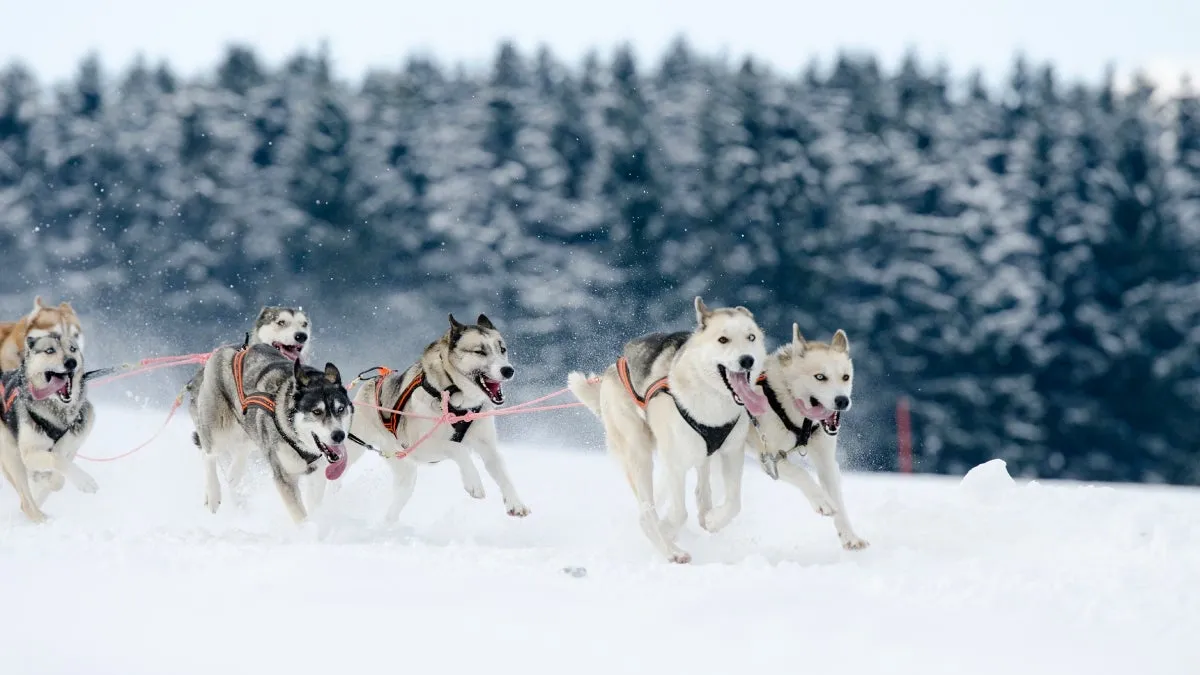
Image Source: www.outsideonline.com
Intelligence shapes the Alaskan Husky’s character as much as their physical strength. These remarkable dogs combine powerful athletic abilities with sharp mental skills that make them elite sled dogs.
Trainability and problem-solving
Alaskan Huskies showcase impressive intelligence with an independent nature. These dogs think differently from breeds that naturally aim to please their handlers. They take a practical approach to commands. “Huskies are very intelligent and trainable, but they have a mind of their own and will only obey a command if they see the point.”
Their training needs these significant elements:
- Consistency and patience throughout the process
- Frequent rewards and positive reinforcement
- Clear leadership with firm but fair handling
Alaskan Huskies can start simple obedience training between 8-12 weeks old. The core team recommends training should begin right when they come home. Mental stimulation plays a vital role in their development. Leash training works best at 12 weeks, starting with short quarter-mile walks that gradually increase as the dog matures.
Importance of early socialization
The first six months of an Alaskan Husky’s life create a vital window to socialize. Their future temperament develops through exposure to different environments, people, and experiences. “Exposing them to as many different environments and experiences as possible in those initial six months of their lives is crucial,” explains one breeder.
Socialization becomes especially important in homes with children or other pets. Puppies should meet various people, environments, and other dogs right after their vaccinations. This helps create confident, well-adjusted adults that thrive in both human and canine social groups.
Lead dog traits and mental sharpness
The cognitive skills of exceptional lead dogs show why Alaskan Huskies rank among the most intelligent working breeds. Lead dogs read trails, make quick decisions, and solve problems without direct physical guidance from mushers.
Superior cognitive abilities naturally pair with athletic traits in breeding prospects. These dogs demonstrate heightened adaptive intelligence and learn from their environment independently. Their occasional stubbornness often shows up as resourcefulness rather than defiance.
Their emotional intelligence stands out. Many Alaskan Huskies recognize and respond to human emotions naturally. Owners should provide regular mental challenges through puzzle feeders, scent work, and varied training activities to encourage engagement to maximize their active minds.
Care Needs and Daily Life
Alaskan Huskies need dedicated owners who understand their high energy levels. These working dogs were bred to perform and have specific needs that set them apart from other breeds.
Exercise requirements
These natural athletes need between 1-3 hours minimum of vigorous exercise each day. They excel at activities that tap into their pulling instincts – bikejoring, skijoring, or sledding. Regular walks won’t cut it for these dogs. They need running, hiking, and canine sports to burn off their abundant energy.
The seasons affect their exercise intensity. Winter brings out their peak energy and enthusiasm, while summer heat naturally slows them down. These dogs can develop destructive behaviors if they don’t get enough exercise, leading to boredom and frustration.
Grooming and coat maintenance
While exercise demands are high, grooming needs are surprisingly simple. Their double coat’s natural dirt-repelling properties mean less frequent baths. Most experts say bathing every 6-8 weeks keeps their natural oils intact.
Brushing 3-4 times each week helps control shedding and prevents matting. During their annual “blowing coat” season, daily brushing becomes essential. The right tools make a big difference – undercoat rakes, slicker brushes, and grooming combs will get the job done effectively.
Basic care routine should include:
- Trimming nails every 3-4 weeks
- Cleaning ears weekly
- Brushing teeth several times each week
Mental stimulation and enrichment
These dogs are smart and need mental challenges as much as physical exercise. Puzzle toys, treat-dispensing balls, and snuffle mats are a great way to get their minds working while satisfying their natural foraging instincts.
Training should be short but frequent – 5-10 minutes works best to keep them interested. Teaching new commands and tricks helps build your bond and gives their problem-solving skills a workout.
These pack-oriented dogs need social interaction and can struggle when left alone too long. Playing with other dogs under supervision gives them both mental and physical benefits at once.
Alaskan Husky vs Other Husky Types
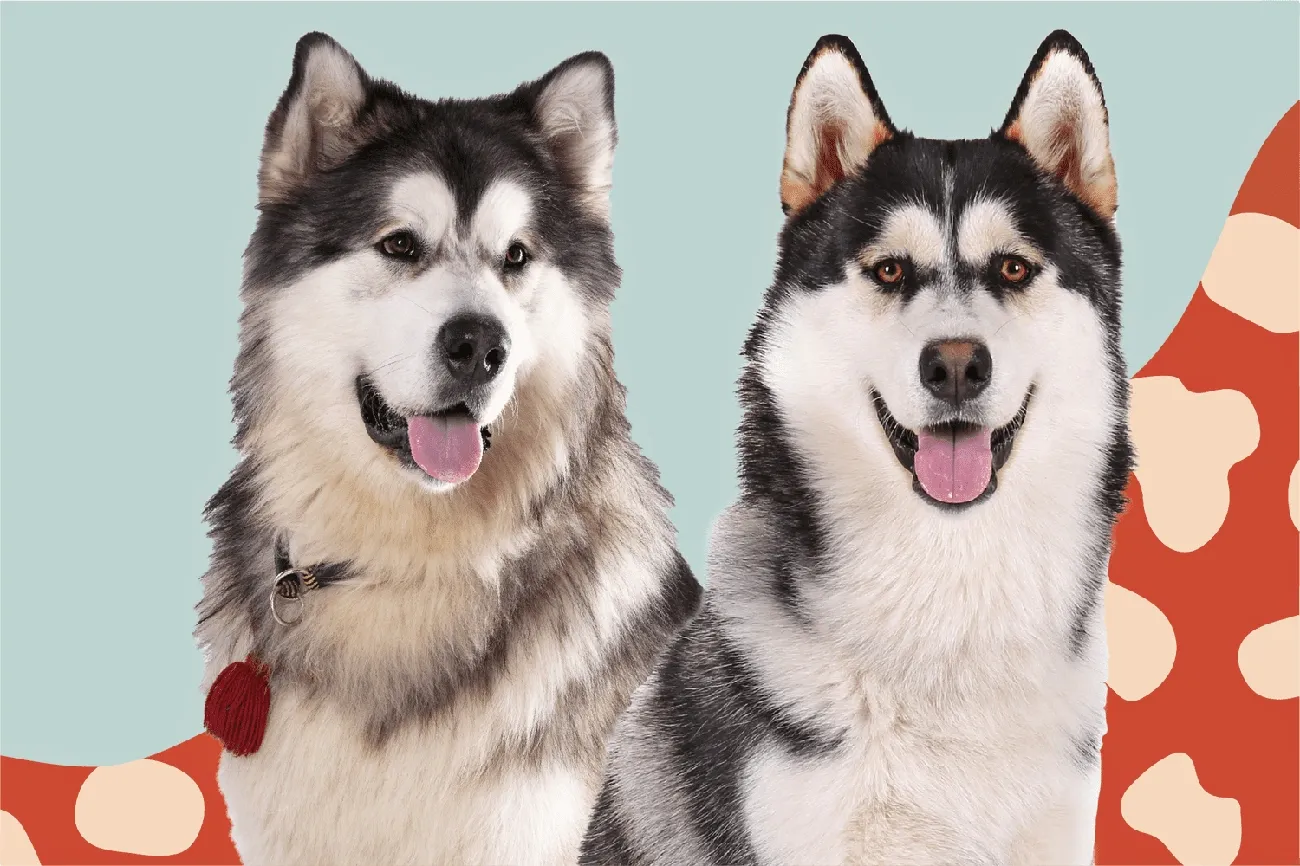
Image Source: Daily Paws
The difference between husky types helps future owners choose the right dog based on their lifestyle and priorities.
Alaskan husky vs Siberian husky
Breeding status sets these dogs apart. Siberian Huskies are purebred dogs with kennel club recognition, while Alaskan Huskies are mixed-breed working dogs bred for performance. Alaskan Huskies grow taller (up to 25.5-26 inches) than their Siberian cousins who reach 24 inches. Siberian Huskies display more variety in coat and eye colors, including their famous blue eyes. Alaskan Huskies usually have brown eyes. When it comes to personality, Alaskan Huskies are easier to train and less stubborn than Siberians.
Alaskan husky vs Alaskan malamute
Alaskan Malamutes are substantially bigger, weighing 75-100 pounds while Alaskan Huskies weigh 35-60 pounds. Each breed’s purpose differs – Malamutes pull heavy loads over short distances, and Alaskan Huskies excel at racing, both sprints and long distances. Malamutes have a wider chest, thicker coat, and look more like wolves. These dogs form stronger bonds with humans but might show aggression toward other animals.
Functional vs esthetic breeding
Breeding purpose creates the biggest difference among these dogs. Performance qualities like speed, endurance, and work capacity guide Alaskan Husky breeding, without strict breed standards. Siberian Huskies and Malamutes must maintain specific physical features among other working abilities. Professional mushers choose Alaskan Huskies for competitive sledding because these dogs represent pure performance-focused breeding.
Conclusion
Alaskan Huskies are remarkable examples of purpose-bred canines. Breeders developed these dogs specifically for their working abilities rather than looks. These dogs have a distinct genetic makeup that makes them different from other northern breeds, even though they lack official recognition. Their mixed heritage combines the best qualities of Arctic dogs and European working breeds. This combination creates natural athletes ready for sled racing challenges.
Breeders have always focused on performance metrics like speed, endurance, appetite, and recovery time. Such practical breeding has created dogs that can perform extraordinary physical feats. These amazing animals excel at both sprinting short distances and powering through brutal conditions in races like the Iditarod.
The dogs’ physical appearance varies quite a bit. Most stand between 20-26 inches tall and weigh 35-75 pounds. Their working heritage shows in their temperament – they’re smart, pack-oriented, and full of endless energy. These traits mean they need lots of daily exercise and mental challenges. Without proper stimulation, they might develop destructive behaviors from boredom.
These hardy dogs typically live 14-16 years. They face some breed-specific health issues like eye conditions and hip dysplasia. On top of that, it’s worth noting their amazing metabolic adaptations that let them work hard in harsh conditions.
Alaskan Huskies showcase a unique breeding philosophy where function matters more than appearance. Siberian Huskies and Alaskan Malamutes follow strict breeding standards to preserve specific traits. Yet Alaskan Huskies keep evolving based on their working performance alone. Active owners who value athletic ability, intelligence, and strong work ethic find these dogs perfect companions. These extraordinary animals prove what’s possible when breeding focuses on capability rather than looks.
Key Takeaways
Understanding the Alaskan Husky reveals a unique approach to dog breeding where performance trumps appearance, creating exceptional working athletes with specific care requirements.
• Alaskan Huskies aren’t purebreds but performance-bred dogs weighing 35-75 pounds, developed specifically for sled racing excellence over appearance standards.
• These high-energy dogs require 1-3 hours of vigorous daily exercise and thrive in multi-dog households due to their pack-oriented nature.
• Two distinct lines exist: sprint dogs bred for speed with sleeker builds, and distance dogs bred for endurance with thicker coats.
• With lifespans of 14-16 years, they’re generally healthy but may face eye conditions, hip dysplasia, and hypothyroidism as common health concerns.
• Their intelligence and independence require consistent training with positive reinforcement, as they’ll only obey commands when they understand the purpose.
The Alaskan Husky represents the pinnacle of functional dog breeding, where every trait serves the ultimate goal of creating the world’s most capable sled dogs. Their success in competitive mushing demonstrates how prioritizing working ability over esthetics can produce truly exceptional canine athletes.
FAQs
Q1. What is the typical lifespan of an Alaskan Husky? Alaskan Huskies generally enjoy a long life, with an average lifespan ranging from 10 to 15 years. With proper care and attention to their health needs, many can live up to 14-16 years.
Q2. How would you describe the temperament of an Alaskan Husky? Alaskan Huskies are known for their good-natured and loving personality. They are highly energetic, social dogs that form strong bonds with their families. While they have an intense drive to run, they also enjoy spending quality time and cuddling with their human companions.
Q3. What are some common behavioral challenges associated with Alaskan Huskies? Alaskan Huskies are intelligent and independent thinkers, which can lead to behavioral issues if not properly trained and exercised. Common challenges include excessive barking, destructive chewing, and a tendency to roam or escape. Early training and consistent exercise are crucial to managing these behaviors.
Q4. How much exercise does an Alaskan Husky require daily? Alaskan Huskies have extremely high energy levels and require substantial daily exercise. They typically need between 1-3 hours of vigorous activity each day, which can include running, hiking, or participating in dog sports. Without adequate exercise, they may develop destructive behaviors.
Q5. What makes Alaskan Huskies unique compared to other husky breeds? Alaskan Huskies are distinct from other husky types in that they are not a standardized breed but rather performance-bred dogs. They are specifically developed for sled racing, prioritizing traits like speed, endurance, and working ability over standardized appearance. This focus on function over form makes them highly adaptable and capable working dogs.