
Afghan Hound Price in India: Information, Characteristics, Behavior, Temperament, Lifespan, Weight in kg
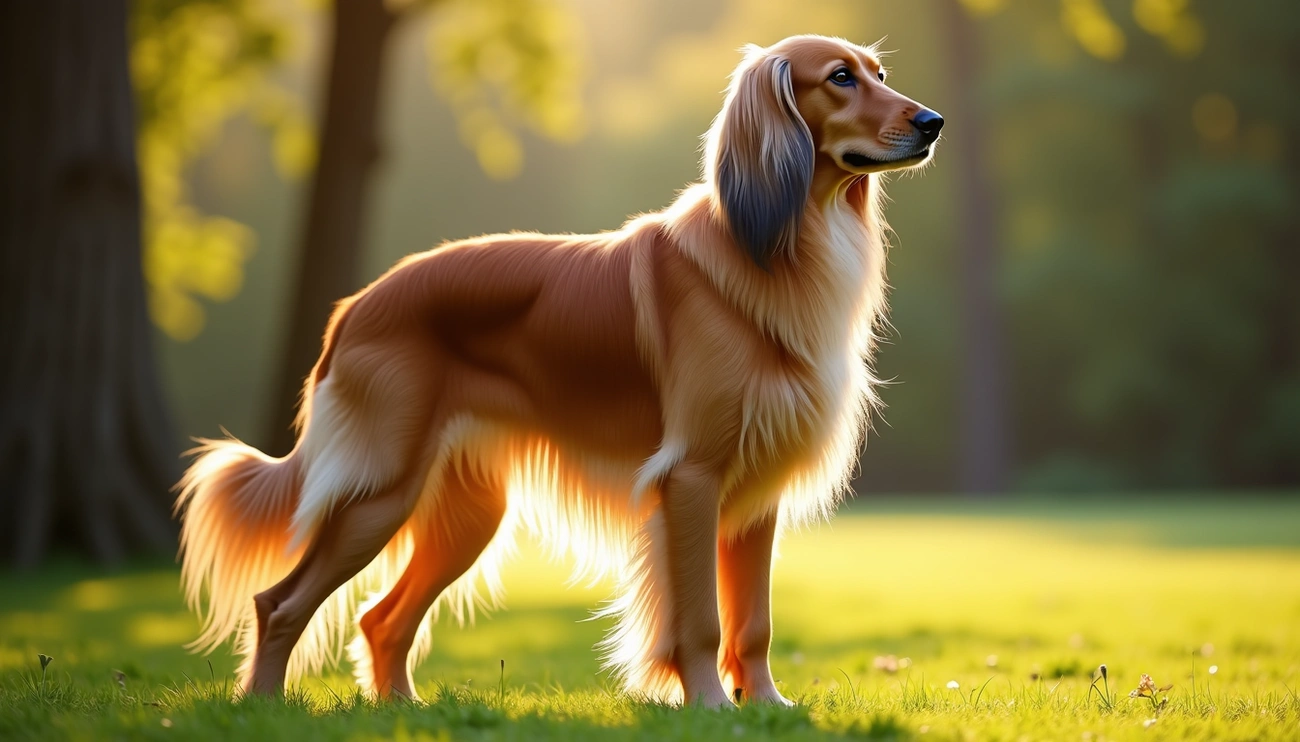
Afghan Hounds are among the world’s most elegant dogs, and they’re quite rare with just 2,000 registrations each year in the United States. These majestic dogs engage lovers of the breed with their flowing coats and noble presence.
- Dog name
- Afghan Hound
- Other Names
- Not Known yet
- Common Nicknames
- Afghan
- Area of Origin
- Afghanistan
- Breed Group
- Hound
- FCI Number
- 228
- AKC Classification
- Hound
- Country Popularity
- Moderate
- Recognition
- AKC, FCI
- Usually Height
- 24-29 inches
- Usually Weight
- 50-60 pounds
- Usually Colors
- Various
- Usually Eye Color
- Dark
- Usually Tail Type
- Long and curved
- Usually Ear Type
- Long and hanging
- Coat Type
- Long and silky
- Body Type
- Sleek and elegant
- Distinctive Markings
- Not Known yet
- Temperament
- Independent
- Personality Traits
- Dignified, aloof
- Energy Level
- Not Known yet
- Social/Attention Needs
- Moderate
- Behavior with Kids
- Good
- Behavior with Other Pets
- Variable
- Intelligence Level
- Average
- Independence
- High
- Trainability
- Challenging
- Playfulness
- Moderate
- Life Expectancy
- 12-14 years
- Common Diseases
- Hip dysplasia
- Hypoallergenic
- No
- Exercise Needs
- High
- Vet Visits
- Annual
- Vaccinations
- Standard
- Grooming Needs
- High
- Shedding Level
- Low
- Dietary Needs
- High-quality food
- Dental Care
- Regular brushing
- Origin Story
- Ancient breed
- Historical Role
- Hunting
- Famous Moments
- Not Known yet
- Breeding Development
- Natural selection
- Cultural Significance
- Symbol of nobility
- Training Type
- Positive reinforcement
- Obedience
- Moderate
- House Training
- Challenging
- Leash Training
- Difficult
- Crate Training
- Possible
- Socialization
- Early needed
- Command Learning
- Slow
- Coat Care
- Regular brushing
- Bath Frequency
- Monthly
- Ear Cleaning
- Weekly
- Nail Trimming
- Monthly
- Eye Care
- Regular checks
- Energy Level
- High
- Exercise Routine
- Daily walks
- Living Conditions
- Space required
- Barking Tendency
- Low
- Digging Habit
- Occasional
- Attention Needs
- Moderate
- Favorite Activities
- Running
- Sleep Duration
- 12-14 hours
- Price in India
- Varies
- Price in USA
- $1,000-$2,000
- Maintenance Cost
- Moderate
- Adoption Option
- Available
- Famous For
- Unique appearance
- Interesting Facts
- One of the oldest breeds
- Accomplishments
- Show winners
- Likes
- Running
- Dislikes
- Being confined
- Favourite Food
- High-quality kibble
- Famous Beagles
- Not Known yet
- Adaptability
- Moderate
- Ideal Owner Type
- Experienced
- Best Companion Breeds
- Not Known yet
- Fun Fact
- Known for their speed
- Breed Popularity
- Moderate
These impressive dogs stand 25 to 27 inches tall and weigh between 50 to 60 pounds[-4]. Their lifespan stretches from 12 to 14 years[-4], which is remarkable for large dogs. Male Afghans typically weigh between 51-75 kg and reach heights of 27-29 inches, while females stand 24-27 inches tall and weigh between 44-75 kg.
These beautiful creatures originated in Afghanistan, where nomadic tribes valued them deeply and gathered yearly to celebrate their magnificence. Their independent nature and striking appearance set them apart from other breeds. Future owners should know both the rewards and challenges of bringing an Afghan Hound home.
This detailed guide covers everything about Afghan Hounds – from their unique traits and temperament to health issues, grooming requirements, and their current price range in India.
Breed Characteristics and Appearance

Image Source: American Kennel Club
The Afghan Hound stands out as one of the most beautiful dog breeds you’ll ever see. Dog lovers often call it the “king of dogs.” This ancient breed perfectly blends grace with athletic prowess.
Size and build of the Afghan Hound
The Afghan Hound’s tall, lean frame shows both power and elegance. Male dogs reach 27-29 inches (64-74 cm) at the shoulder. Females are a bit smaller at 24-27 inches (61-69 cm). Male dogs weigh between 26-34 kg, while females typically hit around 23 kg.
These dogs have remarkable athletic bodies with prominent hipbones. These hipbones aren’t signs of poor health – they’re built this way. The hip joints pivot to help them move faster and handle tough terrain with ease. Their large paw pads played a vital role in their homeland by cushioning their steps on Afghanistan’s rough ground. Strong, straight front legs and large feet covered in long hair complete their build.
Coat types: black, white, blonde and more
The Afghan Hound’s silky coat remains its most striking feature. This fine-textured coat flows along the body and creates their royal look. The breed standards allow these colors:
- Black, black and silver, black and tan
- Blue and blue/cream
- Cream/white
- Red and gold
- Silver
- Brindle and brindle patterns
- Domino (showing a distinctive “widow’s peak”)
Breed standards accept all colors, though white head markings aren’t desired. The coat’s thickness varies based on the dog’s background. Mountain-bred Afghans have thicker, darker coats, while desert-bred ones sport lighter, less voluminous coats.
Unique facial features and posture
These dogs have distinct faces with long, narrow heads and slightly curved muzzles with strong jaws. Their dark, almond-shaped eyes show a noble yet distant look. Most have black noses, though lighter-coated dogs might have liver-colored ones.
Their ears catch everyone’s attention – they’re long, covered in thick silky fur, and sit low on the head. Many owners tie their dog’s head hair in a topknot. This practical style keeps hair away from food and prevents bacteria buildup around the ears.
These dogs carry themselves like royalty, with heads held high. Their tail shows another breed trademark – a small ring at the tip that curls but doesn’t loop over the back.
Afghan Hound vs other Afghanistan dog breeds
Several sighthound breeds come from Afghanistan and nearby regions. The Afghan Hound developed its special coat to handle harsh mountain hunting conditions, unlike other local breeds.
This breed shares ancestry with several related dogs. These include the Persian Saluki, Russian Tasy, Chinese-Afghan border Taigan, and Indian Kurram Valley Hound. British people called them “Persian greyhounds” in the early 1900s.
People know these dogs by different names across regions: Tazi, Tazhi Spay, Da Kochyano Spay, Sage Balochi, Ogar Afgan, Barakzai Hound, Eastern Greyhound, and Persian Greyhound.
Temperament and Personality Traits
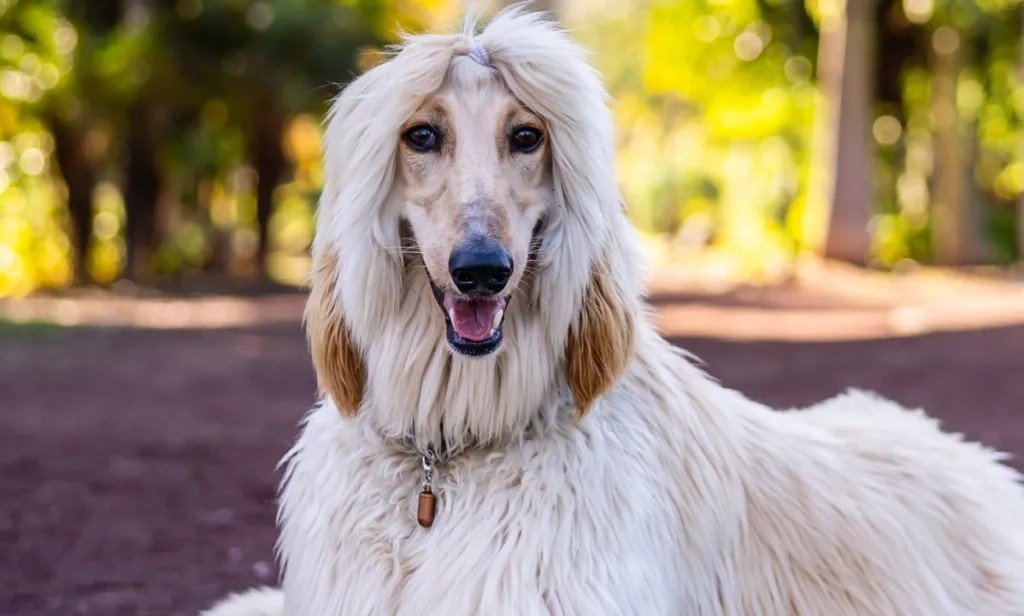
Image Source: DogTime
Afghan Hounds catch dog lovers’ eyes with their stunning looks. These elegant canines have complex personalities that mix noble distance with deep emotions. People often say they act like cats, which makes them quite different from typical companion dogs.
Independent yet loyal nature
Afghan Hounds show two sides to their personality. They’re naturally independent and strong-willed – traits that come from their hunting background bred to think on their feet. These dogs might be self-sufficient, but they build deep connections with their chosen humans and stay fiercely loyal to family members.
Adult Afghan Hounds struggle with new homes because they bond so strongly with their owners. Their devotion makes house training easier since they really want to make their humans happy. Don’t mistake their independence for being standoffish – these dignified dogs can act silly and playful once they feel at home.
The way these dogs balance independence with devotion amazes owners. Rather than begging for attention, an Afghan Hound will quietly follow their people from room to room. They’ll sit beside them with royal calmness – a subtle sign of their attachment.
Sensitivity and emotional intelligence
These dogs have remarkable emotional intelligence. Breed experts say they’re highly perceptive and intuitive. Their sensitivity shows in how they spot tiny changes in their owner’s mood and offer comfort when needed.
Their sensitive nature affects training too. They don’t respond well to harsh corrections and might refuse to obey. Gentle guidance and kind but firm discipline work best. This might explain their low “obedience intelligence” scores – not because they lack smarts, but because they learn differently.
One experienced trainer puts it well: “Intelligence and trainability are very different qualities. In fact, the more intelligent the animal, usually the less trainable they are!”. This challenges the myth that Afghan Hounds aren’t smart – they just process things differently than more obedient breeds.
Interaction with strangers and other pets
Afghan Hounds stay reserved around strangers. They watch new people from afar before deciding to get closer. This distance comes from their natural dignity and confidence, not fear or anxiety.
Their sighthound background and prey drive need careful handling. They might chase smaller animals like squirrels, rabbits, and cats without proper training. Early socialization helps them live peacefully with other pets.
These dogs rarely bark. They don’t make great watchdogs, though their impressive looks might scare off intruders anyway.
Afghan Hound temperament with children
These dogs need special attention when it comes to kids. They can be gentle and patient but don’t naturally love rough play. Their long coat and sensitive skin make them vulnerable to pulling, and loud or busy environments bother them.
Afghan Hounds fit best in homes with:
- Older children (ages 8+) who respect boundaries
- Households that teach kids how to interact with dogs
- Quieter environments with less noise and chaos
Always watch interactions, especially during early bonding. Good training and careful watching help Afghan Hounds build great relationships with both kids and other pets.
Lifespan and Weight (kg)
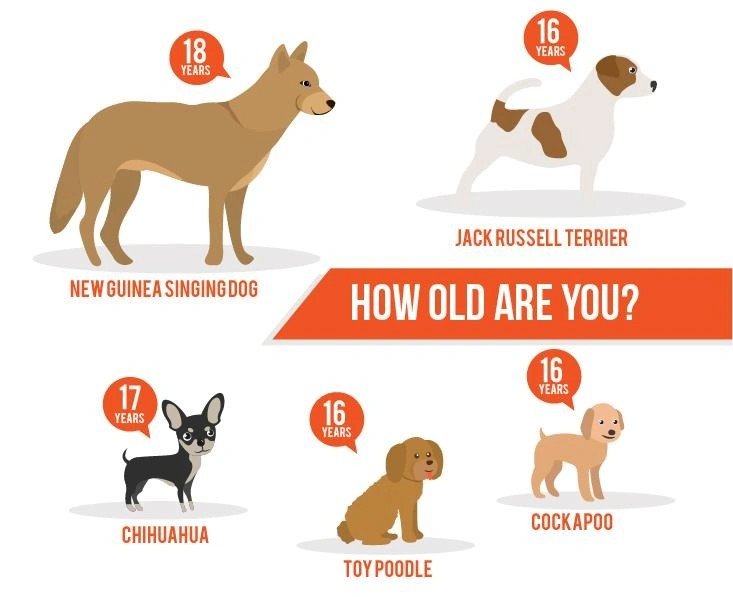
Image Source: PetCareRx
Anyone planning long-term care for these majestic canines should learn about Afghan Hounds’ lifespan and weight characteristics. These physical traits shape their daily care needs and affect their quality of life.
Average lifespan of Afghan Hounds
Afghan Hounds live a respectable life span. Most reliable sources show an average lifespan between 12-14 years. Their longevity ranks them among the longest-living large-breed dogs. These elegant hounds can live up to 15 years with good care and proper nutrition.
Different studies reveal varying lifespan ranges. The American Kennel Club reports Afghan Hounds might live 12-18 years, which shows remarkable longevity for their size. A UK-based study found they lived an average of 11.1 years, compared to 12.7 years for purebred dogs overall.
Health monitoring throughout their life is vital since their sighthound physiology needs special attention. Their naturally low body fat makes Afghan Hounds more sensitive to anesthesia than other breeds. Vets who know sighthounds well can adjust treatments based on these special needs.
Male vs female weight range in kg
Afghan Hounds’ weight varies between males and females. Males usually weigh 23-27 kg, though some might reach 30-34 kg. Females maintain a lighter build at approximately 20-25 kg.
The weight range converts to 50-60 pounds for females and 60-70 pounds for males. Males stand taller at about 70-74 cm while females measure 60-64 cm.
A detailed weight progression shows:
- At 3 months: Males 17-24 lbs (7.7-10.9 kg), Females 16-22 lbs (7.3-10 kg)
- At 6 months: Males 33-40 lbs (15-18.1 kg), Females 30-37 lbs (13.6-16.8 kg)
- At 12 months: Males 50-60 lbs (22.7-27.2 kg), Females 45-55 lbs (20.4-25 kg)
- At 24 months: Males 50-70 lbs (22.7-31.8 kg), Females 50-60 lbs (22.7-27.2 kg)
Afghan Hounds reach their full height around one year. Males take longer to develop fully and gain weight until about two and a half years old.
Factors affecting lifespan and weight
Several factors shape Afghan Hounds’ lifespan and healthy weight. Genetics are the foundation, and environmental factors equally determine how well these dogs thrive.
Nutrition stands out as the key factor. Afghan Hounds need high-quality dog food that matches their age (puppy, adult, or senior). These active, athletic dogs require proper nutrition to keep their energy levels without becoming overweight.
Exercise needs change as they age. Puppies benefit from moderate exercise that supports healthy growth without straining developing bones and joints. Adult Afghans need regular activities that challenge both their physical abilities and hunting instincts.
Good health management helps these dogs live longer. Early detection and treatment of health issues comes from regular vet check-ups. Owners should watch for signs of bloat—a sudden, life-threatening swelling of the abdomen that often affects deep-chested breeds.
Weight needs constant monitoring. Experts suggest consulting a vet if an Afghan Hound gains weight after 36 months. Extra weight can cause joint problems and other health issues in these dogs.
Grooming Needs and Coat Care

Image Source: Groomers University
The Afghan Hound’s stunning, flowing coat stands out as their signature feature, but it comes with serious grooming responsibilities. Future owners should know that these dogs rank among the most demanding breeds when it comes to coat maintenance.
Brushing and detangling long hair
Good brushing techniques are the foundations of Afghan Hound coat care. You should never brush a dry or dirty coat because this will damage the hair. Afghan puppies start life with short, fuzzy coats that need little care. Their signature flowing locks develop as they grow older, and that’s when grooming becomes much more intensive.
Essential grooming tools include:
- High-quality pin brush (primary tool for detangling)
- Metal comb (for finding hidden mats)
- Detangling spray or conditioner
- Slicker brush for problem areas
Your Afghan Hound will need several hours of brushing each week to stay tangle and mat-free. Expert groomers suggest you brush from the skin outward and work in sections. They also recommend using your fingers to find mats in tricky spots like armpits or behind ears. Daily brushing becomes a must if you’re maintaining a show coat.
Bathing frequency and coat maintenance
Show-coated Afghan Hounds typically need baths every 1-2 weeks. Dogs in shorter “pet clips” can do fine with monthly baths. The bathing process needs careful attention. You should work shampoo through the coat in the direction of hair growth instead of scrubbing, which can harm the coat.
The coat’s health depends heavily on good conditioning after shampooing. Many owners apply a cream rinse and then follow up with conditioner to keep the coat silky and manageable. Some pros swear by a special conditioning mix: “one heaping tablespoon of cholesterol, 1 tablespoon of sleeking conditioner, 1-2 tablespoons of Moroccan Argan oil, and 1 tablespoon of CHI Silk Infusion” mixed with water.
Complete drying is vital since leftover moisture on skin can lead to fungal and bacterial growth. Most owners let their dogs air-dry for an hour before using a hairdryer because the whole process takes quite a while.
Managing shedding and dander
These dogs shed an average amount, which might surprise you given their abundant coat. Their coat traps dander instead of letting it spread through your home. This feature, plus their lack of undercoat, makes them a better choice for people with allergies compared to many other breeds.
You can keep allergens and shedding under control by bathing your Afghan Hound every 3-4 weeks. Make sure to use hypoallergenic dog shampoos. Regular baths help remove loose hair, dust, and pollen that build up over time.
Bath and grooming sessions give you a great chance to check your dog’s skin for any problems, rashes, or sore spots. These regular checks help catch potential skin issues early.
Tips for ear and nail care
Afghan Hounds’ long, hanging ears need extra care to avoid infections. Many owners use “snoods” – tube-like head coverings that keep ear fringes clean during meals. These handy accessories stop food from getting into the dog’s ears and facial hair.
You should clean the ear canals gently to remove wax and dirt without hurting the delicate structure. Make it a habit to lift and check ears often for irritation, excess ear wax, redness, or discharge.
Nail care matters just as much – trim nails at least monthly before they touch the ground during walks. Here’s a simple test: if you hear clicking when your Afghan walks on hard floors, it’s nail trimming time.
Don’t forget about dental care. Brush your dog’s teeth regularly with dog-friendly toothpaste for good oral health. Some owners make dental checks part of their grooming routine, turning the whole process into quality bonding time with their elegant companions.
Health and Common Issues

Image Source: PangoVet Pet Corner
Afghan Hounds need special healthcare to keep their majestic appearance throughout their lives. These elegant dogs are generally tough, but they face some breed-specific health problems that new owners should know about before bringing one home.
Afghan Hound health problems to watch for
These beautiful dogs can develop several musculoskeletal conditions. Hip and elbow dysplasia makes joints unstable and causes pain with movement issues. Young dogs between five and 18 months old might get Panosteitis, a painful inflammatory disorder that causes sudden lameness but usually gets better with proper pain management.
Gastric Dilatation-Volvulus (GDV) or bloat poses a serious risk to deep-chested breeds like Afghan Hounds. This life-threatening emergency happens when the stomach twists and traps gasses inside. Dogs can die within 30 minutes without treatment. You should watch for signs like swollen belly, heavy drooling, and failed attempts to throw up.
Hypothyroidism often shows up in these dogs. The thyroid gland doesn’t make enough hormones, which leads to heavy shedding, weight gain, low energy, and droopy facial features. Blood tests can catch this condition early, and dogs respond well to lifelong medication.
Genetic conditions and screening
The Afghan Hound Club suggests specific health tests to find genetic problems early:
- Hip evaluation
- Ophthalmologist evaluation for eye disorders
- Thyroid evaluation
Hereditary Necrotizing Myelopathy (ENM) ranks as the most devastating genetic condition these dogs face. This spinal cord disease causes paralysis and death. Symptoms usually show up between three and 12 months old. Right now, no treatments exist.
These dogs can also inherit von Willebrand’s disease, which affects blood clotting. Eye problems like juvenile cataracts and progressive retinal atrophy might damage their vision.
Preventive care and vet checkups
Your Afghan Hound puppy needs vet visits every 3-4 weeks during the first year. After that, yearly checkups work well. They need core vaccines against parvovirus, distemper, canine hepatitis, and rabies. Your vet might suggest other vaccines based on risk.
These dogs must take monthly heartworm prevention medicine starting around eight weeks old. Afghan Hounds also need special anesthesia protocols because of their unique body type and low fat.
Dental care matters a lot. Most dogs get dental disease by age two, which can cut their life short by one to three years. Regular brushing at home plus professional cleanings help prevent these problems.
Is the Afghan Hound hypoallergenic?
Good news for allergy sufferers – Afghan Hounds rarely trigger reactions. Their flowing coat traps dander instead of letting it spread through your home. They don’t have an undercoat and shed very little, which means fewer allergens.
Regular baths with hypoallergenic dog shampoos every 3-4 weeks can reduce allergens. Still, people with bad allergies should spend time with these dogs before getting one.
Training and Exercise Requirements

Image Source: FunnyFuzzy
Training an Afghan Hound comes with unique challenges that need specialized approaches. These elegant canines just need patience, consistency, and respect for their unique temperament during training sessions.
Why Afghan Hounds are hard to train
Afghan Hounds rank as one of the most difficult breeds to train, with their independent, strong-willed nature making traditional obedience tough. Their difficulty isn’t from lack of intelligence but stems from a different kind of smarts. These dogs learned to make independent decisions while hunting in rough terrain, and this self-reliance still shows today.
Their sensitive nature makes training even trickier, as Afghan Hounds simply shut down or refuse commands when faced with harsh corrections. The sort of thing I love about these dogs is their indifference to both punishment and rewards, which makes regular training methods nowhere near as effective.
Positive reinforcement techniques
Their sensitivity means positive reinforcement works best for Afghan Hound training. Here are the simple techniques that work:
- Using rewards they value (though they rarely care much about food or praise)
- Keeping training sessions short and fun to prevent boredom
- Adding play elements to hold their interest
- Showing calm consistency without harsh methods
Note that these dogs thrive on mutual respect rather than forceful approaches. Simple commands like come, sit, and stay work fine for most pet Afghan Hounds unless you’re aiming for obedience competitions.
Exercise needs and safe play areas
Afghan Hounds need plenty of daily exercise for their physical and mental health. Experts suggest about 2 hours of activity daily, and short walks won’t cut it for this athletic breed.
Their strong prey drive means you’ll need special safety measures during exercise. You’ll want a secure fence with high walls since these impressive jumpers can clear 6 feet from standing still. Afghan Hounds must stay leashed outside fenced areas—no amount of training beats their instinct to chase potential prey.
Mental stimulation and enrichment
Physical exercise isn’t enough—Afghan Hounds need mental challenges to avoid getting into trouble. Without enough mental stimulation, they might turn destructive and even try to open cupboards with their long snouts.
These activities help keep their minds busy:
- Lure coursing that taps into their natural hunting instincts
- Scent work exercises to challenge their intelligence
- Agility training (though they’ll decide when to participate)
Successful Afghan Hound owners know training this breed builds partnerships rather than control. With time, creativity, and respect for their dignified nature, these elegant hounds can become well-mannered companions who choose when to show off their training.
Afghan Hound Price in India
Image Source: iHeartDogs.com
Getting an Afghan Hound in India is one of the most important investments a dog lover can make. These magnificent dogs are among the rarest and most expensive breeds you can find in the country. Future owners should think about both the purchase price and maintenance costs before welcoming this elegant canine into their home.
Afghan Hound dog price in India (2025)
The price of Afghan Hounds in India changes based on where you get them. Premium breeders ask between ₹2,50,000 and ₹5,00,000 for high-quality puppies. You’ll find simple pet-quality Afghan Hounds around ₹60,000 to ₹80,000, while KCI-registered puppies cost ₹80,000 to ₹1,20,000. Show-quality dogs can sell for ₹1,20,000 to ₹1,80,000.
Prices often differ by city:
- Mumbai: ₹2,50,000 to ₹5,00,000
- Delhi: ₹2,60,000 to ₹5,00,000
- Bangalore: ₹2,55,000 to ₹5,00,000
- Pune: ₹2,50,000 to ₹5,00,000
Factors affecting cost: breeder, location, lineage
The final price of an Afghan Hound depends on several factors. We looked at quality categories first—simple, KCI-registered, or show-quality—that set the cost bracket. The dog’s physical attributes, especially rare coat colors, can drive prices up.
Pure-bred puppies with documented lineage cost more than mixed breeds. Breeders with 10-year-old track records usually charge premium rates. Dogs from champion bloodlines or microchipped puppies come with extra costs.
Afghan Hound puppy price vs adult dog
Puppies cost more than adult Afghan Hounds because buyers prefer young dogs. Male puppies might fetch higher prices than females, though this varies among breeders. The breed’s rarity in India makes finding adult Afghan Hounds difficult.
Cost of ownership: food, grooming, vet care
Afghan Hound ownership needs a high ongoing investment. Healthcare costs run between ₹10,000 to ₹15,000 yearly. Food expenses range from ₹1,000 to ₹3,000 monthly. Professional grooming, needed every month, costs ₹1,000 to ₹5,000 per session. Training adds ₹5,000 to ₹8,000 more.
Pros and Cons of Owning an Afghan Hound

Image Source: The Spruce Pets
You should think over both the rewards and challenges before bringing an Afghan Hound into your home.
Advantages of the breed
Afghan Hounds make excellent companions with several appealing qualities. These dogs rarely bark without reason. Their sweet and gentle nature helps them become peaceful family members. Afghan Hounds don’t shed much, which makes them a great choice for people with allergies since they’re hypoallergenic. These beautiful dogs build deep bonds with their families and show amazing loyalty.
Challenges and considerations
Afghan Hound ownership brings some serious responsibilities. Their beautiful coat needs lots of maintenance and weekly brushing that takes several hours. Training becomes tough because of their independent and self-directed personality. The breed’s long hair makes them prone to ear infections. These dogs just need plenty of attention and exercise, so they aren’t the best choice for first-time dog owners.
Is the Afghan Hound right for you?
Active and experienced owners who can handle proper exercise and grooming help Afghan Hounds thrive. Cat owners often love Afghan Hounds because of their independent and somewhat distant nature. The original choice might not work well for families with young children since toddlers tend to pull their long hair. The breed gets along better with older kids who respect boundaries. A pedigree puppy costs up to £1000 today, plus you’ll need money for regular grooming and care.
Conclusion
Afghan Hounds stand without doubt as one of the most striking and distinctive dog breeds in the world. Their flowing silky coats, regal posture, and aristocratic demeanor make them instantly recognizable among canine enthusiasts. A complex, independent personality lies behind their elegant appearance that just needs understanding and respect from their human companions.
Smart owners should think about whether they can meet this majestic breed’s substantial commitments. Their signature flowing locks require several hours of grooming each week. On top of that, their independent nature makes training tough. Owners must use patience and consistent positive reinforcement instead of traditional methods.
These beautiful dogs reward dedicated owners with steadfast loyalty and dignified companionship. They build deep bonds with family members but keep their somewhat aloof, cat-like demeanor. This elegant breed runs best with experienced dog owners who appreciate their unique blend of independence and devotion.
Bringing an Afghan Hound into your home needs careful thought. The substantial purchase price (especially in India), ongoing grooming costs, and specific exercise needs make these dogs a big investment of time and money. But those who understand their needs and value their distinctive personality will find Afghan Hounds offer truly special companionship unlike any other breed.
The right match between owner and Afghan Hound ended up creating a rewarding relationship built on mutual respect and understanding. People who welcome both the joys and challenges of this ancient breed will share their lives with one of the most elegant, loyal, and fascinating canine companions around.
Key Takeaways
Afghan Hounds are among the world’s most elegant yet challenging dog breeds, requiring dedicated owners who understand their unique needs and independent nature.
• Afghan Hounds are large, elegant dogs weighing 20-34 kg with a 12-14 year lifespan, featuring flowing silky coats in various colors including black, cream, and gold.
• These independent, cat-like dogs form deep family bonds but require patient, positive training methods due to their sensitive, strong-willed temperament.
• Their luxurious coat demands several hours of weekly brushing and professional grooming every 1-2 weeks, making them high-maintenance companions.
• Despite being relatively hypoallergenic with minimal shedding, they need 2 hours of daily exercise in secure areas due to their strong prey drive.
• In India, Afghan Hounds cost ₹2,50,000-₹5,00,000 initially, with ongoing expenses of ₹15,000-₹25,000 annually for food, grooming, and healthcare.
Afghan Hounds reward experienced owners with unwavering loyalty and dignified companionship, but they’re not suitable for first-time dog owners or families seeking easily trainable pets. Their combination of beauty, independence, and specific care requirements makes them ideal for dedicated enthusiasts who appreciate their aristocratic nature.
FAQs
Q1. What are the key personality traits of Afghan Hounds?
Afghan Hounds are known for their independent and strong-willed nature. They combine aloof dignity with a clownish side, displaying fierce bravery at times while being sensitive and sometimes timid. Their unique temperament requires patient, positive training methods.
Q2. How long do Afghan Hounds typically live?
The average lifespan of an Afghan Hound is 12 to 14 years. With proper care and nutrition, these elegant dogs can potentially live up to 15 years, making them relatively long-lived for a large breed.
Q3. Are Afghan Hounds difficult to groom?
Yes, Afghan Hounds are considered high-maintenance in terms of grooming. Their long, flowing coat requires several hours of brushing weekly and professional grooming every 1-2 weeks. It’s important to start grooming routines early to acclimate puppies to the process.
Q4. How do Afghan Hounds behave around their owners?
Afghan Hounds tend to be independent and may work at a distance from their owners, following their instincts rather than strictly obeying commands. They form deep bonds with family members but maintain a somewhat aloof, cat-like demeanor. They’re often more tolerant of short absences than some other breeds.
Q5. What exercise requirements do Afghan Hounds have?
Afghan Hounds need substantial daily exercise, typically around 2 hours per day. They have a strong prey drive, so exercise should occur in securely fenced areas. Activities like lure coursing can help satisfy their natural hunting instincts while providing mental stimulation.