
Afador Dog : Characteristics, Behavior, Temperament, Lifespan, Weight kg
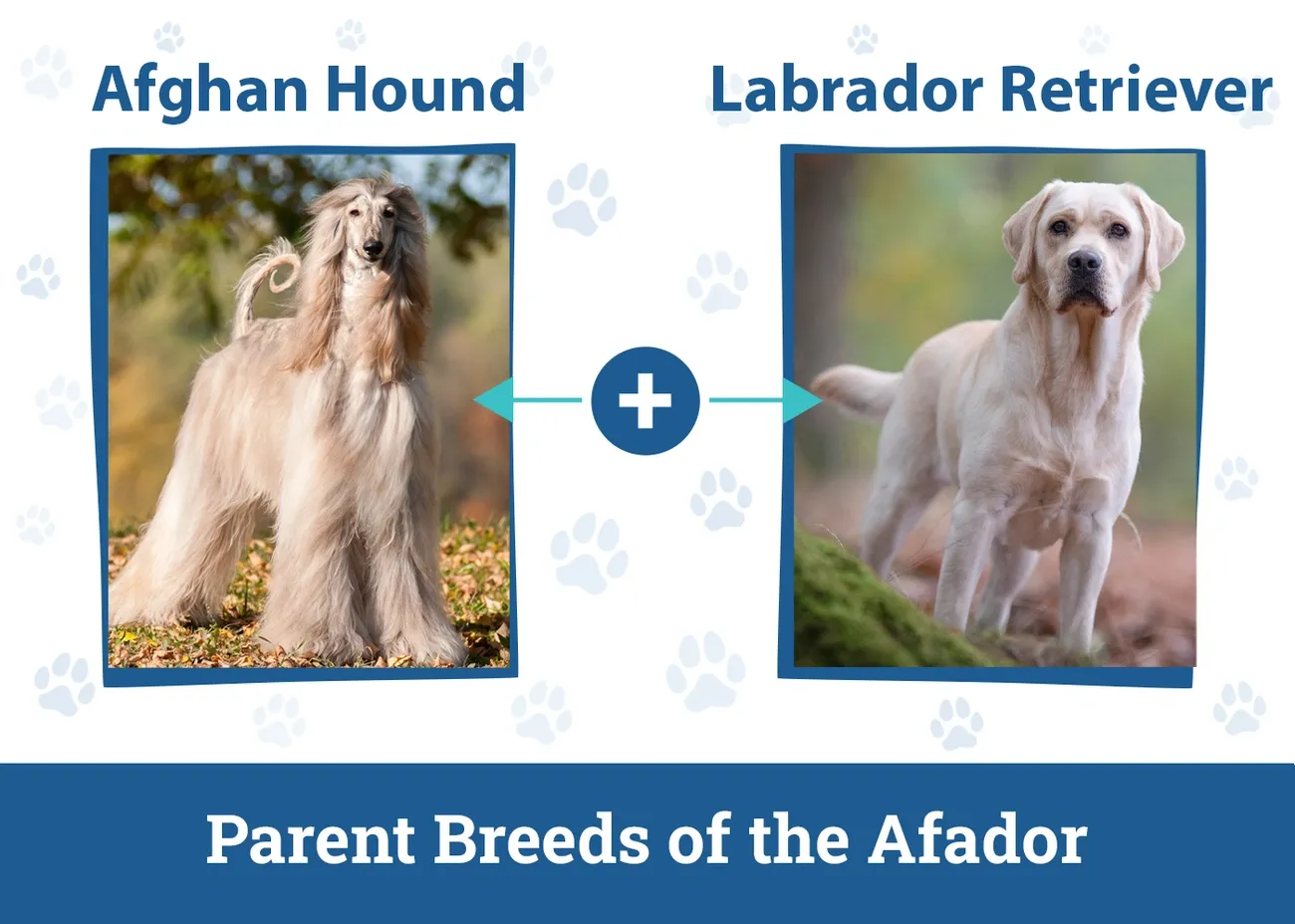 Afador dogs blend elegance with friendliness in a remarkable way. These dogs come from crossing the sophisticated Afghan Hound with the lovable Labrador Retriever. The medium to large-sized hybrid brings together the best traits from both parent breeds and makes loyal, energetic, and affectionate companions.
A full-grown Afador reaches 20 to 29 inches in height and weighs approximately 50 to 75 pounds. These dogs aren’t purebred, but they have special qualities that dog lovers really appreciate. Their slender build, long legs, and athletic looks make them fantastic family pets that live 10-12 years[-2]. On top of that, their unique physical features and personality help them stand out from other mixed breeds. Dog owners should know what it all means to raise this special crossbreed before bringing one home.
Origin and History of the Afador Dog
The Afador stands out as a newer addition to the designer dog family. Unlike many dog breeds that are centuries old, this mix brings a shorter but fascinating story that’s worth learning about.
Afghan Hound and Labrador Retriever lineage
The Afador’s story comes from two parent breeds with roots in completely different parts of the world. The elegant Afghan Hound hails from Afghanistan, just as its name suggests. Dog enthusiasts once believed it was thousands of years old, but modern evidence shows its lineage goes back to at least the 1800s. The Afghan Hound adds a noble, aristocratic quality to the Afador’s genes.
The other half of this hybrid comes from the reliable Labrador Retriever, which traces back to the early 19th century. Breeders developed Labradors in Newfoundland, Canada, by mixing St. John’s water dogs with various British hunting dogs. Their practical working background creates an interesting mix with the Afghan Hound’s more decorative history.
Both breeds earned recognition from major kennel clubs and built strong followings for different reasons. People loved the Afghan Hound for its beautiful looks and independent spirit, while the Labrador became popular worldwide for its friendly nature, smarts, and adaptability. The Labrador has grown into one of the world’s most popular dog breeds and serves as a service dog because it learns quickly and has such a gentle nature.
Where and when the Afador was first bred
Someone created the Afador mix much more recently than either of its parent breeds. Several sources point to Alaska as its birthplace around 2000. This timing matched a period when designer dogs started becoming more popular with breeders who wanted to mix specific traits from purebred dogs.
Alaska seems like an unusual birthplace for a mix between dogs from Afghanistan and Canada. The breeder who first mixed these two unique breeds wanted to create the perfect blend of intelligence and gentle temperament to make an ideal family pet.
The Afador hasn’t become as popular as other designer breeds since its creation. Breeders still work to improve this hybrid by carefully matching Afghan Hounds with Labrador Retrievers. They want to create consistent traits through multiple generations of breeding.
As a mix of two purebred dogs, the Afador belongs to the designer or hybrid dog category. This means the American Kennel Club (AKC) won’t register it. Both parent breeds – the Afghan Hound and Labrador Retriever – have AKC recognition and respect.
The careful matching of these two different breeds wasn’t random. Breeders wanted to combine the Labrador’s smarts and trainability with the Afghan Hound’s beautiful looks and independent nature. They hoped to create a dog that would take the best qualities from both breeds – the Labrador’s friendly personality and the Afghan’s stunning appearance.
Physical Characteristics of the Afador
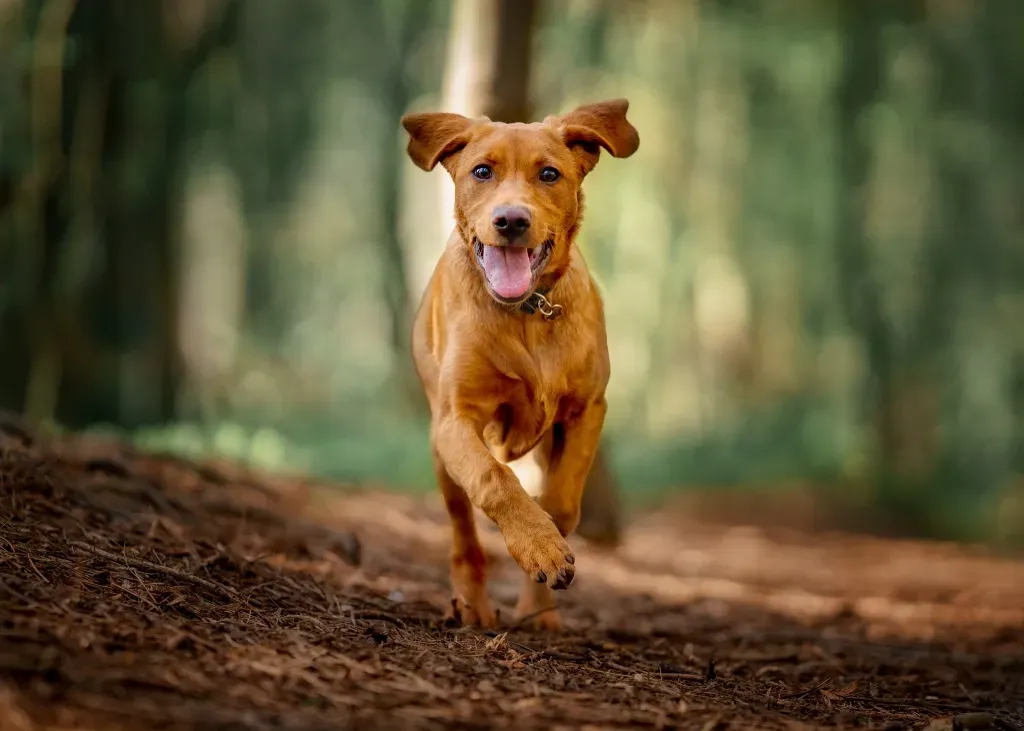
Image Source: DogTime
The Afador showcases an impressive silhouette that blends the Afghan Hound’s refined elegance with the Labrador Retriever’s robust build. Each Afador looks somewhat unique since this designer crossbreed exhibits physical traits that can vary substantially between dogs.
Afador full grown size and weight
A fully mature Afador fits into the medium to large size category. These dogs stand between 20 to 29 inches tall at the shoulder. You’ll notice quite a range in height among these hybrids. Male Afadors tend to be slightly longer, measuring 22 to 27 inches, while females typically reach 22 to 24 inches in length.
Adult Afadors usually weigh between 50 to 75 pounds, with the typical weight around 62.5 pounds (29.5 kg). Some experts note a narrower weight range of 60 to 70 pounds or 60 to 75 pounds. These dogs need plenty of space to move around comfortably and don’t adapt well to apartment living.
The Afador’s body shows a slender build with long legs and an athletic look that reflects their energetic personality. Their structure combines the Labrador’s athletic ability with the Afghan Hound’s refined features, creating a dog that looks both powerful and graceful.
Coat type and color variations
The Afador’s coat stands out as one of its most variable features, taking after either parent breed or showing a mix of both. Some dogs inherit the Afghan Hound’s flowing locks, while others sport the Labrador Retriever’s shorter, dense coat. The coat feels silky and lies straight, never showing heavy curls or cords.
Some Afadors develop an interesting hybrid coat – short and thick on the body with smoother, wavy hair around their ears. Dogs with longer coats usually have shorter facial hair, and sometimes display a dark mask.
These mixed breeds come in several colors:
- Black
- Brown
- Gray
- Red
- Fawn
- Cream
- White
The colors appear either solid or with various patterns and markings. This wide color range makes each Afador truly unique.
Afador dog images and appearance traits
The Afador’s distinctive features include a large round head and long, tapered muzzle. Their face shows a brown or black nose, dark almond-shaped eyes, and an intelligent, curious expression.
Many Afadors inherit their Afghan parent’s dropped, folded ears. These longer ears add to the breed’s distinctive look but need regular care to prevent infections.
The Afador balances strength and grace perfectly. Their looks can vary dramatically, even among puppies from the same litter. The coat length remains the most unpredictable trait – as one expert puts it, you might as well “flip a coin and hope for the best” about whether your pup will get the Afghan’s flowing coat or the Labrador’s practical fur.
These dogs show remarkable individuality, often combining the best physical features from both parent breeds. Anyone planning to adopt an Afador puppy should know that their adult appearance might hold some surprises as they grow up.
Temperament and Personality Traits
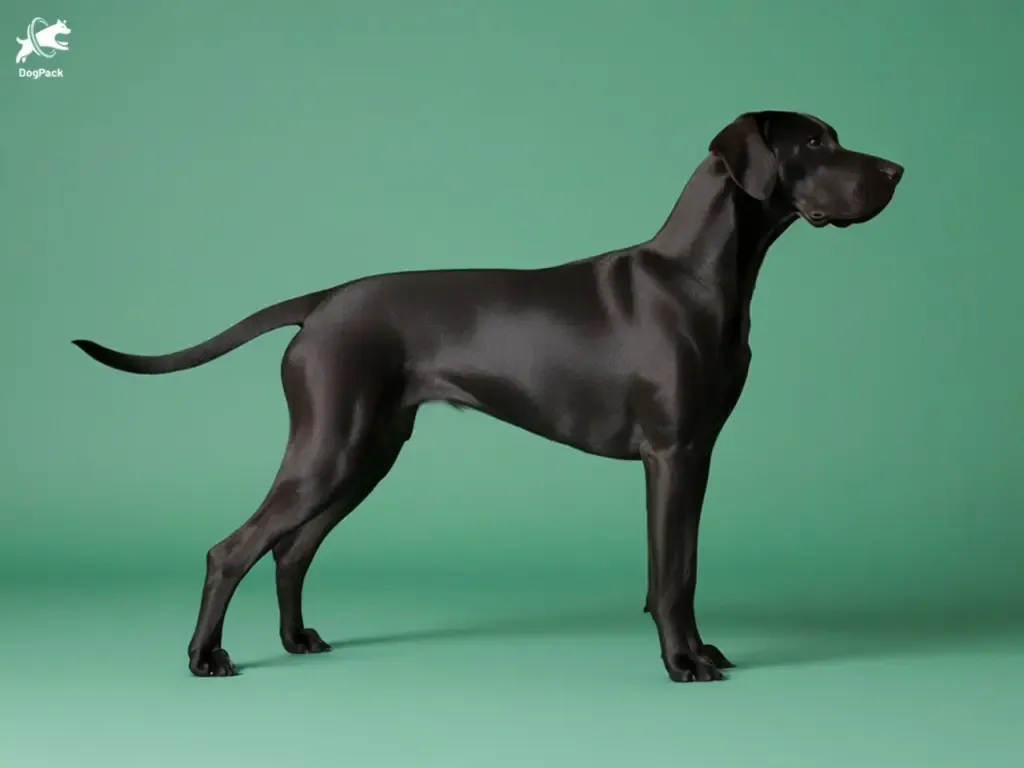
Image Source: DogPack App
You need to understand an Afador’s temperament if you want to own one. These dogs combine traits from both parent breeds and create a unique personality profile.
Affectionate and loyal nature
An Afador’s endearing attitude makes them exceptional family companions. They build strong bonds with their owners and create lifelong connections with family members. These dogs are affectionate, independent, intelligent, and loyal. They make wonderful family pets that run on human interaction.
This crossbreed’s happiness and curiosity about the world stands out. They overflow with love for their people and want to join every family activity. Their natural affection comes from their parents – mixing the Labrador Retriever’s friendly nature with the Afghan Hound’s noble qualities.
Note that Afadors have an energetic streak that can overwhelm unprepared owners. They stay alert and like to bark when strangers arrive. This makes them great at warning their family about potential visitors. Their independent mind and intelligence help them learn quickly with proper training.
Behavior with children and families
Afadors get along well with children, especially older ones who can handle their lively nature. Their playful personality fits perfectly with active families. However, their high spirits mean they do better with children who won’t get knocked over during excited play.
Families with younger children should keep a few things in mind. Experts suggest adopting an Afador only when children are over the age of 10 years old. By this age, children know better than to poke or prod at the dog. While Afadors are gentle, they don’t like being teased by small children.
An Afador’s size and energy need careful management around children. These big, brawny dogs have lots of energy. An untrained Afador could accidentally hurt a small child while playing. That’s why supervision and proper training matter when bringing an Afador into a home with children. Early socialization helps them interact well with people of all ages.
A well-raised and trained Afador makes an excellent family dog because of their:
- Loyal and protective nature
- Playful and affectionate disposition
- Intelligence and trainability
- Adaptability to family environments
- Patience with properly behaved children
Interaction with other pets
You should think about how an Afador will get along with other animals. These dogs have a strong prey drive that makes them chase cats and smaller animals in the house. This hunting instinct comes from their heritage and needs proper management.
The good news is Afadors can live peacefully with other pets. Early socialization helps them learn to coexist with cats and other animals. The process takes patience and consistent training. Praise them often when they move slowly and gently around smaller animals.
Afadors might act bossy around other dogs at first. Individual dogs vary based on which parent breed’s traits show up more strongly. Those taking after Labradors tend to be more social with other dogs. Dogs with stronger Afghan Hound traits might be more reserved.
Early socialization matters most in homes with multiple pets. Puppies raised with other pets adjust better than adults meeting new animals later in life. A well-socialized Afador can definitely thrive with other animals if you introduce them properly and focus on training from day one.
Trainability and Intelligence
Training an Afador takes a deep understanding of their unique mix of smarts and independence. These designer dogs can be tricky to train because they inherit different thinking patterns from their parent breeds.
How smart are Afador dogs?
Afadors are incredibly smart, but their intelligence shows up in complex ways. They get two different types of smarts—the Lab’s knack for solving problems and the Afghan Hound’s independent thinking. Labradors are exceptionally sharp and love to please, while Afghan Hounds tend to think more independently.
This mixed background creates a dog with “massive potential to be remarkably bright”. Keep in mind that smart Afadors might not always seem responsive—not because they don’t understand, but because they have that independent streak in their DNA. Their intelligence comes through in how they tap into the connections between commands, actions, and rewards when they feel motivated.
Some Afadors take after their Lab parents and love to learn, quickly picking up which commands lead to treats. Others show their Afghan side and think for themselves. They understand commands perfectly but choose when to follow them based on what they think is best.
Tips for training stubborn Afadors
You just need specific training approaches for an Afador’s strong-willed nature. Starting training early makes a big difference, especially with socializing them to handle their natural caution around strangers. These dogs think for themselves but are super smart, and good training helps them “listen to commands perfectly with few flaws”.
Here’s what works with stubborn Afadors:
- Split training into smaller bits instead of pushing for perfect results right away
- Use the same commands and signals every time—mixed messages lead to stubbornness
- Keep training short at 5-10 minutes and work on one command at a time
- Mix mental challenges with physical exercise to fight boredom-related stubbornness
- Pick treats that make following commands feel “like they just hit the jackpot”
Don’t write off your dog as just “stubborn”—look for specific behaviors to work on. Patience pays off with Afadors, even if progress takes time. Let them play before training to help them “zero in” and make the experience fun for everyone.
Are they good for first-time owners?
Afadors can be quite a handful for new dog owners. Their mix of smarts and independence means they do better with experienced handlers. New pet owners should think about working with a professional trainer when getting an Afador.
If you’re new to handling strong-willed dogs, “a professional dog trainer would be a good investment”. This advice comes from the fact that Afadors tend to be “a handful to train”. They just need steady, patient guidance to work through their independent nature.
Afadors are “not for everyone—especially those who prefer to have low- to medium-maintenance dogs”. Their energy levels, intelligence, and occasional stubbornness mean owners must be ready to put in serious work.
In spite of that, first-time owners who want to learn proper training methods can succeed with an Afador. One expert points out that “novice owners who are up to the challenge could get an afador, though the dog may be more than some are ready for”. Success comes down to treating Afador training like “running a marathon with no finish line”—you’ll need consistency, patience, and flexibility to match each dog’s personality.
Exercise and Activity Needs
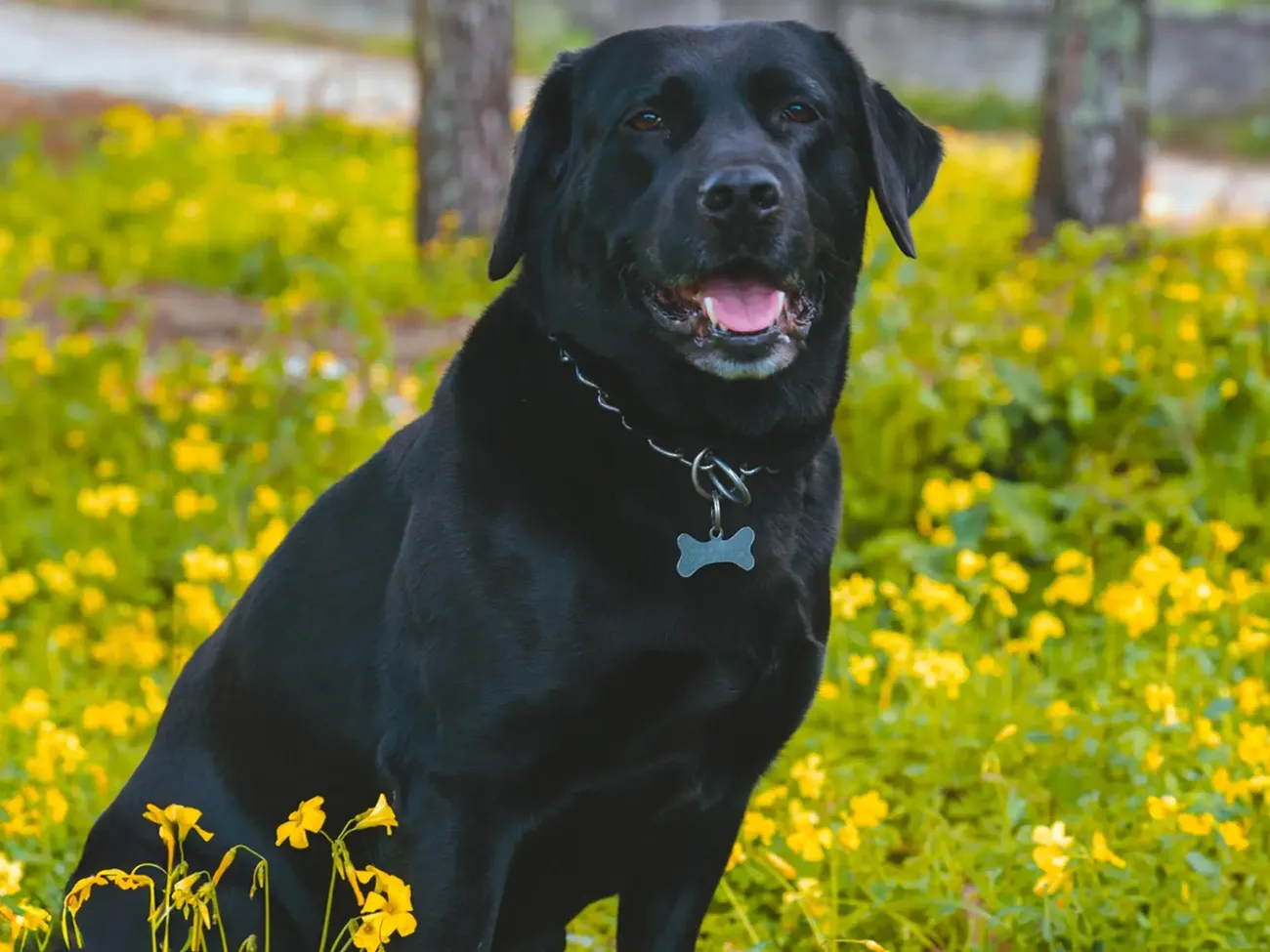
Image Source: DogPack App
An Afador’s physical and mental well-being depends on meeting their substantial exercise needs. These energetic dogs get their high activity requirements from both parent breeds, making regular exercise significant to their physical health and behavior.
Daily physical activity requirements
Afadors need consistent daily exercise to stay healthy and avoid problematic behaviors. Most experts suggest between 45 to 60 minutes of physical activity per day. Their heritage explains this requirement—both the Labrador Retriever and Afghan Hound need at least 45 minutes of daily activity. These dogs can become couch potatoes and develop weight problems without enough exercise.
Letting an Afador roam the backyard alone won’t cut it. They typically won’t exercise on their own and might become destructive when left alone. Interactive exercise works much better for these social canines. As one source puts it, “By getting out there with your dog and playing games or simply taking a walk around the neighborhood, you are building a bond with your dog that will last a lifetime”.
Your Afador’s health and happiness improve with:
- Daily walks of moderate length
- Interactive fetch games (they love this thanks to their Labrador heritage)
- Swimming opportunities (they usually inherit strong swimming abilities)
- Bike riding (with proper training)
- Secured off-leash park visits
Afador puppies often need extra exercise time to burn off their excess energy. Their youthful spirit makes regular activity even more important during development.
Mental stimulation and playtime
Physical exercise isn’t enough by itself—Afadors need plenty of mental challenges to avoid boredom and destructive behaviors. Their intelligence demands cognitive activities along with physical exercise. Interactive toys, puzzle feeders, and training sessions help keep their minds sharp.
Playtime doubles as physical and mental exercise for these dogs. A 20-30 minute play session in the yard with their favorite toy helps burn energy. Games that tap into their natural retrieving instincts, like fetch, provide excellent mental and physical benefits. Scavenger hunts appeal to their clever nature.
Note that Afadors inherit a strong hunting instinct from their hound ancestry. They might suddenly chase something that catches their eye. Owners should ensure solid training before any off-leash time, focusing on reliable recall commands.
Best environments for Afador dogs
Afadors thrive in spaces with room to move. Apartments don’t suit these naturally energetic dogs. Their medium-to-large size and active nature demand enough space to stretch their legs comfortably.
A house with a secure fenced yard provides the best setting. The Afghan Hound’s jumping ability means you’ll need at least a six-foot-high fence. Good fencing matters because Afadors might dig or jump if something interesting catches their attention.
These dogs usually do better in cooler weather than hot, dry climates[252]. Their thick, fuzzy coat insulates well in cool weather but can make them overheat when it’s hot.
Active individuals and families make perfect matches for an Afador’s exercise and activity needs. Outdoor enthusiasts will find these dogs eager to join adventures, which benefits both the dog’s health and temperament. A well-exercised Afador with proper mental stimulation becomes a content, well-adjusted companion with fewer behavior issues.
Grooming and Shedding Requirements
Good grooming does more than make your Afador look great – it’s crucial to their health and comfort. These dogs have unique coats that need special care to keep them happy and healthy.
How often to groom an Afador
Your Afador needs regular grooming whatever type of coat they inherit – whether it’s the Afghan’s longer fur or the Lab’s shorter coat. Most experts say you should brush your Afador at least twice weekly. Some Afadors need brushing every three to four days to stop their fur from getting tangled and matted.
Regular brushing does several things at once. It gets rid of loose fur and prevents mats while helping spread natural oils that keep their skin and coat in good shape. These grooming sessions stop tangles from turning into painful mats that can break their hair.
A complete grooming session works best every 6-8 weeks. These sessions help maintain your dog’s coat health and comfort. Afadors with longer, Afghan-like coats need more frequent baths, while dogs with shorter coats can go longer between washes.
Managing shedding and coat care
In stark comparison to what some might believe, Afadors do shed – though the amount varies between dogs. You’ll likely find fur around your home since they shed quite a bit. Yet some Afadors take after their Afghan Hound parent and shed less since Afghan Hounds don’t have an undercoat and their hair is more like human hair than typical dog fur.
The changing seasons often lead to heavier shedding. During these “blowout” periods, you might just need to brush your dog daily to handle all the extra fur.
Here’s what works for managing shedding:
- Brush often to catch loose hair before it falls
- Feed quality food that supports coat health
- Use deshedding tools when shedding gets heavy
- Stick to a regular bath schedule with dog-specific shampoos
Tools and tips for grooming
The right grooming tools make all the difference in your Afador’s coat care. Dogs with longer Afghan-like coats need slicker brushes and metal combs. Those with shorter Labrador-type coats do better with bristle brushes.
You should brush your Afador fully before bath time to get rid of loose fur and tangles. Water makes knots tighter and harder to remove, so take care of any matting before the bath.
Watch out for spots that mat easily like behind the ears, around the rear, and in the armpits. These areas need extra attention during grooming. On top of that, it’s important to clean their ears weekly since floppy ears can trap moisture and debris that might cause infections.
If your Afador has a longer coat, you’ll want to get some detangling spray and high-quality dog shampoos and conditioners. Don’t use human products – they can dry out your dog’s skin.
Health Issues and Lifespan
Afadors need careful attention and awareness of inherited conditions to stay healthy. Dog owners should learn about common health issues and prevention methods to give these unique dogs the best care possible.
Common health problems in Afadors
These hybrid dogs might inherit health problems from both parent breeds. Joint problems are the biggest concern. Hip and elbow dysplasia shows up frequently in these dogs. These conditions damage joints and tissues that shield delicate bones, which can lead to movement problems as dogs get older.
Dog owners should watch out for these health issues:
- Subaortic stenosis – a heart problem that creates murmurs by making the heart work harder
- Bloat – a dangerous digestive issue where stomach gasses get trapped[323]
- Eye problems – mostly inherited from Labs
- Allergies – these mixed breeds often get them
- Retinal dysplasia and entropion cataracts – eye conditions that might develop
Expected lifespan and aging signs
Most Afadors live between 10 to 12 years[323]. Their lifespan runs a bit shorter than other dogs of similar size. Good food and plenty of exercise help them live longer, healthier lives.
Age brings noticeable changes to Afadors. Their bodies show signs like extra weight, tooth problems, and slower movement. Their minds change too – they sleep more, get confused, or act differently. You should look out for canine cognitive dysfunction syndrome, which affects 14% to 35% of dogs over 8 years old.
Vet checkups and preventive care
Your Afador needs regular vet visits throughout their life. Yearly checkups help catch health problems early. These visits usually cost between INR 63,285-2,000 each year.
Your dog needs these preventive measures:
- Yearly shots to fight off diseases
- Regular exercise to build strength and stay lean
- Protection against heartworms, fleas, and ticks
- Good dental care to avoid gum disease[342]
- Annual blood work and health screenings[363]
Joint problems make weight control significant for Afadors. Both parent breeds gain weight easily without exercise, and they pass this trait to their puppies.
Afador Dog Price and Ownership Costs
Understanding the investment needed to bring an Afador into your home goes beyond the original purchase costs. You need to account for ongoing expenses throughout your dog’s life.
Afador dog price in India and globally
The price of an Afador varies based on location, breeder reputation, and the puppy’s lineage. These designer dogs cost between INR 42,190 and INR 126,570 in India. The global market sees prices ranging from USD 400-1,000. Your location, the breeder’s standing, and each puppy’s unique traits affect these prices significantly. Many people now opt to adopt from shelters, which offers a compassionate alternative.
Afador cost of grooming, food, and vet care
The daily expenses of Afador ownership add up quickly. These dogs need 5-6 cups of premium dry food daily, which costs INR 101-118. Monthly food bills range from INR 2,868 to INR 3,797. Vet care represents a major expense, with yearly costs between INR 63,285-2,000. Pet insurance could help manage unexpected medical bills effectively.
Afador puppies for sale: what to look for
Your search for Afador puppies should start with reputable breeders who focus on health testing and proper socialization. Good breeders show health clearances for both parent breeds and welcome facility visits. Meeting your puppy’s parents helps predict adult temperament traits. Look for puppies that show friendly and confident behavior without extreme shyness or aggression. Quality food, regular vet care, and proper exercise opportunities matter more than the purchase price in responsible ownership.
Conclusion
Afadors are a delightful mix of two distinct breeds. They combine a Lab’s friendly nature with an Afghan’s elegant looks. These loyal companions do best with active families that understand their high energy levels and exercise needs. These intelligent dogs might develop unwanted behaviors without proper stimulation. Daily activities play a vital role in their wellbeing.
Beautiful and affectionate as they are, future owners should think over the responsibilities of Afador ownership carefully. Their mix of independence and intelligence just needs consistent training methods. Their grooming requirements vary based on which parent’s coat type they inherit. A healthy and happy Afador depends on regular brushing, proper exercise, and preventive vet care.
Families looking to get an Afador need adequate space and time for training. They should also have resources to provide ongoing care. These dogs build strong bonds with their people and show incredible devotion to dedicated owners. Good socialization helps them get along with children and other pets. Supervision is still advisable with younger family members.
An Afador brings tremendous joy to owners ready to meet their needs. Their unique looks, playful nature, and loyal personality make them perfect companions for the right homes. People who understand and appreciate these special qualities will find an extraordinary canine friend that will stay by their side for years.
Key Takeaways
Understanding the Afador breed helps potential owners make informed decisions about this unique Afghan Hound-Labrador mix that combines elegance with friendliness.
• Afadors are medium-large dogs (50-75 lbs, 20-29 inches tall) with 10-12 year lifespans requiring experienced owners due to their independent yet intelligent nature.
• These energetic dogs need 45-60 minutes of daily exercise plus mental stimulation to prevent destructive behaviors and maintain optimal health.
• Regular grooming (2-3 times weekly) is essential regardless of coat type, with shedding levels varying based on which parent breed dominates.
• Early socialization and consistent training are crucial as Afadors can be stubborn but respond well to patient, positive reinforcement methods.
• Ownership costs include initial purchase (₹42,190-₹126,570 in India), plus ongoing expenses for quality food, veterinary care, and grooming throughout their lifetime.
While Afadors make wonderful family companions for active households, their combination of high energy, grooming needs, and training requirements makes them better suited for experienced dog owners rather than first-time pet parents.
FAQs
Q1. What are the typical physical characteristics of an Afador? Afadors are medium to large dogs, standing 20-29 inches tall and weighing 50-75 pounds. They have a slender build with long legs and an athletic appearance. Their coat can vary from short and dense to long and flowing, with colors including black, brown, gray, red, fawn, cream, and white.
Q2. How much exercise does an Afador need? Afadors require 45-60 minutes of daily physical activity. This can include walks, fetch games, swimming, or secured off-leash park visits. Mental stimulation through interactive toys and training sessions is also crucial to prevent boredom and destructive behaviors.
Q3. Are Afadors good with children and other pets? Afadors generally get along well with children, especially older ones who can handle their energetic nature. However, supervision is recommended with younger children. With proper socialization from a young age, they can learn to live harmoniously with other pets, including cats and dogs.
Q4. How often should an Afador be groomed? Afadors should be brushed at least twice weekly, with some requiring brushing every 3-4 days to prevent matting. Full grooming sessions are recommended every 6-8 weeks. The frequency of bathing depends on the coat type, with longer coats needing more frequent baths.
Q5. What is the average lifespan of an Afador and what health issues should owners be aware of? The average lifespan of an Afador is 10-12 years. Common health issues include hip and elbow dysplasia, subaortic stenosis, bloat, eye problems, and allergies. Regular vet check-ups, proper nutrition, and maintaining a healthy weight are crucial for their overall health and longevity.