
dog breeds in india
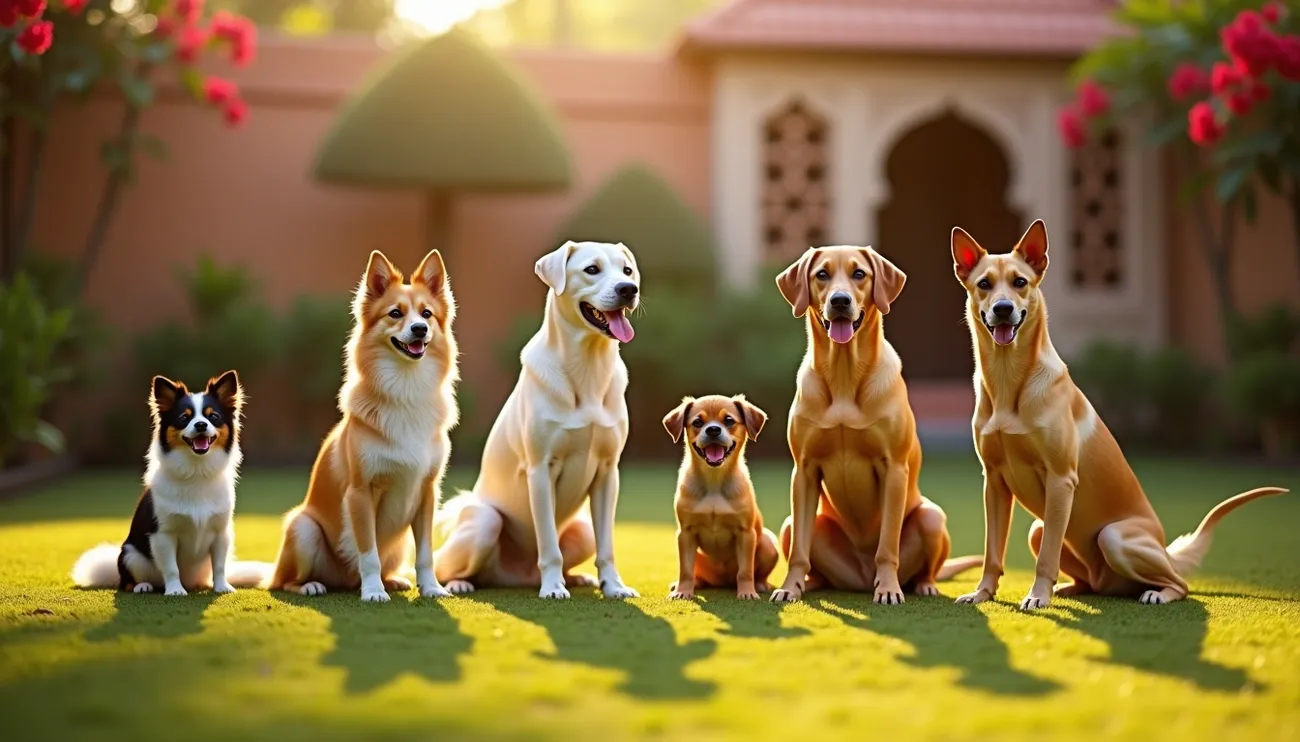 Dog breeds in India range from ancient native champions adapted well to the tropical climate to international favorites that have become household names. India’s love affair with dogs has evolved by a lot, with pet parents now choosing between loyal Indian breeds like the Indian Pariah Dog, Rajapalayam, and Mudhol Hound, and popular global breeds such as Labrador Retrievers and Golden Retrievers. Whether someone seeks small dog breeds in India to keep in apartments, protective guard dogs, or family-friendly companions, understanding breed characteristics and care requirements helps make informed decisions. This piece explores the best dog breeds in India in different categories that match every lifestyle and budget.
Best Dog Breeds in India for Families

Image Source: Vetic
Families seeking canine companions need breeds that balance patience, playfulness and adaptability. The best dog breeds in India for families combine gentle temperaments with knowing how to thrive in Indian climates and household dynamics.
Labrador Retriever
Labrador Retrievers rank among the most popular family dogs worldwide for their friendly, outgoing personalities. These medium to large sporting dogs weigh between 25-36 kg and stand 55-62 cm tall. They live 10-12 years. Labs exhibit exceptional affection toward children and strangers alike. They get along well with other dogs and pets when socialized from puppyhood.
Their double coat repels water, though it sheds and requires brushing often to manage loose fur. Labs need at least two hours of daily exercise through walks, jogs, hikes and active playtime. These water-loving dogs excel at swimming and retrieving. They are perfect for active families who enjoy outdoor activities. Their intelligence and eagerness to please simplify training. Young Labs can display exuberant energy with jumping and bouncing behavior that requires patience around very small children.
Golden Retriever
Golden Retrievers bring loyalty, intelligence and gentle demeanors to family settings. They stand 51-61 cm tall and weigh 25-34 kg. These medium-sized dogs live 10-12 years. Their thick, water-resistant coats range from golden to cream. Regular grooming prevents matting behind ears and on hind limbs due to their dense double coat.
Goldens thrive on human companionship and want to please their owners. This makes them highly adaptable and trainable. Their calm temperament suits families with young children, as they exhibit patience and gentleness during interactions. These dogs maintain moderate energy levels even in senior years. They enjoy activities like running, long walks, retrieving and swimming. Daily exercise prevents misbehavior, as under-exercised Goldens may act out. They socialize well with strangers and other pets, though they function poorly as guard dogs due to their friendly nature.
Beagle
Beagles bring cheerful, merry personalities to households seeking smaller family dogs. These compact dogs stand 33-41 cm tall, weigh 9-11 kg and live 12-15 years. Their smooth, dense double coat comes in tricolor combinations of black, brown and white. Signature long, floppy ears require regular cleaning to prevent infections due to reduced airflow in the ear canal.
Beagles were bred to hunt in packs. They enjoy company and display easygoing, curious natures. They form strong bonds with families and show tolerance around children despite their excitable energy. These dogs need at least one hour of daily exercise to prevent obesity, a common issue in the breed due to their insatiable appetite and strong sense of smell. Their natural impulse to bark can become pronounced without proper training and age-appropriate play. Beagles adapt well to apartments when given sufficient outdoor activity. This makes them suitable for families with limited space.
Indian Pariah Dog
Indian Pariah Dogs, or Indies, have lived alongside humans in India for at least 6,000 years. They evolved to suit the local climate and conditions. These medium-sized dogs weigh 15-30 kg, stand 46-64 cm tall and boast impressive lifespans of 13-16 years. Their hardy immune systems result in minimal veterinary bills and strong resistance to local illnesses.
Indies display intelligence that surpasses most pedigreed breeds. They require little training as they pick up commands. They protect homes, barking at strangers while remaining loyal and affectionate with family members. Early socialization helps them bond with families and interact positively with children. Their independence allows them to stay home alone, though they still need walks and playtime. Indies tolerate varied Indian climates, from cold to heat, unlike many foreign breeds that struggle with temperature extremes.
Cocker Spaniel
Cocker Spaniels combine sweet expressions with eager, playful personalities. These smallest sporting spaniels stand 36-41 cm tall, weigh 11-14 kg and live 10-14 years. Their silky, medium-length coats and long, pendulous ears create an adorable appearance. The coat requires regular grooming to prevent mats and tangles.
Cockers were bred as hunting dogs. They adapt well as companions and athletes. They display gentle temperaments with children and maintain sociable natures with other dogs and people when socialized as puppies. Their eagerness to please makes training straightforward through positive reinforcement methods. Cocker Spaniels need regular exercise through walks, retrieving games and play sessions, though they don’t require excessive activity compared to higher-energy breeds. Their compact size suits apartment living while providing enough sturdiness for active family play.
Boxer
Boxers deliver loyalty, affection and playful energy to active families. These medium-to-large dogs stand 53-63 cm tall, weigh 25-32 kg and live 10-12 years. Their muscular builds feature square muzzles, expressive eyes, wrinkled foreheads and short, tight-fitting coats in fawn or brindle with white markings.
Boxers excel with children due to their patience and protective instincts. Their powerful, bouncy nature may overwhelm very small children or frail adults. They need ample daily exercise through vigorous activity, as their high energy and athletic heritage require consistent physical outlets to prevent destructive behavior. Their intelligence allows them to excel in obedience, agility and service work, though they can become bored with repetitive training. Boxers prove sensitive to extreme temperatures due to their short coats and nose structure. Early socialization and training channels their exuberance positively. This helps them become devoted family guardians who take their watchdog duties seriously.
Top Indian Dog Breeds: Native Champions
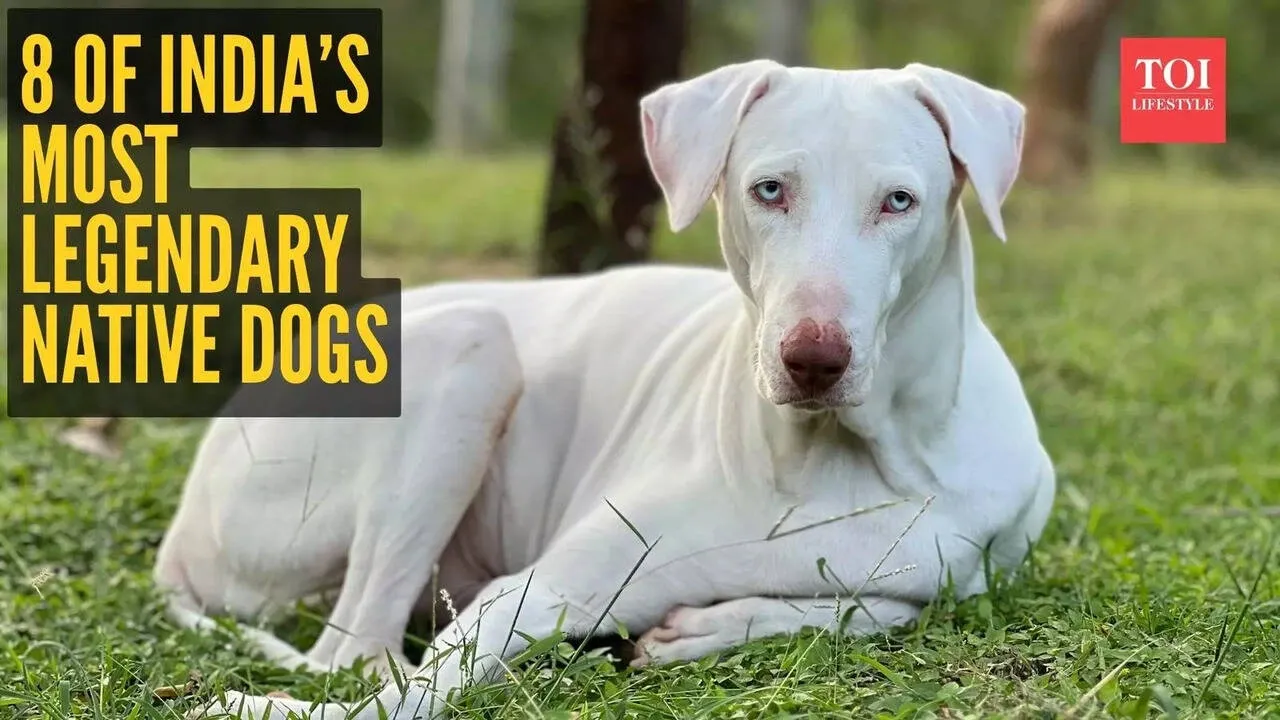
Image Source: The Times of India
India’s indigenous canine heritage spans thousands of years and produces hardy breeds adapted perfectly to a variety of climates and terrains. These native champions evolved naturally or were bred selectively for specific purposes, from hunting wild boar to guarding livestock against predators.
Indian Pariah Dog (Indie Dog)
Archeological evidence places the Indian Pariah Dog in the Indian subcontinent for over 4,500 years, dating back to Neolithic times. The term “Pariah” derives from the Tamil word “Pariyaar,” meaning social outcast. Indies represent the only breed that resulted from natural selection rather than selective breeding. Males stand 51-64 cm tall and weigh 20-30 kg, while females measure 46-58 cm and 15-25 kg. Their lifespan extends beyond 15 years under proper care.
These medium-sized dogs feature short, dense coats in fawn, black, white, or pied patterns. Their natural progress produced one of the healthiest breeds around the world, with genetic disorders like hip dysplasia or cancer being very rare. Indies adapt well to temperatures ranging from -10° to 50° Celsius, which makes them ideal for India’s diverse climatic conditions. They excel as watchdogs while remaining loyal to their families, being both intelligent and territorial.
Rajapalayam
Named after the town in Virudhunagar, Tamil Nadu, the Rajapalayam served royal encampments during the Polygar wars from 1799 to 1805. They killed enemy horses by biting. This large breed measures 65-75 cm at the withers and weighs 30-45 kg, living up to 12 years. The staple milk white coat, pink nose, button ears, and golden eyes create a striking appearance.
Bred to hunt wild boar, Rajapalayams function as both bay and catch dogs, hunting by sight and tracking by scent. Their muscular build exceeds that of typical sighthounds, yet they possess the deep chest and body structure that produces speed and a double suspension gait like thoroughbred horses. The short, single coat excels in South India’s heat but doesn’t deal very well with cold climates. The Indian Army now trains these dogs and recognizes their exceptional abilities.
Mudhol Hound (Caravan Hound)
Endemic to the Deccan plateau, especially in Maharashtra, this breed derives its name from traders who traveled in caravans throughout Asia. Males stand 66-71 cm tall, while females measure 61-66 cm. The former Mudhol ruler presented King George V with a pair of these hounds, who declared them true to sighthound conformation. About 750 families raise Mudhol Hounds for breeding currently.
These swift, agile hunters work under difficult circumstances on rough terrain with minimal maintenance. They show affection with family yet remain reserved with strangers and defend their territory when necessary. The Indian Army has inducted Mudhol Hounds for surveillance and border protection duties.
Chippiparai
This Tamil Nadu sighthound from Chippiparai village averages 61 cm in height, with males reaching 63 cm and females 56 cm. Regarded as the most intelligent and biddable of India’s native breeds, Chippiparais exhibit streamlined features with long legs and lean frames built for speed. Hardy by nature, they prefer single masters and hunted small game, hare being the most common. Their intelligence has enabled successful training as police dogs. The breed faces extinction threats, which has prompted conservation efforts.
Kombai
This medium-sized breed originated from Kombai town in Theni district, Tamil Nadu. Zamindars kept them for hunting. Males average 60.38 cm in height and 22.42 kg in weight, while females measure 55.66 cm and 21.73 kg. The light brown to tan coat with black mask distinguishes the breed. Kannada Vokkaliga zamindars presented these ferocious dogs to Tipu Sultan and Hyder Ali and trained them to rip enemy horses’ hamstrings. Polygars valued Kombais so much that they would exchange horses for single dogs. The breed remains rare despite preservation efforts.
Gaddi Kutta (Himalayan Sheepdog)
The fourth indigenous canine breed registered, the Gaddi Kutta takes its name from the Gaddi tribe of Himachal Pradesh. These large dogs weigh 40-45 kg and stand 51-75 cm tall. They feature thick double coats that are mostly black with occasional white markings. Nicknamed the “Indian Panther Hound,” they guard sheep and goats from snow leopards and other carnivores. Their massive, arched necks and robust muscular bodies suit the harsh Himalayan terrain. The breed faces extinction from gene pool dilution and limited breeding programs, with populations under 1,000.
Small Dog Breeds in India Perfect for Apartments
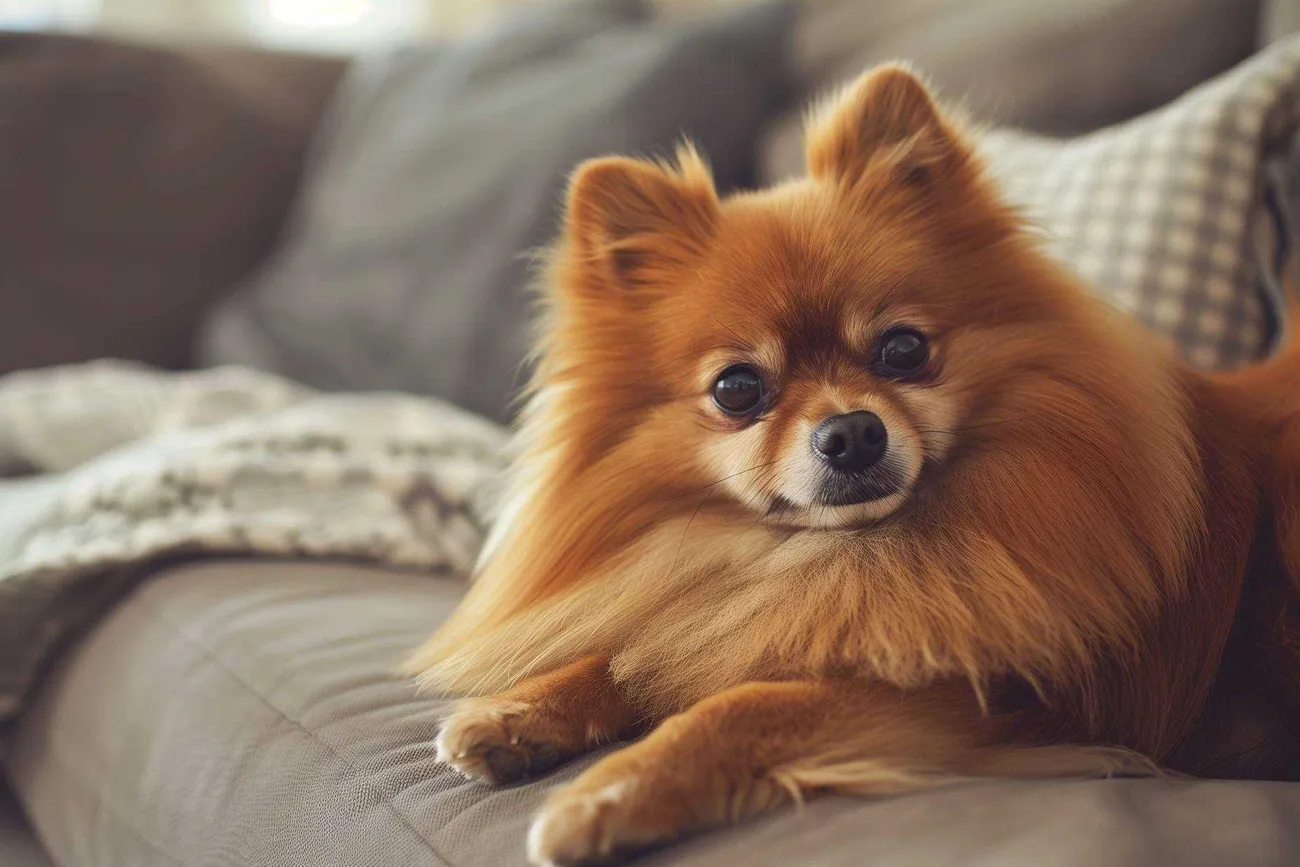
Image Source: Mr n Mrs Pet
Urban living arrangements present unique challenges for dog ownership. Space constraints and shared walls require careful breed selection. Small dog breeds in India thrive in apartments when their physical and behavioral traits line up with compact environments.
Pug
Pugs adapt easily to apartment settings and require minimal space with moderate exercise. These compact dogs stand 25-28 cm tall, weigh 6-8 kg, and live 13-15 years. Their short coats shed throughout the year, though grooming needs remain minimal. Daily walks of 15-20 minutes satisfy their exercise requirements and make them suitable for busy schedules. Pugs bond with their families and don’t deal very well when left alone for extended periods. They can develop separation anxiety. Their flat faces create breathing challenges, especially when you have heat. Owners must monitor for overheating during summer months. Veterinary checkups address common health concerns that include eye issues and obesity.
Shih Tzu
Shih Tzus excel as apartment companions. They were bred as palace lap dogs. They weigh 4-7 kg and stand 20-28 cm tall. These dogs live 10-18 years. They adapt to calm indoor environments with their easygoing temperaments. Daily walks of 30 minutes combined with indoor playtime meet their exercise needs. Their long, luxurious coats demand regular grooming. Daily brushing prevents mats and tangles. Pet parents often opt for shorter “puppy cuts” to reduce maintenance. Shih Tzus form strong bonds with family members and show affection toward children when socialized early. Their alert nature produces barking at visitors. Harsh training methods prove ineffective with this sensitive breed.
Pomeranian
Pomeranians pack bold personalities into tiny frames that measure 15-18 cm tall and weigh 1-3 kg. These descendants of sled dog breeds live 12-16 years. Their fluffy double coats require daily brushing during shedding periods. Pomeranians adapt to apartments and meet exercise requirements through short daily walks and indoor play. But their alert nature triggers frequent barking at sounds. Their fragile size makes them unsuitable for households with very young children. Mental stimulation through training and interactive toys prevents boredom. Common health concerns include patellar luxation, hypoglycemia and dental disease due to small mouth size.
Dachshund
Dachshunds suit apartment living despite their hunting heritage. Standard Dachshunds need 60 minutes of daily exercise. Miniature varieties require 30 minutes. These dogs measure 20-23 cm tall for miniatures and weigh up to 5 kg. Their vocal nature stems from breeding history and makes bark training necessary in shared buildings. Dachshunds suffer from separation anxiety when left alone beyond 4 hours. Their long spines and short legs create susceptibility to intervertebral disk disease. Preventive measures like ramp usage and avoiding stairs are the foundations of care. Three coat varieties—smooth, long and wire-haired—offer different grooming needs.
Indian Spitz
Indian Spitz dogs trace ancestry to German Spitz breeds. They adapted to Indian conditions since colonial times. These intelligent, alert dogs weigh 5-20 kg depending on size variant. Smaller types weigh 5-7 kg and larger ones weigh 12-20 kg. Their apartment-friendly nature combines moderate exercise needs with strong adaptability. Regular walks and playtime satisfy their active disposition without demanding extensive outdoor time. The thick double coat sheds heavily and requires consistent brushing to manage loose fur. Indian Spitz dogs bond with families and display guardian instincts while remaining friendly with children and other pets.
Chihuahua
Chihuahuas rank among the world’s smallest breeds. They weigh under 3 kg and stand 12-20 cm tall. These compact dogs thrive in spaces as small as 250 square feet. Their bold personalities belie their size. They often display confidence around larger dogs. Exercise needs remain modest at 20-30 minutes a day, though mental stimulation prevents destructive behavior. Chihuahuas bond with one person and show loyalty and protectiveness. Cold sensitivity requires warm bedding and clothing during winter months. Their vocal nature and tendency toward stubbornness demand early socialization and gentle, consistent training. Regular dental care proves necessary due to small jaw size.
Best Guard Dog Breeds in India
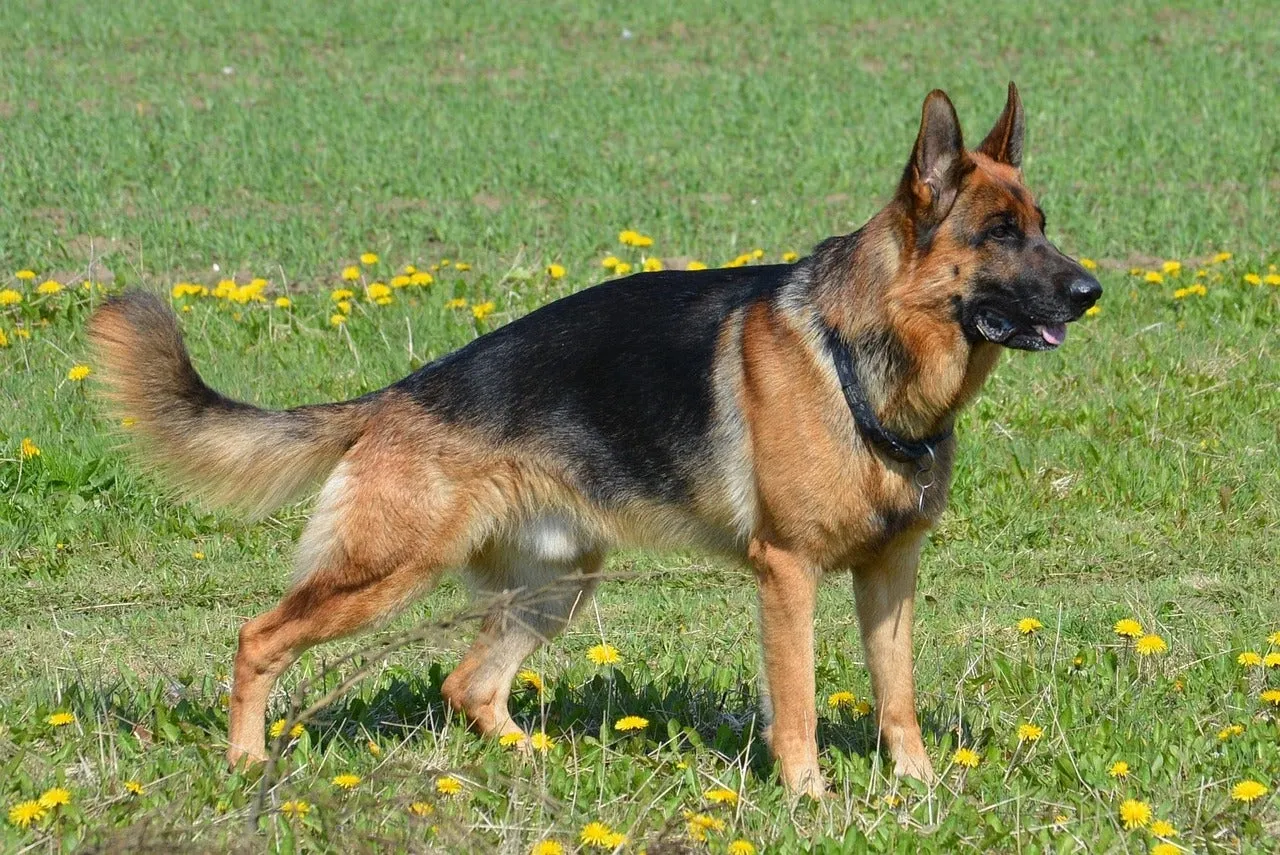
Image Source: Heads Up For Tails
Protective instincts, physical presence and trainability separate exceptional guard dogs from standard companions. The best guard dog breeds in India combine territorial awareness with controlled responses to genuine threats.
German Shepherd
German Shepherds stand 60-65 cm tall, with males weighing 30-40 kg and females 22-32 kg. Their intelligence ranks them among dogkind’s finest all-purpose workers. These dogs display loyalty, courage, confidence and steady temperaments. Breeders developed them for herding sheep, but their transition to guardian roles established their reputation as formidable protection dogs. German Shepherds possess exceptional stamina and can sustain attention during guard duties. Their muscular builds, erect ears and alert expressions command respect through presence alone. Early socialization proves significant, as proper training will give dogs the ability to distinguish between normal situations and genuine threats.
Rottweiler
Rottweilers exhibit muscular builds and confident attitudes. Breeders developed them as butchers’ dogs to herd livestock and pull carts. Males weigh 50-60 kg and stand 61-69 cm tall, while females measure 35-48 kg and 56-63 cm. Their natural territoriality makes alerting, posturing and deterring threats possible while remaining controllable. Rottweilers assess threats and act with decisiveness. Early socialization prevents over-protectiveness, as these dogs form deep bonds with families they see as their pack.
Doberman Pinscher
German tax collector Louis Dobermann bred the first Dobermans in 1890. They excel at protecting large properties. Males weigh 34-45 kg and stand approximately 68 cm tall, while females measure 27-41 kg and 64 cm. Their sleek, athletic builds provide speed and agility. Dobermans display fierce loyalty and sharp senses that make them excellent watchdogs. Females mature earlier than males and can start training sooner. Males guard property with territorial instinct, while females focus protection on individual owners.
Tibetan Mastiff
Tibetan Mastiffs stand 26 inches at the shoulder and weigh over 100 pounds. These ancient behemoths possess aloof, territorial temperaments suited for guardian work. Despite imposing size, they move with surprising agility when meeting threats they perceive. Males mature around 4-5 years, females at 3-4 years. Their double coats suit cold climates and make them more active during cooler seasons.
Rajapalayam
Rajapalayams served military roles during Carnatic Wars beyond hunting capabilities. They guarded camps and tracked enemies. Their loyalty and bravery earned reputations as formidable protectors. These dogs defend loved ones without hesitation and make excellent guard dogs for homes and farms.
Bully Kutta
Bully Kuttas, known as Pakistan or Indian Mastiffs, display dominant, protective and devoted temperaments. Breeders developed them for guarding and hunting. They remain watchful and distrustful of strangers. Their brave, protective nature combined with natural distrust makes them effective watchdogs who bark to alert owners and stand ground against intruders. These powerful dogs require experienced handlers due to their size and dominant nature.
Understanding Dog Breeds in India: Pricing, Climate Adaptation, and Care

Image Source: Heads Up For Tails
Financial planning, legal awareness, and climate considerations shape responsible dog ownership decisions. Understanding pricing structures, regional regulations, and care requirements prevents mistakes that get pricey and ensures canine welfare.
Dog Breeds in India with Price Ranges
Dog prices in India range from ₹5,000 to ₹1,00,000+ based on breed and pedigree. Labradors cost ₹15,000-₹30,000, with KCI-registered puppies reaching ₹60,000. Golden Retrievers range between ₹25,000-₹45,000. German Shepherds start at ₹20,000 for standard puppies and ₹50,000 for show quality. Beagles typically cost ₹25,000-₹50,000. Pugs range from ₹10,000-₹20,000, with KCI-registered ones reaching ₹50,000. Premium breeds command higher prices. Siberian Huskies cost ₹50,000-₹80,000 and Tibetan Mastiffs range from ₹2,00,000 to ₹5,00,000. Monthly maintenance costs vary between ₹3,000 and ₹11,000.
Climate Suitability for Different Breeds
Breeds from cold climates like Siberian Huskies, German Shepherds, Alaskan Malamutes, and Saint Bernards struggle in tropical regions. Flat-faced breeds such as Pugs and French Bulldogs face increased heatstroke risks due to inefficient panting. Heat-tolerant breeds feature short coats and lean builds. Chihuahuas originated in Mexico’s hot desert and are suited to warm weather naturally. Indian Pariah Dogs, Rajapalayams, and Mudhol Hounds evolved in India’s climate and display superior heat adaptation.
Cheap Dog Breeds in India for Budget-Conscious Owners
Indian Pariah Dogs remain the most budget-friendly option and are available free through NGO adoptions. Indian Spitz cost ₹4,000-₹8,000, while Pomeranians range from ₹3,000-₹8,000. Dachshunds cost ₹5,000-₹12,000. Small breeds reduce food expenses. Chihuahuas and other toy breeds consume minimal amounts. Mixed-breed dogs carry lower adoption costs and reduced genetic health risks.
Banned Dog Breeds in India: What You Should Know
The central government proposed bans on 23 breeds’ sale and breeding. The list has Pitbull Terrier, Rottweiler, Tosa Inu, American Staffordshire Terrier, Fila Brasileiro, Dogo Argentino, American Bulldog, Boerboel, Kangal, Central Asian Shepherd Dog, Caucasian Shepherd Dog, South Russian Shepherd, Tornjak, Sarplaninac, Japanese Tosa and Akita, Mastiffs, Terriers, Rhodesian Ridgeback, Wolf dogs, Canario, Akbash dog, Moscow Guard dog, and Cane Corso. Existing owners can keep their dogs while following local sterilization, vaccination, and public walk guidelines. Over 3.7 million dog bite cases were reported in 2024.
Care Tips for Indian Climate
Summer temperatures averaging 32-40°C require specific precautions. Dogs should access fresh water constantly, with ice cubes added for cooling. Exercise during dawn or post-sunset hours prevents overheating. Hot pavement burns paw pads. Walking on grass or using protective booties proves safer. Dogs cool through paw pads and panting, not sweating. Regular brushing removes dead hair without full shaving, as coats provide insulation and sun protection. Heatstroke symptoms include excessive panting, vomiting, seizures, and collapse. Never leave dogs in parked cars, as interior temperatures reach dangerous 43°C within 10 minutes when outside temperature hits 32°C.
Comparison Table
Comparison Table: Dog Breeds in India by Category
| Category | Example Breeds | Primary Purpose/Characteristics | Size Range | Key Considerations | Notable Features |
| Best Dog Breeds in India for Families | Labrador Retriever, Golden Retriever, Beagle, Indian Pariah Dog, Cocker Spaniel, Boxer | Family companions with gentle temperaments, patience with children, and adaptability | Small to Large (9-36 kg, 33-63 cm) | Need daily exercise (1-2 hours), regular grooming, socialization from puppyhood | Friendly, playful, highly trainable, good with children and other pets |
| Top Indian Dog Breeds: Native Champions | Indian Pariah Dog, Rajapalayam, Mudhol Hound, Chippiparai, Kombai, Gaddi Kutta | Indigenous breeds adapted to Indian climate, hunting, and guarding purposes | Medium to Large (15-45 kg, 46-75 cm) | Adapted to Indian temperatures (-10° to 50°C) naturally, minimal health issues, low maintenance | Hardy immune systems, 13-16 year lifespans, excellent climate adaptation, many face extinction threats |
| Small Dog Breeds in India Perfect for Apartments | Pug, Shih Tzu, Pomeranian, Dachshund, Indian Spitz, Chihuahua | Compact breeds suitable for limited space with moderate exercise needs | Small (1-20 kg, 12-28 cm) | Require 15-60 minutes daily exercise, regular grooming, may have separation anxiety | Adapt well to indoor living, minimal space requirements, some prone to barking |
| Best Guard Dog Breeds in India | German Shepherd, Rottweiler, Doberman Pinscher, Tibetan Mastiff, Rajapalayam, Bully Kutta | Protective instincts, territorial awareness, physical presence for security | Large to Very Large (22-100+ pounds, 56-69 cm+) | Need early socialization, experienced handlers, proper training to separate threats | Loyal, courageous, alert, strong territorial instincts, commanding physical presence |
| Understanding Dog Breeds in India: Pricing, Climate Adaptation, and Care | Coverage of all breeds with focus on Indian Pariah Dogs, Labradors, German Shepherds, Huskies | Financial planning, climate suitability, legal awareness, and care requirements | Varies by breed | Price range ₹5,000-₹5,00,000+, monthly costs ₹3,000-₹11,000, 23 breeds proposed for ban | Heat-tolerant breeds preferred, flat-faced breeds at heatstroke risk, Indian breeds best adapted to tropical climate |
Conclusion
You need to balance lifestyle and budget when picking the right canine companion. Matching breed characteristics to your living situation will give both owner satisfaction and dog welfare. Labradors and German Shepherds remain popular international choices, but Indian native breeds like the Indian Pariah Dog, Rajapalayam, and Mudhol Hound offer superior climate adaptation and minimal health issues. They’re budget-friendly too. You might want family-friendly companions, apartment-suitable small breeds, or protective guard dogs. Understanding each breed’s requirements prevents expensive mistakes. Informed decisions create lasting bonds between dogs and their families in India’s varied environments.
FAQs
Q1. Which dog breeds are most suitable for Indian families? Labrador Retrievers, Golden Retrievers, and Indian Pariah Dogs are excellent choices for families in India. These breeds are known for their friendly temperaments, patience with children, and adaptability to Indian living conditions. Labradors and Golden Retrievers are highly trainable and affectionate, while Indian Pariah Dogs offer superior climate adaptation and minimal health issues, making them ideal family companions.
Q2. What are the most loyal dog breeds available in India? German Shepherds, Doberman Pinschers, and Rottweilers are among the most loyal breeds. These dogs form deep bonds with their families and display exceptional devotion. Indian native breeds like the Rajapalayam and Kombai also demonstrate fierce loyalty to their owners. Additionally, smaller breeds like Dachshunds and Cocker Spaniels are known for their strong attachment to family members.
Q3. Which small dog breeds adapt well to apartment living in India? Pugs, Shih Tzus, Pomeranians, and Indian Spitz are perfect for apartment living. These compact breeds require minimal space and moderate exercise—typically 15-30 minutes of daily walks. Chihuahuas are also suitable for small spaces, thriving in areas as compact as 250 square feet. However, owners should be prepared for regular grooming needs and potential barking tendencies.
Q4. What is the price range for popular dog breeds in India? Dog prices in India vary significantly based on breed and pedigree. Budget-friendly options like Indian Pariah Dogs can be adopted for free through NGOs, while Indian Spitz cost ₹4,000-₹8,000. Mid-range breeds like Labradors cost ₹15,000-₹30,000, and German Shepherds range from ₹20,000-₹50,000. Premium breeds like Tibetan Mastiffs can cost ₹2,00,000 to ₹5,00,000, with monthly maintenance expenses ranging from ₹3,000 to ₹11,000.
Q5. Which dog breeds are best adapted to India’s hot climate? Indian native breeds like the Indian Pariah Dog, Rajapalayam, and Mudhol Hound are naturally adapted to India’s tropical climate, tolerating temperatures from -10°C to 50°C. Chihuahuas, originating from hot desert regions, also handle heat well. Breeds with short coats, lean builds, and longer snouts generally cope better with heat, while flat-faced breeds like Pugs and Bulldogs face increased heatstroke risks and require extra precautions during summer months.