
Turkish Angora Cat
Turkish Angora cats captivate cat lovers with their silky white coats and graceful demeanor that seem almost otherworldly. Despite their delicate appearance, these elegant felines possess surprising athleticism and intelligence that dates back centuries to their origins in Turkey. Their distinctive characteristics include a medium-sized frame weighing between 5-10 pounds and a remarkably long lifespan of 12-18 years when properly cared for. Additionally, the Turkish Angora temperament combines playfulness with independence, making them fascinating companions for those who appreciate a cat with personality.
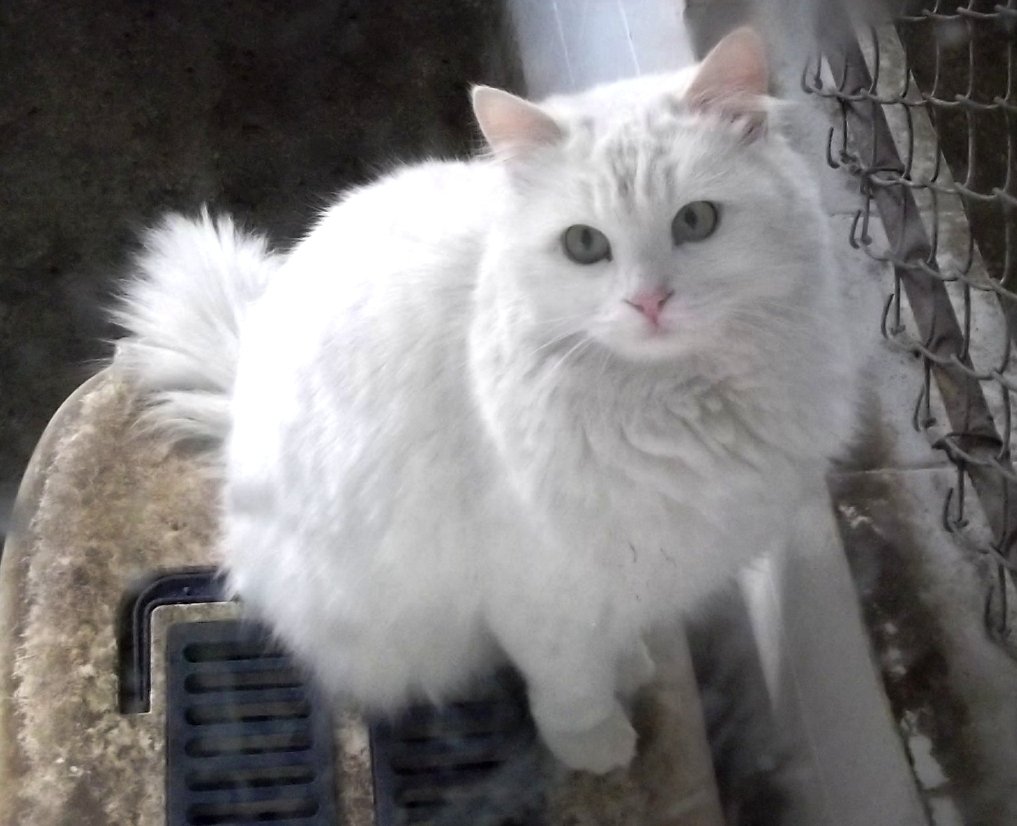
Many potential owners, however, remain unaware of the unique behavioral traits and specific care requirements these aristocratic felines need. From their striking heterochromia (different-colored eyes) to their social yet sometimes demanding behavior, Turkish Angoras offer more complexity than first meets the eye. This comprehensive guide explores everything from their ancient history to practical ownership advice, helping you understand if this remarkable breed might be your perfect feline match.
The Ancient Origins of the Turkish Angora
The Turkish Angora cat ranks among the world’s oldest natural cat breeds, with roots stretching back over a millennium. Unlike many modern breeds created through selective breeding, the Turkish Angora emerged naturally in the mountainous regions of central Anatolia, adapting perfectly to the extreme climate variations of the area .
From Ankara to Aristocracy
Originally appearing in central Turkey around the Ankara region (formerly known as Angora), these cats descended from the African wildcat (Felis lybica) . Archeological evidence suggests their presence in Anatolia dates back to the Neolithic period, around 9,000 BCE . The breed’s distinctive long coat resulted from a natural mutation that proved advantageous—providing cooling during sweltering summers while offering warmth throughout harsh winters .
The Turkish Angora’s elegant appearance quickly caught the attention of the Ottoman elite. These beautiful felines became prized possessions among Turkish nobles, particularly the pure white specimens with striking eye colors . Throughout the centuries, Turkish Angoras lived primarily with wealthy families since only they could afford to maintain such special companions .
By the 17th century, the breed had gained formal recognition in Europe as a distinct breed . Their popularity soared especially among French aristocracy, where Louis XVI allowed his Turkish Angora to play on the Royal Council Table—a remarkable privilege demonstrating their elevated status . Similarly, Cardinal Richelieu owned fourteen Turkish Angoras, including a solid black cat named Lucifer .
Legends and Cultural Significance
Throughout Turkish history, the Turkish Angora has been woven into rich cultural narratives. Perhaps the most famous legend connects these cats directly to the Prophet Muhammad. According to this tale, Muhammad owned a beloved white cat named Muezza who fell asleep on his robe sleeve. Rather than disturb the sleeping cat, Muhammad had his attendants cut off the sleeve of his garment . The story also describes Muezza as having heterochromia—one blue eye and one amber eye—a trait still prized in the breed today .
Another compelling legend states that Mustafa Kemal Ataturk, founder of modern Turkey, would someday be reborn as a Turkish Angora with odd-colored eyes . Such stories elevated the breed’s status beyond mere pets to creatures of mystical significance.
In recognition of their cultural importance, Turkey officially declared the Turkish Angora a national treasure . This designation reflects not just their historical significance but also their role as living symbols of Turkish heritage and identity .
How the Breed Spread Globally
The Turkish Angora’s journey beyond Turkey began as early as 1520 when the first longhaired cats arrived in Europe from Ankara . These elegant felines traveled as precious gifts exchanged between diplomats, valued souvenirs for visitors, and sometimes as war trophies carried by invaders .
By the 16th century, Pietro della Valle had imported cats to Italy, while Nicolas Claude Febri de Pieresc introduced them to France . Their remarkable beauty ensured their rapid spread:
- 17th century – Documented in European aristocratic circles
- 18th century – Reached North America
- 19th century – Used in Persian breeding programs
Ironically, this last development nearly spelled disaster for the breed. Throughout the 19th and early 20th centuries, Turkish Angoras were extensively crossbred with Persian cats to enhance the Persian coat . As a result, pure Turkish Angoras almost vanished from Europe .
Fortunately, the Turkish government recognized this threat and took decisive action. In 1917, the Ankara Zoo established a controlled breeding program specifically to preserve pure white Turkish Angoras, especially those with odd-colored eyes . For many years after, Turkey strictly controlled the export of these cats, considering them too valuable to their national heritage to allow free distribution .
The breed’s revival in the West began in the 1950s when American servicemen stationed in Turkey discovered these magnificent cats at the Ankara Zoo . In 1962, the wife of a U.S. Army colonel managed to export a pair of Turkish Angoras to America . These cats, along with others that followed, formed the foundation of breeding programs that would ultimately reintroduce the Turkish Angora to the global cat fancy .
What Makes the Turkish Angora So Visually Unique
Distinguishable at first glance, the Turkish Angora presents an image of refined elegance that few other breeds can match. Their visual appeal stems from a combination of distinctive features that have made them coveted companions for centuries.
What Makes the Turkish Angora So Visually Unique
Coat Types and Colors
Although traditionally associated with pristine white coats, Turkish Angoras actually come in more than 20 color varieties . The breed’s signature feature is undoubtedly its silky, fine-textured coat that shimmers beautifully in sunlight . This lustrous quality creates an almost luminescent effect as the cat moves, enhancing their graceful appearance.
One practical advantage of the Turkish Angora’s coat is its single-layer structure with no undercoat . This makes grooming surprisingly manageable compared to other longhaired breeds. The coat length varies seasonally, becoming fuller in winter months, yet remains soft and silky year-round .
Beyond the classic white, Turkish Angoras display an impressive color palette:
- Solid colors: Black, blue (ashen gray), cream, and red (ginger)
- Patterns: Silver tabby, tortoiseshell, calico, and various bi-color combinations
- Specialty colors: Smoke varieties where the fur has different coloration at the tips
Worth noting is that certain colors remain disallowed in breed standards, including chocolate, lavender, and colorpoint patterns . The coat is longest around the ruff (neck area) and tail, with distinctive “britches” visible on the hind legs .
Eye Colors and Odd-Eyed Trait
Perhaps even more captivating than their coat is the Turkish Angora’s remarkable eye coloration. Their large, almond-shaped eyes come in various striking colors, including light blue, sapphire, emerald, green-gold, amber, and copper .
Most fascinating is that there’s no genetic relationship between eye and coat color in this breed . Consequently, even cats with identical coat colors may have completely different eye colors.
The most prized visual trait among Turkish Angoras is heterochromia—having two different colored eyes, typically one blue and one amber or green . This characteristic, often called “odd-eyed,” was so valued in Turkey that the Ankara Zoo specifically bred white cats with this trait to preserve the genetic line . Many enthusiasts particularly seek these odd-eyed specimens, making them among the most desirable of the breed .
Body Structure and Size
Turkish Angoras possess a distinctively elegant physique characterized by a long, slender body with greater depth than width . Their finely boned frame showcases remarkable balance and grace rather than substantial size. In fact, the breed standard places more emphasis on proportion and refinement than on actual dimensions.
Typically, Turkish Angoras stand 8-10 inches tall with body lengths of 14-16 inches . Their weight ranges from 5-10 pounds, with females generally smaller than males . This medium-sized cat maintains a deceptively muscular body beneath the flowing coat.
Other distinctive physical features include:
- A small-to-medium wedge-shaped head
- Large, tufted ears set high on the head
- Long legs with hind legs longer than front legs
- Small, round, dainty paws, often with tufts between toes
- A long, tapering tail that forms a full brush and is typically carried upright
The Turkish Angora’s rump sits slightly higher than the shoulders, creating a graceful profile that enhances their aristocratic appearance . Furthermore, their shoulders match their hips in width, contributing to their balanced proportions and oval (rather than tubular) body structure.
Personality Traits You Should Know
Behind those captivating eyes and elegant appearance, the Turkish Angora hides a complex personality that defies their delicate looks. These cats combine seemingly contradictory traits into a fascinating character that makes them unique companions.
Personality Traits You Should Know
Affectionate but Independent
Turkish Angoras form deep bonds with their human companions, often selecting one family member as their special person. Once they choose you, expect a protective and devoted feline shadow who wants to be involved in your daily activities. These cats typically develop strong attachments and will follow their favorite humans “to the ends of the earth” .
Yet, this affection comes with a notable independent streak. Turkish Angoras prefer affection on their own terms. As one owner describes it, “They love to be involved in every activity that their humans participate in” , yet may not appreciate being held or cuddled for extended periods . This characteristic makes them perfect for owners who appreciate a cat that shows love without constant demands for lap time.
Their independence doesn’t mean they’re aloof—quite the opposite. These cats actively seek out your company and interaction but maintain their dignity and autonomy. They simply prefer expressing affection through companionship and requesting pets rather than extended cuddling sessions .
Playful and Energetic
Don’t let their regal appearance fool you—Turkish Angoras possess remarkable energy levels that persist throughout their lives. They retain kitten-like playfulness well into adulthood , making them entertaining companions year after year.
Their intelligence combines with this energy to create a cat that:
- Enjoys interactive games and quickly learns new ones, including fetch
- Requires plenty of toys and stimulation to prevent boredom
- Benefits from vertical spaces like cat trees and shelves to climb
Turkish Angoras are natural athletes despite their delicate appearance. Their playful nature necessitates regular interaction, as without sufficient stimulation, these smart cats may become bored and mischievous. Some owners report their Turkish Angoras opening cabinets, turning on faucets, or deliberately knocking items off tables to capture attention .
Notably, their energy levels classify as “high” among domestic cats , making them ideal for active households but potentially overwhelming for those seeking a placid companion.
Social Behavior with People and Pets
Turkish Angoras excel at social interactions, both with humans and other animals. Their sociable nature makes them excellent family cats who readily welcome visitors. Unlike many felines, they “tend not to shy away from welcoming strangers at the door” .
With children, they show remarkable patience, though parents should teach kids appropriate handling techniques. These cats typically dislike being held for more than a few minutes , a boundary children should respect.
In multi-pet households, Turkish Angoras demonstrate adaptability with one consistent quirk—they insist on being “the boss.” They form strong bonds with other animals but maintain their position at the top of the household hierarchy . One expert notes they get along particularly well with “other animals that have their same play drive” .
Their communication style deserves special mention. Turkish Angoras rank among “the most talkative cat breeds” , using chirps, meows, and trills to express themselves clearly. This vocal nature means they’ll readily engage in “animated conversations” with anyone willing to listen . Expect a cat that not only responds to your voice but actively initiates dialog throughout the day.
For potential owners, understanding these personality traits proves essential. Turkish Angoras thrive in environments with interaction and stimulation rather than solitude. As one source aptly notes, “If you’re looking for a quiet lap cat that prefers solitude… this might not be your breed” .
Care Needs for a Happy Turkish Angora
Maintaining your Turkish Angora requires thoughtful care that honors their special characteristics. Beyond their stunning appearance and lively personality, these cats need specific attention to thrive. Let’s explore how to keep your Turkish Angora happy and healthy through proper grooming, exercise, and environment.
Grooming Tips for the Silky Coat
Fortunately for owners, Turkish Angoras are surprisingly low-maintenance despite their luxurious appearance. Their single-layered coat lacks an undercoat, making it less prone to matting and tangling . This unique coat structure allows for relatively simple grooming compared to other longhaired breeds.
To keep their silky fur in prime condition, brush your Turkish Angora once or twice weekly with a fine-toothed comb or slicker brush . This regular routine removes loose hair and prevents any potential mats from forming. During seasonal shedding periods, especially spring, increase brushing frequency to manage excess hair and reduce hairballs .
Most remarkably, many Turkish Angoras actually enjoy water and are natural swimmers . While bathing is rarely necessary due to their excellent self-grooming abilities, an occasional bath every few months can help freshen their coat . When bathing:
- Use lukewarm water and cat-specific shampoo
- Rinse thoroughly to remove all soap residue
- Press a towel around their body instead of scrubbing
- Let them air-dry in a warm room
Complete care extends beyond coat maintenance. Check ears weekly for dirt or signs of infection, gently cleaning with a soft cotton cloth when needed . Trim nails every two weeks , and establish a dental hygiene routine—ideally daily brushing, but at minimum weekly—to prevent periodontal disease .
Exercise and Mental Stimulation
Turkish Angoras possess exceptional intelligence and athletic ability that requires appropriate outlets . Without sufficient stimulation, these energetic cats may develop behavioral issues or become mischievous .
First and foremost, plan for 15-30 minutes of active play daily . These cats particularly enjoy interactive games that mimic hunting behaviors—wand toys, feather teasers, and laser pointers all provide excellent physical activity while strengthening your bond .
Mental engagement proves equally important for this breed. Turkish Angoras welcome challenges and can learn commands and tricks thanks to their remarkable problem-solving abilities . Puzzle feeders and treat-dispensing toys keep their sharp minds occupied while slowing down eating—beneficial for weight management .
Most importantly, Turkish Angoras love vertical exploration. They especially enjoy surveying their surroundings from high perches, including refrigerator tops, door frames, and tall cat trees . Providing multiple climbing opportunities satisfies this natural inclination while preventing them from finding less appropriate high spots.
Creating a Cat-Friendly Home
The environment you create significantly impacts your Turkish Angora’s wellbeing. As territorial creatures, cats need spaces that allow them to express natural behaviors safely .
Start with vertical territory. Install tall cat trees, wall-mounted shelves, and window perches throughout your home . These high vantage points allow your Turkish Angora to observe their domain—something they thoroughly enjoy .
Provide multiple scratching surfaces in various locations. Turkish Angoras need to scratch for claw maintenance and territorial marking . Offer a variety of textures (sisal, cardboard, carpet) in both vertical and horizontal orientations to determine their preference .
Furthermore, ensure mental stimulation by rotating toys regularly. Toys left out become predictable and boring, so store them in a drawer and cycle access to maintain novelty . Interactive toys that move unpredictably or resemble prey animals (feathers, etc.) typically generate the most interest .
In multi-cat households, prevent resource competition by providing multiple feeding stations, water bowls, and litter boxes—the general rule is one per cat plus one extra . Space these resources throughout your home rather than grouping them together .
Finally, create quiet retreats where your Turkish Angora can rest undisturbed. Even these energetic cats need downtime, particularly as they age . A soft bed in a spare room or closet gives them space to recharge after their many adventures.
Common Health Issues in Turkish Angoras
While Turkish Angoras enjoy a reputation for robust health, certain genetic conditions need attention from prospective and current owners alike. Understanding these potential health concerns helps ensure your elegant feline companion receives proper preventive care and early intervention when needed.
Deafness in White and Blue-Eyed Cats
White Turkish Angoras face a significantly higher risk of congenital deafness, particularly those with blue eyes. This condition stems from a genetic link between coat color, eye color, and inner ear development. In white cats with two blue eyes, approximately 80% experience deafness in one or both ears . For odd-eyed white cats (one blue and one differently colored eye), deafness typically occurs on the same side as the blue eye, affecting roughly 40% of these cats .
The science behind this connection involves the “W” gene that suppresses melanin production, creating the white coat and blue eyes. This same gene reduces melanoblasts—cells that maintain chemical balance in the ear. Without these cells, tiny hairs in the inner ear deteriorate, leading to hearing loss .
Fortunately, deaf cats usually adapt remarkably well, living normal, fulfilling lives, especially when kept indoors. Many owners train their deaf Turkish Angoras using visual cues and vibrations as communication alternatives. For definitive diagnosis, veterinarians can perform BAER (Brainstem Auditory Evoked Response) testing to evaluate hearing function in both ears .
Hypertrophic Cardiomyopathy
Hypertrophic cardiomyopathy (HCM) stands as another serious concern in Turkish Angoras. This genetic heart disease causes thickening of the heart muscle, primarily the left ventricle, impairing the heart’s pumping efficiency .
The condition typically develops between 3 months and 17 years of age, with males affected more commonly than females . Early detection often happens during routine veterinary exams when a heart murmur is detected, even before symptoms appear.
As the disease progresses, watch for these warning signs:
- Difficulty breathing or rapid breathing during mild exertion
- Lethargy and decreased appetite
- Paralysis in hind legs in advanced cases
- Bluish paw pads or nail beds
- Sudden collapse or unexpected death
Regular cardiac screenings and genetic testing for breeding cats represent essential preventive measures. Echocardiography (heart ultrasound) provides the most reliable diagnosis, allowing veterinarians to measure heart wall thickness and assess function .
Ataxia and Other Genetic Concerns
Turkish Angora Ataxia affects young kittens between two and four weeks of age . This fatal neuromuscular disorder impacts coordination and balance, causing symptoms like stumbling, head tilting, and inability to stand properly . Unfortunately, there is no effective treatment, making breeder screening crucial to prevent transmission.
Research indicates the condition involves abnormal development in the cerebellum, the brain region controlling coordination . Responsible breeding practices remain the only effective prevention strategy, as affected kittens typically do not survive to adulthood.
Beyond these primary concerns, Turkish Angoras may occasionally develop:
- Eye disorders like progressive retinal atrophy, leading to gradual vision loss
- Polycystic kidney disease causing cyst formation and potential kidney failure
- Urinary tract problems requiring veterinary intervention
The breed’s overall health outlook remains positive, nonetheless. Most Turkish Angoras lead long, healthy lives spanning 12-18 years when provided proper preventive care. Regular veterinary check-ups, appropriate genetic screening before breeding, and awareness of these potential issues form the foundation of responsible Turkish Angora ownership.
Feeding Your Turkish Angora the Right Way
Proper nutrition forms the cornerstone of your Turkish Angora’s health and longevity. With their fine bones and athletic build, these elegant felines require thoughtful dietary management to maintain their distinctive physique and vibrant energy levels.
Nutritional Needs by Age
Turkish Angora kittens need specialized nutrition during their first year to support rapid growth and development. A high-quality kitten food provides essential nutrients for building strong muscles and bones. These young cats should eat kitten-specific formulas, preferably with DHA for brain development, served in 3-4 small meals daily until reaching six months .
For adult Turkish Angoras, balanced nutrition becomes essential, with experts recommending a diet containing:
- 30-40% high-quality protein (some sources suggest up to 50%)
- 20-30% good fats, including omega-3 and omega-6 fatty acids
- Limited carbohydrates (ideally 20-25% maximum)
As your Turkish Angora enters senior years (typically after age seven), their metabolism slows and digestive efficiency decreases . Senior-specific formulas with antioxidants, moderate fat content, and appropriate phosphorus levels support aging kidneys while maintaining muscle mass .
Fresh vs. Commercial Cat Food
The fresh versus commercial food debate revolves around several considerations. Commercial foods offer convenience and nutritional balance according to AAFCO standards . Dry kibble provides dental benefits through natural abrasion but contains significantly less moisture (3-11%) than wet options (60-87%) .
Conversely, fresh food delivers nutrients in their most bioavailable form without artificial preservatives, potentially improving skin health and digestion . The higher moisture content in fresh and wet foods particularly benefits Turkish Angoras, as many cats don’t adequately compensate by drinking more water when fed dry diets exclusively .
Remember that Turkish Angoras, like all cats, are obligate carnivores requiring meat-based protein . Their ancestors consumed diets with only 2-3% carbohydrates, making many commercial dry foods problematically high in carbs . This evolutionary mismatch potentially contributes to obesity and urinary issues .
Portion Control and Obesity Prevention
Turkish Angoras typically need between 230-400 calories daily, depending on age, weight, activity level, and whether they’ve been spayed or neutered . An adult Turkish Angora generally consumes 1/4 to 1/2 cup of dry food daily .
Rather than free-feeding, which often leads to weight gain, consider controlled portions. Cats naturally prefer eating 10-15 small meals throughout the day , so consider puzzle feeders or automated portion-dispensers to satisfy this grazing behavior while preventing overeating.
Monitor your cat’s weight regularly—you should be able to feel their ribs without pressing hard and observe a visible waistline . Excess weight proves particularly dangerous for Turkish Angoras because their fine-boned structure means obesity places additional stress on their frames .
Obesity dramatically increases risks for arthritis, diabetes, and hepatic lipidosis (fatty liver disease). Research suggests carrying excess weight may shorten a cat’s life by up to two years . Moreover, maintain your Turkish Angora’s natural activity through interactive play to burn calories and prevent boredom-related overeating .
In essence, balancing proper nutrition with portion control helps ensure your Turkish Angora maintains their elegant physique and enjoys their full 12-18 year potential lifespan.
How to Find a Turkish Angora: Adoption vs. Breeder
Finding a genuine Turkish Angora presents a unique challenge, given their relative rarity outside their native Turkey. Indeed, the journey to welcome one of these elegant felines into your home requires research and patience.
What to Look for in a Reputable Breeder
Securing your Turkish Angora from an ethical breeder provides assurance of authenticity and health. Legitimate breeders typically maintain affiliations with recognized cat associations like TICA or CFA. During your search, expect reputable breeders to:
- Ask numerous questions about your family and living situation
- Provide registration proof and recent health screenings
- Raise kittens in home environments rather than cages
- Offer contracts including health warranties and spay/neuter agreements
Firstly, visit the cattery personally whenever possible to observe living conditions. Essentially, kittens should appear healthy, well-socialized, and exposed to normal household sounds and activities. Afterwards, review all documentation thoroughly before making any commitment.
Adoption Options and Rescue Networks
Considering adoption? Turkish Angora-specific rescue networks exist, albeit with limited numbers. Online platforms like PetFinder allow searching specifically for Turkish Angoras needing homes . The Angora Cat Protection Center in Turkey has bred over 600 Angoras since 2017 and facilitates adoptions to ensure these cats receive proper care .
Rescue Me! reports having helped 696 Turkish Angoras find homes . Upon pursuing adoption, prepare for thorough screening processes designed to ensure good matches between cats and families. Throughout this process, rescues typically verify basic details and conduct home readiness checks when necessary .
Cost Expectations and Rarity
Turkish Angoras command premium prices primarily due to their scarcity and cultural significance. From breeders, expect to invest between INR 54,847 and INR 168,760 . In contrast, adoption fees typically range from INR 12,657 to INR 33,752 .
This substantial price difference reflects the breed’s rarity, predominantly outside Turkey. Presently, purebred Turkish Angoras remain less common than commercial breeds like Ragdolls or British Shorthairs . Be cautious of unusually low prices (under INR 50,628), as these often indicate poor breeding practices or misrepresentation .
Remain vigilant regarding online marketplaces like Craigslist or Facebook, which frequently host unverified sellers. Preservation efforts continue to be important—once nearly extinct, breeding programs now produce approximately 100 kittens annually , ensuring this ancient breed’s legacy continues for future generations.
Myths and Misconceptions About the Breed
Popular misconceptions often cloud the true nature of Turkish Angora cats, leading potential owners to make decisions based on hearsay rather than facts. Let’s unravel some common myths surrounding this ancient breed.
Are All White Angoras Deaf?
This widespread belief contains partial truth but requires clarification. Scientific evidence shows approximately 80% of white cats with two blue eyes experience deafness . For white Turkish Angoras with heterochromia (odd eyes), deafness typically occurs on the same side as the blue eye .
The connection stems from the “W” gene that suppresses melanin production, creating both the white coat and potentially affecting inner ear development . However, this doesn’t mean all white Turkish Angoras suffer hearing impairment. Many hear perfectly well, plus Turkish Angoras come in numerous colors beyond white .
Importantly, even deaf Turkish Angoras adapt remarkably well and can lead normal lives, particularly when kept indoors . Their condition doesn’t affect lifespan or quality of life when proper accommodations are made.
Are They High-Maintenance?
Contrary to what their elegant appearance suggests, Turkish Angoras require surprisingly little grooming. Their silky coat might appear high-maintenance, but its single-layer structure resists matting and tangling .
Regular brushing once or twice weekly typically suffices, making them significantly less demanding than other longhaired breeds . Their natural fastidiousness contributes to their minimal maintenance needs – Turkish Angoras pride themselves on self-grooming.
Obviously, they do demand attention and interaction, but this social need differs from physical maintenance. Their mental stimulation requirements outweigh their grooming needs.
Do They Get Along with Dogs?
Turkish Angoras commonly form strong bonds with canine companions. These sociable felines readily welcome dogs into their social circle, often becoming playful companions .
The caveat? Turkish Angoras usually insist on establishing themselves as the household “alpha” . Their commanding presence and assertive nature means they typically rule their canine roommates “with an iron paw cased in velvet” .
Many owners report their Turkish Angoras playing amusing pranks on their dog siblings, showcasing their playful temperament . Surely this makes them excellent companions in multi-pet households, though proper introductions remain essential for harmony.
Turkish Angoras demonstrate remarkable adaptability with other pets while maintaining their dignified position at the top of the household hierarchy .
Conclusion
Turkish Angoras truly stand as living works of art with their stunning appearance, rich history, and complex personalities. Their remarkable journey from the mountains of Turkey to homes worldwide speaks to their enduring appeal across centuries. Despite their elegant appearance, these cats prove surprisingly adaptable and relatively low-maintenance, requiring just weekly brushing to maintain their signature silky coats.
Anyone considering this breed should certainly understand their need for mental stimulation and physical activity. Turkish Angoras thrive when given climbing opportunities, interactive toys, and daily playtime that challenges their athletic abilities. Their playful nature and intelligence make them fascinating companions, though they generally prefer affection on their own terms rather than extended cuddle sessions.
Health-wise, prospective owners must remain aware of potential issues like deafness in white specimens and hypertrophic cardiomyopathy. Regular veterinary check-ups therefore become essential for early detection and management of any concerns. Proper nutrition tailored to their life stage additionally supports their overall wellbeing and helps maintain their ideal weight.
Turkish Angoras might not be the easiest breed to find, yet the search proves worthwhile for those seeking an intelligent, spirited companion with ancient lineage. Whether obtained through a reputable breeder or rescue organization, these cats reward their owners with devotion and entertainment for 12-18 years.
Ultimately, the perfect Turkish Angora owner appreciates a cat with personality, respects their independence, and provides the enrichment these active felines crave. These elegant cats offer a unique blend of affection and autonomy, making them ideal for families who want an engaged, interactive pet rather than just a decorative lap cat. Turkish Angoras thus continue their centuries-old tradition of captivating humans with their beauty, athleticism, and unmistakable presence.