
Siberian Cat
Siberian cats combine impressive size with unmatched gentleness, making them one of the most beloved forest cat breeds worldwide. Despite their powerful build and substantial weight of 10-20 pounds, these natural treasures from Russia possess an incredibly sweet-natured temperament that surprises first-time owners.
The distinctive Siberian cat characteristics include a luxurious triple coat that evolved to withstand harsh Russian winters, expressive eyes that communicate their intelligence, and a sturdy frame built for agility. Additionally, their social, playful behavior sets them apart from many other breeds. Unlike some large cats, Siberians form deep bonds with their families while maintaining their playful spirit well into adulthood.
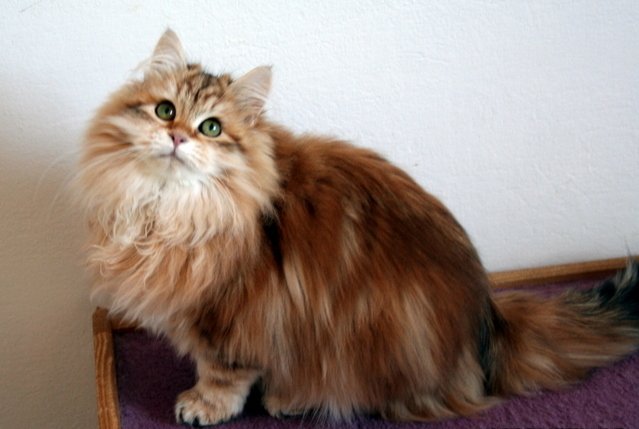
Importantly, Siberian cats offer more than just beauty and companionship. With a Siberian cat lifespan averaging 12-15 years, they provide lasting friendship. Their substantial Siberian cat weight (males typically reaching 15-20 kg) belies their graceful movements and athletic abilities. For those with allergies, Siberians produce less of the protein that triggers reactions, making them potentially suitable for sensitive homes.
This comprehensive guide explores everything you need to know about these magnificent felines—from their forest origins to their unique care requirements—helping you determine if a Siberian cat might be the perfect addition to your family.
Siberian Cat at a Glance
The striking appearance of Siberian cats makes them instantly recognizable among feline enthusiasts. These majestic creatures possess a unique combination of physical characteristics that set them apart from other breeds. Let’s examine what makes Siberian cats so visually distinctive.
Size, weight, and build
Siberians are one of the largest domestic cat breeds, with a sturdy frame that reflects their forest origins. Males typically weigh between 15-20 pounds (6.8-9 kg), with some exceptional specimens reaching up to 25 pounds. Females are somewhat smaller, generally ranging from 10-15 pounds (4.5-6.8 kg). Their substantial size develops gradually—Siberian cats take up to five years to reach full physical maturity, significantly longer than most other breeds.
The breed’s strong, muscular build supports their remarkable agility. Their body is barrel-shaped with a broad chest and powerful hindquarters that enable impressive jumping capabilities. Though substantial, Siberians carry their size with grace, moving with surprising agility for cats of their stature. Their moderate-length legs remain proportional to their body, ending in large, rounded paws with tufts of fur between the toes—an adaptation from their cold-weather ancestry that serves as natural “snow shoes.”
Coat type and colors
Perhaps the most celebrated feature of Siberian cats is their magnificent triple coat. This multilayered fur consists of:
- A water-resistant outer guard coat
- A dense middle layer for insulation
- A soft, downy undercoat for additional warmth
This plush, weather-resistant coat comes in virtually all colors and patterns. Traditional tabby patterns remain particularly common, especially brown tabby, silver tabby, and golden combinations. Other frequently seen colors include solid black, white, red, cream, and various tortoiseshell and colorpoint variations. The coat’s length is medium to long, with notable thickness around the neck forming a distinctive ruff or mane that becomes more pronounced in males.
During winter months, the Siberian’s coat thickens considerably to provide maximum insulation. Conversely, they experience significant seasonal shedding or “blowing their coat” in spring and fall. This evolutionary adaptation helped them survive Russia’s extreme temperature fluctuations.
Eye color and facial features
Siberian cats possess large, slightly oval eyes set at a slight angle. Eye color varies widely, ranging from copper and gold to green and blue, with some cats even displaying odd-eye combinations (heterochromia). The eyes’ expressiveness contributes significantly to the breed’s characteristically sweet, attentive facial expression.
Their head shape is a modified wedge with rounded contours—broader than many breeds yet not perfectly round. The forehead appears slightly domed, leading to a gently curved profile without any flat planes. Medium-to-large ears sit wide apart, tipped with tufts of fur that enhance their alert expression. Another distinctive feature includes prominent whisker pads that contribute to their slightly rounded, full-cheeked appearance.
Hypoallergenic traits
Siberian cats have gained popularity among allergy sufferers due to their potentially hypoallergenic qualities. Research suggests they produce less of the Fel d 1 protein—the primary allergen in cat saliva and skin secretions—than most other breeds. However, individual cats vary significantly in their protein production levels, meaning not every Siberian will be suitable for all allergy sufferers.
Many breeders now offer allergy testing, where prospective owners can expose themselves to a specific cat’s fur or saliva sample before committing. Nevertheless, experts recommend spending extended time with a Siberian cat before bringing one home if allergies are a concern.
It’s worth noting that no cat breed is truly 100% hypoallergenic. Rather, Siberians may cause fewer or less severe reactions in some individuals. The reduced allergen production, combined with their other remarkable qualities, makes them particularly attractive to cat enthusiasts who previously believed pet ownership was impossible due to allergies.
Personality and Temperament
Beyond their impressive physical attributes, the Siberian cat’s charm truly shines through their distinct personality traits. These Russian forest cats have evolved behavioral characteristics as unique as their appearance, making them stand out among other domestic felines.
Affectionate and loyal nature
The defining quality of Siberian cats is their remarkable balance between independence and devotion. Unlike many cats who maintain a certain emotional distance, Siberians form profound bonds with their human companions. They often select one family member as their special person, following them from room to room and offering comfort during difficult times.
What makes these cats exceptional is their emotional intelligence—they seem to intuitively understand human moods. When you’re feeling down, your Siberian will likely curl up beside you, offering silent support through gentle purring and physical presence. This intuitive connection establishes them as exceptional emotional support companions.
Siberians express their affection physically but respectfully. They enjoy being near their humans without demanding constant attention, often choosing to sit beside you rather than on your lap. This subtle companionship creates a comfortable dynamic for both cat and owner, allowing for meaningful connection without overwhelming either party.
Playfulness and energy levels
Don’t let their dignified appearance fool you—Siberians maintain their playful spirit well into adulthood. Their forest heritage gives them natural athleticism that manifests in impressive vertical jumps and acrobatic feats. Most owners discover that providing climbing opportunities becomes essential, as these cats will find their way to high perches regardless.
Their intelligence requires mental engagement through interactive puzzle toys and games that stimulate their problem-solving abilities. A bored Siberian may create their own entertainment by figuring out how to open cabinets or drawers—a testament to both their cleverness and their need for mental stimulation.
Interestingly, Siberians display an unusual fascination with water compared to most domestic cats. Many enjoy batting at running faucets or even joining their owners for shower time, a trait likely connected to their ancestry near Russia’s lakes and rivers.
Compatibility with kids and pets
Few breeds match the Siberian’s patience with children. Their gentle temperament makes them remarkably tolerant of handling by younger family members. Instead of fleeing when overwhelmed, Siberians typically remove themselves calmly from uncomfortable situations, making them ideal companions for families with children.
Their sociable nature extends to other household pets as well. Siberians often form bonds with dogs, particularly those with similarly playful dispositions. Many owners report their Siberians engaging in play sessions with canine housemates, sometimes even adopting dog-like behaviors through this association.
When introducing new animals to a household with a Siberian, a gradual approach yields the best results. Their territorial instincts exist but are typically less pronounced than in many other breeds, facilitating smoother transitions when expanding your pet family.
Vocalization and communication style
Siberians are conversationalists rather than constant talkers. They communicate through a diverse vocabulary of chirps, trills, and purrs, each with specific meanings. Their distinctive trilling sound—a combination of purr and meow—often announces their arrival or expresses excitement.
These cats possess an uncanny ability to modulate their vocalizations based on context. They might offer a quiet, questioning chirp when curious, or produce a more insistent trill when dinner is late. This nuanced communication style allows attentive owners to understand their Siberian’s needs with remarkable clarity.
Most striking is the Siberian’s preference for responsive dialog. They often answer when spoken to and may initiate “conversations” when seeking interaction. This communicative nature creates a deeply interactive relationship that many owners describe as more dog-like than typical feline behavior.
The Siberian cat’s combination of affection without clinginess, playfulness without hyperactivity, and expressive communication without excessive vocalization creates a beautifully balanced companion. Their temperament reflects their evolutionary history—independent enough to survive harsh Russian winters yet social enough to form meaningful bonds with humans who earned their trust.
The Siberian Cat’s History
The majestic Siberian cat traces its lineage back hundreds of years through the dense forests and bitter winters of its homeland. Unlike many designer breeds with documented creation, these felines evolved naturally in Russia’s harsh climate, developing their distinctive traits through generations of natural selection.
Origins in Russian forests
The Siberian cat evolved naturally in Russia’s taiga, the vast forest belt stretching across northern Eurasia. Historical records mention these cats as early as 1000 AD, making them one of the oldest natural cat breeds in existence. Their native habitat—characterized by extreme temperature fluctuations and dense forestry—shaped both their physical attributes and resilient temperament.
Throughout Russia’s cold northern regions, these cats developed their distinctive triple coat and sturdy build as survival mechanisms. Their waterproof fur and large, tufted paws allowed them to navigate snowy landscapes with remarkable ease. Gradually, these forest-dwelling felines began interacting with human settlements, where their exceptional hunting abilities made them valuable companions for controlling rodent populations.
Unlike many modern breeds that were selectively bred for specific traits, Siberians evolved organically over centuries. This natural development explains their remarkably low incidence of genetic health issues compared to many other purebred cats. Their distinctive characteristics—from their muscular frame to their water-resistant coat—all served practical purposes in their native environment.
Cultural significance and folklore
In Russian culture, the Siberian cat holds a place of honor and mystique. Traditionally, these cats were believed to bring good fortune to their households. Russian folklore contains numerous references to these felines as magical creatures with protective abilities. Indeed, many old Russian fairy tales feature wise, forest-dwelling cats that closely resemble the modern Siberian.
Historically, Russian farmers and merchants prized these cats for their exceptional rodent-hunting skills. Moreover, their presence in monasteries and churches throughout Russia’s history speaks to their cultural significance beyond mere utility. In fact, some historical accounts suggest monks specifically kept these cats to protect precious religious manuscripts from rodents.
Beyond practical applications, the breed became a symbol of national pride. Russian families passed down Siberians through generations, appreciating both their working abilities and companionship. Many historical paintings and Russian literature references describe large, thick-coated cats that closely match today’s breed standard, confirming their longstanding presence in Russian domestic life.
Introduction to the West
The Siberian cat remained relatively unknown outside Russia until fairly recently. The first documented export of Siberian cats to Western countries occurred in the 1990s following the fall of the Soviet Union. Elizabeth Terrell, an American breeder, imported the first Siberians to the United States in 1990, receiving four cats from Leningrad (now St. Petersburg).
Initially, Western cat fanciers were skeptical about this “new” breed claiming ancient origins. Nevertheless, as more examples reached Europe and North America, the Siberian’s distinctive traits and charming temperament quickly gained appreciation. The Siberian achieved championship status with The International Cat Association (TICA) in 1996, followed by recognition from other major registries in subsequent years.
The breed’s potential hypoallergenic properties sparked additional interest in Western countries. As awareness grew about their reduced production of the Fel d 1 protein—the primary allergen in cats—demand for Siberians increased, particularly among allergy-prone cat lovers who previously couldn’t consider feline companionship.
Today’s Siberian cats maintain remarkable consistency with their ancient ancestors, a testament to their strong genetic heritage. While breeding programs now exist worldwide, reputable breeders focus on preserving the natural characteristics that allowed these remarkable cats to thrive in Russia’s challenging environment for centuries. This respect for their natural development ensures that modern Siberians remain true to their historical roots—both in appearance and in their famously affectionate temperament.
Grooming and Coat Care
Caring for a Siberian cat’s magnificent coat requires understanding its unique structure and needs. Unlike many domestic breeds, these forest cats possess specialized fur that evolved for survival in harsh climates, requiring specific attention to maintain its health and beauty.
Understanding the triple coat
The hallmark of Siberian cats lies in their distinctive triple-layered coat, an evolutionary marvel designed for extreme weather protection. This complex fur structure consists of:
- A water-resistant guard coat of long, coarse hairs
- A dense middle layer providing insulation
- A soft, downy undercoat offering additional warmth
Each layer serves a specific purpose in the natural habitat of these cats. The outer guard hairs repel moisture, protecting the undercoat from becoming wet and heavy. Altogether, this specialized fur system allowed Siberians to survive Russia’s brutal winters while staying dry and maintaining body heat.
What makes this coat even more remarkable is its naturally oily texture. This built-in weatherproofing mechanism keeps the fur from matting easily, despite its length and thickness. For owners, this translates to somewhat less intensive grooming requirements than other long-haired breeds like Persians or Maine Coons.
Brushing routines and tools
Maintaining a Siberian’s coat requires consistent yet not overwhelming attention. A regular brushing schedule of 2-3 times weekly typically suffices during normal periods, though daily attention becomes necessary during shedding seasons. This frequency strikes the perfect balance between preventing mats and not stripping away essential oils.
Effective grooming requires specific tools designed for multi-layered coats:
- Wide-toothed metal combs work best for detangling the outer guard hairs without pulling
- Slicker brushes help remove loose undercoat without damaging the protective top layer
- De-shedding tools prove valuable during heavy molting periods
The technique matters as much as the tools. Start at the head, working backward in the direction of hair growth, paying extra attention to problem areas like behind the ears, under the legs, and along the belly. These spots tend to develop tangles first due to movement friction.
Seasonal shedding and molting
Siberian cats experience dramatic seasonal coat changes twice yearly. These natural molting cycles—occurring primarily in spring and fall—represent the breed adapting to temperature shifts in their ancestral habitat. Throughout late spring, Siberians shed their dense winter coat to prepare for warmer weather. Come autumn, they regrow this insulating layer before winter returns.
During these intense shedding periods, daily brushing becomes essential for several reasons. First, it helps remove loose fur before it mats or becomes ingested during self-grooming, potentially causing hairballs. Second, it distributes skin oils throughout the coat, promoting overall health. Finally, it significantly reduces household fur accumulation.
Many owners report that Siberian shedding seems counterintuitive—they often shed more substantially in spring than winter, contrary to what might be expected for cold-weather cats. This pattern reflects their natural adaptation to their native climate’s seasonal changes.
Bathing and coat maintenance
Contrary to popular beliefs about cats hating water, many Siberians actually tolerate or even enjoy bathing, likely due to their ancestral connection to Russia’s lakes and rivers. Their water-resistant coat typically requires bathing only every 4-6 weeks or when noticeably soiled.
When bathing a Siberian, essential considerations include:
- Using lukewarm (not hot) water to avoid skin irritation
- Applying cat-specific shampoo designed for long coats
- Thorough rinsing to prevent residue that might cause itching
- Complete drying, especially in cold weather
Beyond regular brushing and occasional bathing, comprehensive coat maintenance involves checking for parasites, monitoring skin condition, and addressing any mats immediately before they become severe. Small tangles can be gently worked out with fingers, while larger mats may require specialized detangling sprays.
Proper grooming goes beyond esthetics—it creates opportunities to check for abnormalities like skin irritations or lumps that might otherwise go unnoticed beneath the dense coat. Furthermore, these regular grooming sessions strengthen the bond between Siberian cats and their owners, turning maintenance into meaningful interaction.
Exercise and Enrichment Needs
Physical activity represents an essential component of a Siberian cat’s daily routine, reflecting their natural heritage as forest-dwelling hunters. These athletic felines require appropriate outlets for their energy to maintain both physical health and mental well-being.
Climbing and jumping behavior
The athletic prowess of Siberian cats becomes immediately apparent when observing their remarkable vertical capabilities. Descended from natural climbers who navigated Russia’s dense forests, these cats can leap up to six times their height in a single bound. This extraordinary jumping ability stems from their powerful hindquarters—a trait preserved from their ancestors who needed to navigate fallen logs and reach elevated hunting positions.
Consequently, providing vertical space becomes paramount for Siberian cat owners. Cat trees that reach ceiling height, wall-mounted shelves forming stepping paths, and sturdy perches near windows allow these natural climbers to satisfy their instinctual need for elevation. Without such accommodations, these resourceful felines often find alternative routes to heights—typically using furniture or curtains not designed for their substantial weight.
Their climbing behavior serves multiple purposes beyond simple exercise. Elevated positions offer security, observation advantages, and territory establishment. Essentially, a Siberian without vertical options may become frustrated or develop problematic behaviors as they seek outlets for this fundamental instinct.
Interactive toys and games
Siberians thrive on interactive play that engages both their physical abilities and problem-solving intelligence. Their forest hunting background makes them particularly responsive to toys that mimic prey movements. Wand toys with unpredictable movements, electronic motion toys, and objects they can chase satisfy their natural hunting sequence of stalking, pouncing, and capturing.
For optimal engagement with your Siberian, consider these highly effective toy categories:
- Fishing-rod style wand toys with feathers or fabric attachments
- Puzzle toys that dispense treats when manipulated correctly
- Balls with irregular movements or internal bells
- Plush toys large enough to “wrestle” with safely
Primarily, the key to successful play lies in rotation—introducing different toys periodically prevents boredom while maintaining interest. Furthermore, participatory games strengthen the bond between cat and owner, addressing both physical exercise and social needs simultaneously.
Mental stimulation ideas
Intellectual enrichment proves just as crucial as physical exercise for these intelligent cats. First and foremost, Siberians possess problem-solving abilities that require regular challenges to prevent boredom and potential destructive behaviors. Puzzle feeders that require manipulation to release food engage their natural foraging instincts while slowing consumption—particularly beneficial for a breed prone to rapid eating.
Training sessions offer another avenue for mental engagement. In reality, Siberians can learn commands, tricks, and even agility courses thanks to their high intelligence and people-oriented nature. Short, positive reinforcement-based training sessions not only provide mental stimulation but also strengthen the human-cat bond through shared activities.
Environmental enrichment through rotating toys, introducing novel objects, or creating exploration opportunities keeps their curious minds engaged. Something as simple as cardboard boxes arranged as tunnels, paper bags to explore, or new scents introduced to their environment can provide hours of mental stimulation.
For households with working owners, automated toys or feeding puzzles can help bridge gaps in interaction time. Notably, leaving blinds open for bird watching or installing a window perch creates natural entertainment that engages their predatory observation instincts without requiring human participation.
By addressing both physical and mental exercise needs, owners help their Siberian cats maintain balanced behavior, prevent obesity, and channel their considerable energy in positive directions—creating a harmonious household for these magnificent companion animals.
Common Health Issues to Watch For
While Siberian cats are generally robust and healthy, being aware of potential health concerns allows owners to take preventative measures. These forest cats typically enjoy a longer lifespan compared to many breeds, yet certain conditions warrant attention throughout their lives.
Hypertrophic cardiomyopathy (HCM)
Hypertrophic cardiomyopathy stands as the most significant health concern for Siberian cat owners. This genetic heart condition causes thickening of the heart muscle walls, potentially leading to decreased heart function over time. Although Siberians have lower rates of HCM than some other breeds, responsible breeders screen their breeding cats regularly through cardiac ultrasounds.
Early detection proves crucial as symptoms often remain invisible until advanced stages. Warning signs to watch for include:
- Lethargy and decreased activity
- Labored breathing or rapid respiratory rate
- Sudden collapse or fainting episodes
Periodic cardiac evaluations starting around age two help identify potential issues before they become life-threatening. Fortunately, with proper management, many affected Siberians can maintain good quality of life for years.
Obesity and joint stress
Given their substantial frame, Siberian cats face particular challenges with weight management. Their natural tendency toward heavy musculature sometimes masks excess weight gain. Accordingly, maintaining appropriate body condition requires vigilance—especially since these cats excel at convincing owners they need additional treats!
Excess weight places unnecessary stress on joints, potentially leading to mobility issues later in life. Their large size already places natural pressure on joints; additional weight compounds this stress. Regular weight checks and maintaining visible waist definition helps prevent these issues.
Portion control remains central to weight management, as does ensuring adequate exercise through interactive play. Since Siberians mature slowly, reaching full size around age five, careful attention to proper nutrition throughout development helps establish healthy patterns.
Dental care and hygiene
Dental disease affects most cats by age three, yet many owners overlook this crucial aspect of health care. For Siberians, establishing early dental hygiene routines proves particularly valuable. Their predisposition to periodontal issues increases with age, often leading to painful inflammation or tooth loss when left unaddressed.
Preventive approaches include:
- Regular brushing with cat-specific toothpaste
- Dental treats formulated to reduce tartar
- Annual professional dental examinations
Introducing tooth brushing during kittenhood creates acceptance of this routine. Alternatives for resistant cats include dental wipes or water additives that help reduce bacterial buildup between professional cleanings.
Injury prevention for active cats
The remarkable athleticism of Siberian cats occasionally leads to injury through their enthusiastic play. Their substantial jumping ability coupled with fearless climbing creates risk scenarios that prudent owners work to minimize. Securing tall furniture, providing stable climbing structures, and removing potential hazards helps prevent accidents.
Young Siberians particularly tend toward rambunctious behavior before developing the coordination that matches their ambition. Creating safe outlets for energy through designated play zones and supervised activity sessions helps channel their exuberance appropriately.
Beyond physical safety, mental stimulation prevents destructive behaviors stemming from boredom. Rotating toys, creating puzzle challenges, and establishing consistent playtimes supports both physical safety and emotional wellbeing.
Feeding and Nutrition Tips
Proper nutrition forms the foundation of health for your Siberian cat, directly impacting everything from coat quality to energy levels. These robust felines have specific dietary requirements that evolve throughout their lifespan.
Kitten vs adult feeding needs
Siberian kittens require nutrient-dense foods to support their extended growth period. Given that these cats take up to five years to reach full physical maturity, their developmental nutrition needs last longer than most breeds. For young Siberians, high-quality kitten formulas with elevated protein levels (approximately 35-40%) support proper muscle development without excessive weight gain.
As your Siberian transitions to adulthood, gradually shift to maintenance formulas designed for adult cats. This transition should occur around 12 months, yet because of their slow maturation, many breeders recommend maintaining higher protein levels until age two. Throughout all life stages, quality animal protein should remain the primary ingredient to maintain their muscular build.
Wet vs dry food considerations
The debate between wet and dry food takes on special significance for Siberian cats. Henceforth, many veterinarians recommend a combined approach—offering both formats to maximize benefits. Wet food provides crucial moisture that supports kidney function and helps prevent urinary issues. Simultaneously, quality dry kibble helps maintain dental health through mechanical cleaning.
When selecting either format, prioritize options with named meat sources as first ingredients, minimal fillers, and appropriate fat content. Importantly, grain-free isn’t necessarily better—recent research suggests some grain-inclusive formulas may better support heart health in predisposed breeds.
Portion control and treat limits
The substantial Siberian cat weight (males often reaching 15-20 pounds when healthy) can make portion control challenging. Portion requirements vary based on activity level, age, and metabolism, yet most adult Siberians need between 250-350 calories daily, divided into two meals. Routinely monitor body condition by feeling for ribs—they should be palpable beneath a slight fat layer.
Treats should constitute no more than 10% of daily caloric intake to prevent nutritional imbalances. Choose functional treats that offer benefits like dental care or hairball control whenever possible.
Hydration and water sources
Many Siberians display unusual fascination with water, often gravitating toward moving water sources. Providing a cat fountain encourages proper hydration while satisfying this natural preference. Multiple water stations throughout your home further increase consumption, supporting kidney function and helping manage hairballs.
Fresh, clean water should always remain available, with bowls washed daily to prevent bacterial growth. Ceramic or stainless steel containers generally prove preferable to plastic, which may retain odors or cause chin acne in sensitive cats.
Buying or Adopting a Siberian
Welcoming a Siberian cat into your home requires careful consideration of multiple factors, from financial commitment to finding ethical sources. This magnificent breed combines distinctive qualities with specific acquisition challenges.
Cost of Siberian kittens
Acquiring a purebred Siberian cat involves substantial financial investment. Pet-quality Siberian kittens typically range between $1,200-$2,000 from established breeders. Show-quality specimens or those with rare colorations may command prices exceeding $3,000. Beyond purchase costs, potential owners should budget for initial veterinary visits, quality food, and essential supplies.
Finding a reputable breeder
Locating trustworthy breeders remains crucial for both cat welfare and buyer satisfaction. Legitimate Siberian breeders maintain clean facilities, limit breeding frequency, and prioritize socialization. Firstly, check for registration with recognized cat associations such as TICA or CFA. Authentic breeders willingly share health testing results, primarily for HCM screening. Evaluating online reviews as well as requesting references from previous customers helps verify breeder legitimacy.
Adoption and rescue options
Purebred Siberian cats occasionally appear in rescue organizations, namely breed-specific rescues or general shelters. Adoption fees typically range from $100-$300, substantially less than breeder prices. Contact Siberian cat clubs that often maintain networks for rehoming adult cats needing new families.
Questions to ask before buying
Prior to purchase, inquire about:
- Health guarantees and genetic testing protocols
- Vaccination and deworming schedules
- Contract terms including spay/neuter requirements
- Socialization practices with humans and other animals
- Support offered after adoption
Conclusion
Siberian cats truly stand as remarkable companions among domestic felines. Throughout their evolution from Russian forests to modern homes, these gentle giants have maintained the perfect balance of strength and tenderness. Their impressive physical attributes—from luxurious triple coats to substantial frames—serve as living testaments to their natural development in harsh climates.
Beyond their striking appearance, Siberians offer unmatched temperamental qualities. Their deep bonds with family members combined with playful energy create relationships that many owners describe as more interactive than typical cat companionship. Additionally, their potential hypoallergenic properties open doors for allergy sufferers previously unable to consider feline ownership.
Caring for these magnificent creatures requires understanding their specific needs. Regular grooming sessions, especially during seasonal shedding, not only maintain their beautiful coats but also strengthen your connection. Likewise, providing appropriate exercise outlets through climbing opportunities and interactive play prevents boredom while supporting their physical health.
Though Siberians generally enjoy robust health, awareness of potential issues like HCM allows for preventative care. Proper nutrition tailored to their slow maturation process supports their development throughout their 12-15 year lifespan.
While acquiring a Siberian involves significant investment—both financially and in preparation—devoted owners consistently affirm these cats deliver extraordinary returns through their affection, intelligence, and loyalty. Certainly, Siberian cats offer something special: a forest-born companion whose evolution perfectly prepared them for the role of devoted family member. Whether you seek an active playmate, gentle friend for children, or simply a magnificent feline presence, the Siberian cat might just be the forest treasure you never knew you needed.