
Selkirk Rex Cat
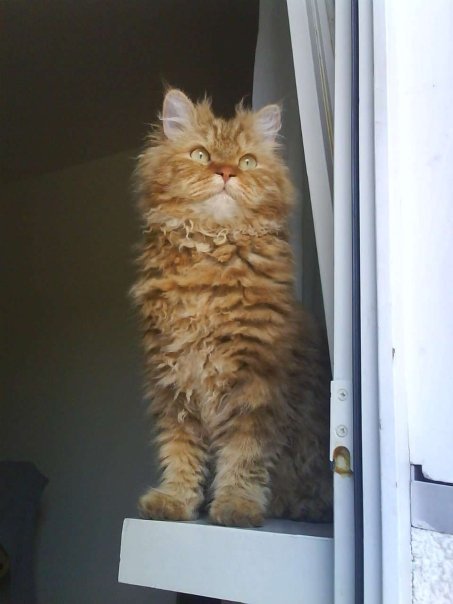
Ever wondered what happens when you cross a cat with a teddy bear? The Selkirk Rex cat answers that question with its remarkably plush, curly coat and irresistibly huggable appearance. Unlike most feline breeds with sleek, straight fur, these unique cats sport luxurious curls that invite endless petting sessions.
Indeed, the Selkirk Rex stands out in the feline world not only for its distinctive appearance but also for its relatively recent emergence as a recognized breed. First discovered in 1987, these cats have quickly captured the hearts of breed enthusiasts and casual pet owners alike. Furthermore, their gentle temperament and adaptable nature make them particularly appealing companions for various household situations.
Throughout this guide, we’ll explore everything you need to know about these curly-coated felines—from their fascinating origin story to their specific care requirements. Whether you’re considering adding a Selkirk Rex to your family or simply curious about these living teddy bears, you’ll discover why they’ve earned their reputation as one of the most endearing cat breeds around.
What Makes the Selkirk Rex Unique?
The Selkirk Rex stands out in the feline world primarily because of its distinctive genetic makeup. This breed results from a dominant, spontaneous mutation that affects each hair type—guard, down, and awn—creating a gentle curl throughout the coat . Unlike many other genetic traits in cats that require two copies to manifest, the curly coat in Selkirk Rex cats needs only one copy of the gene to express itself.
Curly coat and plush texture
The hallmark of the Selkirk Rex is undoubtedly its uniquely textured coat. These cats have a soft, plushy, full coat that’s obviously curly and dense with no bald or thinly covered areas . Their coat literally stands out from the body rather than appearing flat or close-lying, giving them an unmistakable silhouette.
Selkirk Rex cats come in two coat length varieties: short and long. The differences between these varieties are most noticeable in the tail and ruff areas. On shorthaired Selkirks, the tail hair matches the coat length (approximately 1-2 inches), and the tail curls appear plush and lie compactly . Longhaired varieties, however, display plumy curls that stand away from the tail, creating a more dramatic effect.
The curl pattern itself is random and unstructured, arranged in loose individual curls rather than an all-over wave. These curls often appear in “clumps” or “ringlets,” with curliness typically more pronounced around the neck, belly, and tail . Interestingly, even their whiskers carry the curly trait, though these are often fragile and tend to break off .
A fascinating aspect of the Selkirk Rex’s development is that the coat changes throughout the cat’s life. Kittens are born with an extremely curly coat, but at about 16 weeks, the coat begins to straighten. Then, at 8-10 months old, they begin regaining their curls, with curliness increasing until they reach 2 years of age .
Comparison with other Rex breeds
While several cat breeds carry the “Rex” designation (indicating curly coats), the Selkirk Rex is distinctively different from its curly counterparts. The most notable distinction is in coat thickness—while the Devon Rex and Cornish Rex have sparser curly coats, the Selkirk Rex boasts a thick, plush coat .
Additionally, the Selkirk Rex has a more substantial build compared to other Rex breeds. It’s larger and heavier than both the Devon and Cornish Rex , with a muscular structure that more closely resembles the British Shorthair in size and roundness of head . With heights ranging from 9 to 11 inches and weights between 6 and 16 pounds , these cats have heavier boning and a rounder head structure with no flat planes.
Moreover, the genetics behind the Selkirk’s curls differ fundamentally from other Rex breeds. The curly coat in Selkirk Rex cats is caused by a dominant gene, whereas in Devon Rex and Cornish Rex cats, it’s caused by recessive genes . This genetic difference explains why the Selkirk’s curls appear different and feel more plush than those of other Rex breeds.
Why they’re called ‘teddy bear cats’
The Selkirk Rex has earned the affectionate nickname “teddy bear cat” through both its appearance and temperament. Physically, the dense, plush curl creates a remarkable resemblance to a stuffed teddy bear, particularly in the shorthaired variety . Their soft, tousled appearance coupled with their round faces and substantial build enhances this teddy bear-like quality.
Owners of Selkirk Rex cats often find themselves stopped by strangers with “anxious hands wanting to pet and feel this soft, plush pet” . The Cat Fanciers Association notes that “the fortunate humans are those who can take these live teddy cats home for cuddles and hugs” , highlighting how their physical appearance naturally invites affection.
Beyond their plush appearance, the Selkirk Rex’s personality reinforces the teddy bear comparison. These cats are known for being relaxed, friendly, and patient . Their gentle temperament perfectly matches their cuddly appearance, making them excellent companions for families with children or other pets . As the International Cat Association puts it, they “resemble a soft, stuffed toy” in both looks and demeanor.
The combination of their distinctive physical traits—curly coat, substantial build, and round features—along with their loving, laid-back nature, truly makes the Selkirk Rex the teddy bear of the cat world.
The Origin Story of the Selkirk Rex
The story of the Selkirk Rex cat began with a serendipitous discovery that would eventually create an entirely new breed beloved by cat enthusiasts worldwide. Unlike many established cat breeds with centuries of history, the Selkirk Rex emerged relatively recently through a spontaneous genetic mutation.
The discovery of Miss DePesto
In 1987, a remarkable event occurred in Montana, USA, when a feral blue tortie and white cat gave birth to a litter of five kittens . Among these ordinary-looking kittens, one stood out dramatically – a kitten with an unusual curly coat that caught the attention of Persian cat breeder Jeri Newman .
Newman adopted this distinctive kitten at nine weeks old and named her Miss DePesto, inspired by a curly-haired character from the popular 1980s television show “Moonlighting” played by actress Allyce Beasley . This naming choice would be just the first of many unique aspects of this emerging breed’s story.
Miss DePesto was truly one-of-a-kind, featuring curly whiskers, “brillo” hair in her ears, and a coat that resembled a body wave . Upon examination, Newman determined that Miss DePesto’s littermates all had normal coats, and there were no other curly-coated cats in the area . This observation led her to believe that Miss DePesto might represent a completely new genetic mutation causing the rex (curly) coat type.
Breeding history and development
At 14 months of age, Newman made the pivotal decision to breed Miss DePesto with her black Persian male, Champion PhotoFinish of Deekay . On July 14, 1988, Miss DePesto delivered a litter of six kittens – three with obviously curly coats and three with straight hair . This crucial breeding experiment confirmed something significant: the curly coat trait was passed as an autosomal dominant gene , making it genetically distinct from other rex breeds like the Cornish Rex and Devon Rex, which feature recessive curly-coat genes.
Following this initial success, Newman established a formal breeding program in 1990 to develop the Selkirk Rex as a new breed . To create genetic diversity and establish a healthy foundation, breeders incorporated several established breeds into the Selkirk Rex gene pool. These outcrosses included American Shorthairs, Persians, Himalayans, Exotic Shorthairs, and British Shorthairs .
Interestingly, the Selkirk Rex became the first – and currently only – cat breed named after an actual person . Jeri Newman chose to name the breed after her stepfather “Selkirk,” creating a lasting tribute through this distinctive feline breed.
Recognition by cat associations
The Selkirk Rex achieved remarkably swift recognition from major cat associations. Initially, The International Cat Association (TICA) accepted the breed into its New Breed program in 1990, just three years after Miss DePesto’s discovery . TICA subsequently granted the breed full championship status in February 1994 , officially recognizing the Selkirk Rex as a distinct breed.
Other associations soon followed. The American Cat Fanciers Association acknowledged the breed in 1998, and the Cat Fanciers’ Association (CFA) granted recognition in 2000 . This rapid acceptance by all major registries solidified the Selkirk Rex’s status in the cat fancy world.
As the breed matured, specific breeding standards evolved. In 2020, the CFA discontinued using Persian cats as an outcross . Starting from 2025, the CFA will require all registered Selkirk Rex kittens to have only Selkirk Rex parents . Meanwhile, TICA continues to permit outcrossing with British Shorthairs, British Longhairs, American Shorthairs, Persians, Himalayans, and Exotic cats as of 2024 .
Today, registered Selkirk Rex breeders and their cats can be found globally – throughout Europe, Australia, Russia, the Far and Middle East, and South Africa – a remarkable achievement for a breed that began with a single curly kitten just a few decades ago.
Personality Traits That Win Hearts
Behind those curly locks and teddy-bear appearance lies a personality that’s just as special as the Selkirk Rex’s distinctive coat. These cats offer a perfect blend of affection, playfulness, and compatibility that makes them cherished family members in households worldwide.
Affectionate and cuddly nature
First and foremost, the Selkirk Rex is renowned for its loving temperament. These cats are exceptionally affectionate and thrive on human companionship. They’re often described as true “lap cats,” finding no greater joy than curling up beside their humans or spending hours in their laps. According to breed experts, they “love to be held and snuggled and will thrive on the affection” .
Their cuddly nature is perfectly matched to their teddy-bear appearance. As the Cat Fanciers’ Association notes, “the fortunate humans are those who can take these live teddy cats home for cuddles and hugs” . This breed genuinely enjoys physical contact, whether it’s gentle petting, being scooped up for a hug, or simply sitting beside you while you read or watch television.
Despite their desire for attention, the Selkirk Rex maintains a balanced approach. They “may follow their pet parent around the house until they get what they want” , yet they’re “not overly persistent or demanding” . This creates an endearing companion who shows affection without becoming overbearing.
Playful but not hyperactive
The Selkirk Rex strikes an admirable balance between playfulness and calm. These cats possess what many would consider the ideal energy level—described as “medium” by breed experts . They enjoy interactive play sessions but don’t require constant entertainment or activity.
Their intelligence makes playtime particularly engaging. The breed is described as “intelligent and curious” , enjoying both mental and physical stimulation. Providing toys allows them to “exercise themselves” , making them relatively low-maintenance despite their playful spirit.
Certainly, one of their most appealing traits is their relaxed demeanor. Owners consistently describe Selkirks as “mellow” with a “laid-back temperament” . This calm nature makes them suitable for various living situations, including apartments and quieter households. They handle stressful situations with remarkable ease and don’t typically jump at every little noise.
The Selkirk’s playful side occasionally reveals what some describe as a “silly side” . They’re sometimes characterized as “clownish” , bringing moments of joy and laughter to their families with their gentle antics and quiet chattiness.
Great with kids and other pets
The Selkirk Rex truly shines in multi-member households. Their “patient and easygoing temperament” makes them ideal companions for families with children. These cats are “exceptionally tolerant and friendly” , demonstrating remarkable patience during interactions with youngsters who are taught to handle animals respectfully.
Their compatibility extends to other animals as well. Selkirk Rex cats generally:
- Get along well with dogs
- Enjoy the company of other cats
- Welcome both two- and four-legged friends
- Adapt easily to multi-pet households
Their social nature makes them natural fits in busy households. As one breed description notes, they have “a very charming nature and are affectionate, friendly and gentle” . This sociability extends to visitors as well, with Selkirks responding “well to strangers and never unduly shy or aggressive” .
For families seeking a pet that connects with everyone in the household, the Selkirk Rex represents an excellent choice. Their “warm, loving nature makes them an ideal choice for those looking for a cat that enjoys being petted and spending time with their human companions” . These cats form strong attachments to their people while maintaining a friendly openness to all they encounter.
Essentially, the Selkirk Rex embodies the perfect combination of affection, balanced energy, and compatibility that cat lovers seek—wrapped in a uniquely curly, teddy-bear package.
Grooming the Curly Coat
Maintaining that signature plush, curly coat of a Selkirk Rex requires specific grooming techniques that differ from those used for straight-haired cats. That luxurious teddy-bear fur needs proper care to stay healthy, tangle-free, and beautifully curly.
How often to groom
Firstly, the good news—Selkirk Rex cats are often described as “wash-and-wear” pets, requiring less intensive grooming than you might expect . However, their unique coat still needs regular attention to prevent matting and skin issues.
Most experts recommend brushing your Selkirk Rex once or twice weekly . During seasonal shedding periods, you might need to increase the frequency slightly. The key is consistency rather than intensity—brief, regular sessions are more effective than infrequent, thorough grooming marathons.
Notably, over-grooming can actually damage the Selkirk Rex’s distinctive curls. Too much brushing will loosen or straighten those precious waves , turning that plush teddy bear coat into a frizzy mess. As a result, moderation is essential when maintaining your cat’s signature look.
Tools to use and avoid
The right tools make all the difference for a Selkirk Rex’s delicate curls:
- Wide-toothed comb: The most recommended tool for Selkirk Rex grooming . The wider spacing between tines prevents pulling out or straightening curls while still removing loose hair and tangles.
- Rubber mitt or soft brush: For gentler grooming sessions between combing .
- Detangling spray: Helpful for stubborn knots, specifically formulated for pets .
In contrast, tools to avoid include fine-toothed combs and stiff slicker brushes, which can damage curls and cause discomfort . The goal is to detangle without destroying the natural texture of your Selkirk Rex’s coat.
Pay special attention to areas prone to matting: behind the ears, under the arms, the groin, and around the base of the tail . These problem spots typically need more frequent checks even if you’re limiting overall grooming.
Bathing tips for maintaining curls
Though Selkirk Rex cats rarely need baths, occasional washing helps maintain coat health and prevent matting . When bathing your curly-coated companion:
Choose a gentle, cat-specific shampoo designed for sensitive skin to maintain natural oils . Specifically, look for moisturizing formulas made for curly coats, as heavy conditioning shampoos can weigh down curls .
Most importantly, drying technique dramatically affects curl formation. After bathing, gently blot your cat with a towel to remove most moisture, then allow the coat to air dry naturally . Avoid blow dryers completely as they can cause frizz or flatten the coat rather than preserving those crisp curls .
Common grooming mistakes
Several pitfalls can undermine your Selkirk Rex grooming efforts:
Over-brushing tops the list of grooming errors, as it destroys the natural texture that makes these cats special . Similarly, using improper tools like fine-toothed combs can damage their delicate coat structure .
Another mistake is neglecting regular checks of the skin beneath those dense curls. The unique structure of curly fur creates more places for natural oils and dander to accumulate, potentially causing skin irritation . Regular grooming sessions provide an opportunity to inspect for any hidden problems.
Finally, many owners make the error of using human hair products on their Selkirk Rex. Human shampoos and conditioners can disrupt the cat’s skin pH balance . Likewise, conditioning sprays and leave-in products should be used sparingly, as they may loosen those cherished curls .
Remember that establishing a positive grooming routine early helps your Selkirk Rex accept and even enjoy these necessary sessions . Ultimately, gentle, consistent care keeps those trademark teddy-bear curls looking their adorable best.
Health Considerations for Selkirk Rex Cats
While Selkirk Rex cats bring joy with their teddy bear appearance and loving temperament, they require attentive health monitoring due to their genetic background. As descendants of Persian and British Shorthair lineage, Selkirk Rex cats inherit predispositions to certain medical conditions that prospective and current owners should understand.
Polycystic kidney disease (PKD)
Polycystic kidney disease represents one of the primary health concerns for Selkirk Rex cats, primarily inherited from their Persian ancestry . This genetic condition causes cysts to form within the kidneys that gradually enlarge over time, eventually causing permanent damage that impacts waste removal, fluid balance, and hormone production .
Most cats with PKD begin showing symptoms around seven years of age . Warning signs include:
- Weight loss
- Vomiting
- Excessive thirst
- Poor overall health
Fortunately, genetic testing can identify cats carrying the PKD gene, allowing breeders to prevent the disease from being passed to kittens . Before purchasing a Selkirk Rex kitten, always ask if the breeding parents have been tested and request documentation of their results . In the UK, all Selkirk Rex cats registered with the Governing Council of the Cat Fancy (GCCF) for breeding must be genetically tested for PKD or come from two genetically tested parents .
Hypertrophic cardiomyopathy (HCM)
Hypertrophic cardiomyopathy, a heart condition where the heart muscle thickens, affects many cat breeds including the Selkirk Rex . This progressive condition eventually leads to heart failure if left unmanaged .
Early detection is crucial but challenging, as symptoms may not appear until the condition has advanced considerably. Signs to watch for include:
- Shortness of breath
- Lethargy
- Loss of appetite
- Weight loss
- Blue or white gums
- Congestive heart failure symptoms
Unlike PKD, there’s currently no genetic test available for HCM in Selkirk Rex cats . Consequently, regular cardiac evaluations become essential, especially for cats with heart murmurs, kidney disease, or hyperthyroidism, as these conditions increase the risk of developing HCM .
Progressive retinal atrophy (PRA)
Given their Persian heritage, Selkirk Rex cats may carry a low risk for progressive retinal atrophy . PRA encompasses a group of genetic disorders affecting the retina’s light-sensitive cells, leading to gradual vision decline and potentially blindness .
PRA initially affects night vision since rod photoreceptor cells deteriorate first . Over time, vision worsens in both eyes, with symptoms including:
- Disorientation and bumping into objects
- Difficulty locating food bowls or toys
- Reluctance to use stairs or enter dark areas
- Dilated pupils
- Increased eye reflectiveness
Although no cure exists for PRA, it doesn’t cause pain . Most cats adapt remarkably well because vision loss occurs gradually, allowing them to develop compensatory skills using other senses . Genetic testing can identify carriers, enabling ethical breeding decisions .
Preventive care and vet checkups
Proactive health management significantly improves outcomes for Selkirk Rex cats. Regular veterinary checkups enable early detection of potential issues before they become serious problems .
Annual examinations should include:
- Comprehensive physical assessment
- Blood work screening
- Urine testing
- Blood pressure analysis
For cats at risk of PKD, ultrasound examinations may be recommended to visualize and assess potential kidney cysts . Heart health monitoring through regular evaluations helps detect early signs of HCM .
Dental care deserves special attention, as many cats develop dental disease by middle age . Professional cleaning combined with at-home dental treats helps maintain oral health .
Weight management remains crucial, as Selkirk Rex cats can easily become overweight with their solid build . Obesity increases risks of diabetes, arthritis, and additional strain on the heart . Portion control and regular playtime help maintain optimal weight.
With appropriate preventive care, most Selkirk Rex cats enjoy lifespans ranging from 14–20 years , making them wonderful companions for those who understand their specific health needs.
Feeding and Nutrition Tips
Properly nourishing your Selkirk Rex requires attention to their unique physical characteristics and nutritional needs. Given their substantial build, feeding these teddy bear cats appropriately helps prevent weight-related health issues that could compromise their quality of life.
Best food types for their build
Selkirk Rex cats are obligate carnivores that thrive on diets rich in animal proteins . As a result, look for high-quality cat food containing premium animal proteins like chicken, turkey, or salmon . For optimal nutrition, seek products with an Association of American Feed Control Officials (AAFCO) statement on the label to ensure the food meets veterinary nutritional standards .
Many experts recommend a combination of wet and dry food. Wet food helps with hydration alongside providing essential proteins, henceforth supporting both nutritional needs and kidney health . In reality, grain-free options without artificial preservatives often work best for maintaining your Selkirk’s health .
Feeding schedule and portion control
Given the Selkirk Rex’s larger frame, portion control becomes especially critical . Scheduled meals typically work better than free-feeding—most veterinarians suggest two to three measured meals daily . This approach allows you to monitor food intake precisely, effectively preventing the weight gain these substantial cats are prone to developing .
Keep in mind that factors like age, activity level, and overall health should determine portion sizes . To begin with, follow package guidelines, yet consult your veterinarian for personalized feeding recommendations based on your cat’s specific needs .
Foods to avoid
For your Selkirk’s safety, never feed them:
- Chocolate or caffeine (causes hyperactivity, trembling, seizures)
- Onions and garlic (damages red blood cells)
- Grapes and raisins (can cause kidney failure)
- Dairy products (most cats lack lactase enzyme)
- Alcoholic beverages (toxic even in small amounts)
- Yeast dough (causes painful gas and potential intestinal rupture)
Supplements for coat and joint health
In addition to regular food, strategic supplements can enhance your Selkirk Rex’s signature coat. Omega-3 and omega-6 fatty acids play a vital role in maintaining those luxurious curls . Fish oil supplements or biotin can further improve coat shine and curl definition .
Important to realize, joint support becomes increasingly valuable as these substantial cats age. Supplements containing glucosamine, chondroitin, and MSM help reduce inflammation and support cartilage health . These ingredients aid mobility and comfort throughout their lives .
Consistently weigh your adult Selkirk Rex every few weeks to identify potential weight gain early . Fresh drinking water should always remain available—consider drinking fountains to encourage adequate hydration .
Living with a Selkirk Rex
Creating the perfect home for a Selkirk Rex cat requires understanding their unique blend of social needs and environmental preferences. These living teddy bears thrive in thoughtfully designed spaces that match their gentle yet curious nature.
Ideal home environment
Selkirk Rex cats demonstrate remarkable adaptability to various living situations. They don’t require sprawling spaces—even apartment living suits them well provided they have proper enrichment. First and foremost, ensure your home is “cat-safe” by removing harmful plants and securing dangerous items that could pose hazards.
These curly-coated companions particularly benefit from vertical space options. Installing cat trees, shelves, or window perches gives them vantage points to observe their domain while satisfying their moderate climbing instincts. Equally important is creating cozy retreats where they can relax—provide soft beds in both sunny spots and quiet corners for when they need downtime.
Naturally, scratching surfaces are essential, not just for nail maintenance but for stretching and marking territory. Prepare your home with strategic scratching posts to protect your furniture while meeting this innate need.
How they handle being alone
Selkirk Rex cats possess a distinctively social nature, preferring company over solitude. These people-oriented felines typically don’t fare well when left entirely alone for extended periods. As such, prepare accordingly if you work long hours outside the home.
Interestingly, these cats don’t demand constant interaction—often the mere presence of someone in the same room provides sufficient comfort. For households with frequent absences, consider having another pet as a companion. Selkirks generally get along wonderfully with other animals thanks to their non-confrontational temperament.
To prevent separation anxiety, establish consistent daily routines and create a stimulating environment with toys or food puzzles that keep their minds engaged during alone time. When properly prepared, they can handle reasonable periods of solitude, though they’ll always prefer having company nearby.
Enrichment and play ideas
Mental stimulation proves vital for keeping your Selkirk Rex happy and well-adjusted. Their moderate activity level makes them neither hyperactive nor completely sedentary—they enjoy play without demanding constant entertainment.
Effective enrichment options include:
- Interactive toys that trigger hunting instincts (feather wands, laser pointers)
- Puzzle feeders that challenge their problem-solving abilities
- Rotating toy collection to maintain novelty and interest
- Window perches for bird watching and outdoor observation
- Gentle interactive play sessions that strengthen your bond
Set aside time for regular play interactions—these social moments provide both exercise and emotional connection. Remember that while Selkirks enjoy playtime, they typically prefer moderately active sessions rather than high-energy games, perfectly matching their laid-back personality.
Where to Find a Selkirk Rex
Finding your perfect curly-coated companion requires knowing where to look and what to expect. Selkirk Rex cats remain relatively rare, making your search both exciting and challenging.
Reputable breeders and what to ask
Attend cat shows (TICA, CFA, ACFA) to connect with knowledgeable breeders directly. Responsible breeders conduct health testing for genetic issues, provide comprehensive medical records, and welcome visits to their catteries. Ask specific questions about their testing protocols for PKD, their breeding practices, and how they handle cats with health concerns. Given the Selkirk Rex’s status as a minority breed, be prepared to search beyond your immediate area—many owners have their kittens flown from distant locations.
Adoption and rescue options
Occasionally, adult Selkirk Rex cats need new homes through breed-specific rescues or general shelters. The adoption process typically costs between INR 6,328 to INR 12,657 , offering a more affordable alternative. Resources like Petfinder and Adopt-a-Pet.com maintain searchable databases of available cats, including Selkirk Rex cats needing homes.
Expected costs and certifications
Prepare for significant investment—pet-quality Selkirk Rex kittens range from INR 42,190 to INR 126,570 , with show-quality specimens commanding INR 50,628 to INR 168,760 . Reputable sellers provide documentation including vaccination records, genetic testing results, registration papers, and health guarantees. Most kittens go home after 12 weeks, properly vaccinated, often with microchips and initial pet insurance coverage.
Conclusion
Selkirk Rex cats undoubtedly live up to their reputation as the teddy bears of the feline world. These remarkable cats blend distinctive physical traits with wonderful temperaments, creating a companion unlike any other. Their signature plush, curly coat feels as delightful as it looks, while their gentle, affectionate nature makes them ideal family members for various household situations.
Though relatively new to the cat fancy world, Selkirk Rex cats have quickly established themselves as beloved companions thanks to their balanced personalities. Unlike some active breeds, these cats offer playfulness without hyperactivity, affection without neediness, and sociability without excessive vocalization. This equilibrium, coupled with their notable patience around children and other pets, positions them as excellent choices for first-time cat owners and experienced enthusiasts alike.
Caring for these curly-coated felines requires specific knowledge about their grooming, health, and nutritional needs. Moderate, consistent grooming maintains those precious curls without damaging them. Health monitoring, particularly for conditions like PKD and HCM, ensures your Selkirk Rex remains healthy throughout their 14-20 year lifespan. Additionally, proper nutrition supports their substantial build without allowing weight gain that could compromise their health.
The financial investment and effort required to obtain and properly care for a Selkirk Rex certainly proves worthwhile for those seeking a distinctive, loving companion. Whether lounging beside you as a lap cat or gently playing with family members, these cats bring warmth and joy to their homes. Their adaptability to various living situations further enhances their appeal as indoor companions.
Ultimately, the Selkirk Rex combines the best qualities cat lovers seek—physical uniqueness, affectionate temperament, and good health—wrapped in a delightfully huggable package. Anyone fortunate enough to welcome one of these living teddy bears into their home will surely understand why they’ve captured hearts worldwide despite their relatively recent emergence as a recognized breed.