
Norwegian Forest Cat
Norwegian Forest Cats stand out as magnificent gentle giants in the feline world, combining wild, majestic looks with surprisingly sweet temperaments. Despite their impressive size and thick, water-resistant double coat, these cats—affectionately nicknamed “Wegies”—are known for their friendly, laid-back nature.
These stunning Nordic felines typically reach weights of 12-16 pounds for males and 9-12 pounds for females, making them one of the larger domestic cat breeds. Their temperament blends independence with affection; they enjoy human company without being overly demanding. Additionally, Norwegian Forest Cats boast an impressive lifespan of 14-16 years when properly cared for. Their distinctive characteristics include tufted ears, bushy tails, and almond-shaped eyes that give them an alert, intelligent expression.
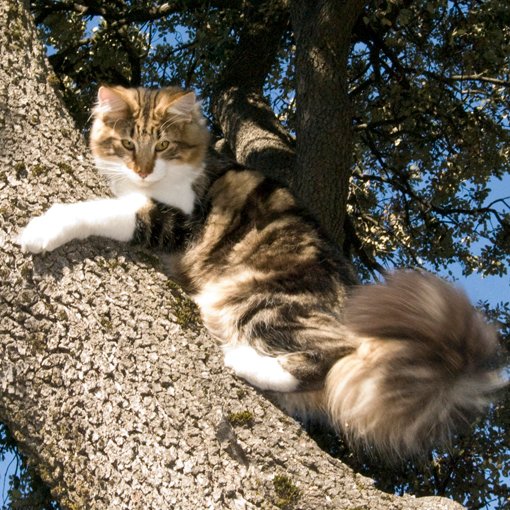
This comprehensive guide explores everything you need to know about the Norwegian Forest Cat—from their Viking origins to their specific care requirements. Whether you’re considering adding one to your family or simply curious about this remarkable breed, you’ll discover why these forest-dwelling felines have captured hearts worldwide and earned their status as Norway’s national cat.
Meet the Norwegian Forest Cat
The stately Norwegian Forest Cat boasts an ancient lineage steeped in Nordic history and folklore. These majestic felines have journeyed from practical ship companions to beloved household pets while maintaining their distinctive wild appearance and gentle disposition.
Origin and Viking legends
The Norwegian Forest Cat’s history traces back approximately 1000 years, with roots deeply intertwined with Viking culture . These cats likely served practical purposes aboard Viking ships as skilled mousers, helping control rodent populations during long sea voyages .
Several theories exist about their ancestry:
- Descendants of long-haired cats from Turkey, brought to Norway by Scandinavian warriors serving in the Byzantine Empire
- Related to the Siberian cat from Russia
- Evolved from short-haired cats brought to Norway by Vikings, later crossbreeding with long-haired breeds similar to Turkish Angoras
Norse mythology prominently features these magnificent cats. In one of the most famous legends, the Norse goddess Freya (or Frigg)—deity of love, beauty, and fertility—traveled the heavens in a chariot pulled by six giant forest cats . These mythical creatures were described as so powerful that even the mighty Thor could not lift them . Another tale describes them as “mountain-dwelling fairy cats with an ability to climb sheer rock faces that other cats could not manage” .
Throughout centuries, Norwegian Forest Cats were valued in Norse culture as symbols of fertility, protectors against evil spirits, and even companions in the afterlife, sometimes buried alongside their owners . Their natural evolution through harsh environmental conditions shaped their distinctive physical traits—particularly their thick, water-repellent double coat and strong build—which helped them survive Scandinavia’s extreme winters .
Why they’re called ‘Wegies’
In their homeland, these cats are known as “norsk skogkatt” or simply “skogkatt,” which directly translates to “forest cat” in Norwegian . This name perfectly captures their natural habitat and rugged, woodland-adapted appearance.
The affectionate nickname “Wegie” (pronounced “wee-gee”) developed as a shortened form of “Norwegian” after the breed gained international popularity . This endearing term has become widely adopted among breed enthusiasts and cat lovers worldwide, particularly in the United States where it caught on quickly after the breed’s introduction .
Interestingly, the historical nomenclature reflects their native environment and natural adaptation rather than human-directed breeding characteristics, as they’re classified as a natural breed that evolved primarily through natural selection rather than deliberate crossbreeding .
How they became Norway’s national cat
By the early 20th century, the pure Norwegian Forest Cat faced a serious threat of extinction due to indiscriminate crossbreeding with domestic shorthair cats . Fortunately, dedicated cat enthusiasts recognized their unique value and took action to preserve the breed.
The first significant step in their revival came in 1938 when the Norwegian Forest Cat Club was established in Oslo . That same year, the breed made its debut at an Oslo cat show, marking the beginning of formal recognition . However, World War II interrupted these preservation efforts, and the breed’s future remained uncertain .
After the war, renewed focus on the Norwegian Forest Cat led to crucial developments in breed preservation. In the 1950s, King Olav V made a momentous decision by declaring the Norwegian Forest Cat the official cat of Norway, essentially recognizing them as a national treasure .
The 1970s proved decisive for the breed’s future when Norway implemented a special breeding program specifically designed to protect and standardize these cats . This dedication paid off in 1977 when Europe’s Federation Internationale Feline formally recognized the Norwegian Forest Cat as an official breed .
Their journey to international fame continued with exportation to the United States in 1979, where Americans quickly embraced these charming giants . The breed gained championship status with The International Cat Association in 1984, followed by the Cat Fanciers Association in 1993 , cementing their position in the global cat fancy community.
Physical Traits That Set Them Apart
Majestic and commanding, Norwegian Forest Cats stand apart from typical domestic felines with their impressive physical attributes. These Nordic beauties combine size, strength, and distinctive features that helped them thrive in Scandinavia’s harsh environment.
Size and build
The Norwegian Forest Cat ranks among the largest domestic cat breeds, with males typically weighing between 4.5-9 kg (9.9-19.8 lb) and females ranging from 3.6-8 kg (7.9-17.6 lb) . Some exceptional males can reach up to 9 kg (20 lb) . Their substantial size becomes especially evident when compared to average domestic cats .
Beyond their weight, these cats feature a long, sturdy body with powerful muscles and robust bone structure . Norwegian Forest Cats possess a distinctive triangular-shaped head with a sloping forehead , creating a strong, defined profile that’s generally straight . Their structure includes slightly longer hind legs compared to front legs, resulting in higher haunches than shoulders . This unique physiology, coupled with exceptionally strong claws, makes them outstanding climbers capable of scaling trees, rocks, and steep surfaces .
Furthermore, these cats display remarkable agility despite their size—Norwegian Forest Cats are muscular yet surprisingly athletic . Their powerful neck, sturdy build, and long body contribute to their commanding presence .
Coat and color variations
First and foremost, the Norwegian Forest Cat’s most renowned physical attribute is its magnificent double coat. This specialized fur consists of a water-repellent glossy overcoat combined with a dense, wooly undercoat . This remarkable combination evolved specifically to protect them from Scandinavia’s harsh winter conditions .
The coat forms distinctive features:
- A prominent ruff around the neck
- A collar-like formation at the chest
- Fluffy “britches” on the hind legs
- Heavy tufting between toes
Interestingly, Norwegian Forest Cats undergo significant seasonal changes in their coat. During summer months, they shed their undercoat, sometimes leaving only the tail, ear, and toe tufts as evidence of their long-haired status .
Regarding colors, these cats display an astonishing variety of patterns and shades. According to the Cat Fanciers Association, more than sixty different variations exist . Their coats come in virtually any color imaginable—white, cream, black, blue, red, silver, golden, and more . Pattern options include solid, tabby, tortoiseshell, calico, smoke, chinchilla, and shaded varieties . The most common combination is brown tabby with white . Notably, white Norwegian Forest Cats are considered the rarest color variation .
Unique features like ear tufts and bushy tails
In addition to their impressive size and coat, Norwegian Forest Cats possess several distinctive features that make them instantly recognizable. Their almond-shaped eyes can be copper, green, gold, or green-gold . Cats with significant white in their coats may have blue or odd-colored eyes .
One of their most striking characteristics is their ears—large, wide at the base, and high-set with prominent tufts at the tips . These “lynx tips” resemble those found on wild cats . The ear tufts serve practical purposes by helping direct sound into the ear, making hearing and locating prey more precise .
Another unmistakable feature is their magnificent tail—long, bushy, and typically carried high . This impressive plume can extend up to 12 inches in length , creating a beautiful fan-like appearance.
Equally unique are their heavily tufted paws with fur growing between the toes . This adaptation provides extra insulation against cold surfaces and gives them better traction when climbing .
Of course, Norwegian Forest Cats have a special relationship with water unlike most domestic cats. Their water-repellent coat allows them to enjoy water activities—they may even attempt to join their owners in the bath!
Personality and Temperament
Behind those majestic looks and powerful physique, the Norwegian Forest Cat possesses a captivating personality that combines affection with dignified independence. These intelligent felines have earned devoted followings worldwide for their balanced temperament that fits remarkably well into family life.
Affectionate but independent
Norwegian Forest Cats embody a perfect blend of affection and self-sufficiency. They form strong emotional bonds with their human families and show genuine affection, yet maintain their autonomous nature. Often described as “gentle giants,” these cats offer companionship without being demanding or clingy.
Interestingly, Norwegian Forest Cats mature slowly, maintaining their playful, kitten-like demeanor until approximately 5 years of age. Throughout their lives, they remain moderately energetic, enjoying short bursts of activity followed by extended rest periods.
Their intelligence shines through in their daily interactions. They’re fairly trainable cats who quickly learn household basics and can even master tricks through clicker training. This combination of smarts and sensitivity makes them exceptionally adaptable to various living situations.
What truly sets the Norwegian Forest Cat apart is their communication style. Though they possess a quiet voice most of the time, they become quite vocal around mealtime. Many owners describe their distinctive “trills” and “chirps” – unique vocalizations that differ from typical meowing.
Great with kids and other pets
One of the Norwegian Forest Cat’s most appealing traits is their exceptional compatibility with children and other animals. Their patient, tolerant nature makes them ideal companions for families with respectful kids. Unlike some sensitive breeds, these robust cats typically handle the energy of a busy household with remarkable composure.
Their gentle temperament extends to other household pets as well. Norwegian Forest Cats generally get along splendidly with:
- Other cats (even intact males can often cohabitate peacefully)
- Cat-friendly dogs
- Larger family pets
First-time cat owners find Norwegian Forest Cats particularly approachable because of their easygoing, adaptable nature. After proper socialization, they integrate seamlessly into multi-pet households. Their calm demeanor helps them adjust to new situations, making them excellent travelers and show cats.
Nevertheless, prospective owners should note that Norwegian Forest Cats do possess a high prey drive – a remnant of their hunting heritage. This natural instinct makes them less suitable companions for smaller pets like hamsters, guinea pigs, or rabbits.
Not your typical lap cat
Although deeply attached to their humans, Norwegian Forest Cats rarely fit the stereotype of the clingy lap cat. They prefer maintaining a watchful presence nearby rather than constant physical contact. As one owner aptly describes: “They want to be near their people and can be very affectionate, but they usually aren’t lap cats.”
This preference for proximity without possession stems partly from practical considerations. With their thick double coats, Norwegian Forest Cats can overheat easily when held for extended periods. Consequently, they typically prefer perching on the back of sofas or nearby furniture rather than directly on their owners.
Their independent streak manifests in other ways too. These cats excel at entertaining themselves when left alone and don’t require constant attention. They appreciate having their personal space respected and make choices on their own terms – including when and how they receive affection.
Above all, Norwegian Forest Cats maintain a dignified presence in the home. They frequently choose elevated positions that allow them to survey their domain, living up to their “forest cat” heritage. From these high perches, they contentedly observe household activities, stepping in to participate when it suits their royal fancy.
Daily Care and Grooming Needs
Caring for a Norwegian Forest Cat’s magnificent coat might seem intimidating at first glance, yet these regal felines are surprisingly low-maintenance compared to other longhaired breeds. Their natural adaptations make them relatively self-sufficient, though they still need regular human assistance to stay in prime condition.
Weekly brushing essentials
Despite their luxurious appearance, Norwegian Forest Cats require less intensive grooming than you might expect. For most of the year, brushing your Wegie once or twice weekly is sufficient to keep their coat in excellent condition . This regular maintenance prevents tangles, removes loose hair, and distributes natural skin oils that keep their coat healthy and shiny .
When selecting grooming tools, opt for:
- A wire-bristle brush or metal comb that can penetrate their dense undercoat
- A wide-toothed comb for working through the undercoat
- A slicker brush for maintaining the glossy top layer
Interestingly, Norwegian Forest Cats spend considerable time self-grooming, making your job significantly easier . Their coat naturally resists matting and tangling, a helpful evolutionary trait from their forest-dwelling past. If you do encounter stubborn knots, firstly try gently teasing them out with your fingers before resorting to other methods .
Seasonal shedding and coat changes
Norwegian Forest Cats undergo dramatic seasonal coat changes that require adjustments to your grooming routine. These cats are considered moderate shedders overall—they shed more than short-haired breeds but less than many other longhaired cats .
The most intensive shedding occurs during spring when they “molt” their thick winter undercoat . This period produces considerable loose fur that resembles “dandelion seeds” gathering around your home . Throughout this seasonal transition, increase your brushing frequency to several times weekly or even daily . A second, less intense shedding period occurs in autumn as they prepare for winter coat growth .
The seasonal pattern follows this cycle:
- Spring: Heavy shedding as winter undercoat is shed, revealing a lighter summer coat
- Summer: Minimal undercoat present, sometimes only tail, ear and toe tufts remain as evidence of their longhaired status
- Autumn: Moderate shedding as summer coat is replaced by winter growth
- Winter: Full, thick coat development with minimal shedding
If your Norwegian Forest Cat sheds excessively outside these normal seasonal patterns, this might indicate health issues, stress, or dietary problems .
Nail trimming and ear cleaning tips
Beyond coat care, several other grooming tasks deserve regular attention. Your Wegie’s claws should be trimmed every two to three weeks or as needed if they don’t naturally wear down through scratching activities . Use sharp, cat-specific nail clippers and be cautious not to cut into the quick (the pink area within the nail) . The distinctive tufts of fur between their toes (often called “snowshoes”) can make nail trimming trickier, requiring extra care .
Regarding ear care, perform weekly checks for signs of excess wax, debris, redness or unusual odors . Clean ears as needed using a vet-approved ear cleaning solution and cotton balls—never cotton swabs, which can damage the ear canal . Their substantial ear tufts, while charming, can trap debris, making regular inspection important .
Additionally, incorporate these maintenance tasks into your routine:
- Daily wiping of eye corners using separate cloths for each eye
- Regular dental care—ideally daily tooth brushing with cat-safe products
- Occasional bathing (every few months) using gentle cat-specific shampoo
Early introduction to these grooming rituals helps Norwegian Forest Cats accept them as positive bonding experiences rather than stressful ordeals . With consistent, gentle handling, your magnificent Wegie will not only look stunning but also enjoy better health and comfort throughout their life.
Common Health Concerns to Watch For
Even the sturdy Norwegian Forest Cat can face certain breed-specific health challenges that vigilant owners should monitor. While generally robust with impressive lifespans reaching up to 20 years , these Nordic felines have several hereditary conditions worth understanding.
Hypertrophic cardiomyopathy (HCM)
This common heart condition affects Norwegian Forest Cats alongside many other feline breeds . HCM involves abnormal thickening of the heart’s left ventricle in the absence of other identifiable causes . As the disease progresses, the heart struggles to pump efficiently, potentially leading to congestive heart failure .
What makes this condition particularly concerning is its subtlety—cats often show no symptoms until the disease has significantly advanced . When signs finally appear, they typically include:
- Labored or rapid breathing
- Lethargy
- Loss of appetite
- Difficulty breathing
Interestingly, Norwegian Forest Cats with HCM rarely develop heart murmurs or dynamic left ventricular outflow tract obstruction , making early detection through routine physical exams challenging. Moreover, their left ventricular hypertrophy tends to be relatively modest compared to other breeds .
Diagnosis typically requires specialized equipment such as echocardiography . Once diagnosed, veterinarians can develop management strategies using medications to control heart rate and reduce lung congestion .
Hip dysplasia
Hip dysplasia represents another genetic concern for Norwegian Forest Cats . This condition occurs when the hip joint doesn’t develop properly, creating a loose connection between the ball and socket . Over time, this improper alignment leads to pain, discomfort, and eventually arthritis .
Unlike dogs, hip dysplasia remains relatively rare in cats, yet appears more frequently in larger breeds like the Norwegian Forest Cat . Symptoms can be subtle, including:
- Reluctance to jump to high surfaces
- Avoiding stairs
- Hesitance to use litter boxes
- Excessive grooming of the hip area
- Changes in temperament
Management options range from anti-inflammatory medications and joint supplements to surgical intervention in severe cases . Weight management plays a crucial role in minimizing stress on affected joints . Since this condition is largely inherited, responsible breeders should avoid breeding cats diagnosed with hip dysplasia .
Glycogen storage disease
Perhaps the most distinctive health concern for Norwegian Forest Cats is glycogen storage disease type IV (GSD IV), a rare inherited disorder exclusively affecting this breed . This fatal condition results from a complex rearrangement in the glycogen branching enzyme (GBE1) .
GSD IV manifests in two primary ways:
- Most affected kittens die at or shortly after birth due to energy production inability
- In rare cases, kittens appear normal until approximately 5 months of age, then develop persistent fever, muscle tremors, and generalized muscle atrophy, ultimately leading to death
The disease causes abnormal glycogen accumulation in muscle, liver, and neurons, progressively disrupting organ functions . It follows an autosomal recessive inheritance pattern, meaning both parents must carry the gene for offspring to develop the condition .
Fortunately, genetic testing can identify carriers, allowing breeders to make informed decisions that prevent producing affected kittens . Since no treatment exists for this condition, prevention through selective breeding remains the only effective approach .
Responsible ownership includes understanding these potential health concerns and establishing regular veterinary screening schedules to detect issues early. With proper care and monitoring, most Norwegian Forest Cats can enjoy healthy, active lives despite these genetic predispositions.
Feeding and Nutrition Tips
Proper nutrition forms the foundation of your Norwegian Forest Cat’s health, requiring specific considerations for this uniquely large and slow-maturing breed. Their dietary needs differ from average domestic cats, primarily because of their impressive size and muscular build.
Choosing the right food for each life stage
Norwegian Forest Cats mature slowly over 4-5 years, necessitating stage-appropriate nutrition throughout their development . For kittens (2-4 months), provide four daily meals totaling approximately 200-250 calories . As they grow (4-6 months), transition to 3-4 meals daily with 250-300 calories .
For optimal development, extend kitten formulas longer than with typical breeds. Your Wegie’s food should always feature:
- Named animal protein (chicken, turkey, salmon) as the first ingredient
- Protein content of at least 30-40%
- Fat content around 15-20% from animal sources
- Minimal carbohydrates with no corn, wheat, or soy fillers
Adult Wegies benefit from a combination of wet and dry food—wet provides crucial hydration plus premium protein, whereas dry kibble supports dental health . As they reach senior status, transition to formulas with easily digestible proteins and joint-supporting nutrients like glucosamine .
How much to feed your Wegie
Adult Norwegian Forest Cats typically require 430-580 calories daily, divided into two meals . Males generally need more calories than females, corresponding to their larger size (males 12-20 pounds, females 8-18 pounds) .
Feeding guidelines based on weight and activity:
- Active cats: Higher end of the caloric range
- Indoor/less active cats: Lower end of the range with careful monitoring
- Seniors: Approximately 180-250 calories daily
Scheduled feeding times help manage weight better than free-feeding, as Norwegian Forest Cats can easily become overweight . Actually, obesity poses particular risks for this breed, exacerbating potential hip dysplasia issues.
Alongside your veterinarian, regularly assess your cat’s body condition—you should be able to feel ribs with gentle pressure but not see them prominently . Subsequently, adjust portions based on individual metabolism, activity level, and whether your cat spends time outdoors.
Supplements for joint and heart health
Given their predisposition to certain health issues, strategic supplementation can support your Norwegian Forest Cat’s wellbeing. Omega-3 and omega-6 fatty acids merit special attention, as they maintain that gorgeous double coat and support joint health .
For heart health, consider supplements containing:
- Taurine (essential amino acid for cardiac function)
- L-carnitine (supports healthy fat metabolism)
Joint supplements containing glucosamine and chondroitin may help prevent or manage hip dysplasia, especially in aging cats . Obviously, these supplements prove particularly beneficial as your Wegie enters senior years.
Prior to adding any supplements, consult your veterinarian to ensure they complement your cat’s specific diet and health needs. Indeed, even the best supplements cannot replace properly balanced nutrition meeting AAFCO (Association of American Feed Control Officials) standards .
Remember that Norwegian Forest Cats are obligate carnivores—their bodies evolved to process nutrients from animal sources . This fundamental biological fact should guide all your nutritional decisions, from kitten food selection through senior care.
Training and Enrichment Ideas
The intelligence of Norwegian Forest Cats opens up fascinating possibilities for training and enrichment that many cat owners might not realize. These clever felines thrive when provided with both mental challenges and physical activities that satisfy their natural instincts.
Clicker training and basic commands
Norwegian Forest Cats respond remarkably well to clicker training methods thanks to their intelligence and food motivation. This simple technique uses a small device that makes a clicking sound to mark desired behaviors, followed by treats or praise. Start with basic commands like “come” or “sit,” keeping sessions short (5-10 minutes) to prevent boredom. These cats easily pick up litter box basics and can progress to more complex tricks with patience and consistency.
To begin clicker training:
- Associate the click with treats by clicking then immediately rewarding
- Once this connection is established, start clicking precisely when your cat performs desired behaviors
- Gradually introduce verbal commands alongside the clicker
With consistent practice, many Norwegian Forest Cats master tricks like “high five,” “fetch,” or target training. Their natural intelligence makes them excellent candidates for puzzle-solving activities, further enhancing their mental capabilities.
Harness walking and outdoor time
Given their forest origins, Norwegian Forest Cats often enjoy supervised outdoor exploration. Harness training requires gradual introduction—initially, let your cat examine the harness before attempting to put it on. For first fittings, distract with treats and keep sessions brief, gradually increasing duration as comfort grows.
After harness acceptance, introduce the leash indoors before venturing outside. Allow your Wegie to lead rather than expecting traditional dog-walking behavior. Outdoor sessions provide excellent exercise while satisfying their natural curiosity and climbing instincts.
Best toys for mental stimulation
Enrichment toys serve as mental exercise for these intelligent cats, preventing boredom and destructive behaviors. Interactive options like puzzle feeders challenge their problem-solving abilities while naturally slowing eating habits. Feather wands and laser pointers (always ended with a catchable toy) engage their hunting instincts and provide physical exercise.
Vertical structures such as cat trees and shelves fulfill their natural climbing drives, mimicking their ancestral environment. Interestingly, Norwegian Forest Cats often enjoy fetch games—a behavior not commonly associated with felines. For maximum engagement, regularly rotate toys to maintain novelty and interest.
Physical exercise combined with mental challenges creates the ideal enrichment program for these cats, supporting their overall well-being and preventing behavior problems before they begin.
Is This the Right Cat for You?
Deciding if a Norwegian Forest Cat belongs in your home requires careful consideration beyond their striking appearance and charming personality. These magnificent felines have specific needs that must align with your living situation and lifestyle.
Ideal home environments
Norwegian Forest Cats adapt remarkably well to various living arrangements, from spacious houses to apartments, provided their needs for vertical territory and stimulation are met . Families often make ideal matches for these social creatures, as they form strong attachments to their human companions .
Nevertheless, extremely boisterous households with constant visitors might overwhelm these sometimes shy and reserved cats . They thrive in quieter, patient family settings where their dignified nature is respected. Multi-pet households typically pose no problems—after proper introductions, Wegies peacefully coexist with other cats and cat-friendly dogs .
First thing to remember, outdoor access greatly benefits Norwegian Forest Cats. Their natural climbing abilities and love for exploration make secure outdoor spaces ideal . If unrestricted outdoor access isn’t possible, a “catio” or enclosed run offers a safe alternative .
How they handle being alone
In reality, Norwegian Forest Cats demonstrate impressive independence compared to needier breeds. Their self-sufficient nature makes them suitable companions for working professionals . These intelligent felines contentedly entertain themselves during alone time, making them less demanding than many other cats .
Typically, separation anxiety isn’t a major concern with Wegies . Yet, lengthy or frequent absences may cause distress as they do develop strong bonds with their families . For households where everyone works long hours, consider adopting two Norwegian Forest Cats as companions .
Climate considerations for their thick coat
Given their Nordic heritage, Norwegian Forest Cats unsurprisingly excel in colder environments. Their water-repellent double coat provides exceptional insulation during winter months . In fact, these cats are practically waterproof—their dense fur effectively repels moisture .
Meanwhile, warmer climates require additional consideration. In hot weather, provide Norwegian Forest Cats with cool resting spots like tile floors or air-conditioned rooms, plus ample fresh water refreshed multiple times daily . Seasonal grooming becomes especially important to prevent overheating during summer months.
Conclusion
Norwegian Forest Cats certainly stand as one of the most magnificent breeds in the feline world. Their impressive combination of wild beauty and gentle temperament makes them truly special companions. These Nordic treasures offer a perfect balance of independence and affection, fitting seamlessly into various household dynamics without demanding constant attention.
Adopting a Wegie brings both responsibilities and rewards. Their thick double coat requires regular maintenance, especially during seasonal shedding periods, though less intensive grooming than many other longhaired breeds. Health monitoring remains essential, particularly for heart conditions, hip dysplasia, and breed-specific issues like glycogen storage disease.
Potential owners should consider their living arrangements carefully. These cats thrive when given vertical space to climb and explore, reflecting their forest-dwelling heritage. Their adaptability extends to different household compositions—families with respectful children, singles, seniors, and even homes with other pets can provide suitable environments for these sociable giants.
Climate factors deserve attention when welcoming a Norwegian Forest Cat. Cold weather suits their natural insulation perfectly, while warmer regions require thoughtful accommodations to prevent overheating. Their intelligence and trainability add another dimension to ownership, allowing for engaging interactions beyond typical cat play.
The decision to bring a Norwegian Forest Cat into your life should stem from appreciation of their unique characteristics rather than merely their striking appearance. These cats offer companionship measured not in constant cuddles but through dignified presence and quiet loyalty. Their self-sufficiency comes paired with genuine affection, creating relationships based on mutual respect rather than dependency.
Ultimately, Norwegian Forest Cats reward their owners with years of majestic beauty, intelligent companionship, and that special blend of wildness and domesticity found nowhere else in the cat world. Their Viking spirit lives on in every playful chase, graceful climb, and contented purr, making them truly extraordinary additions to the right homes.