
Bombay Cat
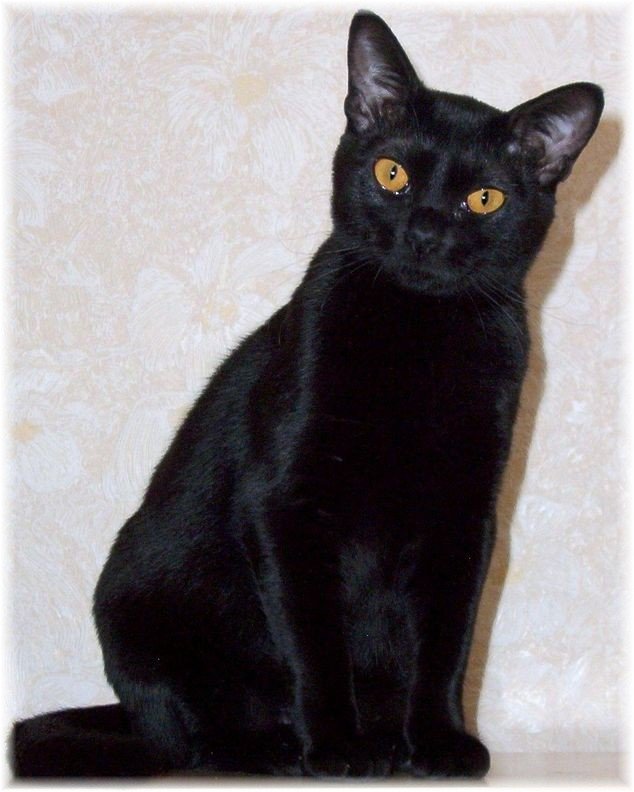
Bombay cats captivate feline enthusiasts with their sleek, jet-black coats and striking copper eyes that resemble miniature panthers prowling through your home. Despite their exotic appearance, these domesticated beauties were actually developed in the United States during the 1950s through selective breeding.
The Bombay cat characteristics go beyond their stunning looks. These medium-sized felines typically weigh between 3.5-5.5 kg when fully grown and boast a Bombay cat lifespan of 12-16 years when properly cared for. Their Bombay cat temperament is particularly noteworthy—they combine the affectionate nature of the American Shorthair with the curious, playful Bombay cat behavior that makes them exceptional companions.
This comprehensive guide explores everything you need to know about these mysterious black beauties. We’ll uncover their fascinating origins, distinctive physical traits, personality quirks, health considerations, and what to expect if you welcome one into your home. Whether you’re considering adoption or simply curious about this distinctive breed, you’ll discover why Bombay cats have earned their reputation as one of the most charming and adaptable feline companions.
The Origins of the Bombay Cat
The fascinating story of the Bombay cat begins not in India as the name might suggest, but in the United States during the mid-20th century. This distinctive breed emerged from the creative vision of one dedicated breeder who wanted to bring the look of a wild panther into American homes.
How the breed was developed
The Bombay cat’s journey started in Louisville, Kentucky in the 1950s, where breeder Nikki Horner embarked on an ambitious project . Her mission was clear and specific: to create a domesticated cat that resembled a miniature black panther . To achieve this vision, she carefully selected a sable Burmese and crossed it with a black American Shorthair .
Horner’s first breeding attempt in 1953 proved unsuccessful, producing kittens with thick coats that resembled poor-quality American Shorthairs . Undeterred by initial setbacks, she made another attempt in the mid-1960s, using her Brown Burmese male named Shawnee Cassius Clay and black American Shorthair males . This second effort yielded success, creating cats with the sleek, panther-like appearance she had envisioned .
The development of the Bombay wasn’t an overnight achievement. In fact, perfecting the breed took more than a decade of selective breeding . Throughout this process, Horner maintained focus on creating a cat with a muscular body, friendly temperament, and that distinctive glossy black coat .
In recognition of the cat’s resemblance to black leopards found in India, Horner named the breed “Bombay” after the Indian city (now known as Mumbai) . This naming choice added to the exotic allure of the breed, although the cats have no actual connection to the subcontinent .
The breed’s recognition came gradually. The Cat Fanciers’ Association (CFA) officially recognized the Bombay in 1970 , and championship status followed in 1976 . Subsequently, The International Cat Association (TICA) accepted the breed in 1979 .
Differences between American and British Bombays
While the American Bombay was establishing itself in the United States, British breeders were creating their own version of the breed across the Atlantic. Instead of using American Shorthairs, British breeders crossed sable Burmese with black British Shorthairs to achieve a similar look . This parallel development created two distinct variants of the breed.
The most noticeable difference between American and British Bombays appears in their eye color. American Bombays typically display gold, orange, or copper-colored eyes , staying true to Horner’s original vision of a miniature panther. Conversely, British Bombays may have either golden or green eyes .
Furthermore, there are subtle differences in their development history. The British Bombays originated from three mismatings of European Burmese with black domestic short-haired cats . In British cat fancy circles, these cats are classified as solid black-colored Asian Self cats under the Asian group, which includes crosses between European Burmese and chinchilla Persians .
Body type also varies slightly between the variants. American Bombays often have a body that resembles the Burmese but is slightly longer and less compact . Additionally, some modern American Bombays display a larger size and more muscular build, stemming from Horner’s fourth generation experiments that began with an unusually large silver-furred, Sable Burmese female between 1983-1986 .
Today, the Bombay cat remains a striking example of selective breeding success, with its gleaming coat, copper eyes, and solid body making it instantly recognizable . While not a natural breed but a genetic hybrid, it has distinctive features that clearly separate it from its foundation breeds .
What Makes the Bombay Cat Unique
Often described as the “patent leather kid with the new penny eyes” , the Bombay cat stands out in the feline world with unmistakable characteristics that set it apart from other breeds. Even among black cats, the Bombay possesses distinctive features making it truly one of a kind.
All-black coat and copper eyes
The Bombay’s most striking attribute is unquestionably its luxurious coat. Unlike ordinary black cats, the Bombay sports a jet-black coat that shines with a high-gloss sheen resembling polished patent leather . This isn’t merely a surface trait—the blackness extends all the way to the roots . Moreover, the Bombay’s blackness is comprehensive, covering everything from their whiskers to their nose leather and even their paw pads .
For purebred Bombays, this coat develops and improves with age. Kittens start with coats that gradually darken and become more sleek as they mature . The result is a midnight-black finish without patterns or markings of any kind . Some young Bombays under two years may show slight paling, which is acceptable according to breed standards .
Complementing this remarkable coat are eyes that glow like freshly minted copper pennies. American Bombays specifically display eye colors ranging from rich gold to deep copper—the greater the depth and brilliance, the better according to breed standards . British Bombays differ slightly, sometimes exhibiting eyes with a green tinge . These large, round eyes are set wide apart, giving the face a sweet, expressive appearance .
Muscular yet compact body
Behind the Bombay’s sleek exterior lies a surprisingly sturdy frame. Though medium-sized, these cats are deceptively heavy for their size . Most Bombays weigh between 2.5-5 kg (5.5-11 lb), with males typically heavier than females . This unexpected weight stems from their muscular development and heavier bone structure .
The Bombay’s body structure showcases a perfect balance—neither rangy nor overly compact . Their physique features:
- A strong, straight back
- Well-developed, rounded contours
- A pleasingly rounded head with no sharp angles
- Medium-sized, alert ears tilted slightly forward
- A broad, moderately rounded muzzle
In profile, the Bombay displays a moderate visible “stop” in their nose line, yet avoids appearing “pugged” or “snubbed” . Their chin remains firm, neither receding nor protruding, contributing to balanced facial proportions.
Panther-like walk
Perhaps the most captivating aspect of Bombay cat behavior is their distinctive movement. Undeniably, the Bombay walks with a noticeable sway that further enhances their resemblance to a wild black panther . This unique gait comes from their muscular build combined with a medium-length body and tail .
As one observer notes, “When they walk, they seem to be in a ‘sway like’ motion which further heightens their similarity to the black panther” . Essentially, watching a Bombay cat prowl through your living room offers a glimpse of what a miniature jungle cat might look like—minus the wild temperament .
This walking style isn’t merely coincidental but rather the fulfillment of Nikki Horner’s original breeding vision—creating a domestic cat with the allure of a wild panther. The combination of the gleaming black coat hugging their muscular body allows observers to “watch the muscles ripple as this mini-panther stalks an imaginary prey in the living room” .
Together, these features—the glossy black coat, striking copper eyes, muscular build, and distinctive walk—create a truly unique domestic cat that carries the exotic appeal of a wild feline while maintaining the temperament of a beloved house pet.
Understanding the Bombay’s Personality
Behind their sleek, mysterious appearance, Bombay cats possess a personality that often surprises first-time owners. First and foremost, these felines combine the temperament of both their parent breeds while adding their own unique flair, creating what many describe as “part cat, part dog, and part clown” .
Affectionate and people-oriented
The Bombay cat has earned the affectionate nickname “velcro cat” due to their tendency to stay remarkably close to their human companions . These devoted felines form exceptionally strong bonds with family members and frequently follow their favorite humans from room to room . Their need for companionship runs deep—Bombays genuinely crave attention and aren’t shy about showing their affection.
You’ll quickly discover that a Bombay expresses love in numerous ways:
- Headbutts and cuddles
- Jumping onto laps and spreading across whatever you’re reading
- Following you throughout the house
- Vocalizing to communicate their needs
Unlike more independent breeds, Bombays require considerable daily attention . As one enthusiast notes, “A daily petting session is a must for any Bombay” . Consequently, these cats might not suit those who work long hours or travel frequently, as they can become depressed or even develop destructive behaviors if left alone for extended periods .
Playful and intelligent
Bombay cat behavior is characterized by remarkable intelligence and playfulness that often lasts well into adulthood . These clever cats maintain their kitten-like energy throughout life, making them entertaining companions for active households . Their curious nature drives them to explore every corner of your home—expect them to investigate new items and claim high perches to observe their domain .
Naturally, this intelligence makes Bombays highly trainable. Many owners successfully teach them:
- Tricks like “sit” and “high five”
- Fetch games
- Walking on a leash
Mental stimulation is essential for these bright felines. Puzzle toys, interactive games, and treat-dispensing challenges provide necessary mental exercise . Without sufficient entertainment, Bombays may create their own amusement—sometimes by taking personal items and hiding them or knocking things off shelves .
Compatibility with kids and pets
Typically social and outgoing, Bombay cats make excellent family pets when properly socialized. They greet visitors with curiosity rather than hiding and generally show tolerance and gentleness, especially with children . Their considerate nature makes them mindful around toddlers and smaller pets .
Regarding other animals, Bombays often excel in multi-pet households. They typically get along well with:
- Friendly dogs
- Other cats, especially when raised together
- Various household pets
Even so, it’s worth noting that Bombays can be somewhat territorial . In homes with multiple pets, providing separate food and water bowls helps prevent conflicts. Additionally, these sociable cats tend to bond better with younger pets that match their energy levels .
Adaptability is another standout quality of the Bombay cat temperament. They adjust well to various living situations—from spacious houses to small apartments—provided they receive adequate mental and physical stimulation . However, they generally prefer quiet environments and households where someone is home for significant portions of the day .
Overall, the Bombay combines affection, intelligence, and adaptability in a striking package. Their social nature and playful spirit make them ideal companions for families seeking an engaging, interactive pet that thrives on human connection.
Caring for a Bombay Cat at Home
Taking proper care of your Bombay cat ensures their signature glossy coat and vibrant health last throughout their 12-16 year lifespan. Their care needs strike the perfect balance—distinctive enough to maintain their unique characteristics yet straightforward enough for most cat owners to manage comfortably.
Grooming needs and coat care
The sleek, patent-leather coat that defines Bombay cat characteristics requires surprisingly minimal maintenance. Their short, fine fur benefits from weekly brushing with a soft-bristle brush or grooming mitt to remove loose hairs and distribute natural oils, enhancing that characteristic shine. For many Bombays, this once-weekly session is sufficient to keep their coat looking spectacular.
Bathing a Bombay is rarely necessary unless they encounter something particularly messy. As one expert notes, “Bombays will enjoy very gentle brushing from a soft brush, but it is not essential. Generally, Bombay cats keep their short coats clean and well-groomed without any assistance.”
Beyond coat care, a complete grooming routine includes:
- Dental hygiene: Brush their teeth at least once weekly using cat-specific toothpaste to prevent tartar buildup and gum disease, conditions Bombays are prone to develop.
- Ear care: Check ears weekly for wax buildup or signs of infection, cleaning only when necessary using a vet-approved cleaner and soft cotton pad.
- Nail maintenance: Trim nails every 2-3 weeks to prevent overgrowth and snagging. Press gently on the toe pad to extend the claw, being careful to avoid the quick (the pink area containing blood vessels).
Certainly their eyes require attention too. Bombay cats can experience excessive tearing, making daily wiping of eye corners with a soft, damp cloth beneficial for preventing irritation.
Feeding and nutrition tips
Proper nutrition forms the foundation of your Bombay’s health. These cats benefit from high-quality commercial cat food with meat listed as the primary ingredient. Protein requirements for Bombays are significant—they need protein-rich diets to support their muscular build.
First thing to note is that Bombays have a denser build than most cats, plus their black satin coat effectively hides weight gain, making portion control essential. Adult Bombays typically need approximately ½ to 1 cup of dry food daily, divided into two meals. Meanwhile, kittens require more frequent feeding—three to four small meals daily until about six months old.
Hydration deserves special attention, particularly since Bombays can be prone to urinary issues. Incorporating wet food into their diet helps ensure adequate moisture intake, especially for cats who don’t drink much water independently.
Notably, Bombays develop more slowly than other breeds and may not reach full maturity until they are 2 years old. Throughout this extended growth period, they need nutrition that supports their development—kitten food provides the higher calories, protein, and essential nutrients like calcium and phosphorus required for proper growth.
Litter box and hygiene habits
Bombay cats are meticulous about cleanliness and demand equally high standards from their human companions. Provide at least one litter box per cat, plus an extra box for optimal hygiene. Scoop waste daily to maintain the pristine conditions these cats prefer.
If your Bombay exhibits litter box avoidance, consider these potential solutions:
- Experiment with different litter types to find their preference
- Ensure boxes are placed in quiet, accessible locations
- Provide at least one uncovered, low-sided box for easy access
- Clean any accident spots thoroughly with enzymatic cleaners
Should problematic litter box behavior persist, a short period of confinement retraining in a small area with just a bed, food, water, and litter box can help “reprogram” their bathroom habits.
Of course, always monitor your Bombay’s overall cleanliness and behavior, as changes might indicate underlying health issues requiring veterinary attention. Regular wellness exams combined with consistent home care routines will help your Bombay cat maintain their striking appearance and vibrant health for years to come.
Common Health Issues to Watch For
Despite their robust appearance and typically good health, Bombay cats face several breed-specific health challenges that owners should monitor. Knowing what to watch for helps ensure your midnight-colored companion maintains that signature gleam and enjoys their full lifespan.
Dental problems and gingivitis
Dental health requires vigilant attention in Bombay cats. First and foremost, these felines experience a high incidence of periodontal and gingival disease . The early signs of gingivitis include red or swollen gums (especially facing the inner cheeks), bad breath, and visible plaque on teeth .
To protect your Bombay’s dental health:
- Brush their teeth regularly using cat-specific toothpaste (human toothpaste can be toxic)
- Provide dental treats or toys designed to reduce plaque buildup
- Schedule annual veterinary dental cleanings
- Monitor for difficulty eating or chewing on only one side of the mouth
Without proper dental care, minor issues can escalate into painful conditions that affect eating habits and potentially lead to tooth loss . Given that dental disease ranks among the most common chronic problems in pets without regular tooth brushing, prevention becomes crucial .
Obesity and weight control
The number one most pressing nutritional issue for cats across all breeds is obesity . Bombay cats, in particular, require careful monitoring as they:
- Have a genetic propensity to develop obesity due to their Burmese ancestry
- Can be quite greedy and tend to eat more than other breeds
- May hide weight gain effectively under their black coats
Excess weight in Bombays can trigger serious health complications, including decreased mobility, grooming challenges, diabetes, joint problems, heart disease, and reduced lifespan . Even a few extra ounces can significantly impact such a small animal .
Maintaining healthy weight involves creating a calorie-deficit diet for overweight Bombays (about 75-80% of regular portions) . A 4-kilo Bombay cat typically needs approximately 120-150 calories daily . To combat weight gain, encourage daily play sessions lasting 20-45 minutes and use interactive toys that capitalize on the breed’s natural climbing and jumping abilities .
Sinus and respiratory concerns
Because of their slightly flattened facial structure, Bombay cats may experience respiratory challenges not seen in cats with longer muzzles. These cats can develop various respiratory problems including sneezing, coughing, nose and eye discharge, rhinitis, sinusitis, and breathing difficulties .
This condition, sometimes described as brachycephaly, might cause:
- Noisy breathing or snoring, particularly in hot or humid environments
- Increased susceptibility to upper respiratory infections
- Breathing difficulties during stress or overexertion
Most respiratory cases clear up within approximately 10 days, yet antibiotics might become necessary if bacterial infections develop . Keeping your Bombay’s living environment clean reduces exposure to allergens and bacteria that could trigger respiratory issues .
Preventative healthcare remains the best approach to managing these potential health concerns. Regular veterinary check-ups, proper nutrition, weight management, and daily care routines help ensure your Bombay cat stays healthy throughout their life. When caught early, many of these common health issues respond well to treatment, allowing your miniature panther to maintain their characteristic energy and elegance for years to come.
Training and Enrichment for Bombays
Intelligence and playfulness make Bombay cats remarkably trainable compared to many feline breeds. Their dog-like qualities shine through their ability to learn commands, play games, and even walk on a leash with proper training and enrichment.
Leash training and fetch
Bombay cats take more readily to leash training than most breeds, thanks to their curious, engaged nature. To begin with, start by introducing just the harness (never use a collar alone as cats can easily slip out) while supervised indoors. Let your Bombay wear it around the house initially to build familiarity and comfort. Once accustomed to the harness, take short explorations outdoors, staying close to home where your cat feels secure.
Remember that a cat’s idea of a “walk” differs from a dog’s—allow your Bombay to set the pace and direction. Patience is key; some Bombays adapt quickly to outdoor adventures, whereas others may need more time to feel comfortable.
Most impressive among Bombay cat behaviors is their natural inclination toward playing fetch—a trait more commonly associated with canines. Many owners report their Bombays will enthusiastically return toys, especially small balls or crinkly objects. Encourage this behavior with treats or praise, gradually making it part of their daily routine.
Interactive toys and climbing towers
The Bombay cat temperament demands both physical and mental stimulation. These cats rarely nap just to pass time—they’re active explorers constantly checking what their humans are doing. Hence, providing the right toys becomes essential for their wellbeing.
For mental engagement, consider:
- Puzzle feeders and electronic toys that challenge their problem-solving abilities
- Wand toys with feathers or fabric attachments (use only with supervision)
- Laser pointers (ensure your cat eventually “catches” something tangible to avoid frustration)
- Simple household items like cardboard boxes or crumpled paper balls
Climbing opportunities are equally important for these athletic felines. Multi-level cat trees or shelving systems allow Bombays to satisfy their natural climbing instincts. Cat towers additionally provide scratching surfaces to maintain claw health while protecting your furniture.
Schedule at least 15-20 minutes of interactive playtime twice daily to help your Bombay burn energy and strengthen your bond. This schedule is particularly vital as these cats maintain kitten-like playfulness well into adulthood.
Preventing separation anxiety
Bombay cats form exceptionally strong attachments to their people, making them prone to separation anxiety when left alone for extended periods. Symptoms include excessive meowing, destructive behavior, or inappropriate elimination. For this reason, Bombays typically aren’t ideal for homes where everyone works long hours or travels frequently.
If your schedule requires time away, gradually increase the duration your Bombay spends alone to help them adjust. Provide plenty of enrichment through toys, scratching posts, and cozy hiding spots to keep them occupied. In some cases, calming products like pheromone diffusers may help ease anxiety.
Above all, consider adopting two Bombays or another compatible pet to provide companionship. Having a playmate significantly reduces the likelihood of separation-related issues and provides an outlet for their social and playful nature when humans aren’t available. This arrangement allows them to entertain each other while maintaining their characteristic Bombay cat behavior of being active, engaged household members.
Is a Bombay Cat Right for You?
Considering adding a Bombay Cat to your family requires careful thought about your lifestyle, home situation, and ability to meet their specific needs. These mini-panthers aren’t just stunning to look at—they have distinct requirements that make them ideal companions for some households but challenging for others.
Ideal home environment
The Bombay Cat adjusts well to various living situations, from spacious houses to compact apartments . Their adaptability makes them suitable for first-time cat owners, yet there are important factors to consider before bringing one home .
Bombays thrive best in relatively peaceful surroundings . A hectic household with constant loud noises or chaotic activity might overwhelm these cats, as they generally prefer quieter environments where they can relax and observe.
Families with older children who understand feline boundaries make excellent Bombay owners . These cats typically show gentle behavior toward people, forming strong attachments to their families . Furthermore, Bombays usually coexist harmoniously with other pets, provided proper introductions occur .
Nevertheless, be mindful that Bombays often desire alpha status in multi-pet households . This might create tension with cats that already established territory in your home. If adding a Bombay to an existing pet family, separate food and water bowls are recommended to minimize territorial disputes .
Time and attention requirements
Bombays earn their nickname “velcro cats” honestly—these felines stick remarkably close to their humans . Accordingly, they require considerable daily interaction and become unhappy if neglected .
Daily requirements for a content Bombay include:
- Physical activity: 20-60 minutes of exercise
- Human attention: At least 30 minutes of focused interaction
- Mental challenges: Puzzle toys and interactive play sessions
Regarding alone time, Bombays truly struggle when left by themselves for extended periods . These social creatures can develop separation anxiety when isolated for more than a few hours daily . Thus, single-cat households where everyone works long hours aren’t suitable matches for this breed .
For busy households, adopting two cats simultaneously or maintaining a multi-pet home helps ensure your Bombay receives adequate companionship during your absence . Otherwise, these attention-seeking cats might resort to destructive behaviors or vocalize excessively when feeling neglected .
Indoor vs outdoor considerations
From a safety perspective, Bombays should primarily live as indoor cats . Their striking appearance makes them potential theft targets . Additionally, indoor-only cats typically live 10-15 years longer than those allowed outdoors .
Outdoor cats face numerous hazards:
- Vehicle accidents
- Attacks from other animals
- Exposure to diseases
- Encounters with unkind humans
Notwithstanding their indoor status, Bombays benefit enormously from controlled outdoor experiences. A secure “catio” or garden with special cat fencing provides environmental enrichment without risking their safety . This arrangement allows them to enjoy sunlight, fresh air, and bird-watching—activities they naturally adore .
Inside your home, compensate for limited outdoor access by creating an enriched environment with climbing opportunities, hiding spots, and rotated toys . Without sufficient stimulation, intelligent Bombays might create their own entertainment—often by knocking items off shelves or hiding your belongings .
Ultimately, the ideal Bombay owner maintains a relatively calm home, offers abundant attention, provides mental and physical stimulation, and ensures a secure living environment. When these conditions align with your lifestyle, a Bombay Cat can become an extraordinarily rewarding companion for many years.
How Much Does a Bombay Cat Cost?
Investing in a Bombay cat involves both upfront costs and ongoing expenses that prospective owners should carefully consider. From breeder prices to lifelong healthcare, understanding the financial commitment helps ensure you’re fully prepared to welcome this mini-panther into your home.
Price range from breeders
When purchasing from reputable breeders, Bombay cat prices vary significantly by location and quality. In India, these striking black felines typically cost between ₹10,000 and ₹30,000 , with most falling in the ₹15,000 to ₹25,000 range . British Bombays, on the other hand, may be found for £50 to £300, although purebreds remain relatively scarce .
Several factors influence these price variations, primarily:
- Breeder reputation and experience
- Cat’s lineage and pedigree
- Age (younger kittens often command premium prices)
- Show potential versus pet quality
- Included vaccinations and health screenings
For show-quality Bombays with champion bloodlines, prices can reach significantly higher—sometimes up to ₹168,760 in some markets .
Adoption options and availability
Adoption presents a more economical alternative, with shelter fees typically ranging from ₹1,265 to ₹16,876 . Nevertheless, finding a purebred Bombay through adoption channels presents a genuine challenge. These cats remain relatively uncommon, and waiting lists for kittens from breeders can stretch from six to twelve months .
First-time cat owners often discover that reputable breeders not only provide healthier kittens but also valuable support throughout the cat’s life. Still, adoption remains worth exploring, as shelters occasionally have purebred cats surrendered for various reasons .
Ongoing care and vet expenses
The initial purchase price represents just the beginning of your financial commitment. Monthly expenses for a Bombay typically range from ₹500 to ₹700 for basic needs . Annual veterinary care—including check-ups (₹1,500-₹3,000), vaccinations (₹1,500-₹3,000), and preventive medications for fleas and ticks (₹500-₹1,000)—forms a significant portion of ownership costs .
Prudent owners establish an emergency fund of ₹5,000 to ₹10,000 for unexpected health issues . Throughout your Bombay cat’s lifespan of 12-20 years, total ownership costs may range between ₹675,043 and ₹2,109,511 , covering all aspects from nutrition to enrichment.
Finally, remember that quality care directly influences your Bombay’s health and longevity. Investing in proper nutrition and preventive healthcare often reduces costly medical interventions later in life.
Conclusion
Bombay cats undoubtedly offer a remarkable blend of exotic appearance and endearing temperament. Their sleek, patent-leather coats paired with striking copper eyes create the miniature panther look that captivates cat enthusiasts worldwide. Behind this mysterious exterior lies an affectionate, intelligent companion who forms deep bonds with family members.
These velvet-coated beauties require relatively straightforward physical care—weekly brushing maintains their signature glossy coat. However, their emotional needs demand greater attention. Bombays thrive on human interaction and suffer when left alone for extended periods, making them ideal for households where someone remains present throughout most of the day.
Though generally healthy, Bombay owners should watch for potential dental problems, weight management issues, and respiratory concerns. Regular veterinary check-ups, proper nutrition, and daily care routines help ensure these mini-panthers maintain their characteristic energy and elegance throughout their 12-16 year lifespan.
Additionally, prospective owners must consider the financial commitment—from initial acquisition costs to ongoing expenses for quality food, preventive healthcare, and enrichment. The investment proves worthwhile for those seeking an engaged, interactive feline companion with the allure of a wild panther but the heart of a devoted house cat.
Essentially, Bombay cats represent selective breeding success at its finest. Their combination of striking appearance, playful intelligence, and affectionate nature makes them exceptional companions for the right homes. Families willing to provide the attention, stimulation, and care these captivating cats deserve will find themselves rewarded with years of joy from their mysterious black beauty.