
American Curl
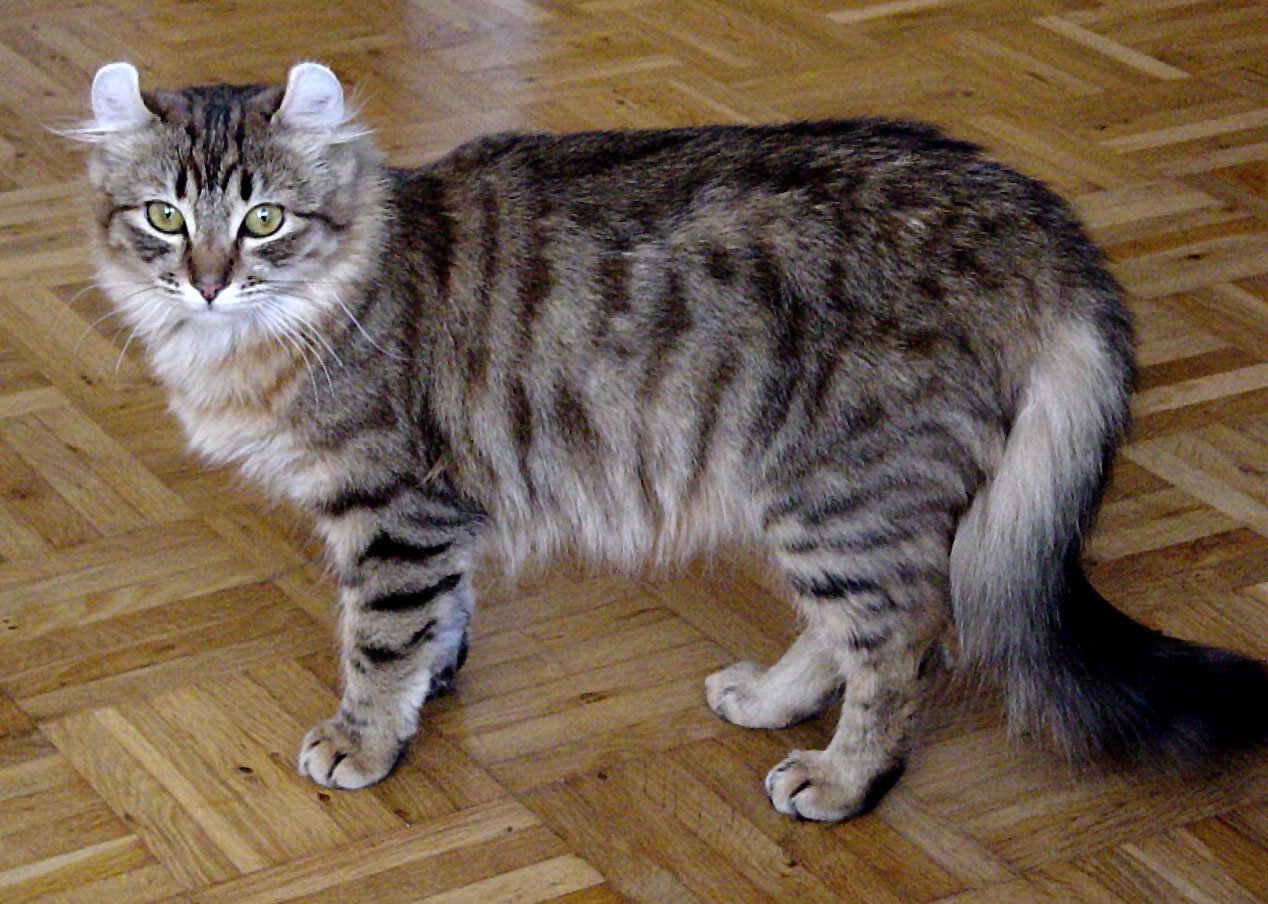
American Curl cats captivate attention with their distinctive backward-curving ears that give them an eternally surprised, pixie-like expression. Unlike other feline breeds with unusual features, these remarkable cats developed their trademark ears through a natural genetic mutation rather than selective breeding. Interestingly, all American Curl kittens are born with straight ears that gradually curve backward during their first weeks of life, creating that enchanting look cat lovers adore.
Besides their magical ears, American Curl cats are known for their friendly temperament and playful behavior that often continues well into adulthood. These medium-sized cats typically weigh between 5-10 pounds and boast an impressive lifespan of 12-16 years with proper care. Their exceptional characteristics extend beyond physical appearance—they form strong bonds with their humans while maintaining an independent streak. Furthermore, American Curls adapt well to various living situations, making them wonderful companions for families, singles, and seniors alike. This comprehensive guide will explore everything you need to know about this charming breed—from their unique origin story to daily care requirements.
The Origin of the American Curl
The fascinating story of the American Curl cat begins with a chance encounter that forever changed the landscape of the cat fancy world. In a moment of serendipity, a unique feline appeared and launched what would become one of the most beloved cat breeds in America.
The story of Shulamith
The American Curl’s journey started on a warm summer day in June 1981, when Joe and Grace Ruga of Lakewood, California discovered two stray kittens outside their home . The kittens had an unusual feature that immediately caught attention – ears that curled backward from their faces .
Grace Ruga, who was seven months pregnant at the time, couldn’t resist feeding the hungry strays despite her husband’s initial reluctance . The kittens, seemingly sisters, included a black long-haired female and a black and white semi-long-haired female. They were named Shulamith (meaning “black and comely”) and Panda respectively .
Unfortunately, about two weeks later, Panda disappeared after being frightened by a sudden wind that slammed a door . Shulamith, however, remained with the Rugas and would soon make history as the foundation cat of an entirely new breed .
In December 1981, Shulamith gave birth to her first litter of kittens, and remarkably, two of the four kittens inherited their mother’s distinctive curled ears . This revelation sparked curiosity about whether this trait could be the foundation for a new breed. The Rugas, previously self-described “casual pet owners,” suddenly found themselves at the beginning of an exciting journey in cat breeding .
How the breed was developed
Selective breeding of American Curl cats officially began in 1983, when cat fanciers developed programs specifically designed to preserve the unique ear-curling gene without compromising the cats’ overall health and genetic diversity . The cats were first presented to the cat fancy that same year, generating immediate interest in this novel feline variety .
A crucial moment in the breed’s development came when renowned English feline geneticist Roy Robinson conducted a thorough analysis of 383 kittens from 81 litters . His research, published in the December 1989 issue of the Journal of Heredity, confirmed two significant findings: first, the ear-curling gene was indeed unique, and second, it was an autosomal dominant gene . This meant that even cats with only one copy of the gene would display the curled ear trait . Most importantly, Robinson reported no defects in any of the crosses he analyzed, laying the foundation for a new and healthy breed .
To maintain the American Curl’s unique identity, the breed standard was carefully structured around Shulamith’s characteristics, differentiating it from all other breeds . The standard allowed outcrosses only to non-pedigreed domestic cats that closely matched the breed standard, helping preserve the Curl’s distinctive features .
Recognition by cat associations
The American Curl achieved recognition remarkably quickly compared to many other cat breeds. In fact, within just a few years of its discovery, the breed began receiving official recognition from major cat associations.
The first public exhibition of an American Curl at a cat show occurred in 1986 . Subsequently, The International Cat Association (TICA) accepted the American Curl for registration in 1987, and granted it championship status that same year – just six years after Shulamith’s discovery .
The Cat Fanciers’ Association (CFA) followed suit, giving the American Curl provisional status in 1986 . Later, in 1993, the American Curl made history by becoming the first breed admitted to the CFA Championship Class as one breed with two coat lengths . This unique distinction acknowledged that both longhaired and shorthaired varieties could appear in the same litter.
Ultimately, in 1999, the American Curl achieved another milestone when it became the first breed admitted to the Cat Fanciers’ Association Championship Class with officially recognized longhair and shorthair divisions . This comprehensive recognition cemented the American Curl’s status as a truly established breed in the cat fancy world.
What Makes Their Ears So Special
What Makes Their Ears So Special
The enchanting curled ears of the American Curl cat stand as their defining feature, setting them apart from every other feline breed. These uniquely curved ears aren’t just esthetically pleasing—they represent a fascinating genetic mutation that occurred naturally and has been carefully preserved through selective breeding.
How the curl develops in kittens
Contrary to what many might expect, American Curl kittens are not born with curled ears. Every American Curl kitten enters the world with perfectly straight ears, identical to those of any other cat . The magic begins within the first 48 hours of life, when the ears of kittens carrying the curl gene start their transformation .
Between three and five days after birth, the ears begin to curl backward, forming tight little buds . Over the next several weeks, these ears undergo a remarkable journey. Initially curling tightly, they gradually unfurl as the kitten grows . This process continues until the kitten reaches approximately 16 weeks (four months) of age, at which point the ears are fully “set” and will not change further .
Remarkably, there’s no way to predict precisely how much curl a kitten’s ears will ultimately display. Even kittens from parents with extremely curled ears might develop only a modest curl, while those from parents with less pronounced curls could develop more dramatic ear shapes . Each kitten’s development follows its own unique path, adding an element of delightful unpredictability to breeding programs.
Genetics behind the curled ears
The scientific understanding of the American Curl’s distinctive ears came through the work of renowned feline geneticist Roy Robinson. After analyzing data from 383 kittens across 81 litters, Robinson confirmed that the ear-curling gene is autosomal dominant .
In genetic terms, this means that a cat needs only one copy of the curl gene to display the curled ear trait . This dominant inheritance pattern explains why breeding a curled-ear cat with a straight-eared cat typically results in litters with approximately 50% curled-eared and 50% straight-eared kittens .
The curl gene has been officially designated as “Cu” in scientific literature . Importantly, Robinson’s research revealed no genetic defects associated with the curl gene , confirming that—unlike some other ear mutations in cats—the American Curl’s distinctive feature carries no inherent health concerns.
Breed standards for ear shape
Cat associations have established precise standards for the American Curl’s signature feature. For show-quality cats, the ears must display a curl between 90 and 180 degrees . A 90-degree curl is generally preferred in show cats .
The ears should form a smooth, graceful arc when viewed from both front and back . At the base, they should be wide and open, with tips that are rounded and flexible . Properly formed American Curl ears have firm cartilage extending from the base to at least one-third of the ear’s height .
Additionally, the ears must be symmetrically placed, set equally on the top and side of the head . When the cat is alert with ears swiveled toward the front, imaginary lines following the curve of each ear through its tip should point to the center of the base of the skull .
Certain ear formations will disqualify an American Curl from competition, including ears that curl so extremely that the tip touches the back of the ear or the head, ears that remain straight, severely mismatched ears, or ears with inflexible tips . Ears lacking firm cartilage at the base or having abnormally flattened lower portions are also grounds for disqualification .
Physical Traits Beyond the Ears
Physical Traits Beyond the Ears
While their distinctive curled ears might steal the spotlight, American Curl cats possess numerous other captivating physical characteristics that make them truly unique in the feline world.
Coat types and colors
American Curl cats come in two distinct coat varieties: longhaired and shorthaired. Interestingly, both coat types can appear in the same litter , offering potential owners variety in their selection. The longhaired American Curl doesn’t sport an excessively fluffy coat—it’s more accurately described as semi-long . These cats have a plumed tail that adds to their elegant appearance . In contrast, the shorthaired variety has a coat length that matches the rest of the body .
Regardless of length, both coat types share remarkable similarities in texture. The American Curl’s coat is fine, silky, and lays flat against the body . A standout characteristic is their minimal undercoat , which contributes to their low-shedding nature .
When it comes to colors and patterns, the American Curl showcases extraordinary variety. The breed standard accepts all colors and patterns that occur naturally in cats . This includes:
- Solid colors: white, blue, black, red, cream, chocolate, and lilac
- Pattern variations: tortoiseshell, bicolor, tricolor/calico, tabby, ticking, smoke, shaded, and points
Some rarer hues like fawn and lilac can be found among American Curls , making each cat visually unique.
Eye color variations
The eyes of an American Curl contribute significantly to their expressive appearance. Their distinctive eye shape is frequently described as walnut-shaped—oval on top and round on the bottom . These moderately large eyes are set at a slight angle between the base of the ear and the tip of the nose, spaced approximately one eye width apart .
American Curls can display a rainbow of eye colors, including blue, green, gold, yellow, amber, and copper . Among these, gold and green are the most commonly observed . The eye color typically has no mandatory relationship to coat color —with one notable exception. In colorpoint American Curls (those with Siamese-like markings), blue eyes are required according to breed standards .
Size and body structure
The American Curl falls into the small to medium size category , with a well-proportioned body that’s longer than it is tall. Specifically, the torso length is approximately one and a half times the height at the shoulder , creating what breeders refer to as a “semi-foreign rectangle” body type .
Males and females show noticeable size differences. Female American Curls typically weigh between 5-8 pounds, whereas males are larger at 7-10 pounds . The breed doesn’t reach full physical maturity until 2-3 years of age , allowing ample time for their distinctive features to develop completely.
Their bodies exhibit moderate musculature with flexibility , neither appearing overly delicate nor excessively bulky. The American Curl has a medium neck and a modified wedge-shaped head that complements their unique ears.
Their tails are as long as their bodies, flexible, wider at the base, and taper toward the tip . The legs are of medium length, proportionate to the body, and are set straight when viewed from front or rear . Their paws are medium-sized and round , completing their balanced appearance.
Personality and Temperament
Personality and Temperament
Beyond their distinctive physical appearance, American Curl cats charm owners with their extraordinary personalities that make them standout companions in the feline world. Their behavioral traits often surprise first-time owners who might initially be attracted solely by those magical ears.
Kitten-like behavior into adulthood
First and foremost, American Curls have earned the nickname “Peter Pan of cats” because they maintain their playful, kitten-like personality throughout their lives . This eternal youth isn’t just a cute trait—it’s a defining characteristic that shapes how these cats interact with their environment.
Even senior American Curls display remarkable energy levels, chasing toys and engaging in interactive play with enthusiasm that belies their age . Their natural curiosity drives them to explore their surroundings, whether that means scaling kitchen cabinets or investigating garden corners . This enduring playfulness requires appropriate outlets—crinkly tunnels and toy springs rank among their favorites . Without these opportunities for play and exploration, their natural tendencies to climb, perch, scratch, and pounce might be misinterpreted as misbehavior .
Notably, American Curls appreciate having cat trees with perches for climbing and jumping . These structures not only satisfy their exercise needs but typically help them maintain healthy weight .
Affectionate and people-oriented
American Curls are exceptionally people-oriented cats that thrive on human interaction. Although not typically considered “lap cats,” they prefer staying close to their people, often following family members from room to room . This shadow-like behavior isn’t meant to pester but represents their desire to participate in daily activities .
One particularly charming trait is their habit of perching on willing shoulders to better observe their surroundings . Their distinctive communication style adds to their appeal—instead of standard meowing, many American Curls “coo” and trill when conversing with their humans . They enjoy being talked to and will often respond, carrying on conversations with their owners .
American Curls form close bonds with every family member, greeting guests at the door and actively participating in household activities . Consequently, they don’t appreciate being left out of family gatherings . Their affectionate nature has earned them the reputation of being “dog-like” in their loyalty and enthusiasm when welcoming owners home .
Compatibility with kids and pets
American Curls make excellent family pets due to their gentle and patient temperament . Their tolerance and adaptability make them particularly suitable companions for households with children . Many owners report that these cats develop special relationships with the youngest family members, becoming playmates and friends .
The American Curl typically displays remarkable compatibility with other animals as well. Their easygoing attitude enables them to adjust well to multi-pet households . They generally show low aggression levels and a tolerant, friendly disposition that helps them get along with both dogs and other cats .
Their flexibility extends beyond social interactions—American Curls adapt easily to new environments . This makes them suitable for various living situations, from bustling family homes to quiet apartments. Their intelligence adds another dimension to their adaptability, as they quickly learn routines, respond to their names, and can even master simple tricks .
Female American Curls typically weigh between 5-8 pounds, while males are slightly larger at 7-10 pounds . This moderate size, combined with their gentle dispositions, makes them easy to handle and less intimidating for young children or elderly owners.
Essentially, if you’re seeking a feline companion who combines affection with independence, playfulness with intelligence, and adaptability with distinctive looks, the American Curl offers a uniquely balanced personality package.
Daily Care and Grooming Needs
Maintaining an American Curl cat’s distinctive appearance requires attention to specific grooming needs. These cats might look high-maintenance with their unique ears and silky coats, yet their care routine remains surprisingly straightforward compared to many other breeds.
Brushing short vs. long coats
The grooming frequency for American Curl cats varies primarily based on their coat length. For shorthaired American Curls, brushing once or twice weekly using a soft brush or grooming glove keeps their coat healthy and shiny . This routine effectively removes loose hairs while distributing natural oils throughout their coat.
Longhaired varieties need slightly more attention, though still less than many other longhaired breeds. Most experts recommend brushing longhaired American Curls two to three times weekly . Thankfully, even longhaired American Curls lack the dense undercoat common in other breeds , which means less shedding and reduced maintenance overall .
For longhaired Curls, using a brush specifically designed for longhaired cats is crucial to avoid breaking or damaging the fur . A steel comb works effectively as a weekly tool to lift out loose hairs and prevent matting . Their silky coat texture means tangles form less readily than in other longhaired breeds, yet regular maintenance remains essential for keeping their fur in prime condition.
Ear cleaning tips
Given their signature feature, ear care deserves special attention with American Curl cats. These unique ears require gentle handling and appropriate cleaning techniques to maintain health without causing damage.
Interestingly, American Curls tend to produce more ear wax than other breeds—they’re known for having a black ear wax that’s considered normal for the breed . For this reason, their ears should be checked weekly and cleaned periodically to prevent wax buildup and potential infections .
When cleaning an American Curl’s ears:
- Use only veterinarian-approved ear cleaning solutions
- Apply the solution to a cotton ball or cloth rather than directly into the ear
- Gently wipe visible areas without probing deeply
- Never use cotton swabs (Q-tips) deep in the ear canal as they can damage delicate structures
Especially noteworthy, some American Curls can be protective of their ears given their sensitivity . For skittish cats, having a second person gently hold them while you clean their ears can make the process smoother. Pay close attention to signs of ear infection such as head shaking, excessive scratching, or unusual discharge .
Nail trimming and dental care
Regular nail trimming forms an important part of the American Curl’s care routine. Most cats benefit from nail trims every 2-3 weeks . This prevents overgrowth while reducing damage to furniture and scratching posts.
Dental care is particularly important for American Curls as they have a predisposition to periodontal disease . Ideally, their teeth should be brushed several times weekly , with daily brushing representing the gold standard . For optimal results:
- Use only toothpaste specifically formulated for cats
- Introduce tooth brushing gradually
- Consider dental treats as a supplement to regular brushing
Professional veterinary dental cleanings should be scheduled regularly as part of their preventative healthcare routine. This comprehensive approach to oral hygiene helps prevent the development of serious dental issues that can impact overall health .
Moreover, maintaining these consistent grooming practices not only keeps your American Curl looking their best but also strengthens the bond between you and your distinctive feline companion.
Common Health Concerns
American Curl cats typically enjoy robust health with a lifespan of 12–16 years . Nevertheless, even these generally healthy felines face certain medical issues that owners should watch for. Understanding these common concerns helps ensure your curly-eared companion maintains optimal wellness throughout their life.
Ear infections and prevention
The American Curl’s signature curved ears, while adorable, make them particularly susceptible to ear infections . Their distinctive ear shape tends to trap more wax than straight-eared cats, creating an environment where bacteria and yeast thrive .
Signs that your American Curl might have an ear infection include:
- Unpleasant odor emanating from the ears
- Visible discharge inside the ear canal
- Redness and irritation
- Frequent head shaking or pawing at ears
- Swelling around the ear area
First and foremost, regular ear cleaning with a veterinarian-recommended solution provides the best defense against these infections . Admittedly, cleaning these uniquely shaped ears requires special consideration—American Curl ears are more delicate than those of other breeds . Ask your veterinarian to demonstrate proper ear-cleaning techniques specific to your cat’s ear structure .
Some American Curls may develop narrowed ear canals, either present from birth or resulting from chronic infections, which makes preventative care even more crucial . Weekly ear examinations allow early identification of potential issues before they become serious .
Dental disease
Dental problems affect more than half of cats over four years old , including American Curls. Without proper oral care, these issues progress from mild gingivitis to serious periodontitis .
The progression of dental disease often begins with food residue hardening into tartar on teeth surfaces, ultimately leading to gum inflammation and infection of tooth roots . As a result, affected cats may stop eating due to mouth pain , potentially triggering other health complications.
The most effective prevention strategy involves brushing your American Curl’s teeth daily or at minimum every other day . Veterinarians recommend products certified by the Veterinary Oral Health Council, such as:
- Greenies dental treats
- Royal Canin Feline Dental Diet
- ProDen PlaqueOff Powder
Water additives work most effectively after professional dental cleaning , making regular veterinary dental check-ups an important part of prevention. In severe cases, tooth extraction may become necessary , highlighting why consistent home dental care remains vital.
Obesity and weight management
Ordinarily, the American Curl’s playful, active nature helps maintain healthy weight. Yet, similar to many domestic cats, obesity remains a common issue . Excess weight contributes significantly to several serious conditions including arthritis, diabetes, and hepatic lipidosis (fatty liver) .
Research suggests carrying excess weight may shorten a pet’s lifespan by approximately two years and can accelerate the onset of arthritis . Fortunately, weight management combines straightforward approaches:
Regular exercise through interactive play helps maintain healthy weight—aim for two 15-minute play sessions daily . The American Curl’s natural curiosity and playfulness make them responsive to toys that satisfy their climbing, jumping, and exploration instincts .
Dietary management plays an equally important role. Feed measured portions of high-quality, high-protein food appropriate for your cat’s age and activity level . For American Curls needing weight management assistance, consider veterinarian-recommended weight management formulas .
Understanding normal feline eating patterns helps too—cats typically prefer eating 10-15 small meals throughout the day . Food puzzles can engage food-motivated cats, encouraging physical activity while satisfying their natural hunting behaviors .
Feeding and Nutrition Tips
Feeding and Nutrition Tips
Proper nutrition forms the foundation for your American Curl cat’s overall wellbeing, affecting everything from coat condition to energy levels. Understanding their specific dietary needs helps maintain their distinctive characteristics throughout their lives.
Choosing the right food
First and foremost, American Curl cats are obligate carnivores requiring animal-based protein for essential nutrients and vitamins . When selecting food, look for options that list meat as the main ingredient or second after water in wet food varieties .
Most American Curls thrive on high-quality, meat-based diets without specific feeding requirements . Consider these nutrition guidelines:
- Choose foods meeting the Association of American Feed Control Officials (AAFCO) nutritional recommendations
- Select formulations appropriate for your cat’s life stage (kitten, adult, senior)
- Opt for products with at least 60% animal protein
- Avoid foods with excessive fillers, by-products, or plant proteins cats struggle to digest
For American Curls needing weight management assistance, weight-control formulas may prove beneficial . Senior cats typically require different nutritional profiles compared to younger adults, chiefly in calorie and protein content .
Feeding schedules by age
Kittens and adults have distinctly different feeding requirements. American Curl kittens should eat kitten-specific food throughout their first year to support proper growth and development . They typically require more frequent meals—up to four daily .
Straightaway after the kitten stage, healthy adult American Curls generally do well with two meals per day . If you’re unable to provide multiple meals personally, automatic feeders can help maintain consistent scheduling .
Portion control remains crucial regardless of age. Measure food carefully based on manufacturer guidelines and your veterinarian’s recommendations . Your vet can create a tailored nutrition plan considering your cat’s age, activity level, and both current and ideal weight .
Treats and supplements
Treats should constitute no more than 10% of an American Curl’s daily calorie intake . This limitation proves particularly important for preventing obesity, which can affect this breed . Interactive treat-dispensing toys provide mental stimulation alongside food motivation .
Regarding supplements, most healthy American Curls eating high-quality balanced cat food don’t require additional supplementation . Before adding any supplements to your cat’s regimen, consult with your veterinarian . They can identify specific nutritional needs based on your cat’s individual health profile.
Clean, fresh water should always remain accessible to your American Curl . Proper hydration supports urinary tract health and overall wellbeing, thereby complementing a well-balanced diet.
Training and Enrichment Ideas
The intelligent and spirited American Curl cat thrives on mental stimulation alongside physical activity. Providing appropriate training and enrichment opportunities keeps these perpetually kitten-like felines happy and helps prevent unwanted behaviors.
Litter box training
American Curl cats, like most felines, naturally gravitate toward the litter box thanks to their instinctual desire to bury waste . Typically, training begins by placing your cat in the litter box after meals, naps, or playtime—when they’re most likely to need it . For optimal results, select a box large enough for comfortable turning with low sides for easy access .
Fundamentally, consistency matters most in litter training. Keep the box clean by scooping daily and changing litter weekly . Should accidents occur, clean thoroughly to eliminate scents that might attract your cat back to inappropriate spots . The American Curl particularly appreciates cleanliness and might protest using a dirty box .
Fun games and toys
The naturally curious American Curl requires proper outlets for play and exploration . Interactive toys that challenge their hunting instincts provide excellent mental stimulation . Consider these enrichment options:
- Interactive puzzlers: Puzzle feeders and treat-dispensing toys provide mental workouts
- Movement mimickers: Feather wands, toy mice, and light-chasing toys satisfy natural hunting instincts
- Comfort classics: Plush toys and tunnels for hiding and exploring
Rotating toys regularly maintains freshness and interest . These intelligent cats particularly enjoy fetch-like games and often return toys to their owners for continued play .
Teaching tricks with positive reinforcement
American Curls respond exceptionally well to positive reinforcement training . Begin by identifying what motivates your cat—oftentimes treats, affection, or playtime . For successful training:
- Use immediate rewards when your cat performs desired behaviors
- Keep training sessions brief and end on positive notes
- Pay attention to body language to avoid frustration
Clicker training proves particularly effective—the distinct clicking sound marks desired behavior, followed by rewards . Many American Curls can learn to respond to their names, come when called, sit, high-five, and even fetch . Training through play is highly effective for this breed and helps prevent behavioral issues .
Conclusion
American Curl cats certainly stand out in the feline world with their enchanting backward-curving ears and delightful personalities. These magical ears, resulting from a natural genetic mutation rather than human intervention, tell just part of their fascinating story. Originally discovered in 1981 with Shulamith, the breed has quickly earned recognition across major cat associations while capturing the hearts of cat enthusiasts worldwide.
Beyond their signature ears, American Curls offer remarkable versatility through their various coat colors, patterns, and lengths. Their moderate size and balanced proportions complement their extraordinary adaptability to different living situations. Additionally, their “Peter Pan” personalities keep them playful and kitten-like well into their senior years, making each day with an American Curl full of joy and surprises.
Their affectionate, people-oriented nature makes them excellent companions for families of all types. These intelligent felines form strong bonds with their humans while maintaining just enough independence to avoid becoming overly demanding. Families particularly appreciate their gentle temperament around children and compatibility with other pets.
Care requirements remain relatively straightforward despite their distinctive appearance. Regular grooming, especially attention to those unique ears, helps prevent potential health issues. Proper nutrition supports their active lifestyle, while mental stimulation through interactive toys and training prevents boredom.
The American Curl truly represents a perfect balance of distinctive appearance and delightful temperament. Their expressive curled ears might first catch your attention, but their loving, playful personalities ultimately win your heart. After all, these cats offer something truly special – the striking looks of an exotic breed combined with the adaptable, affectionate nature that makes cats such beloved companions.