
Anatolian Pyrenees
Anatolian Pyrenees dogs command attention wherever they go with their impressive size, protective nature, and striking appearance. These gentle giants represent a powerful mix of two ancient guardian breeds—the Anatolian Shepherd and the Great Pyrenees—each with centuries of livestock protection history. While their protective instincts make them exceptional guardians, their independent nature can certainly present challenges for unprepared owners.
Despite their growing popularity, many potential owners underestimate what living with an Anatolian Shepherd Great Pyrenees mix truly entails. These dogs typically weigh between 90-150 pounds and require specific living conditions that accommodate their size and energy. Additionally, understanding the Anatolian Pyrenees temperament is crucial before bringing one home—these aren’t simply big, fluffy companions but working dogs with strong instincts. Their average Anatolian Pyrenees lifespan ranges from 10-13 years, making them a significant long-term commitment.
This guide cuts through common misconceptions to provide honest insights about what owning this magnificent breed actually involves—from their stubborn independence to their unwavering loyalty.
What is an Anatolian Pyrenees?
The Anatolian Pyrenees represents a powerful combination of two ancient guardian breeds with impressive lineages. This hybrid brings together the hardy Anatolian Shepherd and the majestic Great Pyrenees to create a dog with exceptional guardian instincts and distinctive physical characteristics.
Origin of the breed
The origin story of the Anatolian Pyrenees involves two parent breeds with remarkably deep historical roots. The Anatolian Shepherd hails from what is now Turkey, with fossils suggesting the breed’s existence dating back approximately 6,000 years . These dogs developed in Anatolia (present-day Turkey) around 2000 B.C. as working shepherds .
In contrast, the Great Pyrenees originated in the Pyrenees Mountains along the border between France and Spain. Despite their European heritage, fossilized remains of Great Pyrenees have been found alongside Bronze Age artifacts from around 1500 BC . Interestingly, the Great Pyrenees gained royal status when Louis XIV declared them the Royal Dog of France in 1675, even featuring in the Royal Arms of France dating back to the 12th Century .
Furthermore, both parent breeds share an evolutionary connection to ancient guardian dogs. Many experts believe these dogs evolved from a family that originated with the Tibetan Mastiff, with descendants gradually moving westward and adapting to different terrains and climates . The Anatolian Shepherd specifically represents a transition between the larger mastiff-like breeds of Asia and their more stylized European relatives.
Why this hybrid was created
The creation of the Anatolian Pyrenees wasn’t arbitrary—it stemmed from practical needs. Given that both parent breeds were originally developed as livestock guardians, crossing them made perfect sense for farmers and ranchers seeking exceptional protection dogs.
The exact timing of when this crossbreeding first occurred remains unclear. As one source notes, “It could have come about from intentional breeding and the desire to create a farm dog that had characteristics of the Anatolian Shepherd and Great Pyrenees. Or, it could have just come from accidental breeding of two farm dogs” .
What makes this mix particularly valuable is how it combines the best traits from both lineages. The Anatolian’s hardiness and agility pairs perfectly with the Great Pyrenees’ cold-weather resilience. Both breeds were historically tasked with protecting flocks from predators like wolves and bears, working independently in challenging environments . By combining these bloodlines, breeders aimed to create a versatile guardian capable of thriving in various conditions.
Common physical traits
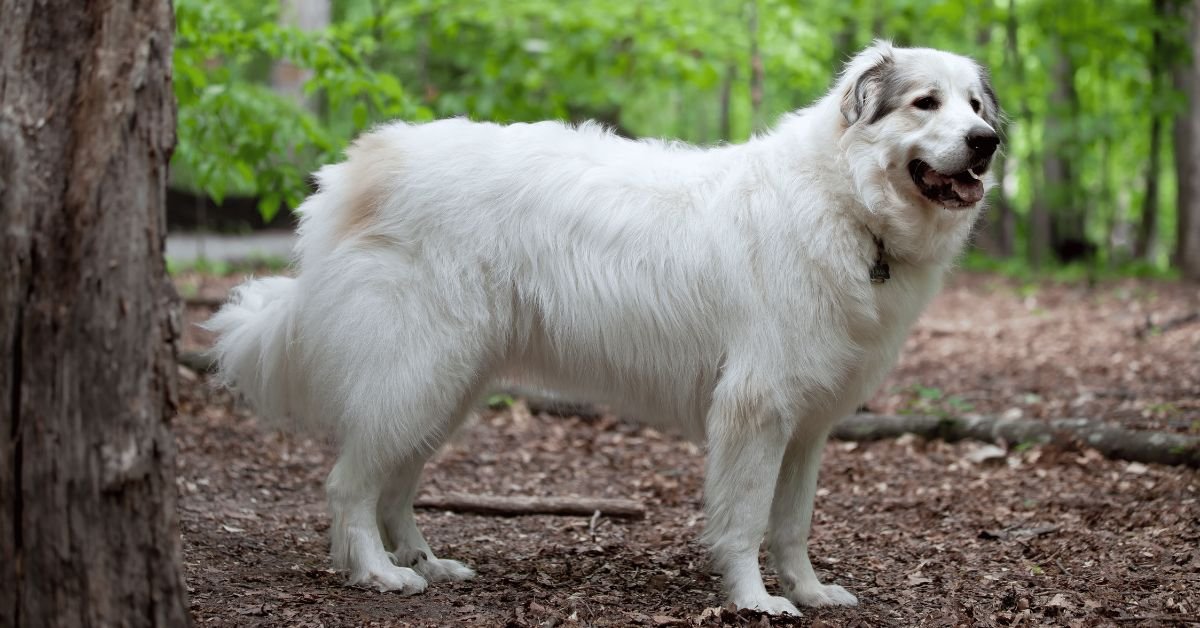
The Anatolian Pyrenees is unmistakably a large dog with an imposing presence. These dogs typically stand 29–32 inches tall and weigh between 80–140 pounds . Their substantial size serves a practical purpose—it makes them intimidating enough to deter potential predators simply by their appearance.
Coat characteristics vary somewhat between individuals, often depending on which parent breed’s genes are more dominant. Generally, they possess a thick double coat that provides protection from harsh weather conditions. The Great Pyrenees influence typically results in a thicker coat than a purebred Anatolian would have . This coat may come in various colors including cream, white, black, brown, and fawn .
Notably, the Anatolian influence often contributes to a distinct body structure with some sighthound characteristics. This includes features like a noticeable tuck-up, gradually arched loin, and slightly sloping pasterns . These elements give the breed surprising agility despite their size.
The Anatolian Pyrenees possesses an unmistakable presence—large, powerful, and impressive. Yet unlike some larger breeds, they maintain enough agility to be effective working dogs. Their physical development happens quickly; as one source notes, “Even as puppies, they won’t stay little for long! You will have a giant traipsing around your house before you know it” . This rapid growth underscores the importance of preparing adequately for an Anatolian Pyrenees’ substantial physical needs.
Temperament and Personality Traits
Understanding the temperament of an Anatolian Pyrenees dog reveals why these majestic guardians have been trusted for centuries to protect livestock and families. Their complex personality combines fierce protection with gentle affection, creating a companion whose loyalty knows no bounds—yet whose independence can challenge even experienced dog owners.
Protective instincts
The protective nature of the Anatolian Pyrenees forms the cornerstone of their personality. These dogs possess a natural, unwavering instinct to guard their family, property, and livestock. Their protective behaviors often manifest through:
- Vigilant monitoring of their territory
- Deep, warning barks when they detect potential threats
- Positioning themselves between perceived dangers and their family
- Quick decision-making when sensing something amiss
Unlike some breeds that may show aggression indiscriminately, the Anatolian Pyrenees typically displays calculated protective responses. As one owner describes, “He is protective without overdoing it” . However, without proper training and socialization from puppyhood, these protective instincts can become problematic, potentially leading to aggression toward strangers or unfamiliar animals .
What makes these dogs exceptional guardians is their ability to assess situations independently. They don’t merely react to commands—they evaluate potential threats and decide on appropriate responses. Consequently, an Anatolian Pyrenees makes split-second judgments about when intervention is necessary, making them invaluable protectors for families living in isolated areas or those keeping livestock.
Independence and stubbornness
Perhaps the most challenging aspect of the Anatolian Pyrenees temperament is their fierce independence. These dogs descend from breeds that worked largely unsupervised for centuries, making crucial decisions without human input. This history has produced dogs with strong wills and independent minds.
“He is very independent and I wouldn’t advise first time dog owners for this breed,” notes one owner . Another adds, “He is very strong-willed. It took a while for him to realize I was in charge” . This independent streak, though valuable for guardian work, can manifest as stubbornness during training sessions.
Their intelligence compounds this challenge. The Anatolian Pyrenees is remarkably smart, yet may choose not to comply with commands that seem unnecessary from their perspective. As one source explains, “While Anatolian Pyrenees dogs are highly intelligent and trainable, they can also be stubborn and independent. They have a strong will and can be difficult to train if not properly motivated” .
Early, consistent training becomes essential with these dogs. They respond best to confident handlers who establish clear boundaries while using positive reinforcement techniques. Harsh methods typically backfire with this breed, as they’re too independent-minded to respond well to force.
Affection level with family
Behind their protective exterior lies a surprisingly affectionate companion. The Anatolian Pyrenees forms deep bonds with family members, offering loyalty and devotion that contrast sharply with their aloofness toward strangers.
“He is very affectionate and loving,” reports one owner . Another notes, “He is extremely gentle and loving to all humans” . This gentleness extends particularly to children, with whom many Anatolian Pyrenees show remarkable patience. “He is a constant companion to my 6 and 8 yr old grandsons,” shares another owner .
Nevertheless, their affection style differs from needier breeds. They typically won’t demand constant attention or cuddles. Instead, they often show love through protective presence, staying near family members while maintaining watchful vigilance. Some individuals do enjoy physical affection, however. “He likes to snuggle with us but is stand offish with strangers,” explains one owner .
Their loyalty manifests in fascinating ways. Many Anatolian Pyrenees develop special bonds with specific family members, sometimes showing possessive behavior toward them. This profound attachment underscores why these dogs flourish in stable environments where they can establish deep connections with their human pack.
Through proper socialization, the Anatolian Pyrenees can learn to distinguish between normal situations and genuine threats, channeling their protective instincts appropriately while allowing their affectionate side to shine within the family circle.
Is the Anatolian Pyrenees Right for Your Family?
Deciding whether to bring an Anatolian Pyrenees into your home requires honest assessment of your living situation, family dynamics, and lifestyle. While these majestic guardians make loyal companions, their specific needs must align with your household circumstances for a successful match.
Living space requirements
The Anatolian Pyrenees thrives in environments with ample room to patrol and explore. This breed’s heritage as a livestock guardian means they instinctively need territory to monitor and protect. Consider these spatial requirements:
- Yard access is essential – These dogs do best in homes with secured, spacious yards where they can exercise their natural patrolling behaviors
- Indoor temperament – Once inside, they typically become “mellow and loving family pets”
- Apartment living limitations – Although some adult dogs can technically live in apartments with sufficient exercise, most experts agree they are “better suited to a family home with room to roam”
For prospective owners with limited space, daily exercise becomes even more critical. Your Anatolian Pyrenees will “want to spend a lot of its time outdoors” , making rural or suburban properties with secured fencing ideal living arrangements. Some owners report these dogs patrolling their acreage nocturnally , highlighting their need for space.
First-time dog owners should carefully consider these spatial requirements, as this breed’s size combined with insufficient space often leads to behavioral problems. Their intelligence means they need both physical and mental stimulation to remain balanced and content.
Interaction with children
The Anatolian Pyrenees generally forms positive relationships with children, although experiences vary based on training and individual temperament. Most owners describe these dogs as exceptionally patient with young family members:
“My 2 yr old has wallered, poked, hit, & sat on him & he never flinched” , shares one owner, while another notes their dog is a “constant companion to my 6 and 8 yr old grandsons” .
Nevertheless, prudent supervision remains necessary due to their immense size and strength. At weights commonly reaching 90-150 pounds, even friendly interactions can result in accidental injuries to small children. As one source cautions, it’s “crucial to supervise interactions between the dog and young children to prevent accidental injuries” .
Early socialization profoundly impacts how well these dogs integrate with children. Without proper training, their protective instincts may manifest inappropriately. Interestingly, many owners report their Anatolian Pyrenees actively “babysit” children, with one noting their dog “follows them around the entire time” and “never lets them out of her site” when children visit .
Compatibility with other pets
Regarding other household animals, the Anatolian Pyrenees typically demonstrates tolerance when properly socialized, although their natural guardian instincts require management. Early and consistent socialization proves vital for multi-pet households:
“With proper socialization, Anatolian Pyrenees can get along with other pets. However, their natural guarding instincts may cause them to be wary of unfamiliar animals” . Their livestock guardian heritage means they often display protective behaviors toward “their” animals, with one owner noting their dog “LOVES her goats” .
Their compatibility with other dogs varies considerably. Some sources describe them as “not the most dog-friendly” , while others report successful integration with multiple canines: “She shares her yard with a German Shepherd (male) and a lab/hound mix (female)” . This variability underscores the importance of early introductions and careful training.
Young Anatolian Pyrenees require particular supervision with smaller animals. One owner recounts: “When she was young, she killed several chickens while playing rough with them. It took some time and training and now she pays them no mind” . This illustrates both the potential challenges and the positive outcomes possible with consistent training.
Ultimately, the Anatolian Pyrenees can make a wonderful family companion for the right household. They thrive in homes with ample space, experienced dog owners, and families committed to proper training and socialization. Their loving nature, combined with exceptional protective instincts, makes them uniquely suited for families seeking both a guardian and a gentle companion—provided their specific needs can be met.
Training and Socialization Needs
Successful ownership of an Anatolian Pyrenees dog hinges on proper training and socialization—yet many owners underestimate the commitment these magnificent guardian breeds require. Their independent nature, coupled with natural protective instincts, creates a unique training scenario unlike most other dog breeds.
Why early training is essential
Starting training during puppyhood is absolutely critical for an Anatolian Pyrenees. These dogs mature quickly in size but retain puppy behaviors longer than expected—creating a potentially problematic combination of puppy mindset with adult strength. First thing to remember, proper training establishes necessary boundaries before they reach their full size of 90-150 pounds.
Early training helps channel their inherent protective instincts appropriately. Without guidance, an Anatolian Pyrenees might become aggressive toward strangers or other animals. As one expert source notes, “A dog of this breed that’s not well-socialized will commonly become aggressive toward other animals and even people” .
Moreover, these dogs are remarkably intelligent but develop independence early. Training from puppyhood establishes you as a trusted leader rather than allowing them to make all decisions independently—a trait deeply ingrained from their livestock guardian heritage.
Common training challenges
The Anatolian Pyrenees presents unique training hurdles primarily stemming from their independent thinking and selective listening. Unlike people-pleasing breeds, these dogs don’t automatically follow commands just because you’ve asked. One experienced owner explains: “While a Golden Retriever may do what you say because you said so, a pyr won’t be so likely” .
Patience becomes essential as they might take 10-15 seconds to follow a command, not out of disobedience but because they’re evaluating whether your request makes sense to them . This deliberate decision-making process reflects their heritage as independent guardians.
In essence, these dogs were bred for independent judgment—a valuable trait in livestock protection that can become challenging in a family setting. As one source puts it, they “are their own dogs” and establishing “mutual respect with these breeds will get you far” .
Additionally, training sessions must remain brief yet frequent due to their tendency to become bored quickly. Experienced trainers recommend:
- Never working with adult dogs for more than 10 minutes per session
- Limiting puppy sessions to just 5 minutes
- Conducting several short sessions throughout the day
Tips for successful socialization
Socialization proves equally important as obedience training for this breed. On account of their protective instincts, Anatolian Pyrenees dogs need early and extensive exposure to various situations to learn what constitutes a genuine threat versus normal interaction.
Start socializing your puppy as soon as vaccination protocols allow, exposing them to diverse environments, people, and animals. This exposure helps them develop confidence and proper discrimination between threats and normal situations. One expert recommends dedicating “10 hours a week to training and socialization” to ensure a well-adjusted Anatolian Pyrenees .
Importantly, socialize them with positive experiences—quality matters more than quantity. Make new interactions “short and sweet, and as positive as possible” . If they show hesitation, don’t force interactions; respect their boundaries while gently encouraging exploration.
For optimal results, focus socialization on:
- Meeting various people of different ages, appearances, and behaviors
- Controlled interactions with other animals (both dogs and non-canine pets)
- Exposure to everyday objects like vehicles, automatic doors, and household appliances
- Varied environmental experiences including different surfaces, sounds, and locations
Remember that the Anatolian Pyrenees responds best to positive reinforcement techniques. Harsh methods typically backfire with these sensitive yet strong-willed dogs . Consistency, coupled with praise and high-value treats, builds a foundation of trust with your dog while respecting their independent nature.
Exercise and Activity Requirements
Beyond their impressive size and protective nature, Anatolian Pyrenees dogs have specific exercise requirements that balance their working heritage with their calm household demeanor. Managing their physical and mental energy properly prevents behavioral issues while nurturing their natural instincts.
Daily physical needs
Contrary to what their size might suggest, Anatolian Pyrenees dogs have moderate exercise requirements compared to some working breeds. Most experts recommend at least 30-60 minutes of daily physical activity to maintain their health and happiness . For some individuals, this may extend to 60-90 minutes depending on age, temperament, and energy level .
Ideally, their exercise should be spread throughout the day rather than concentrated in a single session. Two to three moderate walks daily works well for many Anatolian Pyrenees owners . This approach prevents overexertion while ensuring they receive adequate stimulation.
Swimming offers an excellent exercise option for these large dogs. This activity builds muscle and improves cardiovascular health without stressing their joints . Given their substantial size—often 90-150 pounds—joint protection remains an important consideration throughout their lives.
For puppies, exercise caution regarding strenuous activities. Their developing joints remain sensitive to strain during growth phases . Short, gentle play sessions work better than long hikes or runs until they reach physical maturity.
Mental stimulation ideas
The Anatolian Pyrenees possesses significant intelligence that requires regular engagement to prevent boredom and subsequent behavioral issues. Mental exercise proves just as vital as physical exercise for overall wellbeing .
Effective mental stimulation options include:
- Puzzle toys and feeders that challenge them to work for treats
- Hide-and-seek games that engage their natural hunting abilities
- Scent work activities that utilize their remarkable sense of smell
- Simple obedience training sessions that reinforce commands while engaging their mind
Many veterinarians and trainers emphasize that “dogs that are engaged and have ‘jobs’ tend to be healthier and happier, just like people who are busy and involved in activities that they like” . Incorporating training into daily routines provides this sense of purpose.
Rally sports offer an excellent alternative for owners seeking structured activities. Unlike agility competitions, rally sports focus more on obedience and communication without placing undue strain on joints . This aligns perfectly with the Anatolian Pyrenees’ natural abilities.
Safe outdoor environments
Given their heritage as livestock guardians, Anatolian Pyrenees naturally prefer spending significant time outdoors. Many develop nocturnal patrolling behaviors, making a secure outdoor space essential . As one owner notes, their dog “patrols our acreage at night and barks periodically throughout the night” .
A securely fenced yard represents the ideal environment for these dogs. Remarkably, standard fencing may prove insufficient—some owners report these determined dogs scaling 6-foot fences . Consider fence height and buried barriers to prevent escapes from determined individuals.
Weather rarely limits an Anatolian Pyrenees’ outdoor activities. Their thick double coat provides protection in various conditions, with many particularly enjoying snow and cold weather . Nonetheless, during extreme heat, limit exercise to cooler morning or evening hours to prevent overheating.
For owners without large yards, regular visits to secure dog parks, hiking trails, or rural areas provide essential exploration opportunities. Always maintain control with proper leash training in public spaces, as their size and protective instincts require management around strangers.
Preventing boredom remains paramount regardless of exercise environment. A bored Anatolian Pyrenees often becomes destructive, with chewing being a common outlet for excess energy . Regular physical and mental engagement effectively prevents such problems while nurturing their natural guardian instincts.
Grooming and Shedding Realities
Owning an Anatolian Pyrenees means coming to terms with fur—lots of it. These magnificent guardian dogs possess a thick, weather-resistant double coat that serves crucial protective functions yet requires specific maintenance to keep them comfortable and healthy. Prospective owners often underestimate the grooming commitment these large dogs require.
Brushing frequency
Regular brushing forms the cornerstone of Anatolian Pyrenees coat care. Most experts recommend designating at least 30 minutes weekly for light grooming sessions to maintain coat health and prevent matting issues. This consistent schedule helps distribute natural oils throughout their fur while simultaneously allowing you to check for skin problems or ticks.
For many Anatolian Pyrenees owners, investing in quality grooming tools proves essential. A complete grooming kit typically includes:
- An undercoat rake for reaching dense lower layers
- A de-matting brush for tackling tangles
- A standard slicker brush for general maintenance
Crucially, many experienced owners emphasize patience during grooming: “Be gentle when brushing. If you hit a tangle, don’t pull. Instead, work it out slowly with your fingers or a comb.” Areas behind the ears and under the legs require special attention as these spots commonly develop mats if neglected.
Seasonal shedding
Make no mistake—Anatolian Pyrenees shed considerably throughout the year, yet certain periods bring dramatically increased fur loss. As one experienced owner plainly states: “Pyrs shed, no way around it.” These dogs “completely blow their coat at certain times of the year,” typically during spring and fall transitions.
During these heavy shedding phases, daily brushing becomes necessary to manage loose fur. The volume can be truly astonishing—one owner reports “filling a 5-gallon bucket every week in June, brushing every day.” Indeed, such experiences highlight why potential owners must realistically assess their tolerance for household fur before bringing home an Anatolian Pyrenees.
Interestingly, proper brushing rather than frequent bathing proves most effective for controlling shedding. The natural oils in their coat actually help repel dirt, with many owners noting their dogs maintain a remarkably clean coat with minimal intervention.
Bathing and nail care
Unlike many breeds, Anatolian Pyrenees actually benefit from infrequent bathing. “Over-bathing can reduce the dirt-shedding qualities of the Pyr coat,” making their natural self-cleaning properties less effective. Most sources recommend bathing only every 8-12 weeks, or when they become particularly dirty.
When bathing becomes necessary, follow these guidelines for best results:
- Use only mild, dog-specific shampoos with appropriate pH levels
- Thoroughly wet the entire coat before applying shampoo
- Rinse completely—residual soap can irritate skin
- Consider lukewarm water and avoid getting water in their ears
- Towel dry thoroughly or use a blow dryer on low, cool setting
Finally, consistent nail maintenance keeps your Anatolian Pyrenees comfortable and prevents potential foot problems. Aim to trim nails every 2-4 weeks, or whenever you hear clicking on hard floors. Many owners find professional grooming assistance helpful for this task, especially given these dogs’ size and potential resistance to nail trimming.
Health Issues to Watch For
While Anatolian Pyrenees dogs typically enjoy robust health, prospective owners should familiarize themselves with potential health concerns affecting these magnificent guardian breeds. Understanding these conditions helps ensure early detection and proper management throughout your dog’s life.
Inherited conditions from parent breeds
The Anatolian Pyrenees inherits predispositions to certain health issues from both parent breeds. Hip and elbow dysplasia rank among the most common orthopedic concerns, with these conditions causing improper joint development that eventually leads to arthritis and mobility issues. Large breeds like the Anatolian Pyrenees are particularly susceptible to these conditions, which often appear as the dog matures.
Another significant inherited condition is entropion, where the eyelid rolls inward toward the eye, causing the eyelashes to irritate the cornea. This hereditary eye disorder can cause pain and potentially lead to corneal ulcers if left untreated, typically requiring surgical correction as the only effective treatment.
Anesthesia sensitivity represents a noteworthy concern with this breed. Anatolian Shepherds have a documented heightened sensitivity toward anesthetic agents, requiring veterinary awareness during any surgical procedures. Accordingly, always inform your veterinarian about your dog’s breed background before any procedure requiring anesthesia.
Signs of common health problems
Vigilant owners should watch for these warning signs of common health issues:
- Bloat/GDV: Distended abdomen, unsuccessful attempts to vomit, signs of pain, drooling, and restlessness. This life-threatening condition requires immediate emergency care.
- Hypothyroidism: Weight gain despite normal eating habits, lethargy, dry skin, hair loss, and behavioral changes including aggression.
- Joint problems: Difficulty rising, lameness, reluctance to jump or climb stairs, and visible discomfort during physical activity.
Gastric Dilatation and Volvulus (GDV or bloat) deserves special attention given its rapid onset and potentially fatal outcome. This condition occurs more frequently in deep-chested breeds, wherein the stomach fills with gas and twists upon itself, cutting off blood supply. In essence, it can become fatal in as little as 30 minutes without treatment.
Importance of regular vet visits
Preventive care forms the cornerstone of managing health conditions in Anatolian Pyrenees dogs. Regular veterinary examinations allow for early detection of developing issues beforehand they become serious problems. Veterinarians typically recommend biannual checkups for these large breeds, with more frequent visits as they enter their senior years.
Routine visits should include comprehensive physical examinations, dental assessments, and appropriate screening tests for breed-specific conditions. Furthermore, discussing your Anatolian Pyrenees’ individual risk factors with your veterinarian helps develop a tailored preventive care plan.
Remember that reputable breeders perform health screenings on parent dogs. Henceforth, always request documentation of health clearances, primarily for conditions like hip dysplasia, elbow dysplasia, and eye disorders when acquiring an Anatolian Pyrenees puppy.
Feeding and Nutrition Tips
Proper nutrition forms the backbone of health for your Anatolian Shepherd Great Pyrenees mix. These large guardians have specific dietary needs that differ significantly from smaller breeds, requiring thoughtful meal planning to maintain optimal health.
Recommended diet types
Anatolian Pyrenees dogs naturally require minimal carbohydrates, which unfortunately make up over 50% of many commercial dog foods . Many owners report success with either high-quality, low-carb commercial foods or raw feeding approaches. Raw diets typically include muscle meat, organ meat, bone, raw fats, and small amounts of vegetables . This approach often results in improved digestion, shinier coats, and better dental health . For those preferring commercial options, seek out large-breed formulas with natural ingredients and appropriate nutrient profiles .
Feeding schedule and portions
Divide your Anatolian Pyrenees’ meals into at least 2-3 smaller feedings daily rather than one large meal . This feeding pattern helps prevent potentially fatal bloat (gastric dilatation-volvulus) . Adult dogs weighing between 80-150 pounds will have varying food requirements based on activity level . Most owners report success with 3-4 cups daily, though requirements vary substantially with individual metabolism and exercise levels .
Avoiding obesity in large breeds
Weight management remains crucial for these giant breeds. Excess weight strains joints and increases risk of orthopedic problems. Measure food precisely using a digital scale rather than cups for accuracy . Limit treats to no more than 10% of daily caloric intake . Regular weigh-ins help track trends, making minor adjustments easier than major dietary overhauls .
Conclusion
Owning an Anatolian Pyrenees represents both a profound privilege and significant responsibility. These majestic guardian dogs offer unparalleled protection, unwavering loyalty, and gentle affection to families willing to meet their specific needs. Though their independent nature and protective instincts present genuine challenges, proper training and socialization transform these powerful traits into valuable assets.
First thing to remember, these dogs require adequate space, consistent handling, and owners who understand their working dog heritage. Their impressive size demands proper living arrangements, while their thick double coats necessitate regular grooming routines—especially during heavy shedding seasons. Additionally, their health concerns require vigilant monitoring and preventative care throughout their 10-13 year lifespan.
Ultimately, the Anatolian Pyrenees thrives with owners who appreciate their unique character rather than trying to change it. These aren’t simply big, fluffy pets but intelligent guardians with purpose-bred instincts that stretch back thousands of years. Families who provide appropriate boundaries, socialization, exercise, and nutrition will discover an exceptionally devoted companion whose protective presence brings both security and joy.
Before bringing one home, honestly assess whether your lifestyle accommodates their substantial needs. Those who can meet these requirements gain not just a pet but a magnificent guardian whose loyalty knows no bounds—a true gentle giant whose protective spirit and loving nature make the effort undoubtedly worthwhile.