
Maltese Shih Tzu
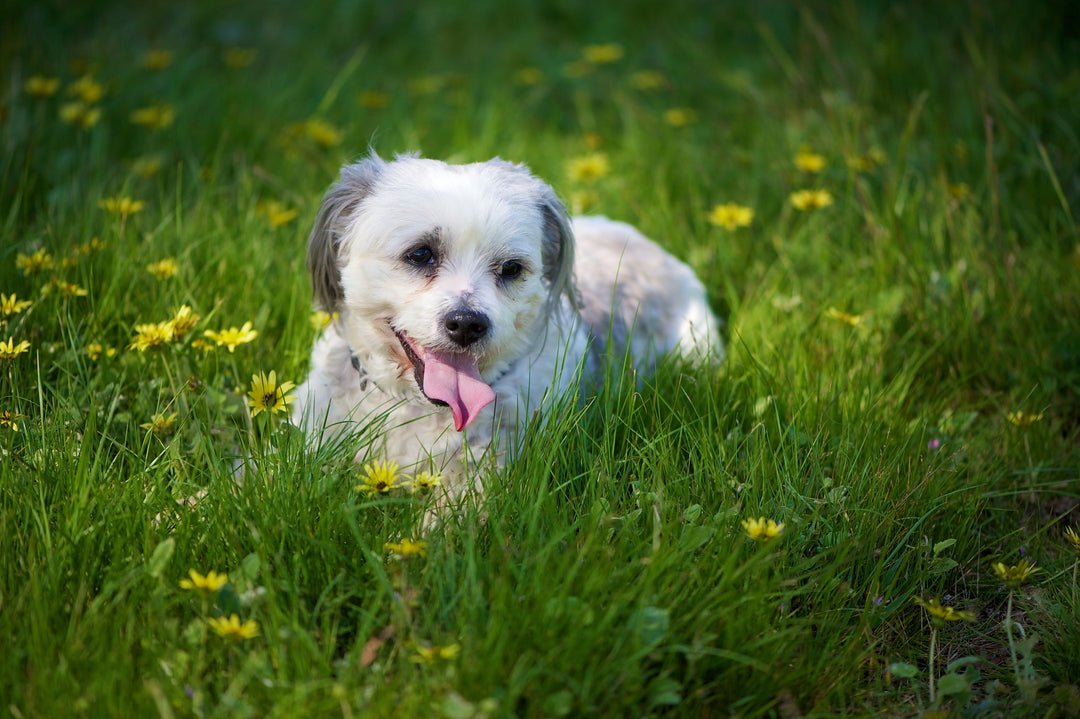
The Maltese Shih Tzu has become one of the most sought-after designer dog breeds for families seeking a small, affectionate companion with minimal shedding. This charming hybrid combines the best traits of both parent breeds: the Maltese’s silky coat and loyal temperament with the Shih Tzu’s friendly disposition and adorable facial features.
Unlike many purebred dogs, the Malshi was specifically developed to create a small companion dog that doesn’t shed excessively. However, potential owners should understand that “hypoallergenic” doesn’t mean completely allergen-free. Furthermore, this mix requires specific care regarding grooming, health monitoring, and training to thrive in your home. Whether you’re considering a Maltese Shih Tzu puppy or simply curious about this increasingly popular breed, this comprehensive guide covers everything from their origin and physical characteristics to their unique personality traits and care requirements.
History and Origin of the Maltese Shih Tzu
The Maltese Shih Tzu emerged as a deliberate crossbreed in Australia during the 1990s, making it a relatively recent addition to the world of designer dogs [1]. Unlike ancient breeds with centuries of history, this charming hybrid was intentionally developed with specific traits in mind.
Why this hybrid was created
The creation of the Maltese Shih Tzu stemmed from a clear purpose: to develop a small, affectionate companion dog with minimal shedding qualities [1]. Breeders aimed to combine desirable traits from both parent breeds to create an ideal lapdog that would thrive in various household environments [2].
A primary motivation behind this crossbreeding was to address the issue of excessive shedding. Many people love small companion dogs but struggle with allergies or simply prefer not to deal with constant fur cleanup. The Maltese Shih Tzu was specifically bred as a solution, offering a low-shedding alternative [3] that wouldn’t compromise on the loving temperament sought in a companion animal.
The timing of this breed’s development coincided with growing interest in “designer dogs” that could potentially minimize common purebred health issues through genetic diversity. Most Maltese Shih Tzus are first-generation crosses, although second and third-generation breeding has occurred as the popularity of these dogs increased [4].
Parent breeds: Maltese and Shih Tzu
Both parent breeds bring rich histories and distinctive characteristics to this hybrid. The Maltese boasts an impressive lineage dating back thousands of years. Evidence suggests this ancient breed appeared in Europe as early as 500 BCE [3]. While some debate exists about whether the breed originated in Sicily, southern Europe, or Egypt, many historians believe Malta is where they were first developed [4].
Historically, Maltese dogs served practical purposes aboard Phoenician ships, keeping them free from rodents. Additionally, Maltese women used these dogs as companions or “comforters” [4]. By the mid-1800s, the Maltese had established popularity in both the United Kingdom and United States, becoming regular competitors in dog shows [4].
The Shih Tzu’s history is equally impressive but distinctly different. Originating in Tibet and revered by Buddhists, this breed’s lineage can be traced back at least 1,000 years [4]. Developed from breeding the Pekingese with the Lhasa Apso, Shih Tzus were once exclusively owned by Chinese royalty, who prized them as pets and bed warmers [4].
Notably, the name “Shih Tzu” translates to “little lion” in Mandarin [5], a nod to their dignified appearance despite their small stature. These dogs only reached England in the 1930s and came to the United States after World War II when American soldiers returned home with them from Europe and Asia [4].
The breeding of Maltese and Shih Tzu was particularly practical since both breeds share similar small sizes, making it less important which breed served as sire or dam [4]. This physical compatibility, combined with complementary temperaments, made them ideal candidates for creating a new designer breed.
How the breed gained popularity
Although the Maltese Shih Tzu remains unrecognized by major kennel clubs like the American Kennel Club [5], this hasn’t hindered its rising popularity. After its Australian origins in the 1990s, the breed quickly gained traction among dog lovers seeking companion animals [3].
The popularity of the Maltese Shih Tzu “sky-rocketed” in Australia in recent years [3], establishing it as one of the most beloved small breeds in the country. As awareness of the breed spread, it began gaining recognition in the United States, where it commonly goes by the name “Mal-Shi” [3].
Several factors contributed to this growing popularity. First, the successful blending of traits from both parent breeds resulted in dogs with appealing personalities and appearances. Second, despite not being completely non-shedding, the Maltese Shih Tzu sheds significantly less than its parent breeds [3], making it attractive to those concerned about household cleanliness.
Their adaptability to various living situations has also boosted their appeal. Due to their compact size, these dogs acclimate well to all styles of living environments, from spacious family homes to smaller apartments [3]. This versatility, combined with their minimal exercise requirements, makes them particularly suitable for urban dwellers and families with limited outdoor space.
Physical Traits and Appearance
From first glance, the Maltese Shih Tzu captivates with its distinctively adorable appearance, combining characteristics from both parent breeds into a uniquely charming companion. This designer dog’s physical traits can vary somewhat between individuals, as is typical with hybrid breeds. Nevertheless, certain characteristics remain consistent across most Maltese Shih Tzus.
Size and weight range
Compact yet sturdy, the Maltese Shih Tzu fits perfectly into the toy dog category. These small companions typically stand between 20 to 30 cm (8 to 11 inches) tall at the shoulder [6][7][1][5]. Their diminutive stature makes them ideal for various living situations, including apartments and smaller homes.
In terms of weight, a healthy adult Maltese Shih Tzu generally weighs between 3 to 7 kg (6.6 to 15.4 pounds) [6][7][1][2]. This weight range represents the ideal for this toy breed. According to reliable sources, males and females tend to weigh approximately the same [8]. First and foremost, it’s important for owners to monitor their Malshi’s weight, as this breed can be prone to weight gain inherited from its Shih Tzu parentage [2].
Coat types and colors
The Maltese Shih Tzu’s coat is often considered one of its most appealing features. Generally, these dogs have soft, silky fur that can be straight or slightly wavy in texture [6][1]. Their coats require regular maintenance to prevent tangles and matting, especially as the fur can grow quite long [7].
Regarding shedding, many prospective owners wonder: “Do Maltese Shih Tzus shed?” The answer is yes, but minimally. Their low-shedding coat makes them an excellent option for those seeking a dog that won’t leave excessive fur around the home [7]. This characteristic, inherited primarily from the Maltese side, is one reason the breed was developed.
The color palette for Maltese Shih Tzus is surprisingly diverse, including:
- White (most common)
- Cream
- Black
- Brown
- Black and white combinations
- Brown and white combinations
- Black and brown combinations [5][6][7][1]
Moreover, one fascinating aspect of the Maltese Shih Tzu is that their coat color can change as they mature. Typically, these changes begin around 12 months of age [5]. For instance, a puppy born predominantly white might develop darker markings as it grows, or conversely, a dog with darker coloring might fade to reveal more white [5].
Facial features and body structure
The Maltese Shih Tzu boasts what many describe as a “teddy bear” appearance [6][1]. This endearing look comes from their round, expressive eyes that convey warmth and affection. Their eyes are typically dark, contributing to their sweet expression [1].
Their muzzle length ranges from short to medium, avoiding the extreme flat-faced appearance sometimes seen in purebred Shih Tzus [6][1]. This more moderate facial structure often results in fewer breathing difficulties than those experienced by some brachycephalic breeds.
The ears of a Maltese Shih Tzu hang down gently at the sides of the face [6][1], framing their face beautifully and adding to their charming appearance. These ears are medium-sized and covered with soft fur [1].
Overall, the Maltese Shih Tzu has a compact, well-balanced build [6][1]. Their body structure is sturdy despite their small size, with a balanced frame that gives them an elegant appearance. Some have described their build as having a “very thin frame,” though this varies between individuals [8].
As a result of their mixed heritage, the appearance of Maltese Shih Tzus can vary significantly, even within the same litter [5]. In fact, it’s almost impossible to predict exactly what a puppy will look like before birth, as they might not even resemble their parents or siblings in coloration or features [5].
Because they are a hybrid breed, Maltese Shih Tzus aren’t recognized by major kennel clubs like the American or Australian Kennel Council, meaning there’s no official breed standard for their appearance [5][2].
Temperament and Personality
Beyond their adorable appearance, the Maltese Shih Tzu wins hearts primarily through their exceptional temperament. Often described as “the friendly toy,” these little companions offer a well-rounded personality that makes them ideal for various household situations.
Affectionate and social nature
The Maltese Shih Tzu shines as a quintessential companion dog, craving human interaction and forming deep bonds with their families. These social butterflies thrive on being included in daily activities—whether accompanying you around the house or curling up on your lap during quiet evenings [9]. First and foremost, they’re known for being extremely people-oriented, exhibiting remarkable loyalty that translates into a desire to be near their humans whenever possible [10].
Malshis typically greet visitors with enthusiasm rather than suspicion, making them poor guard dogs yet wonderful hosts. Their cheerful demeanor stays consistent throughout their lives, as they genuinely enjoy meeting new people [3]. Consequently, early socialization helps channel this friendly nature appropriately.
Intelligence marks another defining trait of the Malshi temperament. These dogs possess sharp minds coupled with an eagerness to please, although this sometimes competes with a stubborn streak inherited from their Shih Tzu parentage [11]. Through patient, positive reinforcement training, this stubbornness can be managed effectively.
Behavior with children and other pets
Maltese Shih Tzus have earned a stellar reputation for their compatibility with family members of all ages. These dogs typically display excellent tolerance toward children, making them wonderful family companions [10]. For families considering a Malshi, it’s worth noting they tend to be especially good with older, more considerate children who understand how to interact gently with small dogs [12].
Their friendly disposition extends toward other animals as well. The breed generally lives harmoniously with other household pets regardless of species [10]. Still, early socialization remains essential in fostering positive relationships between your Malshi and other animals.
One caution regarding children: despite their tolerance, supervision remains important due to the Malshi’s small size. Young children might unintentionally handle these dogs roughly, potentially causing injury or provoking defensive reactions [13].
Common behavioral quirks
Every breed has its unique characteristics, furthermore, the Maltese Shih Tzu comes with several noteworthy quirks potential owners should understand:
Separation anxiety ranks among the most common concerns with this breed. Given their strong attachment to humans, Malshis can become distressed when left alone for extended periods [3]. This anxiety might manifest as excessive barking, destructive behavior, or house soiling [12]. Therefore, gradual training for alone time helps mitigate these issues.
Speaking of barking, Maltese Shih Tzus tend to be more vocal than some small breeds. Although not considered excessive barkers by nature, they will alert you to visitors or express excitement through barking [9]. Consistent training helps manage this tendency, particularly important for apartment dwellers.
“Small dog syndrome” occasionally appears in Malshis that receive excessive coddling. This condition manifests as an overabundance of confidence and bravado disproportionate to their size [10]. To prevent this, owners should establish consistent boundaries alongside affection.
Energy levels in the Maltese Shih Tzu remain moderate—they’re neither hyperactive nor lazy. Instead, these adaptable dogs adjust their energy to match their family’s lifestyle [3]. After a playful romp, they’re usually content to relax at your feet or on your lap, embodying the perfect balance between playfulness and calm companionship [11].
Their adaptability extends to living situations as well. The Malshi thrives equally in apartments or houses with yards, requiring only daily short walks and play sessions to maintain physical and mental health [11]. This flexibility, coupled with their affectionate nature, explains why they’ve become increasingly popular companions for individuals and families alike.
Health Considerations and Vet Care
While the Maltese Shih Tzu brings joy with its delightful temperament, responsible ownership requires understanding potential health concerns. As a hybrid breed, these dogs may inherit conditions from either parent breed, yet they often benefit from hybrid vigor that can reduce certain genetic risks.
Common genetic health issues
Dental problems rank among the most prevalent health concerns for the Maltese Shih Tzu. Periodontal disease affects approximately 9.5% of Shih Tzus [4], making oral hygiene a healthcare priority for this mix. Their small mouths often lead to crowded teeth, creating perfect environments for plaque and tartar buildup.
Patellar luxation (kneecap dislocation) frequently appears in these small dogs. This condition occurs when the kneecap slips out of its normal position, potentially causing pain, limping, and eventually arthritis if left untreated. Early detection through veterinary examination remains crucial for managing this condition effectively.
Eye disorders represent another significant concern, with 11.9% of Shih Tzus experiencing ophthalmological issues [4]. These may include dry eye (keratoconjunctivitis sicca), cataracts, and progressive retinal atrophy. Regular eye examinations help detect these conditions before they advance to more serious stages.
Other health issues that may affect Maltese Shih Tzus include:
- Hypothyroidism (hormonal imbalance requiring lifelong medication)
- Intervertebral disk disease (affecting the spine)
- Hip dysplasia (improper formation of the hip joint)
- Portosystemic shunt (abnormal blood flow bypassing the liver)
- Renal dysplasia (kidney development abnormalities that can be genetic)
Brachycephalic concerns
The shortened facial structure of many Maltese Shih Tzus, inherited primarily from their Shih Tzu parentage, can lead to Brachycephalic Airway Obstruction Syndrome (BAOS). This condition results from anatomical abnormalities including stenotic nares (narrowed nostrils), elongated soft palate, and sometimes hypoplastic trachea (narrowed windpipe) [14].
Signs of BAOS that owners should monitor include:
- Noisy or labored breathing, especially during exercise
- Snoring and wheezing sounds
- Exercise intolerance or quick fatigue during physical activity
- Difficulty in hot or humid weather
- Reverse sneezing episodes
BAOS represents a progressive, lifelong condition that can significantly impact quality of life [14]. In severe cases, surgical intervention may be necessary to widen the nostrils or shorten an elongated soft palate. For milder cases, management involves maintaining healthy weight, avoiding exercise in hot weather, and using harnesses instead of collars to reduce pressure on the trachea.
Importance of regular vet checkups
Routine veterinary care forms the cornerstone of maintaining your Maltese Shih Tzu’s health. Initially, puppies require several visits for vaccinations and early health screenings. Following this, adult dogs should undergo annual wellness examinations, while seniors (typically over 7 years) benefit from biannual checkups [15].
During these visits, veterinarians perform comprehensive physical examinations, checking teeth, gums, eyes, ears, and listening to heart and lungs. Furthermore, they monitor weight changes to prevent obesity, which can exacerbate many health conditions including BAOS [15].
Preventative care typically includes dental assessments, as dental disease ranks among the top preventable health issues. Likewise, blood work may be recommended annually to detect conditions like hypothyroidism or kidney issues before obvious symptoms appear [15].
Early detection offers significant advantages—treatment is typically more effective and less costly when health issues are identified in their early stages [16]. Beyond treatment, these regular visits allow your veterinarian to develop a personalized healthcare plan tailored to your Maltese Shih Tzu’s specific needs, age, and risk factors.
By prioritizing preventative healthcare, you can help ensure your Maltese Shih Tzu enjoys the longest, healthiest life possible.
Grooming and Hygiene Needs
Regular grooming forms the cornerstone of Maltese Shih Tzu care, extending far beyond mere esthetics. With their beautiful silky coats inherited from both parent breeds, these charming hybrids require consistent attention to maintain their signature appearance and prevent potential health complications.
Brushing and coat maintenance
First and foremost, Maltese Shih Tzus need frequent brushing to keep their coats healthy and tangle-free. Their long, silky fur with a slight wave demands attention at least twice weekly, though daily brushing yields optimal results [2]. This regular maintenance prevents matting, which can cause skin irritation and discomfort if left unaddressed [5].
For effective brushing, use a pin brush or slicker brush, working methodically from the head toward the tail [6]. Pay particular attention to problem areas where knots frequently develop:
- Behind the ears
- Under the armpits
- Around the hindquarters [6]
Some owners opt for practical haircuts to simplify maintenance. Popular styles include the puppy cut, teddy bear cut, top knot, lion cut, or a full shave [5]. With this in mind, most Malshis benefit from professional grooming every 6-8 weeks, though regular brushing can extend the time between professional sessions [2].
Bathing frequency and products
The ideal bathing schedule for a Maltese Shih Tzu falls between every 3-4 weeks [5]. Simultaneously, this timeframe keeps their coat clean without stripping essential natural oils that protect their skin [17]. For puppies or especially active dogs, you might need to adjust this schedule when they discover muddy puddles or other messes [9].
To begin with, ensure you use lukewarm water and gentle, dog-specific shampoo formulated for long-haired breeds [6]. Human shampoo can disrupt the pH balance of your dog’s skin and should never be used [17]. Throughout the bath, be careful to avoid getting water and shampoo in their eyes and ears [6].
After thorough rinsing—residual shampoo can cause irritation—pat your Malshi dry with a towel [6]. In the same fashion, you can finish with a hairdryer on a low setting, being mindful not to overheat your pet [6].
Dental, ear, and nail care routines
Dental hygiene ranks as critically important yet often overlooked. Small dogs like the Maltese Shih Tzu frequently develop dental problems, making consistent care essential [2]. Ideally, brush their teeth daily with dog-safe toothpaste, though even 2-3 times weekly provides significant benefits in preventing gum disease and bad breath [5].
Ear care requires weekly attention as Malshis often have hanging pendant ears covered in feathered hair, creating perfect environments for infections [2]. Clean the outer ear gently with a cotton ball moistened with mineral oil, olive oil, or witch hazel [2]. Never insert anything into the ear canal, which could cause damage if your dog suddenly moves [2].
For nail maintenance, trim your Malshi’s nails once or twice monthly to prevent splitting and discomfort [5]. To approach this potentially stressful task:
- Provide positive reinforcement and treats to create pleasant associations [2]
- Press gently on their paws to acclimate them to handling [2]
- Clip gradually, taking off small portions rather than cutting deeply [2]
- Watch for softer texture, indicating proximity to the quick [2]
- Reward after each successful nail [2]
Tear staining represents another grooming consideration, requiring special attention around the eyes [9]. Wipe the area daily using a soft, damp cloth or dog-safe eye wipe, avoiding direct contact with the eyeball [6]. Consistent cleaning prevents staining and reduces the risk of infection [2].
By establishing these grooming routines early in your Maltese Shih Tzu’s life, you’ll ensure not only their physical appearance remains charming but also protect their overall health and comfort.
Feeding and Nutrition Guidelines
Proper nutrition serves as the foundation for your Maltese Shih Tzu’s overall health and vitality. These small companions have unique dietary needs that evolve throughout their lives, requiring thoughtful attention to both quantity and quality of food.
Best food types for Malshis
Despite their small size, Maltese Shih Tzus have surprisingly robust appetites and faster metabolisms than larger breeds [7]. When selecting food for your Malshi, prioritize options with high-quality animal proteins listed as the first ingredient, as protein drives muscle repair and growth. Quality matters tremendously – look for foods without artificial preservatives, colors, or mystery fillers [1].
High-quality commercial dry kibble offers convenience and dental benefits, as the crunchy texture helps reduce plaque buildup. For picky eaters or older dogs with dental issues, wet food provides enhanced flavor and hydration, though it lacks the same teeth-cleaning benefits [8].
Many Malshi owners report positive results from grain-free diets. As primarily carnivores, dogs have minimal requirements for carbohydrates, especially refined ones [18]. Correspondingly, some experts suggest a raw diet containing muscle meat, organ meat, bone, and small amounts of vegetables or berries [19]. First and foremost, this approach aims to mirror dogs’ evolutionary nutrition patterns, potentially offering benefits like improved digestion, shinier coats, better dental health, and reduced allergy symptoms [1].
Feeding schedule by age
Maltese Shih Tzu puppies typically wean from their mothers at 8-10 weeks old. During their first month at home, free-feeding is recommended to prevent hypoglycemia, characterized by symptoms like loss of appetite, muscle twitching, and extreme fatigue [7]. Throughout this period, consistently show your puppy where food and water bowls are located.
Upon reaching 12 weeks of age, transition to scheduled meals to support increasing energy levels. Puppies at this stage should receive ½ to 1 cup of high-quality dry dog food daily, divided into three meals [7].
For adult Malshis, the recommended amount decreases to ¼ to ½ cup of high-quality dry dog food daily, split between two meals [7]. Above all, never feed these small dogs just once daily – their rapid metabolism requires more frequent meals to maintain energy levels.
As such, it’s critical to monitor your Maltese Shih Tzu’s food intake and weight, as they’re prone to obesity [7]. Conduct regular hands-on tests to assess body condition, adjusting portions accordingly. When uncertain, consult your veterinarian for personalized guidance.
Managing food allergies and sensitivities
Although true food allergies affect only about 0.2% of dogs [20], many Malshis experience food sensitivities that can impact their health and comfort. These reactions generally fall into two categories: food allergies involving the immune system, and food intolerances without immune involvement [21].
Common symptoms of food sensitivities include:
- Skin issues – itching, redness, frequent infections
- Digestive problems – vomiting, diarrhea, excessive gas
- Ear infections – often recurring despite treatment [20]
The most common culprits include proteins like chicken, beef, dairy, eggs, and additives found in many commercial foods [11]. Subsequently, identifying problem ingredients typically requires an elimination diet – feeding a novel protein or hydrolyzed protein diet exclusively for 8-12 weeks while monitoring for improvement [20].
During this diagnostic period, your dog must consume only the prescribed food – no treats, table scraps, or flavored medications [11]. After symptoms resolve, slowly reintroduce potential allergens one at a time to identify triggers that must be permanently eliminated from your Malshi’s diet.
Training and Socialization Tips
Success in training your Malshi depends on consistency, patience, and positive methods tailored to their sensitive nature. These intelligent yet occasionally stubborn dogs respond best to gentle guidance rather than harsh corrections.
Housebreaking and obedience basics
Housebreaking a Maltese Shih Tzu often requires extra patience due to their small bladders. Establish a consistent schedule for bathroom breaks, particularly after meals, naps, and playtime. Take your puppy to the same designated spot each time, as scent cues help them understand where to eliminate. When successful, immediately reward with praise or treats to reinforce positive behavior.
For basic obedience, focus on these essential commands: sit, stay, come, lie down, leave it, and drop it. Short, engaging sessions of 5-10 repetitions work best as Malshis can lose focus with lengthy training. Always end training on a successful command to build confidence and create positive associations with learning.
Positive reinforcement techniques
Maltese Shih Tzus respond poorly to harsh corrections yet thrive with reward-based training. Discover your dog’s hierarchy of high-value rewards—whether treats, praise, or playtime—to maintain motivation. Mark good behavior immediately with these rewards to clearly communicate what’s expected.
Timing matters tremendously; rewards must come within seconds of the desired behavior. Indeed, consistent verbal cues and hand signals help your Malshi understand exactly what you’re asking. When your dog shows signs of fatigue or stress during training, take a break and resume later when they’re refreshed.
Preventing separation anxiety
Maltese Shih Tzus form strong bonds with their families and may develop separation anxiety if not properly prepared for alone time. Begin by creating a safe “den” space—typically a properly sized playpen rather than a tiny crate or full room access. Include comfort items like:
- A heartbeat toy that mimics companionship
- Appropriate chew toys and treat-dispensing puzzles
- Comfortable bedding
- Pee pads for emergencies
Gradually increase time apart, starting with brief separations while you remain nearby. Practice low-key departures and arrivals, avoiding excessive excitement that reinforces anxiety. Regular exercise before leaving helps deplete energy, making alone time more restful. Ultimately, consistent training throughout your Malshi’s life ensures they develop into well-adjusted companions who can handle necessary separation without distress.
Exercise and Mental Stimulation
Physical exercise combines with mental challenges to keep your Maltese Shih Tzu happy and healthy. These small companions need balanced stimulation to prevent behavioral issues and maintain their cheerful demeanor.
Daily walk requirements
Despite their diminutive size, Maltese Shih Tzus require regular physical activity. Most healthy adult Malshis benefit from two daily walks of 20-30 minutes each at a brisk but comfortable pace [22]. For puppies over six months, even a single 20-minute daily walk provides basic exercise [22].
Remember that as a brachycephalic breed, your Maltese Shih Tzu may experience breathing difficulties with excessive exertion [22]. Exercise should be gentle yet consistent – aim for steady movement rather than intense bursts of activity. On extremely hot days, consider shorter walks during cooler hours [23].
Indoor play and puzzle toys
Beyond walks, indoor play offers excellent physical and mental workouts. Interactive games like fetch, gentle tug-of-war, and hide-and-seek provide both exercise and bonding opportunities [23]. Even short pre-training play sessions help burn energy, creating a more attentive learner [24].
Mental stimulation proves particularly crucial – puzzle feeders, treat-dispensing balls, and snuffle mats engage their natural foraging instincts [22]. These toys often tire a dog faster than physical exercise alone [25]. Consider implementing a toy rotation strategy, keeping just 2-3 engaging toys available and switching weekly to maintain interest [13].
Signs of under-stimulation
Watch for indicators that your Maltese Shih Tzu needs more enrichment:
- Destructive behaviors – chewing furniture, digging, or shredding household items [13]
- Excessive vocalization – persistent barking or whining without apparent cause [13]
- Restlessness – inability to settle, pacing, or hyperactivity after walks [26]
- Attention-seeking tactics – pawing, nudging, or stealing objects to initiate chase [13]
- Changes in eating or sleeping patterns – overeating from boredom or excessive napping [13]
Properly stimulated Malshis show heightened engagement in play, willingness to learn, and a generally content demeanor [27]. Remember that a mentally engaged Maltese Shih Tzu is typically a well-behaved companion.
Conclusion
The Maltese Shih Tzu represents the perfect blend of both parent breeds – combining the Maltese’s silky coat with the Shih Tzu’s friendly disposition. These adorable companions offer numerous advantages for families and individuals alike. Though relatively new in the designer dog world, they’ve quickly gained popularity due to their charming personalities and minimal shedding qualities.
First-time Malshi owners should understand that while these dogs make wonderful pets, they require specific care to thrive. Regular grooming sessions, proper dental hygiene, and consistent veterinary checkups help prevent common health issues. Additionally, their social nature demands attention and companionship – these aren’t dogs that do well with extended periods of isolation.
Training efforts with your Maltese Shih Tzu will yield the best results when built on positive reinforcement and patience. These intelligent yet occasionally stubborn dogs respond beautifully to gentle guidance rather than harsh corrections. Early socialization also proves essential in developing a well-rounded companion who interacts appropriately with children, other pets, and strangers.
Despite their small stature, Malshis need balanced physical exercise and mental stimulation. Their adaptability to various living situations makes them suitable for apartments and houses alike, provided their daily walk and play requirements are met. Puzzle toys and interactive games help prevent boredom and associated behavioral issues.
Undoubtedly, the greatest reward of Maltese Shih Tzu ownership comes from the deep bonds these affectionate dogs form with their families. Their devoted nature, moderate exercise needs, and manageable size make them ideal companions for many households. While no dog breed fits every lifestyle perfectly, the Maltese Shih Tzu offers a wonderful balance of playfulness and calm companionship that continues to win hearts worldwide.
References
[1] – https://www.prodograw.com/raw-feeding-guide/maltese-shih-tzu-feeding-guide/?srsltid=AfmBOorwrYS-JPEb6bARGbt5dnI43jbMVH0O0pj8hzwS6JV0bSbyZTnj
[2] – https://wahlusa.com/pet-grooming/product-selector/dog/maltese-shih-tzu?srsltid=AfmBOoqrPg77gzAkBIwpMw-ul7s-8G7IrQETA6VOFloliJxiMwl0Cjbe
[3] – https://petsonline.com.au/dog-breeds/maltese-shih-tzu/temperament/
[4] – https://pmc.ncbi.nlm.nih.gov/articles/PMC10807147/
[5] – https://malteseshihtzucommunity.com.au/small-dog-grooming-how-do-i-properly-care-for-my-maltese-shih-tzu
[6] – https://malteseshihtzucommunity.com.au/a-guide-to-malshi-grooming
[7] – https://malteseshihtzucommunity.com.au/how-much-to-feed-my-maltese-shih-tzu-guide-for-first-time-owners
[8] – https://malteseshihtzucommunity.com.au/the-best-food-for-a-maltese-shih-tzu
[9] – https://lyka.com.au/blog/maltese-shih-tzu-breed-guide
[10] – https://bowwowinsurance.com.au/dogs/dog-breeds/maltese-shih-tzu/
[11] – https://jiminys.com/blogs/benefits/shih-tzu-allergies-symptoms-and-remedies?srsltid=AfmBOooMnfV4RxBeUwgnXYuPHdtmf35_DhGKSdaIxYgRnIh5c7HCxPpK
[12] – https://www.petscare.com/news/faq/what-is-a-maltese-shih-tzu
[13] – https://www.happystaffyco.com/blogs/news/dog-boredom-signs-your-dog-is-understimulated-and-how-to-fix-it-fast?srsltid=AfmBOopGxNzyp7rAR5PzVcqNoeTBWI8SzEMQUmV5pxYeZMXjP-4PRrBo
[14] – https://www.ufaw.org.uk/dogs/shih-tzu-brachycephalic-airway-obstruction-syndrome
[15] – https://www.akc.org/expert-advice/health/how-often-should-i-take-my-dog-to-the-vet/
[16] – https://twinoaksvetclinic.com/blog/the-importance-of-regular-check-ups-for-pet-health/
[17] – https://skyecpharma.com/how-often-to-bathe-your-dog-by-breed/
[18] – https://www.prodograw.com/raw-feeding-guide/maltese-shih-tzu-feeding-guide/?srsltid=AfmBOormKjd4JUBDhiqzy0g_LYz7qMHEKBoj2CL2_rlUR5mrlKuHKCdq
[19] – https://www.prodograw.com/raw-feeding-guide/maltese-shih-tzu-feeding-guide/?srsltid=AfmBOoqzGA-91uQK5rJUpWX9wGLeaDUvTp1rztTCjpyPJqm3KT0BDw4U
[20] – https://supertails.com/blogs/healthcare/food-allergy-in-dogs-a-vets-guide-to-spotting-the-hidden-signs?srsltid=AfmBOoqRhSIdqKP_FQKxzIsu_QoPVO8v8uAvVGIgXPKUyQ_MDrb9T6ZK
[21] – https://www.petmd.com/dog/conditions/digestive/food-allergies-dogs
[22] – https://www.allshihtzu.com/shih-tzu-exercise-requirements
[23] – https://vetslovepets.com.au/blogs/dog/maltese-shih-tzus-breed-guide?srsltid=AfmBOooElNa4vjx03XN_uYZcKOtlqLWbNihG7yYyyQ4ChnfONONOwDev
[24] – https://lyka.com.au/blog/how-to-train-a-maltese-shih-tzu
[25] – https://www.petscare.com/news/faq/how-to-tell-if-a-dog-is-understimulated
[26] – https://a-vetshoponline.no/en/blogs/alt-for-hunder/tegn-pa-en-understimulert-hund?srsltid=AfmBOopDhagbdyQOSAv_IPxvP8qOnxsQD4xVn-WsEoXueqNgt3WaG9y-
[27] – https://www.royalcanin.com/in/dogs/puppy/puppy-mental-stimulation