
Pugalier Dog
Pugalier dogs are rapidly becoming one of the most sought-after designer breeds for dog lovers seeking the perfect balance of charm and companionship. This delightful crossbreed combines the playful personality of a Pug with the elegant temperament of a Cavalier King Charles Spaniel, creating a truly unique canine companion.
When exploring the pugalier breed information, you’ll discover a dog that offers the best of both worlds. Indeed, the pugalier dog breed inherits the Pug’s affectionate nature and the Cavalier’s gentle disposition, making them excellent pets for families, singles, and seniors alike. Unlike some other designer breeds, Pugaliers typically have fewer breathing issues than pure Pugs while maintaining their adorable facial expressions.
This comprehensive guide will take you through everything you need to know about owning a Pugalier in 2025. Specifically, we’ll explore their physical characteristics, temperament, health considerations, training needs, and how to create the perfect home environment for these lovable companions. Whether you’re considering adding a Pugalier to your family or already own one, this article will help you understand and appreciate this hidden gem of the designer dog world.
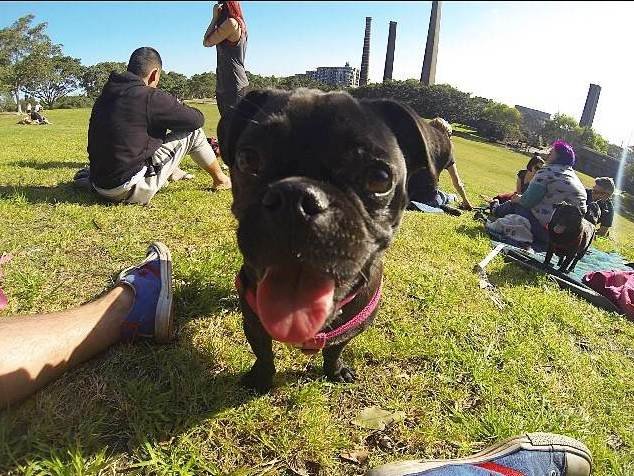
What Makes the Pugalier a Unique Designer Breed
The Pugalier stands out in the world of designer dogs as a thoughtful blend that addresses health concerns while preserving desirable traits from both parent breeds. This crossbreed brings together two distinct canine lineages with rich histories to create a companion that offers the best of both worlds.
Origins: Pug meets Cavalier King Charles Spaniel
The Pugalier emerged during the designer dog movement of the 1980s and 1990s, when crossbreeding purebreds became popular to create healthier variations of beloved breeds [1]. Although relatively new as a crossbreed, the Pugalier’s parent breeds boast impressive historical pedigrees.
The Pug’s ancestry traces back to ancient China, where these small dogs were favorites of Chinese emperors in the 5th century and beloved companions to Buddhist monks in Tibetan monasteries [1]. Later, these charming dogs appeared in European courts during the 16th century before arriving in North America in the late 19th century, quickly becoming household favorites [1].
Meanwhile, the Cavalier King Charles Spaniel earned its name from its royal connections – these dogs were cherished companions of King Charles I and King Charles II of England during the 1600s [1]. Today, the Designer Dogs Kennel Club, American Canine Hybrid Club, and International Designer Canine Registry all recognize the Pugalier [2].
Why the Pugalier is gaining popularity
Pugalier dogs have captured hearts for several compelling reasons. First and foremost, they address health concerns that affect purebred Pugs. With slightly longer noses than pure Pugs, Pugaliers often experience fewer respiratory issues that commonly plague brachycephalic breeds [1][1].
Additionally, these designer dogs offer exceptional adaptability. Pugaliers thrive in nearly any living situation – whether in tiny apartments or sprawling estates [3]. Their moderate energy requirements mean they’re content with daily walks followed by relaxed cuddle sessions [1].
Their temperament makes them particularly appealing for diverse households. Pugaliers are:
- Exceptionally affectionate with family members [3]
- Remarkably good with children of all ages [3]
- Friendly with other pets when properly introduced [3]
- Adaptable to various family dynamics [4]
Furthermore, Pugaliers typically live between 10-15 years [1], giving owners a decade or more with these loyal companions. Their balanced temperament combines the Pug’s relaxed nature with the slightly more energetic Cavalier personality, creating a dog that’s playful but not demanding [3].
How it compares to other designer dogs
Among designer breeds, the Pugalier occupies a special niche due to its purposeful development. Unlike some crosses created primarily for novelty or appearance, Pugaliers were specifically bred to address the breathing difficulties common in Pugs by incorporating the Cavalier’s longer muzzle [1].
In terms of health considerations, Pugalier breeders claim these dogs generally experience fewer genetic health problems compared to some designer crosses. However, it’s important to note that crossing breeds doesn’t automatically eliminate health concerns [4]. In fact, some health studies have shown that certain crossbreeds can inherit issues from both parent breeds [4].
Despite this, Pugaliers are commonly considered healthy dogs with fewer respiratory issues than purebred Pugs [1][4]. They’re recognized for moderate grooming needs compared to some higher-maintenance designer breeds [4], making them accessible to owners with varying experience levels.
For prospective owners, the Pugalier represents a middle ground in the designer dog world – not as commonly found as Labradoodles or Goldendoodles, but offering similar companionship benefits with their own unique charm. Their price reflects their designer status, ranging from approximately INR 126,570 to INR 210,951 [2] – an investment reflecting their carefully bred qualities and growing popularity.
Physical Traits and Appearance
Looking at a Pugalier for the first time reveals the charming physical blend of its parent breeds, with each dog exhibiting a unique combination of Pug and Cavalier King Charles Spaniel traits. As a hybrid, physical characteristics can vary significantly from one dog to another, yet certain patterns emerge that define the pugalier breed information enthusiasts seek.
Size and weight expectations
The pugalier dog breed falls firmly in the small-sized category, making them ideal companions for various living situations. Adult Pugaliers typically stand between 10-15 inches (25-38 cm) tall from ground to shoulder [1]. Weight ranges are relatively consistent across sources, with most Pugaliers weighing between 8-18 pounds (3.6-8.2 kg) [1].
Interestingly, some sources provide slightly different measurements, suggesting Pugaliers can weigh between 10-20 pounds [1] or 4.5-9 kg (approximately 10-20 pounds) [5]. Their compact size contributes to their adaptability, allowing them to thrive in both apartments and houses [1].
Height measurements across sources indicate pugalier dogs generally reach 10-14 inches [6], with some growing slightly taller at 12-15 inches [1]. Those familiar with pugalier breed information know this size variation often depends on which parent breed’s genetics are more dominant in a particular dog.
Coat types and common colors
Pugalier coats primarily come in two main types, with the short coat being most common. According to breed experts, most Pugaliers inherit the Pug’s short coat, which requires minimal brushing (once weekly at most) [1]. Nonetheless, a smaller percentage inherit the Cavalier’s longer coat, necessitating more frequent brushing—about 2-3 times weekly [1][7].
Regarding colors, Pugaliers showcase a beautiful palette of options:
- Fawn (the most common color)
- Black
- Red
- Tan and white (Blenheim)
- Black and tan
- Tricolor
Most Pugaliers sport a fawn coat, often accompanied by white markings on their bodies and a darker area around their noses [7][3]. Some Pugaliers may display sable coloring, where the coat appears richer and darker than typical fawn [1].
All non-black pugalier dogs generally follow the pattern of their Pug parentage with black masks and black ears, creating their distinctive facial appearance.
Facial features and body structure
The facial structure of a pugalier dog breed combines elements from both parent breeds in ways that often address health concerns. Notably, Pugaliers typically have a round skull shape similar to the Cavalier’s, yet still maintain a shorter muzzle reminiscent of the Pug [1]. This blend is intentional, as most breeders aim to produce dogs with longer muzzles than purebred Pugs to reduce breathing difficulties common in brachycephalic breeds [1][8].
Their eyes are usually dark brown, wide, and prominent, yet typically less protruding than a Pug’s eyes—another intentional breeding goal to reduce eye-related health issues [1][8]. The Pugalier’s soft, floppy ears tend to be longer than a Pug’s due to Cavalier genetics [1][3].
In terms of body structure, Pugaliers possess:
- A reasonably long body similar to the Cavalier [3]
- A compact frame with a wide chest [5]
- Strong, sturdy limbs [5]
- A tail that may be straight like a Cavalier’s or curled like a Pug’s [5]
Consequently, the pugalier breed information about physical traits demonstrates how this crossbreed was developed not just for appearance but for improved structure. The breed aims to preserve the Pug’s beloved features while providing a slightly longer nose to reduce breathing problems and deeper eye sockets to protect the eyes [8].
For those seeking pugalier information on breed characteristics, understanding these physical traits helps explain why these dogs have become increasingly popular companions who combine charming looks with improved physical structure.
Temperament and Personality
The personality of a Pugalier captures the hearts of dog enthusiasts everywhere, combining the most endearing temperament traits from both parent breeds. These charming companions bring together the Pug’s playful spirit and the Cavalier King Charles Spaniel’s gentle demeanor, creating a dog whose personality makes them ideal family members.
Affectionate and loyal nature
Ask any Pugalier owner what stands out most about their furry friend, and they’ll likely mention their exceptional affection. Pugalier dogs are remarkably loving and thrive on human companionship—a trait inherited from both parent breeds. These dogs form strong bonds with their families and are known for their outgoing, confident personalities.
Naturally friendly and sweet-natured, Pugaliers possess what dog experts describe as a “very human-friendly disposition” [9]. Their affectionate temperament makes them particularly suitable for first-time dog owners who might be nervous around animals [10]. One striking aspect of the Pugalier personality is how they balance independence with devotion—they maintain a strong individual character while remaining eager to please their owners [11].
Pugaliers often show their affection through physical closeness. They typically enjoy:
- Curling up beside you during relaxation time
- Following family members around the home
- Seeking attention through gentle nudges
- Offering companionship throughout daily activities
Separation anxiety can become an issue with this breed, primarily because of how deeply attached they become to their families. When left alone for extended periods, Pugaliers may develop destructive behaviors including “incessant barking, chewing and urinating throughout the house” [12]. This underscores how central human connection is to the pugalier breed’s emotional wellbeing.
Playfulness and energy levels
Regarding energy, Pugaliers strike an appealing balance. They’re described as “playful, confident and happy” [11], yet don’t require excessive exercise. These dogs enjoy regular activity but equally appreciate downtime—”they don’t have oodles of energy and will enjoy napping regularly” [9].
Their playfulness often manifests as curious, inquisitive behavior. Pugaliers love exploring their surroundings and engaging in interactive play with their humans. They’ve been characterized as “the equivalent of a gym-bunny: they love a good run and some time to relax afterwards” [9]. This moderate activity level makes them adaptable to various households, including those with limited outdoor space.
For daily exercise, a walk suffices for most Pugaliers’ physical needs. These walks serve dual purposes—physical exercise and mental stimulation through environmental exploration. Beyond walks, Pugaliers enjoy interactive play sessions that engage their intelligence. While not hyperactive, they maintain a playful spirit throughout adulthood, often displaying what owners describe as “spunk” from their Pug lineage [12].
Interaction with children and other pets
Perhaps one of the most valuable qualities of the pugalier dog breed is their exceptional compatibility with children. These dogs consistently demonstrate gentleness and patience around kids of all ages. Dog breed experts note that Pugaliers are “highly recommended around children” [10] and “highly trusted around children” [13], making them excellent family pets.
Their tolerance for the sometimes unpredictable behaviors of children stems from their calm, patient temperament. Properly socialized Pugaliers understand appropriate boundaries with youngsters. Nevertheless, as with any dog breed, supervision remains essential when young children interact with Pugaliers to ensure positive experiences for both [14].
Equally impressive is their compatibility with other animals. Pugaliers “tend to be friendly with other dogs” [11] and “get along well with other pets” [13]. Their non-aggressive nature means they typically integrate smoothly into multi-pet households. Early socialization enhances this natural friendliness, teaching Pugaliers appropriate play behaviors with other animals.
The pugalier breed information consistently emphasizes their outgoing, inquisitive temperament combined with a gentle disposition. These dogs possess sufficient energy for play while maintaining the calm demeanor needed for apartment living. Ultimately, the pugalier information on breed temperament reveals a dog that embodies what many families seek: a loving, adaptable companion who fits seamlessly into diverse household dynamics.
A Brief History of the Pugalier
Unlike many long-established canine lineages, the Pugalier’s story is relatively recent in the grand tapestry of dog breeding history. This adorable crossbreed represents a modern chapter in our ongoing relationship with companion animals, offering insights into contemporary breeding priorities and shifting attitudes toward pedigree.
The rise of designer breeds
The term “designer dog” emerged in recent decades to describe intentionally bred crossbreeds from two purebred parents. Initially perceived as novelties, these crosses gradually gained legitimacy as breeders recognized potential benefits beyond mere appearance. Designer dogs experienced a significant surge in popularity during the 1980s and 1990s, when cross-breeding purebreds became increasingly common [4].
This trend represented a fundamental shift in breeding philosophy. Rather than focusing exclusively on maintaining purebred bloodlines, breeders began exploring how thoughtful combinations might address health concerns while preserving desirable traits. The Pugalier emerged during this pivotal era of canine development.
Most experts believe Pugaliers were first intentionally bred in the United States during the last few decades, coinciding with the rising popularity of hybrid dogs [15]. Their development wasn’t random but rather a calculated effort to create companions with specific attributes. In the last decade alone, Pugaliers have experienced a substantial increase in popularity as health-conscious owners seek alternatives to small purebred breeds with known medical issues [15].
Today, various organizations officially recognize the Pugalier, including:
- The Designer Dogs Kennel Club
- The American Canine Hybrid Club
- The International Designer Canine Registry [4]
Yet, as a crossbreed, the pugalier dog breed remains ineligible for American Kennel Club registration despite both parent breeds being AKC members [4].
Why Pugs and Cavaliers were chosen
The pairing of Pugs and Cavalier King Charles Spaniels wasn’t arbitrary. Both breeds bring complementary histories and characteristics that make their combination particularly appealing.
The Pug’s lineage traces back approximately 1,500 years to ancient China, where these charming companions were favorites of Chinese emperors and Buddhist monks [4]. Their small size, sturdy frame, and minimal exercise requirements made them ideal household pets [16]. Subsequently, Pugs gained prominence in European courts during the 16th century before arriving in North America during the 19th century [17].
Likewise, the Cavalier King Charles Spaniel boasts royal connections, having been particularly beloved by King Charles I and King Charles II of England during the 1600s [4]. Interestingly, historical records suggest Pugs may have been bred with old-type King Charles spaniels during this period, potentially giving modern King Charles Spaniels some pug-like characteristics [17].
Crucially, the primary motivation behind creating the pugalier breed was addressing health concerns. Breeders specifically sought to develop dogs with slightly longer noses than purebred Pugs to mitigate the respiratory issues common in brachycephalic breeds [4]. This health-focused approach distinguishes the pugalier dog breed from some designer crosses created primarily for novel appearances.
How the breed has evolved over time
The evolution of the Pugalier continues as breeders refine their approach. Initially, most Pugaliers resulted from first-generation crosses between purebred Pugs and Cavaliers. The mother was typically a Cavalier, as they less commonly require cesarean sections compared to Pugs [2].
Currently, breeding practices have diversified. Some pugalier breed information sources note that multi-generation crosses have become increasingly common [18]. A Pugalier might be bred with another Pugalier, a Pug, or a Cavalier, with the offspring still classified as Pugaliers—albeit with varying appearances depending on the genetic inheritance [2].
This genetic diversity provides significant health advantages. The cross between Pugs and Cavaliers creates dogs with wider gene pools than their purebred counterparts, potentially reducing health risks and concerns [2]. Pugalier dogs are generally considered healthier and happier than either parent breed, with fewer health risks due to their broader genetic foundation [2].
As time progresses, the pugalier breed continues gaining recognition among dog enthusiasts seeking companion animals that balance appearance with health considerations. Their increasing popularity suggests that pugalier information on breed development will continue evolving as more generations are bred and more families welcome these charming companions into their homes.
Common Health Concerns in Pugaliers
Responsible pugalier ownership begins with understanding potential health issues this designer breed may face. Even though these dogs typically enjoy better health than their purebred parents, being aware of possible concerns helps owners provide appropriate care and early intervention when needed.
Inherited issues from Pugs and Cavaliers
Pugalier dogs can inherit health conditions from either parent breed, though crossbreeding often reduces their severity. From their Pug lineage, Pugaliers may develop skin fold dermatitis, especially those with pronounced facial wrinkles. Regular cleaning of facial folds prevents bacteria buildup that can lead to irritation and infection [19].
Eye conditions remain a concern, as both parent breeds face ocular issues. Pugaliers may experience dry eye (keratoconjunctivitis sicca), corneal ulcers, cataracts, or progressive retinal atrophy [1]. The pugalier breed typically has less prominent eyes than purebred Pugs, which reduces but doesn’t eliminate these risks.
Pug Dog Encephalitis (PDE), a serious inflammatory condition of the central nervous system, primarily affects female fawn Pugs under seven years old [20]. While less common in Pugaliers, owners should monitor for symptoms including seizures, depression, abnormal gait, and blindness [20].
Brachycephalic traits and breathing
Most pugalier breed information emphasizes improved respiratory function compared to Pugs, yet some Pugaliers still exhibit brachycephalic traits. Brachycephalic Obstructive Airway Syndrome (BOAS) affects dogs with shortened muzzles to varying degrees [21].
Signs of respiratory issues in Pugalier dogs may include:
- Noisy breathing or snorting
- Exercise intolerance or quick fatigue
- Excessive panting
- Difficulty cooling down in warm weather [1]
Importantly, pugalier breed information suggests these symptoms are typically milder than in purebred Pugs. Studies show that 88-91% of purebred Pugs have some degree of BOAS [21], whereas Pugaliers often have longer muzzles specifically bred to improve airflow [22].
Heart and joint conditions to watch for
From their Cavalier parentage, pugalier dogs may inherit heart conditions, primarily mitral valve disease [1]. This degenerative condition affects the valve that prevents blood from flowing backward through the heart [1]. Regular cardiac screenings help detect early signs of heart issues, enabling timely management.
Joint problems also merit attention in the pugalier dog breed. Patella luxation (dislocation of the kneecap) causes a characteristic “skipping” lameness [19]. Hip dysplasia, though more common in larger breeds, can affect smaller dogs including Pugaliers, causing limping, stiffness, or a “bunny hopping” gait [19]. Less frequently, Legg-Perthes Disease may appear in pugalier puppies around 6-9 months of age, affecting the hip joint [23].
Life expectancy and quality of life
The pugalier information on breed longevity is encouraging. These dogs typically live between 11-14 years [12], often exceeding the lifespan of purebred Pugs, which some studies place as low as 7.65 years due to breathing difficulties [1].
This extended lifespan largely stems from “hybrid vigor” or heterosis—the health benefits resulting from broader genetic diversity [1]. The pugalier breed shows reduced risk of extreme brachycephalic features and generally displays better overall constitution than either parent breed alone [1].
Essentially, maintaining a healthy weight proves crucial for pugalier dogs, as obesity exacerbates respiratory issues and joint problems [20]. Regular veterinary checkups, proper dental care, and monitored exercise contribute significantly to quality of life throughout these dogs’ extended lifespans.
Grooming and Maintenance Needs
Maintaining your Pugalier’s appearance and health requires attention to specific grooming needs that reflect their mixed heritage. Proper grooming routines not only keep your Pugalier looking adorable but also prevent potential health issues that could affect their quality of life.
Brushing and coat care
The pugalier breed’s coat maintenance varies primarily based on which parent’s fur type they inherit. Most Pugaliers with Pug-like short coats require brushing just once a week, while those inheriting the Cavalier’s longer coat need more frequent attention—about two to three times weekly [24]. Using the right tools makes a significant difference; a soft-bristled brush works well for short-coated Pugaliers, while longer-coated dogs may benefit from a combination brush.
Since the pugalier dog breed sheds year-round regardless of coat type, regular brushing serves multiple purposes beyond removing loose hair. It simultaneously distributes natural oils through the coat, promoting healthier skin and reducing odor [25]. Bathing should be moderate—every 3-4 weeks is typically sufficient, as excessive bathing can strip natural oils and cause skin irritation [26]. Always use dog-specific shampoo, as human products have different pH levels that can cause discomfort [27].
Cleaning facial folds
For Pugaliers with pronounced facial wrinkles, cleaning fold areas is absolutely crucial. These adorable facial folds can trap moisture, food particles, and dirt—creating perfect environments for bacterial and yeast infections if neglected [7]. A consistent cleaning routine includes:
- Using a soft, damp cloth or pet-safe grooming wipe to gently clean between each skin fold [7]
- Thoroughly drying each fold with a clean cloth or cotton pad (moisture is the enemy!) [7]
- Checking for signs of infection such as redness, odor, or discharge [7]
Cleaning frequency depends on your individual dog’s needs. Most Pugaliers require fold cleaning every few days, but those living in humid environments or with deeper folds may need daily attention [6]. If you notice persistent redness, a foul smell, excessive itching, or changes in skin color, consult your veterinarian as these could indicate infection or allergies requiring medical treatment [7].
Managing shedding and drooling
Contrary to their small size, the pugalier dog breed can shed substantially. Their double-layer coat constantly sheds old or damaged hair through molting, with seasonal changes often triggering heavier shedding periods [25]. Regular brushing is your first line of defense against fur-covered furniture and clothing.
In terms of drooling, Pugaliers typically drool less than purebred Pugs but may still experience occasional excess saliva, especially when anticipating food or feeling nauseated [5]. Keep soft cloths handy for quick clean-ups, particularly after eating and drinking. For Pugaliers with pronounced jowls, wiping their mouth area after meals prevents moisture accumulation that could lead to skin irritation [28].
Dental and ear hygiene
Dental care is non-negotiable for pugalier health. Brush your dog’s teeth several times weekly using dog-safe toothpaste to prevent plaque buildup, which can lead to serious dental disease [24]. Signs of dental problems include yellow or brown deposits on teeth, red and swollen gums, and halitosis [29]. Professional dental cleanings may be necessary every one to two years.
Ear maintenance is equally important since Pugaliers typically have floppy ears that trap moisture and debris. Their ear structure makes them susceptible to infections, so regular cleaning is essential [30]. Use veterinarian-approved ear cleaner with cotton pads (never cotton swabs) to clean the visible parts of the ear canal weekly [31]. Watch for signs of ear infection including redness, unpleasant odor, excessive scratching, or unusual discharge [30].
Through consistent grooming practices, owners can ensure their Pugalier remains healthy and comfortable throughout their lifetime. These routines not only maintain your dog’s appearance but serve as valuable opportunities to check for early signs of health issues requiring veterinary attention.
Training and Intelligence
Training a Pugalier reveals the fascinating blend of intelligence and personality inherited from both parent breeds. Understanding their cognitive abilities and learning patterns helps establish effective training routines that bring out the best in these charming companions.
How smart is a Pugalier?
The pugalier breed falls into the “average” intelligence category among canine breeds. These dogs typically understand and remember new commands after 25-40 repetitions [32]. Though not ranking among the most brilliant canines, pugalier dogs demonstrate consistent learning capabilities that make them receptive to training. Their high level of intelligence makes them generally easy to train [33], placing them in comparable cognitive territory with breeds like Chihuahuas and Saint Bernards.
Beyond raw intelligence, pugalier dogs possess adaptive problem-solving skills and an eagerness to please that enhances their trainability. First and foremost, they respond enthusiastically to positive engagement, making training sessions enjoyable for both dog and owner.
Tips for training stubborn personalities
Despite their intelligence, the pugalier dog breed can occasionally display stubborn tendencies inherited from their Pug lineage. To overcome this, trainers recommend:
- Keeping sessions brief (5-10 minutes) to maintain focus [3]
- Using high-value treats as motivation during training
- Maintaining firm consistency with commands and expectations
- Establishing yourself as the pack leader
- Finding what your specific Pugalier truly loves as rewards [8]
In regards to training methods, positive reinforcement proves most effective with this breed. Harsh discipline or scolding can cause anxiety or resistance [34]. Instead, reward your pugalier with treats, verbal praise, or gentle affection whenever they follow commands correctly.
Socialization and obedience basics
Socialization forms a critical foundation for pugalier breed development. Introducing your Pugalier to different people, places, and experiences from an early age helps prevent fear-based behaviors [35]. With this in mind, consider enrolling your puppy in classes once they reach appropriate age—around 16 weeks for basic cues like sit, down, leave it, and come [36].
For obedience training, teaching the “Watch Me” command proves invaluable for gaining your Pugalier’s attention [36]. Given these points, incorporating obedience lessons into everyday routines reinforces learning—ask your dog to “sit” before meals or “heel” during house walks [37].
As a result of proper socialization, a well-adjusted Pugalier becomes more confident, adaptable, and responsive to training throughout their life.
Living with a Pugalier: Ideal Home Environment
One remarkable quality of the pugalier dog is its exceptional adaptability to various living environments. These charming companions truly shine as versatile housepets for modern lifestyles.
Apartment vs. house living
The pugalier breed thrives equally well in apartments or houses, making them perfect companions for diverse living situations [12]. Their moderate size and adaptable nature allow them to feel comfortable in smaller spaces, provided they receive regular exercise. Unlike some breeds that demand expansive yards, pugalier dogs primarily need your companionship above all else [38]. Even in tiny apartments, these adaptable canines remain perfectly content as long as their basic needs are met.
Exercise and playtime needs
Pugalier dogs require modest physical activity—typically just 1-2 short daily walks [12]. For most pugalier breeds, a few 15-20 minute strolls suffice to maintain health and happiness. Indoor playtime can readily substitute outdoor activities, especially during extreme weather conditions. Markedly important: limit exercise during hot weather, as these dogs may inherit brachycephalic traits from their Pug ancestry [12].
How much attention do they need?
Above all, pugalier dogs crave human interaction. Their affectionate nature means they form strong bonds with owners and genuinely enjoy being involved in daily activities. Consequently, leaving them alone for extended periods can trigger separation anxiety, potentially resulting in destructive behaviors like excessive barking or inappropriate elimination [12]. For families with busy schedules, pet sitters or doggy daycare might prove beneficial [34].
Conclusion
Pugaliers truly represent a thoughtful balance between two beloved breeds, offering dog lovers a companion with the best qualities of both the Pug and the Cavalier King Charles Spaniel. Their charming personalities combine affection, loyalty, and playfulness while their improved physical structure addresses many health concerns that affect purebred Pugs.
These designer dogs adapt remarkably well to diverse living environments, making them suitable companions for apartments, houses, families with children, singles, and seniors. Their moderate exercise needs mean they remain content with brief daily walks followed by comfortable cuddle sessions at home.
Though Pugaliers require specific care—particularly facial fold cleaning for those with more pronounced wrinkles—their grooming needs remain manageable for most owners. Additionally, their intelligence and eagerness to please make training generally straightforward, especially when positive reinforcement techniques are employed.
Health-conscious dog enthusiasts will appreciate that Pugaliers typically experience fewer breathing difficulties than purebred Pugs while maintaining their adorable expressions. Nevertheless, responsible ownership still involves regular veterinary check-ups to monitor potential inherited conditions.
Undoubtedly, the rising popularity of Pugaliers stems from their perfect blend of characteristics—affectionate without being demanding, playful without requiring excessive exercise, and adaptable to various household dynamics. These dogs form deep bonds with their families, offering unwavering companionship and emotional support.
Pugaliers represent more than just another designer breed—they embody a thoughtful approach to dog breeding that prioritizes health alongside appearance and temperament. Therefore, anyone seeking a loyal, loving companion that fits seamlessly into modern lifestyles should certainly consider the delightful Pugalier as their next four-legged family member.
References
[1] – https://mypetvista.com/guide/pugalier-life-expectancy/
[2] – https://www.cottagecanines.com/pugalier1.html
[3] – https://citizenshipper.com/blog/training-your-pug-effective-strategies-for-a-stubborn-breed/
[4] – https://petsonline.com.au/dog-breeds/pugalier/
[5] – https://vcahospitals.com/know-your-pet/dealing-with-drooling
[6] – https://puglife.com/blogs/pug-life/keeping-pug-folds-clean?srsltid=AfmBOoqmGAlYep01LiI3f03ALb5-xSFCeK_pBRZU4TSI0bUdGpaqqEHi
[7] – https://petdirect.co.nz/blog/pug-grooming-skin-folds-coat-care?srsltid=AfmBOoon-khCOO7ZPUAmCQ1eoObu-2Cy27sdrQ1t2PAvCLtxIMIVQFdE
[8] – https://furgetmenot.com.au/pug-training-tips/
[9] – https://www.petbarn.com.au/petspot/dog/dog-breeds/pugalier/?srsltid=AfmBOoq_vgmuaU5MzuXm8NcMoIwBhWJxnmucIbR03qBR92YTQHTvxZaz
[10] – https://www.burkesbackyard.com.au/fact-sheets/pets/pet-road-tests/dogs-breeds/pugaliers/
[11] – https://www.kellyvillepets.com.au/pages/pugalier-dog-breed-information-kellyville-pets?srsltid=AfmBOor0A0u9sVnuLpHnrlw9rB5ldSUal4e5jtzuPnFKF2-iGhVcmZsO
[12] – https://www.petguide.com/breeds/dog/pugalier/
[13] – https://designerdoginfo.wordpress.com/designer-breeds/pugalier/
[14] – https://www.birchislandvet.com/blog/creating-harmony-tips-for-having-children-around-pets
[15] – https://www.dog-learn.com/dog-breeds/pugalier
[16] – https://www.akc.org/expert-advice/dog-breeds/pug-history/
[17] – https://en.wikipedia.org/wiki/Pug
[18] – https://www.dogbreedinfo.com/p/pugalier.htm
[19] – https://manypets.com/us/blog/common-health-problems-pugs/
[20] – https://nzpugrescue.org.nz/wp-content/uploads/2023/03/Pug-Health-Problems.pdf
[21] – https://www.ufaw.org.uk/dogs/pug-brachycephalic-airway-obstruction-syndrome
[22] – https://dogtime.com/dog-breeds/pugalier
[23] – https://www.poochandmutt.co.uk/blogs/by-breed/pug?srsltid=AfmBOoqbZqTtXPU6ZTSm6dXNnFZgJfb2lP6yUIChVYevhObPrC310ssu
[24] – https://wagwalking.com/breed/pugalier
[25] – https://www.abkgrooming.com/blogs/breeds/how-to-groom-your-pugs?srsltid=AfmBOoqAgB_Wt_tZyQWLsVABXec7tFHlJzAfsVXKImQAfuqO3ve4AUrX
[26] – https://vetic.in/blog/breed/grooming-vaccines-and-deworming-for-your-pug-preventive-care-for-pugs-across-life-stages/
[27] – https://www.pugvillage.com/general/basics-pug-grooming
[28] – https://baileyscbd.com/blogs/dog-nutrition/natural-remedies-for-dog-drooling-home-care-tips?srsltid=AfmBOorDLdCbIITuNdY3yPvQE-p_PcScWStHv9rjYYe2yqnpmfen-ywl
[29] – https://www.aasvets.co.uk/pet-advice/dogs/18-dental-ear-diseases-in-dogs
[30] – https://vetnique.com/pages/ear-infections-in-dogs?srsltid=AfmBOooY5J1kxgFFtHOe5zArW0qVgTV4sbVdyvlrRabF9AzG8jU-xtkH
[31] – https://www.petmd.com/dog/breeds/pug
[32] – https://dogell.com/en/dog-breed/pugalier
[33] – https://www.petbarn.com.au/petspot/dog/dog-breeds/pugalier/?srsltid=AfmBOoo0OqZOhfMBA6j9A3fpn1lrOxR8lAqB3X1MFCzNO0jOz4Zx5vZB
[34] – https://www.dogpackapp.com/blog/dog-breeds/pugalier/
[35] – https://wagspugs.com/pug-socialization/
[36] – https://www.akc.org/expert-advice/puppy-information/how-to-train-a-pug-puppy-milestones-timeline/
[37] – https://www.pugvillage.com/pug-training/pugs-and-obedience-class
[38] – https://www.bowlandbone.com/a-dog-in-an-apartment-or-a-house-where-does-it-live-better/