
Airedoodle Dog : Characteristics, Behavior, Temperament, Lifespan, Weight kg
 The Airedoodle brings together the best of two remarkable breeds – the confident personality of the largest terrier breed and the smarts of the world’s second most intelligent dog breed. This special mix of Airedale Terrier and Standard Poodle has become increasingly popular in the last few decades. Many first-time dog owners love these dogs because they learn commands quickly.
These medium to large mixed breed dogs stand 22-27 inches tall and weigh between 40-60 pounds. Their lifespan typically ranges from 10-15 years. Airedoodles show great loyalty and love to make their owners happy. Their coats come in various colors, but black and tan combinations are most common. The dogs need regular brushing since they shed moderately. The good news is that they’re hypoallergenic, which makes them a great fit for many families.
This detailed guide helps both current and future Airedoodle owners understand everything about this unique hybrid breed. You’ll learn about their physical traits, personality, training requirements and health needs.
Breed Overview
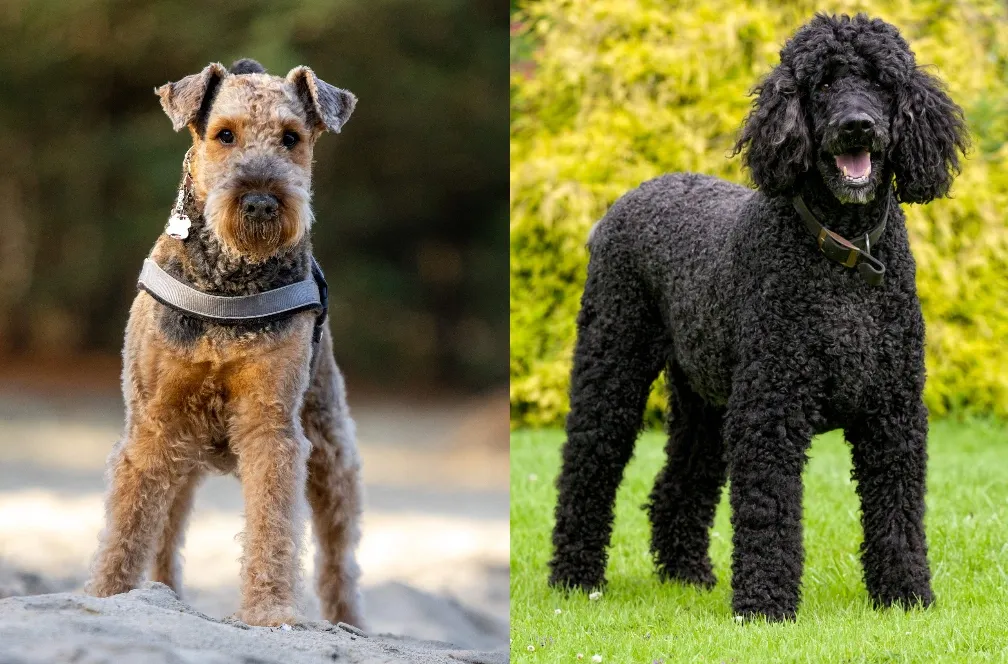
Image Source: DogTime
The Airedoodle stands out from other designer dog breeds. This hybrid emerged in recent decades with a clear lineage from two prominent breeds. A cross between the Airedale Terrier and Standard Poodle, it blends centuries of canine history into a modern companion dog that grows more popular each day.
Airedoodle origin and parent breeds
Both parent breeds share rich histories spanning centuries, though the Airedoodle remains relatively new. People often call the Airedale Terrier “The King of Terriers.” It originated in Yorkshire, England during the mid-19th century and served as a skilled hunting and sporting dog. The Airedale’s rugged athleticism and distinctive appearance added unique traits to the mix, as it’s the largest terrier breed.
The Poodle’s background proves equally impressive. Many see Poodles as mere show dogs, but they actually started in Germany as working dogs with military roles dating to the 17th century. Ranked as the world’s second most intelligent dog breed, Poodles give Airedoodles their exceptional problem-solving skills and hypoallergenic coat – a trait that makes many “doodle” breeds desirable.
No one knows exactly when the first Airedoodle appeared. These designer dogs gained much popularity over the last few decades as hybrid breeds became more sought-after. First-generation crosses make up most Airedoodles today, though multi-generation breeding happens more often now.
Common coat colors and textures
Airedoodle’s coats show amazing variety, taking traits from both parents. The most common coat colors include:
- Black
- Black and tan
- Blue
- Brindle
- Gray/grizzle
- Apricot
- Brown
- Cream
These colors often match the Airedale’s traditional black and tan or black and gold pattern, sometimes showing a distinctive “saddle” look. The Airedale parent’s darker coat influences many Airedoodles.
An Airedoodle’s coat typically grows medium-long and dense, ranging from slightly wavy to curly. The texture varies between coarse and soft. Regular brushing helps maintain the coat, even though these dogs shed lightly. The Poodle parent’s hypoallergenic qualities often pass down to Airedoodles, making them great companions for some allergy sufferers.
Typical airedoodle size and weight
Airedoodles fall into the medium to large-sized dog category. Their exact measurements depend on which type of Poodle breeds with the Airedale. Standard Airedoodles, the most common variety, usually weigh 40-70 pounds and stand 22-27 inches tall at the shoulder.
Males grow slightly larger than females. A male’s height typically reaches 22-27 inches, while females average 22-24 inches. Weight follows similar patterns – males weigh 45-70 pounds and females range from 45-60 pounds.
People wanting a smaller companion might prefer Mini Airedoodles. These come from crossing an Airedale Terrier with a Miniature Poodle instead of a Standard Poodle. Mini varieties typically weigh 20-40 pounds and stand 12-20 inches tall.
Lifespan of an airedoodle dog
Airedoodles live a respectable 10-15 years. Most reach about 13 years, giving owners plenty of time with their furry friends.
Several things affect how long an Airedoodle lives, including genes, diet, exercise, and overall healthcare. Your Airedoodle needs regular vet checkups to stay healthy throughout its life.
Temperament and Personality
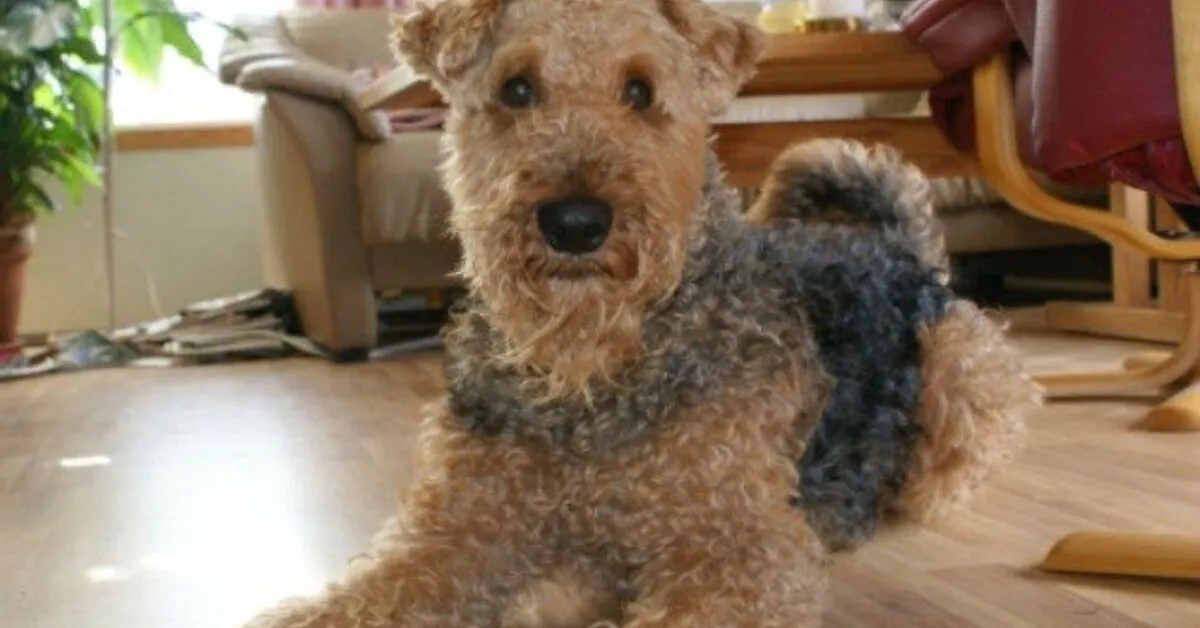
Image Source: PetGuide
The Airedoodle combines the best traits of the watchful Airedale Terrier and the smart Poodle. Their delightful mix of brains and heart makes them wonderful family pets, and their popularity keeps growing.
Airedoodle temperament traits
These dogs stand out for their smarts and how easy they are to train. They pick up new tricks and commands quickly and show amazing problem-solving skills. Most Airedoodles get their eagerness to please from the Poodle and their curiosity from the Airedale. This mix creates a dog that’s both quick to learn and responds well to training.
The Airedoodle’s personality bursts with energy and playfulness. They need regular exercise to stay calm and balanced. A tired Airedoodle is a happy Airedoodle – without enough activity, they might start chewing things or barking too much.
These dogs typically show:
- Deep loyalty to their family
- Natural curiosity about everything around them
- Sharp awareness that makes them great watchdogs
- A friendly nature with people and other animals
Airedoodles use different sounds like barks, whines, and playful growls to communicate. They’ll let you know when something’s not right, but they don’t bark just for the sake of it.
How they behave around family
These dogs create strong bonds with their humans. They’d rather spend time with people than be alone, and they form deep connections with their owners. This loyalty makes them fantastic family pets who thrive on love and attention.
Airedoodles can adapt well to different homes, from big country properties to city apartments. Room temperature between 60-75°F suits them best.
These dogs need companionship. They might get anxious when left alone too long. This anxiety can lead to destructive behavior if they feel lonely. Homes where someone’s usually around or where they have other dogs make the best environment for an Airedoodle.
Are they good with kids and strangers?
Kids and Airedoodles usually make great matches. Their patient and gentle nature makes them perfect playmates for children of any age. They love the attention they get from kids and show lots of affection in return.
Here’s what helps create good relationships with children:
- Puppies growing up in family homes usually do better with kids
- Young children need watching during playtime to prevent rough handling
- Kids should learn to respect the dog’s space to avoid any accidental nips during play
Meeting new people brings out a balanced response in Airedoodles. They aren’t aggressive but might be careful around strangers at first. Good early socialization helps them greet visitors politely while staying alert.
The protective nature of their Airedale parent shows up in their behavior. They watch over their family without being aggressive. This makes them reliable guardians who can tell the difference between normal situations and real threats.
Other pets usually get along fine with well-socialized Airedoodles. Small pets like hamsters or gerbils might not be the best match because of their terrier background.
Behavioral Traits to Know
Everything about an Airedoodle’s behavior matters when you decide if this dog matches your lifestyle. These unique hybrid dogs get specific traits from both parent breeds that affect how they behave with people and their surroundings.
Energy levels and playfulness
Airedoodles have high energy levels that need proper outlets through regular exercise. The parent breeds—Airedale Terriers and Poodles—were working dogs, which explains why Airedoodles need lots of exercise. These dynamic dogs need daily walks of at least 30 minutes and extra playtime to stay healthy physically and mentally.
An Airedoodle might act out if it doesn’t get enough exercise. These dogs love activities that challenge them and show great excitement for:
- Catching balls or frisbees
- Visiting off-leash dog parks
- Romping in fenced yards
- Running or cycling with their owners
Yes, it is true that Airedoodles are great companions for active people who love outdoor activities. Their love for physical play makes them perfect partners for families with active lifestyles. These dogs need both mental and physical challenges to avoid behavior problems from boredom.
Separation anxiety tendencies
Airedoodles build strong bonds with their humans, which can lead to problems when left alone. Their need for companionship might result in troublesome behaviors during long periods of solitude. This anxiety shows up differently in each dog but often includes:
- Destructive behaviors like chewing furniture or scratching doors
- Excessive barking, howling, or whining
- House soiling despite being fully potty trained
- Pacing, drooling, or trembling when owners prepare to leave
Signs of separation anxiety usually start right after you leave. Most affected dogs show stress within minutes of being alone. Airedoodles might develop these issues because they’re smart and people-focused. They pick up on leaving signals (like grabbing keys or putting on shoes) and get anxious even before you go.
These dogs aren’t the best choice if you’re away from home often. They do best in homes where people are around most of the time.
Watchdog instincts and alertness
Airedoodles get excellent watchdog skills from their parents. Their alert nature helps them notice unusual activity around them. These dogs stay quiet normally but will bark to warn you about anything unfamiliar.
This protective nature rarely turns into aggression. Airedoodles stay friendly while keeping watch over their territory. You’ll notice they:
- Stay alert to neighborhood activities
- Pay attention to strange sounds or movements
- Bark appropriately to warn owners about concerns
Many sources rate Airedoodles among the best watchdogs because they combine alertness with good judgment about threats. Early socialization helps these dogs tell the difference between normal activities and real concerns.
The Airedoodle’s watchdog abilities work well with their friendly personality. You get a balanced companion that protects and loves you. Their intelligence helps them judge situations without becoming fearful or aggressive.
These core traits help you decide if an Airedoodle’s exercise needs, desire for companionship, and protective nature fit your lifestyle and expectations.
Training and Intelligence
Intelligence runs deep in the Airedoodle’s genetic makeup, combining the Poodle’s renowned brainpower with the Airedale Terrier’s sharp mind. This intellectual foundation makes training enjoyable for both dog and owner.
How easy is it to train an airedoodle?
Airedoodles rank among the most trainable designer breeds available today. Their exceptional intelligence makes them quick learners who learn new commands after just a few repetitions. Most Airedoodles show an eagerness to please their owners and create a rewarding training experience. Their combination of smarts and motivation explains why many trainers call them among the easiest dogs to train.
These dogs excel at obedience training and quickly master both simple commands and complex tricks. They stand out from many other breeds by knowing how to understand multi-step instructions. Many owners say that after teaching their Airedoodle a few original tricks, the dog learns multiple new commands at once.
Success in training depends on the right approach. Airedoodles respond best to positive reinforcement techniques that employ treats, praise, and rewards. These sensitive dogs might shut down or become discouraged when faced with harsh training methods or negative reinforcement. Patience paired with consistency yields the best results, especially since some Airedoodles inherit a touch of terrier stubbornness.
Mental stimulation needs
Mental exercise proves just as vital as physical activity for an Airedoodle’s wellbeing. These dogs have curious, active minds that need regular challenges to prevent boredom. Mental stimulation works like “brain exercise” that keeps their minds sharp and focused.
Your Airedoodle may develop problematic behaviors without adequate mental challenges including:
- Excessive barking or whining
- Destructive chewing or digging
- Restlessness or pacing
- Difficulty settling down at night
Puzzle toys, treat-dispensing devices, and learning opportunities help satisfy their intellectual curiosity. New tricks and commands reinforce obedience and challenge their cognitive abilities. Mental exercises often tire Airedoodles more than physical exertion alone.
Your dog’s optimal mental health requires 5-15 minutes of training exercises daily. This focused mental workout exhausts their brain similar to how learning a new skill tires humans. Tracking activities, competitive obedience, hunting games, and guard training provide excellent mental challenges.
Tips for first-time owners
New Airedoodle owners should understand their dog’s unique learning style and requirements. Start with simple commands like sit, stay, come, and leave it. Leash training ensures calm walking behavior, particularly important in apartments or shared spaces.
Training should start during puppyhood to establish clear expectations. Short, frequent training sessions work better than long marathons to maintain engagement and prevent frustration. Patience matters most when your Airedoodle shows independence or stubbornness.
Crate training creates a secure space and helps manage potential separation anxiety. Clear rules about furniture access and other household boundaries help your Airedoodle understand expectations.
Your Airedoodle responds poorly to impatience or frustration with challenging behaviors. Dogs sense negative emotions and might associate training with making you unhappy. Calm energy and food motivation work well, as most Airedoodles respond enthusiastically to treats during training.
Early socialization prevents potential dog aggression later in life. Your Airedoodle puppy builds confidence and adaptability through exposure to various environments, people, and other animals that pays off throughout their life.
Exercise and Activity Needs

Image Source: Dogster
Airedoodles come from two hard-working dog breeds, and they need plenty of exercise to stay happy and healthy. Their background plays a big role in how much activity they need each day.
Daily exercise requirements
These dogs need way more exercise than your average house pet. They just need 60 to 120 minutes of daily physical activity to stay healthy and avoid behavior problems. This comes from their family tree – both Airedale Terriers and Poodles were working dogs with amazing stamina.
Adult Airedoodles do best with exercise split between morning and evening. Puppies are different – they need shorter but more frequent play times. A good rule is five minutes per month of age, twice daily.
Senior Airedoodles still pack plenty of energy despite their age. They usually need 30-60 minutes of gentle exercise daily. Whatever their age, these dogs can develop bad habits or health issues like obesity if they don’t get enough exercise.
Mental workouts are just as vital as physical exercise for Airedoodles. These smart dogs often get more tired from brain games than from physical activity.
Best activities for airedoodle dogs
Airedoodles shine in many activities that challenge both body and mind. Their athletic build and smarts make them perfect for:
- Outdoor adventures – Daily walks lasting at least 30 minutes, hiking, jogging or cycling companionship
- Water activities – Swimming and water retrieval games (many inherit the water-loving tendencies of both parent breeds)
- Interactive play – Ball games, frisbee catching, and tug-of-war in securely fenced areas
- Canine sports – Agility training, scent work, and obedience competitions that challenge their intelligence
Indoor options become important on rainy days or when outdoor activities aren’t possible. Interactive puzzle toys, hide-and-seek games, indoor obstacle courses, and stair exercises can keep them busy physically and mentally. Food puzzles and treat-dispensing toys work great to challenge an Airedoodle’s problem-solving skills.
Dog park visits or planned playdates give Airedoodles amazing exercise opportunities. They love playing with other dogs and get great exercise from group play, as long as they’ve learned good social skills early on.
Signs of under-stimulation
You need to spot the signs when your Airedoodle isn’t getting enough stimulation. The biggest problems include:
Destructive behavior usually shows up first. Dogs might chew furniture, dig holes, or tear up household items. Loud barking, whining, or howling often means your Airedoodle feels bored and wants attention.
Physical signs include restlessness, pacing around the house, or staying hyper even after walks. Your dog might also keep pawing at you, nudging, or stealing things to make you chase them.
Some dogs change their eating habits – either wanting more food or losing interest in meals. In worse cases, they might become lazy, depressed, or stop enjoying their favorite activities.
Quick action with more exercise and mental challenges can stop these issues from getting worse.
Grooming and Maintenance
Your Airedoodle’s distinctive coat needs dedicated attention and regular care. These hybrid dogs have dense, curly or wavy coats that just need consistent grooming to stay healthy, tangle-free, and looking their best.
Brushing and coat care
An Airedoodle’s coat can mat quickly if you don’t maintain it properly. Most experts say you should brush every 2-3 days at minimum to prevent painful mats from forming at the roots. This isn’t just a suggestion—your dog’s coat health depends on it, and it prevents uncomfortable tangles that can cause skin problems.
A slicker brush works best, followed by a stainless-steel comb to work through the coat. You’ll want to focus on high-friction areas like behind the ears, under the collar, around the tail, and on the legs, since these spots mat fastest. Many owners find that regular brushing not only keeps the coat healthy but becomes a great bonding time with their dog.
Your grooming routine will need to step up once the adult coat grows in. The change from puppy fur to adult coat is a vital time that calls for more careful grooming. Dogs often end up at professional groomers later if good brushing habits aren’t established early.
Bathing and nail trimming
Bath time should happen every 4-6 weeks, though this changes based on how active your dog is and their coat condition. You should always brush out tangles before bathing since water makes mats worse. Stick to dog-specific shampoos—human products can mess with your dog’s natural skin pH balance.
Make sure you rinse really well since leftover shampoo can irritate the skin. Many groomers suggest using conditioner after shampooing to keep the coat easier to manage. Proper drying is key—you shouldn’t let Airedoodles air dry without brushing because it can cause bad matting. Use a towel first, then blow-dry while brushing to keep tangles from forming.
Your dog’s nails will need trimming about every 7-10 days. Electric nail files feel safer than traditional clippers, especially with dark nails where it’s hard to see the quick. You’ll know it’s time for a trim when you hear clicking sounds as your dog walks on hard floors.
Managing shedding and allergies
Airedoodles shed moderately, despite what people think about “doodle” breeds. The Airedale terrier poodle mix isn’t reliably hypoallergenic, though some dogs might trigger fewer allergies than others.
Seasonal shedders lose most hair during spring and fall as their coats adapt to temperature changes. Daily brushing becomes extra important during these heavy shedding periods. The right tools make a big difference—slicker brushes work well for longer coat portions, while coat rakes or dedicated shedding tools help remove dense undercoat during seasonal changes.
A visit to the professional groomer every 6-8 weeks helps keep your Airedoodle looking good and healthy. Summer months often call for shorter cuts to keep dogs cooler and make maintenance easier. A diet rich in omega-3 fatty acids, high-quality proteins, and essential vitamins improves coat health by a lot and might reduce excessive shedding.
Your Airedoodle’s ears need special attention since they can develop problems easily. Check them weekly for wax buildup, odor, or debris. Clean with a vet-recommended solution using cotton balls, and never put anything deep into the ear canal.
Health and Common Issues
Though they’re generally healthy, Airedoodles can inherit health issues from both parent breeds. Owners who understand these conditions can provide better care throughout their pet’s life.
Genetic conditions to watch for
Airedoodles might develop several hereditary conditions that need monitoring. Hip dysplasia ranks among the most common issues – a condition where the hip joint doesn’t develop properly and causes pain and mobility problems. These dogs can also face eye problems including progressive retinal atrophy and cataracts that affect vision as time passes.
Other potential genetic conditions include:
- Von Willebrand’s disease (a bleeding disorder)
- Hypothyroidism
- Allergies and skin infections[332]
- Gastric torsion (bloat) – a life-threatening emergency condition[354]
- Dermatitis from the wiry coat texture
Your Airedoodle’s excessive licking could be showing possible dermatitis. The good news is that careful breeding practices and early detection can alleviate many of these conditions.
Obesity and joint problems
Extra weight creates serious health risks for Airedoodles. Obesity raises the chance of diabetes, heart disease, and several types of cancer. Even carrying a few extra pounds can cut a dog’s life expectancy by up to two years.
The link between obesity and joint problems raises special concerns. Fat tissue releases hormones and chemicals that cause inflammation. This leads to joint pain that often comes with osteoarthritis. Overweight dogs face higher risks of joint damage as they get older.
Watch for signs like limping, stiffness, trouble standing, and reluctance to move. Many pet parents miss these early warning signs until the joint damage becomes severe.
How to keep your airedoodle healthy
Regular care is the life-blood of Airedoodle health management. Vet check-ups with full physical exams and disease screening tests help catch problems early.
Keeping your dog at a healthy weight through good diet and exercise extends their life by a lot. Lean dogs live longer with fewer health issues. Daily exercise helps prevent weight gain and keeps joints healthy.
Brush your dog’s teeth twice weekly. Clean their ears weekly since Airedoodles can get ear infections. Trim their nails when you hear clicking sounds on hard floors to maintain proper foot structure.
Pet insurance can be a great way to get care without financial stress. This coverage helps especially when unexpected health emergencies pop up.
Buying or Adopting an Airedoodle
Getting an Airedoodle needs careful thought about whether to buy from a breeder or adopt. These designer dogs aren’t easy to find, and you’ll need to do your homework and stay patient.
Finding reputable airedoodle breeders
The search for an Airedoodle breeder should focus on those who follow ethical breeding standards. Good breeders show you health certificates, let you see where the puppies live, and give you contracts with health guarantees. These dogs are pretty rare, and you’ll find just a handful of verified breeders across the country. The lack of these dogs means puppy mills don’t target them much, but you still need a full picture of any breeder you’re thinking about.
Mini airedoodle puppies vs standard
Mini Airedoodles come from breeding Airedale Terriers with Miniature Poodles instead of Standard Poodles. These compact pups weigh 20-40 pounds and stand 12-20 inches tall. The sort of thing I love about these smaller versions is that they keep their bigger cousins’ friendly and playful nature. They need less space and fit well in apartments.
What to ask before buying
Before you bring your pup home, ask about:
- Parent dogs’ health tests and certificates
- Vaccine history and deworming schedule
- Health guarantees in writing
- Help after you take your pup home
- Meeting the puppy’s parents
Remember that adoption could be your best bet, even though finding an Airedoodle in shelters is rare. You might want to check local shelters for similar mixed breeds that could be just as great a companion.
Conclusion
Airedoodles make amazing companion dogs by combining their parent breeds’ best traits. These smart and loving hybrids have a balanced temperament that fits well in many homes. Active families looking for a trainable and responsive pet will find them ideal. Their medium size and impressive 10-15 year lifespan give owners many years of friendship.
Anyone wanting an Airedoodle should think over their exercise needs carefully. These dogs need 60-120 minutes of daily activity to stay healthy and well-behaved. Dogs that don’t get enough exercise might act out from boredom. Their smart minds need challenges through training, puzzle toys, and interactive play.
Grooming takes much time and effort. You’ll need to brush them every 2-3 days, give regular baths, and schedule professional grooming sessions. Though they’re somewhat hypoallergenic, proper coat care prevents matting and skin problems.
Health-focused owners must watch for inherited conditions and keep their dogs at healthy weights through diet and exercise. Early problem detection happens with regular vet checkups, which helps these dogs live longer, healthier lives.
Airedoodles give their owners steadfast dedication, playful spirit, and incredible companionship. They’re harder to find because of their designer status. People who research good breeders or look into adoption often find these unique hybrid dogs make great family additions. The right family gets a special companion that blends smarts, love, and adaptability perfectly.
Key Takeaways
Understanding the Airedoodle’s unique characteristics helps determine if this intelligent hybrid matches your lifestyle and expectations as a pet owner.
• Airedoodles are medium-large dogs weighing 40-70 pounds with 10-15 year lifespans, combining Airedale Terrier confidence with Poodle intelligence.
• These highly energetic dogs require 60-120 minutes of daily exercise plus mental stimulation to prevent destructive behaviors from boredom.
• Regular grooming every 2-3 days is essential to prevent matting, despite being moderately hypoallergenic rather than completely non-shedding.
• Airedoodles excel with families and children but may develop separation anxiety when left alone for extended periods.
• Their exceptional intelligence makes them highly trainable using positive reinforcement, though they need consistent mental challenges to stay engaged.
The Airedoodle represents an ideal companion for active families who can provide adequate exercise, grooming, and companionship. Their blend of loyalty, intelligence, and playfulness creates a rewarding relationship for owners committed to meeting their substantial physical and mental needs.
FAQs
Q1. How much exercise does an Airedoodle need daily? Airedoodles require 60-120 minutes of daily exercise, ideally split between morning and evening sessions. This should include walks, playtime, and mental stimulation activities to keep them physically and mentally healthy.
Q2. Are Airedoodles good family dogs? Yes, Airedoodles typically make excellent family dogs. They are gentle, patient, and loving towards children. Their playful nature and high energy levels make them great companions for active families.
Q3. How often should I groom my Airedoodle? Airedoodles need regular grooming every 2-3 days to prevent matting and maintain coat health. They also require professional grooming every 6-8 weeks and should be bathed every 4-6 weeks.
Q4. Are Airedoodles easy to train? Airedoodles are generally easy to train due to their high intelligence and eagerness to please. They respond well to positive reinforcement techniques and can quickly learn both basic commands and complex tricks.
Q5. Do Airedoodles shed a lot? Contrary to popular belief, Airedoodles are moderate shedders rather than non-shedding dogs. While they may produce fewer allergens than some breeds, they are not consistently hypoallergenic and still require regular grooming to manage shedding.