
Affenpoo Dog : Characteristics, Behavior, Temperament, Lifespan, Weight kg
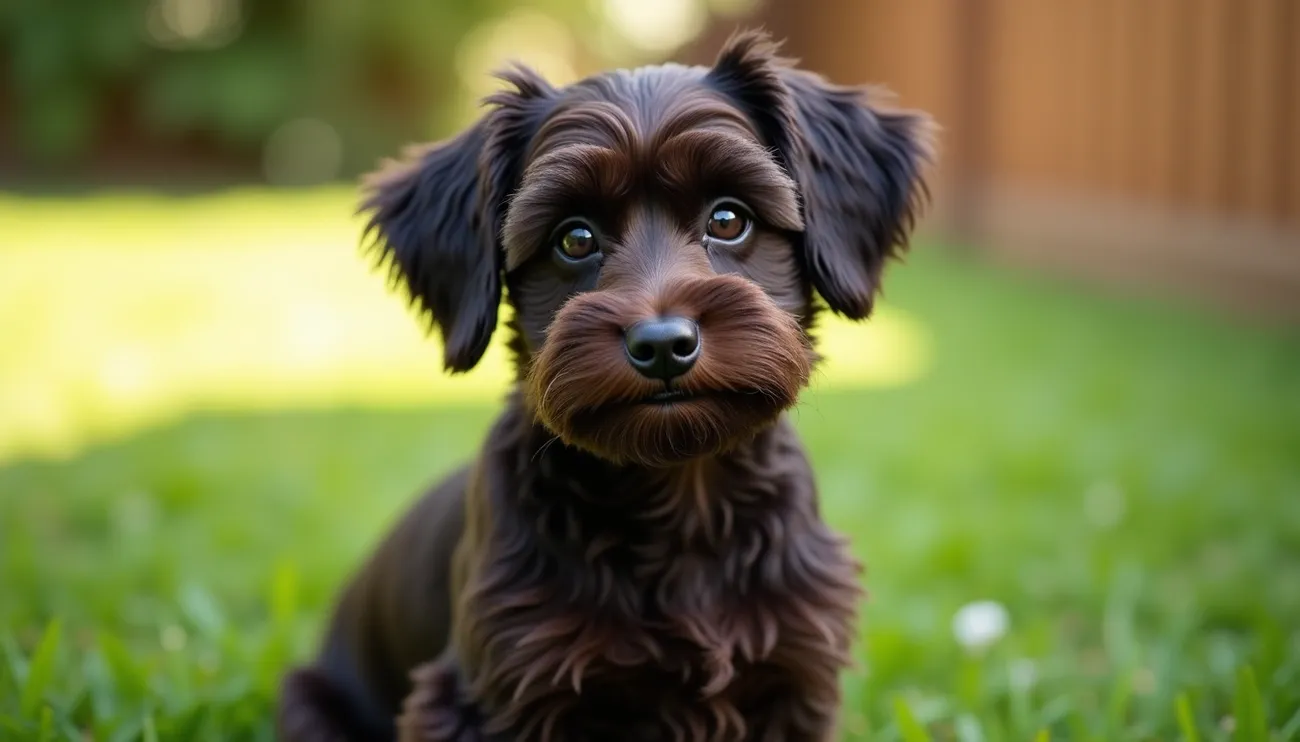 Affenpoo dogs have become one of the most sought-after Poodle mixes, giving dog lovers a perfect blend of two unique breeds. This lovable crossbreed between the Affenpinscher and the Poodle stands 10-15 inches tall at the shoulder. They weigh between 9-20 pounds, though some can reach up to 25 pounds based on their parents.
Dog lovers looking for Affenpoo puppies should know that both the American Canine Hybrid Club and the Designer Breed Registry recognize these dogs. The Affenpoo’s hypoallergenic, low-shedding coat makes them a great choice for allergy sufferers. On top of that, their coarse, thick fur needs regular grooming to stay tangle-free, though they don’t need frequent baths. You might see plenty of Affenpoo pictures showing their cute facial expressions, but these snapshots can’t capture their playful, loving, and smart personality or their impressive 12-15 year lifespan.
In this piece, we’ll dive into everything you need to know about this small but mighty companion. From their unique looks to their care needs, you’ll discover if an Affenpoo could be your perfect four-legged friend.
Appearance and Size
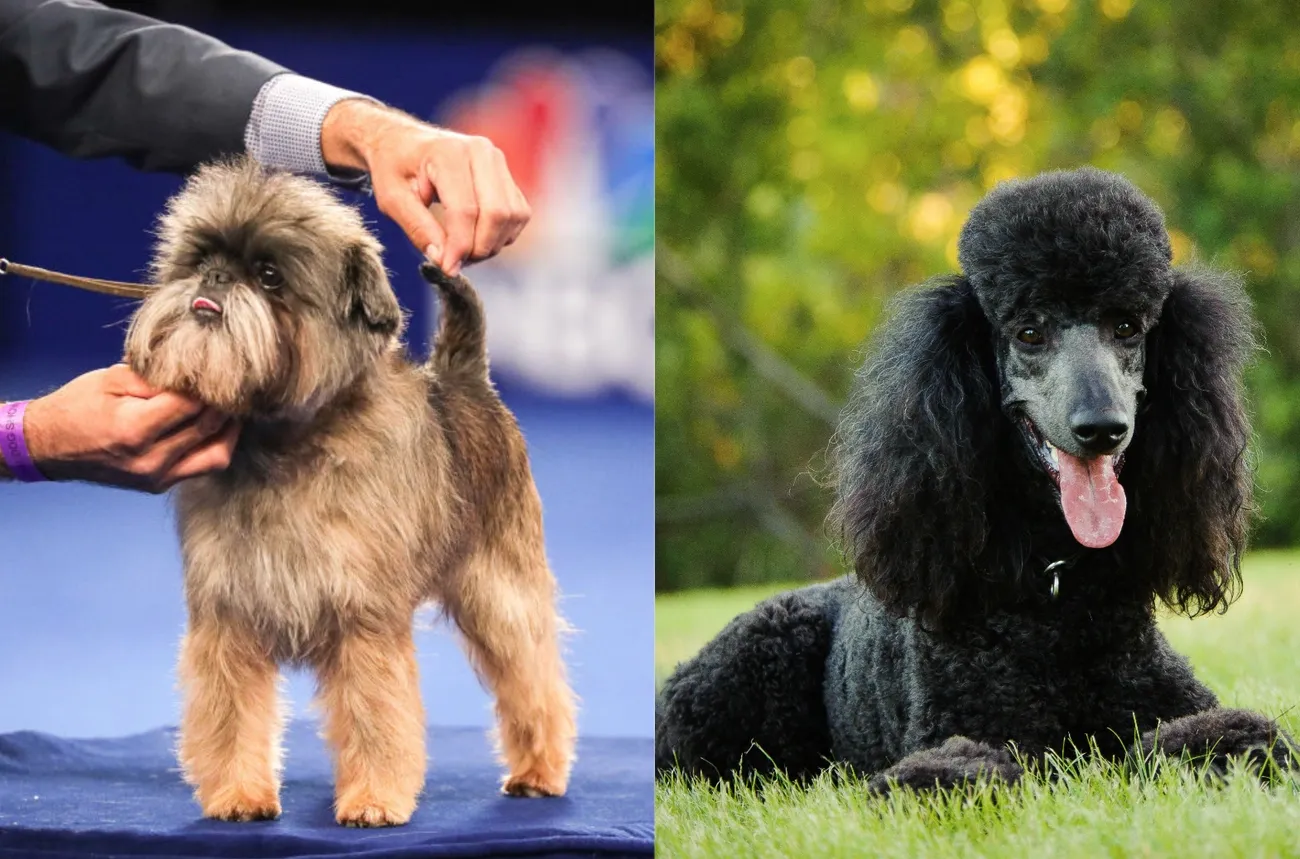
Image Source: DogTime
The Affenpoo is a unique designer dog that catches everyone’s eye with its special look. This charming canine combines the best features of both parent breeds. Let’s take a closer look at what makes these dogs special and what you should expect if you bring one home.
Height and weight range
These dogs can vary quite a bit in size based on which parent’s genes show up more strongly. They stay on the small to medium side. Most Affenpoos reach between 10 and 15 inches tall at the shoulder, though some might grow up to 20 inches. The height really depends on whether the Poodle parent was a toy, miniature, or standard variety.
The weight ranges are interesting too. Most of these pups weigh between 9 and 20 pounds, which makes them perfect if you live in an apartment or have limited space. Some sources say they can be lighter, around 7 to 9 pounds, especially those taking after their Affenpinscher parent. Other breeders have seen Affenpoos hit 25 pounds, usually when they get more of their standard Poodle parent’s genes.
Whatever their exact size, Affenpoos fit well in most living situations. They’re not too tiny and delicate, nor are they too big to handle.
Coat type and color variations
The Affenpoo’s coat is one of its most striking features. The fur usually grows to medium length with some curl to it. These dogs tend to get their coat texture from the Poodle side rather than the Affenpinscher’s wiry fur. Their coarse, dense coat helps protect them from bad weather.
The color options are amazing, giving you plenty of choices when looking for Affenpoo puppies. Here are the most common colors:
- Black (the most common)
- Brown/chocolate
- Gray/silver
- Tan
- Cream
Red tones show up in some Affenpoos too. You might see all these different colors even among puppies in the same litter. These dogs shed very little, which works well if you have mild allergies, though no dog is completely hypoallergenic. The coat needs regular brushing to stay tangle-free.
Facial features and body structure
The Affenpoo’s face is something special that turns heads. Their round, dark eyes show how smart and curious they are. These expressive eyes sit wide apart, making their face even more engaging.
A black nose is standard on most Affenpoos, no matter their coat color. Their triangular ears fold down on both sides of their face, though each dog might carry them slightly differently.
Many Affenpoos sport facial hair that looks like a beard and mustache, a trait from their Affenpinscher heritage. This gives them a quirky, wise look that their owners love.
The Affenpoo’s body has a square, compact shape. They look slender but strong, with well-balanced proportions that aren’t too heavy or too fragile. Their square build creates a balanced look. Most Affenpoos carry their tails up high, showing their confident personality. All these features come together to create a dog that looks as interesting as it is friendly.
History and Breed Origin
The story of the Affenpoo started with its creation as a designer crossbreed in the United States during the 1990s. This new addition to the dog world came at a time when designer dogs became substantially popular among pet lovers.
Affenpinscher background
The Affenpinscher, which makes up half of the Affenpoo’s genetics, has deep European roots that go back to the 17th century. These small but mighty dogs were bred to catch rodents in homes and stables across central Europe. The breed’s name tells us about its unique looks – “Affenpinscher” means “Monkey-Terrier” in German, which perfectly describes the dog’s monkey-like face and playful nature.
These small terrier-type dogs built a devoted following because of their lively personalities and unique appearance. The Affenpinscher’s features, especially its expressive eyes and beard-like facial hair, add to the adorable look we see in affenpoo pictures today.
These dogs managed to keep their dual role as working dogs and companions through the years. Their watchful nature and protective instincts made them great watchdogs despite their small size. These traits would later become valuable in their designer offspring, the affenpoo dog.
Poodle lineage
The Poodle – the other parent of the Affenpoo – shares the same historical period but was bred to serve different purposes. The Poodle’s history also traces back to 17th century Europe. These dogs were originally water spaniels, unlike their rodent-hunting counterparts.
The Poodle’s water-retrieving background explains many breed traits that would shape the Affenpoo, such as their smarts and distinctive curly, water-resistant coats. Poodles have stood out in the dog world for centuries because they learn quickly and solve problems well.
Today’s Poodles come in three sizes – Standard, Miniature, and Toy. Each size was developed to meet different working and companionship needs. Breeders usually pick Miniature or Toy Poodles when creating an Affenpoo to keep the size manageable. Standard Poodles are sometimes used but not as often.
Why the Affenpoo was bred
The Affenpoo’s creation follows the designer dog trend that took off in the late 20th century. The breed started in the United States as an effort to mix the best traits of both parent breeds.
We don’t have much documentation about the original breeder’s goals, but the Affenpoo shows what many designer breeds aim to achieve: companions with predictable, desired traits. Breeders likely wanted to mix the Affenpinscher’s spunky personality and unique looks with the Poodle’s intelligence and hypoallergenic coat.
The Affenpoo emerged when people wanted smaller, companion-focused breeds that could adapt to different living spaces. Over the last several years, the Affenpoo has grown more popular. This recent rise explains why affenpoo puppies were once hard to find but are now accessible to more people as more breeders focus on this charming mix.
The Affenpoo keeps evolving as a crossbreed, unlike many purebred dogs with set standards. Some breeders create first-generation crosses (direct Affenpinscher-to-Poodle pairs), while others run multi-generational breeding programs. This variety means future owners might see big differences among affenpoo puppies, even within the same litter.
Temperament and Personality
Anyone thinking about adding an Affenpoo to their family should know this delightful crossbreed’s unique temperament. These dogs make exceptional companions thanks to their charm, smarts, and energy.
Playfulness and affection
Affenpoos stay playful throughout their lives. These dogs are outgoing and curious. They bring joy to everyday moments as entertaining companions. Their playful nature combines with deep affection to create pets that build strong emotional bonds with their human family.
The Affenpoo’s quick learning ability stands out. They pick up new commands fast and adapt well to household routines when training stays consistent. Their intelligence and loving nature help them build deep connections with their owners.
These dogs love being around people and truly enjoy family time. Their social side makes them want to be near their favorite humans. This attachment can get quite strong—they’d rather join family activities than spend time alone.
Yes, it is true what many owners say about them: they’re “big personalities in small packages.” Their energy and eagerness make them great candidates for dog sports and activities. An Affenpoo will jump right into any game or adventure their family suggests.
Protective instincts
Affenpoos might be small, but they work well as watchdogs. They stay alert and watch their surroundings closely, especially when visitors come by. Their size doesn’t stop them from being good guardians.
These dogs will bark to alert their family about strangers or unusual situations. This protective behavior comes from their curiosity and desire to guard their territory. New owners should know that managing this protective barking needs consistent training.
Some Affenpoos can be protective of their things. They might guard their toys, food bowls, and other belongings they see as theirs. Early socialization helps them learn to share better and reduces these guarding behaviors.
Mental exercise plays a key role in managing an Affenpoo’s protective side. Smart dogs like these need something to do, or they might start barking too much or develop other unwanted habits. Puzzle toys and games keep their minds busy and prevent behavior problems.
Behavior with children and other pets
Affenpoos can make great family pets, but their relationship with children needs careful thought. Many sources show they enjoy spending time with family members. Their playful and loving nature can lead to great bonds with kids.
All the same, families with very young children should be careful. Some Affenpoos might not have enough patience with kids who haven’t learned to handle dogs gently. These dogs do best with older children who know how to interact with pets. Young children need supervision when playing with an Affenpoo.
Most Affenpoos get along well with other pets. Their friendly and social nature helps them build good relationships with other household animals. Socializing them early in puppyhood works best to help them feel comfortable around other pets.
Proper socialization is crucial for raising a well-adjusted Affenpoo. Meeting different people, animals, and places early helps create a confident, calm dog. Without good socialization, these dogs might become shy or nervous around new pets or people.
These dogs don’t do well alone for long periods. They bond so closely with their humans that being alone too long can cause separation anxiety. Families who travel often or work long hours should think carefully about whether they can give these social dogs the companionship they need.
The right training, socialization, and understanding of their unique traits will help create a happy life with these loving, charming companions who bring endless joy to homes that fit their needs.
Behavioral Traits to Know
Anyone looking to get an Affenpoo should know a few things about how these lovable dogs behave. These charming pets have unique traits that you need to understand to create a happy home life together.
Tendency to bark
Affenpoos are moderate barkers who speak up when they think it’s needed. They aren’t as noisy as some small breeds but aren’t exactly quiet either. Most of their barking happens when they want to alert their owners or need something.
Your Affenpoo will likely bark in these situations:
- To protect their home and family
- When they hear strange noises or see unfamiliar people
- If they feel scared or anxious
- Because they’re bored
- To say hello
- To get your attention
These dogs take their watchdog duties seriously. They’ll usually bark to warn you about strangers near their territory. New owners should know that an Affenpoo’s bark changes based on their mood and what they’re trying to tell you.
Separation anxiety potential
The biggest challenge for future Affenpoo owners is how attached these dogs get to their humans. They build such strong bonds with their families that they often get anxious when left alone. This happens because they’re social by nature and love being around people.
An anxious Affenpoo might show these behaviors:
- Start barking or howling right after you leave
- Destroy things around the house
- Act restless by panting, pacing, or shivering
- Have accidents even if they’re house-trained
These signs usually show up as you’re getting ready to leave or just after you’ve gone. Affenpoos aren’t the best choice for homes where they’ll be alone a lot. Families who travel often or work long hours should think about whether they can give these social dogs enough attention.
Interactive toys help reduce separation issues. You can also create regular goodbye routines and teach puppies that it’s okay to be alone for short periods.
Socialization needs
Affenpoos need lots of social interaction – they score 5 out of 5 for socialization needs. These dogs need regular mental and physical activities, meaningful tasks, and plenty of companionship. They do best in homes where they can interact with both people and other dogs.
Starting socialization early is crucial to raise a well-adjusted Affenpoo. Puppies need to meet different people, animals, and experience various settings to grow into confident, well-behaved dogs. Dogs that aren’t properly socialized might develop fear-based behavior problems.
Your socialization checklist should include:
- Meeting different people (all ages and looks)
- Spending time with other pets and animals
- Exploring new places and experiences
- Getting used to being touched (ears, paws, etc.)
Well-socialized Affenpoos are much more comfortable around kids and other pets. With proper socialization, they become friendly, outgoing companions who handle new situations well.
Good socialization not only prevents behavior issues but also makes your Affenpoo happy and fulfilled by meeting their natural need for companionship and mental stimulation.
Lifespan and General Health
Anyone thinking about bringing home an Affenpoo should know these delightful crossbreeds make wonderful companions for many years to come.
Average lifespan of an Affenpoo
Affenpoos have an impressive lifespan that makes them exceptional long-term companions. These charming dogs typically live between 12 and 16 years. Some owners report their pets living anywhere from 10 to 16 years. This means you’re making a big commitment when you welcome an Affenpoo into your family.
The life expectancy ranges from 11 to 15 years according to some sources. Most Affenpoos live at least 12-13 years with good care. Their longevity comes from hybrid vigor – the health advantages that happen when two purebred lines are crossed.
Families looking at affenpoo puppies for sale should be ready for a decade-plus commitment to their new four-legged family member.
Common health issues
Affenpoo dogs are generally healthy as a hybrid breed. However, they can inherit certain conditions from both parent breeds. Several health concerns need attention:
- Joint issues – Hip dysplasia and patellar luxation (dislocated kneecap) are the most reported orthopedic problems
- Eye conditions – Cataracts show up often in health assessments[193]
- Heart problems – Heart murmurs or other cardiac issues may develop in some Affenpoos
Legg-Calve-Perthes disease sometimes affects these small dogs[193]. One source points out that “the hybrid Affenpoo is likely to experience nowhere near as many problems as its purebred parents”. Still, staying informed is vital.
Affenpoos are a relatively new hybrid, so detailed data about breed-specific health issues is still limited. This means affenpoo pictures showing healthy dogs might not reveal all potential health concerns.
Preventive care and vet checkups
A reliable health management plan helps your Affenpoo reach their full lifespan potential. Regular vet checkups are the life-blood of preventive care. Adult Affenpoos need annual wellness exams. Puppies should visit every three to four weeks until 16-20 weeks old. Senior dogs need checkups twice a year.
Your preventive care plan should include:
- Annual fecal tests to check for intestinal parasites
- Heartworm testing before starting prevention
- Age-appropriate blood work and urinalysis
- Regular dental care to prevent common issues
- Appropriate vaccination schedules based on lifestyle
Finding a reputable breeder adds another layer of protection. “The owner’s best bet to get a healthy animal is to work with a breeder who can provide a health clearance certificate from each parent”.
Watch your Affenpoo between vet visits for changes in behavior, appetite, or energy levels to catch issues early. Good nutrition and regular exercise help maintain proper weight, which supports overall health.
Your Affenpoo has the best chance at a long, healthy life as a cherished family member when you combine careful preventive care with knowledge of breed-specific health concerns.
Training and Intelligence
Image Source: https://pixabay.com/
The Affenpoo’s amazing intelligence ranks among their best traits. Training these dogs brings joy to both owners and pets. These smart canines get their problem-solving skills from both parent breeds. They run on mental challenges and love to learn new things.
Ease of training
Most owners find training an Affenpoo quite simple. Both parent breeds are highly intelligent and pick up new tricks fast. These dogs learn quickly and love to please their owners, which makes them respond well to positive reinforcement methods.
These dogs excel with positive reinforcement training, like clicker training. Your Affenpoo learns better when you give treats and praise instead of punishing mistakes. This approach also builds a stronger bond between you.
Smart as they are, some Affenpoos can be surprisingly stubborn. You’ll just need patience during these moments. Stay consistent with your training and show leadership. Your effort will pay off because these dogs naturally listen well and shine in obedience training.
Mental stimulation needs
Your Affenpoo’s sharp mind needs regular challenges beyond simple training. These bright dogs might start barking too much or destroying things if they don’t get enough mental exercise.
Mental workouts can tire dogs more than physical exercise. This works great for this energetic breed. Mental games improve your Affenpoo’s brain function, lower stress, reduce hyperactivity, and strengthen your bond.
Your dog will thrive with:
- Interactive puzzle toys that test problem-solving skills
- Time at doggy daycare for social interaction
- Training sessions with new tricks and commands
Just 5-15 minutes of daily training exercises can tire your Affenpoo in a good way.
Tips for first-time dog owners
New Affenpoo puppy owners can use several strategies to build good training habits. We focused on short training sessions and stuck to routines. This helps your dog know what to expect and enjoy the process.
Start with house training right away. Reward good behavior instead of punishing accidents. A crate gives your Affenpoo their own safe space, but never use it as punishment.
The quickest way to teach commands is to start with the most important ones. These commands stick better in your dog’s memory. Remember to give lots of treats, praise, and pets during training.
Your Affenpoo needs early socialization as much as command training. Meeting different people, animals, and places while young builds confidence and prevents behavior issues.
Patience is the life-blood of successful Affenpoo training. Each dog learns differently, and understanding this creates a positive training experience.
Exercise and Activity Needs
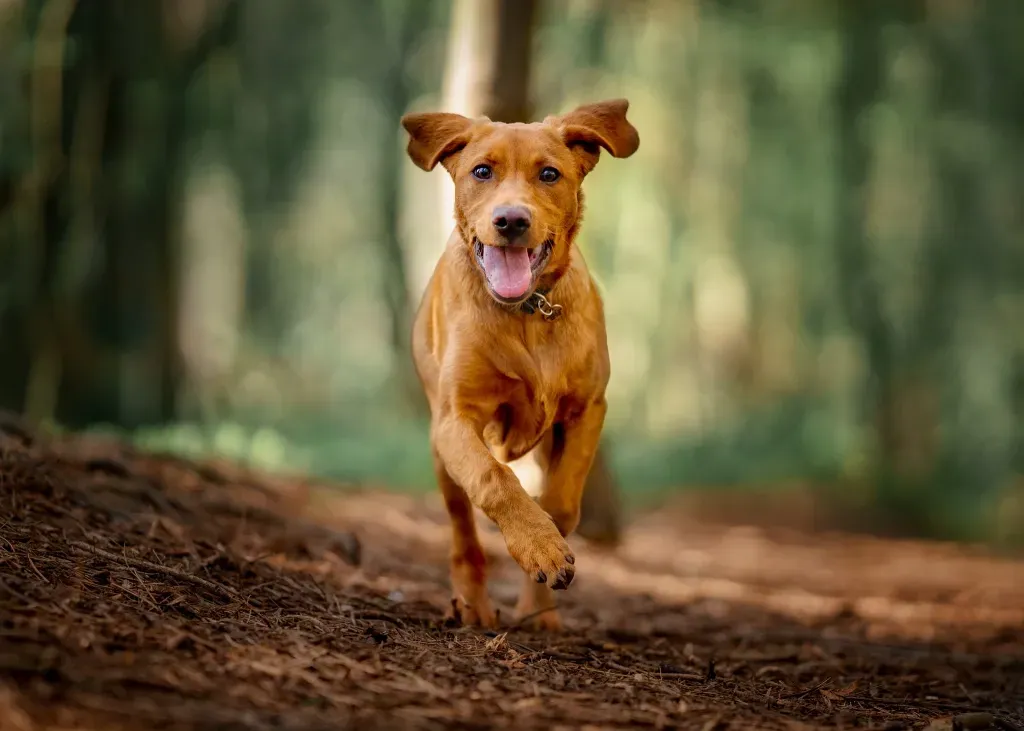
Image Source: DogTime
Your Affenpoo needs regular exercise to stay healthy and happy, even though they’re small dogs. Meeting their exercise needs will give a balanced companion that rarely shows behavior problems.
Daily walk requirements
An Affenpoo needs 30–60 minutes of exercise each day. You can split this into shorter sessions that fit your schedule better. Taking them for walks in the morning and evening works well, and you can add some playtime during the day.
These dogs need both physical exercise and mental challenges to stay sharp. Neighborhood walks, games of fetch, hide and seek, and puzzle toys are great ways to keep their smart minds busy. They do best with a mix of regular walks and free play where they can safely explore their surroundings.
Indoor vs outdoor play
Affenpoos can adapt to many living situations, including apartments, as long as they get enough exercise. Inside the house, they love interactive toys that test their problem-solving skills. They don’t need a huge outdoor space because of their moderate exercise needs, but they really like having toys around the house.
Time spent outdoors gives them sensory experiences they can’t get inside. These activities help them develop better coordination, build muscle, and stay at a healthy weight. The best setup for an Affenpoo combines a cozy indoor life with regular outdoor adventures.
Signs of under-exercised behavior
It’s vital to spot when your Affenpoo needs more activity to prevent unwanted behaviors. Look out for these signs:
- Weight gain – Usually the first sign they’re not getting enough exercise
- Destructive behavior toward furniture, walls, or personal items
- Excessive barking or whining, especially when alone
- Overexcitement during play and trouble calming down
- Restlessness or trouble sleeping at night
Many behavior problems that come from boredom or pent-up energy can be solved with proper exercise. Without enough physical activity, Affenpoos often use their smarts and energy in ways you won’t like.
Regular exercise creates the foundation for a well-behaved, fit, and balanced Affenpoo companion.
Grooming and Maintenance
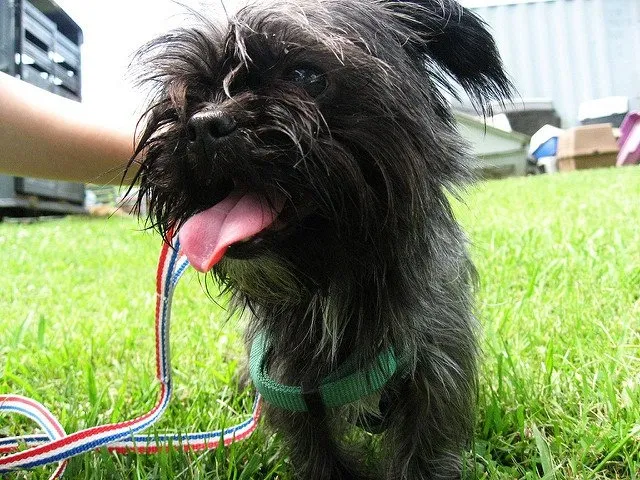
Image Source: PetGuide
Your Affenpoo’s distinctive coat needs specific grooming routines. Starting these practices early will give a healthy and attractive pet.
Brushing and coat care
The Affenpoo has a hypoallergenic coat that’s curly, medium in length, and sheds moderately. Their thick, shaggy fur mats easily without regular care. You should brush your Affenpoo at least once weekly to stop matting. Some experts suggest brushing 2-3 times weekly for the best results. Matted areas might need trimming, especially when seasonal changes affect coat texture. Regular brushing helps spread natural oils through the fur. This keeps it healthy and reduces tangles.
Bathing frequency
Affenpoos have an advantage because they need minimal bathing. These dogs rarely need regular baths, especially in winter months. Their hypoallergenic nature means you should bathe them only when needed. Too much bathing strips essential oils from their coat and can cause skin problems. Use only dog-specific shampoos that maintain proper pH balance when you need to bathe them.
Ear, teeth, and nail care
Your Affenpoo needs more than just coat care to stay healthy. Clean their ears regularly, especially if they have floppy ears that trap dirt easily. Brush their teeth daily with dog-safe toothpaste. Trim their nails when you hear clicking sounds on hard floors. Starting these routines during puppyhood creates a well-groomed and healthier companion.
Conclusion
Affenpoos are amazing designer dogs that blend the finest traits from both Affenpinscher and Poodle breeds. These small but sturdy dogs fit perfectly into any living space, and their hypoallergenic coat works great for people with allergies. Without doubt, their striking looks turn heads everywhere – from their expressive eyes to their unique facial hair and diverse coat colors.
These lovable pets go beyond just good looks with their playful personality, affectionate nature, and sharp minds. In spite of that, future owners should think over a few things first. These dogs can get anxious when left alone and need plenty of mental stimulation. Their protective nature and barking habits mean early training and socialization are essential.
One of their most important advantages is their lifespan – most Affenpoos live happy, healthy lives for 12-15 years with proper care. While they have a reliable health record, knowing about inherited conditions helps owners take preventive steps through regular vet visits.
These smart pups learn quickly and love to please their owners, which makes training a joy. They need about 30-60 minutes of daily exercise to stay happy and healthy. This flexible exercise schedule works well with different lifestyles. The dog’s distinctive coat needs weekly brushing to stay healthy and looking good.
Affenpoos do best in homes where they get lots of attention, consistent training, and regular exercise. Their loving nature and ability to adapt make them perfect family companions. People who understand what these smart dogs need will find a loyal friend. The dog’s monkey-like face and poodle-smart brain create a unique and special pet that brings joy to any home.
Key Takeaways
Understanding the Affenpoo’s unique characteristics helps potential owners make informed decisions about this charming designer breed that combines intelligence, affection, and manageable care requirements.
• Affenpoos are small companions weighing 9-20 pounds with hypoallergenic coats, making them ideal for apartment living and allergy sufferers.
• These intelligent dogs require 30-60 minutes daily exercise and consistent mental stimulation to prevent destructive behaviors from boredom.
• Strong attachment to families makes Affenpoos prone to separation anxiety, requiring households that can provide regular companionship.
• Weekly brushing prevents matting of their curly coat, while minimal bathing needs make grooming relatively manageable for most owners.
• With proper care and regular vet checkups, Affenpoos typically enjoy 12-15 years of healthy companionship as devoted family members.
The Affenpoo’s combination of Poodle intelligence and Affenpinscher charm creates a loyal companion that thrives with consistent training, socialization, and attention. Their moderate exercise needs and hypoallergenic qualities make them suitable for various living situations, provided owners can meet their social and mental stimulation requirements.
FAQs
Q1. What is an Affenpoo dog? An Affenpoo is a designer crossbreed between an Affenpinscher and a Poodle. Originating in the United States in the 1990s, these small, intelligent dogs typically weigh between 9-20 pounds and have hypoallergenic coats, making them suitable for various living situations.
Q2. How much exercise does an Affenpoo need? Affenpoos require about 30-60 minutes of daily exercise. This can be divided into multiple shorter sessions and should include both physical activity and mental stimulation to keep them happy and well-behaved.
Q3. Are Affenpoos good with children and other pets? Affenpoos can be good family pets, but they’re best suited for homes with older children who understand gentle handling. With proper socialization, they generally get along well with other pets. However, supervision is recommended, especially with young children.
Q4. How often should I groom my Affenpoo? Affenpoos need regular grooming to maintain their coat. Brushing should be done at least once a week, though 2-3 times weekly is ideal to prevent matting. Bathing is only necessary on an as-needed basis to avoid stripping essential oils from their coat.
Q5. What is the average lifespan of an Affenpoo? With proper care, Affenpoos typically live between 12 to 15 years. Regular veterinary check-ups, a balanced diet, appropriate exercise, and attention to their mental well-being all contribute to their longevity and quality of life.