
Australian Kelpie Dog : Characteristics, Behavior, Temperament, Lifespan, Weight kg
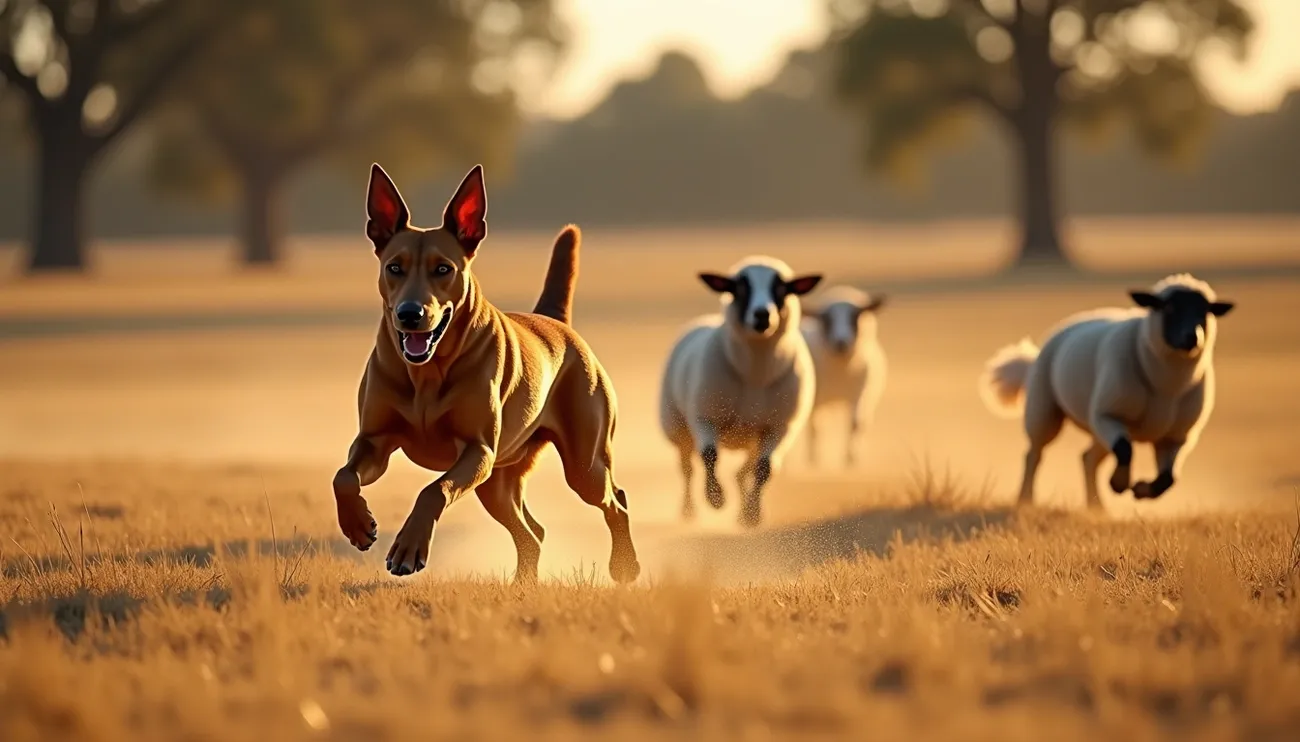 Australian Kelpies are medium-sized herding dogs that showcase remarkable intelligence and endless energy. These Australian sheepdogs can muster and drove with minimal guidance. They rank among the quickest working dogs you’ll find.
These dogs stand 17 to 20 inches tall and weigh between 30 to 50 pounds. Their sturdy build helps them work tirelessly. Australian Kelpies live 10 to 13 years[-2] and stay incredibly active throughout their lives. The breed’s coat comes in beautiful variations including black, black and tan, red, red and tan, fawn, chocolate, and smoke blue.
You’ll find two distinct types of Australian Kelpies: the Show (or Bench) Kelpie and the Working Kelpie. They make loving family pets but would rather run around with their people than cuddle on the couch. These energetic dogs need plenty of exercise. They thrive as partners for hiking, running, swimming, or playing at dog parks.
This detailed guide covers everything about the Australian Kelpie breed. We’ll explore their fascinating history, physical traits, unique personality, exercise requirements, and how to care for them properly.
History and Origin of the Australian Kelpie
The Australian Kelpie’s story started with a simple need in the booming sheep industry of 19th century Australia. Sheep numbers exploded and spread through New South Wales and Victoria. The old system of using convicts as shepherds no longer worked. The rough terrain and extreme heat of Australia needed a special herding dog that could work hard in tough conditions.
From Scottish Collies to Australian Farms
Scottish working collies brought to Australia in the late 1800s laid the groundwork for the Australian Kelpie. People called these dogs “Highland Smooth Collies” or “Hill Gathering Collies.” They came mostly in black and tan, black, or sometimes red, with minimal white markings.
Modern Border Collies arrived in Australia after 1901. The early collie imports were different. Settlers picked them because they could handle Australia’s harsh environment. Scottish settlers knew from experience that they needed capable dogs to manage their growing flocks.
Three pairs of working collies brought by early Australian landowners started the Kelpie breed. Breeders wanted to create a herding dog that could handle sheep in vast areas under the hot Australian sun. Their efforts paid off – the new breed took to herding with amazing skill.
The Myth of Dingo Ancestry
People spread a story for years about Australian Kelpies getting their toughness from dingo blood. This theory claimed that breeders mixed Scottish collies with dingoes to create dogs better suited to Australia’s harsh climate.
A 2019 University of Sydney study challenged this belief. Researchers found no detectable common DNA between kelpies and dingoes in genes affecting coat color and ear type. Professor Claire Wade led the research and said “there is no genetic evidence for this from any genes affecting the way the domestic and wild dogs look”.
The debate still goes on. Author Bill Robertson points to DNA testing by the University of New South Wales that found “between 3 and 4 per cent dingo markers” in kelpie DNA. These tests couldn’t pinpoint when dingo genes might have entered the breed.
Some historians think any dingo crossbreeding stayed secret because sheepmen saw dingoes as pests. Heavy fines hit anyone caught keeping a dingo-cross. This might explain why such breeding never made it into records.
The First Kelpie and Her Legacy
The first official Kelpie appeared around 1870 – a black and tan female puppy with floppy ears. She was born at Warrock Station near Casterton, owned by Scottish settler George Robertson. Jack Gleeson, a young Irish stockman, traded a valuable horse to get her – proof of her worth.
Gleeson named his dog “Kelpie” after a Celtic water spirit. People called her “Gleeson’s Kelpie” to tell her apart from later dogs. She had a medium-length coat with red hints and ears that perked up during work. Her herding skills stood out.
Gleeson bred his Kelpie with other imported working dogs. One key match was with Moss, a black, short-haired dog with pointed ears from the Rutherford kennels. Her daughter, also named Kelpie (known as “King’s Kelpie”), became famous by tying for first place at a major sheep dog trial in Forbes, New South Wales.
Dogs from this bloodline became known as “Kelpie’s pups,” and later just “Kelpies”. Careful breeding focused on creating dogs perfect for Australian conditions. The Kelpie breed got official recognition in 1902.
Australian Kelpies now make up about 60 percent of Australia’s working dogs. This shows their lasting value to Australian farmers and how well they’ve adapted to Australia’s unique challenges.
Physical Characteristics and Appearance
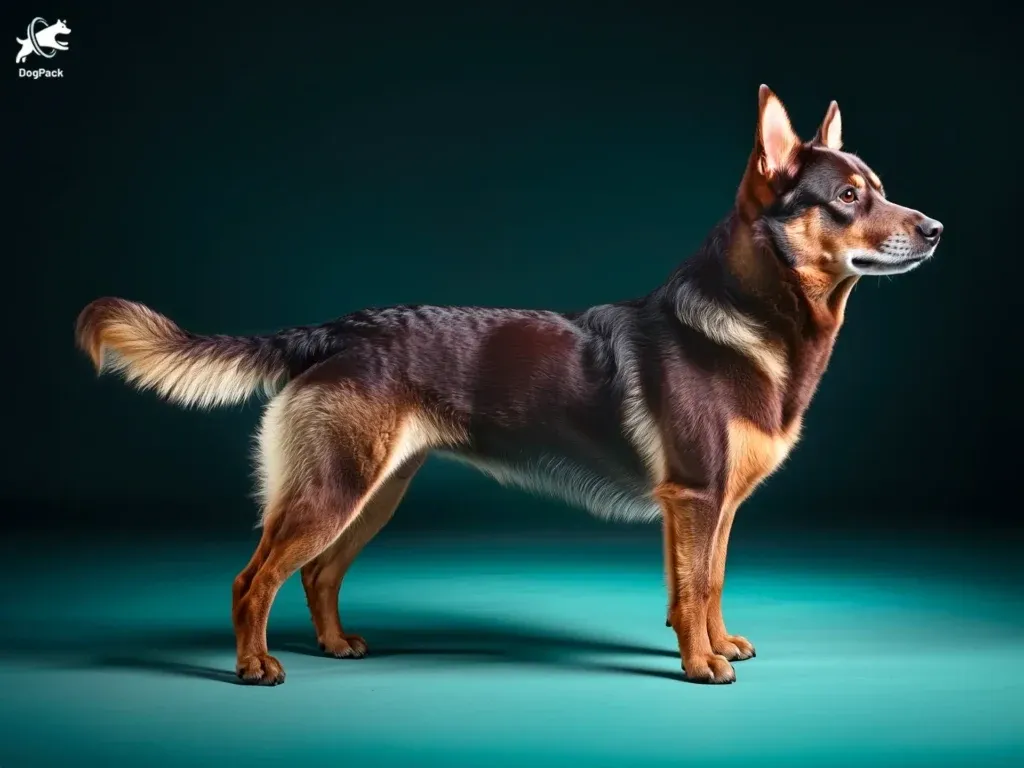
Image Source: DogPack App
The Australian Kelpie stands out with physical traits that match its working abilities perfectly. This medium-sized herding dog has an athletic build that helps it stay agile and work long hours in tough conditions.
Australian Kelpie size and build
The Australian Kelpie has a balanced body. Its height at the withers ranges from 16-20 inches (41-51 cm). These dogs weigh between 30-50 pounds (14-23 kg), though working Kelpies can reach 55-60 pounds (25-27 kg) based on their muscle mass and build.
A Kelpie’s body stretches 26-33 inches (66-84 cm) with a standing height of 20-25 inches (51-64 cm). The breed’s lean and powerful body focuses on endurance rather than pure strength.
The head matches the body’s size, and triangular ears stand upright. Some Kelpies have slightly heavier ears that fold at the tips. Their expression shows both intelligence and alertness.
The Kelpie’s tail length varies but stays low, which creates a smooth look during movement.
Coat types and textures
Australian Kelpies come with short, smooth, or rough coats. Whatever the type, their coat resists weather – a useful trait for working in different conditions. The outer coat fits close with straight, hard hairs that lie flat and keep rain away.
Many Kelpies have a short, dense undercoat beneath for extra protection. The double coat sheds with the seasons in temperate areas, so these dogs need more grooming then.
These dogs shed moderately but aren’t hypoallergenic. Basic grooming works well – a weekly brush with natural bristles, comb, or slicker removes dirt and loose hair. Working Kelpies usually need baths twice yearly unless they get very dirty on the job.
Common Australian Kelpie colors
The Australian Kelpie shows up in many colors. ANKC (Australian National Kennel Council) recognizes these colors:
- Black
- Black and tan
- Red (from chocolate to light red)
- Red and tan
- Chocolate
- Smoky blue (gray)
- Fawn
You’ll find other colors too, like blue and tan, fawn and tan, and cream/yellow, though show standards don’t recognize them. Black leads the pack as the most common color, making up about 60% of Australian Kelpies.
Some Kelpies sport a white blaze on their chest or white points. Large white marks on paws, legs, chest, collar, or tail usually point to Border Collie mixing.
Red and black Australian Kelpie variations
Black and red stand as the breed’s most popular colors. Black Kelpies come either solid or with tan markings. Tan shows up on their face, legs, belly, and under the tail. Some black and tan Kelpies have such small tan face marks they look almost solid.
Red Kelpies range from chocolate to light red. Like black ones, they can be solid red or have tan points. The terms “red” and “chocolate” actually mean the same genetic color (bb).
Kelpie colors follow strict genetic rules, which explains why puppies sometimes show colors neither parent has. The “red” shade in Kelpies matches what scientists call “brown” (bb), though its intensity varies.
Years of careful breeding have kept these physical traits intact. The result is a dog whose looks match its impressive work ethic.
Working vs Show Kelpies: Key Differences

Image Source: Facebook
Dog enthusiasts often overlook a key split in the Australian Kelpie breed. These dogs come in two distinct varieties: the Working Kelpie and the Show (or Bench) Kelpie. This split goes beyond looks – it shows how different breeding approaches have created dogs with unique abilities and traits.
Working Australian Kelpie traits
Working Kelpies are bred purely based on how well they perform, not how they look. These dogs have boundless energy and show deep loyalty to their work. Their natural talent for handling livestock, both in open fields and yards, sets them apart from other breeds.
The Working Kelpie Council of Australia calls these dogs “very alert, eager and highly intelligent.” They also point out the dogs’ “good balance between keenness to work and ability to relax”. These dogs stand out because they:
- Excel at working with an amazing feel for sheep
- Have great cover, footwork, and drive-and-hold skills
- Work well without supervision
- Keep going strong in tough conditions
You’ll find Working Kelpies with three coat types: short, smooth, and rough. These adaptable dogs don’t just handle sheep – they work with reindeer and goats too. They’ve also proven themselves as search and rescue dogs.
Show Kelpie standards and limitations
Show Kelpies (officially Australian Kelpies) focus on looks rather than working skills. The Australian National Kennel Council has set clear standards that care more about physical features than working ability.
These dogs must meet strict appearance rules, including specific coat colors. The ANKC’s Main Register only accepts black, chocolate, red, smoky blue, fawn, black and tan, and red and tan. Other colors can only join the Limited Register as pets or sporting dogs.
The Working Kelpie Council believes the show standard “places prime importance on the dog’s ability to perform efficiently and to remove the emphasis on the unrelated and unsuitable qualities”. Working line supporters say show breeding has weakened the special working traits that made original Kelpies outstanding. Many show lines haven’t been chosen for their working skills for generations.
Which type suits your lifestyle?
Looking to get an Australian Kelpie? Your daily routine should guide your choice between the two types.
Working Kelpies do best when they can serve their purpose. They make perfect partners for active people on farms, ranches, or properties with lots of space. These smart, energetic dogs need real work or serious exercise. Without enough physical and mental challenges, they might develop bad habits.
Show Kelpies usually need less exercise and adapt better to suburban life if they get enough activity. They’re still smart and trainable but typically have less energy than working dogs.
Note that Show Kelpies still need more daily exercise than most other breeds. City dwellers with limited space might struggle with either type unless they can spend several hours each day on exercise and mental challenges.
Both types share the loyal, intelligent nature that makes Australian Kelpies special. They just differ in their energy levels and looks based on what they were bred to do.
Temperament and Personality Traits
Intelligence and loyalty are the life-blood of the Australian Kelpie’s personality. These traits create a dog that’s much more than just a working companion. The breed’s complex temperament combines working drive with family devotion, which makes them both exceptional herding dogs and committed family members.
Australian Kelpie temperament overview
The Australian Kelpie stands among the world’s most intelligent dog breeds. These dogs display exceptional problem-solving abilities and quick learning. They approach activities with remarkable interest and intensity, ready for work or play at any moment. Their intelligence demands mental challenges—a bored Kelpie will invent their own “jobs” like rearranging household items or destructive behavior without proper stimulation.
Kelpies have a happy, energetic temperament and strongly desire to please. Their personality blends alertness with eagerness to create a dog that stays attentive and enthusiastic. These working dogs have tireless energy and work ethic that make them unsuitable for sedentary lifestyles.
These dogs can switch between high activity and relaxation easily. They can settle down for quiet time with their favorite people after an intense workout or working session. This balance makes them more adaptable than expected from a high-energy working breed.
Loyalty and independence
Australian Kelpies build profound bonds with their owners. People often call them “velcro dogs” because they prefer staying close to their humans. They create especially strong attachments to one or two family members while staying affectionate with the entire household. More than that, many Kelpies “idolize” their owners and will do virtually anything for them.
This devotion can show up as jealousy toward other dogs competing for their owner’s attention. Kelpies also maintain an independent streak—a vital quality for working dogs who must make decisions without constant guidance. This mix of loyalty and self-reliance creates a dog that stays dedicated yet thinks for itself.
Interaction with children and other pets
Well-socialized Australian Kelpies become gentle and protective with children. Their affectionate nature makes them great family companions. All the same, adults should supervise play time because their herding instinct might lead to attempts to “round up” children by nipping at heels.
Kelpies usually get along peacefully with other animals after proper introductions. Their strong herding drive might make them chase smaller pets around the house. Early, positive introductions during puppyhood substantially improve their relationships with other household pets.
Common behavioral quirks
The most distinctive trait in Australian Kelpies is their herding instinct. This behavior shows up as collecting family members, chasing moving objects, or patrolling their territory. On top of that, their watchdog tendencies keep them alert to strangers, though they rarely show aggression.
Kelpies may develop problematic behaviors without enough physical exercise and mental stimulation:
- Excessive barking or digging
- Destructive chewing
- Restlessness and anxiety
These dogs show remarkable sensitivity to their owner’s emotions and household atmosphere. This emotional intelligence improves their companionship qualities but means they become anxious in chaotic or tense environments.
The Australian Kelpie ended up offering a special blend of working ability and family companionship. Their distinctive personality traits—intelligence, loyalty, energy, and sensitivity—create a dog that excels both in the field and at home when matched with an active owner who likes to participate.
Exercise and Activity Needs
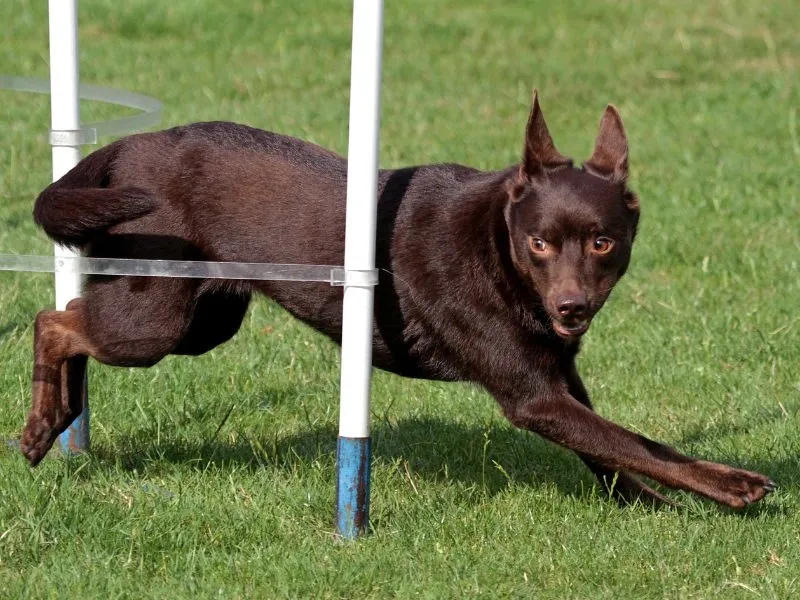
Image Source: Holistapet
Life with an Australian Kelpie centers around staying active and involved. These remarkable dogs have an almost endless supply of energy that needs proper direction to maintain their physical health and mental wellbeing.
Why Kelpies need constant stimulation
Australian Kelpies were bred for endurance and a tireless work ethic. These dogs need constant stimulation – it’s not just helpful, it’s necessary. Adult Kelpies need 1-2 hours of vigorous physical exercise daily. Many experts say 2 hours should be the minimum. This comes from their working background – they were designed to herd livestock all day long across Australia’s vast farmlands.
Kelpies can develop behavior problems without enough stimulation. They might become restless, bark too much, chew destructively, dig, or try to escape. These smart dogs will look for ways to release their built-up energy. A Kelpie that doesn’t get enough exercise gets bored and frustrated. This leads to unwanted behaviors that can harm your home and your bond with your dog.
Australian Kelpies do well only in active homes where someone can meet their exercise needs every day. Anyone thinking about getting one should take a hard look at whether they can provide the daily activity these dogs need.
Best activities for high-energy dogs
The right exercise plan for Australian Kelpies mixes intensity, duration, and variety. Here are some of the best activities:
- Long-distance running or hiking – These tap into the Kelpie’s natural endurance
- Swimming – A great low-impact workout that uses multiple muscle groups at once
- Fetch with variations – Make standard fetch more challenging by adding obedience commands
- Agility training – Tests both body and mind while using their natural athletic ability
- Uphill walks – Add intensity to exercise by including elevation changes
People with enough space can create a backyard obstacle course for great physical benefits. Dog sports like flyball, competitive obedience, or herding trials offer structured ways to burn energy.
Regular exercise matters most. Australian Kelpies do better with daily moderate workouts than occasional intense sessions followed by days of no activity.
Mental enrichment ideas
Mental exercise is just as important as physical activity for Australian Kelpies. These intelligent dogs need regular brain challenges to avoid boredom. Puzzle toys and treat-dispensing devices work great for solo mental workouts. They help especially during bad weather or when physical exercise isn’t possible.
Scent detection activities use their natural instincts while giving them rewarding mental challenges. Training for complex tasks like mock search-and-rescue scenarios puts their problem-solving skills to work.
Even meals can become brain games. Try the “muffin tin game” – put treats in one cup of a muffin tin, cover all cups with balls, and let your Kelpie find the treat.
Research shows that mixing physical and mental exercise works best. You can add training commands during play or create games that need both physical effort and problem-solving. This makes the most of your time together.
Australian Kelpies need owners who understand that exercise isn’t optional – it’s a vital part of responsible ownership. Meeting these needs helps create a balanced, happy, and well-adjusted working dog.
Training and Socialization Tips
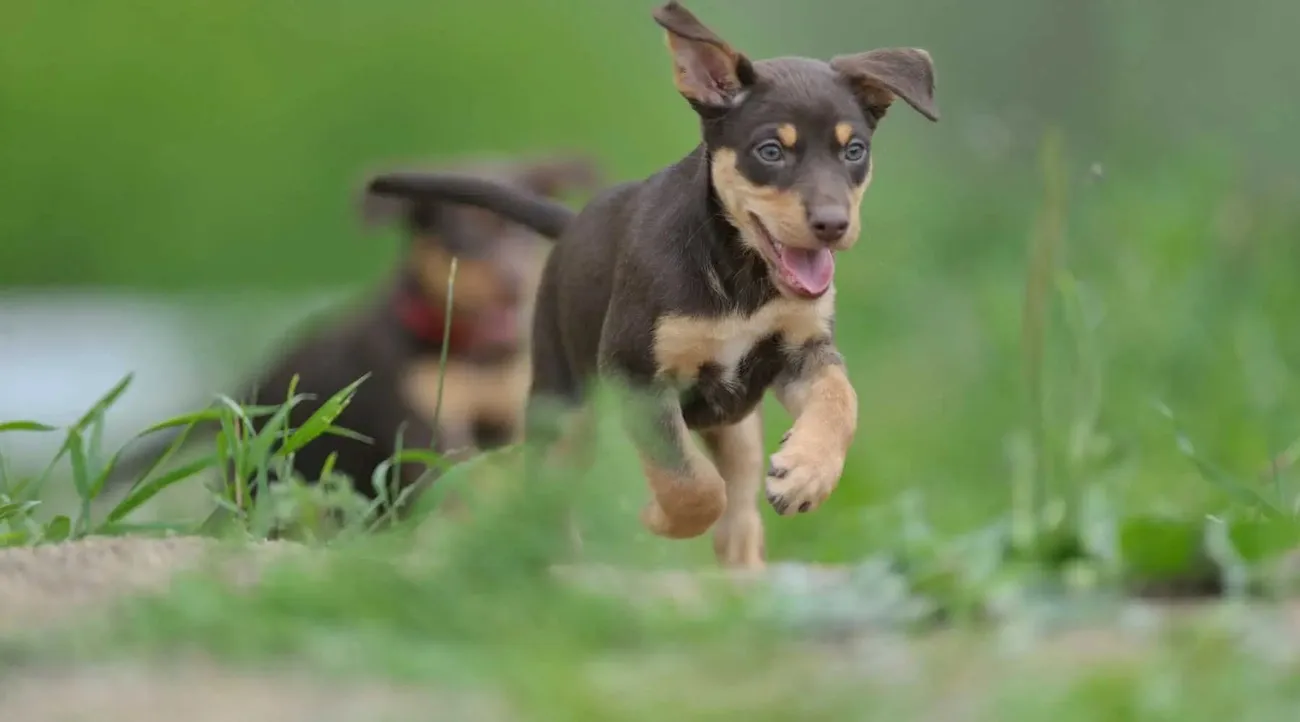
Image Source: Super Feedy
Australian Kelpies need appropriate training and socialization that respects their working heritage. These smart dogs need thoughtful guidance to channel their natural abilities into positive behaviors.
Training a working-minded dog
Australian Kelpies have exceptional intelligence and memory, which makes them remarkably trainable but requires specialized approaches. Their sharp minds and excellent memory help speed up training. However, this same trait means they won’t easily forget negative experiences.
We found these dogs respond best to positive reinforcement methods. Rewards like treats, praise, or playtime motivate them to repeat desired behaviors. These working dogs thrive when their training combines mental challenges with physical activity.
Keep training sessions brief—about 10-15 minutes—because their high energy can affect focus. Mix up activities to keep them interested. Kelpies quickly learn simple commands and then need more complex challenges.
To get the best results:
- Begin with foundational commands like sit, stay, come, and down
- Gradually introduce more advanced tasks to satisfy their problem-solving nature
- Maintain consistency with commands and expectations
- End sessions positively to preserve motivation
Early socialization strategies
Early socialization is vital to developing well-adjusted Australian Kelpies. Puppies should experience various environments, people, and other animals to promote adaptability and confidence.
Take puppies to different locations—parks, busy streets, pet-friendly shops—to give them essential exposure to new situations. Watch their interactions closely and use treats and praise to build positive associations with new encounters.
Structured activities like obedience classes, agility training, or dog sports offer great opportunities. These settings provide controlled socialization while giving mental and physical exercise.
Avoiding excessive barking and herding
Kelpies often show two challenging behaviors that need management: excessive barking and inappropriate herding. Their herding instincts might show up as attempts to round up children, other pets, or even birds.
Herding is an innate behavior that won’t completely go away. Train impulse control commands including:
- Pausing forward momentum (wait)
- Collection (standing and pausing)
- Recall (turning away from objects they want to push)
- Down-stay (remaining in position)
Look for what triggers barking—whether boredom, anxiety, or alerting behaviors. Handle excessive barking by teaching “speak” and “quiet” commands in sequence. This gives your Kelpie a framework to understand appropriate vocalization.
It’s worth mentioning that Australian Kelpies need proper outlets for their natural instincts. They’ll practice their skills on inappropriate targets without enough stimulation through activities like obedience training, tricks, or structured herding opportunities.
Health and Lifespan of the Kelpie
Australian Kelpies are known for their excellent health and long life, though they face some genetic health challenges like other breeds. These dogs have inherited a strong constitution from their working background, which makes them tough and relatively healthy.
Common health issues in the breed
Australian Kelpie owners should watch out for several inherited conditions. Hip dysplasia is one of the biggest problems that can lead to arthritis and mobility issues. Dogs with this condition often show signs of stiffness, lameness, or have trouble getting up from a lying position.
Cerebellar abiotrophy (CA) is another genetic issue that affects the cerebellum—the part of the brain that controls coordination and movement. When dogs have this neurological condition, they often demonstrate unsteady movement, balance problems, or head tremors. Scientists are working hard to find the genetic marker responsible for this condition.
Other health issues include:
- Luxating patella (slipping kneecap)[311]
- Progressive retinal atrophy (PRA)[311]
- Elbow dysplasia[311]
- Collie Eye Anomaly (CEA)
Australian Kelpie lifespan expectations
Australian Kelpies live remarkably long lives. A 2024 UK study looking at 49 deaths showed these dogs live an average of 12 years. Many vets confirm that with good care, Kelpies can live between 12-15 years[311]. Some dogs may even reach 16 years when conditions are ideal.
Kelpies keep their energy and stay active well into their senior years. Their long lifespan shows how good their genes are and reflects their working heritage.
Preventive care and vet checkups
Your Kelpie needs proactive health care to stay healthy. Regular vet checkups twice a year are vital throughout your dog’s life. These visits help catch potential problems early, especially as your dog gets older.
Weight management plays a vital role in preventing joint problems. Extra weight makes conditions like hip dysplasia worse, so keeping your dog lean through proper diet and exercise is important.
Good dental care deserves attention because dental disease affects much of the dog population by age two and can affect a Kelpie’s overall health and lifespan by a lot.
Responsible breeding practices help reduce genetic health risks. You should choose puppies from breeders who test their dogs for common genetic conditions.
Buying or Adopting a Kelpie
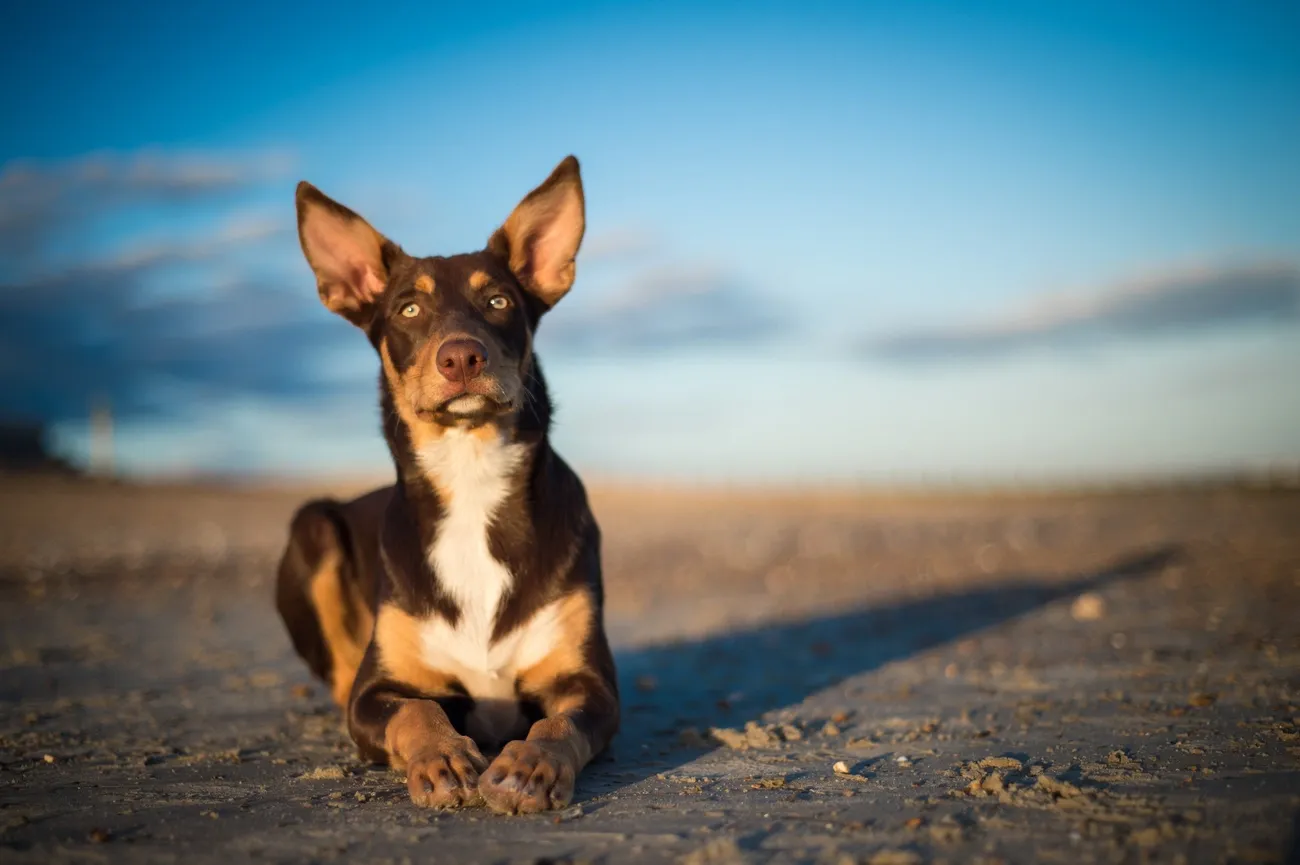
Image Source: Petfinder
The quest to find your perfect Australian Kelpie needs some smart thinking about costs, sources, and how breeders operate before you commit to this smart breed.
Australian Kelpie price and cost factors
The price of Australian Kelpies changes by a lot depending on where you live, their family tree, and age. Puppies in Australia usually cost between INR 84,380 and INR 295,331. Young dogs between 6 months and a year old range from INR 67,504 to INR 210,951. Kelpies from champion bloodlines, suited for work or shows, might cost from INR 126,570 to INR 337,521.
UK buyers typically pay around £389 for purebred puppies. US prices run from INR 50,628 to INR 101,256 in the Northeast, while Western states see prices between INR 84,380 and INR 126,570.
Where to find Australian Kelpie puppies
You’ll find trustworthy Kelpie sources here:
- National kennel clubs’ registered breeder lists
- Breed-specific rescue centers and shelters
- Working Kelpie Council’s directory for working dogs
Rescue adoption offers a budget-friendly choice, with fees ranging from INR 16,876 to INR 42,190.
What to ask breeders or rescues
Make sure you ask about:
- Health test results, especially for hip dysplasia
- The dog’s personality and daily routines
- Microchipping and vaccination status
- The breeder’s registration details for verification
- Written performance guarantees for working bloodlines
A full picture of what you’re getting into helps both you and your future dog thrive together.
Conclusion
Australian Kelpies are remarkable companions who blend intelligence, loyalty, and boundless energy. These exceptional working dogs bring more than just impressive herding skills to the table. They make devoted companions and keep their working drive and athletic abilities throughout their 12-15 year lifespan.
Having a Kelpie takes real commitment. You’ll need to give them 1-2 hours of exercise daily and keep their minds busy – there’s no way around it. These dogs might act up if they don’t get enough outlets for their energy as they try to satisfy their working instincts.
Before getting a Kelpie, you should think over whether a Working or Show Kelpie fits your lifestyle better. Working lines pack more energy and stronger herding instincts. Show Kelpies tend to fit into family life more easily, though they still need plenty of exercise.
These dogs do best with owners who get their need for purpose and activity. A Kelpie makes a perfect match for families who love hiking, running, or dog sports. Rural or suburban settings work great for these athletic dogs since they’ll have room to move freely.
Kelpies are healthy overall, but good owners should watch for genetic issues like hip dysplasia and cerebellar abiotrophy. Regular vet visits, proper food, and keeping their weight in check improve their health and lifespan by a lot.
Australian Kelpies give their steadfast dedication to owners who put in the effort. These versatile dogs shine in all roles – from farm work to competitive sports to active family life. People who understand and embrace a Kelpie’s special needs will find an extraordinary four-legged friend with a huge heart and amazing abilities.
Key Takeaways
Understanding the Australian Kelpie’s unique characteristics and needs is essential for potential owners considering this exceptional working breed.
• Australian Kelpies require 1-2 hours of vigorous daily exercise and mental stimulation to prevent destructive behaviors from their working heritage.
• Two distinct varieties exist: Working Kelpies bred for performance and Show Kelpies bred for appearance, with different energy levels and capabilities.
• These intelligent dogs form strong bonds with owners but need early socialization to manage their natural herding instincts around children and pets.
• With proper care, Kelpies live 12-15 years but are prone to hip dysplasia and cerebellar abiotrophy requiring health testing from breeders.
• Best suited for active households with space, Kelpies excel in rural/suburban environments where their athletic abilities can be properly channeled.
The Australian Kelpie rewards dedicated owners with unwavering loyalty and exceptional working ability, but only thrives when their substantial physical and mental needs are consistently met throughout their lifetime.
FAQs
Q1. How long do Australian Kelpies typically live? Australian Kelpies generally have a lifespan of 12 to 15 years. With proper care, regular veterinary check-ups, and a healthy lifestyle, many Kelpies can remain active and vibrant well into their senior years.
Q2. What are the key personality traits of an Australian Kelpie? Australian Kelpies are known for their high intelligence, loyalty, and energetic nature. They have a strong work ethic, are quick learners, and form close bonds with their owners. Their alert and eager temperament makes them excellent working dogs, but they also have a playful side and can be affectionate family companions.
Q3. What should I feed my Australian Kelpie for optimal health? A balanced diet rich in high-quality protein, fresh vegetables, and healthy fats is ideal for Australian Kelpies. Choose dog food made with real, wholesome ingredients to support their active lifestyle and maintain their overall health.
Q4. What is the typical weight range for an adult Australian Kelpie? Adult Australian Kelpies usually weigh between 14-20 kg (31-44 lbs). However, some working Kelpies may reach up to 25-27 kg (55-60 lbs), depending on their build and muscle mass.
Q5. How much exercise does an Australian Kelpie need daily? Australian Kelpies require a minimum of 1-2 hours of vigorous exercise daily. This high-energy breed thrives on activities like running, hiking, swimming, or participating in dog sports. Mental stimulation through training and puzzle toys is also crucial to keep them happy and well-behaved.