
Australian Cattle Dog : Characteristics, Behavior, Temperament, Lifespan, Weight kg
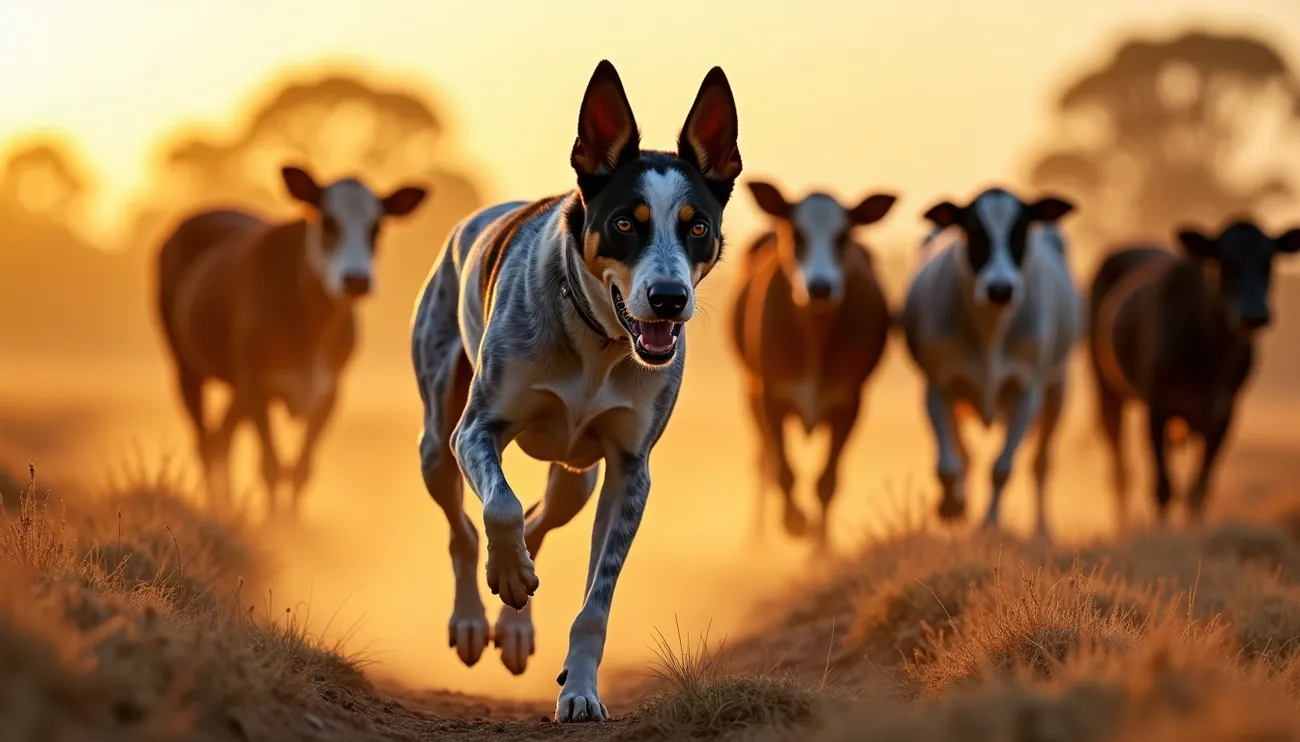 The Australian Cattle Dog emerged as one of the world’s most intelligent breeds after its development in Australia during the 1800s. These dogs excelled at herding cattle through rough terrain over long distances. A remarkable Australian Cattle Dog named Bluey made history by becoming the longest-living dog that ever spread, reaching an incredible age of 29 years and five months.
These hardy dogs have a medium build, reaching heights of 17-20 inches (43-51 cm). Their weight typically falls between 35-50 pounds (16-23 kg). Most Australian Cattle Dogs live 12 to 16 years, and their exceptional temperament makes them valuable working partners. Their natural strength, speed, and powerful work instinct drive them to stay active. They need one to two hours of daily exercise to remain happy and healthy.
The American Kennel Club officially recognized these remarkable dogs in 1980. Australian Cattle Dogs serve dual roles as dedicated working dogs and protective companions. Future owners should understand their distinct physical traits, health considerations, and training needs to provide the best care possible.
Physical Characteristics of the Australian Cattle Dog

Image Source: Wikipedia, the free encyclopedia
Australian Cattle Dogs have an athletic build that matches their working nature perfectly. These dogs pack strength and agility into a compact frame that helps them excel at herding. Their muscular build and balanced proportions make them incredibly efficient movers.
Size and weight range
Australian Cattle Dogs fit squarely in the medium-sized dog category. Males reach 46-51 cm (18-20 inches) at the shoulder. Females are a bit smaller at 43-48 cm (17-19 inches). This height variation between males and females stays consistent with breed standards.
The weight follows a similar pattern. Male dogs typically weigh 20-30 kg (44-66 pounds), while females range from 15-22 kg (33-49 pounds). Some experts suggest a more modest range of 16-23 kg (35-50 pounds) overall. These dogs maintain a sturdy, muscular look without appearing heavy.
Their body structure supports their work ethic with strong necks, powerful hindquarters, and an endurance-built frame. The dog’s physique shows smooth curves throughout – perfect for quick sprints and long workdays.
Coat types and colors
These dogs sport a practical, weather-resistant double coat that’s easy to maintain. A short, smooth, dense undercoat pairs with a hard, straight outer layer that guards against harsh weather. The coat needs just weekly brushing, though twice yearly shedding seasons demand more grooming attention.
The breed comes in two distinctive color varieties:
- Blue: Black and white hairs mix to create a blue-gray appearance. The black base coat gets speckled with white hairs, producing various gray shades that give the “blue” look.
- Red: Known as “red speckle,” this variety shows white hairs mixed through red ones. The base coat matches an Australian dingo’s reddish-brown color, with white hairs scattered throughout.
These dogs start life with mostly white coats. Their signature colors develop as they grow, though birth markings hint at their adult appearance. This color transformation adds an interesting chapter to the breed’s story.
Distinctive markings like the Bentley Mark
Australian Cattle Dogs sport several unique markings. The “Bentley Mark” or “Bentley Star” stands out – a white forehead spot that varies in shape and size. Tom Bentley, who bred specifically for this trait, gave this marking its name.
Blue varieties often show solid black patches on their face, sometimes covering one or both eyes. These patches help create their distinctive look.
Red heelers display red markings around their eyes or ears. Both colors might show tan markings on their legs, chest, throat, and face. Some dogs sport “ringed tails” (nicknamed “raccoon tails”), which breed standards accept just like solid-colored tails.
Today’s urban Australian Cattle Dogs look more refined with finer heads, gentle stops between their eyes, and delicate muzzles. Rural Australian dogs still match their nineteenth-century ancestors with sturdier frames, thicker bones, boxier heads, and stronger jaws.
These physical traits create a uniquely functional and striking dog that truly stands out among working breeds.
Temperament and Personality Traits
The Australian Cattle Dog is the perfect mix of working dog traits that make it an outstanding herder and loyal companion. These dogs were bred to control cattle in Australia’s vast territories, which has shaped their unique personality in ways that set them apart from other breeds.
Loyalty and protectiveness
Australian Cattle Dogs build incredible bonds with their owners after trust develops, and they become deeply loyal companions who put their humans first. Their strong attachment means you’ll find them following you everywhere, eager to be part of whatever you’re doing. These dogs don’t wait for orders to protect their family and property—it comes naturally to them.
You won’t find a more reliable and trustworthy dog. A bonded Australian Cattle Dog stays close to its owner’s side, creating a connection that keeps the dog nearby most of the time. Their protective nature and smarts make them excellent watchdogs.
But their strong attachment has a downside—they don’t do well when left alone for long periods. These dogs need to be part of family activities and need meaningful work that feeds their drive for purpose.
Energy levels and alertness
Australian Cattle Dogs have incredible energy levels that seem endless to many owners. Their amazing stamina, which comes in part from their Dingo ancestors, means they need lots of daily exercise—quick walks or yard play won’t cut it. The breed ranks 10th in Stanley Coren’s intelligence ratings, showing both quick learning and independent thinking.
These dogs stay incredibly watchful, alert, and brave in every situation. Their sharp awareness, originally bred to spot subtle movements in cattle herds, now helps them keep a close eye on their surroundings. They’re not big barkers despite being protective and alert, though some will bark when guarding.
These dogs need both physical and mental challenges to stay balanced. Without enough stimulation, they’ll find their own outlets for their energy and smarts, which often leads to problem behaviors.
Behavior with children and strangers
Australian Cattle Dogs are naturally cautious around people they don’t know. This isn’t fear—they’re just sizing up unfamiliar folks. Early socialization is crucial to stop their wariness from turning into bad protective behaviors. Without enough exposure to different people, they might get too protective or even bite visitors.
These dogs have a complicated relationship with kids. They love children, but their herding instincts can cause problems. They’ll naturally nip at heels to control movement, and they’ll do this to running, squealing children too. While these nips won’t cause serious harm, they can hurt and scare young kids.
They might also step in if they see another child playing roughly with “their” child, which can lead to serious problems. Families with toddlers often struggle with this breed. You must always supervise interactions between these dogs and young children.
An experienced handler can work on the nipping behavior through training, but it might never go away completely—it’s just too deeply rooted in their herding instincts. Families with older kids who can help with training usually have better luck with these smart, energetic dogs. Their protective nature makes them devoted family members, even if they need lots of attention and work.
Behavioral Patterns and Instincts
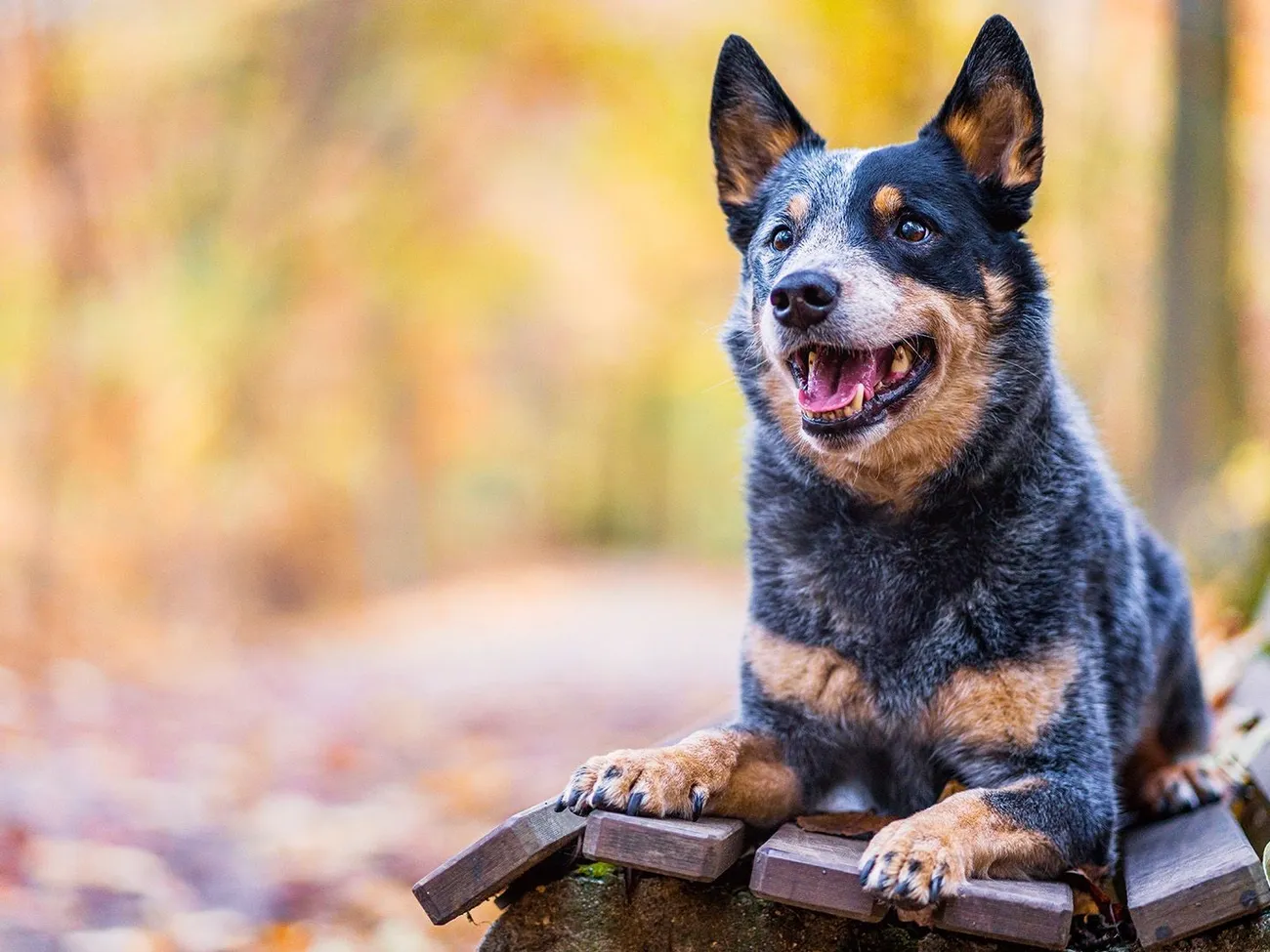
Image Source: PetsRadar
Australian Cattle Dogs have behavioral patterns that run deep in their genes. These patterns come from hundreds of years of selective breeding for specific work skills. Anyone thinking of getting one needs to understand how these smart dogs naturally behave.
Herding instincts and nipping behavior
The life-blood of Australian Cattle Dog behavior is their herding instinct. These dogs learned specific ways to move stubborn cattle over long distances. They naturally nip and bite at animals’ heels to control their movement. This isn’t aggression – it’s just how they work.
These dogs don’t limit their herding to livestock. They try to herd everything that moves – kids, other pets, neighbors, and even cars. This creates real issues for families because these dogs will nip at children’s heels when they run. The nips don’t usually cause serious harm, but they hurt and can scare young kids.
The biggest problem owners face is that you can’t completely train away herding behaviors. As one expert puts it, “Nipping and herding behaviors are highly instinctual for cattle dogs and this cannot be trained out of him”. Owners need to manage these behaviors by:
- Early redirection training using toys and treats
- Teaching “leave it” commands to interrupt herding behavior
- Providing ample exercise to reduce excess energy
- Identifying and minimizing triggers that prompt nipping
These dogs get frustrated and destructive without proper outlets for their instincts. They need lots of mental and physical challenges – ideally tasks that feel like real work – to satisfy their natural drive.
Tendency to bark or stay silent
These dogs were bred to be “silent workers“. Unlike other herding breeds that bark to move livestock, they mostly use nipping instead of their voice when working cattle. This makes them really valuable when quiet control matters.
Notwithstanding that, they do bark sometimes. They’ll speak up to warn their owners about danger or when they need attention. Their barking usually has a purpose rather than being random noise. You’ll hear them most when they spot strangers, get excited, or feel bored or anxious.
If an Australian Cattle Dog barks too much, something’s usually wrong. These dogs were bred to work, so excessive barking often means they’re frustrated or need more exercise and mental challenges. Dogs that grow up in noisy places tend to bark more. Understanding that barking signals a specific need helps fix the root cause.
Interaction with other pets
These dogs have complicated relationships with other animals. How they get along with other dogs depends by a lot on their socialization and personality. Many do fine with other household dogs, especially if they grow up together. But these independent dogs don’t naturally live in groups with other canines.
Having multiple dogs can lead to fights as Australian Cattle Dogs try to establish who’s boss. They’re assertive and dominant, which means they might challenge other strong-willed dogs. Early socialization is crucial to help them play nice with other dogs.
Cats present a special challenge. These dogs have strong prey drive plus herding instincts, which usually means they chase smaller animals. Some get along with cats, but others never stop wanting to chase them. To help an Australian Cattle Dog live with cats, you need careful management:
“Make certain that the cats always have a place to escape to from your dog… He needs to be crated or confined behind a baby gate when he is not under your direct and CONSTANT supervision for a significant time to come!”
Prevention works best – letting the dog chase cats even once creates a habit that gets harder to break. With patience and careful introductions, many Australian Cattle Dogs learn to live peacefully with cats.
Training and Socialization Needs
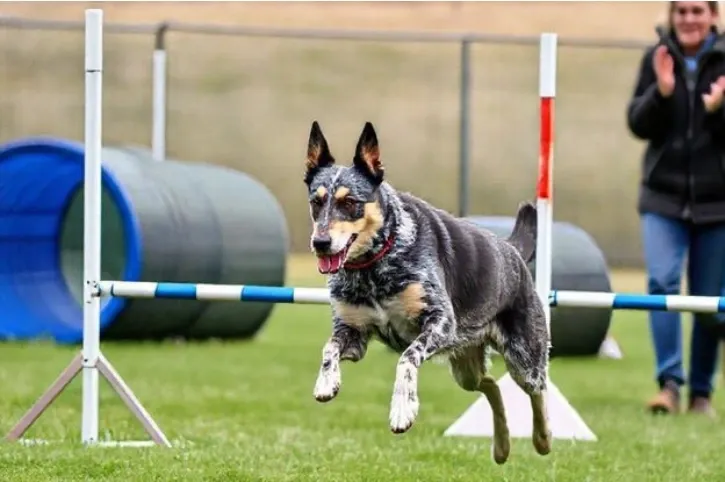
Image Source: – Vitalize Pet Health & Wellness Pet Health & Wellness
A solid training foundation helps create a well-adjusted Australian Cattle Dog. These dogs need an experienced handler who understands their unique needs because of their intelligence and strong-willed nature. Many trainers consider Australian Cattle Dogs “advanced-level dogs” due to their sharp minds and the training intensity they need.
Early socialization tips
The socialization window between 3-14 weeks of age is vital for Australian Cattle Dogs. This time shapes their emotional foundation and future behavior. Here’s how to maximize this developmental stage:
- Start structured socialization right away, ideally between 8-14 weeks of age
- Introduce your puppy step by step to different people, animals, environments, and experiences in controlled settings
- Give high-value treats and praise to build positive associations with new stimuli
- Watch body language for stress signs and adjust exposure
- Skip forced interactions that might increase reactivity
Teaching a “check-in” command helps Australian Cattle Dogs stay focused when distractions pop up. Setting up supervised playtime with well-behaved, vaccinated dogs gives them valuable social experiences. Counter-conditioning techniques work well for fearful puppies—linking triggers with rewards changes their emotional responses.
Obedience and agility training
Australian Cattle Dogs love training that challenges both mind and body. Traditional obedience sessions don’t work well because they get bored with repetitive exercises.
Start with simple commands in quiet spaces before adding challenges. Task-based training works better than long practice sessions—mix in scent games, puzzles, or practice obedience through movement exercises like figure-eights. Mental challenges cut unwanted behaviors by up to 40% in high-drive dogs like Australian Cattle Dogs.
These dogs shine in agility training thanks to their athletic ability and problem-solving skills. Make sure you have reliable off-leash obedience and a strong bond before starting agility. Begin with low jumps, short tunnels, and widely-spaced poles. Add difficulty as your dog masters each obstacle. Teaching contact points with marked spots and verbal commands like “touch” gets great results.
Common training challenges
What looks like “stubbornness” in Australian Cattle Dogs usually points to a reinforcement issue rather than defiance. These dogs weigh whether your command matters more than what interests them. Here’s how to handle this:
- Build engagement first through name recognition and “watch me” commands
- Mix up rewards—many cattle dogs prefer movement, toys, or play over food treats
- Start training in quiet spots before adding distractions
Clear rules make all the difference. Australian Cattle Dogs thrive on consistent guidelines and spot mixed signals quickly. Everyone in the family should follow the same rules to avoid confusion.
Their natural herding instinct creates another training challenge. You can’t eliminate this behavior completely, but impulse control exercises like “look,” “leave it,” and “sit-stay” help manage it. Give them herding balls instead of letting them chase people.
Skip punishment-based methods—they damage trust. Australian Cattle Dogs respond best to positive reinforcement. A quick timeout often works better than scolding for bad behavior, since these “Velcro dogs” love being near their owners.
Exercise and Activity Requirements
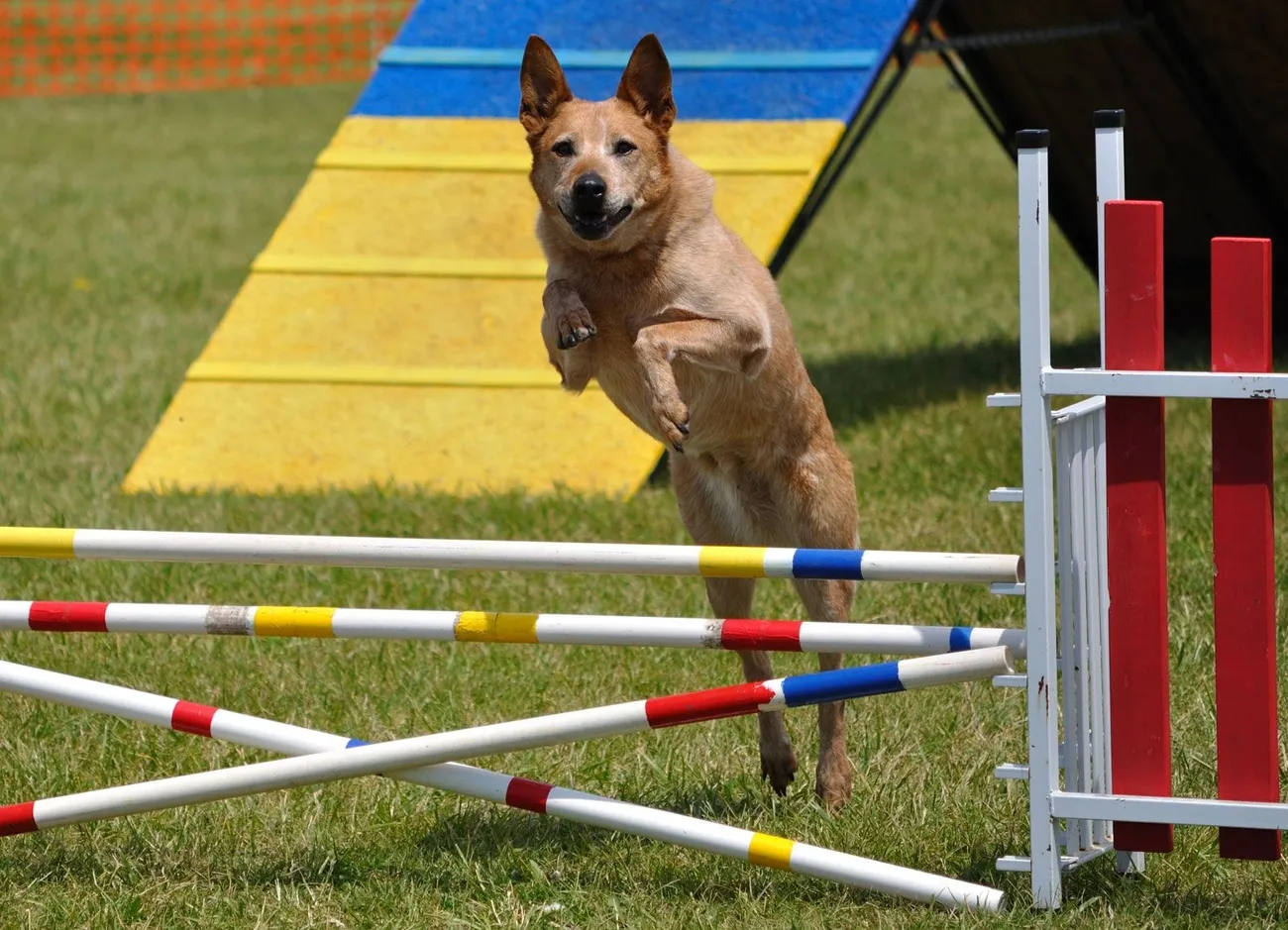
Image Source: Britannica
Australian Cattle Dogs need a lot of exercise, which can be both challenging and rewarding for their owners. These dogs have amazing energy levels that owners must channel properly to avoid behavior problems and keep them healthy.
Daily physical needs
Australian Cattle Dogs need at least 2 hours of exercise daily to stay physically and mentally healthy. They need more exercise than most other breeds because of their background as hardworking dogs. Exercise needs change as dogs grow:
- Puppies (up to 6 months): About 30 minutes of structured exercise split into several short sessions throughout the day
- Young adults (6 months to 2 years): 1 to 1.5 hours of activity daily
- Adults (2+ years): 1.5 to 2+ hours of vigorous exercise daily
Most owners don’t realize how much exercise these dogs need. Australian Cattle Dogs struggle with inactive lifestyles and cramped spaces. Research shows that not enough exercise can cause serious problems such as:
- Destructive behaviors like chewing furniture and digging
- Excessive barking and hyperactivity
- Weight gain and related health issues
- Escaping/running away from home
Quick daily walks won’t give these high-drive dogs enough stimulation. Owners must dedicate time for long, energetic exercise sessions to keep their Australian Cattle Dog balanced and well-behaved.
Mental stimulation and job-like tasks
Physical exercise isn’t enough – Australian Cattle Dogs need mental challenges too. Mental exercises can tire these dogs more than physical activity alone. These dogs were bred to work and make decisions, but most pets today don’t have the jobs they were meant to do.
Mental enrichment options include:
- Puzzle toys requiring problem-solving skills
- Obedience training with new commands and tricks
- Scent work and tracking activities
- Training with hand signals rather than verbal commands
Mental stimulation helps improve cognitive function, reduces stress, decreases hyperactivity, and strengthens the bond between dog and owner. These activities help stop destructive behaviors by channeling the dog’s intelligence and work drive into appropriate challenges.
Best activities for cattle dogs
Australian Cattle Dogs excel at activities that mix physical exercise with mental challenges. Here are the best activities for this breed:
Herding exercises: Treiball lets dogs practice herding by moving inflated balls to specific spots. Special ranches for herding dogs offer perfect venues for these activities.
High-impact sports: Agility training challenges both body and mind by testing reflexes and intelligence. Flyball combines relay racing, obstacle courses, and fetch for intense workouts.
Outdoor adventures: Nature trails give dogs new sights and smells while burning energy. Swimming provides great low-impact exercise for dogs who love water.
Daily cardio: Long sessions of running, jogging, frisbee, or fetch meet high exercise needs. Engaging walks should last at least 30-60 minutes.
Canine sports competitions: These dogs’ smarts and athletic skills make them perfect for competitive dog sports.
The best approach mixes different activities throughout the week. Switching activities prevents boredom and ensures complete physical and mental stimulation. Owners who meet these big exercise needs will have a balanced, happy, and well-adjusted Australian Cattle Dog.
Health and Lifespan Overview
Australian Cattle Dogs show their toughness through their amazing lifespan stats and overall health profile. These tough dogs live longer than many similar-sized breeds. They make great long-term companions for dedicated owners.
Average australian cattle dog lifespan
Australian Cattle Dogs have an impressive average lifespan of 12-16 years. They outlive most purebred dogs, which typically make it to 12.7 years. Many stay active and healthy into their teens. They often keep good sight, hearing, and dental health until their final days.
The breed holds a special place in canine longevity records. The Guinness Book of World Records lists an Australian Cattle Dog named Bluey as the oldest dog ever. Bluey lived an amazing 29 years and 5 months. Such extreme age is rare, but it shows the breed’s genetic potential to live long, healthy lives.
Common australian cattle dog health problems
Australian Cattle Dogs are healthy overall with few serious health issues. Future owners should know about some conditions that show up more often in these dogs:
- Deafness: About 10.8% of Australian Cattle Dogs are deaf in one or both ears. White patches in their coat and skin link to this condition through recessive piebald alleles.
- Progressive Retinal Atrophy (PRA): This inherited eye condition slowly damages the retina and leads to blindness. Dogs usually lose night vision first before complete blindness sets in.
- Hip Dysplasia: Hip dysplasia isn’t super common but happens enough that special screening exists. The hip and thigh bones don’t fit right, which can cause arthritis and pain.
Some other health issues include elbow dysplasia, urolithiasis (bladder stones), Von Willebrand disease (a bleeding disorder), and various skin problems.
Preventive care and vet checkups
Regular vet care keeps Australian Cattle Dogs healthy throughout their lives. Adult dogs usually need yearly check-ups. These visits include full physical exams, vaccine updates, and treatments that prevent parasites.
Dogs need different care schedules as they age. Puppies need more frequent check-ups in their first year. Senior dogs (8 years or older) should see the vet twice yearly. These extra visits help catch age-related problems early. Vets often run blood tests, check stool samples, and sometimes take diagnostic images.
Dogs with ongoing health issues need more frequent visits – usually every 3-6 months based on their condition. Regular preventive care and quick response to health issues help most Australian Cattle Dogs stay active throughout their long lives.
Breed History and Development
The rugged Australian outback needed a special kind of dog. This dog had to handle extreme conditions and herd wild cattle effectively. These requirements led to the creation of the Australian Cattle Dog.
Origins from Dingo and Collie crosses
British settlers in the early 1800s quickly learned their imported herding dogs couldn’t handle Australia’s unique challenges. European breeds lacked enough stamina and couldn’t adapt to the big, unfenced territories with wild cattle. Settlers started breeding experiments with the native Australian Dingo, which was the only dog in Australia before colonization.
Hall’s Heeler and Queensland Heeler lines
In 1825, Thomas Simpson Hall managed large cattle properties in New South Wales and crossed English drover’s curs with tamed Dingoes. He developed “Hall’s Heelers” by 1832, which combined the Dingo’s toughness with imported collies’ working instinct. George Elliott in Queensland ran similar experiments around 1840, crossing Dingoes with blue merle Collies. His dogs became known as “Queensland Heelers” and cattlemen loved them for their exceptional work.
Modern breed refinements
Two Sydney brothers, Jack and Harry Bagust, bought some of these dogs to boost the breed further. They added Dalmatian blood to create dogs loyal to both people and horses. Later, they mixed in Black and Tan Kelpie traits to make better herders.
Robert Kaleski started breeding these dogs in 1893. By 1903, he created the breed standard based on the Dingo type. The breed’s name changed several times – from Hall’s Heelers to Blue Heelers to Queensland Heelers – before becoming the Australian Cattle Dog. The AKC listed it as a Miscellaneous breed first, then ended up giving full recognition on May 1, 1980.
Breed Standards and Recognition
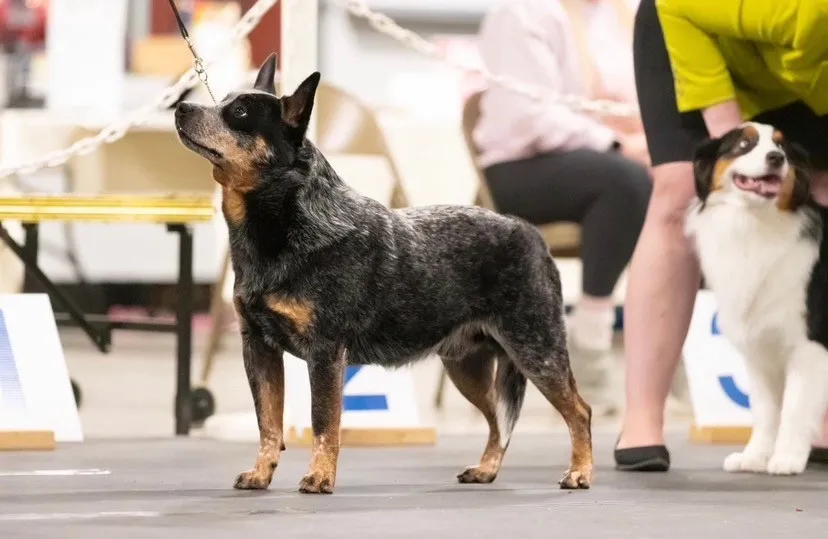
Image Source: Australian Cattle Dog Club of Canada
The Australian Cattle Dog’s journey to formal recognition took many years. The American Kennel Club finally accepted the breed in 1980. Years of careful breeding and refinement led to standardized criteria for shows and breeding programs.
Kennel club standards
The breed’s standards act as detailed blueprints for the ideal Australian Cattle Dog. These complete guidelines describe everything from physical features to temperament. The breed should have a compact, symmetrical build with hard muscles that show “great agility, strength and endurance”. The standards also highlight the dog’s alert nature, intelligence, and reliability – qualities that make it an excellent working companion.
Show dog vs working dog differences
The breed has evolved into two distinct types. Show dogs now tend to have finer heads, softer stops between their eyes, and more delicate muzzles. Working dogs make up about 40% of Australia’s population and have sturdier builds, thicker bones, boxier heads, and stronger jawlines. Many working dog trainers worry that show-bred dogs have become too short-legged and stocky to work effectively.
Australian cattle dog show eligibility
Australian Cattle Dogs compete in several show categories including puppy, junior, intermediate, open, and champion divisions. Dogs must have handlers who are paying members of kennel clubs to earn championship points. The breed’s shows often feature special events that showcase these remarkable herding dogs’ working heritage and physical abilities.
Conclusion
Australian Cattle Dogs are amazing companions for active individuals and families who want a smart, loyal partner. These medium-sized herding dogs combine physical strength, sharp minds, and steadfast dedication to their owners. Of course, their exceptional intelligence—ranking 10th in Stanley Coren’s assessment—helps them tackle complex tasks and solve problems on their own.
The breed brings both rewards and challenges to potential owners. Their unmatched loyalty and protective nature build strong bonds with family members. Their natural athleticism makes them perfect partners for hiking, running, and dog sports. In spite of that, these dogs won’t suit a laid-back lifestyle or novice dog owners because of their high energy, strong herding instincts, and need for physical and mental challenges.
People who want an Australian Cattle Dog should think over their ability to give these dogs plenty of exercise, training, and mental stimulation. These intelligent dogs will find destructive ways to keep themselves busy without proper outlets for their energy. Early socialization proves key to handling their cautious nature around strangers and reducing herding behaviors toward children and other pets.
The breed’s strong health profile and lifespan—typically 12-16 years—gives committed owners an active companion well into their senior years. Originally bred to control cattle in harsh Australian terrain, these versatile dogs now excel in competitive sports, therapy work, and as watchful family guardians.
Australian Cattle Dogs strike the perfect balance between working ability and companionship for the right owner. Their blend of physical stamina, problem-solving smarts, and fierce loyalty creates an unmatched partnership for those ready to meet their needs. These extraordinary dogs give a lifetime of devotion, protection, and partnership to owners who invest the time and energy this special breed deserves.
Key Takeaways
Understanding the Australian Cattle Dog’s unique characteristics helps potential owners make informed decisions about this exceptional but demanding breed.
• High exercise demands: Australian Cattle Dogs require 2+ hours of daily vigorous exercise and mental stimulation to prevent destructive behaviors and maintain optimal health.
• Strong herding instincts: These dogs will naturally nip at heels to control movement, including children and other pets—a behavior that can be managed but never completely eliminated.
• Exceptional loyalty with training needs: While fiercely devoted to their families, they require experienced handlers and early socialization to manage their protective nature and wariness of strangers.
• Impressive longevity: With proper care, these hardy dogs typically live 12-16 years, making them excellent long-term companions for active owners.
• Working dog mentality: Originally bred for demanding cattle work, they thrive when given job-like tasks and struggle in sedentary environments or with inexperienced owners.
This breed rewards committed, active owners with unmatched loyalty and partnership, but their substantial physical and mental needs make them unsuitable for casual pet ownership. Success with an Australian Cattle Dog requires understanding their working heritage and providing appropriate outlets for their intelligence and energy.
FAQs
Q1. What are the key personality traits of an Australian Cattle Dog? Australian Cattle Dogs are intelligent, energetic, and strong-willed. They are extremely loyal to their owners but can be wary of strangers. These dogs have a strong herding instinct and need plenty of physical and mental stimulation to stay happy and well-behaved.
Q2. How long do Australian Cattle Dogs typically live? Australian Cattle Dogs have an impressive average lifespan of 12 to 16 years. With proper care and nutrition, many can remain active and healthy well into their teens.
Q3. Are Australian Cattle Dogs suitable for first-time dog owners? Australian Cattle Dogs are generally not recommended for first-time dog owners. They require experienced handlers who can provide consistent training, ample exercise, and mental stimulation. Without proper guidance, their strong-willed nature and high energy levels can become challenging to manage.
Q4. How much exercise does an Australian Cattle Dog need daily? Australian Cattle Dogs require at least 2 hours of vigorous exercise daily. This should include both physical activities like running or hiking, and mental stimulation through training exercises or puzzle toys. Without adequate exercise, they may develop destructive behaviors.
Q5. Do Australian Cattle Dogs get along well with children and other pets? Australian Cattle Dogs can be good with children and other pets if properly socialized from a young age. However, their strong herding instincts may cause them to nip at running children or chase smaller animals. Close supervision is necessary, especially with young children, and early training is essential to manage these behaviors.