
Anatolian Shepherd Dog : Characteristics, Behavior, Temperament, Lifespan, Weight kg
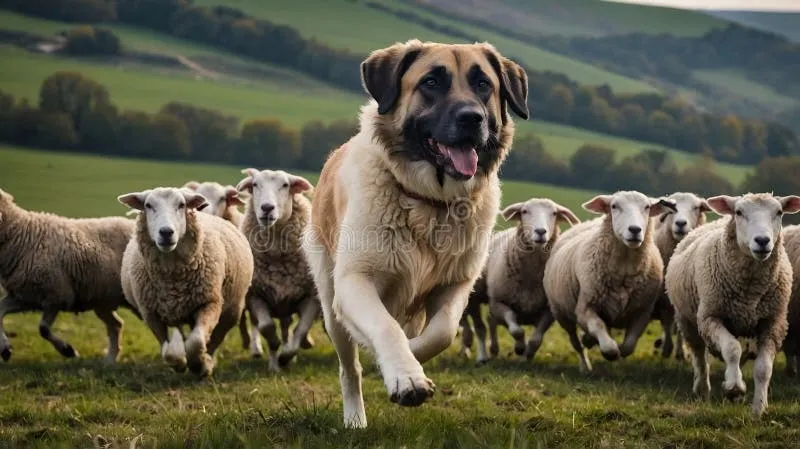 The Anatolian shepherd is one of the most impressive guardian breeds you’ll find. Males weigh between 110-150 pounds while females range from 80-120 pounds. These powerful dogs have adapted perfectly to protect livestock in their native Turkey. Their size and color help them blend seamlessly with the flocks they guard.
These dogs evolved as trusted companions to shepherds and now showcase an amazing combination of fierce loyalty and natural protective instincts. A male’s shoulder height reaches 29 inches, and females stand around 27 inches[-4]. These strong dogs live 11-13 years, which is remarkable for such a giant breed. Since their arrival in the United States in the 1950s, the breed’s intimidating presence and protective nature have made them valued working dogs. This piece covers essential information for future owners about this exceptional breed, from physical traits to specific care needs.
Origin and History of the Anatolian Shepherd
Origin and History of the Anatolian Shepherd
From ancient Turkey to modern farms
The Anatolian shepherd dog comes from the ancient lands of Anatolia (modern-day Turkey) and has one of the oldest domestic canine bloodlines in the world. These majestic guardians have been around more than 6,000 years. Their ancestors might even date back to the Bronze Age. Ancient Babylonian artifacts from around 2000 B.C. show dogs that look just like today’s Anatolian shepherds, with their big frames and powerful builds.
Turkey’s location between Europe and Asia shaped this breed by a lot. The country’s tough climate pushed these dogs to become incredibly tough. Summer temperatures hit 120°F while winters drop to -50°F. The Anatolian plateau makes up 97% of today’s Turkey. Its high mountain ranges and wide plains offer little shelter, which made the breed even tougher.
These dogs come from a mix of mastiff-type dogs from the Himalayas and sighthounds from Mesopotamia. This unique blend created a guardian with both intimidating strength and amazing agility. Over thousands of years, these dogs grew alongside nomadic shepherds who moved across big territories with their livestock. They adapted to different environments but kept their protective nature.
Role as a livestock guardian
The Anatolian shepherd became a guardian rather than a herding dog. Turkish people call them “Çoban köpegi” (pronounced “Cho-bawn Ko-pey”), which means “shepherd’s dog”. Their main goal was to live with the flocks and protect them from tough predators like wolves, bears, and the now-extinct Caspian Tiger.
Turkish shepherds valued these dogs deeply. Stories tell us that if someone killed an Anatolian shepherd, they had to pay the owner with grain piled as high as the dog’s length from tail to ground. This protection meant everything in a culture where flock size showed a man’s wealth.
These dogs grew more independent over the centuries. They lived with livestock and needed little direction from humans. The Anatolian stayed with their animals day and night. They slept in thick winter snow and walked miles through summer heat and dust. Their protective instincts were so strong that even when hungry, they would never hurt the sheep or goats they protected.
Recognition by global kennel clubs
The Anatolian shepherd stayed unknown outside Turkey until the mid-20th century. Their trip to other countries started in an unusual way. In the late 1930s, a Turkish diplomat sent a pair to the U.S. Department of Agriculture’s “Sheepdog Project”. World War II disrupted these original plans, and the dogs spread across the country.
Americans really started breeding these dogs in the 1950s when military servicemen brought them home from Turkey. The first real breeding program in the United States began after Lieutenant Robert Ballard brought back a breeding pair from 1966-1968. The first American-bred litter arrived on August 16, 1970. This matched perfectly with the creation of the National Breed Club—the Anatolian Shepherd Dog Club of America.
The breed became more popular after the Endangered Species Act passed in 1973. Farmers just needed livestock guardians that could scare away predators without killing protected species. The American Kennel Club officially recognized the Anatolian shepherd on June 12, 1995. The breed started competing in the Miscellaneous Class on June 1, 1996. They got full AKC recognition on August 12, 1998, and joined the Working Group on June 1, 1999.
The United Kennel Club also recognized the breed on January 1, 1993, along with other global kennel organizations. These dogs still do their ancient work of guarding livestock worldwide. You’ll find them on American ranches and even in African conservation projects where they protect endangered cheetahs in Namibia.
Physical Characteristics and Appearance
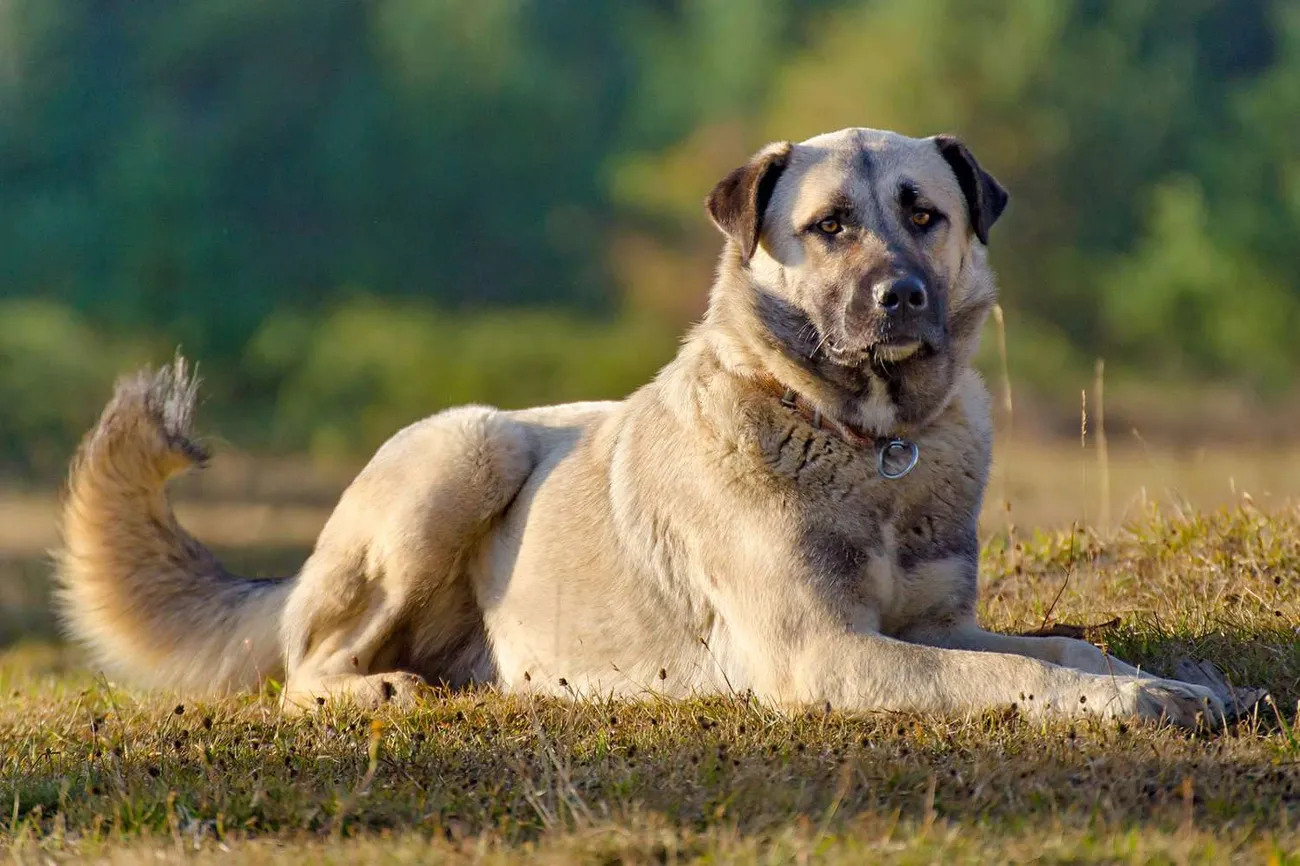
Image Source: Daily Paws
Physical Characteristics and Appearance
The Anatolian shepherd dog’s impressive stature and rugged build reflect its ancient heritage as a livestock guardian. These dogs command respect just by their presence, thanks to their powerful physique and alert nature.
Anatolian shepherd size and height
These dogs rank among the largest breeds you’ll find. Males stand at least 29 inches at the shoulder, while females reach a minimum of 27 inches. Some breed standards allow even bigger dogs – males up to 32 inches and females up to 31 inches in height. Their size helps them protect flocks by deterring predators.
You’ll notice their muscular frame matches their height to create a truly impressive dog. The breed’s V-shaped ears naturally hang down, though Turkish breeders often cropped them short. Their watchful intelligence shines through almond-shaped eyes that range from dark brown to light amber.
Weight range in kg and lbs
Male Anatolians tip the scales at 110-150 pounds (50-68 kg), which is much more than females who weigh 80-120 pounds (36-54 kg). The size difference between males and females stands out clearly in this breed.
The Royal Kennel Club sets specific standards: mature males should weigh 50-64 kg (110-141 lbs), and females should be between 41-59 kg (90-130 lbs). This combination of weight and height creates a guardian that can handle threats to livestock effectively.
Coat types and colors
You might see two different coat types in the same litter of Anatolian shepherds. The short coat reaches about 1 inch in length and can be a single coat. The rough coat grows to about 4 inches and has two layers. Both types come with a thick undercoat that shields these dogs from harsh weather.
The breed standard welcomes all colors. Here are the common ones:
- Fawn (the classic coloration)
- Blue fawn
- Gray fawn
- Red fawn
- Liver
- White
- Biscuit & white
- Brindle
Fawn with a black mask remains the most recognizable combination, though it’s just one option. FidoTabby Alert’s database shows that brown coats appear in about 67% of Anatolian shepherds.
Brindle and mask patterns
Brindle patterns have become more common in these dogs over time. This striping pattern shares the dominant black K locus with fawn coloration. The brindle gene (kbr) dominates over fawn (ky), which explains why we see more brindle coats now.
The pattern varies widely – from bold, dark stripes that look almost black to subtle, light stripes that blend with the base coat. Brindle Anatolians first appeared in the United States during the 1980s and still roam Turkey today.
Masks add another distinctive feature, usually in black or brown, though silver masks also exist. These masks range from subtle to dark and sometimes extend to create shading on the chest, toes, or tail. The breed standard accepts several marking patterns:
- Black mask
- Brown mask
- Dutch markings
- Pinto
- Pinto with black mask
- Silver mask
While most colors work for this breed, some standards specifically reject merle coloration. This rule helps preserve the breed’s traditional look while allowing natural color variations.
Temperament and Personality Traits
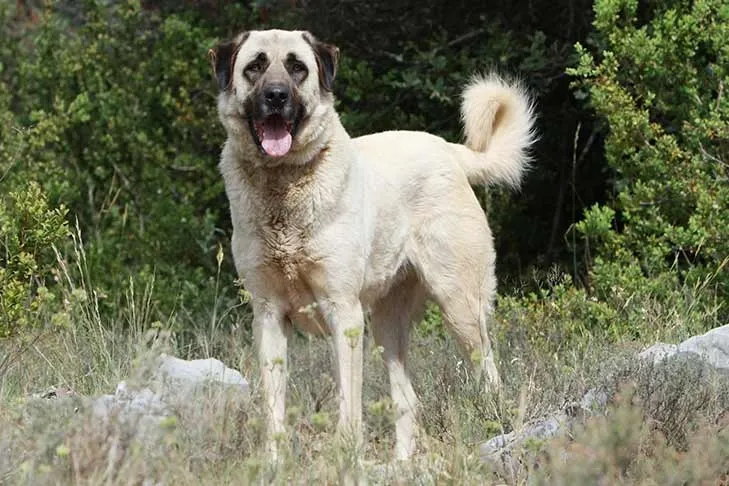
Image Source: American Kennel Club
Temperament and Personality Traits
Centuries of independent guardian work have shaped the Anatolian shepherd’s complex temperament that blends alertness with loyalty. These dogs have a unique personality profile that reflects their ancient role as autonomous protectors of livestock against dangerous predators.
Loyalty and independence
Independence defines the Anatolian shepherd’s temperament. Unlike breeds that need constant human direction, these dogs evolved to think and act on their own. This self-reliance helped them protect flocks and make quick decisions without waiting for commands. So, what might look like stubbornness is actually a vital trait tied to their historical purpose.
All the same, these dogs show remarkable loyalty beneath their independent exterior. An Anatolian shepherd forms unbreakable bonds with anyone they see as part of their “flock,” showing steadfast dedication. Their loyalty looks different from more demonstrative breeds – they show attachment through protective behaviors and watchful presence rather than seeking cuddles. While not typically affectionate or “cuddly” by nature, their commitment to family never wavers.
The breed’s independent thinking can challenge unprepared owners. Anatolian shepherds need consistency and clear leadership. They respond best to owners who respect their need for autonomy while providing firm guidance.
Protective instincts
Protective instincts are the life-blood of an Anatolian shepherd’s temperament. These dogs have natural territorial drive and exceptional guarding instincts that develop without specific training. They show their protective nature by staying alert, positioning themselves between threats and family, and barking to signal danger.
Anatolian shepherds treat their human family as the “flock” they must protect. This protective instinct covers other household pets too, which they guard just as devotedly. Their calm, watchful nature can move into decisive action if they see a threat.
Key protective traits include:
- Natural territorial behavior that doesn’t need training
- Instinctive positioning between threats and family
- Alert barking to signal potential dangers
- Calm watchfulness that changes to protective action faster
- Protection extends to all household members, including pets
Interaction with family and strangers
Anatolian shepherds show gentle patience and calm devotion to family members. They build especially strong bonds with children and show remarkable tolerance for roughhousing while staying protective. Many owners say these dogs will alert parents when children seem distressed.
These dogs usually stay reserved and wary around strangers – a trait linked to their protective nature. Early and thorough socialization becomes critical. Their natural caution might develop into problematic aggression without proper exposure to different people and situations during puppyhood.
The breed’s interaction style comes from their ancient heritage – they stay calm and quiet until they spot a threat, then respond with impressive determination. They don’t show hostility to strangers but rather take time to assess them. Well-socialized dogs learn to tell real threats from normal visitors.
The Anatolian shepherd’s temperament combines independence, loyalty, and protective instincts in perfect balance. These dogs don’t seek attention from everyone they meet. Instead, they offer deep dedication to their families while keeping the alertness that has defined their breed for thousands of years. For experienced owners who understand these traits, the Anatolian shepherd offers unique protection and companionship.
Behavioral Patterns and Socialization
Behavioral Patterns and Socialization
Anatolian shepherds show unique behavioral patterns that reflect their thousands of years of specialized breeding. Owners need to understand these behaviors to build a harmonious relationship with these powerful guardians.
Natural guarding behavior
Anatolian shepherds guard differently from many other protective breeds. These dogs work with remarkable independence because their breeding allows them to make split-second decisions without human input. They stay alert to their surroundings while looking outwardly calm and subdued.
These dogs follow a specific sequence when they spot a potential threat. They first place themselves between the danger and their family or livestock. This positioning comes naturally – they don’t need special training for it. The dogs will step up their response if the threat continues, moving from alert barking to more assertive body language.
Anatolian shepherds stand out because they know how to recognize real threats. They don’t just react to everything around them. Instead, they take time to assess each situation. Well-raised Anatolians can tell the difference between actual dangers and normal activities while staying alert.
Barking tendencies
These dogs use their voices as a key tool in their protective toolkit. Their barking has a purpose – they alert owners to possible threats and warn off intruders. This useful barking is different from the nervous or excessive barking seen in other breeds.
All the same, their alert barking can get quite loud. Anatolian shepherds learned to use their powerful voices to scare away predators, even from far away. This trait can be challenging in residential areas, especially with nearby neighbors or apartment living.
Owners should never ignore or brush off excessive barking as just “what the breed does.” This behavior can get worse over time and create problems for everyone in the house. The good news? Starting training early can help manage these vocal habits without affecting the dog’s protective nature.
Importance of early socialization
Early, thorough socialization plays a vital role in raising an Anatolian shepherd. Puppies learn best between 3-16 weeks of age – this period shapes how well they’ll handle new experiences. Good exposure during these weeks helps create an adult dog that knows the difference between threats and normal situations.
Anatolian shepherds might see everything new as dangerous without proper socialization. Their size and protective nature can lead to serious problems. Puppies need exposure to:
- People of all ages, looks, and behaviors
- Different places, walking surfaces, and situations
- Other animals inside and outside the home
- Many types of sounds, sights, and experiences
The aim isn’t to remove their protective instincts. Rather, we want dogs that can accurately judge situations. Well-socialized Anatolians stay watchful but react properly to non-threatening situations.
Families with children should teach both the dog and kids how to interact safely. Even the most social Anatolians need watching around small children because of their size and protective nature.
Socialization shouldn’t stop after the puppy stage. Regular positive experiences through the teenage months help reinforce good behavior as the dog grows into their full protective role around 18-24 months old.
Training Challenges and Tips
Training an Anatolian Shepherd comes with unique challenges that are quite different from other domestic dog breeds. These dogs have an ancient history as independent guardians, which makes them think for themselves before they listen to humans. Their unique mindset means handlers must use specialized approaches.
Why they need experienced owners
Anatolian Shepherds are known to think independently because breeders developed them to make decisions without human direction. This self-reliance helps them protect livestock but creates major training challenges for unprepared owners. These dogs review commands and choose whether to follow based on their own assessment. Unlike dogs that are happy to please their owners, Anatolians work independently, which makes them a poor choice for new dog handlers.
New owners often mistake this independence for defiance. These dogs grow incredibly fast—reaching 60 pounds by just 4 months and typically hitting 100 pounds within their first year. Their rapid growth creates a mismatch between physical and mental development that only experienced handlers can manage properly.
Positive reinforcement techniques
Successful training of an Anatolian Shepherd relies on positive reinforcement. These powerful dogs don’t respond well to harsh corrections or punishment, which can break their trust and create unsafe situations. Here are effective training approaches:
- Food rewards: High-value treats that motivate participation in training sessions
- Verbal praise: Simple words of encouragement with petting
- Short sessions: Brief, engaging training periods that keep their interest
- Patience: Let them take their characteristic “Anatolian pause” to process commands
- Consistency: Use similar commands and gestures each time
Trainers should present commands as suggestions rather than requirements, which lets these independent dogs feel they have choices. Results may take longer compared to more obedient breeds, but consistent positive reinforcement leads to success with Anatolian Shepherds.
Common training mistakes to avoid
Harsh methods or physical corrections cause the most damage when training Anatolian Shepherds. These approaches promote distrust and might trigger their protective instincts against the handler. Physical punishment teaches them that violence within the family unit is acceptable.
Giving too much freedom too soon is another serious mistake. Young Anatolians must have careful supervision. Their privileges should expand only as they show reliability. Despite their size, these dogs stay mentally immature well into their second year and still need guidance and boundaries.
Here are other common mistakes:
- Expecting quick obedience without patience
- Rules and boundaries that keep changing
- Missing key socialization with people and animals
- Starting protection training (it’s unnecessary and risky)
- Not teaching car comfort and leash manners early
Many owners have unrealistic expectations about obedience. Unlike retrievers or shepherds that wait for commands, Anatolians were bred to work without human guidance. Success comes from understanding that these dogs think through commands rather than following them blindly.
Owners who adapt their expectations and methods to match this breed’s unique psychology will find that Anatolian Shepherds become reliable companions. They maintain their protective instincts while learning basic obedience, even if they stay independent.
Exercise and Activity Requirements
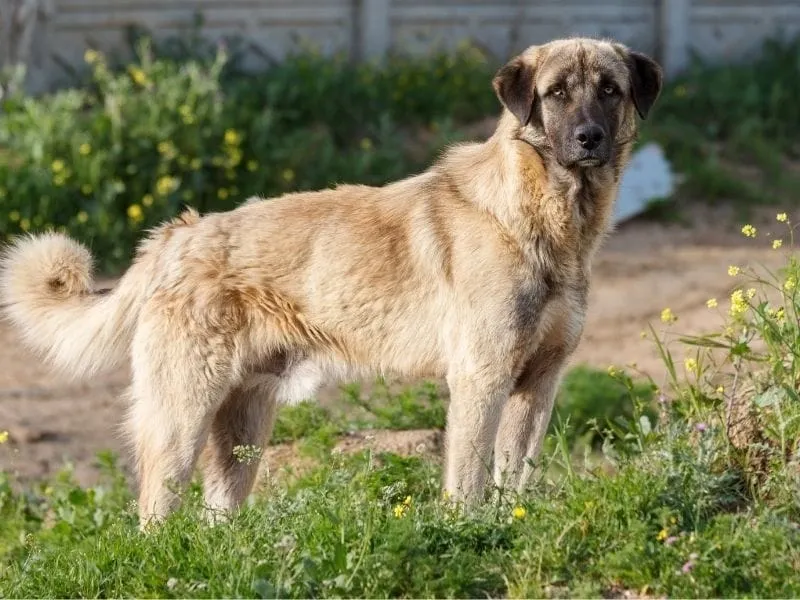
Image Source: BorrowMyDoggy
Exercise and Activity Requirements
Anatolian shepherds need a different approach to exercise than high-energy working breeds. These dogs thrive on balanced daily activity that combines physical movement with mental challenges to stay healthy and avoid destructive behavior.
Daily physical needs
Research shows Anatolian shepherds need between 1.5 to 2 hours of exercise daily. The best approach splits this into two sessions. These powerful guardians don’t need intense workouts. Two 30-minute walks plus some yard time works well for most Anatolians.
Adult Anatolians do best with walking as their main exercise, plus some short play sessions. Owners say these dogs “walk like old men and run like greyhounds”. This unique trait shows how they can move slowly but burst into surprising speed. Their size and protective instincts mean they should only be off-leash in secure, private areas.
These dogs carry their guardian heritage in their exercise style. They often decide how active they want to be. A resting Anatolian stays mentally alert and watches everything around them. This makes them very different from herding or sporting breeds that need constant activity.
Mental stimulation and enrichment
Anatolian shepherds’ brains just need as much exercise as their bodies. Mental challenges help prevent destructive behavior from boredom. A good brain workout can tire them out just as much as physical exercise.
Some great ways to keep their minds busy include:
- Puzzle toys and special food bowls that make them think while they eat
- Training that focuses on solving problems instead of basic commands
- Games that use their natural tracking skills
- Exploring new places with different sights and smells
Adding training to daily walks works better than just walking longer. This approach takes care of both their physical exercise and mental needs at the same time.
Fun activities for Anatolian shepherds
These dogs were bred as guardians, not retrievers or herders. They enjoy activities that match their natural instincts and body type. Swimming helps build muscle and heart strength without putting stress on their joints. Joint health matters a lot for these big dogs.
Hide-and-seek games are perfect for Anatolians of any age. This activity challenges their mind and builds a stronger bond with their owner – something very important for this independent breed.
Rally sports give these dogs another great option. These activities focus on teamwork and listening skills without the joint stress of regular agility training. The best activities for Anatolian shepherds mix physical movement with mental work while respecting their independent nature.
Puppies need special care with exercise. They shouldn’t do full adult exercise until about 18 months old, when their bones are fully grown. Young Anatolians need gentle activities that challenge their developing minds without putting stress on their growing joints.
Health Issues and Lifespan
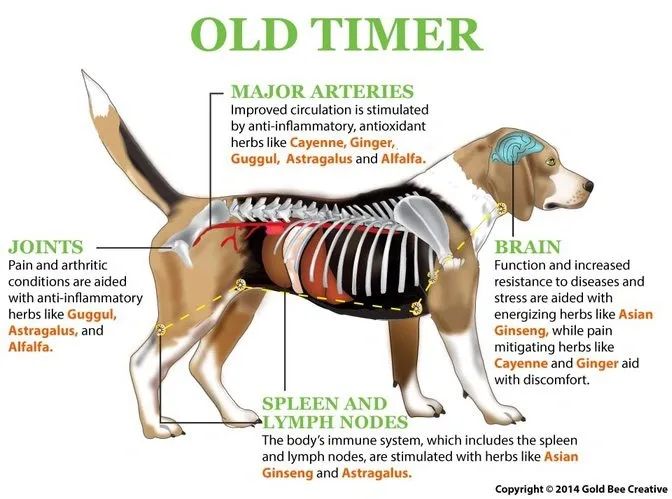
Image Source: Pet health blog
Health Issues and Lifespan
Anatolian shepherds are remarkably tough for their size, but they face several health concerns that future owners should know about. Most of these conditions can be managed well with good care and regular vet checkups.
Common conditions: hip dysplasia, entropion, GDV
Hip dysplasia is a genetic condition that affects hip joint development. The ball and socket don’t fit together properly, which causes painful grinding. Anatolians have fewer cases of hip dysplasia than other dogs their size. Dogs with this condition show less mobility, struggle to get up, and move with a distinctive “bunny-hopping” gait. Owners can help by managing weight, choosing appropriate exercise, and using joint supplements. Severe cases might need surgery.
These dogs can develop entropion, where their eyelid rolls inward and their eyelashes rub against the cornea. This painful issue can cause corneal ulcers, infections, and even lead to blindness without treatment. Early surgical correction usually fixes the problem for good.
Gastric Dilatation-Volvulus (GDV), or bloat, is a life-threatening emergency where a dog’s stomach fills with gas and twists. Watch for these warning signs:
- Distended abdomen
- Unproductive retching
- Restlessness and discomfort
- Prayer position (front feet down, rear end up)
Dogs can die within 30 minutes without emergency care. Owners can prevent GDV by using slow feeders, avoiding exercise near meal times, and offering smaller, more frequent meals.
Anesthesia sensitivity
Anatolian shepherds process drugs more slowly than other breeds, which means they take longer to recover from anesthesia or sedation. Vets need to know this before any procedure with general anesthesia. Make sure to tell your vet about this breed trait, especially at clinics that don’t often treat Anatolians.
Anatolian shepherd lifespan and aging care
These dogs live 11-13 years on average – quite long for a giant breed. Some might even reach 12-15 years with proper care. Their long life expectancy comes from having fewer age-related diseases than other large breeds.
Older Anatolians should see the vet twice yearly to check their mobility, vision, and other age-related changes. Good joint support becomes vital as they age. The right bedding and controlled exercise help maintain their quality of life. Weight management stays important throughout their lives but becomes crucial in their senior years to protect aging joints.
Regular preventive care, including routine shots and health screenings, helps catch problems early. This approach helps these impressive guardians live longer, healthier lives.
Anatolian Shepherd vs Kangal Dog
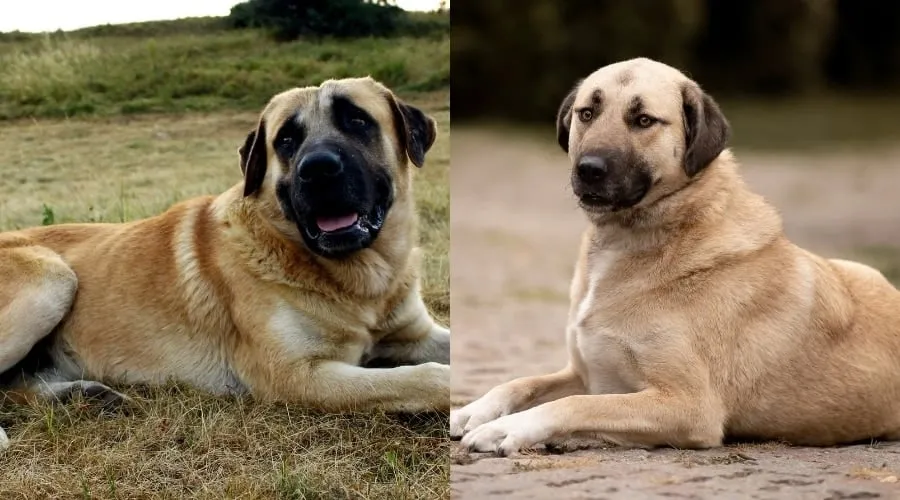
Image Source: Canine Journal
The debate between Anatolian shepherd vs Kangal dog focuses on subtle yet meaningful differences between these two Turkish guardian breeds. Dog owners can choose the right breed by understanding what sets them apart.
Key physical differences
Kangals are taller, with males reaching 30-32 inches while Anatolian shepherds measure 27-29 inches. Their colors show a clear difference – Kangals have a pale yellow to light tan coat with a black mask. Anatolian shepherds come in more varieties including fawn, brindle, white, and pinto. Kangal dogs have larger, more blocky heads and smaller ears. Anatolians feature narrower heads with larger triangular ears. The Kangal’s body is more compact and athletic, unlike the Anatolian’s rectangular shape.
Temperament comparison
Anatolian shepherds are known to be more independent and self-reliant. They take a more reserved and thoughtful approach to situations. Kangals build stronger family bonds and show more affection toward their owners. Both breeds fiercely protect their territory, but Kangals have stronger territorial instincts. Their responsive nature makes Kangals easier to train, even with their independent streak.
Anatolian shepherd vs kangal: who would win?
A matchup between these breeds would likely favor the Kangal. These dogs can reach speeds of 30 mph and have superior athletic ability. The Kangal’s deeper commitment during confrontations could give them an advantage in direct competition.
Conclusion
The Anatolian Shepherd ranks among the world’s most impressive guardian breeds. Their heritage spans thousands of years and has shaped a dog with remarkable protective instincts, independence, and loyalty. These majestic guardians blend their commanding physical presence with intelligent judgment to protect both livestock and families.
These magnificent dogs excel at guarding, but they need owners who understand and respect their independent spirit. Their tendency to review commands rather than follow them instantly can challenge first-time dog owners. A well-adjusted Anatolian Shepherd needs consistent positive reinforcement training, early socialization, and clear boundaries.
These powerful protectors enjoy a longer life compared to other giant breeds. Their 11-13 year lifespan and fewer health issues than similar-sized dogs make them excellent long-term companions for the right family. These guardian dogs thrive with proper veterinary care, exercise, and mental stimulation.
Dog enthusiasts continue to debate the difference between Anatolian Shepherds and Kangal dogs. Whatever classification someone prefers, both breeds display remarkable traits developed through centuries of guardian work in Turkey’s harsh landscape. Their adaptability, resilience, and protective instincts show evidence of their ancient heritage.
Anatolian Shepherds need experienced owners with enough space who understand their unique requirements. These dignified guardians offer unmatched protection, loyalty, and companionship when raised and managed properly. Their ancient wisdom and protective instincts serve humans faithfully today, just as they have for thousands of years in the Anatolian plateau.
Key Takeaways
Understanding the Anatolian Shepherd’s unique characteristics helps potential owners make informed decisions about this ancient guardian breed.
• Ancient guardian heritage: Anatolian Shepherds are 6,000-year-old Turkish livestock guardians bred for independence and protective instincts, not obedience.
• Massive size requires experience: Males weigh 110-150 pounds and stand 29+ inches tall, demanding experienced owners who understand their autonomous nature.
• Early socialization is critical: Without proper exposure between 3-16 weeks, their protective instincts can become problematic due to their size and strength.
• Moderate exercise, high mental stimulation: These dogs need 1.5-2 hours daily exercise but require substantial mental challenges to prevent destructive behaviors.
• Impressive longevity for giant breed: With proper care, they live 11-13 years—remarkably long for dogs their size—though they’re sensitive to anesthesia.
These magnificent guardians offer unmatched protection and loyalty but thrive only with knowledgeable owners who respect their independent spirit and provide consistent, positive training from puppyhood.
FAQs
Q1. What is the typical lifespan of an Anatolian Shepherd? Anatolian Shepherds generally live between 11 to 13 years, which is impressively long for a large breed dog. With proper care and regular veterinary check-ups, some may even reach 15 years of age.
Q2. How would you describe the temperament of an Anatolian Shepherd? Anatolian Shepherds are known for their independent, protective, and loyal nature. They are calm and patient with family members but can be wary of strangers. These dogs possess strong guarding instincts and are highly intelligent, often thinking and acting autonomously.
Q3. What are the exercise requirements for an Anatolian Shepherd? Anatolian Shepherds typically need about 1.5 to 2 hours of exercise daily. This can be split into two sessions and should include walks and some playtime. However, they don’t require intense physical workouts and often self-regulate their activity levels.
Q4. Are Anatolian Shepherds suitable for first-time dog owners? Anatolian Shepherds are generally not recommended for first-time dog owners. Their independent nature, size, and strong protective instincts require an experienced handler who understands the breed’s unique needs and can provide consistent training and socialization.
Q5. Do Anatolian Shepherds bark excessively? While Anatolian Shepherds aren’t known for excessive barking, they do have a loud, deep bark that they use purposefully. They typically bark to alert their owners to potential threats or unfamiliar situations. Proper training can help manage their barking tendencies.