
American Pit Bull Terrier : Characteristics, Behavior, Temperament, Lifespan, Weight kg
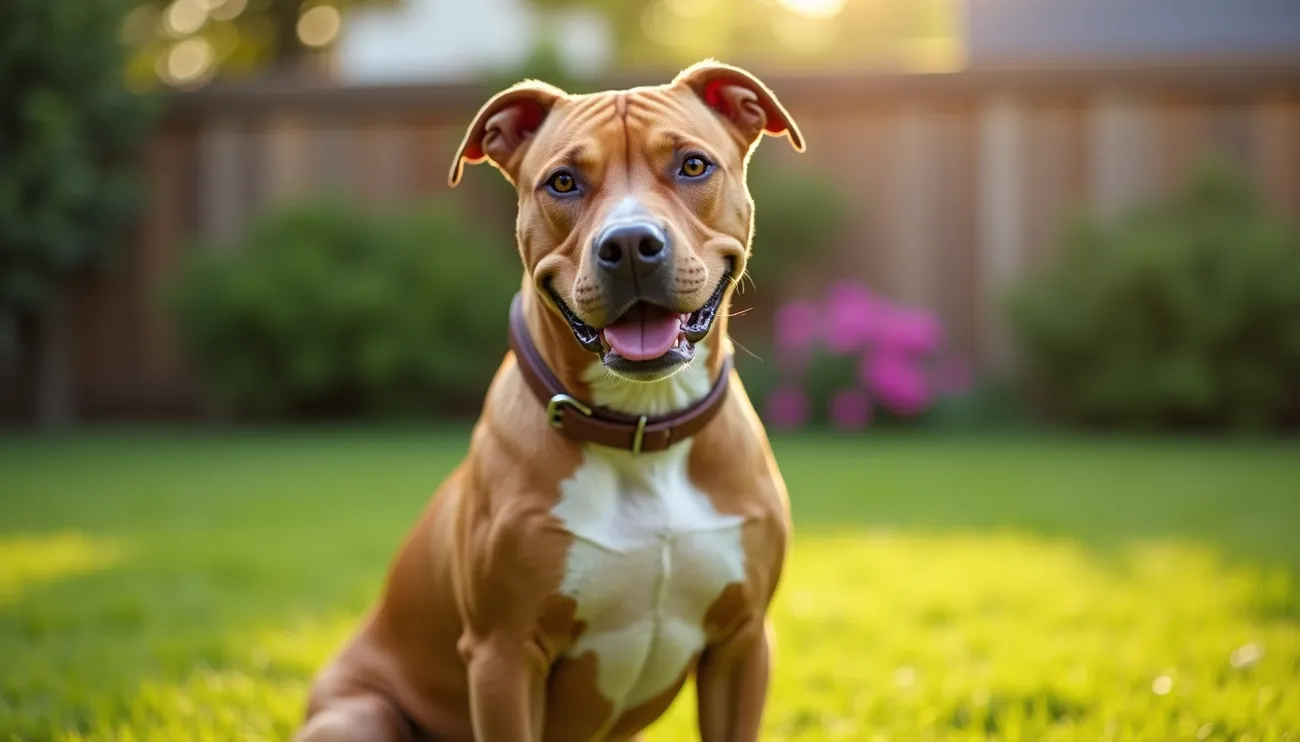
The United Kennel Club (UKC) and American Dog Breeders Association (ADBA) officially recognize the American Pit Bull Terrier, though the American Kennel Club (AKC) does not. These medium-sized dogs pack impressive physical traits. Males weigh between 35-60 pounds and stand 18-21 inches tall. Females stay slightly smaller at 30-50 pounds and reach 17-20 inches in height.
Many people might be surprised to learn that American Pit Bull Terriers live 12 to 14 years – longer than most dogs their size [-3]. These versatile dogs played many roles in early American history. They herded cattle and sheep, protected livestock and families, helped with hunting, and even caught wild hogs. The breed’s status became official when the UKC recognized it in 1898.
This detailed piece covers everything a Pit Bull owner or enthusiast needs to know. The sort of thing I love about this breed includes their origins, physical traits, true personality, behavior patterns, and training requirements. You’ll learn about their health needs and place in today’s world, as facts replace common myths about these misunderstood dogs.
The Origins and History of the American Pit Bull Terrier
“Humans have created very specialized dogs through emphasizing desired traits and eliminating unwanted ones. It is no different with the Pit Bull breed. The American Pit Bull Terrier has been ‘selectively’ bred for hundreds of years to fight other dogs.” — Tia Torres, Pit bull advocate and presenter of the TV show ‘Pit Bulls and Parolees’
The American Pit Bull Terrier’s story begins in early 19th-century England, Scotland, and Ireland, where breeders started mixing Bulldogs and Terriers. They wanted to create dogs that combined a terrier’s gameness with a bulldog’s strength and athleticism. The result was remarkable – dogs with incredible strength, unwavering courage, and gentle hearts for their loved ones.
From bull-baiting to family companion
The original American Pit Bull Terriers’ ancestors had a dark role in British blood sports, especially bull-baiting. People would set dogs against tethered bulls, bears, and other large game in this brutal entertainment. The struggling classes loved these events as they offered an escape from their harsh daily lives.
British Parliament changed everything in 1835 by passing the Cruelty to Animals Act, which banned these savage sports. People then turned to other forms of entertainment. They started with “ratting,” where dogs competed to kill rats in a pit (that’s where the “pit” in Pit Bull comes from). Later, the practice sadly shifted to the more hidden world of dogfighting.
Breeders had to change their priorities after bull-baiting ended. They moved away from larger, slower bulldogs and created more athletic dogs by mixing bulldogs with smaller, quicker terriers. These new “Bull and Terriers” became the first Pit Bull Terriers.
These dogs proved they were much more than fighting animals. They became invaluable working partners on farms and homesteads. Their skills included herding cattle, hunting, driving livestock, and protecting family property. People soon discovered their amazing loyalty and love for humans, especially children, which made them perfect family companions.
Arrival in the United States
Bull-and-terrier crosses reached American shores between 1845 and 1860 as people immigrated from the British Isles. Some records suggest they arrived around the mid-to-late 19th century.
America gave these dogs a chance to shine in many roles. While dogfighting sadly continued, they found better ways to serve throughout the developing nation. They became the perfect frontier dogs – herding cattle and sheep, protecting livestock and families from thieves and wild animals, helping with hunts, and catching semi-wild hogs.
These dogs’ intelligence, adaptability, and strong work ethic earned them the title “All American Dog”. After World War II, people started seeing American Pit Bull Terriers more as loving companions rather than working animals.
Recognition by kennel clubs
The United Kennel Club (UKC) officially recognized the breed as the American Pit Bull Terrier on February 10, 1898. The UKC’s story intertwines with this breed – its founder, Chauncey Z. Bennett, gave UKC registration number 1 to his own APBT, Bennett’s Ring.
The UKC briefly registered the breed as “American (Pit) Bull Terrier” in the early 20th century to help with public acceptance, but soon went back to the original name.
Breeders tried to get recognition from the American Kennel Club (AKC) throughout the early 1900s. The AKC turned them down because of the breed’s connection to dogfighting. The AKC took a different path in 1935 by recognizing similar dogs as “Staffordshire Terriers” (renamed “American Staffordshire Terriers” in 1972).
Today, the United Kennel Club and the American Dog Breeders Association (ADBA) recognize the breed. They work to encourage the positive traits of the American Pit Bull Terrier, including their loyalty, dedication, and athleticism.
Physical Characteristics and Size
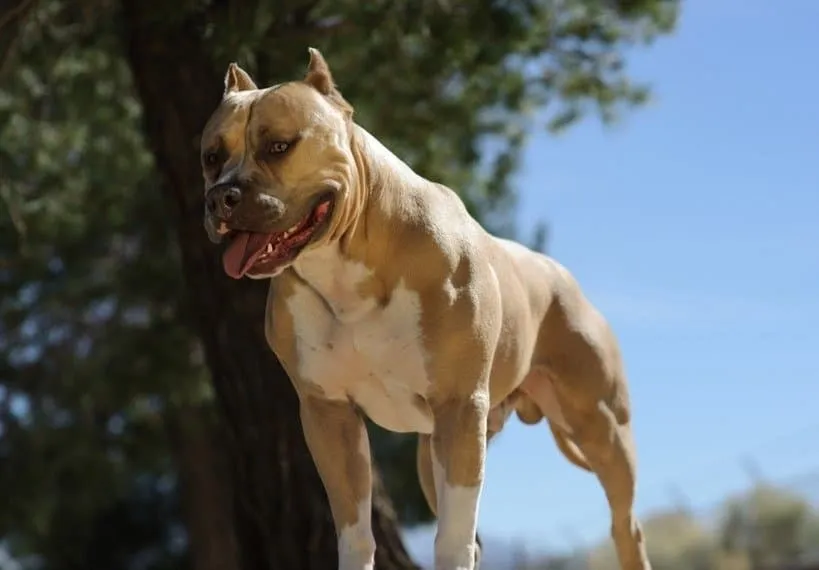
Image Source: A-Z Animals
The American Pit Bull Terrier’s physical traits showcase its background as a versatile working dog. This medium-sized breed brings together power and agility in a balanced package. The overall proportions matter more than exact measurements.
Height and weight range
Male American Pit Bull Terriers usually reach between 18–21 inches (45–53 cm) at the withers. Females tend to be a bit smaller at 17–20 inches (43–50 cm). Their weight matches this size difference. Adult males typically weigh between 35–60 pounds (15–27 kg), while females range from 30–50 pounds (13–22 kg).
The United Kennel Club (UKC) standards use these measurements as rough guidelines rather than strict rules. Balance and proportion matter most, not specific numbers. Dogs that look too massive or too lanky don’t score well in shows.
Some experts note males can reach up to 70 pounds. The official UKC and ADBA standards stick to more moderate ranges though. The Staffordshire Bull Terrier, which people sometimes call a “Pit Bull,” runs smaller at 14-16 inches tall and weighs between 24-38 pounds.
Coat type and color variations
These dogs sport a distinctive coat that’s short, smooth, and glossy with a somewhat stiff texture. Their practical coat fits snugly against their athletic bodies and needs little maintenance. The UKC sees curly, wavy, or sparse coats as problems, while long coats mean disqualification.
These dogs come in many colors including:
- Black (often with a glossy sheen)
- White (with or without markings)
- Red (a copper or chestnut shade)
- Blue (a silvery gray or charcoal color)
- Fawn (light tan or yellowish)
- Brown (from chocolate to lighter shades)
- Seal (appears black except in bright light, where it shows a red/brown cast)
- Buckskin (tan with yellow tones)
- Tan (light brown or reddish-brown)
Many American Pit Bull Terriers show various patterns like brindle (striped pattern), sable, and combinations with white markings. Tri-color patterns mixing white, black, and tan also get recognition. Both ADBA and UKC standards welcome almost any color or pattern, except merle coloring and albinism.
Muscle structure and build
The breed’s standout physical feature lies in its impressive muscle definition. These dogs show a powerful yet athletic build that should stay lean and defined.
Their bodies feature a square, heavy-boned structure with firm muscles. This natural muscularity comes from genetics, not special training. Their terrier and bulldog ancestors passed down an athletic build with strong chest muscles and powerful legs.
The head shape defines the breed’s look. American Pit Bull Terriers have a broad, wedge-shaped head that looks large compared to their body. Their ears sit high and can be natural or cropped under UKC standards. A deep, well-defined chest matches their muscular shoulders and strong neck.
The tail starts thick at the base and tapers to a point, sitting low on the body. Breed standards say the tail shouldn’t reach past the hock joint of the rear leg.
These dogs blend strength with agility perfectly. They pack power without losing mobility. Their low center of gravity helps them balance so well that they can briefly stand on two legs.
Understanding the Temperament of the American Pit Bull
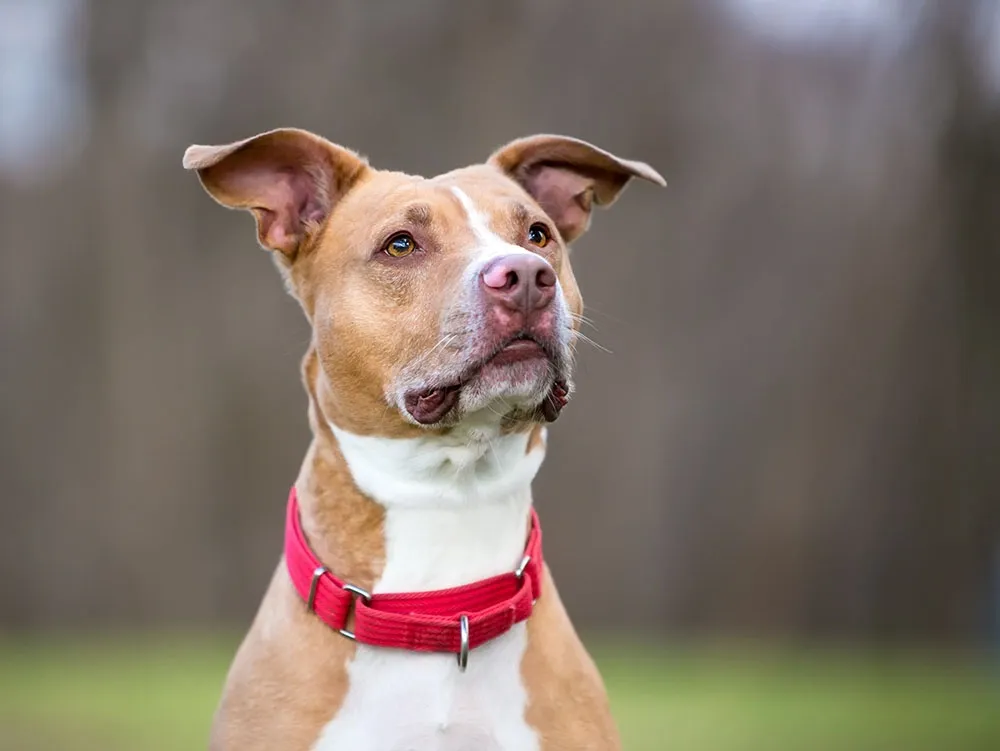
Image Source: Dogster
“Some families think that they should treat a pit bull like any other dog. They may not realize that the dog was bred to fight and that some of these dogs may have fighting in their genes. They are tough, strong, and tenacious.” — Colleen Hodges, Veterinary Public Health spokeswoman
American Pit Bull Terriers are more than just their muscular build. These dogs have a complex temperament that challenges what most people think about them. Their true remarkable qualities lie in their behavior and character.
Common personality traits
American Pit Bull Terriers show impressive intelligence and learn quickly. They respond well to positive reinforcement and are happy to learn new commands. Their smart and energetic nature means owners need to keep their minds busy to prevent boredom and destructive behaviors.
These dogs love to play. Their endless enthusiasm for games and activities gives them a joyful outlook that many owners can’t resist. This playful nature makes them great partners for active families seeking adventure.
Self-confidence sets them apart from other breeds. American Pit Bulls show self-assured behavior and rarely get anxious. This confidence doesn’t mean aggression—it just shows how secure they feel.
Loyalty runs deep in their nature. People often call them “velcro dogs” because they create strong bonds with their families and stay close throughout the day. This attachment can lead to separation anxiety if they’re alone too long.
Behavior with humans and children
Most people don’t know that American Pit Bull Terriers show exceptional affection toward humans and children. Many owners say their dogs love cuddles, belly rubs, and staying close. These dogs naturally act friendly and outgoing with people.
Good training and socialization help these dogs thrive in family settings. Their patient and tolerant nature works well with children. Yes, it is worth noting that some people used to call them “nanny dogs” because they naturally protect and nurture young family members.
All the same, watching over any medium or large breed with small children is crucial. Their excited play style and strong build means they might accidentally bump into little ones during playtime.
These dogs value human companionship above everything else. They pay more attention to people than other animals, which makes them responsive and attentive to their family.
Myths vs. reality
The topic of aggression in American Pit Bull Terriers creates the most debate. The American Temperament Test Society found that pit bull-type dogs passed temperament tests at higher rates than many popular breeds like golden retrievers and border collies.
Many believe these dogs have “locking jaws” that make their bites worse. Science proves this wrong—no dog breed has jaws that lock mechanically. Their jaw structure works just like other dogs.
The idea that certain breeds are naturally aggressive toward humans is false. The American Veterinary Society of Animal Behavior explains that aggression depends on context and usually comes from fear, not breed type. Training, socialization, and individual temperament affect behavior more than genetics.
Some American Pit Bulls might be less friendly with other dogs. This comes partly from their breeding history. But each dog differs, and proper socialization helps manage this trait.
Understanding these dogs means seeing each one as unique. Like humans, their behavior comes from a mix of genetics, environment, socialization, and training—not just their breed label.
Behavioral Traits and Socialization Needs
American Pit Bull Terriers have distinctive behavioral traits that blend enthusiasm, intelligence, and affection. You need to understand these characteristics to provide proper care and meet their needs throughout their lives.
Energy levels and playfulness
These athletic dogs have remarkable energy that needs regular outlets. Your American Pit Bull Terrier needs at least 45-60 minutes of exercise daily to stay physically and mentally healthy. The dogs often develop behavioral problems from pent-up energy and boredom without enough activity.
Their playful personality makes them special companions. “At the heart of the American Pit Bull Terrier’s personality is an infectious playfulness”. This natural enthusiasm makes them great partners for active individuals and families who love outdoor adventures.
These dogs do best with varied activities instead of routine exercises. Here are some effective options:
- Daily walks (ideally twice daily)
- Interactive play sessions with puzzle toys
- Agility training that challenges both mind and body
- Hiking and outdoor explorations
- Supervised fetch games
Mental exercise matters just as much as physical activity. Smart puzzle feeders, training games, and new commands keep their minds sharp. A bored Pit Bull can become destructive and might chew furniture, shoes, or other household items.
Interaction with other pets
Many American Pit Bull Terriers can live peacefully with other animals if they receive proper training and socialization, despite common misconceptions. The way you introduce them to other pets early on affects their future behavior substantially.
Their herding ancestry gives them a stronger prey drive toward smaller animals. This trait, combined with their athletic build and enthusiasm, means you should watch them carefully around cats, rabbits, or smaller dogs.
Long leash walks together help create positive associations before allowing off-leash play. Regular supervised playtime with compatible dogs helps reinforce good social behaviors.
German Shepherds, Siberian Huskies, and Basset Hounds make great companions because they match well in energy levels or temperaments. New pets should meet on neutral ground rather than in spaces either animal considers their territory.
Importance of early socialization
The time between 3-14 weeks shapes your Pit Bull’s future behavior more than any other period. Positive experiences with different people, animals, environments during this window help them respond better to the world around them.
Well-socialized American Pit Bull Terriers typically show:
- Confidence instead of fear in new situations
- Good manners when meeting unfamiliar people and dogs
- Easy adjustment to different environments
- Relaxed body language in social settings
Puppy classes provide great environments to develop social skills. Your dog should continue meeting new people and having positive experiences throughout their life.
Older dogs with limited social experience need extra patience and consistency. Adult Pit Bulls can still learn better social skills, though progress takes longer. Visits to dog-friendly stores, controlled park environments, and planned playdates help build these vital skills.
Socialization directly shapes how these dogs interact with others. A well-socialized American Pit Bull Terrier becomes a great breed ambassador by showing balanced, confident behavior that challenges negative stereotypes.
Training and Mental Stimulation
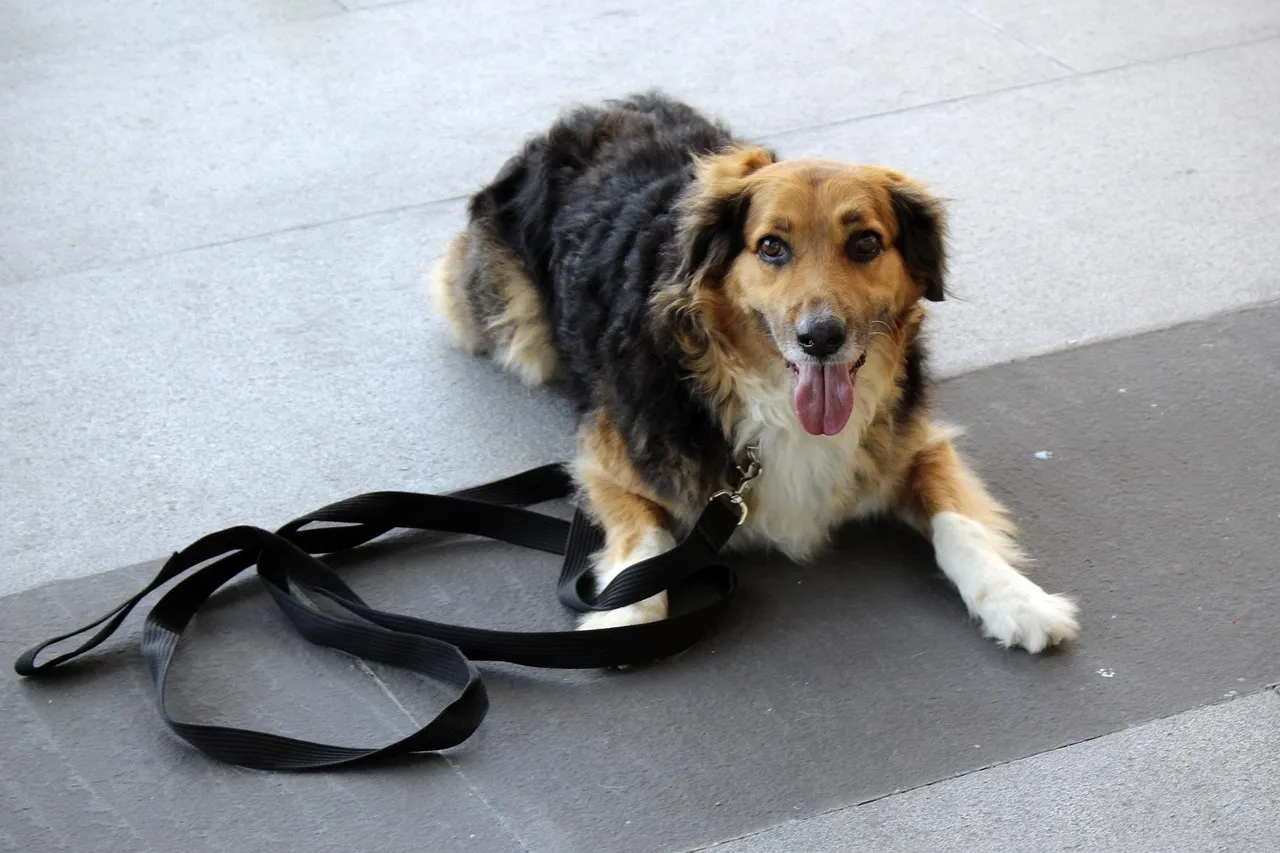
Image Source: https://pixabay.com/
American Pit Bull Terriers need specific training requirements and mental stimulation to thrive under ownership. These intelligent dogs excel with proper guidance that channels their considerable energy positively.
Trainability and intelligence
American Pit Bull Terriers demonstrate above-average canine intelligence compared to other breeds. They learn new commands in 15-25 repetitions, and they follow known commands on first attempt about 70% of the time. This remarkable cognitive capacity makes them perfect candidates to train in various programs.
Clear and consistent communication works best with these dogs. Pit bulls can show a stubborn streak, so establishing good leadership early builds a foundation to succeed in training. Their learning patterns show they build strong, devoted relationships with owners who earn their trust.
These dogs love to please their owners and respond well to food rewards, which creates excellent training opportunities. Research shows they shine in obedience training and dog sports like agility and rally obedience. Their natural smarts help them learn simple commands and tackle complex tasks with proper motivation.
Positive reinforcement techniques
Positive reinforcement delivers the best results with this breed. Punishment-based methods can harm the dog-owner bond and create confusion instead of teaching desired behaviors. The American Veterinary Medical Association and animal welfare experts recommend against aversive training techniques or tools that cause discomfort.
Effective training techniques include:
- Reward-based approaches using treats, toys, or affection
- Clicker training to mark desired behaviors
- Short, consistent training sessions (2-3 daily)
- Structured routines that establish clear boundaries
- Interactive play that reinforces commands
Each dog’s priorities should determine the rewards—some American Pit Bulls prefer food, while others respond better to play or affection. Precise timing of rewards after desired behaviors produces the best results.
Common behavioral challenges
American Pit Bull Terriers might face certain behavioral challenges despite proper training. Separation anxiety occurs frequently because these dogs develop strong attachments to their owners. Dogs might start destructive chewing, excessive barking, or digging without proper training and mental engagement.
Inappropriate greetings present another challenge. Dogs often jump, mouth, or lick guests due to insufficient exercise and enrichment. Commands like “stay” and “place” help control these enthusiastic greetings.
Leash reactivity can develop, which requires steady training with commands like “heel” and “leave it”. These commands help redirect their attention from triggers back to the handler.
Mental stimulation plays a vital role in preventing these issues. Puzzle toys, obedience challenges, and interactive games provide the brain exercise these smart dogs need. Physical exercise alone might not prevent problematic behaviors if an American Pit Bull Terrier lacks mental engagement.
Health and Lifespan of the Breed
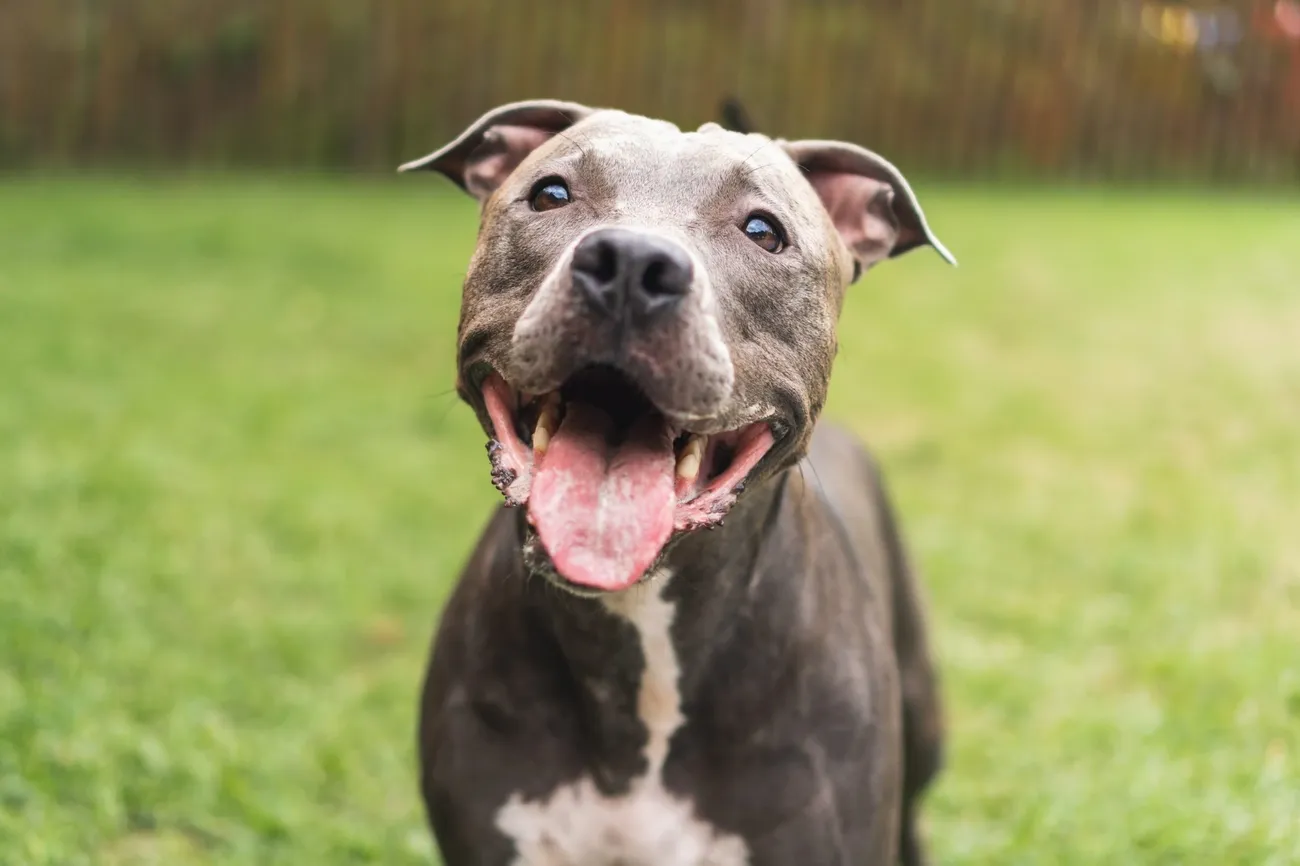
Image Source: Chewy
American Pit Bull Terriers look tough on the outside but have an impressive lifespan that beats many dogs their size. Their health profile shows both strength and specific weaknesses that owners need to know about.
Average lifespan of American Pit Bull Terriers
These dogs live remarkably long lives, typically ranging from 12 to 14 years. They outlive many dogs of similar size. Some sources show a range of 10 to 14 years, and some dogs live even longer based on their genes, care, and environment.
Here’s something interesting – purebred Pit Bulls might not live as long as pit bull mixes. Mixed breeding often leads to better genetic diversity and fewer inherited health issues.
Common health problems
While these dogs are generally tough, they can face several breed-specific health issues:
Musculoskeletal Issues: Hip dysplasia tops the list of concerns. This improper hip joint formation can lead to arthritis and movement problems. Knee issues, especially with the cranial cruciate ligament (CCL), are also common.
Skin Conditions: Their short coat makes their skin vulnerable. Many dogs get allergies that show up as itching, redness, and hair loss. Some develop zinc-responsive dermatosis with crusty or scaly skin, while others might get demodex mange.
Other Health Concerns: These dogs can also face:
- Heart disease, including aortic stenosis
- Hypothyroidism
- Dental disease
- Ear infections
- Occasional cataracts
Preventive care and vet checkups
Your Pit Bull’s health depends on proactive vet care. Dogs need yearly checkups, and those over seven should see the vet twice a year.
Vaccination is vital – starting at 39 days old helps prevent parvovirus, which hits this breed hard. Puppies need their full vaccination schedule, and adult dogs need yearly boosters to stay protected.
Weight management is a big deal since obesity affects many Pit Bulls. Daily tooth brushing helps fight periodontal disease, which affects 80% of dogs by age two.
Good nutrition helps prevent zinc deficiency and supports overall health. Dogs with skin problems might benefit from fish oil supplements.
Regular vet visits help catch health issues early, which often leads to better outcomes and a longer, healthier life for your dog.
Legal Status and Breed-Specific Legislation
The American Pit Bull Terrier faces unique legal battles worldwide due to Breed-Specific Legislation (BSL). This controversial law targets dogs considered dangerous—usually pit bull-type breeds—and either puts strict rules on them or makes owning them illegal.
Countries and cities with restrictions
Laws regulating dangerous dog breeds exist in at least 84 countries, and 99% of these laws include pit bull breeds. National laws in 74 countries ban or limit these dogs, which affects about 2.7 billion people worldwide. The Oceania region leads with 947 people per 1,000 under these laws, while Europe follows with 757 per 1,000.
The United States handles breed bans at local levels instead of federal ones. Maine, South Dakota, and Utah have laws that stop BSL. More than 20 states now ban breed-specific laws.
Impact of BSL on ownership
These breed-specific laws create real problems for responsible dog owners. Dogs that just look a certain way might face death, and good pet owners must either move or give up pets that have never hurt anyone. The laws don’t work well because even experts struggle to identify dog breeds just by looking at them.
BSL costs a lot of money. A 2012 study showed that national BSL would cost about ₹40.25 billion each year for enforcement, kennels, vet care, and legal work. Denver’s taxpayers spent over ₹8.44 billion across 30 years on BSL without making the public any safer.
Advocacy and changing perceptions
Professional groups increasingly oppose BSL. The American Bar Association, American Veterinary Medical Association, Centers for Disease Control, and many animal welfare groups support laws that look at each dog’s behavior instead of its breed.
The evidence shows these laws don’t reduce dog bites. When cities ban pit bulls, other breeds start biting more—like Boxers and Labradors in Council Bluff, Iowa, and Rottweilers in Winnipeg, Canada. Cities across the United States now repeal their breed bans as ten years of evidence shows they don’t work.
Communities now choose dangerous dog laws that focus on behavior rather than looks. These laws hold owners responsible for their dogs, no matter what breed they own.
Activities and Roles in Modern Society
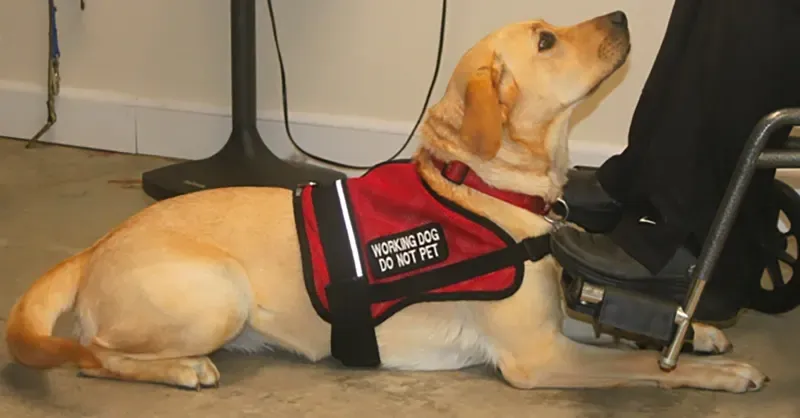
Image Source: Service Dog Certification
American Pit Bull Terriers show their adaptability and skills in many productive roles across modern society, going far beyond common perceptions and laws.
Working roles: therapy, police, rescue
These dogs make excellent therapy companions and bring comfort to patients in hospitals, schools, and nursing homes. They provide vital emotional support after tragic events. Blueberry visited survivors at the Boston Marathon bombing site, while Jeffrey helped Sandy Hook students cope with trauma. We’ve seen them succeed in search and rescue operations, police work to detect narcotics and explosives, and they serve as hearing dogs for the deaf. Popsicle, a Texas pit bull, stands out with the state’s largest drug bust record.
Dog sports and competitions
These athletic dogs now lead the pack in competitions of all types. Among the 115 dogs that earned UKC “superdog” status by winning championships in multiple disciplines, American Pit Bull Terriers claimed 34 spots. They shine in weight pulling, dog agility, flyball, lure coursing, and advanced obedience. The ADBA created Top Dog Sports just for this breed, which includes treadmill races, wall climbing, and long jump events.
Pit Bulls as family pets
These qualities make them perfect companions at home. Their “velcro dog” personality creates deep bonds with their owners. Smart and eager to please, they respond well to daily routines and consistent activities. The right socialization helps them blend smoothly into family life, and they often show remarkable patience with children.
Conclusion
American Pit Bull Terriers are among the most misunderstood dogs. These dogs have exceptional qualities that make them amazing companions, yet they face many misconceptions. They live 12-14 years, which is longer than most dogs their size. This gives families more time to enjoy their company. These dogs are smart, easy to train, and eager to please. They excel not just as family pets but also as therapy dogs, search and rescue workers, and competitors in dog sports.
These versatile dogs have evolved from their blood sport origins to become valuable working animals and faithful companions. Their physical power combines with a gentle nature, especially when you have children around. This contradicts what many people wrongly believe about them. To work well, these dogs need proper training and socialization because their energy and intelligence just need consistent mental and physical exercise.
Laws targeting specific breeds don’t deal very well with what really affects dog behavior – training, socialization, and responsible ownership. More people now oppose these ineffective laws as we understand that a dog’s individual personality matters substantially more than its breed. Professional groups now support approaches based on behavior rather than looks.
These dogs do best with owners who meet their needs through regular exercise, mental challenges, clear limits, and lots of love. Given these conditions, their natural playfulness, confidence, and loyalty become evident. The real story isn’t in sensational media reports but in countless families’ experiences with their beloved pit bulls. While misconceptions persist, these amazing dogs keep showing their true worth through actions that change people’s minds one interaction at a time.
Key Takeaways
Understanding the American Pit Bull Terrier requires separating facts from fiction about this often misunderstood breed that combines strength, intelligence, and remarkable loyalty.
• Size and Lifespan: Males weigh 35-60 pounds, females 30-50 pounds, with an impressive 12-14 year lifespan that exceeds many similar-sized breeds.
• Temperament Reality: Despite stereotypes, these dogs show exceptional affection toward humans and children, passing temperament tests at higher rates than many popular breeds.
• Training Success: High intelligence and eagerness to please make them highly trainable through positive reinforcement, requiring 45-60 minutes of daily exercise and mental stimulation.
• Health Considerations: Generally hardy but prone to hip dysplasia, skin allergies, and heart conditions – regular vet checkups and proper weight management are essential.
• Legal Challenges: Face breed-specific legislation in 84+ countries despite evidence showing these laws fail to reduce dog bites and cost billions in enforcement.
The key to successful ownership lies in proper socialization, consistent training, and understanding their need for both physical activity and mental engagement. When these needs are met, American Pit Bull Terriers prove themselves as loyal, intelligent companions that excel in roles from family pets to therapy dogs.
FAQs
Q1. What is the typical lifespan of an American Pit Bull Terrier? American Pit Bull Terriers generally enjoy a long life expectancy, typically ranging from 12 to 14 years. This lifespan is notably longer than many other dog breeds of similar size.
Q2. How would you describe the typical behavior of a Pit Bull? Contrary to common misconceptions, well-socialized Pit Bulls are often friendly, affectionate, and eager to please. They are known for their intelligence, playfulness, and strong bonds with their families. However, they require consistent training and socialization from an early age.
Q3. What health issues are Pit Bulls prone to? While generally hardy, Pit Bulls can be susceptible to certain health conditions. These may include hip dysplasia, skin allergies, and heart problems. Regular veterinary check-ups and proper care are essential for maintaining their health throughout their lives.
Q4. Are there any physical weaknesses common in Pit Bulls? Due to their muscular build and high energy levels, Pit Bulls can be prone to joint and ligament injuries, particularly in the knees. Cranial cruciate ligament (CCL) injuries are relatively common, often resulting from sudden movements or intense physical activity.
Q5. How much exercise does an American Pit Bull Terrier need? American Pit Bull Terriers are energetic dogs that require substantial daily exercise. They typically need at least 45-60 minutes of physical activity each day, which can include walks, playtime, and mental stimulation activities. Regular exercise helps prevent boredom and potential behavioral issues.