
American Bulldog : Breed Information: Characteristics, Behavior, Temperament, Lifespan, Weight kg
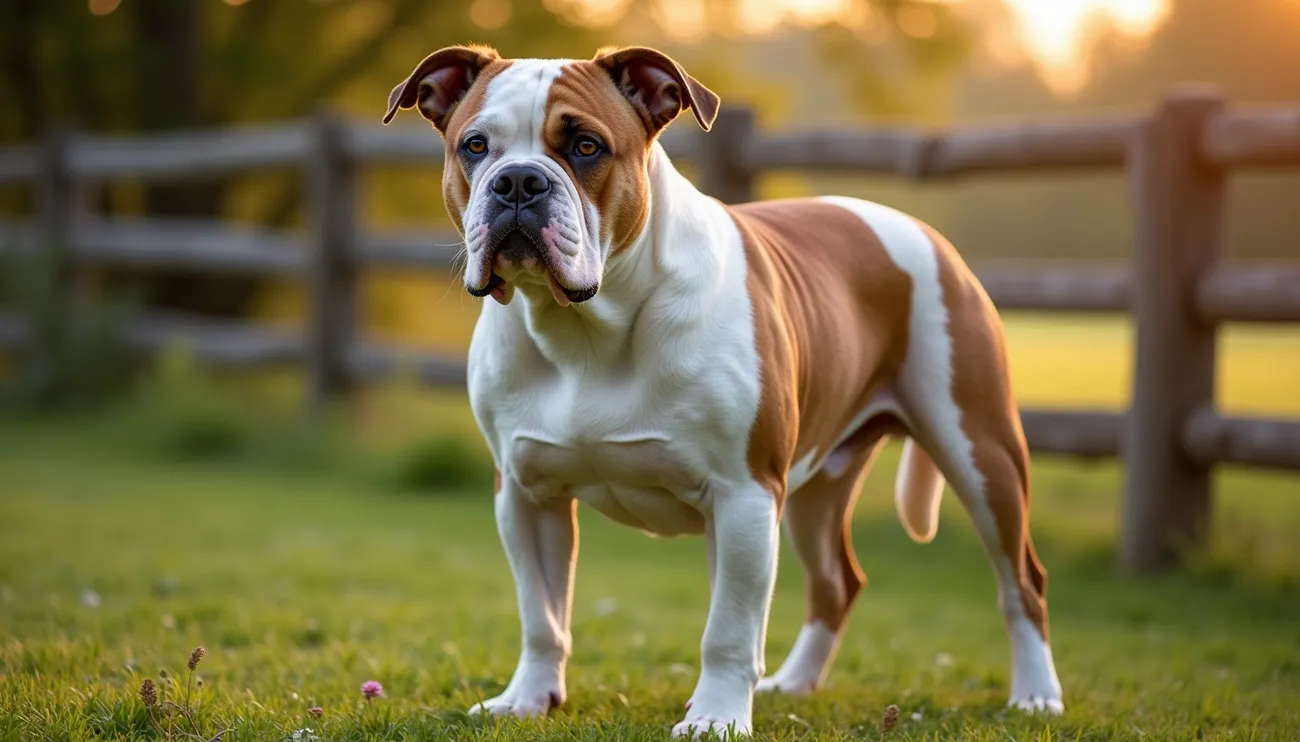 American Bulldogs stand out among bulldog breeds with their impressive stature and muscular build. These powerful dogs typically weigh between 60-100 pounds. Males reach 75-115 pounds and stand 20-26 inches tall. Female bulldogs generally weigh 60-90 pounds. Their lifespan averages 10-13 years despite their intimidating size.
The United Kennel Club recognized American Bulldogs on January 1, 1999. These dogs have earned their reputation as fearless and steady guardians. A male bulldog’s size and muscle mass significantly exceed its female counterpart’s features. Some bulldogs can weigh up to nearly 70kg, depending on their type and build. This large mastiff-type breed’s strength and loyalty make them excellent companions for families and working environments.
This detailed guide helps potential owners understand their bulldog’s temperament, care requirements, training needs, and health risks before bringing these remarkable dogs home.
Breed Origins and History
The American Bulldog’s experience begins with its ancestor, the Old English Bulldog. This breed made its way to North America as early as the 17th century with working-class European immigrants. These original bulldogs were athletic, strong working dogs that differed from today’s English Bulldog. People bred them to drive and catch cattle, guard property, and take part in England’s brutal sport of bull-baiting.
From English Bulldogs to American Farms
The British Parliament outlawed bull-baiting in England in 1835. The original athletic Bulldog type started vanishing from Britain after this ban. A shorter, stockier, less athletic dog we now know as the English Bulldog took its place. The original Bulldog type managed to keep its characteristics thanks to working-class immigrants who brought their dogs to the American South.
These tough dogs adapted quickly to life in the New World. Small farmers and ranchers valued them as versatile working companions. These bulldogs proved their worth on American farms by handling multiple tasks. They served as guardians, stock dogs, and “catch dogs” for livestock. Knowing how to chase, catch, and hold onto large animals made them valuable assets, especially when you have rugged terrain in the rural South. Fences weren’t always possible there, and livestock roamed freely.
Different regional varieties emerged throughout the southeastern United States. People called them “White English,” “Southern Bulldog,” “Alabama Bulldog,” and most commonly just “bulldog”. The breed’s name came from its actual work with bulls. These dogs could catch and hold rough cattle, including aggressive Brahma bulls.
The Johnson and Scott Lineage
The original American Bulldog almost disappeared by the end of World War II. Farm mechanization, agricultural land consolidation, and all-terrain vehicles reduced the need for working dogs. A returning war veteran named John D. Johnson stepped in to save the breed.
Johnson drove through the South’s backroads to find the best specimens for breeding. Alan Scott, a young enthusiast, became interested in Johnson’s dogs and joined the preservation effort. Scott and Johnson started their work with similar dogs – all “Old Southern Whites.” Scott’s foundation dog was “Mac the Masher” while Johnson worked with “Dick the Bruiser”.
Their breeding programs took different paths over time, creating two distinct types that define the breed today. Johnson preferred “bullier” looking dogs with wider chests, boxier heads, and undershot bites. These became known as the Johnson type or “Classic” type. Johnson created this look by breeding one of his bulldogs with a northern English Bulldog that kept its pre-ban athletic vigor.
Scott’s dogs looked more like the American Pit Bull Terrier. He bred dogs from Southern farms with an old Johnson type Bulldog. His dogs had reverse scissors bites, narrower muzzles, slightly dropped jaws, and more energy. People called this the Scott type or “Standard/Performance” type, reflecting Scott’s focus on practical farming traits.
Recognition by Kennel Clubs
The American Bulldog stayed a working dog known mostly in rural communities for many years. The breed started getting wider recognition in the 1980s. The United Kennel Club officially recognized it as a distinct breed on January 1, 1999, after years of dedicated breeding and standardization.
The American Kennel Club added the breed to its Foundation Stock Service (FSS) in November 2019. This recognition marks another milestone for this uniquely American breed that almost vanished just a few generations ago. The breed’s story continues to unfold as it moves from farm worker to recognized companion.
Physical Characteristics of the American Bulldog
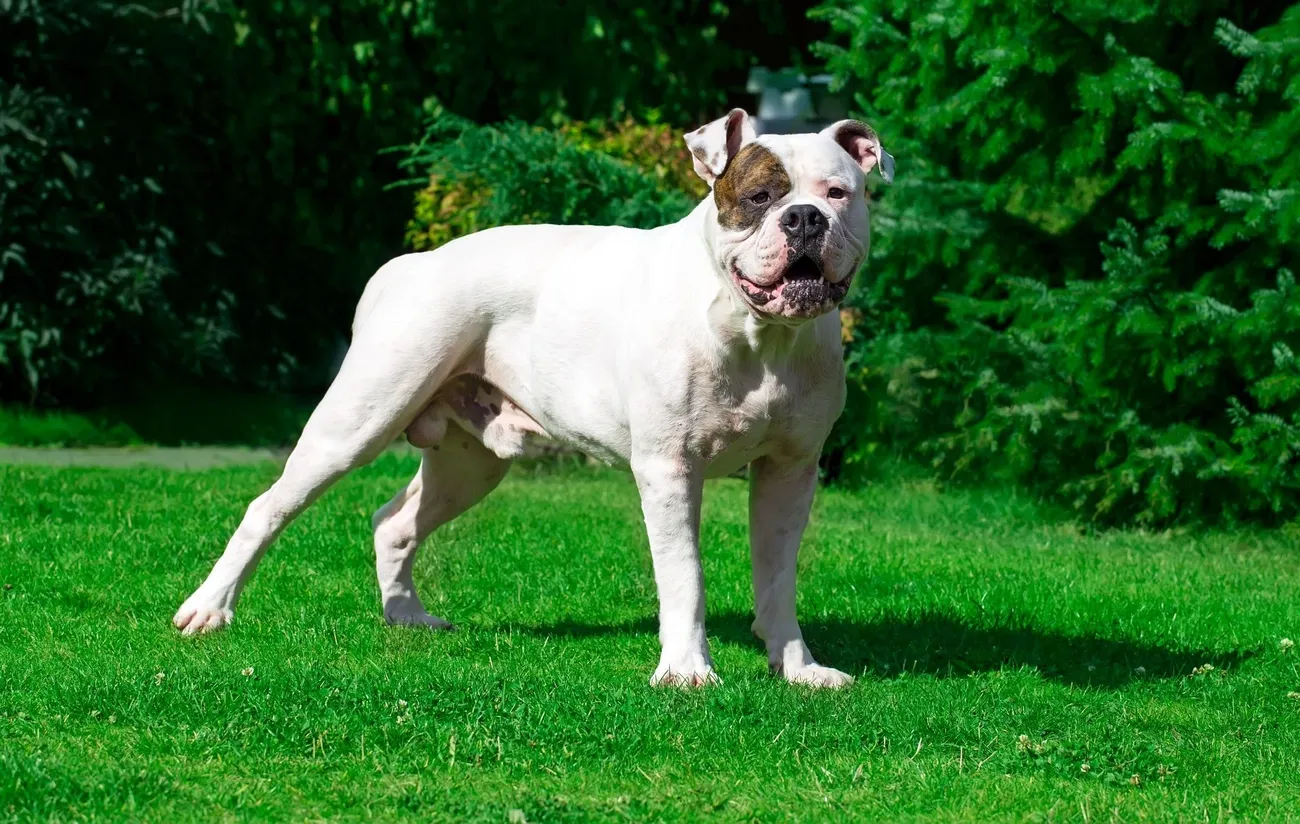
Image Source: Chewy
American Bulldogs are stocky, powerful, and athletic dogs with a distinctive look that shows their working background. These muscular dogs command attention with their broad chests, strong shoulders, and substantial build. These physical traits helped them excel as farm dogs and guardians throughout American history.
Size and Weight Range
American Bulldogs come in many sizes, mainly because of the two types: Johnson (Bully) and Scott (Standard). Male Bulldogs typically stand between 22 and 27 inches at the withers and weigh about 75 to 120 pounds. Female dogs are nowhere near as large, standing 20 to 25 inches tall and weighing 60 to 90 pounds.
Johnson/Bully types are usually heavier, with males weighing 80 to 125 pounds and females 60 to 105 pounds. These dogs have a more substantial build with broader chests and muscular frames. Scott/Standard types keep a more athletic, optimized physique while showing impressive strength and agility.
The dogs’ body length ranges from 31 to 37 inches, creating a balanced look that combines power with easy movement. Some dogs can be larger, especially those from non-working lines. Responsible breeders want dogs whose weight matches their height instead of just breeding for size.
Coat Type and Color Variations
These dogs have a short, smooth coat that sits close to their body. The hair feels either soft or stiff when touched. Their practical coat needs little maintenance – just weekly brushing and occasional baths.
White coats dominated the breed’s early days, often with patches of other colors. Modern American Bulldogs show more color variety. White remains popular as a base color with patches of brindle, black, brown, red, or fawn. The breed standard requires at least 15% white on all color patterns.
Brindle patterns are especially common in the breed. Dark stripes over lighter colors create this look, which ranges from subtle to bold striping. You’ll often see brindle patches on mostly white coats. Some dogs appear solid white but carry hidden color genes masked by extreme white spotting.
Show rings don’t accept some colors. These include merle, tri-color patterns, solid blue in Johnson/Bully types, and any blue coloring in Scott/Standard types.
Distinctive Facial Features
The American Bulldog’s head stands out as one of its defining traits. Both types have broad, muscular heads with different shapes. Johnson/Bully types have larger, rounder heads with a deeper stop between the forehead and muzzle. Scott/Standard types show more box-shaped or wedge-shaped heads.
Each type’s muzzle length differs too. Johnson/Bully American Bulldogs have shorter, broader muzzles – 2 to 3 inches long, making up 25% to 35% of their head’s length. Scott/Standard types have longer muzzles (2 to 4 inches), taking up 35% to 45% of their head length.
Both types share powerful jaws that reflect their working heritage. Their broad muzzles feature wide-open nostrils and full lips, usually black but sometimes pink. A well-defined chin should neither overlap nor hide under the upper lip.
The breed’s eyes are round or almond-shaped, usually brown – the color breed standards prefer. Blue eyes sometimes appear but aren’t as common. Medium-sized ears sit high on the head and can be naturally erect, semi-erect, or folded.
Temperament and Personality Traits
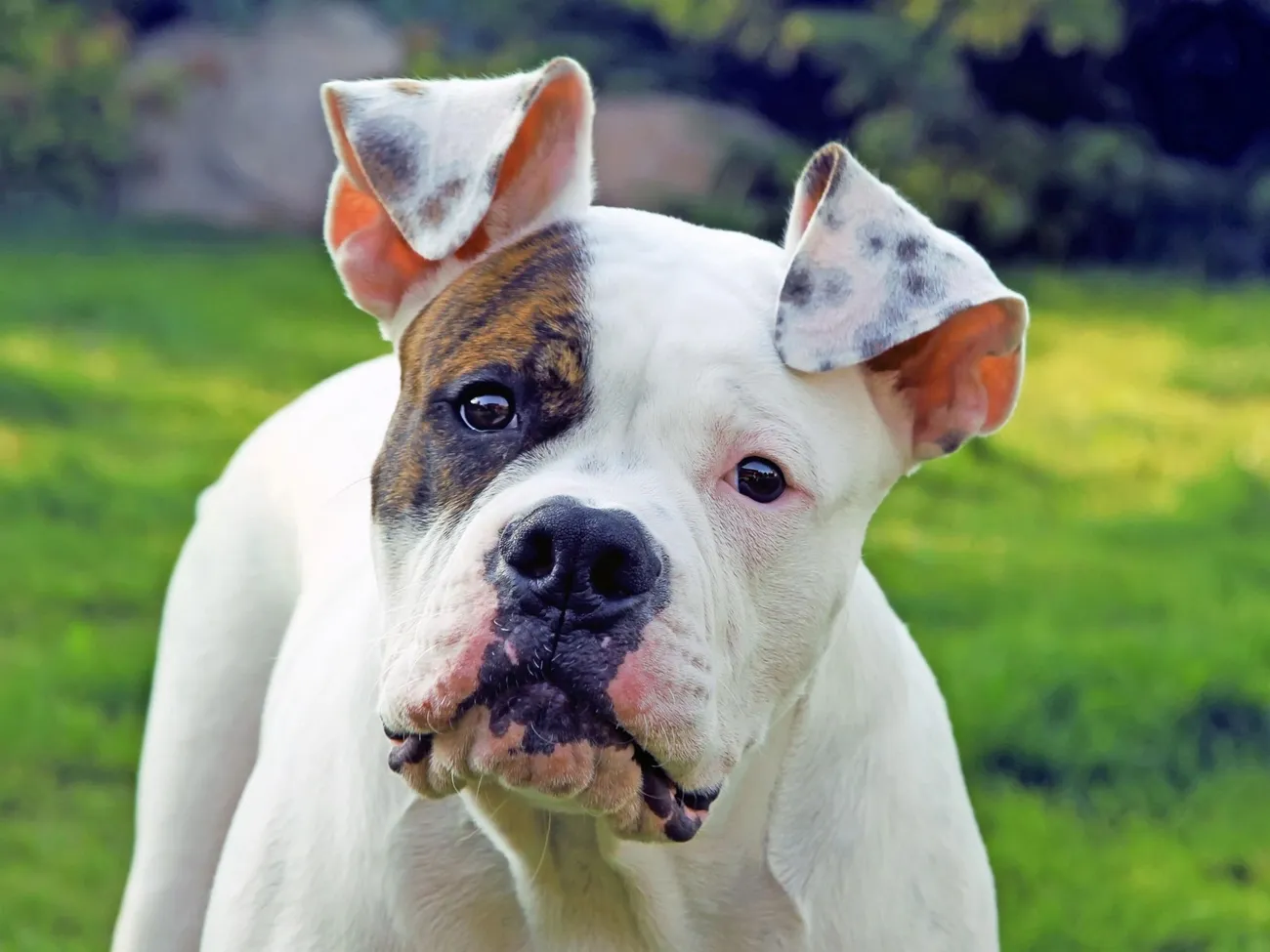
Image Source: PetsRadar
American Bulldogs pack as much personality as muscle into their powerful frames. These dogs blend raw strength with a gentle nature to become devoted family companions who stay alert and protective of their space.
Confident and Loyal Nature
American Bulldogs value loyalty above everything else. They build strong bonds with their families and show steadfast dedication to their people. People who don’t know the breed might be surprised by their affectionate side—these tough-looking dogs love human contact and think they’re lap dogs, whatever their size.
Self-confidence runs through an American Bulldog’s veins. Their working background gave them a bold, decisive nature. In stark comparison to this, well-socialized American Bulldogs are friendly and outgoing rather than aggressive.
These dogs do best with consistent leadership and clear limits. They might test boundaries or become stubborn without proper guidance. That’s why they respond well to owners who guide them with firm but gentle positive reinforcement training.
Playfulness and Energy Levels
A playful soul lives inside that muscular body. Owners often call their American Bulldogs natural comedians—they love making their families laugh with goofy antics. This fun-loving nature makes them great matches for active families.
So, American Bulldogs need plenty of daily exercise—about one to two hours—to stay healthy in body and mind. They might start chewing, digging, or trying to escape without enough activity. Their athletic skills shine during hikes, jogs, tug-of-war games, and even agility courses.
Smart breeds like this need mental challenges too. Puzzle toys, scent games, or training exercises keep their minds sharp. After all the activity, they’re happy to take an afternoon nap next to their favorite humans.
Protective Instincts
American Bulldogs make excellent watchdogs thanks to their natural protective drive. They stay alert and let their owners know about anything unusual near home. This protective nature comes from their history as farm guardians and working dogs.
All the same, these protective instincts need proper direction through early socialization. American Bulldogs might become too wary or territorial without enough exposure to different people and situations. New dog owners should know that managing this breed’s protective side takes consistent work.
American Bulldogs show their gentle and protective sides best with children. Well-trained and socialized dogs build strong connections with their family’s kids. They show patience and tolerance around children, but adults should still supervise because of the dogs’ size and strength.
These dogs might seem reserved when meeting new people—a natural part of their protective nature. The friendly, affectionate side of their personality comes out quickly after proper introductions. This mix of protective instinct and social flexibility makes them adaptable companions for many living situations.
A good grasp of American Bulldogs’ unique personality is vital for future owners. Their mix of loyalty, playfulness, and protective instincts creates a rich but rewarding character that flourishes in homes where training, socialization, and regular exercise channel these traits properly.
Behavioral Patterns and Socialization
American Bulldogs have unique social dynamics that stem from their natural instincts and need proper socialization. These powerful dogs develop specific behavior patterns that shape how they interact with their families, unfamiliar people, and other animals.
Interaction with Children and Families
American Bulldogs shine in family settings and create deep bonds with their human pack. These devoted companions do best when they have both human company and tasks that keep them busy. Kids and these gentle giants usually get along great, as these dogs show amazing patience despite their size.
Dog owners often call their American Bulldogs the family clowns because they love making their humans laugh with goofy behavior. This playful nature creates great bonding moments with kids of every age. These dogs naturally protect young family members and tend to be extra gentle around little ones.
You should always watch over any big, strong dog though. Even the sweetest dogs might accidentally bump into toddlers while playing. Parents need to teach their kids the right way to treat dogs – no rough handling, and let sleeping or eating dogs be.
Dealing with Strangers and Other Pets
American Bulldogs usually take their time warming up to new people, which comes from their protective nature. They might seem cautious at first but quickly become friendly after proper introductions. Most of them end up showing their lovable side to visitors.
Their relationship with other animals depends on their puppy experiences. These dogs can become territorial or bossy with other dogs if they’re not socialized early. Their strong hunting instincts can also make it tricky when they’re around smaller pets.
Meeting new dogs works better on neutral ground. Someone should always watch when they play since American Bulldogs can play rough and might scare timid dogs. Families with pets at home usually have better luck bringing in an American Bulldog puppy rather than an adult dog.
Training for Better Behavior
Good social skills start with complete early socialization. Puppies need positive exposure to different people, animals, places, and situations. Dogs that miss out on proper socialization might develop fear or aggressive behaviors.
Training should begin at 10 weeks after vaccines are done and continue throughout their lives. These smart dogs respond really well to positive training methods. Treats, praise, and playtime help them learn what you expect from them.
American Bulldogs respect owners who show confident leadership. Setting clear rules helps them understand their place in the family. These working dogs need mental challenges as much as physical exercise – without both, they might start digging, chewing, or barking too much.
Dog training classes give you two benefits: structured learning and safe socialization. Even adult dogs that missed early socialization can learn new social skills, but they need time and gradual exposure to new experiences.
Health and Lifespan Expectations
American Bulldogs might look tough, but they have specific health challenges that new owners need to know about. You can help these dogs live longer and healthier lives by learning about proper care and understanding their conditions.
Common Genetic Conditions
Hip and elbow dysplasia are the most common health problems American Bulldogs face. These inherited joint conditions affect about 10-20% of the breed. Dogs with these conditions develop improper joint formation that causes pain, mobility issues, and possible arthritis. Learning about early diagnosis and proper management is vital for these dogs’ quality of life.
Skin problems affect about 15-20% of American Bulldogs. Ichthyosis stands out as a notable condition. This severe flaking skin condition looks like fish scales and shows up early in life—often right at birth. These dogs also tend to develop allergies that cause itchy skin, fur loss, excessive licking, and frequent infections.
Neuronal Ceroid Lipofuscinosis (NCL) poses another big genetic risk. Young dogs between one and three years old typically develop this progressive neurologic disease. The first signs include rear leg weakness and balance problems, which can spread to all four limbs.
The breed’s shortened muzzle can create breathing difficulties. About 25-30% of American Bulldogs develop Brachycephalic Obstructive Airway Syndrome (BOAS). This condition makes breathing hard, particularly in hot or humid weather.
These dogs can also develop hypothyroidism, which affects metabolism and leads to weight gain and coat problems. Other health concerns include entropion, where the eyelid rolls inward and irritates the eye, and a higher risk of bladder or kidney stones compared to other breeds.
Average Lifespan of American Bulldogs
American Bulldogs have an impressive lifespan of 10-14 years. This makes them the longest-living bulldog breed. Most sources agree on a typical range of 10-12 years, and some dogs live even longer with good care.
The breed outlives their English Bulldog relatives, who typically reach 8-10 years. Their more athletic build and longer muzzle mean fewer breathing problems, which helps them live longer.
Preventive Health Measures
Good health management helps these dogs live longer, better lives. Regular vet check-ups should happen at least yearly for healthy adults and more often for dogs over seven years old. These visits help catch potential problems early.
Weight control is the life-blood of preventive care. About 25-30% of American Bulldogs tend to become overweight. A healthy weight helps prevent joint problems and other health issues.
Key nutrition tips include:
- High-quality large-breed dog food works best
- Joint, muscle, and coat care supplements can help
- Large-breed puppy food supports proper growth in the first 14 months
- Puppies should avoid extra calcium until they start eating adult food
Dental health needs special attention because American Bulldogs get dental disease more often than other breeds. Poor dental care can cut their lifespan by one to three years.
Exercise helps control weight and keeps joints healthy. However, owners should watch out for extreme temperatures. These dogs can overheat quickly because of their short muzzle, so they need shade and water in warm weather.
Caring for an American Bulldog
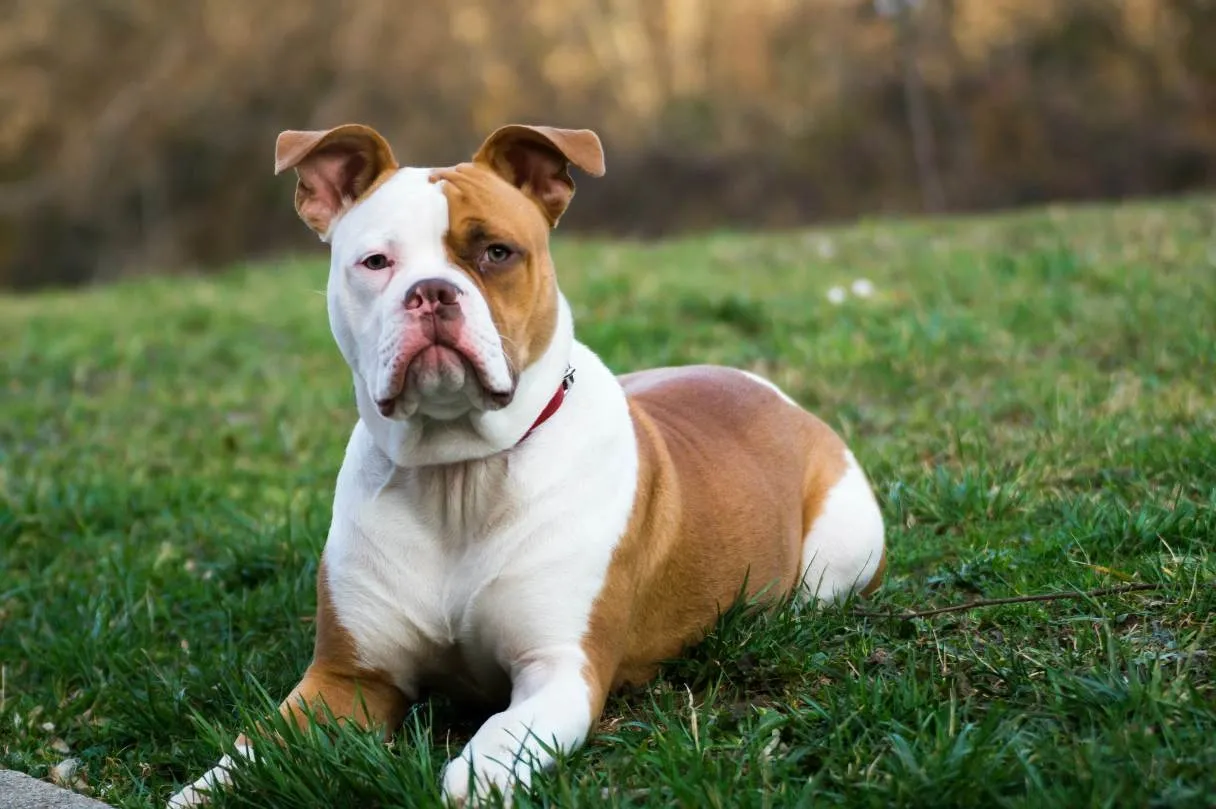
Image Source: CareCredit
Your American Bulldog needs regular attention to specific care routines that keep them healthy and happy. Their care needs are simple but you need to follow them regularly for the best results.
Grooming Needs
American Bulldogs have short, smooth coats that need less grooming than many other breeds. You should brush your Bulldog once or twice weekly. This removes loose hair and spreads natural oils through their coat. Daily brushing becomes necessary during seasonal shedding to manage loose fur.
Your dog needs a bath every 4-8 weeks or when they get really dirty. Too much bathing can remove natural oils and dry their skin, so don’t overdo it. Dog-specific shampoos work best since human products can irritate their skin.
Your Bulldog’s dental care needs special focus because they often face serious teeth problems. You should brush their teeth at least three times weekly with canine toothpaste to prevent dental disease. Dental problems can reduce their lifespan if left untreated.
Additional grooming requirements include:
- Nail trimming every 2-3 weeks to prevent overgrowth and discomfort
- Weekly ear cleaning to prevent infections, especially since this breed often has ear problems
- Cleaning facial folds at least weekly to prevent bacterial buildup and skin infections
Exercise Requirements
American Bulldogs are athletic, energetic dogs that need plenty of daily exercise. Healthy adults typically need 1-2 hours of physical activity each day. These intelligent, high-energy dogs get bored quickly without enough exercise and often turn destructive.
Puppies need non-impact exercises to protect their developing bones and joints. Adult American Bulldogs do well with various activities like brisk walks, jogging, tug-of-war games, and training exercises. Activities that challenge both body and mind work best for them.
Mental exercise is equally important as physical activity. Interactive toys, puzzle games, and training sessions keep their minds sharp. Mental challenges help prevent boredom and behavior problems.
American Bulldogs can overheat easily, especially in hot weather. Exercise them during cooler parts of the day and make sure they have access to fresh water and shade.
Feeding and Nutrition Tips
American Bulldogs do best on high-quality dog food with real meat as the main ingredient. Their muscular build needs a protein-rich diet with moderate fat content. The Association of American Feed Control Officials (AAFCO) suggests growing dogs eat food with at least 22.5% protein.
Adult dogs should eat twice daily on a regular schedule. Puppies need more frequent meals—three to four times daily until 6 months old, then switch to twice daily. Large-breed puppy food works best for American Bulldog puppies during their first 14 months to ensure proper growth.
Watch portion sizes carefully since this breed gains weight easily. Food amounts should match their age, size, and activity level instead of leaving food out all day. Extra weight strains their joints and can make health issues worse.
Joint health supplements like glucosamine and chondroitin help many American Bulldogs. Omega-3 fatty acids can improve their skin and coat health. Talk to your vet before adding any supplements to find what suits your dog best.
Training and Obedience Tips
Image Source: Lens And Leash
Your American Bulldog’s training success starts way before they learn simple commands. Training doesn’t just shape how they behave – it plays a crucial role in developing their temperament. This makes it one of the most important parts of being a responsible owner.
Early Socialization Techniques
American Bulldog puppies go through their most important socialization period from 3 to 14 weeks of age. What they learn about the world during this time leaves lasting impressions that affect their future behavior by a lot.
Your puppy needs the right exposure to different stimuli. This helps prevent fear-based aggression and anxiety as they grow older. You should take your American Bulldog puppy to parks, pet-friendly stores, and neighborhood walks. These positive experiences build their confidence. They need these experiences often, not just once a week.
Puppy classes help with simple training, but they can’t replace a full socialization program. Your goal should be to expose them to many ground scenarios. Let them meet children of different ages, senior citizens, walk on various surfaces, and hear sounds like simulated thunder.
Positive Reinforcement Methods
American Bulldogs learn exceptionally well through positive reinforcement. This training style rewards good behaviors with treats, praise, toys, or play time. Dogs tend to repeat actions that earn them rewards. Here’s how to make it work:
- Keep training sessions short (5-10 minutes) since American Bulldogs don’t focus long
- Pick treats your dog really loves
- Say “good dog” while giving treats
- Stay consistent with your commands and what you expect
- Start with simple commands: sit, stay, come, and heel
Timing matters more than anything – rewards must come right after good behavior. Once your dog reliably follows commands, you can slowly switch from giving treats every time to giving them occasionally.
Common Training Challenges
American Bulldogs mix smarts with independence, which can look like stubbornness during training. These strong-willed dogs need owners who lead calmly and confidently without being harsh.
This breed bonds deeply with their families, which can lead to separation anxiety and destructive behavior when left alone. Clear routines and comfort with their crate help build independence and prevent these issues.
These dogs often get too excited during greetings. You can fix this by consistently rewarding calm behavior. They might also become territorial if they don’t get proper socialization and structured training.
Adult American Bulldogs who missed early socialization can still learn, but they need extra patience. Start in controlled settings, take small steps forward, and don’t hesitate to ask a professional trainer for help with tough cases.
American Bulldog in Pop Culture and Society
American Bulldogs have carved out their place in entertainment, earning both fans and critics along the way. These dogs’ unique looks and personalities have landed them roles across media, though they still face many stereotypes.
Famous Bulldogs in Movies
Hollywood loves featuring American Bulldogs in memorable roles. Chance, a beloved character won hearts in “Homeward Bound: The Incredible Journey” (1993) and came back for the 1996 sequel. The 2010 movie “Tucker & Dale vs. Evil” cast an American Bulldog named Weezer to play Jangers. We saw another American Bulldog steal scenes as the main character’s faithful companion in the 2013 film “Joe”. The gaming world got in on the act too – Zynga’s logo features an American Bulldog silhouette, named after the founder’s dog.
Breed Misconceptions and Media Portrayal
The media often shows American Bulldogs with cropped ears, which feeds into wrong ideas about their nature. This cruel cosmetic surgery, now banned in many countries, tries to make dogs look fiercer. These portrayals miss the point – a bulldog’s behavior comes from its breeding, upbringing, socialization, and training, not from natural aggression. Give these dogs proper care and they’ll become loving, devoted family members.
Legal Considerations in Different Regions
Laws targeting specific breeds affect American Bulldogs in many places. They often get lumped in with “bully breeds” despite having their own unique history. Their past connection to historical bloodsports still shapes legal views today, even though such practices ended long ago.
Conclusion
American Bulldogs are amazing dogs that combine raw strength with steadfast dedication. These dogs have evolved from hardworking farm helpers to beloved family pets while keeping their unique traits intact. Their muscular build, protective nature and playful personality make them perfect for many roles – from watchdogs to gentle playmates for kids.
New owners should think over the big commitment these dogs need. These dogs need proper socialization to channel their protective instincts the right way. Regular training helps manage their independent nature. Without good guidance, their confidence can turn into stubbornness and create problems for unprepared owners.
Health needs careful attention when you bring an American Bulldog home. They are resilient dogs with better longevity than other bulldog breeds, but they face specific genetic issues that need careful preventive care. Regular vet visits, good exercise, and the right diet add by a lot to their 10-14 year lifespan.
The media often paints these dogs in the wrong light, spreading stereotypes that miss their true nature. American Bulldogs become well-balanced companions with structure, exercise, and love – not the aggressive animals sometimes shown in popular media.
Families looking for an active, loyal friend will find American Bulldogs give unmatched devotion. These powerful yet gentle dogs reward dedicated owners with years of protection, fun, and faithful friendship. Their trip from near extinction as working dogs to beloved companions shows how well they adapt and appeal to dog lovers across generations.
Key Takeaways
American Bulldogs are powerful, loyal companions that require dedicated ownership to thrive as family pets.
• Size and Strength: Males weigh 75-120 pounds and stand 22-27 inches tall, making them substantial dogs requiring experienced handling and proper training from puppyhood.
• Exercise Demands: These athletic dogs need 1-2 hours of daily physical activity plus mental stimulation to prevent destructive behaviors and maintain optimal health.
• Early Socialization Critical: Proper socialization between 3-14 weeks prevents fear-based aggression and ensures they develop into well-adjusted family companions.
• Health Longevity: With proper care, American Bulldogs live 10-14 years—longer than other bulldog breeds—but require monitoring for hip dysplasia and skin conditions.
• Training Requirements: Their independent, strong-willed nature responds best to positive reinforcement and consistent leadership rather than harsh correction methods.
American Bulldogs reward committed owners with unmatched loyalty and protection, but their size, energy, and protective instincts make them best suited for experienced dog owners who can provide proper structure, exercise, and socialization throughout their lives.
FAQs
Q1. What are the key characteristics of American Bulldogs? American Bulldogs are muscular, athletic dogs known for their strength, endurance, and agility. They typically weigh 60-120 pounds and stand 20-27 inches tall. These loyal and confident dogs have a short, smooth coat that comes in various colors, often with white as the base.
Q2. How much exercise do American Bulldogs need? American Bulldogs require substantial daily exercise, typically 1-2 hours per day. This should include both physical activities like walks or playtime, and mental stimulation through training or puzzle toys. Without adequate exercise, they may develop destructive behaviors.
Q3. Are American Bulldogs good with children and other pets? When properly socialized, American Bulldogs can be excellent with children, displaying patience and gentleness. However, their interactions with other pets, especially dogs, can be challenging without early socialization. Supervision is always recommended due to their size and strength.
Q4. What health issues are common in American Bulldogs? Common health concerns for American Bulldogs include hip and elbow dysplasia, skin issues like allergies and ichthyosis, and respiratory problems due to their shortened muzzles. They may also be prone to obesity, so proper diet and exercise are crucial.
Q5. How long do American Bulldogs typically live? American Bulldogs have an average lifespan of 10-14 years, making them one of the longer-lived bulldog breeds. With proper care, including regular veterinary check-ups, appropriate nutrition, and exercise, many can live well into their teens.