
Himalayan Sheepdog
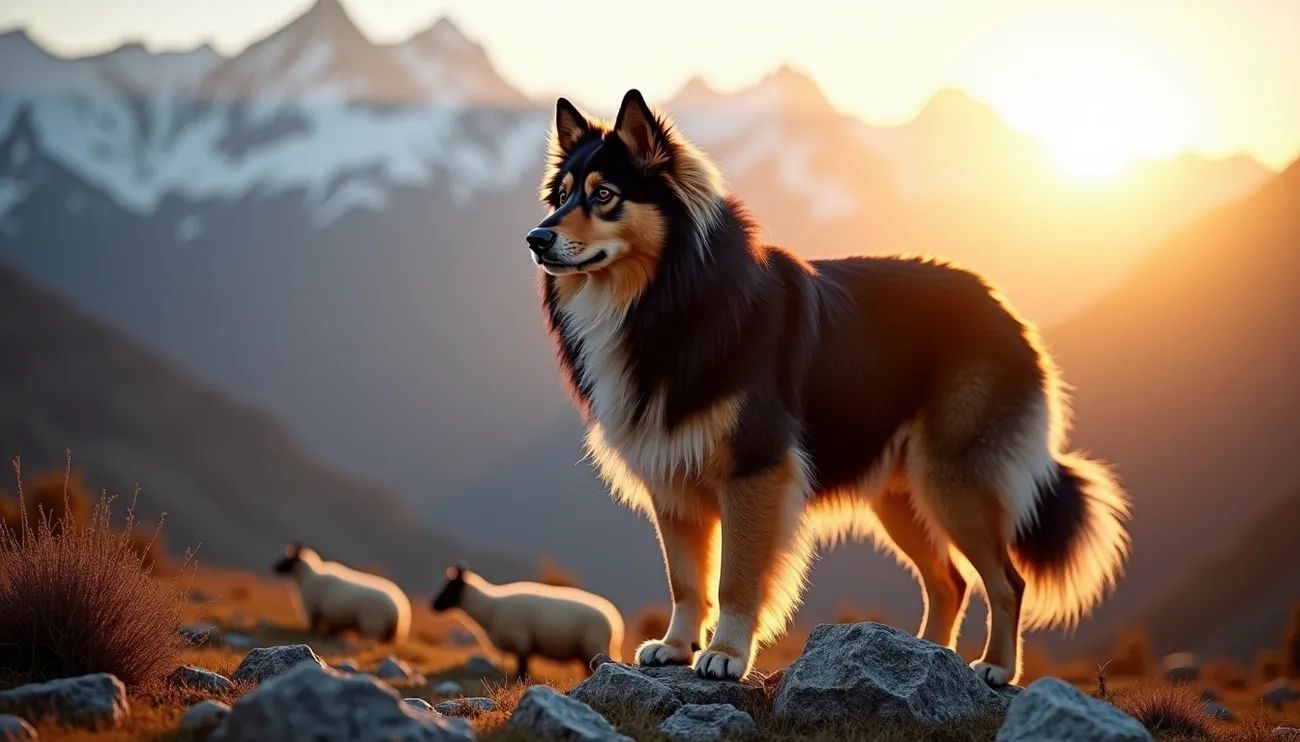 The Himalayan Sheepdog has earned its place among extraordinary mountain dog breeds. A mixed-breed stray made history by climbing to Baruntse’s summit at 7,129 meters (23,389 ft) – the highest elevation that any dog reached. People in different regions call this loyal breed by various names: bhotia, bhote kukur, bangara, and sometimes the Himalayan mastiff. These dogs come from the harsh mountain landscapes of India, Nepal, and Bhutan. Their impressive size ranges from 51-75 cm in height with a weight of 30-45 kg. The Indian Ministry of Communications and Information Technology recognized this breed’s cultural importance by featuring it on postage stamps in 2005.
These remarkable dogs live in the Himalayan foothills from Kashmir to Eastern Nepal and are a great way to get protection for village inhabitants. They show exceptional skill in herding sheep and keeping predators away while protecting properties with vigilance. Their lifespan typically ranges from 10 to 14 years, though they need extra care due to joint problems and other health concerns. Their outdoor lifestyle means regular brushing is essential to maintain their coat and remove any parasites.
History and Origin of the Himalayan Sheepdog
Ancient canine lineages are the foundations of many modern mountain dogs, but the Himalayan Sheepdog stands out by staying true to its original purpose and character. This remarkable breed has walked alongside pastoral communities in South Asia’s high-altitude landscapes for more than 2,000 years.
Ancient roots in Nepal and India
People know the Himalayan Sheepdog as “Bhote Kukur” (meaning “Tibetan dog” or “dog from the mountains”) in its native lands of northern India and Nepal. We don’t have much early documentation, but these dogs have called the Himalayan region home since ancient times.
The Himalayan Sheepdog evolved as a landrace—nature shaped this breed rather than human breeding programs. The mountain’s harsh conditions selected the strongest traits: thick coats protected them from bitter cold, powerful builds helped them navigate steep terrain, and strong protective instincts made them excellent guards against predators.
Nepal’s people see this breed as a symbol of their highland strength and heritage. These dogs became part of local customs and folklore throughout the eastern Himalayas. Many villages believed them to be household guardian spirits, and stories of their role as temple protectors live on through generations.
Connection to nomadic tribes and monasteries
The breed grew alongside the nomadic peoples who roamed the Himalayan landscapes. Three groups shaped its development—the Gaddi shepherds of Himachal Pradesh, Bhotia of Uttarakhand, and Sherpa of Nepal made these dogs essential to their migratory way of life.
These nomads trusted Himalayan Sheepdogs during their seasonal moves between 3,000 and 5,000 meters. The dogs proved their worth as they guided herders through dangerous mountain passes like Rohtang in the western Himalayas. Tribes depended on these canine guardians to protect their livestock and survival.
The dogs also built strong bonds with monastic communities. Himalayan Sheepdogs have guarded Nepalese monasteries since ancient times. Their impressive size and territorial nature made them perfect watchdogs for religious sites, where their deep, resonant barks warned monks of approaching danger.
Relation to the Tibetan Mastiff
The Himalayan Sheepdog and the Tibetan Mastiff share both genes and history. Both breeds evolved in similar regions to guard livestock and property from wolves, snow leopards, and bears.
The breeds have clear differences though. The Himalayan Sheepdog shows more wariness toward strangers than its larger cousin. This trait likely developed from years of guarding isolated homes and villages.
A 2011 DNA study revealed links between Tibetan Mastiffs and several large European breeds, including the Great Pyrenees, Bernese Mountain Dog, Rottweiler, and Saint Bernard. The close relationship between Himalayan Sheepdogs and Tibetan Mastiffs suggests a genetic legacy that reaches across continents.
Modern life has changed things. As nomadic lifestyles fade, Himalayan Sheepdog numbers have dropped. Yet passionate breeders and enthusiasts work hard to save this remarkable breed, knowing its place in history and its unique fit for one of Earth’s toughest environments.
Geographic Distribution and Habitat
The Himalayan Sheepdog roams the majestic Himalayan mountain range. These tough dogs have made their home in some of Earth’s most challenging high-altitude regions. Their wide geographic range shows how well they adapt to harsh conditions and their lasting connection with local communities.
Regions where they are found
You’ll find Himalayan Sheepdogs all across the Himalayan region from Jammu & Kashmir in the west to Arunachal Pradesh in the east. These mountain guardians live in a big territory that stretches from Kashmir to eastern Nepal. They stick to mountainous areas where they guard livestock and protect property.
These dogs are easy to spot around the meadows of Kuari Pass in Uttarakhand. On top of that, they live in several other regions like Himachal Pradesh, Nainital, Walkeshwar, Ghamsali, Badrinath, UttarKashi, and near major glaciers such as Malam, Ralam, and Pindari. Their numbers match the traditional paths of nomadic tribes who need them to protect livestock during seasonal moves.
The Gaddi shepherds of Himachal Pradesh, Bhotia people of Uttarakhand, and Nepal’s Sherpa communities have the strongest ties to these dogs. These groups have long relied on these dogs during their nomadic herding, especially when moving through tough mountain passes like Rohtang in the western Himalayas.
Adaptation to high altitudes
The Himalayan Sheepdog’s most impressive trait is how well it handles high-altitude environments. These dogs follow herders and their livestock at heights between 3,000 to 5,000 meters above sea level. Their bodies are built to thrive where oxygen levels are nowhere near what you’d find at sea level.
While many species struggle up high, the Himalayan Sheepdog has special body features to cope. Studies show that Tibetan dogs living at about 3,500 meters have similar hemoglobin levels to breed dogs from low areas (around 50 meters) – about 160 g/l. This hints that these dogs might share adaptive tricks with Tibetan people, who also keep normal hemoglobin levels despite living so high up.
Scientists have found specific genetic changes in high-altitude dogs. Mutations in genes like EPAS1 help them work well in places with less oxygen. Their thick double coat is a vital shield against extreme temperature swings common at high altitudes.
These dogs aren’t just physically tough – they’re smart too. They can handle long trips across high-altitude meadows that last many days. Their sharp senses and independent nature let them watch over livestock without much direction from humans.
Presence in Bhutan, Nepal, and India
People use different names for these dogs across the Himalayas. Nepal’s locals call them “Bhote Kukkur” or “Bhotiya,” which means “Tibetan dog” or “dog from the mountains”. This name points to their connection with Nepal’s Tibetan plateau.
Bhutan has its own bigger version called the “bhutia sheepdog”. These Bhutanese dogs keep the breed’s main features but show small differences that developed over hundreds of years in specific valleys and highlands.
India’s Himachal Pradesh region sometimes calls them “Bhutia Gaddi” or “Leopardhund”. These names tell us about where they’re from and their job protecting livestock from leopards.
Having these dogs spread across three countries with different environments has led to subtle breed variations. In spite of that, their core traits – strong build, protective nature, and skill at high altitudes – stay the same. This makes them essential partners for Himalayan people.
Physical Characteristics and Appearance
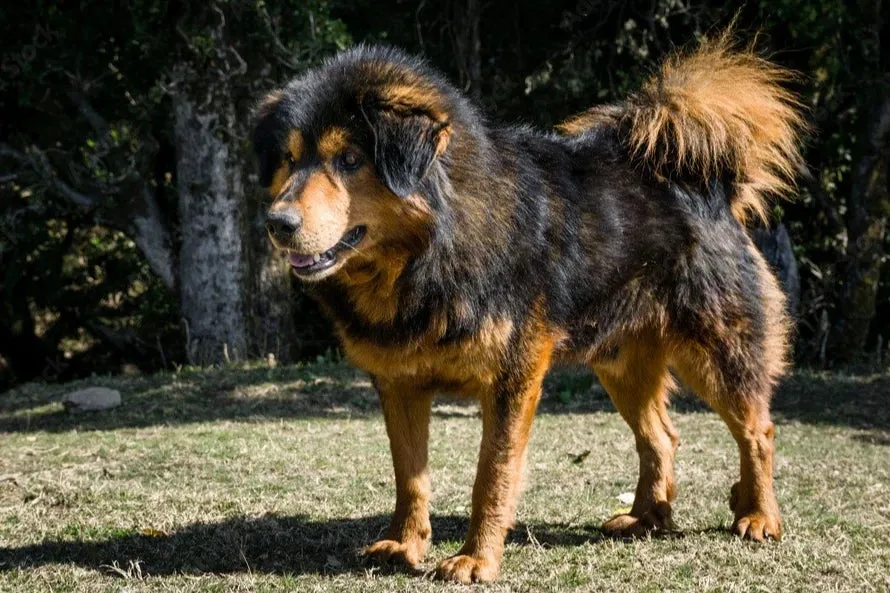
Image Source: GoofyTails
Physical Characteristics and Appearance
The Himalayan sheepdog’s magnificent build shows how it adapted to life in harsh mountain environments. These dogs are robust and powerful. Their physical traits come from centuries of work as guardians in some of the world’s toughest terrains.
Coat type and color variations
The Himalayan sheepdog’s most remarkable feature is without doubt its double coat. This weather-resistant covering pairs a soft, insulating undercoat with a coarser outer layer. Such specialized fur helps these dogs survive the freezing temperatures in their native range.
These dogs typically come in solid black, black and tan combinations, and various brown or gray shades. You’ll often see white markings on their toes, chest, and neck areas. Golden and fawn colors exist too, though they’re less common. Their color variety comes from natural development rather than selective breeding for looks.
The thick fur needs regular care. These dogs shed heavily annual shedding period for about a month as warmer weather arrives, and they need daily brushing during this time. Outside shedding season, brushing twice weekly keeps loose hair under control and maintains a healthy coat. The good news is that these dogs stay naturally clean and need fewer baths than other breeds.
Size and build
These dogs have substantial dimensions that suit their guardian role. Adult males stand 24-28 inches (61-71 cm) at the shoulder, though some might reach 26-30 inches. Females are usually smaller. Their weight ranges from 88-99 pounds (40-45 kg). Dogs raised in kennels often grow heavier than those living in mountains.
Their muscular build gives them amazing endurance and strength. Males show more muscle definition than females, which is common in working breeds. A robust body structure helps them guard effectively in challenging mountain terrain.
The Himalayan sheepdog’s size puts it in a similar category to its relative, the Tibetan Mastiff, while remaining distinct. Their sturdy frame supports an active lifestyle and provides the commanding presence needed to protect livestock and property.
Distinctive features like tail and ears
The breed’s signature feature is its tail, which curves distinctively over the back. This heavily-furred appendage isn’t just for looks – its dense fur helps keep body heat in cold weather. The natural curl keeps the warm tail close to the body, providing extra insulation during harsh winters.
Experts sometimes disagree about the ear structure. Most reliable sources say these dogs have small drooped ears. Others describe them as pendulum-shaped or folded. Such variations likely show normal differences within the breed rather than conflicting information.
The Himalayan sheepdog’s face features a long, pointed muzzle that lacks the pronounced Molosser traits seen in related breeds. Their wide forehead adds to their intelligent look. Their eyes are deep-set and almond-shaped, ranging from dark brown to amber. This watchful gaze shows both intelligence and calm confidence – essential traits for a guardian breed.
These dogs combine alertness with composed strength. Their appearance perfectly matches their purpose, creating the ideal canine for work in the demanding Himalayan landscape.
Temperament and Behavior Traits
Temperament and Behavior Traits
Himalayan sheepdogs fascinate owners with their remarkable character and unique behavioral traits, beyond their imposing physical presence. These mountain guardians have complex personalities that centuries of working with humans in challenging environments have shaped.
Protective and loyal nature
Himalayan sheepdogs embody unwavering loyalty at their core. These dogs show exceptional devotion to their families that’s stronger than what you’d feel from close friends. They become alert guardians without much training and stay watchful for any threats.
These dogs run on having a purpose. Their intelligence and bravery combine to make them exceptional guardians who fearlessly defend their territory. Well-socialized dogs extend this protective nature to all family members and are especially gentle with children.
The breed’s protective instinct comes with a deep bark that lets owners know when strangers are around. This sound works as both warning and deterrent, projecting authority that demands attention. These dogs stay quiet unless they notice something suspicious, despite their alertness.
A well-balanced Himalayan sheepdog needs early socialization. Their natural wariness of strangers can grow stronger without proper exposure to different people, animals, and situations during puppyhood. Smart owners know they need complete socialization plans.
Differences from Tibetan Mastiff
Himalayan sheepdogs show several key differences from Tibetan Mastiffs, though they’re related. They demonstrate stronger protective instincts against human intruders. This makes them excellent property guardians.
Himalayan sheepdogs usually have more reliable and gentle temperaments than their aloof and independent Tibetan Mastiff cousins. Tibetan Mastiffs act like “difficult teenagers” who stay cool despite their affection. In contrast, Himalayan sheepdogs build stronger emotional bonds with their families.
Their independent thinking affects training approaches. Like their mastiff relatives, these smart dogs can be stubborn. Patience and positive reinforcement work better than harsh methods. Owners report better results from staying patient rather than confrontational with these free-thinking dogs.
Suitability as a guard dog
The Himalayan sheepdog’s natural guarding abilities stand out among other breeds. Their alertness and physical strength deter intruders effectively. They guard in three main ways: protecting families, watching over livestock, and securing property.
These dogs create deep family bonds while keeping strangers at arm’s length. Rural homeowners value their skill at keeping predators away from livestock. Their territorial nature also makes them natural security systems for property protection.
Himalayan sheepdogs can herd as well as guard, unlike breeds that only intimidate. This versatility makes them valuable on farms where they protect and manage livestock simultaneously.
Families thinking about getting this breed should know they need lots of activity. Regular exercise and mental challenges prevent bad behaviors. A Himalayan sheepdog does best with physical activity and purpose that honors its working background.
Roles and Uses in Traditional and Modern Contexts
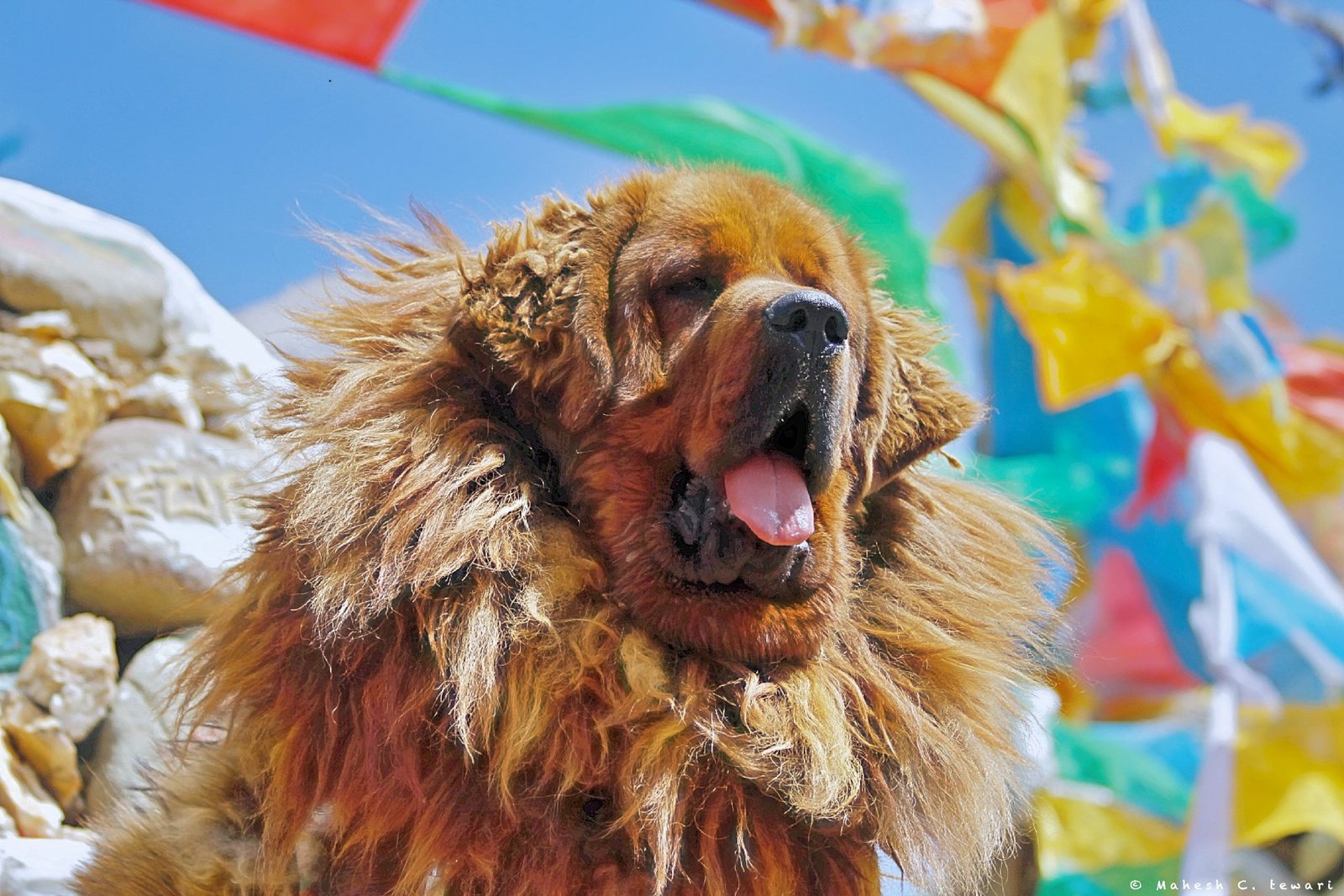
Image Source: Facebook
Roles and Uses in Traditional and Modern Contexts
The Himalayan sheepdog has played significant roles in South Asia’s rugged mountain landscapes. These dogs have become irreplaceable companions to people living in remote and challenging environments.
Livestock guardian and herding dog
The Himalayan sheepdog’s main purpose has always been to protect livestock from predators that threaten mountain communities’ way of life. These dogs know how to defend sheep, goats, and yaks against formidable threats like wolves, leopards, and bears. Their powerful presence often scares away potential predators and creates a protective shield between valuable livestock and mountain predators.
These dogs bring special value through their watchfulness at night when predatory animals are most active. They stay alert and patrol around herds to provide continuous protection. Shepherds can rest well because their livelihood stays safe under their canine sentinels’ careful watch.
These dogs excel at more than just protection – they show remarkable herding skills. They guide livestock to grazing areas and keep the flock together naturally. Their instinct to keep herds intact becomes invaluable in big mountain landscapes where animals might wander into dangerous areas.
Shepherds sometimes equip these dogs with specialized metal collars that have protective spikes—a practical tool designed to stop leopard attacks that target the neck. This traditional practice shows the deep bond between shepherds and their canine partners as they work to handle specific threats.
Hunting and property protection
The Himalayan sheepdog stands out from other livestock guardian breeds because they’re also skilled hunters. They help hunters track and chase game, which shows how adaptable they are beyond their guardian duties.
These dogs protect property through their physical presence and sharp senses. Their deep, powerful barks serve two purposes—they alert owners to danger and scare off intruders. When they spot something unfamiliar, these dogs move confidently toward the threat and bark with authority to warn intruders and alert their human companions.
Their guardian nature fits perfectly into modern roles. Some organizations in India and Nepal now use these dogs as rural security assets. They put the dogs’ natural alertness and protective instincts to work in today’s security needs.
Use in monasteries and villages
The sort of thing I love is the Himalayan sheepdog’s deep connection to religious institutions. These dogs have guarded and accompanied Nepalese monasteries since ancient times. Their impressive size and protective nature made them perfect guardians for sacred spaces, where they would warn monks about approaching dangers.
These dogs mean more than just practical help in village settings – they often hold cultural importance that reaches into spiritual realms. Many Himalayan villages see the Bhote Kukur as their household’s guardian spirit. This special status comes from generations of trust built on reliable protection and faithful service.
Nepalese and Bhutanese cultures sometimes treat the Himalayan sheepdog as a sacred animal. This respect shows how deeply these dogs have become part of mountain communities’ cultural and spiritual fabric. They’ve grown from simple working animals into respected community members with roles that surpass practical duties.
The way these dogs blend into many aspects of mountain life—from practical guardian to spiritual protector—shows why the Himalayan sheepdog remains beloved across its native range, even as traditional ways of life change in our modern world.
Health, Lifespan, and Common Issues
Himalayan sheepdogs are naturally resilient, but they need careful attention to stay healthy throughout their lives. Owners should learn about their health concerns and expected lifespan to give these mountain guardians the best preventative care possible.
Average lifespan of the breed
These dogs typically live between 9 and 14 years, with most reaching around 10 years. Good nutrition and regular vet visits can help them reach 11-13 years.
Their impressive lifespan sets them apart from other large breeds, thanks to their natural hardiness. These dogs developed in mountain environments rather than through selective breeding programs, which helps them avoid many genetic problems common in designer breeds.
The breed faces challenges from gene pool dilution and lacks dedicated breeding programs. This puts Himalayan sheepdogs at risk of extinction, like many native breeds. These dogs can lead rich lives and become valuable companions with proper care, training, and attention to their needs.
Common health concerns
Joint problems top the list of health issues for this breed. Hip dysplasia leads these concerns[241][261][262], followed by elbow dysplasia[261], patellar luxation[242][261], and arthritis[261]. The breed’s size and active nature make these conditions especially important to watch.
Eye health needs attention too. These mountain dogs can develop glaucoma[242][244][261] and cataracts[262], so regular eye checks are vital. Heart problems[262] might appear in some dogs, though less often than joint issues.
Some dogs develop minor skin sensitivities[262], which usually respond well to proper diet and vet care. Weight gain poses a serious risk, especially when these dogs switch from active working roles to being house pets.
Dogs bred in India sometimes arrive with parasites like ticks, worms, or mange. A thorough vet check for puppies is essential, and adult dogs need regular preventative treatments.
Importance of early diagnosis
Early detection testing is the life-blood of healthcare for Himalayan sheepdogs. Regular vet visits help identify health issues before they become serious problems. Blood, urine, and stool samples give a full picture of a dog’s internal health and can reveal early warning signs.
Many diseases show subtle changes before obvious symptoms appear. This matters because these mountain dogs, like in other working breeds, often hide signs of pain or illness. Their tough nature means owners can’t wait for obvious symptoms and must take a proactive approach to healthcare.
Joint conditions like hip dysplasia and arthritis can be managed better when caught early. This helps slow the disease and keeps dogs mobile with less pain. Quick detection of eye problems, especially glaucoma, can save their vision through fast treatment.
Yearly vet check-ups offer vital opportunities for complete health reviews, including shots and heartworm tests. These visits should check teeth too, since dental problems can lead to serious health issues if ignored.
Conservation and Recognition Efforts
The Himalayan sheepdog’s native heritage faces major challenges in today’s world. The population has dropped dramatically over the past few decades. By 2025, experts estimate that fewer than 1,000 purebred dogs remain.
Decline in population and causes
Multiple factors have led to this concerning decline. The traditional nomadic way of life is disappearing, which means people just need fewer working dogs. The original gene pool has suffered severe dilution from crossbreeding with imported breeds. Modern farming methods have reduced the reliance on traditional herding and guard dogs. The problems are systemic, dating back to colonial times when British priorities for European breeds pushed indigenous canines aside.
Recognition by kennel clubs
The conservation movement has gained momentum in 2025. The International Kennel Club (IKC) gave official recognition to the Himalayan sheepdog as “Bhote Kukur”. This achievement came after the Indian Council of Agricultural Research’s National Bureau of Animal Genetic Resources (ICAR-NBAGR) had already registered it as India’s fourth indigenous breed. Organizations like the Bhote Kukur Club in Nepal have started to document, register, and protect the breed.
Cultural significance and stamps
These dogs’ cultural importance receives recognition through many channels. The Indian Ministry of Communications and Information Technology picked up on this by featuring the Himalayan sheepdog on postage stamps in 2005. The stamps celebrated India’s canine heritage along with three other native breeds. This philatelic tribute shows the breed’s significance in India’s cultural story. Local communities have shown growing appreciation for the breed’s heritage value. Nepal’s Annapurna region’s communities have brought back vaccination and neutering programs. These programs, 15 years old, were started by conservation groups but stopped during the COVID-19 pandemic.
Ecological Impact and Feral Populations
Feral Himalayan sheepdogs pose a growing ecological challenge in high-altitude Himalayan regions. These guardian dogs, now abandoned or roaming freely, disrupt delicate mountain ecosystems through their interactions with wildlife and habitats.
Competition with snow leopards
Feral Himalayan sheepdogs and snow leopards clash over limited prey resources in Gangotri National Park and other protected areas. Both species target bharal (blue sheep), a vital food source that sustains the vulnerable snow leopard population. These dogs excel at pack hunting, which gives them an edge over solitary snow leopards. Their group tactics prove so effective that they can drive snow leopards away from their kills. The survival of snow leopards, already classified as vulnerable on the IUCN Red List, faces additional pressure from this competition.
Impact on local ecosystems
The dogs’ presence reshapes broader ecological balances throughout Himalayan regions. Native canids like red fox, sand fox, and the rare Tibetan wolf now face increased competition from these feral dogs. Scientists have documented cases of wolf-dog hybridization that threaten the genetic integrity of the possibly distinct Himalayan wolf subspecies. A Spiti Valley study revealed dogs’ dominant role as predators – they caused 63.5% of livestock kills, while snow leopards accounted for 28.5% and wolves just 8%.
Human interaction and food sources
Human activities help these feral dog populations thrive. Mountaineering expeditions, tourism, pilgrimages, and security forces leave food waste in remote mountain areas. The dogs gather near Indo-Tibetan Border Force camps where they find easy access to food scraps. This reliable food source helps them survive in harsh environments and grow their numbers. The dogs form larger packs and hunt wildlife and livestock more aggressively during periods of reduced human activity.
Conclusion
The Himalayan Sheepdog proves how natural selection and adaptation work, thriving for centuries in one of Earth’s harshest environments. These remarkable dogs evolved with nomadic communities across Nepal, India, and Bhutan. They developed the perfect mix of physical traits and temperament for their guardian roles. Their thick double coats, powerful builds, and steadfast dedication have made them essential to Himalayan cultures.
These mountain guardians now face their most important challenges. Their population is threatened by fewer nomadic lifestyles, crossbreeding with imported dogs, and modern farming methods. The feral populations also create ecological problems by competing with endangered species like snow leopards for scarce resources and disrupting delicate mountain ecosystems.
Organizations like the International Kennel Club and the Indian Council of Agricultural Research now recognize these dogs formally, giving conservation efforts a boost. All the same, saving this breed needs dedication from breeders, enthusiasts, and local communities who value their cultural importance. Their images on postage stamps show just one way they matter to Himalayan heritage.
Finding balance between tradition and modernity will determine these dogs’ future. While many no longer guard livestock or monasteries, their intelligence, loyalty, and adaptability make them wonderful companions. These dogs can thrive outside their traditional roles with good training, socialization, and health care.
Himalayan Sheepdogs show us what resilience and adaptation mean – qualities shared by both the breed and the mountain communities they’ve served for generations. Their story shows how deeply human history connects with our canine companions. Protecting this ancient breed honors both an extraordinary dog and the Himalayan region’s rich cultural heritage.
Key Takeaways
The Himalayan Sheepdog represents one of the world’s most remarkable mountain breeds, perfectly adapted to extreme high-altitude conditions and deeply rooted in Himalayan culture. Here are the essential insights about these extraordinary guardians:
• Ancient Heritage: Over 2,000 years old, this breed evolved naturally alongside nomadic tribes across Nepal, India, and Bhutan, serving as livestock guardians and monastery protectors.
• Extreme Altitude Adaptation: These dogs thrive at elevations of 3,000-5,000 meters, with specialized physiology allowing them to work effectively in oxygen-poor environments.
• Critical Conservation Status: Fewer than 1,000 purebred individuals remain due to declining nomadic lifestyles and crossbreeding with imported breeds.
• Exceptional Guardian Abilities: Their protective instincts, deep bark, and 88-99 pound muscular build make them formidable deterrents against predators and intruders.
• Ecological Concerns: Feral populations compete with endangered snow leopards for prey, creating conservation challenges in protected mountain areas.
• Cultural Recognition: Featured on Indian postage stamps and officially recognized by international kennel clubs, highlighting their significance to Himalayan heritage.
The Himalayan Sheepdog’s story reflects the delicate balance between preserving ancient traditions and addressing modern conservation challenges. Their survival depends on dedicated breeding programs and recognition of their unique value as both working dogs and cultural treasures of the Himalayan region.
FAQs
Q1. What is the typical lifespan of a Himalayan Sheepdog? Himalayan Sheepdogs generally live between 9 to 14 years, with an average lifespan of about 10 years. With proper care and nutrition, some individuals may reach the upper end of this range, living 11-13 years.
Q2. How much exercise do Himalayan Sheepdogs require? Himalayan Sheepdogs need regular exercise to maintain their physical and mental well-being. Daily activities such as brisk walks, hikes, or active play sessions are essential to keep them healthy and prevent destructive behaviors.
Q3. What is the temperament of a Himalayan Sheepdog like? Himalayan Sheepdogs are known for their protective and loyal nature. They form strong bonds with their families and are naturally vigilant. While gentle with family members, they can be reserved with strangers, making early socialization crucial.
Q4. Are Himalayan Sheepdogs intelligent dogs? Yes, Himalayan Sheepdogs are highly intelligent. Their quick learning ability and independent thinking make them excellent working dogs. However, this intelligence can sometimes manifest as stubbornness, requiring consistent and patient training approaches.
Q5. What are common health concerns for Himalayan Sheepdogs? The most common health issues in Himalayan Sheepdogs include joint problems like hip dysplasia and arthritis. They may also be prone to eye conditions such as glaucoma and cataracts. Regular veterinary check-ups are important for early detection and management of these conditions.