
Poodle
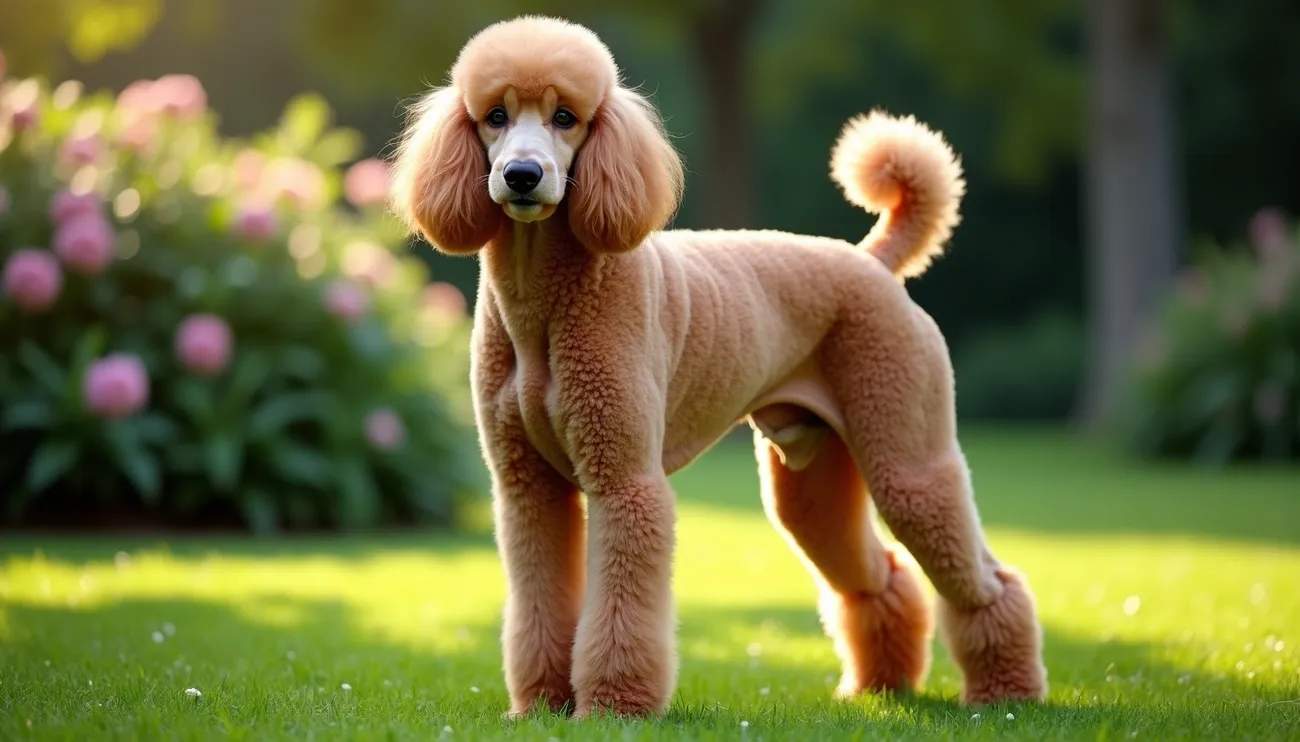 Poodles stand out as one of the world’s most intelligent dog breeds, though their elegant appearance might suggest otherwise. These versatile dogs trace their roots to Germany where they worked as water retrievers, though some experts and the Fédération Cynologique Internationale believe France is their true origin. The breed’s popularity has remained strong through the decades. The American Kennel Club’s records show Poodles dominated registrations from 1960 to 1982. Today, they rank as the third most popular FCI registered breed globally, with only Labrador Retrievers and German Shepherds ahead of them.
Poodles come in three distinct sizes. The Standard Poodle towers above its smaller cousins at over 15 inches tall and weighs between 40-70 pounds. Miniature Poodles reach 10-15 inches in height and maintain a weight of 10-15 pounds. The smallest variety, Toy Poodles, stands no taller than 10 inches and weighs just 4-6 pounds. The breed’s lifespan ranges from 10-18 years impressively, and smaller Poodles tend to live longer than larger ones. This piece covers the breed’s contested origins, unique physical traits, temperament, health concerns, and their roles in work, sport, and service.
The Origins of the Poodle Breed
The poodle breed’s history goes back to the Middle Ages. Dog historians and breed enthusiasts still love to debate the exact details of where these dogs came from.
Germany or France? The debated origin
Poodles have become a symbol of French culture, but historical evidence suggests Germany is their true homeland. Most dog experts believe these dogs started in Germany during medieval times. They evolved from dogs that looked like today’s Standard Poodle and became Germany’s favorite water dog. But some experts disagree. The Fédération Cynologique Internationale (FCI) and several dog historians claim poodles came from France and descended from the Barbet, a French water dog. Both countries still claim the breed as their own.
Whatever side you take in this debate, one thing is clear – poodles grew up hunting near Europe’s waterways. The original poodles helped European royalty hunt waterfowl. These dogs would retrieve ducks from lakes and ponds. Their swimming skills made them a great choice for hunters working near water.
The meaning behind the name ‘Poodle’
The poodle’s name gives us strong clues about its German roots. “Poodle” comes from the German word “Pudel” or “Pudelhund,” which means “water dog”. This name has its roots in the Low German word “Pudel” meaning “puddle.” It connects to the verb “pudeln,” which means “to splash in water”. The name perfectly matches what these dogs were bred to do.
French people called these dogs “Caniche,” which comes from their word for duck – “canard”. This name also shows how these dogs helped hunt waterfowl. These different names across Europe tell us how widely used these hunting dogs were.
Early roles as water retrievers
Poodles were working dogs first, not show dogs. People bred them to retrieve ducks during hunts. Their smarts and swimming abilities made them perfect hunting partners.
The poodle’s coat played a big role in their success. Early poodles had fur that kept water away, which protected them when they dove into cold water for fallen birds. Their curly, water-resistant fur kept them warm in cold lakes and rivers.
Poodles share DNA with various European water dogs, including the extinct Barbet and possibly some Asian herding breeds. These family ties helped create their special features, like their water-resistant coat and swimming talent.
These dogs could do more than just retrieve. Hunters used larger poodles to fetch shot game and find lost arrows and bolts. This versatility helped build the breed’s reputation for being smart and adaptable.
Today’s poodles might live as pets and show dogs, but their working-dog heritage explains their natural abilities. Under those fancy haircuts beats the heart of a hunter’s companion, bred through generations to work hard alongside humans in tough water conditions.
Understanding the Types of Poodles
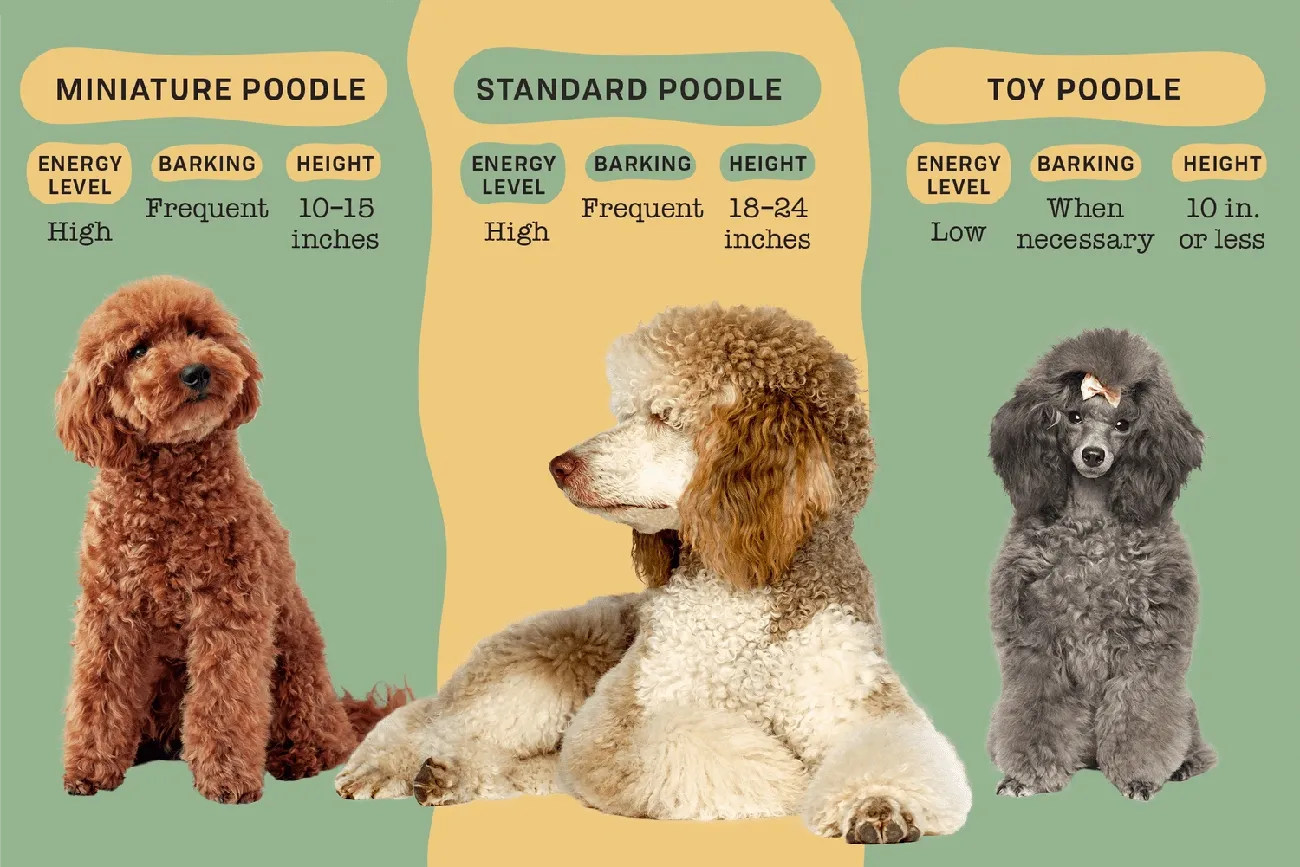
Image Source: Daily Paws
Poodles stand out from other dog breeds because they come in four distinct sizes. Each size has its own personality traits and physical characteristics that go beyond just how big they are.
Standard Poodle
The Standard Poodle is the original and largest variety that gave rise to all other poodle types. These elegant dogs stand over 15 inches tall at the shoulder and weigh between 40-70 pounds. German breeders first created them as hunting companions who excelled at retrieving waterfowl.
These smart dogs show their working heritage through their talent in many sports and activities. Standards need regular daily exercise to burn off their high energy levels. Their water-resistant curly coat shows up in many colors like black, white, apricot, silver, brown, and blue.
New owners should know that Standard Poodles might face health issues like gastric dilatation volvulus (bloat) and sebaceous adenitis. These athletic and graceful dogs usually live 12-15 years with good care.
Miniature Poodle
Miniature Poodles fit right between the larger Standard and tiny Toy varieties. They stand 10-15 inches tall at the shoulder and weigh 10-15 pounds. These mid-sized poodles pack lots of smarts and energy into a smaller frame.
These dogs look just like Standards but in a smaller size. The American Kennel Club first recognized them in 1887. Miniatures share the classic poodle traits – they’re smart, easy to train, and can do many different things.
These dogs need 30-60 minutes of daily exercise through activities like swimming, walking, short runs, and play time. Like all poodles, their curly coat needs regular grooming.
Miniatures might develop health issues like luxating patellas and Legg-Calve-Perthes disease, plus some eye problems. With proper care, these lively companions usually live 13-15 years.
Toy Poodle
Toy Poodles are the smallest official poodle variety. They stand no taller than 10 inches at the shoulder and weigh just 4-6 pounds. These tiny dogs rank among the smartest breeds despite their small size.
Breeders developed Toy Poodles in the early 20th century from Miniatures to create perfect companion dogs. Unlike their working cousins, these poodles were meant to be companions rather than hunters.
These small dogs need less exercise than bigger poodles – 30-45 minutes of daily activity works well. Their small size makes them great pets for apartments and homes with limited space.
Good care and regular vet visits help Toy Poodles live long lives, often 10-18 years. They shed very little, which might help some people with allergies, though no dog is completely hypoallergenic.
Medium and Teacup Poodles
Two more poodle sizes exist beyond the three AKC-recognized varieties. Medium Poodles (also called Moyen or Klein) fit between Standards and Miniatures, standing 14-18 inches tall and weighing 33-42 pounds.
Medium Poodles have official breed status in Europe through the Fédération Cynologique Internationale (FCI), but kennel clubs in the United States, Great Britain, and Canada don’t recognize them.
Teacup Poodles are tiny dogs that can weigh as little as two pounds. No major kennel club recognizes them. Breeding these tiny dogs raises ethical concerns because they often face health problems like hypoglycemia, dental issues, fragile bones, and heart defects.
Size should be just one factor in choosing your poodle. Each variety brings its own mix of energy, exercise needs, and health considerations that you should think over before bringing home your new companion.
Physical Characteristics and Appearance
Poodles have one of the most recognizable looks in the dog world with their elegant proportions and distinctive curls. Their fashionable haircuts might catch your eye, but underneath lies an athletic build that served their original purpose as working water dogs.
Size and weight variations
Poodles come in several standard sizes, each with clear differences in weight and height. Standard Poodles, the largest variety, stand over 15 inches tall at the shoulder. Male Standards usually weigh between 60 and 70 pounds, while females are lighter at 40 to 50 pounds. This 20-pound difference between genders shows up reliably throughout the breed.
Miniature Poodles fit right in the middle range. They stand 10 to 15 inches tall and weigh between 10 and 15 pounds. Toy Poodles are the smallest official variety, reaching no more than 10 inches at the shoulder and weighing just 4 to 6 pounds.
Some regions, especially Europe, recognize the Medium (Moyen) Poodle as its own size category. These dogs reach between 38cm to 45cm in height (about 14 to 18 inches) and weigh between 8kg and 15kg (around 18 to 33 pounds). Standard Poodles typically reach their full height by six months but continue to gain weight until they’re about a year old.
Distinctive coat and body structure
Poodles have balanced, square proportions with straight backs, strong shoulders, and muscular loins. Their heads look slightly rounded with flat cheekbones, oval-shaped dark eyes, and strong, straight muzzles. Their ears hang flat and are rounded at the tips, covered with long, wavy hair that adds to their charm.
The poodle’s coat makes them unique among almost all other breeds. They have a wooly undercoat and dense wiry topcoat. You’ll find two main coat types: curly or corded. The curly coat is thick and forms tight curls that bounce back when touched. The corded coat creates unique “dreadlock” patterns with proper care.
Many people don’t know that show poodles’ elaborate haircuts started for practical reasons. These clips developed to keep thick coat over joints and chest, which helped dogs stay warm while working in cold water. Working poodles had their faces, necks, and legs clipped short to swim better, but kept hair around vital organs and joints for protection.
Common and rare coat colors
Poodles come in an amazing range of colors, from everyday shades to rare varieties. Black leads the pack as the most common color because of its dominant gene. Pure black poodles look as deep as ink without any tinting or white guard hairs.
White and brown poodles are also fairly common, with brown poodles showing off rich mahogany or walnut shades. Silver poodles start life as black puppies but “clear” to their adult color, usually starting with their faces and paws around six weeks old.
Apricot stands out as the rarest color among poodles. This light reddish-gold shade first showed up in 1898 and breeders still find it hard to produce consistently. Red poodles take second place in rarity and only gained recognition as their own color category in 1980.
Other colors include blue (a lighter version of black), cream (often mistaken for white), café au lait (a light tan), and silver beige (a lighter brown). The American Kennel Club officially accepts eleven solid colors: apricot, black, blue, brown, café au lait, cream, gray, red, silver, silver beige, and white.
Poodles can also sport parti-colors (big patches of white with another color), abstract patterns, sable, brindle, or phantom markings. However, only solid-colored poodles can compete in AKC conformation shows.
Grooming and Coat Maintenance
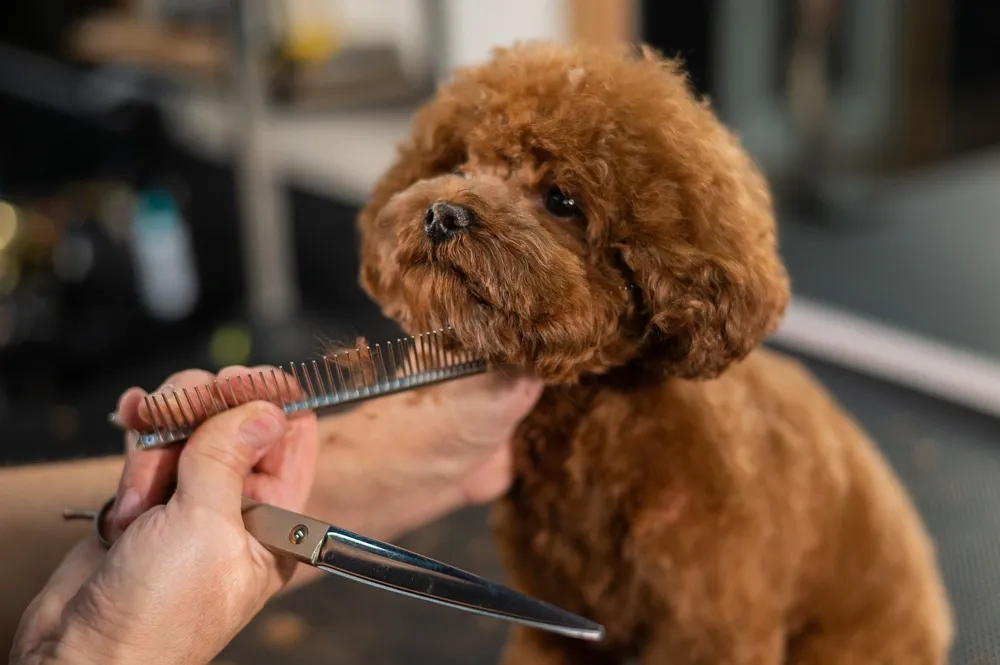
Image Source: Dogster
A beautiful poodle’s appearance comes from countless hours of care and attention. Their unique coat needs regular upkeep to stay healthy and mat-free, whether you visit a groomer or tackle it yourself at home.
Popular grooming styles and clips
Poodles rock some of the most unique and eye-catching haircuts you’ll see on any dog. Each style needs its own special care to maintain that perfect look.
The Puppy Cut is the most practical choice for pet owners. Your poodle’s hair stays clipped to one length (usually 1-2 inches) all over. This easy-care style needs minimal daily attention but keeps that classic poodle look.
The Teddy Bear Cut tops the list of most-wanted styles at grooming salons. This sweet style gives poodles a soft, round look that makes them extra huggable.
Athletic poodles do great with the Lamb Cut. Hair stays shorter on the body with a bit more length on the legs. This practical style suits dogs who love outdoor adventures like hiking and swimming.
Dog show fans will spot the Continental Cut and English Saddle Cut in the ring. These fancy clips feature shaved areas with pom-poms (or bracelets) on the ankles, hips, and tail. These styles aren’t just for show – they started as practical cuts for water-retrieving poodles. The pom-poms protected their joints in cold water while making swimming easier.
Corded vs. curly coats
Poodles come with three coat varieties: curly, corded, and wavy. Each type needs its own special care routine.
The curly coat shows up most often and gives that classic poodle look with dense, soft, tight curls. These curls need regular brushing to stay tangle-free.
The corded coat turns heads with its rope-like strands that look like dreadlocks. This rare style has quite a history – England’s first Champion Poodle (Champion Achilles) showed off 30-inch cords back in the late 1800s. These cords form when the hair mats naturally in controlled sections.
Corded coats need very different care than curly ones. Bath time becomes quite an event – first separate the cords by hand (never use mat splitters), then soak your dog for about 30 minutes before adding shampoo. Drying takes special care too. Air-drying can stretch to 48 hours and might cause mildew, while strong blow dryers can mess up the cords.
The wavy coat sits between these two extremes with looser curls that sometimes look almost straight. Though less common, this coat still needs regular grooming to avoid mats.
How often should you groom a Poodle?
Regular grooming keeps your poodle’s coat healthy and easy to manage. Most experts say daily brushing with a stiff-bristled slicker brush works best. Make sure you reach right down to the skin.
Bath time usually comes every 3-6 weeks, depending on your dog’s activities and coat length. Professional groomers like dog-specific shampoos made for curly coats, though some handlers say human brands like Pantene or Suave work fine since poodles have hair instead of fur.
Professional grooming typically follows this schedule:
Every 4-6 weeks for show dogs or precise clips
Every 6-8 weeks for pets with simple cuts (with daily brushing)
Professional grooming prices range from $50-$120 for a standard poodle, based on location, salon reputation, and coat condition.
Home groomers need some basic tools: a quality slicker brush, metal comb, dog-safe shampoo, and nail clippers. If you plan to trim at home, look into Andis or Oster clippers with snap-on blades. Pros suggest size 15 or 30 blades for face, feet, and tail base, with 4-7 blades for body work.
Your poodle’s comfort and looks depend on steady grooming habits, whether you handle it yourself or trust a professional.
Temperament and Intelligence
Poodles are not just beautiful dogs – their mental capabilities make them one of the smartest canine companions around. These amazing dogs blend sharp smarts with unique personality traits that pet owners worldwide love.
Why Poodles rank high in intelligence
Studies of dog breed intelligence rank poodles second only to Border Collies. Their exceptional ranking comes from real abilities you can measure. These smart dogs learn new commands in less than 5 tries and follow first commands 95% of the time or better.
Their problem-solving skills shine in many dog activities. You’ll often see poodles winning top spots in obedience and agility contests. Their smarts come in part from their history as retrievers, where they had to think and decide on their own while hunting in water.
These versatile dogs excel at everything from hunting and retrieving to circus shows. They learn so quickly that they can handle many jobs – from service work to therapy and even military roles.
Behavioral traits across sizes
The basic personality stays similar in all poodle sizes, with a few small differences worth noting. Standard, Miniature, and Toy poodles share key traits – they love people, stay active, and bond deeply with their families.
Standard Poodles show their hunting dog background with loyal, athletic personalities. They need lots of physical and mental exercise to stay happy. Miniature and Toy poodles keep the breed’s famous smarts but might be shy around strangers. Without good socialization, they can sometimes act aggressive toward unfamiliar dogs.
Every poodle size needs companionship. These dogs create strong family bonds and might bark too much if left alone often. Their energetic, spirited nature fits best in active homes where they get plenty of attention.
Training and socialization tips
Smart poodles need mental challenges to stay balanced. Puzzle toys, games, and advanced training keep their minds busy and stop unwanted behaviors. Quick training sessions work best – about ten minutes each, several times a day.
These sensitive dogs respond best to positive reinforcement. Rewards like praise, treats, and playtime help build a strong bond between poodles and their owners. Harsh training methods usually fail with this breed.
Poodles need good socialization, especially since they can be reserved with strangers. Meeting different people, places, and animals early helps create confident, well-adjusted dogs. Start socializing early with many experiences to prevent territorial or defensive behavior.
Families thinking about getting a poodle should understand these traits and training needs to build a great relationship with these brilliant, loyal companions.
Health and Lifespan of Poodles
Poodles generally stay healthier than many purebred dogs. However, future owners should know about several health conditions common to this remarkable breed. This knowledge helps provide better care throughout their pet’s life.
Common genetic conditions
These intelligent dogs face several inherited health challenges. Addison’s disease, an adrenal disorder disrupting hormone production, shows up more often in poodles than other breeds. People call it the “Great Pretender” because it mimics other conditions. Dogs might lose weight, become lethargic, or develop tremors.
Sebaceous adenitis, a condition affecting the oil glands, has become another major concern. Studies show it affects about 2.7% of poodles. The condition became more widespread when breeders rushed to produce show dogs during the 1960s popularity surge.
These dogs also face other health challenges. Hip dysplasia affects roughly 11.9% of poodles. Epilepsy usually appears when dogs are between 6 months and 5 years old. Gastric dilatation-volvulus (bloat) needs immediate vet care as it can threaten a dog’s life.
Size-based life expectancy
A poodle’s size determines how long it lives – smaller poodles live longer than bigger ones. Standard Poodles usually live 10-13 years, sometimes reaching their 14th birthday. Miniature Poodles stick around longer, living 14-17 years on average. Toy Poodles live the longest, reaching 16 years on average, with some making it to 18.
A newer study, published in 2024 by UK researchers found poodles live about 14 years. This beats other purebreds at 12.7 years and crossbreeds at 12 years. Japanese researchers looked at Toy Poodles and found they lived around 12.7 years.
Preventive care and vet checkups
Regular vet visits are the life-blood of keeping poodles healthy. Vets suggest yearly or twice-yearly checkups, especially for older dogs. These visits help catch common problems early. Dental disease affects about 80% of dogs by age two.
Your poodle needs:
Wellness checks every six months to spot early signs of joint pain or heart issues
A healthy weight through good food and exercise habits since extra pounds make health problems worse
Genetic testing before breeding to reduce inherited health issues
Daily mental challenges and social time to keep stress and anxiety low
Quality preventive care helps poodles live longer, better lives. Catching health issues early lets vets treat problems before they seriously affect your dog’s wellbeing.
Poodles in Work, Sport, and Service
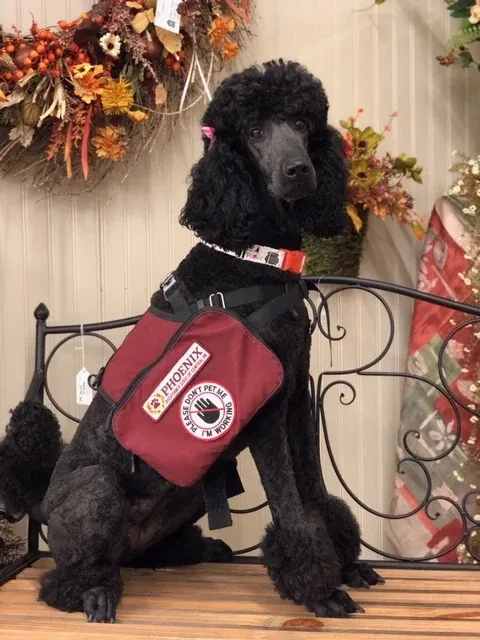
Image Source: Winters Wind Poodles LLC
Poodles in Work, Sport, and Service
From hunting to circus acts
Poodles stand out as one of the most adaptable working dogs in history. These remarkable dogs started as water retrievers with physical features that matched their job perfectly. Their curly coat creates a protective layer that keeps them warm when retrieving ducks in cold water. Their webbed feet make them natural swimmers who excel at retrieving waterfowl from lakes and rivers.
These intelligent dogs soon found their way into the circus ring. Their quick learning ability, trainability, and graceful looks made them natural performers. Audiences watched in amazement as these talented canines walked tightropes, acted in theatrical skits, and performed card tricks. This shift from duck hunter to entertainer proved just how adaptable poodles could be.
Modern roles in agility and service
Poodles excel in competitive sports and service work today. Mary Olund, Corresponding Secretary of the Poodle Club of America, calls them “the most versatile breed” and notes they “enjoy participating in every canine sport and make the best home companions”. Their sharp minds and strong drive help them shine in agility, obedience, and rally competitions.
These dogs are a top choice for service work. Their quick learning ability puts them among the most sought-after service dog breeds. Poodles work as guide dogs for the visually impaired, help people with physical disabilities, and more recently detect scents with remarkable accuracy.
Military and therapy dog contributions
Military forces have relied on poodles for hundreds of years. Historical records show their military service dating back to the 17th century. Prince Rupert of the Rhine rode into battle with his loyal poodle during the English Civil War. Napoleon Bonaparte mentioned a devoted poodle who stayed with his fallen master at the Battle of Marengo in his memoirs.
Standard poodles played their part in World War II by guarding defense plants and military installations. These days, poodles shine as therapy dogs who bring comfort to people in hospitals, nursing homes, schools, and areas hit by disasters. Their relaxed nature, social skills, and hypoallergenic coats make them perfect companions for supporting people from all walks of life.
Designer Breeds and Poodle Mixes
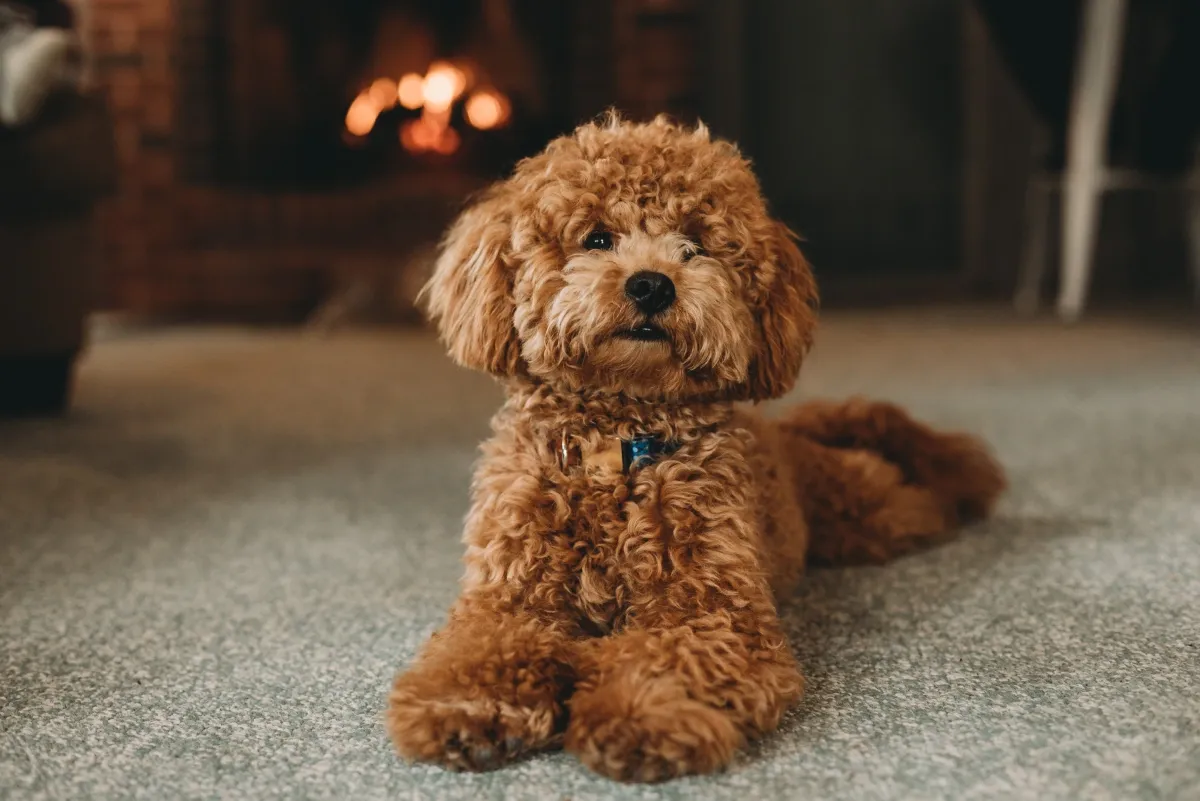
Image Source: HubPages
Designer dogs with poodle lineage have become incredibly popular in the last few decades. These carefully planned crossbreeds combine poodle smarts with other breeds’ best qualities to create perfect family companions.
Labradoodle, Maltese Poodle, and more
Wally Conron started the designer dog movement in 1989. He created the Labradoodle by breeding a Labrador with a poodle to develop a guide dog that wouldn’t trigger allergies. His creation led to an explosion of poodle mixes, and breeders now recognize more than 40 varieties. Goldendoodles blend Golden Retrievers with Poodles. Maltipoos come from Maltese and Toy Poodle parents and typically weigh 10-20 pounds. Bernedoodles result from mixing Bernese Mountain Dogs with Poodles.
Pros and cons of crossbreeding
Supporters say these mixed breeds have better health due to their diverse genetic makeup. Many people choose doodles because they believe these dogs shed less and might work better for people with allergies. All the same, science hasn’t proven the hypoallergenic claim. Research shows no dog breed can truly be allergen-free.
Mixed breeding comes with its risks. Parent breeds often face similar health issues like hip dysplasia. First-generation puppies can be unpredictable – about one-third of labradoodles get their Labrador parent’s coat and shed normally.
Why some breeders oppose designer dogs
Respected breeders often stand against crossbreeding practices. They worry about profit-driven breeding since these puppies can cost thousands of dollars. The high demand for designer dogs has led to concerning breeding practices. Puppy mills now produce about 20% of their dogs as designer breeds.
Conclusion
Poodles are definitely one of the most versatile and extraordinary dog breeds in the world. Their experience from German water retrievers to beloved companions shows their remarkable ability to adapt through the centuries. These intelligent dogs have managed to keep consistent popularity worldwide, even though people debate about their exact origins. They rank among the top breeds registered by major kennel clubs.
You can spot a poodle right away by their unique physical traits. Their curly, hypoallergenic coat comes in many colors. The coat needs regular care to prevent matting, whether it’s styled in practical puppy cuts or show clips. Their square proportions and elegant movement show their athletic heritage. This holds true for Standard, Miniature, and Toy varieties.
Only Border Collies surpass poodles in canine intelligence tests. These smart dogs excel at almost any task, from competitive dog sports to service work. Each variety has subtle temperament differences to think over when picking the right poodle. Yet they all need plenty of mental stimulation to stay happy.
Health issues differ between poodle sizes, and smaller varieties usually live longer. Good veterinary care helps control genetic conditions like Addison’s disease and sebaceous adenitis. Regular exercise prevents problems related to obesity. Owners who take good care of their poodles often enjoy 10-18 years with their loyal companions.
Poodles help society in many ways beyond being pets. They serve in therapy work, military service, and assistance dog programs. Their popularity has led to many “doodle” mixes, though purebred enthusiasts often question the ethics of crossbreeding.
Without doubt, poodles are more than just their fancy looks. These smart, adaptable dogs blend beauty with brains and offer loyal companionship with amazing working abilities. People who bring a poodle home find a dog that breaks stereotypes. This ancient breed continues to win hearts worldwide for good reason.
Key Takeaways
Discover the essential insights about poodles that every dog lover should know, from their surprising origins to their remarkable versatility as companions and working dogs.
• Poodles rank as the second most intelligent dog breed globally, originally bred as German water retrievers despite common association with France.
• Three official sizes exist (Standard, Miniature, Toy) with lifespans of 10-18 years, where smaller varieties typically live longer than larger ones.
• Their distinctive curly coat requires professional grooming every 4-8 weeks and daily brushing to prevent matting and maintain health.
• Beyond companionship, poodles excel as service dogs, therapy animals, and competitive athletes due to their exceptional trainability and intelligence.
• Popular “doodle” crossbreeds like Labradoodles combine poodle traits with other breeds, though true hypoallergenic claims remain scientifically unproven.
The poodle’s combination of intelligence, versatility, and distinctive appearance makes them ideal companions for active families willing to invest in proper grooming and mental stimulation. Their working heritage shines through in modern roles from therapy work to competitive sports, proving these elegant dogs are far more than their fancy haircuts suggest.
FAQs
Q1. Are poodles hypoallergenic dogs? While poodles are often considered hypoallergenic, no dog breed is truly 100% hypoallergenic. Poodles do shed less and produce fewer allergens than many other breeds, which may make them a better choice for some allergy sufferers. However, individual reactions can vary, so it’s best to spend time with a poodle before bringing one home if you have allergies.
Q2. How often should I groom my poodle? Poodles require regular grooming to maintain their coat health. Daily brushing is recommended to prevent matting, while professional grooming is typically needed every 4-8 weeks, depending on the desired coat length and style. Bathing can be done every 3-6 weeks, or as needed based on your poodle’s activities and lifestyle.
Q3. What are the different sizes of poodles? There are three officially recognized poodle sizes: Standard (over 15 inches tall), Miniature (10-15 inches tall), and Toy (under 10 inches tall). Some regions also recognize a Medium (Moyen) size, which falls between Standard and Miniature. The size variations allow poodles to suit different living situations and owner preferences.
Q4. Are poodles good family dogs? Poodles can make excellent family dogs due to their intelligence, adaptability, and affectionate nature. They are generally good with children and other pets when properly socialized. However, they do require regular exercise and mental stimulation to prevent boredom-related behaviors. Poodles also form strong bonds with their families and may not do well if left alone for long periods.
Q5. What health issues are common in poodles? While generally healthy, poodles can be prone to certain genetic conditions. These may include Addison’s disease, sebaceous adenitis, hip dysplasia, and eye problems. Standard Poodles may also be at risk for bloat. Regular veterinary check-ups, proper diet, exercise, and genetic testing for breeding dogs can help manage and prevent many of these issues. Smaller poodle varieties tend to have longer lifespans but may be more susceptible to dental problems and patellar luxation.