
English Mastiff
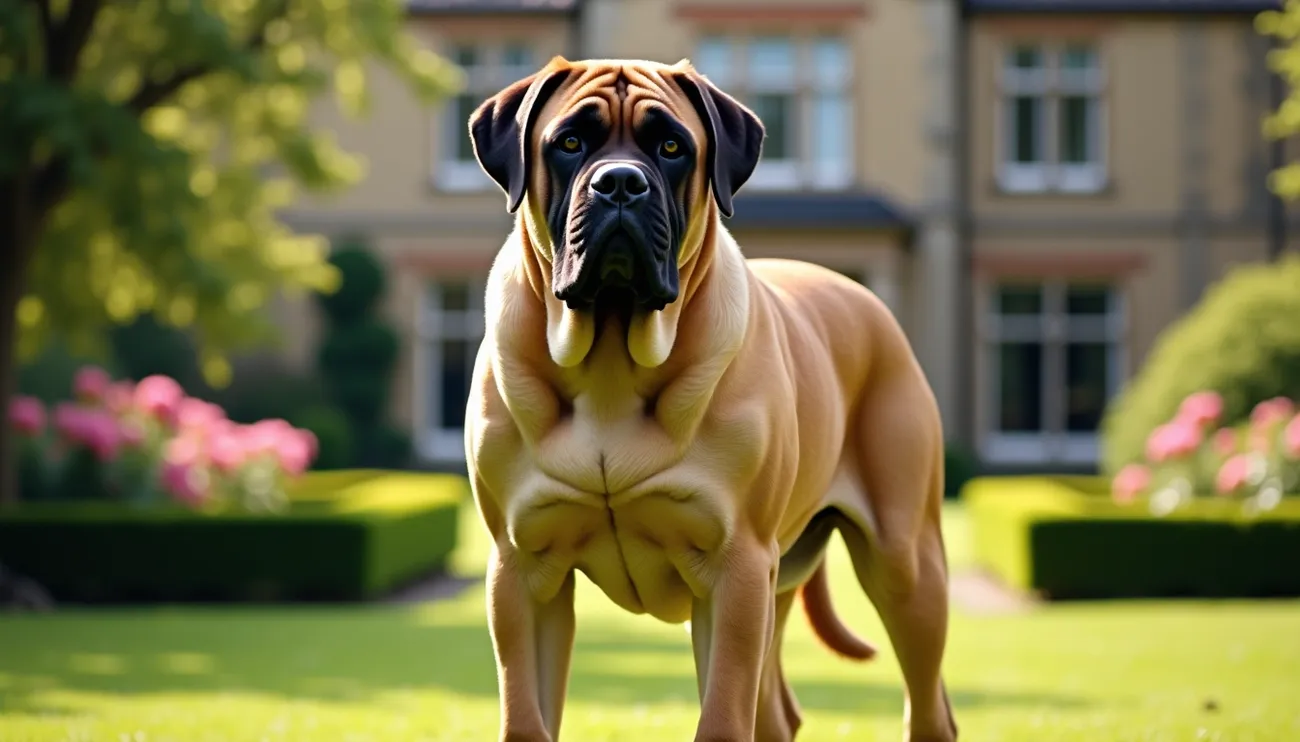 The English Mastiff stands as the largest dog breed on record. A remarkable example named Aicama Zorba of La Susa tipped the scales at 343 pounds (155.6 kg). This massive dog’s measurements were staggering – 37 inches (94 cm) at the shoulder and 8 feet 3 inches (251 cm) from nose to tail. Such dimensions made Zorba comparable to a small donkey. Zorba represents an exceptional case, yet the English Mastiff remains without doubt the heaviest dog breed alive. These impressive dogs typically outweigh wolves by up to 110 pounds (50 kg) on average.
Adult Mastiffs usually weigh between 120 and 230 pounds, and male dogs’ shoulder height often exceeds 30 inches[-3]. These gentle giants pack impressive size into a relatively brief lifespan of 6 to 10 years[-5]. The American Kennel Club’s recognition of the breed dates back to 1885. The Mastiff’s rich history and unique traits make it a remarkable breed. In this piece, we explore everything future owners and breed enthusiasts need to know about these magnificent dogs – from their ancient roots and physical characteristics to their care requirements and lifestyle needs.
History of the English Mastiff
The English Mastiff’s legacy dates back thousands of years, making it one of the oldest recognized dog breeds worldwide. Archeological findings show Mastiff-type dogs existed as far back as 3000 BCE across ancient Asian and Middle Eastern civilizations. The British Museum houses fascinating bas-reliefs from the Babylonian palace of Ashurbanipal that show Mastiff-type dogs hunting lions near the Tigris River.
Ancient origins and Roman influence
Experts still debate the English Mastiff’s exact geographical origins. Evidence points to these powerful dogs arriving in Britain through Phoenician traders around 1500 BCE. Julius Caesar’s invasion of Britain in 55 BCE led to his discovery of these impressive canines already thriving on British soil.
These massive British dogs left such an impression on Caesar that he sent many specimens back to Rome. The Romans used these majestic animals to fight wild beasts like bears, lions, and tigers, and even human gladiators in the Colosseum. Romans gave these British imports the name “Pugnaces Britanniae,” which means “British Fighting Dogs”.
Strabo, a first-century Greek historian, documented how British dogs were exported to hunt game and served as Celtic war dogs. A prominent Roman poet named Grattius praised these British canines as superior to the Greek Molossus, especially when you have battle situations.
Medieval roles and estate guardianship
Medieval England saw Mastiffs serving many vital functions. Noble properties and castles relied on these dogs as guardians, letting them patrol the grounds at night. The English Mastiff’s role as protector earned them a place in The Forest Laws of King Canute, England’s first written laws.
The Battle of Agincourt in 1415 marked a defining moment in Mastiff history. Sir Piers Legh’s faithful Mastiff stood guard over him for hours on the battlefield after he suffered severe wounds. Though Sir Piers later died in Paris, his loyal companion returned to England and birthed puppies. These puppies became the foundations of the renowned Lyme Hall Mastiffs—a bloodline the Legh family managed to keep for generations.
The medieval period had its dark side. Mastiffs were forced into blood sports like bear-baiting and bull-baiting until these brutal entertainments were banned in 1835. After the ban, breeders focused on developing gentler temperaments while keeping the dogs’ protective instincts.
The Dukes of Devonshire and Sutherland and the Earl of Harrington ran prominent Mastiff kennels. King James I (1603-1625) showed the breed’s royal status by sending two Lyme Hall Mastiffs as gifts to Philip II of Spain.
Decline and revival after world wars
The English Mastiff faced unprecedented challenges in the 20th century. World War I caused their numbers to drop by a lot as food shortages made it hard to feed such large dogs. World War II brought even worse devastation.
Britain’s Mastiff population plummeted to just 14 dogs by the end of World War II. Wartime food rationing made it impossible to keep dogs that ate as much as adult humans. Many kennels euthanized their dogs as a patriotic sacrifice.
North America came to the rescue. Post-war breeding stock from Canada and the United States helped rejuvenate the diminishing population. A Canadian-born Mastiff puppy named Beowulf played a key role, along with Mrs. Heather Melhuish of British Columbia, who sent two Mastiffs—Heather Belle Sterling Silver and Heather Belle Portia—to the UK.
The United States now houses the largest population of English Mastiffs, though these dogs thrive worldwide once again. Modern breeders prioritize gentle temperament and family compatibility. These ancient warrior dogs have become beloved companions while keeping their noble bearing and protective nature.
Physical Characteristics and Size
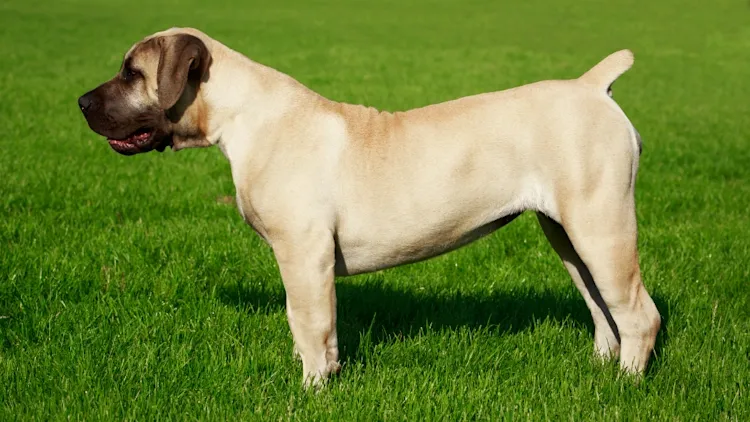
Image Source: Pawlicy Advisor
English Mastiffs stand like living monuments of canine nobility. These dogs command attention through their physical presence. Their unique blend of strength and proportion makes them unmatched in size among domestic dogs, creating a silhouette that shows both power and dignity.
English Mastiff weight and height range
Male English Mastiffs grow noticeably larger than females. The American Kennel Club states that males reach at least 30 inches (76 cm) at the shoulder, and females grow to at least 27.5 inches (70 cm). This height combines with their massive build to create an impressive figure.
Adult male Mastiffs usually weigh between 160-230 pounds (72-104 kg), while females typically reach 120-170 pounds (54-77 kg). These numbers represent healthy dogs—not overweight ones—and showcase their naturally massive build. Unlike smaller dogs that grow quickly, English Mastiffs take time to reach their full size.
These giant dogs reach their adult height around one year old but continue to fill out longer. They need two to three years to fully mature and hit their final weight. Male Mastiff puppies often weigh 80-110 pounds at just six months, while females reach 60-90 pounds. They already weigh more than many full-grown medium-sized breeds.
A Mastiff’s final size depends on several factors:
Genetics (particularly parental size)
Gender (males grow much larger)
Diet and nutrition
Overall health during growth periods
Coat types and color standards
English Mastiffs have a distinctive double coat that protects them without needing much maintenance. Their outer coat grows straight, moderately coarse, and short. A dense, short undercoat lies close to the body. This practical coat helped with their historical guarding duties by protecting them without limiting movement.
English Mastiffs come in three official color variations:
Apricot: From light strawberry blonde to deep reddish hues
Fawn: Various blonde shades, from light silver to golden yellow
Brindle: Dark tiger-like stripes over fawn or apricot base colors
The black mask plays a crucial role in their appearance. Every properly marked English Mastiff shows a black mask covering the muzzle and surrounding the eyes. This mask should look well-defined and as dark as possible, matching the black coloring on their ears. These facial features create the breed’s signature look of alert dignity.
Small white patches on the chest are allowed but not encouraged beyond tiny spots. The breed standard clearly states: “A small patch of white on the chest is permitted. Faults—Excessive white on the chest or white on any other part of the body”.
Record-breaking Mastiffs
English Mastiffs hold the title of heaviest documented dog breed. Aicama Zorba of La-Susa set this record in London during September 1997. This remarkable dog weighed 343 pounds (155.6 kg) and measured 8 feet 3 inches (251 cm) from nose to tail. He weighed more than many adult humans.
Zorba’s measurements amazed everyone: his chest measured 1.447m (57 inches) around, his neck was 87.7cm (36½ inches), and he stood 88.7cm (35 inches) at the shoulder. Once, Zorba’s weight reached 153.5kg (338 pounds) after a relative overfed him, but he later returned to his ideal weight.
Size ran in Zorba’s family. His son Chandor weighed 120.6kg (266 pounds) at just 18 months—heavier than Zorba’s weight of 108kg (238 pounds) at two years.
Irish Wolfhounds or Great Danes might grow taller than Mastiffs (up to 32 inches), but none match the English Mastiff’s massive frame and muscle density. This explains why English Mastiffs can weigh 50kg (110 pounds) more than wolves on average, according to various sources including Wikipedia.
After Zorba’s record, the Guinness Book of Records stopped accepting “largest pets” submissions in 2000 due to animal welfare concerns. This decision made Zorba the permanently recognized largest dog in documented history.
Temperament and Personality Traits
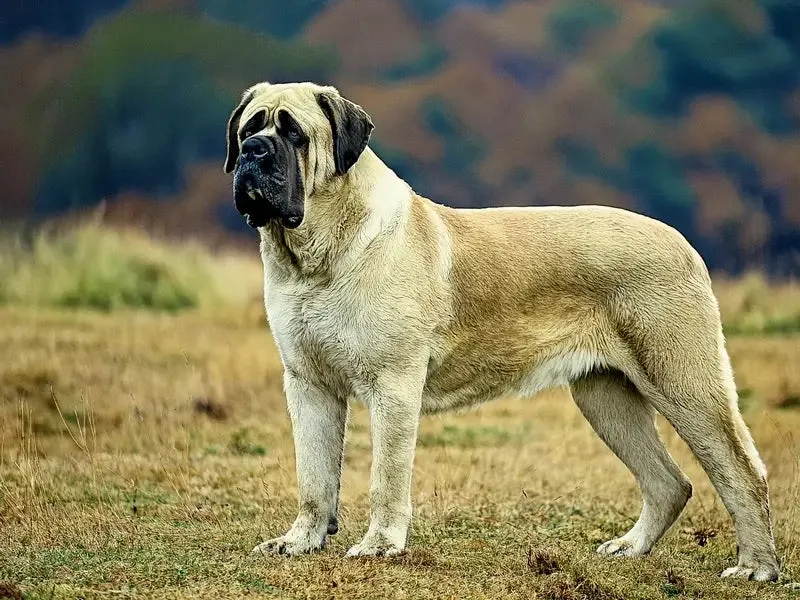
Image Source: Holistapet
The English Mastiff stands out not just for its impressive size and historic lineage, but for its remarkable temperament. These dogs are a perfect paradox – massive in size yet incredibly gentle, making them companions that defy what you’d expect from their appearance alone.
Gentle giant nature
A remarkably calm and composed canine lives behind the English Mastiff’s intimidating exterior. Dog lovers call them “gentle giants” because these dogs have an exceptionally high stimulus threshold. They stay calm during noises, stress, or environmental changes that might upset other breeds. The breed’s defining traits include their docility and dignified behavior, and their patience has become legendary among dog enthusiasts.
Sydenham Edwards captured the English Mastiff’s temperament perfectly in 1800: “His courage does not exceed his temper and generosity… His docility is perfect; the teazing of the smaller kinds will hardly provoke him to resent”. This observation rings true today, as modern Mastiffs still show remarkable emotional sensitivity despite their huge size.
These dogs typically have a quiet, reserved nature. They rarely bark excessively or act hyperactive. Instead, they watch situations carefully before they respond. This thoughtful behavior makes them adapt surprisingly well to different living spaces, including suburban homes or even apartments, as long as they get enough exercise.
Protective instincts and loyalty
English Mastiffs blend their gentle nature with strong protective instincts. Their approach to guardianship matches their overall temperament – thoughtful rather than reactive. A well-socialized Mastiff usually places itself between potential threats and family members instead of aggressive lunging or barking.
Their steadfast dedication to family shows in their deep devotion. These dogs create strong bonds with their human companions and often become particularly close to one or two main caregivers. They might act reserved around strangers at first until proper introductions are made. Properly trained dogs rarely show aggression despite this cautious nature.
Early socialization and training are crucial for English Mastiffs. Positive reinforcement techniques and gentle consistency help channel their natural protective instincts. Well-trained Mastiffs strike the perfect balance between protective guardian and loving companion.
Interaction with children and other pets
English Mastiffs show amazing patience and gentleness with children. New owners often can’t believe how tolerant these huge dogs are with younger family members. Many Mastiffs seem to know instinctively when children need extra care or comfort.
Of course, supervision is essential because of their size – an excited Mastiff could knock over a small child by accident. Families with very young children should be careful, though these dogs usually show excellent judgment around little ones.
English Mastiffs get along well with other animals too. With proper socialization, they live peacefully with other dogs and even cats. They rarely start fights thanks to their relaxed nature, but proper introductions matter.
Yes, it is their mix of protective instincts, emotional intelligence, and gentle nature that makes the English Mastiff an exceptional family companion with proper training and socialization. As one owner said, “they have the patience and gentleness to make them wonderful playmates” – quite an achievement for such an imposing dog.
Health and Lifespan Considerations
English Mastiffs are magnificent dogs with impressive size and gentle nature. These gentle giants face several health challenges because of their massive build and genetic makeup. Future owners should learn about these health issues. Managing their health is one of the most important parts of owning a Mastiff.
Common health issues in Mastiffs
English Mastiff’s impressive size makes them prone to several skeletal disorders. Hip and elbow dysplasia ranks among the top concerns. These conditions cause improper joint formation that results in pain, stiffness, and possible arthritis. The ball and socket of these joints don’t fit together properly. This causes them to rub and grind instead of moving smoothly.
Gastric dilatation volvulus (GDV), or bloat, is a life-threatening condition these dogs face. This emergency happens when their stomach fills with gas or fluid and twists. Dog owners should watch for warning signs like a swollen belly, unsuccessful retching, and stomach pain. You can prevent this by giving smaller meals more often and avoiding exercise right after meals.
Heart problems, especially dilated cardiomyopathy, pose serious risks. This condition weakens the heart muscle and can lead to heart failure. Dogs might show early signs like tiredness, coughing, and trouble exercising.
Cancer is another big concern for English Mastiffs. Osteosarcoma (bone cancer) and mast cell tumors occur more often in this breed. Regular vet check-ups help catch these issues early and improve treatment success.
Eye problems are common in this breed:
Entropion and ectropion (abnormal eyelid positions)
Cherry eye (eversion of the third eyelid)
Cataracts
Progressive retinal atrophy
These dogs can also develop allergies that show up as skin irritation and ear infections. Other health issues include degenerative myelopathy, epilepsy, hypothyroidism, and obesity.
English Mastiff lifespan expectations
English Mastiffs live shorter lives than smaller breeds, usually between 6 to 10 years. Most sources agree on an average of 8 to 10 years.
Research in the UK found these dogs live about 9 years. Genetics, diet, and healthcare affect how long each Mastiff lives. Weight control plays a vital role since extra pounds strain their joints and organs.
Puppyhood growth needs special attention. Running too much in the first two years can damage joint growth plates. Some puppies gain more than 5 pounds in just one week during growth spurts. This makes monitoring their development essential.
Preventive care and vet screenings
Good Mastiff care requires regular vet visits. The Orthopedic Foundation for Animals (OFA) and Canine Health Information Center (CHIC) suggest specific health tests for English Mastiffs.
Key health tests include:
Hip dysplasia evaluation
Elbow dysplasia evaluation
Eye examination (minimum age 24 months)
Cardiac evaluation
Thyroid testing
Helpful additional tests check for cystinuria, patellar luxation, canine multifocal retinopathy, degenerative myelopathy, and dominant progressive retinal atrophy.
Soft sleeping surfaces help prevent calluses, arthritis, and hygroma. Splitting daily food into two or three meals reduces the risk of stomach problems.
Weight control through good nutrition and exercise is vital. These big dogs need enough activity to keep muscles strong and joints flexible without overworking their bodies. Joint supplements with glucosamine and chondroitin can support joint health throughout their lives.
Puppy nutrition needs careful planning because of their rapid growth. Special Mastiff or large-breed puppy food helps bones and joints develop properly. Regular preventive care and quick response to health issues help English Mastiffs live their best lives as family companions.
Feeding and Nutrition Needs
Nutrition is the life-blood of health for the massive English Mastiff. These gentle giants need specific dietary adjustments throughout their rapid growth and development phases. Their unique nutritional requirements need careful attention to both quantity and quality.
Feeding schedule and portion control
English Mastiffs need large amounts of food, and timing these meals is vital. Adult Mastiffs typically consume between 6-10 cups of dry food daily. Intact males need 8-10 cups while females require 7-9 cups. Spayed or neutered dogs should eat less – males 7-8 cups and females 6-7 cups.
Meal division is a vital step to prevent bloat, which can be fatal. Adult Mastiffs should eat twice daily, while puppies need more frequent meals. A single large meal can increase bloat risk, so it should never be an option.
Puppies need different feeding schedules as they grow:
8-12 weeks: 4-6 cups daily divided into 3-4 meals
12-16 weeks: 6-8 cups daily divided into 3-4 meals
4-6 months: 8-10 cups daily divided into 2-3 meals
6-18 months: 8-12 cups daily divided into 2-3 meals
Recommended diet for puppies and adults
English Mastiff puppies need specialized nutrition to build their massive frames. Their puppy food should contain 25-27% protein and 12-15% fat. Large-breed puppy formulas work best as they control growth rate while supporting proper joint formation.
Adult Mastiffs should switch to food with 21-25% protein and 8-10% fat after 18-24 months. High protein levels above 21% can lead to kidney and liver failure in older Mastiffs. Some owners choose grain-free formulations or raw diets. These can make up 2-3% of the dog’s body weight daily, roughly 2.5-7 pounds for most Mastiffs.
Supplements for joint and coat health
Joint problems are common in English Mastiffs, so targeted supplements can help. Glucosamine and chondroitin help bone, hip, and joint health and may slow down cartilage breakdown.
English Mastiffs specifically benefit from Vitamin C supplements to lower hip dysplasia risk. Calcium supplements should be avoided as they can cause electrolyte imbalances and skeletal disorders.
Omega-3 and omega-6 fatty acids enhance coat health. Fish oil or coconut oil supplements improve coat quality and joint mobility. These supplements work best when given regularly in weight-appropriate doses.
Training and Socialization Tips
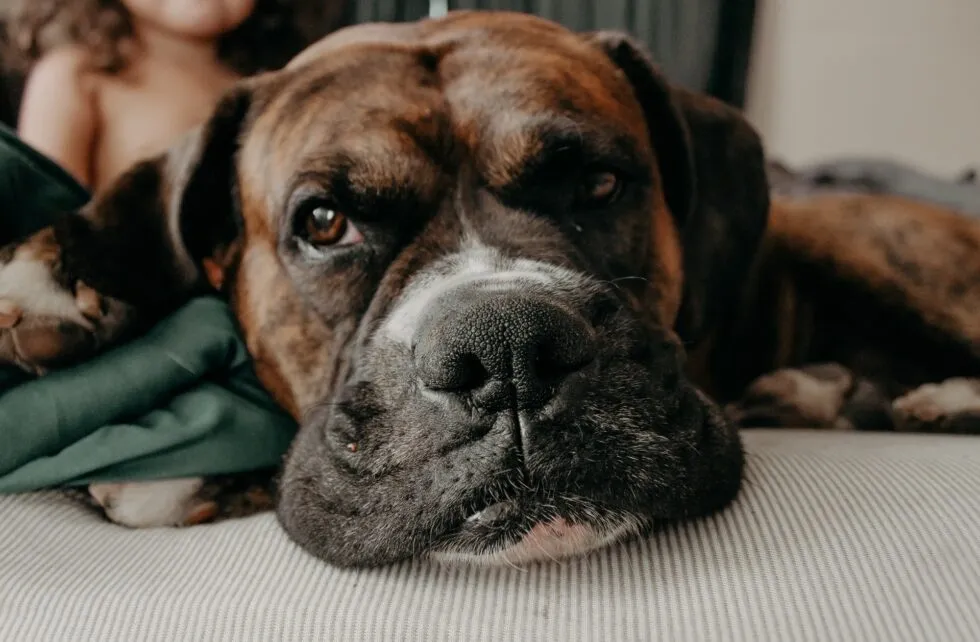
Image Source: Brooklyn Pet Spa
Training an English Mastiff needs a special approach that matches their unique temperament. These dignified giants are different from smaller, more energetic breeds and give their owners special opportunities along with specific challenges.
Importance of early socialization
Early socialization is the life-blood of raising a well-adjusted English Mastiff. These natural guard dogs must learn to tell the difference between real threats and normal situations. Your powerful dog might see everyday situations as threatening without proper socialization, which leads to behavioral problems.
Start socializing your Mastiff during puppyhood by introducing them to different people, animals, and environments. This significant process helps them build proper social skills that blend into family life. You might want to think about puppy socialization classes where they can meet other puppies and people in controlled settings.
Your Mastiff needs gentle handling of their paws, ears, and body to prepare them for grooming and vet visits. Their natural wariness of strangers makes early socialization even more important.
Positive reinforcement techniques
English Mastiffs learn exceptionally well with positive reinforcement training. These smart dogs learn quickly and are happy to please their owners, which makes reward-based training work especially well. Food-motivated Mastiffs respond strongly to treats, toys, praise, and attention.
Your Mastiff’s attention span needs special consideration. Keep training sessions short—usually 10-15 minutes at most—to hold their focus and interest. These thoughtful dogs get bored quickly with repetitive exercises, so mix up their training routines.
A few key principles for training include:
Making eye contact—Mastiffs communicate by a lot through their eyes
Keeping sessions fun and engaging
Using consistent commands and reward systems
Avoiding harsh punishments that damage trust
Common training challenges
English Mastiffs are smart but come with training challenges. Their stubborn streak shows up as independence or what looks like laziness. Many owners watch their Mastiffs just lie down and snore when bored with repetitive training.
Border Collies are easier to train than Mastiffs, who need extra patience. Simple commands like sit, stay, and down are usually achievable, but advanced tricks often prove harder.
A professional dog trainer can provide great help if behavior problems continue. The effort pays off because trained English Mastiffs become reliable, obedient companions with a calm nature and loyal personality.
Grooming and Daily Care
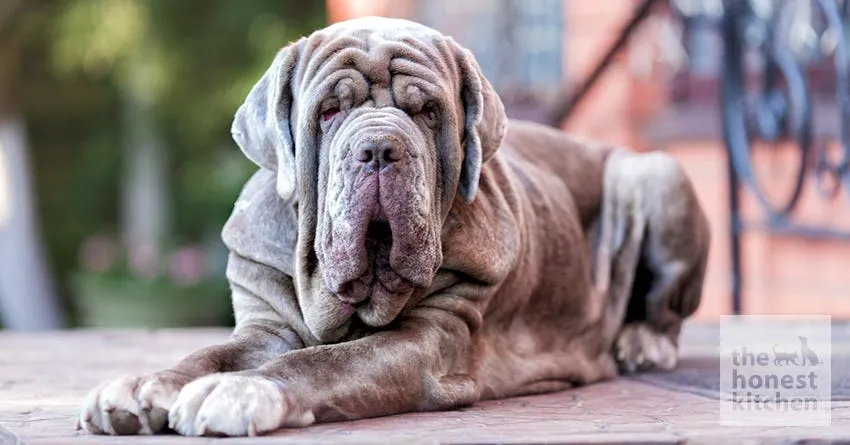
Image Source: The Honest Kitchen
Your English Mastiff needs special care due to their unique physical traits. These gentle giants have specific grooming needs that become part of your daily routine once you understand them.
Managing drool and facial folds
Excessive drooling comes with the territory when you own an English Mastiff – it’s just part of their large jowls and loose lips. Your dog will drool more during exercise, excitement, and hot weather. Here’s how you can handle it:
Set up eating and drinking spots on surfaces you can clean easily
Keep towels handy around your house for quick wipedowns
You might want to use drool bibs or bandanas
Clean their face multiple times each day, especially after meals
Your Mastiff’s facial folds need daily care to stay infection-free. Take a soft, damp cloth and gently clean between the folds to remove dirt and moisture. Make sure you dry the area really well to stop bacteria and yeast from growing. Stick to dog-specific products instead of human skincare items – your Mastiff’s skin has a different pH balance that you need to protect.
Brushing and bathing routine
These big dogs actually have pretty simple coat care needs. A weekly brush with a rubber curry brush or bristle brush gets rid of loose hair and spreads their natural oils around. You’ll need to brush daily during shedding season to keep up with all that extra fur.
Bathing should happen every 6-8 weeks to keep your Mastiff clean without stripping away their natural oils. Pick a gentle shampoo made specifically for dogs. After bath time, dry your pup completely and pay extra attention to those skin folds.
Ear, eye, and nail care
Clean your Mastiff’s ears weekly since this breed tends to get ear infections. Use cleaners your vet recommends and stay out of the actual ear canal.
Keep the area around their eyes clean with a warm, damp cloth to remove any gunk or debris. This helps prevent staining and keeps infections away.
Your Mastiff’s nails need trimming monthly to keep their feet healthy. Get some heavy-duty clippers since these dogs have thick nails. Cut straight across and watch out for the quick – that’s the pink area with blood vessels.
Living with a Mastiff: Home and Lifestyle
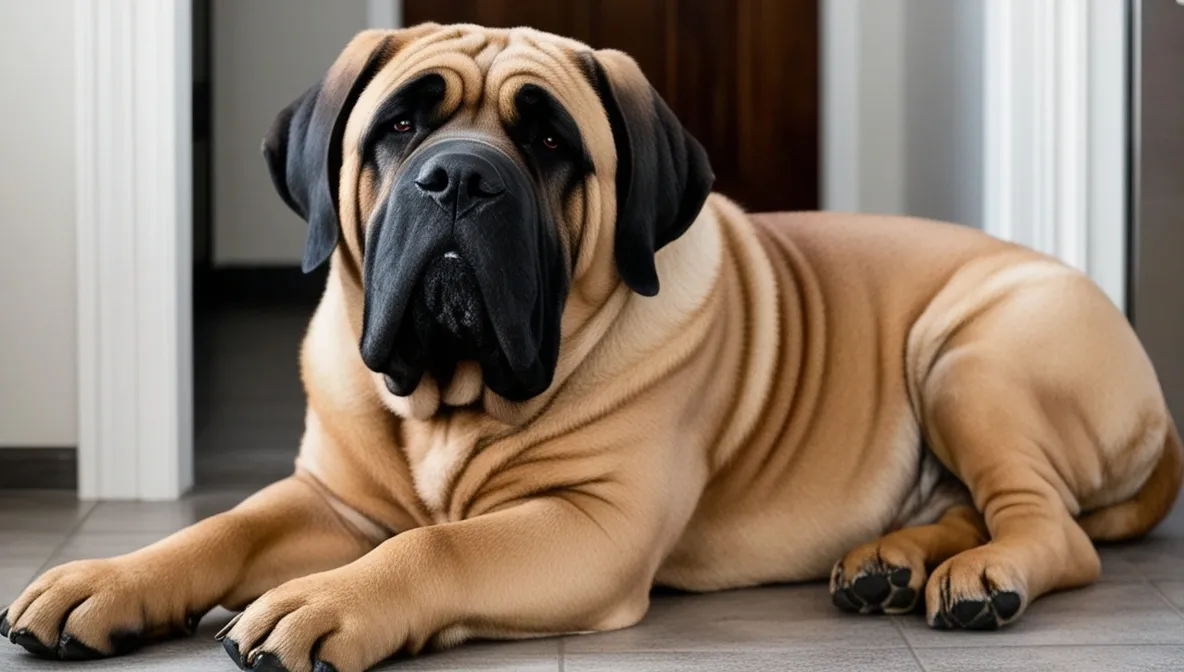
Image Source: Depthdogguide –
English Mastiffs can adapt well to different living situations if you meet their simple requirements. These gentle giants need special care because of their massive size.
Space and environment needs
English Mastiffs need plenty of space – not because they’re highly active, but just to move around comfortably. People often think these dogs belong outdoors, but they do best as indoor family members. A house with a yard works better than a small apartment. These huge dogs stay surprisingly calm indoors and love to relax with their family. You might find it interesting that these enormous dogs barely move around inside. They shouldn’t stay alone too long since they might develop separation anxiety.
Climate sensitivity and comfort
The weather poses real challenges for English Mastiffs, especially when it comes to heat sensitivity. Their bodies can’t cool down well, which puts them at risk of deadly heat stroke. Their single coat doesn’t protect them from sun damage, and they can develop skin cancer if they stay in the sun too long. They need soft beds in cool spots to stay comfortable. Take them out only during cool morning or evening hours in summer. While cold weather isn’t as bad as heat, their short coats don’t help much in freezing temperatures.
Travel and mobility considerations
Moving these huge dogs around comes with its own set of challenges. Regular pet carriers won’t work – they need large, strong travel crates with enough room to stand, turn, and lie down. Many English Mastiffs get anxious while traveling and might shake, whine, or become restless. Natural calming aids like CBD oil or pheromone sprays can help reduce their stress. Vets might prescribe trazodone for severe cases. Pack familiar blankets and toys for the trip and take frequent breaks.
Conclusion
English Mastiffs are a perfect paradox – they have massive bodies but gentle hearts. These magnificent dogs have transformed from ancient warriors and estate guardians into beloved family companions over time. They keep their protective instincts and dignified bearing intact. These gentle giants become integral family members with proper socialization and training, in spite of their imposing presence.
Future owners should think over several factors before bringing these gentle giants home. These dogs live just 6-10 years and can develop health issues like hip dysplasia and bloat. You just need dedicated preventative care and regular vet screenings. On top of that, their huge appetites, special nutrition needs, and sheer size mean you’ll need enough space and money to care for them properly.
Good training starts early using positive reinforcement that respects the Mastiff’s independent and sometimes stubborn nature. These dogs don’t ask for much grooming, but their facial folds need regular cleaning, along with drool management and seasonal shedding care. Heat tolerance is a vital factor since these massive canines struggle especially when you have hot weather.
Families who meet these needs gain an incredibly loyal, protective, and loving companion. Kids benefit the most from the Mastiff’s legendary patience and gentle nature. English Mastiffs prove that size and strength can coexist with gentleness and affection. Their unique mix of commanding presence and tender heart makes them exceptional companions – if owners can adopt both the joys and responsibilities of life with these magnificent dogs.
Key Takeaways
English Mastiffs are remarkable gentle giants that combine massive size with extraordinary temperament, but they require dedicated care and understanding from potential owners.
• English Mastiffs are the world’s heaviest dog breed, weighing 120-230 pounds with males reaching 30+ inches tall, yet require 2-3 years to fully mature.
• Despite their imposing size, these dogs are exceptionally gentle with children and make loyal family guardians through calm, thoughtful protection rather than aggression.
• Their lifespan is relatively short at 6-10 years, with common health issues including hip dysplasia, bloat, and heart problems requiring proactive veterinary care.
• Daily care involves managing excessive drooling, feeding 6-10 cups of food split into multiple meals, and providing climate-controlled environments due to heat sensitivity.
• Early socialization and positive reinforcement training are essential, as their natural protective instincts must be properly channeled through patient, consistent guidance.
When properly cared for, English Mastiffs transform from ancient warriors into devoted family companions whose patient temperament and unwavering loyalty create lifelong bonds with their human families.
FAQs
Q1. Are English Mastiffs suitable for families with children? English Mastiffs are excellent family dogs, known for their gentle nature and patience with children. However, early socialization and training are crucial to properly channel their protective instincts. Their massive size requires supervision around small children to prevent accidental bumping or knocking over.
Q2. How much grooming do English Mastiffs require? English Mastiffs have relatively low grooming needs. Weekly brushing and occasional baths (every 6-8 weeks) are usually sufficient. However, they do shed and many drool excessively, requiring regular cleaning of their facial folds to prevent skin issues.
Q3. What are the exercise requirements for an English Mastiff? Despite their size, English Mastiffs have moderate exercise needs. Daily walks and some playtime are usually enough to keep them healthy. However, they can be prone to laziness, so consistent exercise is important to maintain their weight and overall health.
Q4. Are English Mastiffs aggressive dogs? English Mastiffs are not typically aggressive. They are known for their calm and docile nature. While naturally protective of their family, well-socialized Mastiffs are more likely to position themselves between perceived threats and family members rather than show aggression.
Q5. What health issues are common in English Mastiffs? English Mastiffs are prone to several health concerns, including hip and elbow dysplasia, bloat (gastric dilatation-volvulus), heart problems, and certain cancers. Regular veterinary check-ups, proper diet, and maintaining a healthy weight are crucial for their well-being. Their lifespan is relatively short, typically 6-10 years.