
Neapolitan Mastiff
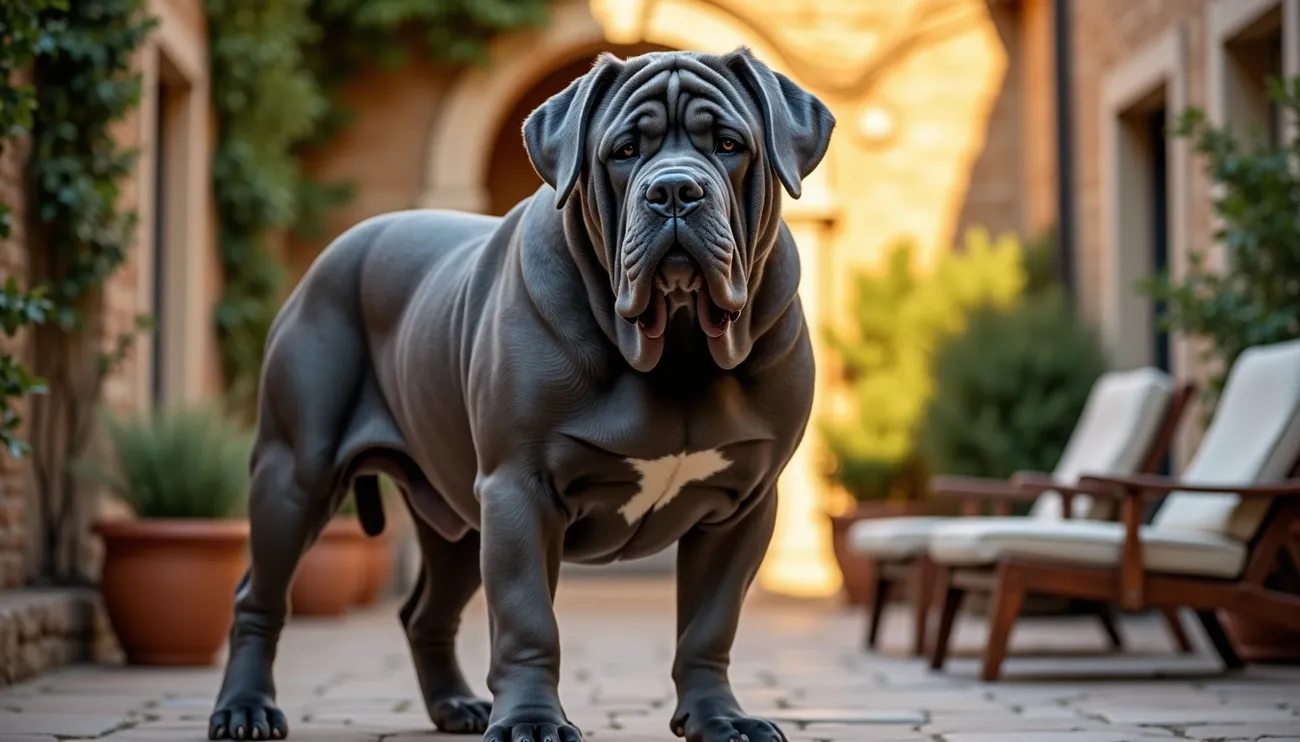
Ancient Rome’s legendary war dogs live on today in the Neapolitan Mastiff, a breed that traces its roots back two to four thousand years. These powerful guardians have kept intruders at bay since Roman times, and their striking appearance commands attention even now.
These gentle giants earned their reputation first as Roman army dogs and later protected Italian estates. Modern Neapolitan Mastiffs stay true to their impressive size. Male dogs weigh 130-150 pounds and stand 26-30 inches tall, while females reach 110-130 pounds and 24-27 inches in height. Their protective nature and massive size make them excellent guardians, but they face health challenges. Most live just 7-9 years, which falls well short of the 12.5-year average for all dogs. Their health concerns include hip dysplasia, elbow dysplasia, and heart problems.
This piece covers what you need to know about Neapolitan Mastiffs. You’ll learn about their ancient Molossian ancestry and specific care needs to help you decide if this historic breed fits your lifestyle.
History and Origins of the Neapolitan Mastiff
The Neapolitan mastiff dog’s history dates back to 3000 B.C. These powerful guardians have a rich heritage that spans thousands of years. They evolved from fierce war companions to become beloved family protectors.
Ancient Roman roots and Molossian ancestry
The majestic neo mastiff comes from the ancient Molossus, huge war dogs that first appeared in Middle Eastern civilizations of Sumeria, Assyria, Phoenicia, and Babylonia. Art pieces at the Metropolitan Museum of Art in New York and the Chicago Museum of Art show dogs that look just like today’s Neapolitan mastiff, proving their ancient roots.
Alexander the Great loved these powerful dogs. He bred giant war dogs from Macedonia with short-haired Indian breeds around 330 B.C.. The dogs made their way to Rome when Roman consul Paulus Emilius brought several Molossian dogs back as war prizes after his victories.
The Romans knew how to breed dogs well. Julius Caesar was so impressed by similar dogs during his British campaign that he put a special procurator in charge of breeding and sending these dogs to Rome. These mastiffs served many purposes in Roman times. They fought in legions, guarded homes, faced wild beasts in arenas, and hunted large game.
After Rome fell, these powerful dogs found their home on Vesuvius’s slopes in the Campania region. They built strong bonds with the land and its people, staying true to their role as guardians of homes and estates.
Revival in post-WWII Italy
World War II almost wiped out the Neapolitan mastiff. The breed’s luck changed in 1946 when Italian dog lovers hosted their first postwar dog show at Naples’ Castel dell’Ovo. A blue-colored male named “Guaglione” stood out among eight “cani da presa” (catch dogs).
Swiss journalist and dog enthusiast Piero Scanziani saw something special in Guaglione. The dog reminded him of the ancient Molosser “from this height of centuries past”. This meeting changed the breed’s future. Guaglione became the first registered Neapolitan mastiff, Italy’s first champion, and set the standard for the breed.
Today’s neo mastiff owes much to Scanziani’s work. He started rebuilding this Italian treasure in 1947 by picking the best dogs he could find. He even used space at Rome’s zoo for his breeding program to develop the breed’s signature wrinkles.
Mario Querci, a Tuscan textile maker, also helped shape the breed. He used his knowledge of fabric draping to perfect the facial wrinkles that neo mastiffs are known for today.
Recognition by kennel clubs
The breed earned official recognition step by step:
The Italian Kennel Club officially recognized the breed in 1949
The Fédération Cynologique Internationale gave full acceptance in 1956
The breed spread across Europe by the 1970s and then reached North America
The United Kennel Club recognized the Neapolitan mastiff on January 1, 1995
The American Kennel Club finally welcomed the breed in 2004, placing it in the Working Group
Australia got its first neo mastiffs in the late 1980s. The first Australian-born litter arrived on November 26, 1992, under the Galesha prefix.
The neo mastiff’s path from ancient war dog to modern companion shows an amazing story of survival. These gentle giants still carry the strength, loyalty, and impressive presence that made their ancestors so valuable throughout history.
Physical Characteristics and Size
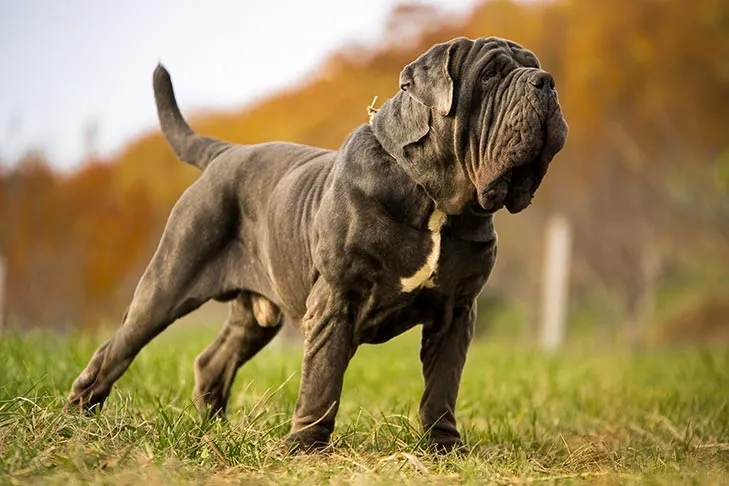
Image Source: American Kennel Club
Neapolitan mastiff dogs command attention with their massive build and striking looks. These gentle giants stand out among other breeds thanks to their size, wrinkles, and powerful presence.
Height and weight range
These dogs rank among the world’s largest breeds, showing off impressive proportions that reflect their ancient guardian roots. Adult males stand between 26 to 31 inches tall at the shoulder and tip the scales at about 150 pounds. Female Neapolitans are a bit smaller but still impressive, reaching 24 to 29 inches in height and weighing around 110 pounds.
Breed standards set the size range from 24 to 31 inches in height and 110 to 150 pounds in weight. Some sources mention even heavier dogs that weigh between 50 to 70 kg (110 to 150 lb). Their substantial frame features a rectangular body profile that’s about 15% longer than their height at the withers. This creates a balanced yet commanding silhouette.
These dogs pack more than just height and weight—they have exceptionally thick, well-rounded bones that add to their substantial look. A well-built Neapolitan mastiff moves with surprising grace and fluid motion, which makes them effective guardians.
Wrinkles, skin folds, and coat texture
The Neapolitan mastiff’s most striking feature is its abundant wrinkles and loose skin. Their head sports heavy, pendulous folds that create an unforgettable face that looks like it’s gently melting in the sun.
Loose skin defines the breed, but it needs balance since too much wrinkling can lead to health issues. Most properly bred Neapolitans stay healthy despite their dramatic folds, which might surprise many people.
A short, dense and hard-textured coat lies beneath those distinctive wrinkles. The straight hair sits close to the body and never grows beyond an inch in length. This sleek coat protects them from the elements while needing minimal grooming. Many Neapolitans show off an attractive sheen that adds to their majestic look.
Common coat colors and markings
These magnificent dogs come in several eye-catching colors that enhance their regal appearance:
Blue (gray shades)
Black
Mahogany
Tawny
The primary colors appear in various shades and intensities. You’ll also find acceptable colors like gray, brown, fawn red, and fulvous. Some dogs sport brindle markings – dark stripes over their base coat that add visual interest.
Breed standards allow small white markings on the chest and toes, though large white patches aren’t ideal. This color variety lets owners pick their preference while keeping the breed’s distinctive look.
A Neapolitan mastiff’s appearance brings together all these elements—impressive size, unique wrinkles, short coat, and rich colors—to create a dog with unmistakable presence. They stay true to their ancient guardian heritage while showing off a special beauty that dog lovers worldwide appreciate.
Temperament and Personality Traits
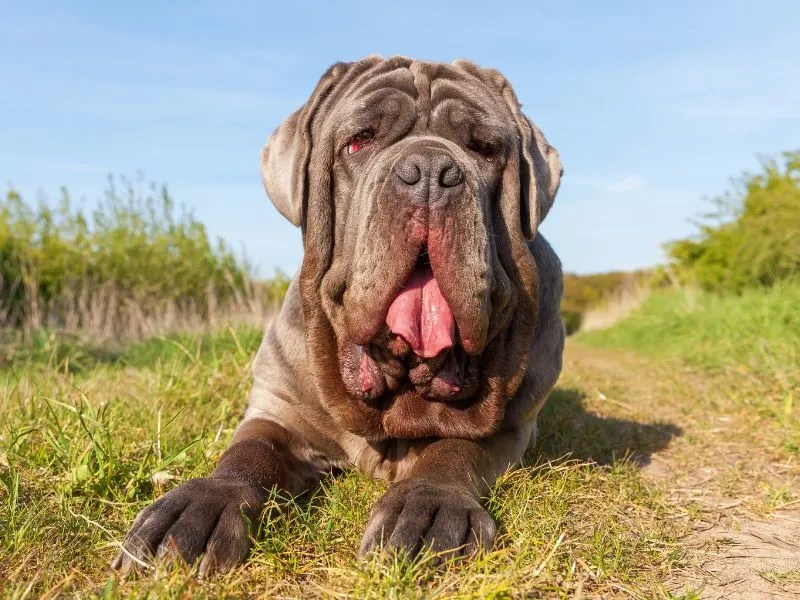
Image Source: Holistapet
A complex personality lives behind the Neapolitan Mastiff dog’s imposing wrinkles and massive stature. This ancient guardian breed balances watchfulness with gentle affection. Their temperament matches their unique appearance, making them both powerful protectors and loving companions.
Loyalty and protectiveness
Neapolitan Mastiff dogs show an extraordinary devotion to their family. These dogs were originally bred as estate guardians in southern Italy. Their protective instinct runs deep and remains at the core of who they are. They build strong bonds with their human companions and see protection as their duty rather than a choice.
Unlike naturally aggressive breeds, Neo Mastiffs show what experts call “situational defensive aggression” only when real threats appear. They stay watchful but not aggressive. These dogs rely on their impressive size and presence to scare away unwanted visitors.
Their protective nature comes through in how they guard their territory. Neo Mastiffs stay aware of their surroundings and watch for potential dangers. They remain quiet most of the time unless something seems wrong. Their powerful bark serves as an excellent warning system for their families.
Behavior with family and children
These dogs show a completely different side at home. Despite their scary looks and war dog history, Neo Mastiffs are exceptionally gentle and affectionate with family members. They love being close to their humans and earn their nickname “gentle giants” through their companionship.
Neo Mastiffs stay patient and calm with children, but their size means adults should watch these interactions. Well-socialized dogs usually handle family children well. Experts strongly suggest supervision with young children because these large dogs might accidentally knock them over during play. This becomes especially important with toddlers or unsteady individuals.
Neo Mastiffs take their time growing up mentally. They reach full behavioral maturity around 3-4 years old. That’s when their relaxed adult personality truly emerges. Owners should set clear boundaries and training rules before this point, especially during their stubborn teenage phase.
Interaction with strangers and other pets
Neo Mastiffs stay true to their guardian roots when meeting new people. They naturally keep their distance from strangers. This standoffish behavior isn’t aggression – they just take time to assess unknown people. Early socialization helps these dogs separate normal visitors from actual threats.
Well-trained Neo Mastiffs learn to accept their family’s guests, though they might stay reserved at first. They prefer to watch and evaluate before warming up to new people.
Neo Mastiffs can live happily with other pets if introduced properly. Here’s what you should know:
They get along better with pets of the opposite sex
Early socialization substantially improves relationships between species
New animals should be introduced slowly and positively
Smaller pets need supervision during play due to the size difference
Training these dogs requires understanding their strong will and independent spirit. Harsh training methods backfire with this sensitive breed. Positive reinforcement with praise and rewards works much better. Early training and socialization are the foundations of raising a well-adjusted Neo Mastiff who knows how to behave in social situations.
Neo Mastiffs blend fierce protection with gentle affection, and intimidating presence with patient tolerance. This unique mix creates a deeply devoted companion for those who gain their trust.
Common Health Issues in Neapolitan Mastiffs
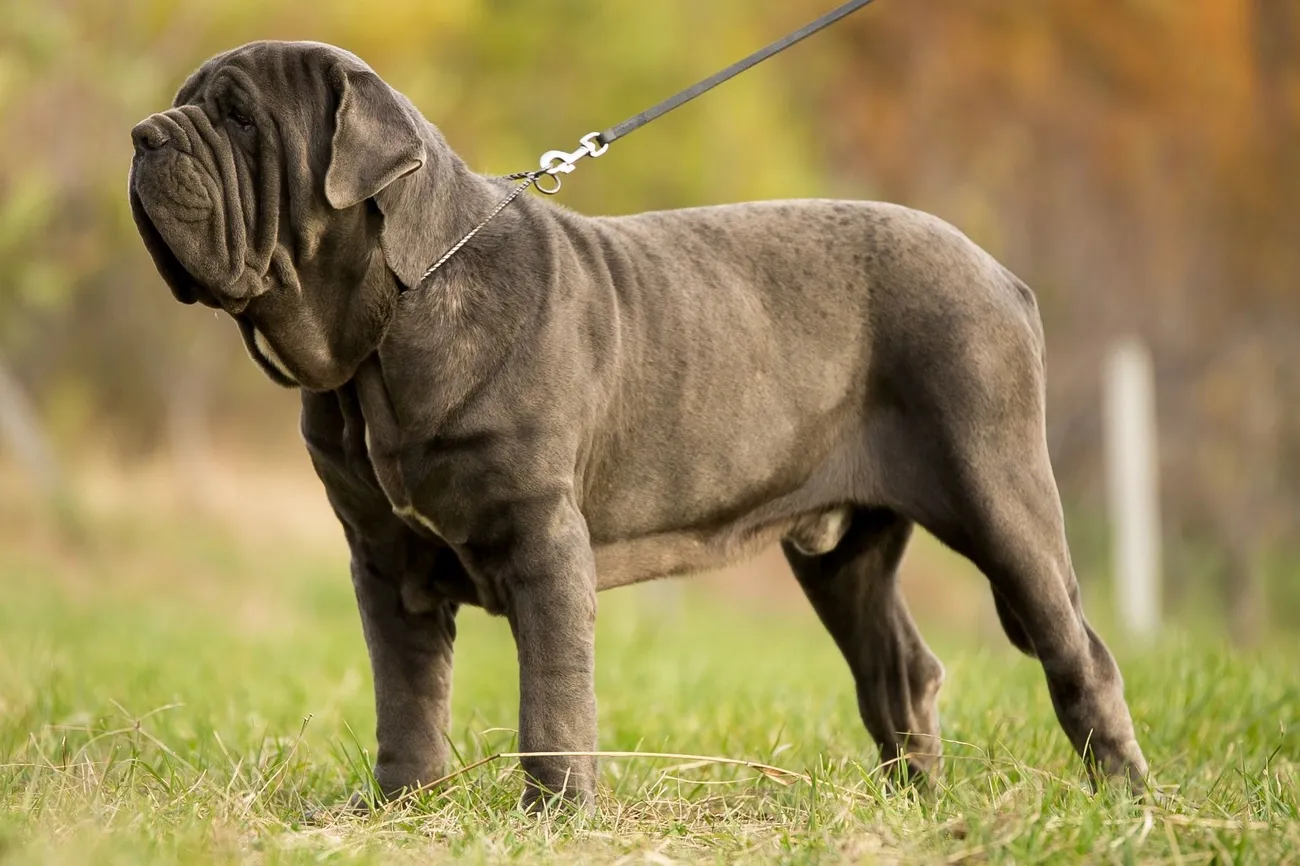
Image Source: The Spruce Pets
Neapolitan mastiffs are beautiful large breed dogs. Their unique physical structure and genetic makeup can lead to several health challenges. Pet owners should know about these problems to give their dogs proper care throughout their lives.
Hip and elbow dysplasia
Joint problems often affect these dogs because of their massive frame. Hip and elbow dysplasia rank among the most common orthopedic conditions in this breed. These joints don’t develop properly and can cause painful arthritis over time.
Dogs with these conditions struggle to stand or sit. They might not want to be active and often limp or favor one leg. Many Neapolitan mastiffs become stiff in their elbows or hips. This happens most often when they try to get up from lying down.
Veterinary screening helps catch these problems early. X-rays can spot issues before they become serious, which allows for quick treatment. Your dog’s healthy weight puts less stress on their joints and reduces discomfort. Young dogs shouldn’t exercise too much because it can cause growth-related problems.
Treatment costs for hip dysplasia range from INR 126,570 to INR 506,282. Elbow dysplasia treatments usually cost between INR 126,570 and INR 337,521.
Cherry eye and skin infections
Neapolitan mastiff’s trademark wrinkles can cause specific health issues. Cherry eye shows up as red swelling in the eye’s corner. The medical term is prolapse of the third eyelid gland. Young dogs under one year old get this condition most often.
Doctors treat this condition based on how bad it is. Old treatment methods removed the third eyelid gland, but this caused dry eye problems. Modern vets create a small tissue pocket to secure the gland with dissolving stitches.
These dogs’ skin folds can lead to infections and irritation. Lip-fold pyoderma happens because the lower jaw folds stay wet. This creates perfect conditions for bacteria and yeast to grow. Clean skin folds regularly to stop moisture buildup and lower infection risk. Your vet might suggest medicated wipes or shampoos for ongoing care.
Serious skin problems need a vet’s attention. They might recommend allergy tests or special treatments.
Bloat and heart conditions
Gastric Dilatation-Volvulus (GDV) or bloat can kill Neapolitan mastiffs quickly. The stomach twists and fills with gas. This cuts off blood flow to the stomach and sometimes the spleen.
Look for warning signs like a swollen belly, too much drooling, and dry heaving without throwing up. Your dog might also show signs of pain. Bloat can kill within 30 minutes without treatment. Treatment costs run from INR 126,570 to INR 590,663.
Feed smaller meals more often instead of one big meal to prevent bloat. Don’t let your dog exercise right before or after eating. Some vets suggest preventive surgery called gastropexy. This surgery keeps the stomach from twisting.
Heart problems also affect these dogs, especially dilated cardiomyopathy (DCM). This condition makes the heart big, thin, and weak. The heart can’t pump blood well. Dogs might cough, struggle to breathe, get tired easily, or suddenly collapse.
Yearly heart checkups help find irregular heartbeats early. Finding these problems early gives you more options for treatment through medicine and diet supplements.
Feeding and Nutrition Guidelines
Good nutrition forms the foundation of health and longevity in a neapolitan mastiff dog. These gentle giants need specific dietary care that changes as they grow, and owners must pay attention to both ingredients and feeding practices.
Diet for puppies vs adults
Neapolitan mastiff puppies need special nutrition that supports their growth without causing developmental problems. Young neo mastiffs require more nutrients than adult dogs to develop properly. They need higher amounts of proteins, fats, carbohydrates, vitamins, and minerals. Puppies thrive on protein from high-quality sources, which should be the first ingredients listed.
Calcium and phosphorus levels need careful monitoring as puppies grow. Giant-sized breed puppies are more sensitive to excess calcium than smaller breeds, and too much can harm their bone development. The calorie content also needs adjustment to support growth without putting too much stress on developing joints.
Neo mastiffs need a different approach to nutrition once they reach maturity (at about 90% of expected weight). Adult dogs need balanced diets that focus on maintenance instead of growth. High-quality protein remains vital but in the right amounts—with less fat to prevent obesity. Foods should have no more than 22% protein and 9% fat to protect heart health, according to many experts.
Feeding schedule and portion control
Neo mastiff owners should plan feeding times carefully to prevent digestive issues like bloat. Adult dogs usually need 4-6 cups of food daily, split into two meals. This splitting helps reduce the risk of gastric dilatation-volvulus, which can be fatal.
Smaller, frequent meals work best for puppies—they should eat 3-4 times daily until six months old. Some breeders suggest even more frequent feeding, recommending 7-8 small meals daily for puppies under 6 months.
Dogs should never have constant access to food (“free feeding”), as this raises the risk of bloat. Floor-level dishes work better than elevated bowls, despite what traditional advice might say.
Supplements for joints and skin
The right supplements can help address neo mastiffs’ common health issues. Joint supplements with glucosamine (600 mg/kg) and chondroitin (300 mg/kg) help maintain joint health throughout life. These become even more important because the breed often develops hip and elbow dysplasia.
Fish oil supplements help maintain the breed’s characteristic wrinkled skin. A good supplement plan usually has:
Antioxidants to support the immune system
Omega fatty acids (at least 1.25% omega-6 and 0.5% omega-3) for skin and coat health
Probiotics and prebiotics to help digestion and nutrient absorption
Taurine to support heart function
Food choices spark debate among owners. Some support raw diets that match ancestral feeding patterns, while others prefer high-quality commercial foods made specifically for giant breeds. The best diet should have quality protein sources and minimal inflammatory ingredients like excess carbohydrates and artificial additives.
Training and Socialization Tips
Your journey as a Neapolitan mastiff owner starts when your new friend comes home. These powerful, independent dogs need clear boundaries right from the start, so training can’t wait.
Start early with positive reinforcement
Training a neo mastiff takes dedication from puppyhood. Their strong-willed nature means you must establish yourself as a confident leader early. Good training will give a solid foundation and make communication with your dog easier. Focus on simple commands like “sit,” “stay,” and “come” right away.
This breed responds well to reward-based training. Treats, praise, and play are excellent ways to encourage good behavior. Your Neapolitan mastiff puppy will learn best through positive reinforcement that builds confidence and strengthens your bond. A consistent approach helps build trust and prevents confusion.
Avoid harsh methods
Here’s something vital – harsh punishment and force won’t work with Neapolitan mastiffs. These sensitive giants often resist or defy severe treatment. Gentle corrections help maintain a positive environment and protect your relationship. Their natural stubbornness means patience is a must-have trait for owners.
Most experts say Neapolitan mastiffs aren’t right for first-time dog owners because training needs specific knowledge. Working with trainers who know power breeds often brings better results than standard training methods.
Importance of socializing with people and pets
Socialization is the most critical part of raising a well-adjusted Neapolitan mastiff. Poor socialization can turn their natural wariness of strangers into problem behaviors. The best time to start is before they reach 12 weeks old.
Your Neapolitan mastiff puppy needs exposure to:
Different types of people (wearing hats, sunglasses, uniforms)
Various environments and public spaces
Other animals in controlled settings
Children of different ages (with careful supervision)
Professional puppy classes offer structured ways to meet other dogs and people. Taking your neo mastiff to parks, shopping areas, and public spaces helps them adapt to new environments. Regular socialization throughout their life helps maintain good social skills as they grow.
Professional obedience classes are one of the best investments you can make. These sessions provide structured training with expert guidance that matches your dog’s needs.
Grooming and Hygiene Needs
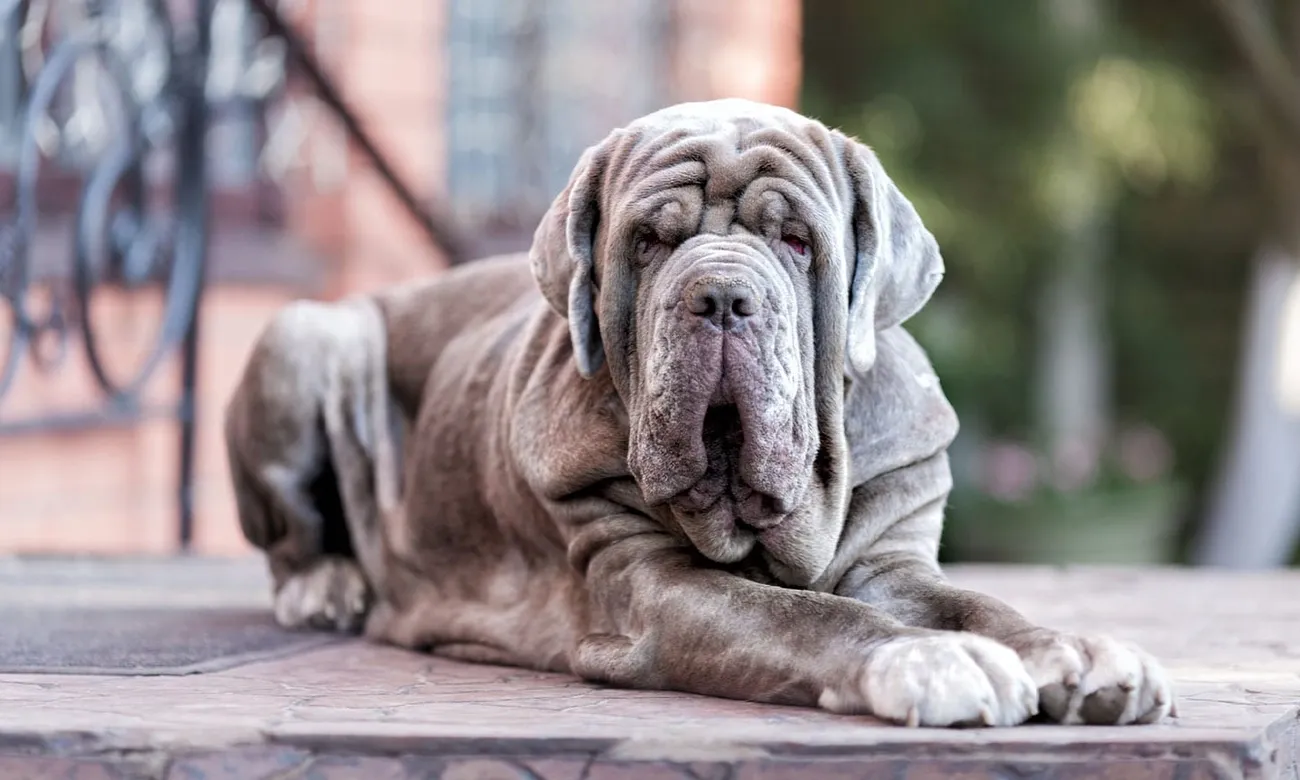
Image Source: Chewy
The unique wrinkles that make Neapolitan Mastiff dogs special just need specific care beyond regular grooming. These distinctive physical features need consistent attention to keep your dog comfortable and healthy.
Cleaning skin folds and managing drool
Your Neo Mastiff’s wrinkles daily attention to the neo mastiff’s wrinkles helps prevent skin issues. You should clean the deep folds with a damp cloth or pet-friendly wipe. Make sure to dry them really well to stop bacteria or fungus from growing. This care matters because trapped moisture often causes painful infections.
Drool is one of the most important grooming challenges you’ll face. These dogs have droopy jowls, which means slobber comes with ownership. Smart owners keep “slobber rags” in key spots around the house:
Near water and food bowls
In living areas where the dog spends time
By entry doors for quick wipes before greeting visitors
In the car for travel
Your dog needs a quick face and lip wipe after meals and drinks. This keeps them comfortable and protects your furniture and floors. One expert puts it well: “You will find that you will need to keep a towel handy to dry the face and lips (and yourself!)”.
Bathing and brushing routine
Bathing works best in moderation. These big dogs only need baths every 2-3 months or when they get dirty. Too much bathing removes natural oils and can dry out their skin, which leads to irritation.
Mild dog shampoos work best for baths. Rinse them completely to avoid skin problems. Use a clean towel to dry their face folds and jowls well afterward.
The short coat is easy to maintain. Weekly brushing with a rubber bristle brush gets rid of loose hair and spreads natural oils. You’ll need to brush more often during spring and fall shedding seasons.
Eye and ear care essentials
Eyes and ears need regular checks and gentle cleaning. The breed’s facial structure makes them prone to eye problems like “cherry eye”. Check their eyes often for redness or discharge, and clean them gently with a damp cloth when needed.
Ears need weekly inspection for extra wax, dirt, or infection signs. Many vets suggest using a cotton ball with mineral oil, olive oil, or witch hazel for cleaning. Stay away from the ear canal while doing this.
This complete grooming routine takes dedication but prevents health issues and deepens your bond with your dog.
Is the Neapolitan Mastiff Right for You?
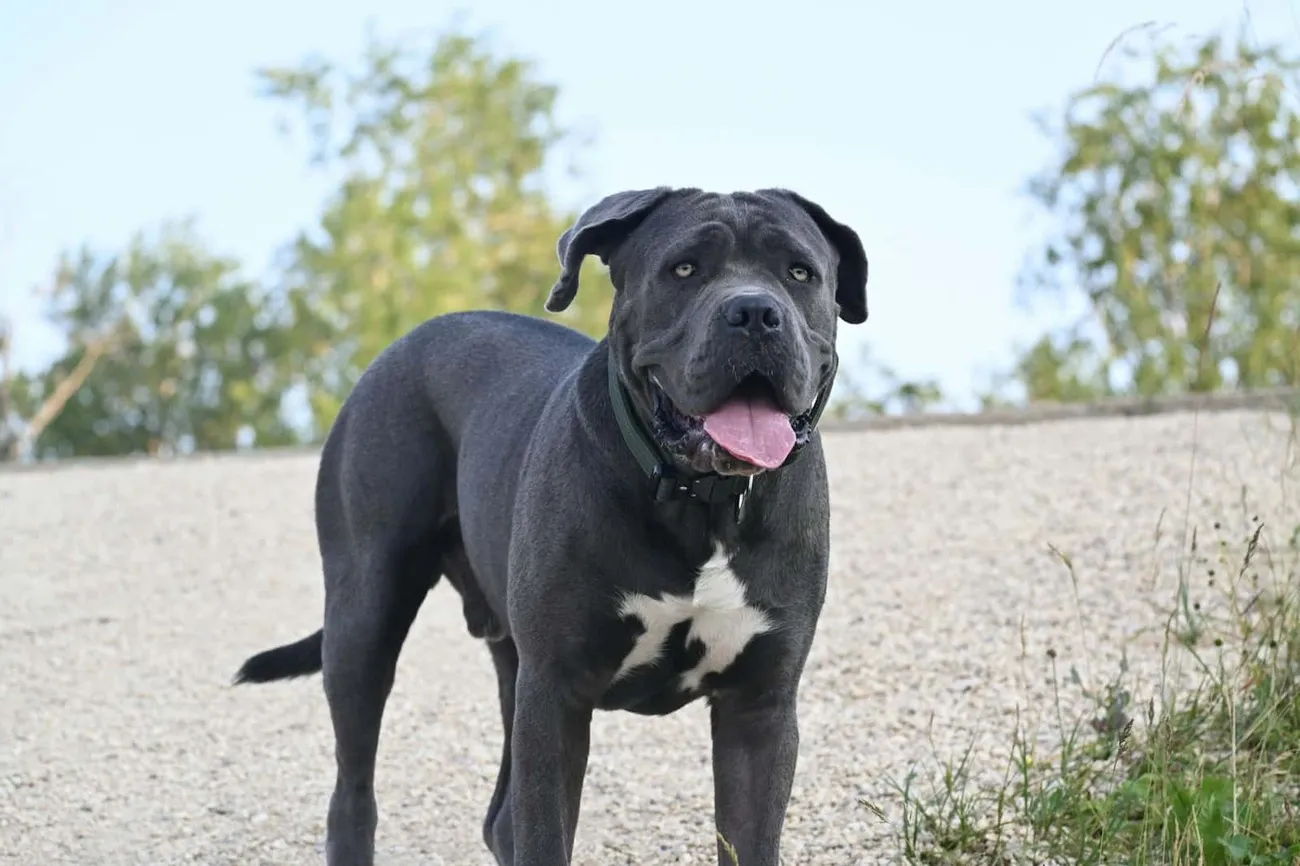
Image Source: Dogster
You just need to think over several factors before bringing a Neapolitan Mastiff dog into your home. Your resources, lifestyle, and expectations play crucial roles. These magnificent animals thrive under specific conditions, which means they’re not the right fit for everyone.
Space and lifestyle requirements
Neapolitan Mastiff dogs just need plenty of space to move comfortably because of their massive build. They might be relatively low-energy dogs, but they still need homes with ample room and a securely fenced yard. Spacious apartments can work for these giants if they get regular outdoor time. Their brachycephalic nature makes them struggle in hot temperatures, so they need cool environments with shaded rest areas. Many first-time dog owners feel overwhelmed by this breed’s specialized needs and strong-willed personality.
Cost of ownership and vet care
A Neapolitan Mastiff puppy from reputable breeders costs between INR 210,951 and INR 421,902. This is a big deal as it means that puppies with champion bloodlines can cost more than INR 421,902. Breed-specific rescues offer a more affordable option at INR 25,314–INR 67,504. Monthly costs include premium food (INR 5,906–INR 12,657), pet insurance (INR 4,219–INR 8,438), and occasional grooming sessions (INR 2,531–INR 5,906). Their relatively short 7-9 year lifespan calls for proactive health management. Your financial planning should include emergency medical procedures like bloat surgery (INR 126,570–INR 421,902) or orthopedic treatments (INR 168,760–INR 421,902).
Ideal home environment
Neo Mastiffs thrive best with experienced dog owners who maintain consistent routines and have enough physical space. These dogs need supervision around small children, not because they’re aggressive, but because of their massive size. They love children, but accidents can happen simply because of how big they are. Multiple pets can live together happily if proper introductions happen early. The most important thing to remember is that drool management becomes part of your daily life—you’ll need “slobber rags” throughout the house.
Conclusion
Neapolitan Mastiffs are among the most distinctive and imposing dog breeds in history. Their ancient bloodline goes back thousands of years and has shaped their unique looks and complex personality. These gentle giants give their families unmatched loyalty and protection, but they need a steadfast dedication from their owners.
Anyone looking to own one should think about whether they can give these dogs the specialized care they need. They need lots of space and money for upkeep. These dogs just need consistent training, proper socialization, and regular care for their distinctive wrinkles and folds. Their life span runs only 7-9 years, and they tend to have various health issues. Owners must be ready both emotionally and financially for potential medical risks.
The rewards are nowhere near the challenges, according to dedicated Neapolitan Mastiff owners. These dogs blend an intimidating presence with gentle affection in a way few other breeds can. They form deep bonds with family members, carry an impressive history, and leave a lasting impression that makes them special companions.
The choice to bring home a Neapolitan Mastiff depends on balancing their magnificent traits against real lifestyle needs. Families with enough space, experience, and money will learn about an extraordinary guardian and loyal friend in this ancient breed. Just remember to keep plenty of “slobber rags” handy and truly appreciate these majestic dogs.
Key Takeaways
Understanding the Neapolitan Mastiff means recognizing both their ancient guardian heritage and modern care requirements. These gentle giants offer unmatched loyalty but demand significant commitment from their families.
• Ancient guardians with modern needs: Neapolitan Mastiffs trace back 2,000-4,000 years to Roman war dogs, requiring experienced owners who understand their protective instincts and independent nature.
• Massive size demands proper preparation: Males weigh 130-150 pounds and stand 26-30 inches tall, needing spacious homes, specialized nutrition, and careful joint health management throughout their 7-9 year lifespan.
• Daily wrinkle care prevents health issues: Their distinctive skin folds require daily cleaning and drying to prevent infections, plus constant drool management with strategically placed “slobber rags.”
• Early socialization is absolutely critical: Without proper exposure to people and situations before 12 weeks, their natural wariness can become problematic behavior requiring professional training intervention.
• Significant financial commitment required: Initial costs range ₹210,951-₹421,902, with ongoing expenses for premium food, insurance, and potential emergency surgeries costing ₹126,570-₹421,902.
These magnificent dogs reward dedicated owners with unparalleled devotion and protection, but only families with adequate space, experience, and resources should consider this ancient breed.
FAQs
Q1. Are Neapolitan Mastiffs suitable for families with children? Neapolitan Mastiffs can be great family dogs, especially when properly socialized. They are generally gentle and patient with children. However, due to their large size (110-150 pounds), supervision is necessary to prevent accidental injuries, particularly with small children.
Q2. What are the grooming requirements for a Neapolitan Mastiff? Neapolitan Mastiffs require regular grooming, particularly of their distinctive skin folds. Daily cleaning and drying of wrinkles is essential to prevent infections. Their short coat needs weekly brushing, and bathing should be done every 2-3 months or when visibly dirty. Regular ear cleaning and eye checks are also important.
Q3. How much exercise does a Neapolitan Mastiff need? Despite their size, Neapolitan Mastiffs have relatively low exercise needs. Daily walks and some playtime are sufficient to keep them healthy. However, they can be prone to laziness, so owners should ensure they receive adequate exercise to maintain a healthy weight and prevent joint issues.
Q4. What health issues are common in Neapolitan Mastiffs? Neapolitan Mastiffs are prone to several health issues, including hip and elbow dysplasia, cherry eye, skin infections, bloat, and heart conditions. Regular veterinary check-ups, proper diet, and maintaining a healthy weight are crucial for managing these potential problems.
Q5. How much space does a Neapolitan Mastiff require? Neapolitan Mastiffs need substantial space due to their large size. A home with ample indoor room and a securely fenced yard is ideal. While they can adapt to apartment living if given enough space and regular outdoor time, they are generally better suited to larger homes where they can move comfortably.