
Kumaon Mastiff
The Kumaon mastiff faces extinction with only 150 to 200 specimens left in India today. This very rare breed, known as Cypro Kukur in the Kumaoni language, has its roots in Uttarakhand’s hilly regions where it has protected homes and livestock for centuries.
These powerful dogs were originally guardians of livestock and property in India’s Kumaon division, but their numbers have dwindled even in their native region. Their Himalayan mastiff relatives range from Kashmir to eastern Nepal, where they have long protected yak and sheep flocks from predators. A Kumaon mastiff’s impressive size measures 27-30 inches in height and 150-180 pounds in weight, with most living 10-12 years.
This piece will take you through this Indian mastiff’s rich history and delve into its physical traits and temperament. You’ll learn what it takes to care for these magnificent dogs properly. On top of that, you’ll find out if a Kumaon mastiff would make the right companion for your home and what you should think about before trying to adopt one of these rare canines.
Breed origin and historical background
Dog enthusiasts have long been fascinated by the mysterious origins of the Kumaon Mastiff. Different theories trace this rare breed’s lineage to various parts of the world.
Theories about Cyprus and Himalayan roots
The most prominent theory links the Kumaon Mastiff to the Himalayan Mountains originated in the Himalayan Mountains. Native Indian tribes of the Kumaon region bred these powerful guardians to protect their settlements. This theory connects the breed to the mountainous terrain of what is now Uttarakhand state in northern India.
Dog experts have proposed another fascinating origin story that links these dogs to the Mediterranean. They believe the breed’s ancestors came from Cyprus before making their way to the Himalayan regions. This explains why locals call them “Cypro Kukur,” which means “Cyprus Dog” in the Kumauni language.
Local stories tell us that Alexander the Great’s soldiers might have brought these dogs to India during his invasion in 300 B.C. Some experts speculate that the Kumaon Mastiff came from large, sturdy Molosser dog breeds common in ancient civilizations.
The breed’s exact ancestry remains debated. Some experts believe the Kumaon Mastiff might be related to various Indian Mountain dog breeds because they look so similar. The breed shares many traits with the bigger Tibetan Mastiff but stands out for being more protective of its territory.
Role in Kumaon tribal culture
These dogs played vital roles in tribal communities throughout the Himalayan region. The tribes bred them to watch over settlements and protect livestock in the Kumaon hills. They proved invaluable as guardians of tribal settlements and cattle herds.
Kumaon hill people treasured these dogs for their impressive size and protective nature. The dogs’ strength and courage made them perfect for life in rough mountain areas where predators threatened both livestock and humans.
The tribes respected these natural guardians deeply. Unlike today’s house pets, Kumaon Mastiffs managed to keep their wild instincts and warrior-like nature. This made them excellent at fighting off threats. The tribes carefully bred them to boost their protective traits while keeping their independent spirit and toughness.
These dogs became more than just protectors. They grew to symbolize strength and security for the communities that depended on them.
Introduction to Europe in the 19th century
European dog breeders noticed the unique qualities of this ancient Indian breed in the late 19th century. They brought the dogs to several European countries, with Finland and Italy showing special interest.
This move to Europe changed everything for the breed. Today, you’ll find more of these dogs in Europe than in India. Breeders in Finland and Italy worked hard to protect the bloodlines. Thanks to them, the breed survived even as its numbers dropped in India.
The breed faces a strange situation today. Only 150-200 Kumaon Mastiffs remain in their homeland, but Europe has a much larger population. The breed is dying out where it started but thrives in places where it arrived later.
When Europeans first saw these dogs, they noticed they looked like old Great Danes. But the Kumaon Mastiff kept its unique personality and features. This comparison helped European breeders understand how these dogs fit among other large guardian breeds while recognizing their special heritage.
Physical characteristics of the Kumaon Mastiff
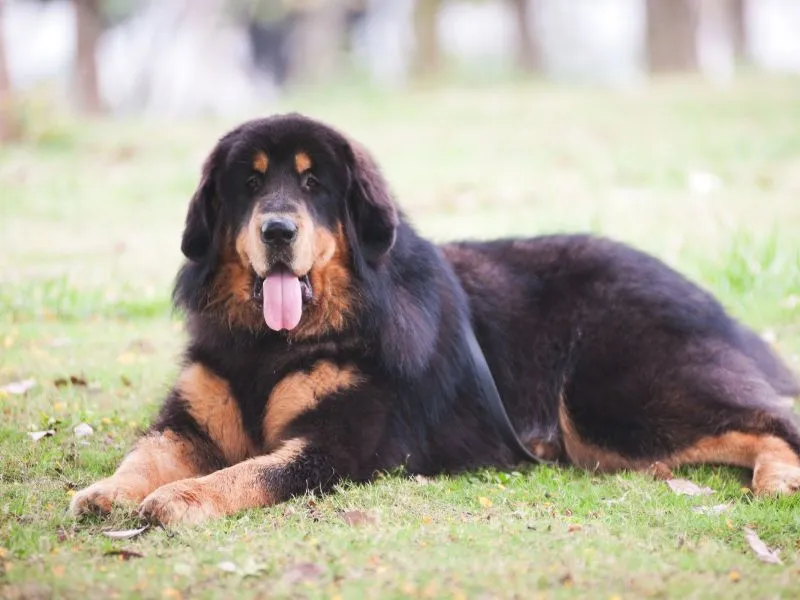
Image Source: Holistapet
The Kumaon Mastiff stands out with its powerful build and dignified bearing. This rare Indian breed’s distinctive looks combine strength, agility, and an unmistakable presence.
Size, weight, and build
The Kumaon Mastiff belongs to the large-to-giant dog category. These magnificent dogs’ physical dimensions showcase their guardian heritage. Most sources show they stand at an average of 28 inches at the shoulder. Some resources point to different ranges – between 21-26 inches (53-66 cm) or 24-28 inches (61-71 cm).
Weight estimates also show variation among sources. Some reports put these powerful dogs at 150-180 pounds (67.5-81 kg), making them truly imposing guardians. Other resources suggest they can be lighter at 80-120 pounds (36-54 kg). These differences might come from individual dogs or regional breeding variations.
Whatever the exact measurements, experts agree on the breed’s impressive build. The Kumaon Mastiff has a lean yet well-boned, muscular body that blends strength with agility. Their powerful physique made them perfect guardians in challenging mountain environments.
The breed’s appearance bears a striking resemblance to old Great Danes. Yet they have unique characteristics that mark them as a distinct breed, shaped by specific environmental conditions and work requirements.
Coat type and color variations
The Kumaon Mastiff’s coat stays short and soft. This practical feature needs minimal maintenance while offering good protection. The coat likely evolved to handle the varied climate of their native Himalayan region.
Brindle appears as the most common color pattern, ranging from dark to light shades. Many dogs sport white markings that add character to their looks. White and various brindle patterns create their main color combination, resulting in a striking appearance.
Most experts agree on these main color patterns. One account suggests more options like black, brown, red, fawn, and piebald variations. This difference might show regional variations or mixing with other breeds over time.
Facial features and tail
The Kumaon Mastiff’s head stands out as one of its defining features – large, powerful, and broad, matching its substantial body perfectly. A strong neck supports this impressive head, creating an intimidating presence that serves their guardian role well.
Deep-set and almond-shaped eyes give them an alert, intelligent expression that matches their vigilant nature. A black nose and dark muzzle create striking contrasts with their coat. High-set, hanging ears add to their noble appearance.
These dogs have a long and typically curved tail that completes their balanced look. The breed also has somewhat loose skin, especially around the neck. This feature gave them practical protection when facing predators during their working days.
The Kumaon Mastiff’s physical traits create a dog with remarkable presence. Their looks tell the story of a powerful guardian breed that evolved in the challenging Himalayan mountain environment. Centuries of selective breeding shaped them into effective protectors of both livestock and human settlements.
Temperament and behavior traits
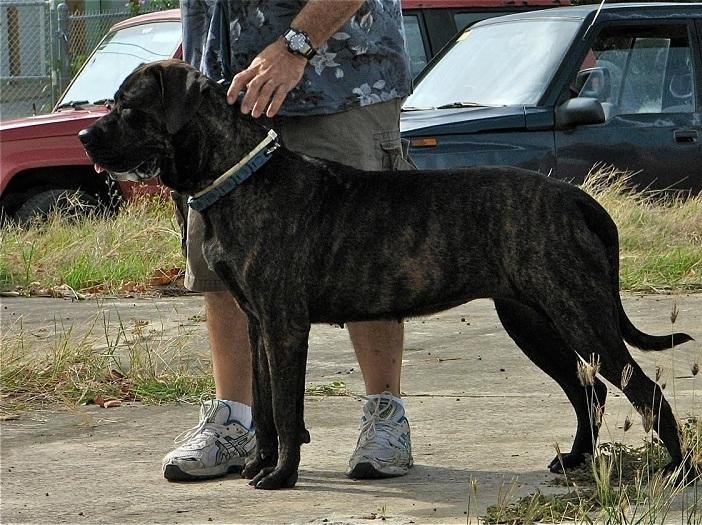
Image Source: 101 Dog Breeds
A Kumaon mastiff’s impressive size comes with a complex personality that blends fierce protective instincts and steadfast loyalty. Anyone who wants to bring one home should learn about this ancient Himalayan breed’s behavior patterns.
Aggression and loyalty
The Kumaon mastiff shows a naturally aggressive and fierce nature. This trait comes from its past as a guardian breed in the tough Himalayan landscape. Their aggressive side makes them hard to handle, especially when you have little experience with dogs.
These dogs show amazing loyalty to their handlers despite their fierce reputation. A Kumaon mastiff becomes gentle, loving, and affectionate once it bonds with its owners. Their loyalty shows up as a deep connection to family members. This makes them great companions for people who get their unique personality.
These dogs usually like to be alone and many would call them antisocial. They don’t really enjoy constant human contact and need their own space. This independent nature balances their protective side, letting them stay alert without being too clingy.
Protective instincts
The Kumaon mastiff shines as a guard dog thanks to its natural protective instincts. These dogs guard their territory fiercely and will defend it against any threats they spot. Their warrior-like nature helps them excel in their traditional role of guarding property and livestock.
These dogs become even more protective after bonding with their family. They naturally shield their human family from strangers and intruders[151]. This protective behavior runs so deep that most people see it as the breed’s standout trait.
A Kumaon mastiff stays alert and brave while on guard duty. They spot potential threats quickly and stand their ground in tough situations. These qualities make them excellent guardians for homes in cities and rural areas alike.
Some owners say their Kumaon mastiffs destroy things if left alone too long. This usually happens because they’re bored, not aggressive. Smart dogs like these need plenty of mental stimulation.
Socialization needs
A Kumaon mastiff needs early and consistent socialization[151]. Their natural aggressive tendencies can cause problems without proper socialization. These dogs need exposure to different people, animals, and places from a young age to tame their warrior-like spirit.
Owners should start socializing their dogs as puppies. Early training helps the Kumaon mastiff fit into its home and learn good behavior around people and other pets. Good socialization teaches these dogs to tell real threats from normal daily activities.
Here are some ways to socialize your dog:
Take them to parks to watch other dogs play peacefully
Set up pet meetups where they can interact with other animals safely
Create fun, non-competitive games with other pets
Firm, consistent training works with socialization to help the Kumaon mastiff understand rules and limits. These naturally aggressive dogs can become well-behaved companions with early, persistent training. Their change from fierce guardian to gentle family member shows how adaptable they are with the right guidance.
A well-socialized Kumaon mastiff still stays cautious around strangers. This careful nature is part of who they are, not a flaw that needs fixing through training.
Training and exercise requirements
Training a Kumaon Mastiff demands exceptional patience and understanding. Anyone who wants to own this rare Indian breed must know that proper training and adequate exercise make up the foundation of responsible ownership.
Why training is challenging
First-time dog owners should avoid Kumaon Mastiffs due to their complex training requirements. These dogs need an experienced hand to guide them because of their naturally aggressive and fierce temperament. Their history as protective guardians in the Himalayan region has given them a strong-willed, independent nature that challenges even seasoned trainers.
You’ll need patience and perseverance to work with this breed. Their stubborn streak shows up during training, but these intelligent dogs will respond to consistent guidance. A Kumaon Mastiff typically understands and remembers new commands after 25-40 repetitions, which puts them in the average range of canine intelligence.
Adult Kumaon Mastiffs grow faster and become physically demanding to control. That’s why you should establish obedience commands early, before they reach their full size and strength.
Best practices for socialization
Proper socialization serves as the life-blood of developing a well-adjusted Kumaon Mastiff. The process works best when started before 3 months of age to tame their warrior-like spirit. Well-socialized dogs learn to distinguish between genuine threats and normal interactions.
Effective socialization practices include:
Taking them to pet-friendly stores where they can observe other dogs and people in controlled environments
Arranging supervised interactions with other animals in calm settings
Exposing them to various environments, sounds, and situations they might encounter in daily life
Kumaon Mastiffs respond well to a steady, confident approach. These dogs thrive under owners who lead with calm authority rather than harsh discipline. Positive reinforcement works far better than punishment-based methods, as the breed naturally wants to please those they respect.
Clear boundaries and expectations, applied uniformly by all family members, help establish consistency. Your dog will understand their place in the family structure better and face less confusion about acceptable behavior.
Exercise needs for a large breed
Adult Kumaon Mastiffs need modest exercise despite their substantial size. They thrive with 30-60 minutes of daily physical activity, split between walks or play sessions. This makes them great companions for owners who can’t spend hours on demanding exercise routines.
Adult dogs stay healthy with short, controlled play sessions and gentle walks. Swimming and leash walks protect their joints while providing needed exercise. Mental stimulation should complement physical exercise to prevent boredom-induced destructive behaviors.
Kumaon Mastiff puppies require special attention to their exercise needs. Their growing bones and joints shouldn’t face excessive strain. Gentle activities under careful monitoring work best until they reach skeletal maturity at 18-24 months of age, preventing developmental issues.
These dogs don’t need intense physical activity, but they thrive on consistent, appropriate exercise combined with thorough socialization and patient training to become well-adjusted companions.
Feeding and nutrition guidelines
Your Kumaon mastiff needs the right nutrition to stay healthy. These big dogs have unique health needs, so feeding them correctly matters a lot.
Daily food quantity
Different sources suggest varying amounts of food for Kumaon mastiffs based on each dog’s needs. Most reliable sources say these dogs need about 4.5 to 6 cups of quality dry food daily. Some sources suggest higher amounts – 8 to 10 cups per day, while others recommend 6 to 10 cups daily.
The exact amount depends on several things:
Age: Older Kumaon mastiffs need less food – about 5 to 7 cups daily
Gender: Male dogs that aren’t fixed need 8 to 10 cups, while females need 7 to 9 cups
Fixed or not: Fixed females need about 6 to 7 cups, and fixed males need 7 to 8 cups
Activity level: Active dogs burn more calories and need extra food
Nursing mothers need much more food – 9 to 12 cups daily to make enough milk. Puppies have different needs that change as they grow, starting at 3 to 4 cups daily when they’re young and increasing over time.
Meal frequency and bloating prevention
Bloat can kill Kumaon mastiffs. These large, deep-chested dogs face a higher risk of gastric torsion. The right meal schedule helps reduce this risk.
Don’t give one big meal – split the daily food into smaller portions. Most experts say adult Kumaon mastiffs should eat twice daily[261], though some suggest three smaller meals helps digestion[262][231]. Puppies do better with more meals – three to four times daily until they’re 3 to 4 months old.
Here’s how to prevent bloating:
Don’t let your dog drink lots of water right after eating. A small drink is fine, but a full bowl can make food swell in their stomach
Feed at the same times each day to help digestion and create routine
Keep your dog relaxed before and after meals. No hard exercise for at least an hour after eating
Room temperature food works best – cold food might make them eat too fast
Watch your dog after meals for bloat signs like restlessness, trying to throw up but can’t, or a swollen belly.
Recommended food types
Quality dry kibble makes the best base for your Kumaon mastiff’s diet[261]. Look for large or giant breed formulas – they have the right mix of nutrients these dogs need.
Pick food with these features:
Rich in protein from good sources like chicken or lamb, around 25% (no more than 28%)
Contains joint helpers like glucosamine and chondroitin
Few fillers like corn and soy. Choose whole grains or grain-free options if needed
The right calcium-to-phosphorus ratio (1:1) for healthy bones
Some experts say Kumaon mastiff puppies should start on adult food instead of puppy food. This helps control their growth rate since puppy food often has too much protein, which can cause bone problems in giant breeds.
Raw feeding works too – plan for 2-3% of your dog’s weight in raw meat daily. Still, most experts recommend dry food for these dogs[262][231].
Keep track of your dog’s weight regularly. Change portions as needed to keep them fit – extra weight can hurt their joints.
Health concerns and preventive care
Kumaon mastiffs enjoy better health than many purebred dogs thanks to their primitive breeding history. However, owners must watch for specific conditions that can trouble these powerful canines throughout their lives.
Common health issues
These dogs don’t face many genetic disorders, but some health concerns need attention. Canine Hip Dysplasia (CHD) and Gastric Torsion are the two biggest health challenges these dogs face. Their large size can make hip dysplasia substantially affect their mobility as they age.
These mastiffs sometimes develop other issues like Ectropion (eyelid drooping), Elbow Dysplasia, Persistent Pupillary Membrane, Progressive Retinal Atrophy, and Vaginal Hyperplasia in females. Some experts have also noted cardiomyopathy as an occasional concern.
Bloating poses a serious risk to these dogs. This potentially fatal condition happens when air builds up in the stomach. The right meal management, as we discussed in the nutrition section, helps prevent this dangerous condition.
Genetic resilience and aging problems
The Kumaon mastiff’s pure, primitive breeding gives them remarkable genetic resilience compared to many highly bred dogs. Their natural hardiness helps them reach an average lifespan of 10-12 years, though some sources point to a shorter life expectancy of about 11 years.
These dogs face fewer inherited health problems than other large breeds as they age. Their size puts extra strain on joints and internal organs over time. Just like other mastiff varieties, they might develop age-related mobility issues that need proper exercise and veterinary care.
Research on other mastiff breeds shows neutered dogs tend to live longer than intact ones, with neutered females having the longest average lifespan. This knowledge could help you make better healthcare decisions for your Kumaon mastiff.
Suggested veterinary tests
Regular vet checkups are the life-blood of preventive care for Kumaon mastiffs. Your dog needs a complete physical examination at least once a year. Vets often recommend three specific tests to get a full picture of their health:
Elbow evaluations to catch dysplasia early
Eye examinations to spot potential vision problems
Hip assessments to track joint health
Standard veterinary bloodwork helps catch internal issues before they become serious. Clinical chemistry tests and complete blood counts show how well organs function and reveal overall health status.
Large dogs like these need proactive health monitoring because early intervention can substantially improve their quality of life and potentially extend their lifespan.
Grooming and maintenance tips
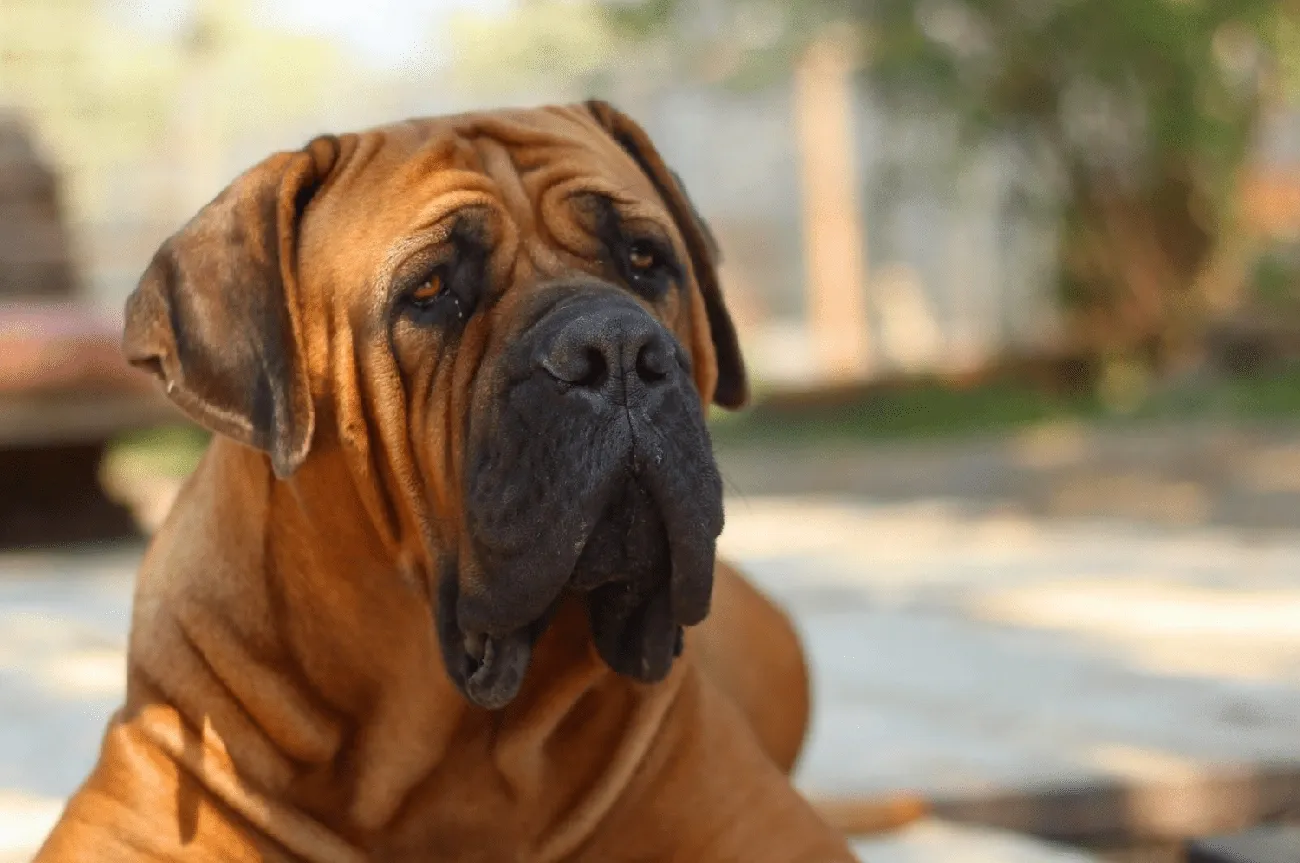
Image Source: The Spruce Pets
Kumaon mastiffs are nowhere near as demanding to groom as many other breeds. These dogs make great low-maintenance companions when it comes to keeping up their appearance.
Brushing and bathing routine
A Kumaon mastiff’s short, soft coat just needs minimal care. You can keep their coat looking great with a weekly brush using a rubber curry brush[371][341]. Dog owners might want to pick up specific tools like a slicker brush, pin brush, or grooming mitt to get the best results.
These dogs don’t need frequent baths. You should only bathe your Kumaon mastiff when they get visibly dirty[371][341]. Some experts say bathing every 1-2 months helps control shedding. Gentle, dog-specific anti-flea shampoos work best since they protect the natural oils in their skin[371][341].
Seasonal shedding
Kumaon mastiffs have moderate year-round shedding that peaks twice a year[371][341]. They shed heavily during spring and fall “shedding seasons”[371][341]. More frequent brushing helps manage the extra hair during these times.
Different sources don’t agree about how much these dogs shed. Most reliable sources point to moderate shedding with seasonal increases[371][341], though one source claims they shed “none to minimal”. New owners should plan for moderate shedding that increases seasonally, based on what most trusted sources say.
Regular hoovering up loose hair, especially during heavy shedding seasons, keeps your home clean. Weekly brushing and staying aware of seasonal changes makes shedding easier to handle.
Nail trimming and dental care
Your Kumaon mastiff’s nails and teeth need regular attention too. Nail trimming every one to two weeks keeps them comfortable, depending on natural wear[371][341]. Long nails can hurt your dog and cause health problems.
Good dental care matters a lot for overall health. Using vet-approved pet toothpaste helps prevent dental disease and keeps breath fresh[371][341]. Brushing twice daily works best, but even less frequent brushing helps if you do it regularly.
Starting these grooming habits early helps your dog get used to them. This routine keeps both their looks and health in great shape throughout their life.
Is the Kumaon Mastiff right for you?
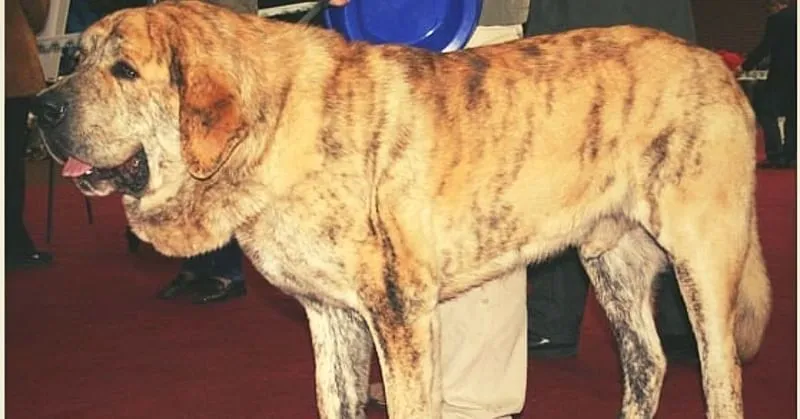
Image Source: www.pashudhanpraharee.com
You need to think over several factors about your lifestyle, living space, and family before bringing a Kumaon Mastiff home.
Ideal owner profile
We found that experienced dog owners make the best matches for Kumaon Mastiffs. Some sources say first-time owners can handle them, but these dogs need complex socialization that suggests otherwise. Your Kumaon Mastiff needs steady training right from the start, which makes them a better fit for people who know how to handle large, protective breeds. The best owners understand their independent nature yet guide them firmly. These dogs show amazing loyalty to owners who prove themselves as strong leaders.
Living conditions and adaptability
Kumaon Mastiffs need both indoor comfort and outdoor space to thrive. They fit well in farmhouses between 1800-3000 sq ft. These dogs don’t do well alone for long stretches – they might tear things up just because they’re bored. You’ll need plenty of space because they need lots of exercise. They enjoy some alone time but still crave regular human contact.
Compatibility with children and pets
Kumaon Mastiffs get along okay with kids. The bond grows stronger when they grow up with children from puppy age. These dogs turn out to be “very cat-friendly”, which might surprise you, and they usually do fine with other dogs too. The key to good relationships with family members lies in early socialization.
Conclusion
The Kumaon Mastiff represents proof of centuries of selective breeding in the rugged Himalayan region. These ancient guardians face a critical threat with just 150-200 specimens remaining in their native India, despite their impressive physical presence and loyal nature. Anyone who thinks over getting this breed takes on the responsibility of preserving a living piece of cultural heritage.
These powerful dogs protected tribal settlements and livestock in Uttarakhand throughout history. Their protective instincts and independent spirit create a unique companion that needs respect and understanding. Kumaon Mastiffs show fierce loyalty to their families but need early socialization and consistent training to balance their warrior-like nature.
Future owners should review their readiness to care for these magnificent animals properly. A Kumaon Mastiff thrives best with experienced dog handlers who have spacious homes. Families committed to proper training might find a surprisingly adaptable companion that bonds well with children and other pets after proper introductions.
The breed’s care involves moderate exercise, consistent grooming during shedding seasons, and watchfulness regarding specific health issues like hip dysplasia and bloat. Kumaon Mastiffs are nowhere near as high-maintenance as other large breeds thanks to their hardy constitution and practical coat.
This ancient breed’s future depends on dedicated owners and preservation efforts. People who welcome a Kumaon Mastiff home embrace the privilege of protecting a remarkable canine lineage that has stood with humans for countless generations. These rare dogs provide more than companionship – they connect us to a rich cultural legacy from the Himalayan mountains to homes worldwide.
Key Takeaways
The Kumaon Mastiff represents one of the world’s rarest dog breeds, with critical conservation needs and specific care requirements that potential owners must understand.
• Critically endangered breed: Only 150-200 Kumaon Mastiffs remain in their native India, making preservation efforts crucial for survival.
• Experienced owners only: These naturally aggressive guardians require early socialization and consistent training, making them unsuitable for first-time dog owners.
• Moderate care needs: Despite their imposing 150-180 pound size, they need only 30-60 minutes daily exercise and weekly brushing.
• Health-conscious feeding: Divide daily food (4.5-6 cups) into multiple meals to prevent potentially fatal bloating common in large, deep-chested breeds.
• Loyal family guardians: When properly socialized, these ancient Himalayan protectors become gentle with children while maintaining their protective instincts.
The Kumaon Mastiff offers a unique opportunity to preserve living history while gaining a devoted companion, but only for those prepared to meet their specific behavioral and care requirements.
FAQs
Q1. How rare are Kumaon Mastiffs? Kumaon Mastiffs are extremely rare, with only 150-200 specimens remaining in their native India. This ancient breed, originating from the Kumaon region of the Himalayas, is critically endangered and faces potential extinction without dedicated conservation efforts.
Q2. What are the grooming requirements for a Kumaon Mastiff? Kumaon Mastiffs have relatively low grooming needs. Their short coat requires weekly brushing with a rubber curry brush. They shed moderately year-round, with heavier shedding during spring and fall. Occasional baths are needed only when the dog gets visibly dirty.
Q3. Are Kumaon Mastiffs good with children? When properly socialized from a young age, Kumaon Mastiffs can be gentle and protective with children in their family. However, due to their large size and naturally aggressive tendencies, supervision is always recommended, especially with young children or those unfamiliar with the dog.
Q4. What kind of owner is best suited for a Kumaon Mastiff? The ideal Kumaon Mastiff owner is an experienced dog handler with a spacious home. They should be capable of providing firm, consistent training and early socialization. These dogs require an owner who can establish themselves as a confident leader while respecting the breed’s independent nature.
Q5. What are the main health concerns for Kumaon Mastiffs? The primary health issues for Kumaon Mastiffs are hip dysplasia and gastric torsion (bloat). They may also develop conditions like elbow dysplasia and eye problems. Regular veterinary check-ups, proper nutrition, and careful meal management are essential to maintain their health and prevent these issues.