
Jack Russell Terrier
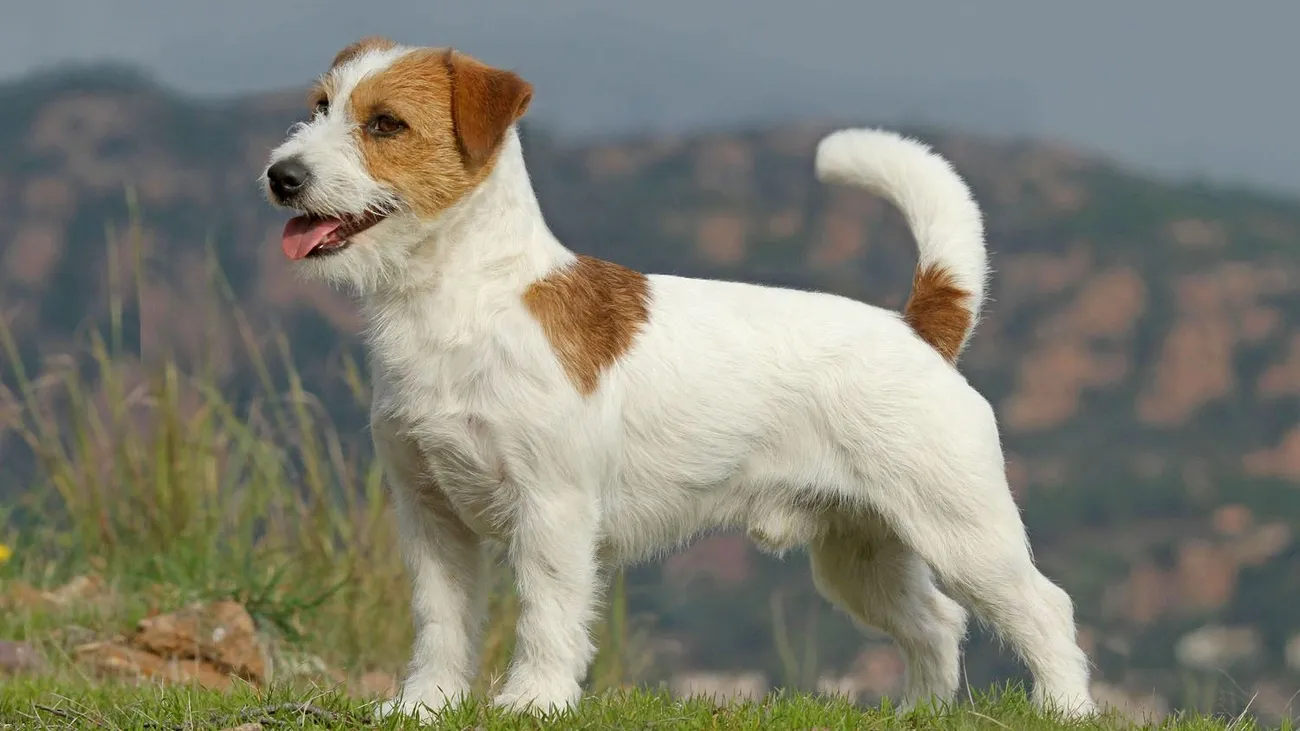 Jack Russell Terriers definitely live longer than many other breeds. A 2022 UK veterinary study revealed their remarkable average lifespan of 12 years and 9 months – higher than any other breed studied. These energetic British terriers pack an impressive personality into their compact frames, standing just 10-12 inches tall and weighing between 9-15 pounds.
These dogs’ robust personality traits and high energy levels stem from their fox hunting heritage. A Jack Russell needs several hours of physical and mental activity daily. Their lifespan can stretch from 13 to 16 years, and some live well into their late teens. The breed has left its mark on entertainment, with a special mention going to Uggie – the first dog to leave a paw print on the Hollywood Walk of Fame.
History and Origin of the Jack Russell Terrier
The Jack Russell Terrier’s roots go back to 19th-century England. This lively breed transformed from a dedicated hunting companion to a beloved family pet. A focused breeding program by one passionate fox-hunting clergyman shaped their spirited personality and distinctive looks.
The story of Rev. John ‘Jack’ Russell
Born in Devonshire, England in 1795, Reverend John Russell’s love for fox hunting soon overshadowed his clerical duties. People called him “The Sporting Parson” because he loved the sport so much. Russell wanted to create the perfect hunting terrier. He stood apart from other breeders by prioritizing working ability over looks.
Russell had a clear picture in mind. He wanted small, agile, and fearless dogs that could flush foxes from their dens. These dogs needed to keep up with horses and hounds during the chase. The dogs also needed enough stamina for long hunting trips while staying small enough to follow foxes into their burrows.
Russell helped write the Fox Terrier’s breed standard as a founding member of The Kennel Club. He never showed his own terriers in conformation competitions. He famously said his dogs and show dogs were as different as “wild and cultivated flowers”.
Trump: the foundation female
Trump, a small terrier Russell bought in 1819 while studying at Oxford University, became the life-blood of what would become the Jack Russell Terrier breed. Local stories tell how he spotted this special dog with a milkman in either Elsfield or Marston and bought her right away.
Trump looked exactly like Russell’s ideal fox terrier—mostly white with tan patches over each eye and ear, plus a tiny tan spot at her tail’s base. Russell’s friend wrote that “Trump was such an animal as Russell had only seen in his dreams”. She perfectly matched his vision for the ideal hunting companion.
Trump became the foundation of Russell’s breeding program. He picked dogs with specific traits: intelligence, endless energy, compact size, and strong hunting instincts. He also looked for balanced aggression that would give dogs enough drive to chase foxes without hurting them. Russell took pride when people noticed his terriers “never tasted blood”.
These dogs became a distinct breed by the 1850s. The breed’s name honors its creator, though modern Jack Russell Terriers rarely trace back to Trump directly. Russell had to sell his dogs several times because of money problems.
Rise from fox hunting to family pet
After Russell died in 1883, only two men seriously continued his breeding lines—Mr. East in Chislehurst and Mr. Archer in Cornwall. Arthur Blake Heinemann later created the first formal breed standard and started the Devon and Somerset Badger Club in 1894. This group wanted to promote badger digging instead of fox hunting.
The number of Jack Russell Terrier dogs dropped substantially after World War II as fewer people needed hunting dogs. These versatile terriers started finding new homes as family pets rather than working animals.
This change brought new developments to the breed. People crossed them with Welsh Corgis, Chihuahuas, and other small terriers. These crosses created variations like “Shortie Jacks” and “Puddin’ Dogs”. Two separate breeds emerged: the Parson Russell Terrier (12-15 inches tall) and the Jack Russell Terrier (usually under 12 inches).
Australia, not England, first set up a formal kennel club standard for today’s Jack Russell Terrier. The UK’s Kennel Club finally recognized the breed on January 1, 2016—almost 200 years after Russell got Trump.
Modern Jack Russell Terriers keep much of their hunting heritage in both temperament and physical abilities. They have adapted well to life as companion animals. Their remarkable transformation from specialized hunter to beloved family pet shows their adaptability and lasting appeal.
Physical Characteristics and Breed Standards
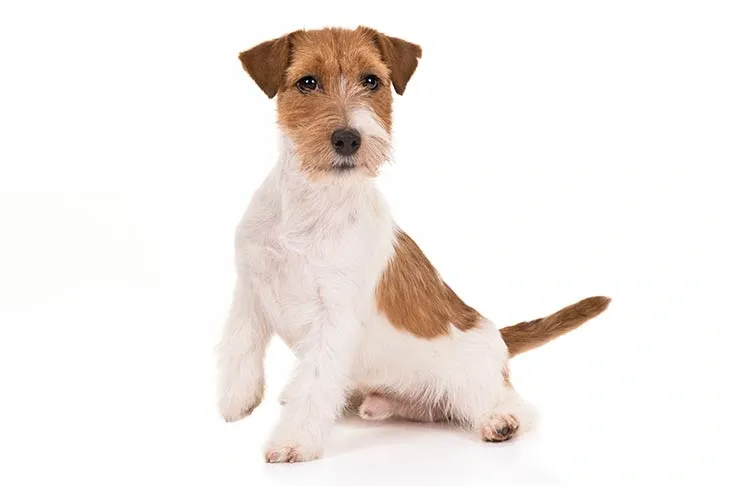
Image Source: American Kennel Club
Jack Russell Terriers have a compact yet athletic body that showcases their working heritage. Their build emphasizes speed, agility, and endurance. Different organizations have slightly different breed standards, but they all value functionality over looks.
Size and weight of a full grown Jack Russell Terrier
A full grown Jack Russell Terrier stands between 10-15 inches (25-38 cm) at the withers. The ideal height ranges from 10-12 inches (25-30 cm). These compact dogs’ weight matches their height perfectly – you can expect about 1 kg for every 5 cm in height. A dog that’s 25 cm tall should weigh close to 5 kg, while one that’s 30 cm should be around 6 kg.
American standards lean toward slightly heavier weights. Males typically weigh 14-18 pounds (6-8 kg). Regional working needs and local priorities often shape the breed’s weight and size specifications.
The breed’s body structure puts athleticism first. These dogs look balanced and compact, with their body length matching their height. Their chest should be narrow and shallow enough that average-sized hands can span it behind the shoulders when the dog is fit. This unique chest design lets them move easily through fox dens.
Coat types: smooth, rough, and broken
Jack Russell Terriers come in three distinct coat types. Each type protects them while they work outdoors. The grooming needs differ for each variety, but they all need to stand up to weather.
Smooth coat Terriers have short, dense fur close to their body. This sleek coat needs little maintenance and sheds less than other types. The smooth coat might look simple, but it still guards against harsh weather.
Rough coat dogs sport a wiry, weather-resistant outer coat with a softer layer underneath. Their facial beards, bold eyebrows, and leg furnishings create that classic scruffy look. These coats need regular attention, usually hand-stripping, to stay healthy and mat-free.
Broken coat terriers show the sort of thing I love – a mix between smooth and rough varieties. You’ll see patches of both long wiry and short smooth hair, creating an interesting texture that needs moderate grooming. Broken coats strike a nice balance between smooth coat sleekness and rough coat protection.
Each coat type shields these dogs from harsh weather and rough undergrowth – exactly what a working terrier needs.
Color patterns and markings
Jack Russell puppies wear mostly white coats (over 51% white) with black, tan, or brown markings. This wasn’t just about looks – white dogs were easier to spot and tell apart from foxes during hunts.
These terriers show up in several color combinations:
Tricolor: White with black and tan markings
Black and white: White base with black patches
Tan and white: White base with tan markings in various shades
Tan colors range from pale cream to rich chestnut. You might also see lemon (pale yellow) and red (vibrant rust-colored) markings.
These dogs sport distinctive markings that give them character:
Patch eye: Colored spots over one or both eyes
Ear patches: Color on one or both ears
Face masks: Colored head with a mostly white body
Saddle markings: Large patches over the back that look like a saddle
Most breed standards won’t accept brindle markings, though different kennel clubs and regions may disagree on this point.
Temperament and Personality Traits
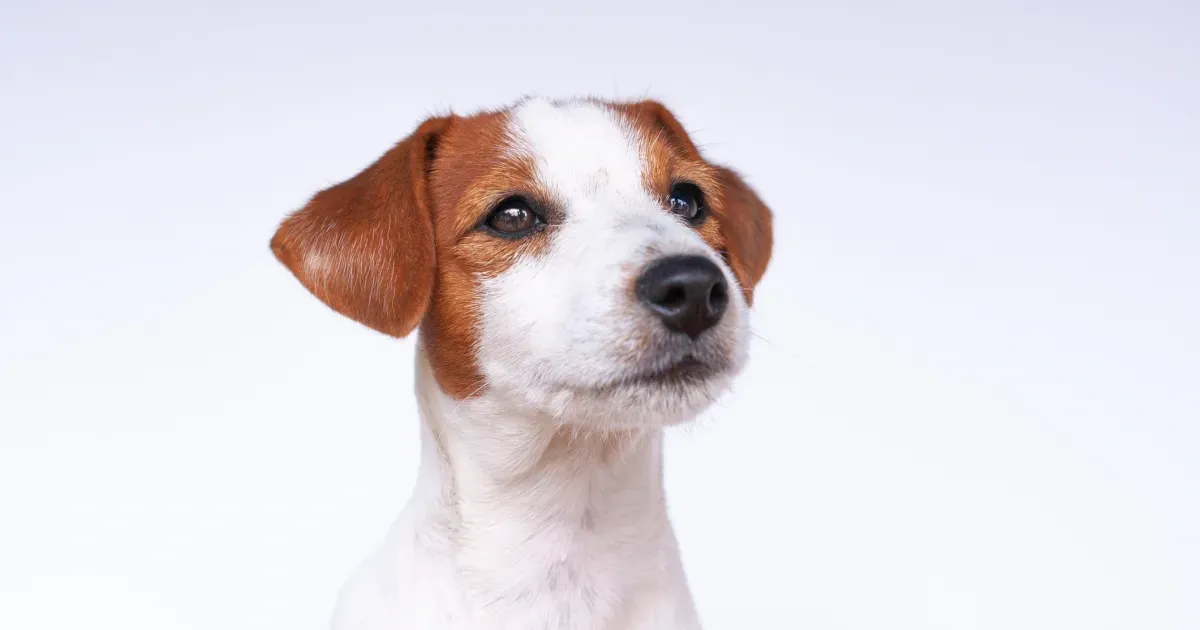
Image Source: DogTime
A Jack Russell Terrier’s cute looks hide a personality bigger than its size. These small dogs blend unique traits from their working background that make them both challenging and rewarding pets.
Jack Russell Terrier temperament explained
You can sum up a Jack Russell Terrier’s temperament in three words: bold, intelligent, and tenacious. People often say they pack “big dog energy in a little dog’s body.” These terriers face life with an amusing yet impressive confidence. Their fearless spirit comes straight from their fox-hunting ancestry. Breeders selected them to be brave enough to chase prey underground while being smart enough to plan their moves.
Jack Russell Terriers build deep bonds with their families. They grow especially close to the person who takes care of their daily needs. This loyal nature makes them excellent watchdogs that will alert you quickly to anything unusual.
These terriers have a stubborn streak too. Their breeding as independent workers shows in how they test limits and make their own choices. Their smarts are impressive – they crack problems fast, pick up tricks easily, and love showing off their skills.
Energy levels and playfulness
Jack Russell Terriers might just be the most energetic dogs around. Their boundless spirit needs at least 60-90 minutes of exercise daily. These dogs can develop problem behaviors without enough physical and mental activity:
Excessive barking or digging
Destructive chewing
Hyperactivity and restlessness
Escape attempts (they excel at digging and climbing)
Physical exercise isn’t enough – their minds need work too. Jack Russells tackle any task with the same drive they once used for hunting. Puzzle toys, training time, and brain games help keep them from getting bored.
A tired Jack Russell puppy behaves better. Most owners learn quickly that they’ll run out of steam long before their dog does.
Compatibility with children and other pets
Jack Russell Terriers can fit well in family life, but success depends on who’s in the house. They make playful, loving companions for older kids who know how to treat animals. Kids who like active play often connect with these dogs’ small size and fun personalities.
These excited pups need supervision around very young children. Homes with toddlers might not suit them best since they need their space and may not like rough handling. They might nip if they feel frustrated or uncomfortable.
Their hunting background affects how they get along with other pets. Jack Russell’s strong prey drive can spell trouble around smaller animals like hamsters, rabbits, or cats. Unless they grow up together from puppy days, these terriers might chase or hurt smaller pets.
Other dogs can pose challenges too. Jack Russells might show aggression toward unfamiliar dogs no matter their size, so early socialization helps manage this trait. Same-sex dogs often clash with them, and they tend to guard their territory fiercely.
Understanding a Jack Russell Terrier’s temperament is vital to decide if this spirited, loving, yet demanding breed matches your lifestyle.
Working Instincts and Hunting Heritage
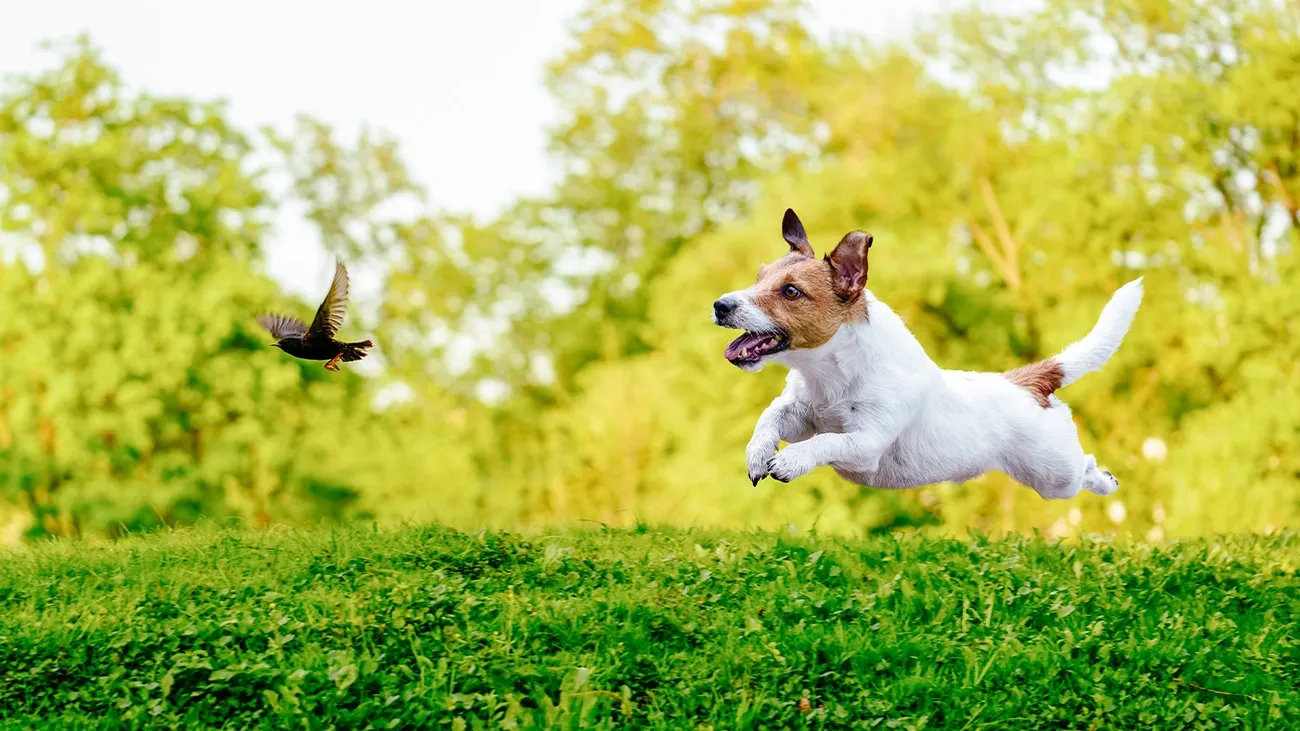
Image Source: PetsRadar
A hunter’s heart beats inside every Jack Russell Terrier. These dogs have kept their hunting instincts sharp through generations of being companion animals. Their physical and mental traits serve one main goal—a specialized hunting role that shapes their behavior today.
Original purpose: fox bolting
Jack Russell Terriers started as fox hunting specialists with a unique job. These “bolting” terriers would find foxes hiding underground and chase them back into the open. This let mounted hunters continue their pursuit. The breed needed specific traits: compact, flexible bodies (10-15 inches tall) to fit in tight burrows, amazing stamina, smarts to accomplish during hunts, and controlled aggression.
These terriers were never meant to kill their prey. Jack Russells are “baying terriers”—they should bark steadily to flush out foxes without killing them. Reverend Russell took pride that his terriers “never tasted blood”. Killing the fox was unsportsmanlike and would end the hunt too soon.
Their distinctive white coat serves a practical purpose. Hunters bred this color to help them spot their dogs easily among the foxes they chased. This smart design kept hunters from accidentally shooting their dogs during exciting hunts.
Modern working uses
Jack Russell Terriers have expanded beyond their fox-hunting roots. Their intelligence, compact size, and incredible work ethic make them versatile workers:
Ground-dwelling quarry hunters: They hunt many species besides foxes, including groundhog, badger, otter, raccoon, and woodchuck
Pest control: These dogs shine at rat hunting, making them valuable on farms and rural properties
Sporting activities: They excel in canine sports like agility, flyball, obedience, rally, and lure coursing
Beating line assistants: Their hunting instinct and curious nature makes them valuable during hunts
A Jack Russell Terrier named Patron became famous worldwide as a bomb-sniffing dog in Ukraine. This shows how well the breed adapts to modern working roles.
Why they are still considered working dogs
Pet Jack Russell Terriers keep their working dog nature. You can’t train away their hunting instinct. These dogs see small animals like cats, hamsters, and other pets as potential prey. Their deep-rooted drive shows up in several ways:
Extraordinary energy levels: They need at least 60 minutes of daily exercise
Natural digging behavior: This comes from their history of chasing underground prey
Independent problem-solving: Their breeding taught them to make decisions while hunting without human help
Tenacious determination: Some Jack Russells have stayed in active earth for days or weeks without food or water, driven by their strong quarry instinct
Jack Russell Terriers stay true to their roots, unlike many breeds that lost their working traits through appearance-focused breeding. One expert notes, “Everything about the Jack Russell has fox hunting in mind – coloring, conformation, character, and intelligence”.
Good breeders focus on preserving these working traits. This ensures Jack Russell Terriers keep their distinctive drive and skills, even as family pets, maintaining their legacy as top working terriers.
Health and Lifespan of Jack Russells
Jack Russell Terriers live longer than many other dog breeds, which proves their overall toughness. These dogs face specific health challenges throughout their lives though, from minor problems to serious genetic conditions.
Common health issues in the breed
Jack Russell Terrier owners should watch out for several health problems. These small dogs get tooth decay, gum disease, and tartar buildup more often than other breeds. Good dental care helps prevent these issues.
Eye problems are also common. Jack Russells often develop cataracts, glaucoma, and lens luxation. When the eye’s lens becomes dislocated – called primary lens luxation – it can lead to blindness without quick treatment. Scientists have traced this condition to a mutation in the ADAMTS17 gene.
Skin allergies (atopic dermatitis) show up as red, itchy skin, swelling, frequent ear infections, and too much licking or grooming. Food sensitivities or things in the environment like pollen, grass, household chemicals, or flea bites usually trigger these allergies.
Joint problems affect many Jack Russell Terriers. Slipping kneecaps (patellar luxation) are especially common. This inherited disorder ranges from mild cases where the kneecap slips out temporarily to severe ones that need surgery.
Jack Russell Terrier lifespan expectations
Jack Russell Terriers live impressively long lives compared to other breeds. A newer study, published in 2022 by UK researchers using vet data, found their average life expectancy reached 12 years and 9 months – longer than any other breed studied. Another UK study from 2024 showed they lived even longer, reaching 13.3 years versus 12 years for mixed breeds.
An Italian study from 2024 reported a much shorter life expectancy of just 8 years. This difference suggests that breeding practices, healthcare access, and lifestyle choices across regions affect how long these dogs live.
The American Society for the Prevention of Cruelty to Animals (ASPCA) puts their typical lifespan between 13-15 years. With proper care, some Jack Russells can live even longer.
Genetic conditions to watch for
Jack Russell Terriers can inherit several serious conditions that future owners should know about:
Legg-Calvé-Perthes disease: Puppies around 6-9 months old can get this condition. Poor blood supply to the femoral head makes bones deteriorate and causes lameness
Ataxia variants: The breed can inherit different forms, including spinocerebellar ataxia and late-onset ataxia. These affect coordination and balance
Hereditary gastrointestinal polyposis: Scientists just found this dominant inherited disease. It comes from a variant in the adenomatous polyposis coli (APC) gene
Severe combined immunodeficiency (SCID): This inherited condition weakens antibody response. Sadly, most puppies die from infections in their first few months
Responsible breeders screen for conditions like primary lens luxation, late-onset ataxia, and spinocerebellar ataxia. The Jack Russell Terrier Club of America and other groups promote these screenings to reduce these health problems.
Breed Variants and Confusions
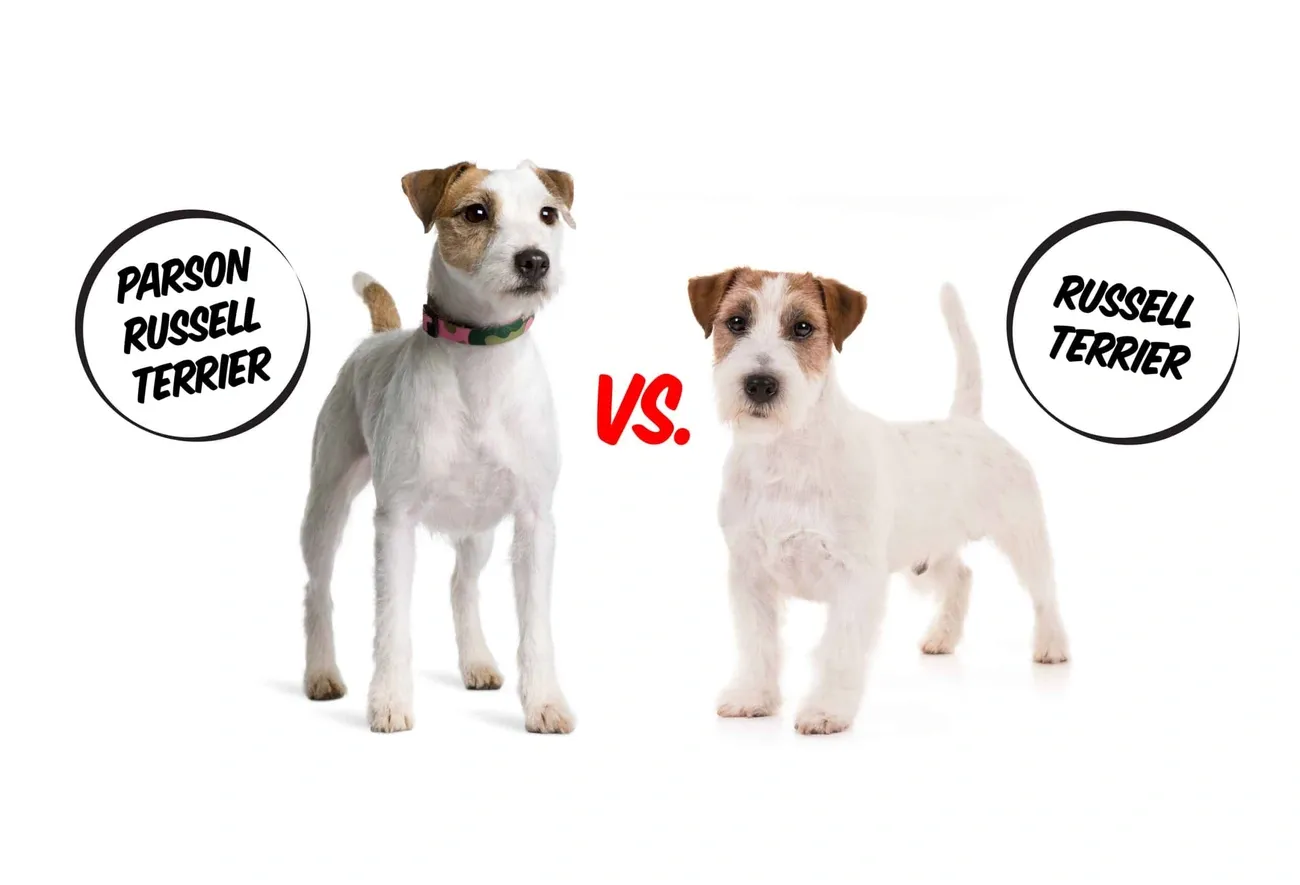
Image Source: Modern Dog Magazine
People often mix up different breeds in the jack russell terrier family. These breeds share more than just names – each has its own breeding history, physical standards, and status with kennel clubs worldwide.
Parson Russell vs Jack Russell vs Russell Terrier
These three breeds can trace their roots back to Reverend John “Jack” Russell’s original fox-hunting terriers. The breeds evolved separately over time. The Parson Russell Terrier (once known as the Jack Russell Terrier in AKC circles) has a taller, more square-shaped body and reaches 12-15 inches at the shoulder. The Jack Russell Terrier has a more rectangular shape and stays shorter at 10-12 inches.
The Russell Terrier became an AKC-recognized breed in 2012. This breed looks like a smaller version of the Parson, with shorter legs and a compact build. Their personalities also set them apart – Jack Russells tend to be more territorial and protective than Parson Russells. Jack Russells started as working dogs, while Parson Russells became show dogs.
Wire haired Jack Russell Terrier differences
Jack russell terriers come in three coat types: smooth, rough (wire-haired), and broken. Wire-haired jack russell terriers stand out with their coarse, dense outer coat and soft undercoat. Arthur Blake Heinemann created the first breed standard for wire-haired variants in 1984 through the Devon and Somerset Badger Club.
The biggest difference between wire-haired Jack Russells and Russell Terriers lies in their heritage. Wire-haired Jack Russells managed to keep their working traits, while Russell Terriers fit show dog standards.
Breed standards across countries
Each country and organization has its own breed standards. The UK’s Kennel Club added the jack russell terrier to its official list in 2016. The Fédération Cynologique Internationale (FCI) required Jack Russell terriers to stay within 10-12 inches.
The Jack Russell Terrier Club of America (JRTCA) sticks to its original broader standard. Their rules include terriers from 10-15 inches, with flexible chest measurements that work for dogs with different abilities. This standard welcomes various types, colors, and sizes instead of forcing them into one mold.
Australian standards tell a different story. The country created the first formal kennel club standard for today’s jack russell terriers. These regional priorities show why similar-looking terriers might get classified differently based on their registration location.
Famous Jack Russells in History and Media

Image Source: CBC
Jack Russell Terriers have given us several canine celebrities whose talents and heroism fascinate people worldwide. These amazing dogs showed the special qualities that make this breed stand out from the rest.
Uggie from ‘The Artist’
Uggie rose to fame in 2002 and became maybe the most celebrated Jack Russell Terrier in movie history through his unforgettable performance in the 2011 Oscar-winning film “The Artist”. His role as Jean Dujardin’s loyal companion highlighted the breed’s natural charm and trainability. Uggie had already appeared in “Water for Elephants” with Robert Pattinson and Reese Witherspoon.
The film’s success brought Uggie the Palm Dog Award at Cannes Film Festival and sparked the “Consider Uggie” campaign for Oscar recognition. His career ended with him becoming Hollywood’s first dog to leave paw prints outside Grauman’s Chinese Theater. Uggie released his memoir “Uggie, My Story” and retired from acting in 2012. He passed away in August 2015 at age 13 after battling prostate cancer.
George the hero dog
A tiny 30-centimeter Jack Russell Terrier named George became a legend in April 2007 in Manaia, New Zealand. Five children walked home that day when two aggressive pit bulls attacked them. George jumped to their defense despite his small size and heart condition.
George’s injuries from the fight proved fatal and led to his euthanization. His bravery earned him the Royal New Zealand Society for the Prevention of Cruelty to Animals bravery medal—a first for any non-police dog. The PDSA Gold Medal followed in 2009, known as “the animal equivalent of the George Cross”. Manaia now honors his memory with a bronze statue.
Patron: Ukraine’s bomb-sniffing dog
Patron came into this world in July 2019 and proves how Jack Russell Terriers adapt perfectly to modern working roles. His owner Mykhailo Iliev, a bomb disposal technician, bought him as a pet but trained him to detect explosives.
Russia’s 2022 invasion of Ukraine turned Patron into a national hero and worldwide sensation after people shared videos of him wearing his tiny bulletproof vest. His talent helped locate 236 unexploded devices by May 2022, and President Zelenskyy awarded him Ukraine’s Order for Courage. Patron’s 4-kilogram weight makes him perfect for this dangerous work since it stays under the 5-kilogram threshold that triggers most anti-personnel mines. UNICEF recognized his service by naming him their first “Goodwill AmbassaDOG” in November 2022.
Clubs, Recognition, and Breed Preservation
The debate over Jack Russell Terrier bloodlines has ignited passion among enthusiast organizations worldwide. Breed clubs have taken radically different approaches to keep this working breed’s distinctive qualities.
Jack Russell Terrier Club of America (JRTCA)
Established in 1976 by Ailsa Crawford, one of America’s first Jack Russell Terrier breeders, the JRTCA has grown into North America’s largest breed registry. The JRTCA differs from most breed clubs by using an open registry system. They register dogs at adulthood instead of birth, which puts working abilities ahead of looks. The organization strongly opposes American Kennel Club recognition and enforces a “Conflicting Organization Rule.” This rule stops members from registering their dogs with other organizations. The JRTCA runs competitions that showcase working skills, including conformation, go-to-ground, trailing, racing, agility, and obedience.
Kennel Club recognition and controversies
Kennel club recognition has sparked fierce debates. The AKC recognized the Parson Russell Terrier (first called Parson Jack Russell Terrier) in 1997, and later the smaller Russell Terrier in 2012. This split what was once a single breed into three distinct types. The UK Kennel Club finally recognized Jack Russell Terriers in 2016. This move faced strong opposition from working terrier organizations like the Jack Russell Terrier Club of Great Britain, which had fought recognition for over 40 years.
Efforts to preserve working traits
Traditional Jack Russell clubs prioritize working abilities above all. The JRTCA’s highest honors go exclusively to field performance through their Natural Hunting Certificate, Bronze Medallion for Special Merit, and Working Achievement Award. These organizations require their conformation judges to have hands-on experience with terrier work. Their breeding programs focus on keeping the full range of sizes needed for earth work rather than creating a standard look. The Jack Russell Terrier Club of South Africa shows this worldwide dedication through their motto: “Protect, Preserve and Work the Jack Russell terrier”.
Conclusion
Jack Russell Terriers are extraordinary dogs that showcase amazing versatility and character. These spirited canines have managed to keep their core traits that made them exceptional fox hunters over their 200-year history. They now thrive as beloved family companions. Their impressive 13-16 year lifespan beats many other breeds, making them perfect long-term partners for active families.
You won’t find many breeds that match the Jack Russell’s blend of intelligence, energy, and determination. These qualities shine through in everything they do – from hunting partners to dog sports champions. They even work as explosive detection dogs like Patron in Ukraine or become movie stars like Uggie. Their unique looks add to their charm – compact bodies, mostly white coats with varied markings, and three different coat types. Each dog looks distinct while staying true to the breed’s practical design.
Of course, Jack Russells aren’t right for every home. These dogs just need lots of daily exercise because of their high energy levels. Their strong prey drive means you’ll need to watch them carefully around smaller pets. Future owners should know they’re getting a working terrier with deep hunting instincts – not just a cute small dog.
The ongoing debates about breed standards among different kennel clubs show how deeply people care about protecting this special breed. While organizations might disagree on details, they share one goal – they want future generations of Jack Russells to keep the intelligence, tenacity, and spirit that makes these dogs special.
Jack Russell Terriers show us the amazing connection between humans and working dogs. From their early days with Reverend Russell’s Trump to today’s heroes like George and Patron, these small but mighty terriers prove great things come in small packages. Their steadfast dedication, endless energy, and unique personality will make them beloved companions for years to come.
Key Takeaways
Jack Russell Terriers are remarkable small dogs with big personalities, combining centuries of hunting heritage with modern adaptability as beloved family companions.
• Jack Russells live exceptionally long lives, averaging 12-16 years—longer than most dog breeds due to their robust genetics and active lifestyle.
• These high-energy terriers require 60-90 minutes of daily exercise and mental stimulation to prevent destructive behaviors like excessive barking and digging.
• Originally bred for fox hunting, their strong prey drive makes them unsuitable for homes with small pets like cats or rabbits without careful management.
• Three distinct but related breeds exist: Jack Russell Terrier (10-12 inches), Parson Russell Terrier (12-15 inches), and Russell Terrier (shortest variant).
• Their working instincts remain incredibly strong—they’re natural problem-solvers who need jobs to do, making them excellent for active families but challenging for sedentary owners.
The breed’s success in roles from Hollywood stardom (Uggie) to bomb detection (Patron) demonstrates their intelligence and versatility, but potential owners must understand they’re adopting a working terrier, not just a cute small dog.
FAQs
Q1. Are Jack Russell Terriers suitable for families with children? Jack Russell Terriers can make great family pets, especially for active families. They are playful and fun-loving companions. However, it’s crucial to teach the dog proper obedience and ensure children understand how to interact respectfully with the dog. Supervision is recommended, particularly with younger children, due to the breed’s energetic nature.
Q2. What are the main challenges of owning a Jack Russell Terrier? The primary challenges include their high energy levels requiring extensive daily exercise, strong prey drive that can be problematic around smaller pets, and potential for stubbornness during training. They also tend to bark frequently and may not be ideal for homes with very young children. Their long lifespan of 13-16 years also requires a significant long-term commitment.
Q3. How much exercise does a Jack Russell Terrier need daily? Jack Russell Terriers are highly energetic and require at least 60-90 minutes of exercise daily. This should include both physical activities like walks or runs, and mental stimulation through games or training sessions. Without adequate exercise, they may develop destructive behaviors due to boredom and pent-up energy.
Q4. Are Jack Russell Terriers easy to train? While intelligent, Jack Russell Terriers can be challenging to train due to their independent nature and strong-willed personality. They have a stubborn streak and may not always comply with commands. Consistent, positive reinforcement training methods work best, starting from an early age. Patience and persistence are key when training this breed.
Q5. How do Jack Russell Terriers get along with other pets? Jack Russell Terriers have a strong prey drive, which can make them difficult to integrate with smaller pets like cats, rabbits, or hamsters. They may view these animals as potential prey. While they can get along with other dogs if properly socialized, they can be territorial and may not back down from confrontations, even with larger dogs. Early socialization and careful introductions are crucial when bringing a Jack Russell into a multi-pet household.