
Mudhol Hound
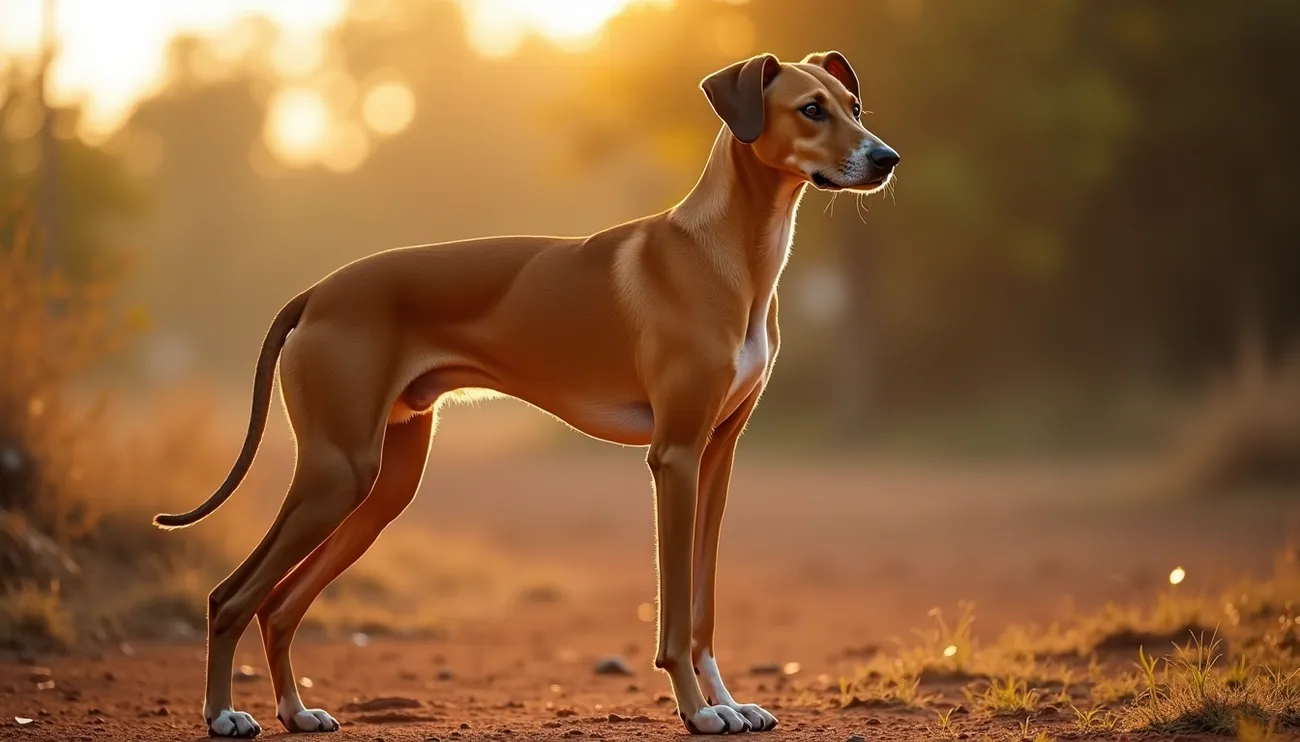 The Mudhol Hound stands as one of India’s most iconic and ancient sighthound breeds. A BSF Mudhol named ‘Riya’ made history by defeating 116 rivals to become the first Indian dog that won both the Best in Tracker Trade and Best Dog of the Meet titles at the 2024 All India Police Duty Meet. This remarkable breed from the Deccan Plateau region has served as hunters and guardians through generations, earning recognition for its exceptional speed, sharp eyesight, and unwavering loyalty.
The breed’s rich heritage includes an interesting connection to royalty. People also know it as the Caravan Hound or Karwani. Raja Malojirao Ghorpade of the erstwhile kingdom of Mudhol first bred these hounds and presented a pair to King George V during his England visit. Today, a Mudhol hound’s price in India ranges from ₹5,000 to ₹25,000, depending on the location – be it Mumbai, Delhi, or Bangalore. 750 families around Karnataka’s Mudhol town raise this breed and market their puppies. These elegant dogs have grown in popularity while remaining a true symbol of India’s heritage.
The Origin and History of the Mudhol Hound
The Mudhol hound’s story goes back hundreds of years, with deep roots in India’s rich array of traditions. This noble breed’s tale weaves together royal heritage, tribal wisdom, and age-old customs that shaped its growth over time.
Royal revival by Raja Malojirao Ghorpade
Mudhol hound’s most notable chapter starts with Shrimant Rajesaheb Malojirao Ghorpade of Mudhol (1884-1937). He gets credit for the breed’s revival and refinement. The ruler spotted exceptional hunting dogs that belonged to local tribal people known as Bedar (meaning “fearless”) or Berad (meaning “not-crying”). He saw their remarkable skills and started selective breeding programs to restore what would later become the royal Mudhol hound.
His work with the breed reached beyond India in the early 1900s. He gave King George V a pair of these magnificent hounds during an England visit. This royal gift substantially lifted the breed’s status worldwide. The king loved these elegant dogs so much that he named them “Mudhol hounds” – a name that stuck.
Tribal roots and hunting legacy
While the Mudhol hound’s exact origins remain somewhat unclear, historical records tell an interesting story. Many experts think these dogs came from ancient sighthounds of Central Asia and Persia that made their way to India. Traders and invaders from Afghanistan, Persia, and Turkey brought these dogs to India, especially during the Mughal era.
These dogs played vital roles as caravan guards, which led to their other name “Caravan hound” or “Karwani” in local terms. Over centuries, they became essential to hunting groups because of their speed, stamina, and keen eyesight. The Bedar community, who faced British opposition in 1857, had raised these hounds for generations as hunting companions.
Historical records link these hounds to Maratha forces. Stories tell us that Chhatrapati Shivaji kept these dogs by his side, valuing their alertness and steadfast dedication. Other tales speak of Shahuji Maharaj’s Mudhol hounds that fought and killed a tiger attacking the king, showing their courage and protective instincts.
Recognition by Indian and global institutions
The Mudhol hound got its official recognition as a distinct breed. The National Bureau of Animal Genetic Resources (NBAGR) acknowledged it as a native Indian breed. This marked the first government recognition, though private kennel clubs had recognized the breed earlier.
Karnataka Veterinary Animal and Fisheries Sciences University (KVAFSU) submitted the native breed application. They run the Canine Research and Information Center (CRIC) at Thimmapur near Mudhol. The center maintains specific bloodlines of parent dogs to avoid inbreeding and provides certified Mudhol puppies to breeders and the public.
The breed has achieved notable success in service roles. The Indian Army showed interest in using Mudhol hounds for surveillance and border protection in 2016. They got six dogs to test at the Remount Veterinary Corps in Meerut. This was the first time an Indian breed was tested for roles usually given to foreign breeds like Labradors and German Shepherds.
About 600-700 families from SC/ST communities in Bagalkot district’s villages, including Bidar, Mudhol, Halagali, and Lokapur, continue breeding these remarkable dogs. Their work ensures this ancient breed’s legacy lives on for future generations.
Physical Characteristics and Appearance
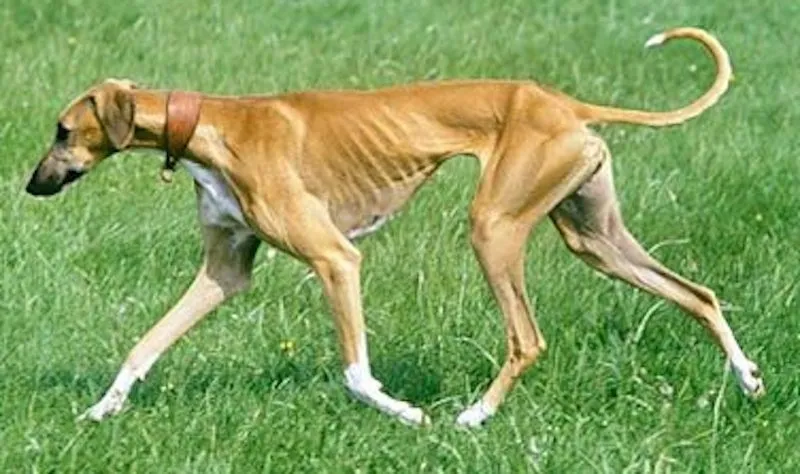
Image Source: Dog Breeds
The Mudhol hound stands tall and proud, built for speed. This elite hunting companion’s slim, athletic frame shows both grace and purpose. These qualities make it one of India’s most distinctive native dog breeds.
Size and weight range
Male and female Mudhol hounds differ noticeably in size. Males reach heights of 66-72 cm (about 29-35 inches) at the shoulder. Females are shorter at 61-66 cm. A typical male weighs between 22-28 kg, while females are lighter at 20-25 kg. Some sources mention males weighing between 20-30 pounds.
These dogs have an aerodynamic build that helps them run fast and long distances – traits common to sighthounds. Their head is long and narrow with a tapered muzzle. They have strong jaws that meet in a scissors bite. Large oval eyes range from dark to hazel, giving them an intense gaze.
The breed’s neck is long, clean and muscular, blending smoothly into well-positioned shoulders. A strong, deep chest features well-sprung ribs and a tucked-up belly. The back looks long, broad and muscular with wide, deep loins. Strong muscles in both front and back legs give these dogs their explosive speed and agility.
Coat type and grooming needs
You’ll find two distinct coat types in Mudhol hounds. Most have a smooth coat that’s short, close-fitting and fine. The less common “Pashmi” variety shows silky feathering on ears, legs, and tail. This coat variation makes them unique among sighthounds.
These dogs need simple grooming. A weekly brush with a rubber curry comb or slicker brush is enough to remove dead hair and spread skin oils around. Regular brushing keeps their coat healthy and shiny. They shed an average amount, so brushing once or twice weekly helps manage loose hair.
Baths should happen only when needed. Too much washing strips away protective oils that give their coat its natural shine. Mild dog shampoos work best for necessary baths.
The Mudhol’s hanging ears need extra care since they can get infected easily. Check regularly for redness, odd smells, or debris. Clean with a vet-approved solution when needed. Regular tooth brushing and nail trimming round out their grooming needs.
Color variations
Mudhol hounds come in seven different colors. Most often you’ll see them in shades of fawn, cream, red, and white. This gives them their classic golden-sandy look.
Some colors are harder to find than others. Pure black Mudhols are the rarest. Brindle coats come in second – these show brown or tawny base colors with darker stripes. Breeders often value these uncommon colors highly.
The breed also comes in fallow and mouse-gray, sometimes with small white markings. This wide range of colors adds to their appeal while staying true to breed standards.
The National Bureau of Animal Genetic Resources has officially recognized these physical traits. This helps preserve the authenticity of this ancient Indian sighthound for future generations.
Mudhol Hound Temperament and Behavior
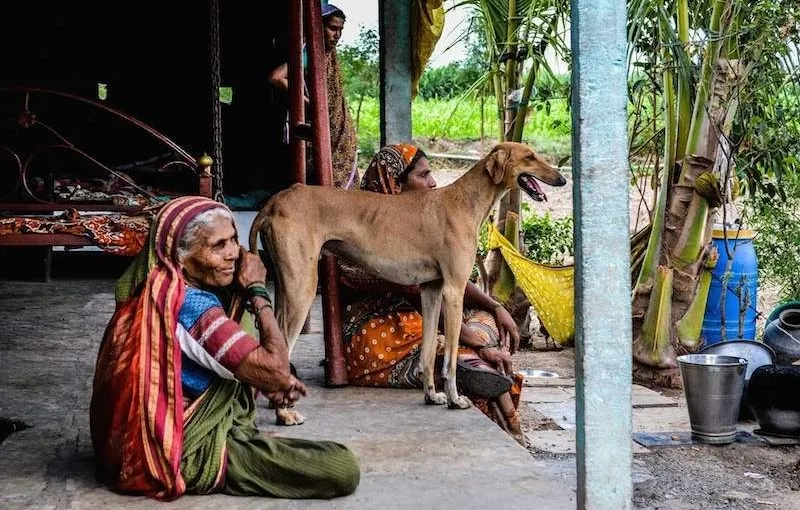
Image Source: Dog Breeds
Mudhol hounds started as hunting and guard dogs, and they’ve kept their independent nature along with a steadfast dedication to their owners. These graceful dogs show traits that come from their ancient roots, and they need owners who get their special personality.
Loyalty and alertness
Mudhol hounds build deep bonds with their families but stay cautious around strangers. Their sharp instincts and strong territorial nature make them great watchdogs. These dogs stay alert to their surroundings – a skill they picked up from working in open fields and rough terrain for hundreds of years.
You’ll find Mudhol hounds are quiet and focused. They’re not barkers like other breeds and prefer to watch silently while staying tuned to what’s happening around them. Their quiet nature doesn’t take away from their protective side. In fact, their territorial instincts make them natural guardians of homes and families.
These dogs show amazing courage when needed. Stories tell of Mudhol hounds protecting their owners from danger. One famous tale describes a hound that fought and killed a tiger attacking its royal master. Their protective nature comes from loyalty rather than aggression, which makes them reliable partners in tough situations.
Interaction with families and children
At home, Mudhol hounds show their love and loyalty to family members. Though they’re naturally reserved, they form strong connections with people they trust. They do best in homes where people respect their need for both company and space. These noble dogs respond well to gentle, steady treatment and show remarkable respect when handled kindly.
Well-socialized Mudhol hounds get along with children. Their nervous nature means kids must learn the right way to approach and handle them. Children who know how to act around dogs will find a protective and fun friend in a Mudhol hound. Getting them used to people early is vital to help them interact well with family members of any age.
Adding a Mudhol hound to your family should happen slowly. Let everyone connect at their own speed and keep interactions calm and gentle from day one. These dogs might not rush to get attention from everyone right away, but patience leads to lasting relationships.
Training responsiveness and independence
Mudhol hounds are smart and independent, which creates some training challenges. Unlike dogs that are happy to please, these hounds like to review commands before they follow them. This isn’t being stubborn – it’s just part of their hunting heritage.
These dogs learn best with positive reinforcement. Treats, praise, and toys work nowhere near as well as harsh methods that can break trust. Quick, engaging training sessions that respect their smarts and independence work better than endless repetition.
Early socialization from 3-16 weeks helps create well-behaved adult dogs. Puppies need exposure to different sights, sounds, people, and animals in safe, positive settings to prevent fear or reactive behavior later. Their natural hunting instincts mean recall training is extra important – practice often in safe areas.
Simple obedience commands give them mental exercise while showing who’s in charge. Lure coursing is a great advanced activity that taps into their natural instincts. This sport uses a mechanical lure to simulate chase and gives them exercise while strengthening their bond with you.
Mudhol hounds need patient, firm, and steady handlers. Harsh or controlling treatment doesn’t work with their nervous nature. The right socialization and positive training turns these smart hounds into balanced companions that live up to their noble background.
Mudhol Hound Price and Availability in India
You want to bring a Mudhol hound home? Let’s talk about what it’s going to cost you. These indigenous dogs are getting more popular in India, and their prices can vary quite a bit based on several factors.
Price range by city
A Mudhol hound puppy’s price varies across India. You can expect to pay anywhere between ₹5,000 and ₹25,000. Cities that value native breeds tend to have higher prices.
Bangalore breeders ask between ₹8,000 and ₹20,000. They focus on healthy, well-socialized puppies at reasonable prices.
Mumbai has a market that caters to dog enthusiasts who want to invest in quality breeding. Prices here range from ₹12,000 to ₹25,000. Show-quality dogs cost even more.
Delhi’s high demand pushes prices between ₹10,000 and ₹20,000. Pune loves native breeds, and prices run from ₹10,000 to ₹25,000.
Hyderabad offers good deals with prices between ₹7,000 and ₹18,000. You can find health-conscious breeders at fair prices here.
Looking around Karnataka, especially near Mudhol town, might get you better prices. About 750 families there raise these dogs and sell puppies.
Factors affecting cost
A breeder’s reputation comes first when setting prices. Just like picking a good restaurant, quality costs more. Good breeders spend money on health tests, food, and proper care. They charge between ₹15,000 and ₹25,000. Local breeders might ask less (₹5,000-₹12,000), but you’ll need to check the puppy’s health and living conditions carefully.
A dog’s pedigree and family history affect its price too. Dogs with proven bloodlines – ones with great health records, temperament, and achievements – start at ₹15,000.
Age matters when it comes to price. Puppies between two and six months cost more because this is the best time to bond and train them. Sometimes gender affects the price, especially for breeding dogs.
Supply and demand create price differences between regions. Areas with many breeders have more competitive prices. Places where these dogs are rare or trendy might charge more.
Watch out for online scams. Some platforms list prices between ₹80,000 and ₹2,00,000. These prices are way too high compared to real market values.
Adoption vs buying
Adoption is a great option if you want to save money. You’ll pay between ₹3,000 and ₹8,000, which is much less than buying from breeders.
Money aside, adoption helps give loving homes to dogs that need families. Check local shelters and rescue groups – they sometimes have Mudhol hounds available.
The purchase price is just the start, whatever you choose. Plan for monthly costs between ₹4,500 to ₹7,500 to keep your Mudhol hound healthy and happy. This covers good food, vet visits, and exercise needs.
Try to visit breeders in person. See where the puppies live, meet their parents, and ask for health papers. Good breeders answer all your questions, show vaccination records, and care about their dogs’ well-being more than making a sale.
Caring for a Mudhol Hound: Daily Needs
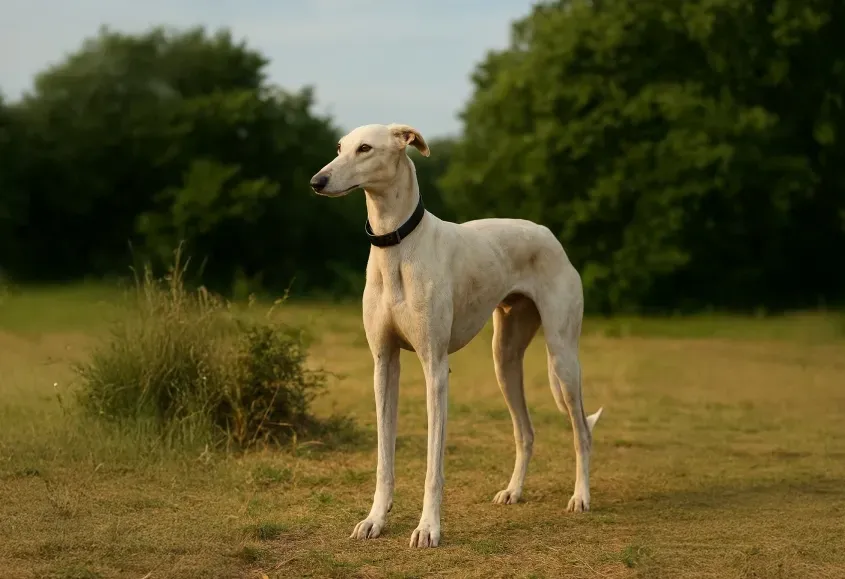
Image Source: Happy Pet India
Caring for a Mudhol hound means understanding their distinct needs as athletic sighthounds. These ancient hunting dogs need special attention to their nutrition, exercise, and grooming that sets them apart from other breeds.
Feeding and nutrition
Mudhol hounds do best with high-quality, protein-rich diets that help maintain their lean build. These energetic dogs have a fast metabolism and need nutrient-dense foods with named meat sources as the first ingredient. Adult dogs usually do well with two meals daily, while puppies need 3-4 feedings until they reach their ideal weight.
Their diet should include:
High-quality protein to maintain lean muscle mass
Healthy fats, especially omega-3 fatty acids to support skin, coat, and joint health
Complex carbohydrates to provide sustained energy
Essential vitamins and minerals
Their slender frame makes portion control crucial. Too much food leads to weight gain, while too little won’t fuel their active lifestyle. Fresh water should always be available. Keep toxic foods away from them – chocolate, onions, grapes, and alcohol can harm these dogs.
Exercise and mental stimulation
These natural hunters need 60-90 minutes of daily exercise at minimum. Mudhol hounds need large, securely fenced areas to run – they won’t thrive in apartments. Their strong chase instinct means they should run off-leash only in completely secure spaces.
Mental stimulation is just as vital as physical exercise to prevent boredom and destructive behavior. Puzzle toys, obedience training, and scent work games keep their sharp minds busy. Lure coursing gives them a perfect outlet to pursue artificial prey in controlled settings.
These high-energy dogs respond well to varied activities:
Long walks or jogging sessions
Free running in enclosed spaces
Interactive games that challenge their minds
Scent-based activities that tap into their natural abilities
A tired Mudhol usually becomes a well-behaved companion. Dogs without enough physical and mental exercise might become bored, destructive, or develop behavior issues.
Grooming essentials
Mudhol hounds need less grooming than many other breeds. Weekly brushing with a rubber curry comb or slicker brush removes loose hair and spreads natural oils. This routine helps maintain coat health and lets you check for skin problems.
Use mild dog shampoo only when your dog needs a bath – frequent washing removes protective oils. The dog’s low body fat makes them sensitive to cold, so they need warm bedding in cool weather.
Good grooming goes beyond coat care. Regular ear checks and cleaning prevent infections – especially important because of their hanging ears. Weekly tooth brushing stops tartar buildup and gum disease. Nail trimming every 3-4 weeks prevents overgrowth that could affect how they walk and cause discomfort.
Health and Lifespan of the Mudhol Hound
Mudhol hounds show remarkable toughness, which is evidence of their natural selection through centuries in harsh environments. These dogs illustrate “survival of the fittest,” which has resulted in a breed with fewer genetic health issues than many purebred dogs.
Common health issues
Mudhol hounds are very healthy dogs with no known specific genetic conditions. Their lean physique as sighthounds with minimal body fat creates unique health challenges. Cold weather affects them easily, which can lead to winter chills. The harsh sun can burn their skin, and they might need sunscreen during peak summer days.
Skin problems are the biggest concern among their few health issues. Some Mudhol hounds can develop bloat (Gastric Dilatation-Volvulus), which needs immediate veterinary care as it threatens their life. A rare liver condition called “marasmus” can prevent proper food absorption—dogs eat normally but look undernourished. Hip dysplasia and various eye conditions might also develop.
Preventive care and vaccinations
Regular vet check-ups are the life-blood of preventive care for Mudhol hounds. Vets suggest twice-yearly exams for older dogs to catch age-related problems early. Their vaccination schedule remains crucial throughout their lives:
6-8 weeks: Distemper, Parvovirus, Hepatitis, Parainfluenza
10-12 weeks: Distemper, Parvovirus, Hepatitis, Parainfluenza
14-16 weeks: Distemper, Parvovirus, Hepatitis, Parainfluenza, Rabies
Annually: Booster shots for all vaccines
Smaller, frequent meals help reduce bloat risk. Year-round protection against parasites (fleas, ticks, and heartworms) plays a vital role in keeping them healthy.
Average lifespan and aging signs
Most Mudhol hounds live between 10-15 years. Owners should watch for common aging signs as their dogs grow older. Physical changes include poor vision and hearing, limited mobility, stiffness after rest, and less activity.
Mental aging can show up as increased anxiety, confusion with familiar commands, different sleep patterns, or too much barking. Senior Mudhols do better with special diets for aging dogs—these keep protein levels right and add omega-3 fatty acids for joint health. Light but regular exercise helps maintain muscle strength without straining aging joints.
Changes in daily habits are a great way to get early warning signs in aging Mudhol hounds. A quick visit to the vet becomes necessary if you notice changes in appetite, energy levels, or bathroom habits, since early detection often means better treatment results.
Mudhol Hound in Indian Security Forces
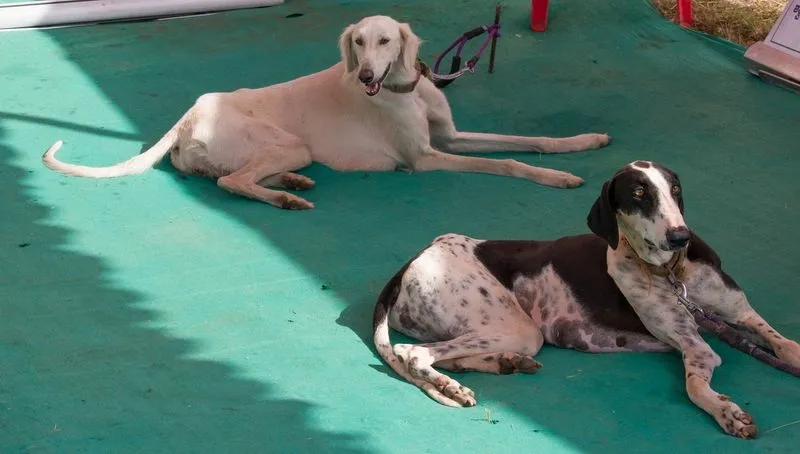
Image Source: The Tribune
The indigenous Mudhol hound has evolved from a rural hunting companion to become a vital part of India’s reliable defense system over the last several years. This transformation stands as a soaring win for the nation’s “Atmanirbhar Bharat” initiative for security forces.
Use in Indian Army and BSF
The Border Security Force trains 150 indigenous dogs, including Mudhol Hounds, to guard borders, conduct counterinsurgency operations, and perform special tasks. The Indian Army adopted these dogs in 2016, and the Remount Veterinary Corps started training Mudhol puppies. This marked the first time an indigenous breed replaced foreign breeds like Labradors and German Shepherds at the center. The army deployed six out of eight dogs that completed their original training to Kashmir-based units for evaluation. Indian security forces now use about 40 Mudhol Hounds in active service.
Training and deployment
The Remount Veterinary Corps center in Meerut and the National Training Center for Dogs (NTCD) serve as main training facilities. BSF’s Mudhol Hound ‘Riya’ made history at the 2024 All India Police Duty Meet in Lucknow by winning both the Best in Tracker Trade and Best Dog of the Meet title. Riya outperformed 116 foreign breed competitors. A special BSF adventure institute in Dehradun trains these dogs beyond simple duties. They learn advanced operations, such as sliding down from helicopters with handlers and taking part in river rafting exercises.
Strengths and limitations in service
Mudhol’s exceptional agility, endurance, and sharp senses make them perfect for surveillance, border patrolling, and detection roles. Their lean frame and high stamina give them an edge in long-range reconnaissance across challenging terrains. On top of that, it helps that they resist diseases naturally, show hardiness, and need little maintenance in demanding field environments.
The biggest problem lies in their response to cold weather. Military officers report that Mudhol’s performance drops sharply in cold environments. Since these dogs come from warmer regions, their sensitivity to climate might limit their use in certain areas, particularly mountainous border regions during winter months.
How to Choose a Healthy Mudhol Hound Puppy
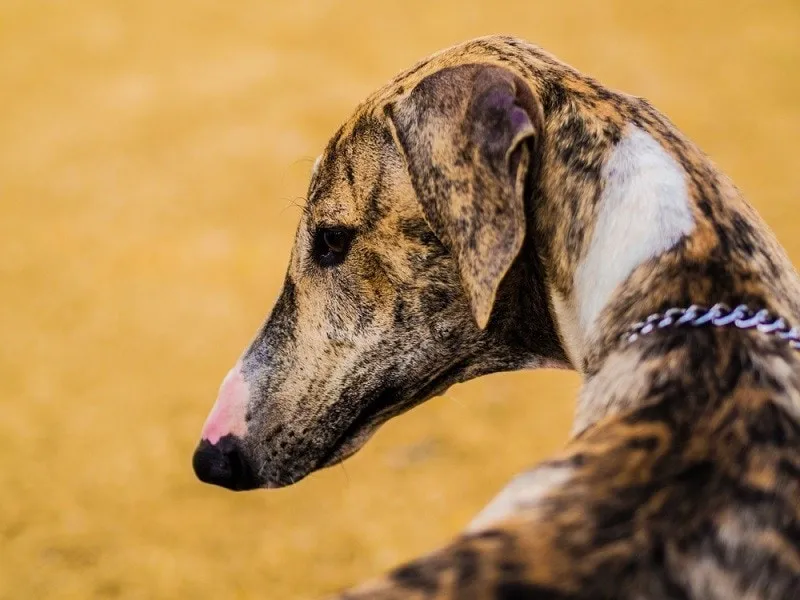
Image Source: Dogster
Selecting the right Mudhol hound puppy needs careful attention to several factors that show good health and proper breeding practices. Your chances of bringing home a strong companion increase when you know what to look for.
Signs of a healthy puppy
The puppy’s physical appearance matters a lot. The puppy’s eyes should be bright, clear, and free from discharge, while its nose should be slightly moist but not running or crusty. A healthy coat looks clean and smooth without bald patches or signs of parasites, especially when you have to check around the ears. The puppy should move smoothly and confidently without limping or stiffness. A well-bred Mudhol shows curiosity, playfulness, and stays alert instead of being lethargic or withdrawn.
Questions to ask breeders
You should request complete vaccination and deworming records before finalizing any purchase. Ask about both parents’ health and temperament since these traits often pass to offspring. Questions about illnesses in the litter can reveal potential hereditary problems. Reputable breeders readily provide references from previous buyers to verify their practices.
Red flags to avoid
Watch out for breeders who seem evasive or reluctant to show living conditions. Those pushing for quick sales at unusually low prices should raise suspicion. Proper documentation is non-negotiable—no health papers should mean no puppy. Meeting the puppy’s parents and visiting the breeder in person is essential.
Conclusion
The Mudhol Hound is evidence of India’s rich canine heritage. These elegant sighthounds have evolved from royal companions and tribal hunting dogs over centuries. Now they serve as valued members of modern security forces. Their recent success shows how far they’ve come – BSF Mudhol ‘Riya’ beat 116 foreign breed rivals in competition.
These dogs are built for speed and endurance. They have striking looks and a balanced temperament that combines independence with steadfast loyalty. The breed’s minimal grooming needs and exceptional hardiness make them easier to maintain than many foreign breeds. In spite of that, future owners should know these dogs need plenty of exercise, good nutrition, and secure spaces.
On top of that, their ability to adapt to different roles – from hunting companion to border patrol – shows how versatile they are. The breed’s price range (₹5,000-₹25,000) makes them available to most serious dog enthusiasts who want to connect with India’s canine heritage.
These dogs are more than just pets – they represent cultural history, royal legacy, and national pride. Their experience from Karnataka’s dusty plains to specialized military training facilities shows how traditional breeds can serve new purposes while keeping their genetic heritage intact. Families who think about getting this ancient breed will find a loyal companion with unique character, as long as they give it enough space, exercise, and consistent training. The legacy of these magnificent Indian sighthounds will live on for generations through proper care and appreciation.
Key Takeaways
The Mudhol Hound represents India’s ancient canine heritage, combining royal history with modern military service capabilities. Here are the essential insights for potential owners and enthusiasts:
• Royal Heritage Meets Modern Service: Originally bred by Raja Malojirao Ghorpade and gifted to King George V, Mudhol Hounds now serve in Indian security forces, with BSF’s ‘Riya’ becoming the first Indian breed to win major police duty competitions.
• Athletic Build Requires Substantial Exercise: These sighthounds need 60-90 minutes of daily exercise in secure, fenced areas due to their powerful chase instincts and lean, muscular physique designed for speed.
• Affordable Native Breed with Low Maintenance: Priced between ₹5,000-₹25,000 across Indian cities, they require minimal grooming but need high-quality protein diets to support their fast metabolism.
• Independent Yet Loyal Temperament: While forming strong family bonds, they maintain natural wariness toward strangers and require patient, positive training methods that respect their intelligent, independent nature.
• Exceptional Health and Longevity: With 10-15 year lifespans and no known genetic conditions, they’re remarkably hardy dogs adapted to Indian climates, though sensitive to extreme cold due to minimal body fat.
The Mudhol Hound offers families a unique opportunity to own a piece of living Indian history while gaining a devoted, athletic companion that embodies centuries of selective breeding for loyalty, speed, and endurance.
FAQs
Q1. What makes the Mudhol Hound special? The Mudhol Hound is special for its rich Indian heritage, exceptional speed and endurance, and recent success in military and security roles. Originally bred for hunting, these dogs combine loyalty with independence, making them unique companions with minimal grooming needs and natural hardiness.
Q2. How much does a Mudhol Hound typically cost? Mudhol Hound prices generally range from ₹5,000 to ₹25,000, depending on factors like location, breeder reputation, and pedigree. In regions like Bagalkot and Vijayapura, pedigreed puppies can cost between ₹7,000 and ₹35,000.
Q3. What should I consider before getting a hound dog like the Mudhol? Before getting a Mudhol Hound, consider your lifestyle and ability to provide ample exercise. These dogs need 60-90 minutes of daily activity and secure spaces to run. They also require mental stimulation, consistent training, and a diet rich in high-quality protein to maintain their lean physique.
Q4. Are Mudhol Hounds suitable for families with children? When properly socialized, Mudhol Hounds can interact well with children. However, their reserved nature and sometimes nervous temperament mean that children should be taught to approach and interact with the dog respectfully. Early socialization and patient training are key to developing a well-balanced family companion.
Q5. What are the health considerations for Mudhol Hounds? Mudhol Hounds are generally very healthy with no known specific genetic conditions. They have a lifespan of 10-15 years. However, they can be sensitive to cold due to their lean build and may be prone to bloat. Regular veterinary check-ups, proper nutrition, and preventive care are essential for maintaining their health throughout their lives.