
Miniature Pinscher
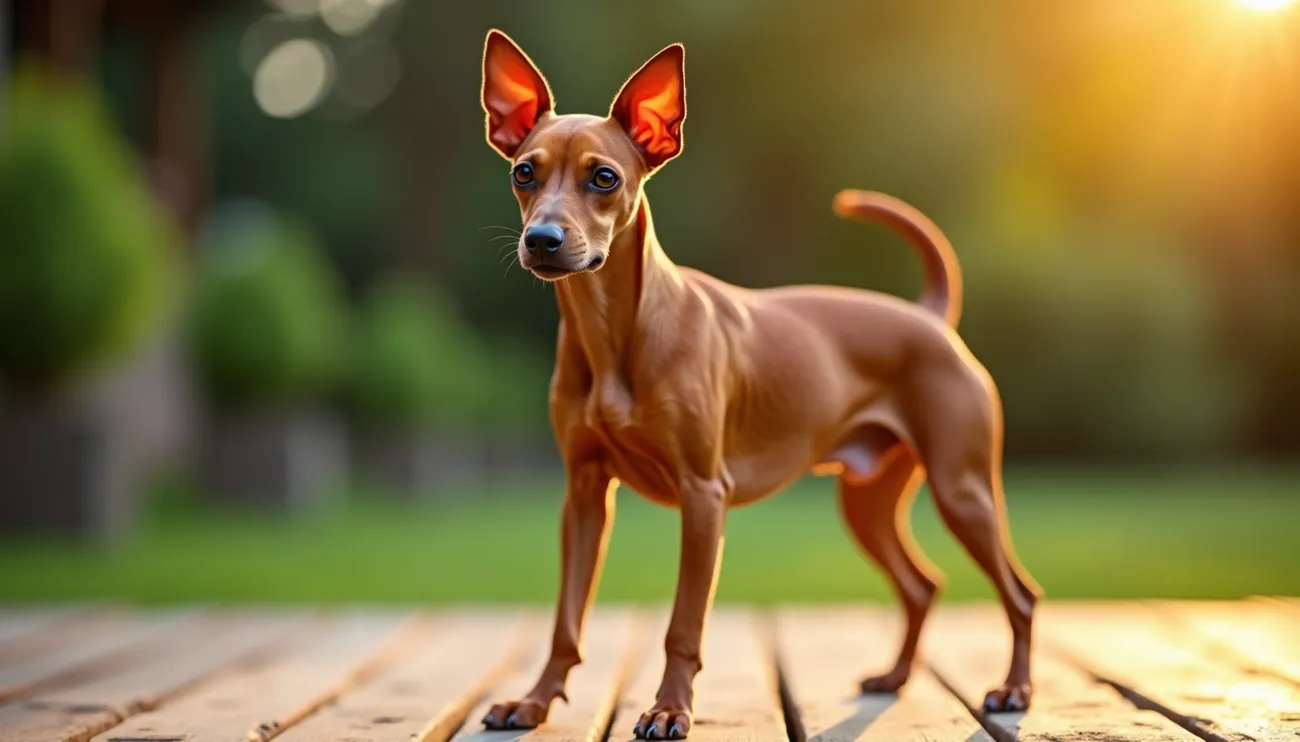 The “King of Toys,” the Miniature Pinscher, ranks among the longest-living dog breeds and boasts an impressive lifespan of 12–16 years. Many people mistakenly think these spirited dogs are smaller versions of Doberman Pinschers, which isn’t true.
These dogs trace their roots to Germany, where they served as quick and effective barnyard ratters several centuries ago. The American Kennel Club gave the breed its official recognition in 1925. These small yet mighty dogs stand 10–12½ inches high and weigh an ideal 8–10 pounds. Their confident and energetic nature often catches first-time owners off guard.
The breed’s short, hard coat makes grooming a breeze. These highly intelligent dogs show deep devotion to their families, but their independent streak might lead them to challenge boundaries. Miniature Pinschers adapt well to apartment living and stay healthy with daily walks and regular playtime.
Breed Origins and History
Breed Origins and History
Where the Miniature Pinscher comes from
The Miniature Pinscher’s ancestry goes back several centuries in German history. German people called it the “Zwerg Pinscher” (Dwarf Biter), and this small but mighty breed first showed up as early as the 1600s. German historical documents often called it the “reh Pinscher” because it looked just like the small red deer (reh) that used to roam German Rhineland forests.
The Miniature Pinscher’s exact origins are older than formal dog records. All the same, paintings and artwork from centuries ago show these dogs, which suggests they’ve been part of Central Europe’s culture for a very long time. The German Kennel Club added these spirited little dogs to their registry in 1883. The German Pinscher-Schnauzer Club formed in 1895 to support different pinscher types, including the Miniature Pinscher.
The breed’s name tells us about its purpose. The German word “pinscher” means a short-coated terrier, while “Pinscher” describes how the dog jumps on and fiercely bites its prey. This name fit perfectly with the breed’s first job as a quick and effective barnyard ratter.
The myth of the Miniature Doberman Pinscher
Many people think the Miniature Pinscher is just a smaller version of a Doberman. The timeline proves this wrong. The Miniature Pinscher existed hundreds of years before the Doberman Pinscher. Karl Friedrich Louis Dobermann created the Doberman around 1890, long after the Miniature Pinscher was already a well-known breed.
This mix-up probably started when these breeds came to America. The Doberman arrived in the United States first, so when people later saw the smaller breed, they assumed they were related. The American Kennel Club made things more confusing in 1925 when they first recognized the breed (then just called “Pinscher”). They said it “must appear as a Doberman in miniature,” which made people believe this mistake even more.
These breeds share very little genetic connection. Breed historians say the Miniature Pinscher likely came from mixing:
German Pinscher
Dachshund
Italian Greyhound
The German Pinscher might be the only shared ancestor between Miniature Pinschers and Dobermans. This makes them distant cousins at best, not direct relatives.
From ratter to companion
The Miniature Pinscher’s path from working dog to beloved pet spans centuries. These small dogs started as pest controllers, and they were great at hunting mice, rats, lizards, small birds, and other pests that caused problems on farms and in stables. Their brave and determined nature made them perfect for this job.
The breed became much more popular in Germany between 1905 and 1914. People started to love them not just for their work but also for their unique looks and lively personality. A special Reh Pinscher show in Germany in 1900 had 93 dogs, mostly black with red markings, which showed growing interest in showing these dogs.
The first Miniature Pinscher came to the United States around 1919. The first AKC-registered dog was a black and rust female named Asta von Sandreuth. The Miniature Pinscher Club of America started in 1929, the same year the AKC officially recognized the breed.
The AKC first put the Miniature Pinscher in the Terrier group but moved it to the Toy group in 1930. This move showed how the breed had changed from a working terrier to a companion dog. The breed’s name changed too – from “Pinscher (Toy)” to “Miniature Pinscher” in 1972 to set it apart from other pinscher types.
These dogs have become more refined and popular as show and companion dogs. Yet they’ve kept their spirited nature. As one source puts it, “Now a lighter, more elegant dog, none of their feist or fire has been lost – these little dogs still believe they can take on the world and win!”
Physical Characteristics and Size
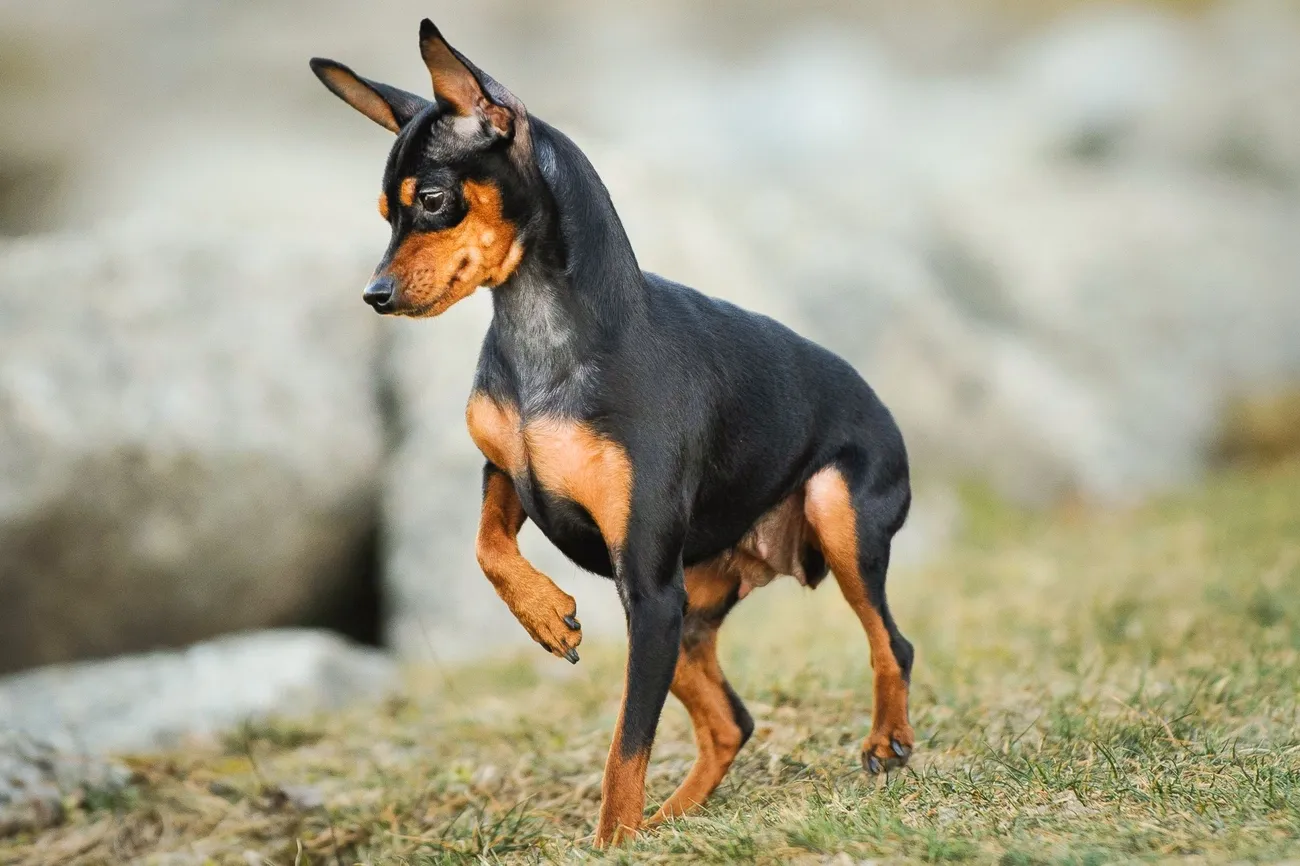
Image Source: The Spruce Pets
Physical Characteristics and Size
The Miniature Pinscher stands out among toy breeds with its eye-catching silhouette. This breed pairs elegance with sturdiness, showing off a compact, wedge-shaped body and a shiny coat.
Miniature Pinscher size and weight
These little dogs reach between 10 to 12.5 inches (25-32 cm) at their shoulder blades’ highest point. Most breed experts call 11 to 11.5 inches the perfect height. Show rings won’t accept dogs shorter than 10 inches or taller than 12.5 inches.
These small companions usually weigh 8 to 10 pounds (4-5 kg). Some experts say they can weigh between 4 to 6 kg. The American Kennel Club wants these dogs’ length to match their height, though females can be a bit longer.
Male Min Pins usually grow 10 to 12.5 inches tall and weigh 9 to 12 pounds. Females reach 7.5 to 10.5 inches and share the same weight range of 9 to 12 pounds. These pups reach their full height between nine and twelve months.
Their body shows off a balanced, sturdy build. Straight legs point neither in nor out. These dogs get their full set of adult teeth by six to seven months, after losing their baby teeth between three and four months.
Coat types and accepted colors
A Min Pin’s coat feels smooth and hard while staying short. The hair lies flat and shiny, hugging the body in an even layer. This coat needs little care yet adds much to the breed’s elegant look.
The breed comes in several color combinations:
Solid clear red – from light copper to deep mahogany
Stag red (red with black-tipped fur) – looks darker than solid red
Black with sharp rust/tan markings – shows up on cheeks, lips, lower jaw, throat, twin spots above eyes, chest, lower half of forelegs, inside of hindlegs, vent area, and feet
Chocolate with rust/tan markings – matches black/rust pattern but has brown toe penciling
Blue with rust/tan markings – UK shows accept this color, but not all countries do
The American Kennel Club only allows solid red, stag red, black with rust points, and chocolate with rust points in shows. Dogs with white marks bigger than half an inch or “thumb marks” (black patches surrounded by rust on the foreleg) can’t compete.
Teacup and red Miniature Pinscher variations
Min Pin lovers often admire certain special varieties. Teacup Min Pins are tiny versions that measure about half the size of regular ones. These pocket-sized pets keep all the breed’s typical features in a smaller package.
Red Min Pins catch everyone’s eye. They come as solid clear red or stag red, with colors ranging from light copper to rich mahogany. Stag red, with its black-tipped fur creating a darker look, ranks as the breed’s rarest accepted color.
The Min Pin’s special “hackney” gait looks just like a hackney horse trotting. This high-stepping walk and proud stance earned them their nickname “King of Toys”.
Some countries traditionally crop ears and dock tails, which leads to the upright ears many people recognize. Whether cropped or natural, the ears usually stand up straight, matching these lively dogs’ alert expression.
Temperament and Personality Traits
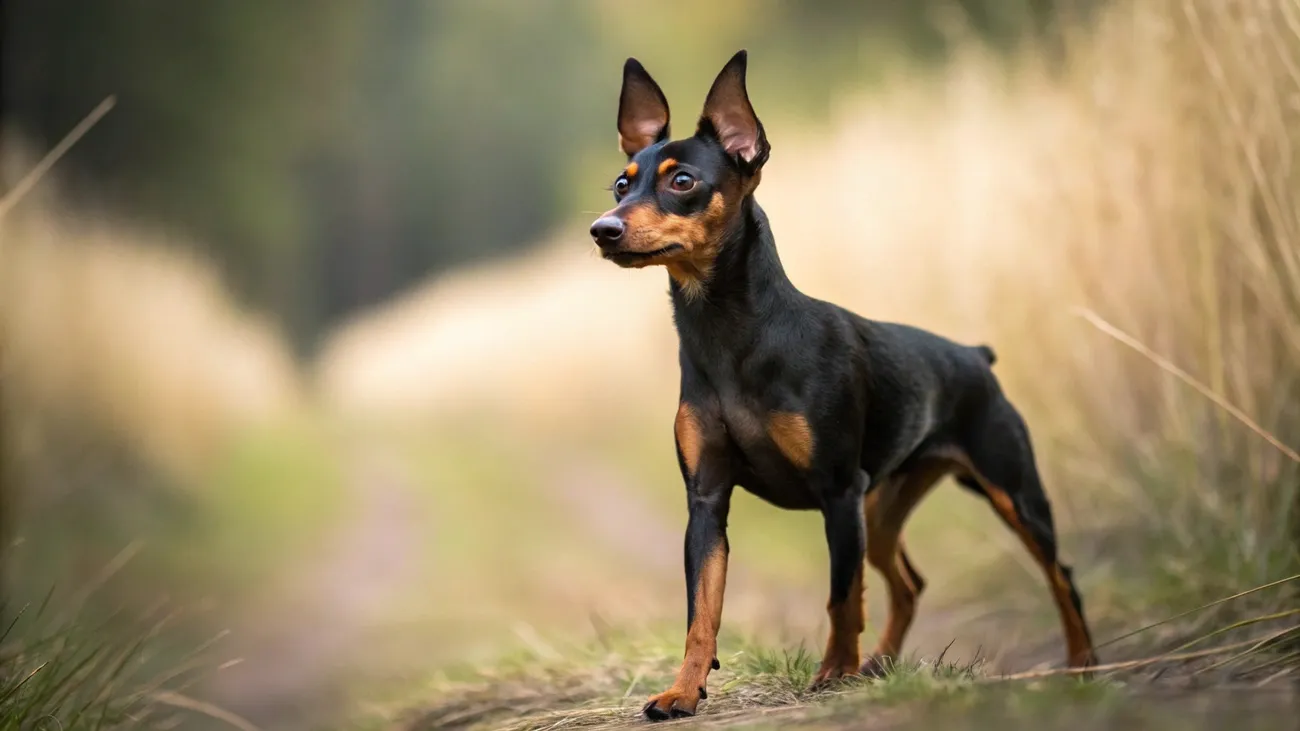
Image Source: Houndsy
Temperament and Personality Traits
These “little big dogs,” Miniature Pinschers pack a personality that’s way beyond the reach and influence of their tiny size. Their spirit and confidence often catch first-time owners by surprise.
Miniature Pinscher temperament explained
Miniature Pinschers work best with experienced dog owners because they’re assertive, outgoing, active, and independent. People call them the “King of Toys” thanks to their self-assured personality that seems huge compared to their small size.
These dogs act just like terriers – they’re brash, fearless, independent, clever, and very playful. Their boldness shows up when they act like they’re much bigger than they really are. Their fearless nature makes them great watchdogs. They stay alert, keep an eye out for strangers, and bark loudly when someone comes near.
Miniature Pinschers love their families deeply and build strong bonds with their owners. They tend to keep their distance from strangers though. Despite seeming independent, these dogs love cuddles, blanket wraps, and sleeping next to their humans at night.
Energy levels and independence
These dogs never stop moving – some owners say they’re like “rockets constantly ready for takeoff”. You’ll need to give them at least 30 minutes of intense exercise daily or they might start chewing things or digging holes.
Their endless energy makes them perfect for agility training and other dog sports. Min Pins need a fenced yard to run around. They’re amazing escape artists who can squeeze through fence gaps and bolt through open doors.
Smart dogs need mental exercise too. Without proper outlets for their brains and energy, they might bark non-stop, chew things, or try to escape. Puzzle toys and regular training help keep their minds busy.
Training these independent pups can be tricky. Min Pins learn commands quickly but might choose to ignore them. Their stubborn streak means you need consistent training, ideally during mealtimes so they see learning as rewarding.
Interaction with children and other pets
With proper socialization, Min Pins can become wonderful family pets, especially in homes with older kids. Their small size puts them at risk during rough play, so families with young children should be careful. Most experts say adults and teens should handle Min Pins since young kids might play too roughly.
Min Pins get along with other pets in different ways:
They usually make friends with cats
They might act aggressive toward dogs they don’t know, no matter how big
They love chasing small animals like hamsters or birds
They get along fine with other pets at home if they grow up together
Early socialization shapes how well a Min Pin gets along with other animals. They act like terriers and don’t worry about their safety, often picking fights with much bigger dogs. That’s why you need to be extra careful when introducing them to new dogs.
Min Pins match well with dogs that have similar energy levels and playfulness. Cocker Spaniels, Italian Greyhounds, Dachshunds, and other Min Pins make great friends. However, they might clash with large, energetic breeds or small bossy dogs who also want to be in charge.
Care and Grooming Needs

Image Source: Rover.com
Care and Grooming Needs
Miniature Pinschers rank among the easiest dogs to care for. This makes them perfect pets for first-time dog owners. Their sleek coat needs little upkeep, but good grooming habits keep them healthy and comfortable.
Brushing and bathing routine
A Min Pin’s short, smooth coat needs less attention than most breeds. You just need to brush them once a week with a rubber brush or hound glove. This removes loose hair and dead skin cells. The brushing helps blood flow to the skin and gives them a healthy, shiny coat.
Good news for busy owners – these dogs don’t need many baths. Your Min Pin only needs a bath every four to six weeks. Some experts say once a month works fine. Too much bathing can strip away natural oils from their skin and cause dryness and irritation.
Min Pins really hate being cold. Here’s what you should do when bathing them:
Keep the water comfortably warm
Wrap them in a warm towel right after rinsing
Dry them completely, especially in cold weather
Between baths, a quick wipe with a damp cloth gets rid of dirt and smells. This simple step means you can wait longer between full baths while keeping your pup fresh.
Ear, eye, and nail care
Check and clean your Min Pin’s ears weekly to stop infections. Their upright ears, mostly seen in cropped ones, don’t get infected as easily as floppy ears. Look out for redness, odd smells, or too much wax.
Clean their ears with a cotton ball dipped in dog-safe ear cleaner. Just wipe what you can see. Never stick cotton swabs in the ear canal – your dog might move suddenly and get hurt.
Eye care stays simple. Look for any discharge or redness, and clean around the eyes with a soft, damp cloth. This stops eye infections before they start.
Your Min Pin’s nails need extra attention since they grow longer than other breeds’ nails. Cut them every three to four weeks. If you hear clicking on hard floors, it’s time for a trim. New owners should ask professional groomers to show them how to cut nails safely. Cutting too short hits the “quick,” which hurts and bleeds.
Seasonal care tips
These dogs can’t handle cold weather well because of their short coat and lean build. Here’s how to keep them cozy:
Get them fitted sweaters or jackets for outdoors
Give them warm beds with blankets they can burrow in
Keep outdoor time short on cold days
Protect their paws in snow and ice
Min Pins do well in warm weather thanks to their short coats. Just make sure they have shade and fresh water when it’s hot.
Dental health matters too. Brush their teeth two to three times each week. This prevents gum disease and keeps their mouth healthy.
A Min Pin’s grooming needs take little time but make a big difference in their health. Regular brushing spreads natural oils around. Baths keep them clean. Taking care of their ears, eyes, and nails stops common problems. Add good dental care and the right seasonal protection, and your Min Pin will stay happy, healthy, and looking great.
Feeding and Nutrition Guide
Feeding and Nutrition Guide
A healthy, vibrant Miniature Pinscher’s life starts with proper nutrition. These energetic companions just need balanced diets that match their life stages, activity levels, and physical condition. The right diet helps them maintain their trademark energy and sleek appearance.
Feeding schedule for puppies and adults
Miniature Pinscher puppies go through an intense growth phase that requires more nutrients than adult dogs. Puppies should eat three meals daily until they reach six months. After this milestone, they can switch to eating twice a day, which supports their development.
Your puppy should switch to adult food around 10-12 months old or when they reach about 90% of their expected adult weight. This change works best when their major growth phase ends and their digestive system matures.
Adult Miniature Pinschers do better with a consistent feeding routine that regulates their metabolism and hunger. Most adults thrive on two meals daily, though some can do well with one meal. Set mealtimes teach dogs when to expect food and reduce begging.
Recommended food types and ingredients
Your Miniature Pinscher’s diet should include:
High-quality protein from real meat sources that builds muscle and provides energy
Essential fatty acids (particularly EPA and DHA) that keep skin and coat healthy
Complex carbohydrates like brown rice and sweet potatoes for lasting energy
The right calcium levels to keep teeth strong
Miniature Pinscher puppies just need food with more energy and concentrated nutrients that support growth without overfeeding. Puppies benefit from antioxidants—including vitamin E—that boost their developing immune system until they reach 10 months.
Adult Min Pins do best with a balanced diet of highly-digestible ingredients that maintains their ideal body weight while keeping fat levels reasonable. Foods with calcium chelators help reduce tartar buildup, which matters a lot for small breeds prone to dental problems.
Avoiding obesity in small breeds
Your Miniature Pinscher’s weight is a vital health factor. Extra pounds can lead to joint problems and other health issues. Weight management matters because all but one of these dogs in the United States carry extra weight.
To keep your dog fit:
Use a dedicated measuring cup or kitchen scale for precise food portions
Start with package feeding guidelines and adjust based on your dog’s needs
Keep treats under 10% of daily calories
Pick foods with fewer carbs since many commercial options pack too many
Try interactive feeding toys that make eating slower and burn more calories
Monthly weigh-ins help you spot trends early so you can adjust portions before weight becomes an issue. Foods with L-carnitine might help Min Pins that struggle with weight management.
Clean, fresh water should always be available to support proper hydration and urinary health. This simple step, combined with smart nutrition choices, helps your Miniature Pinscher stay healthy throughout their life.
Training and Socialization Tips
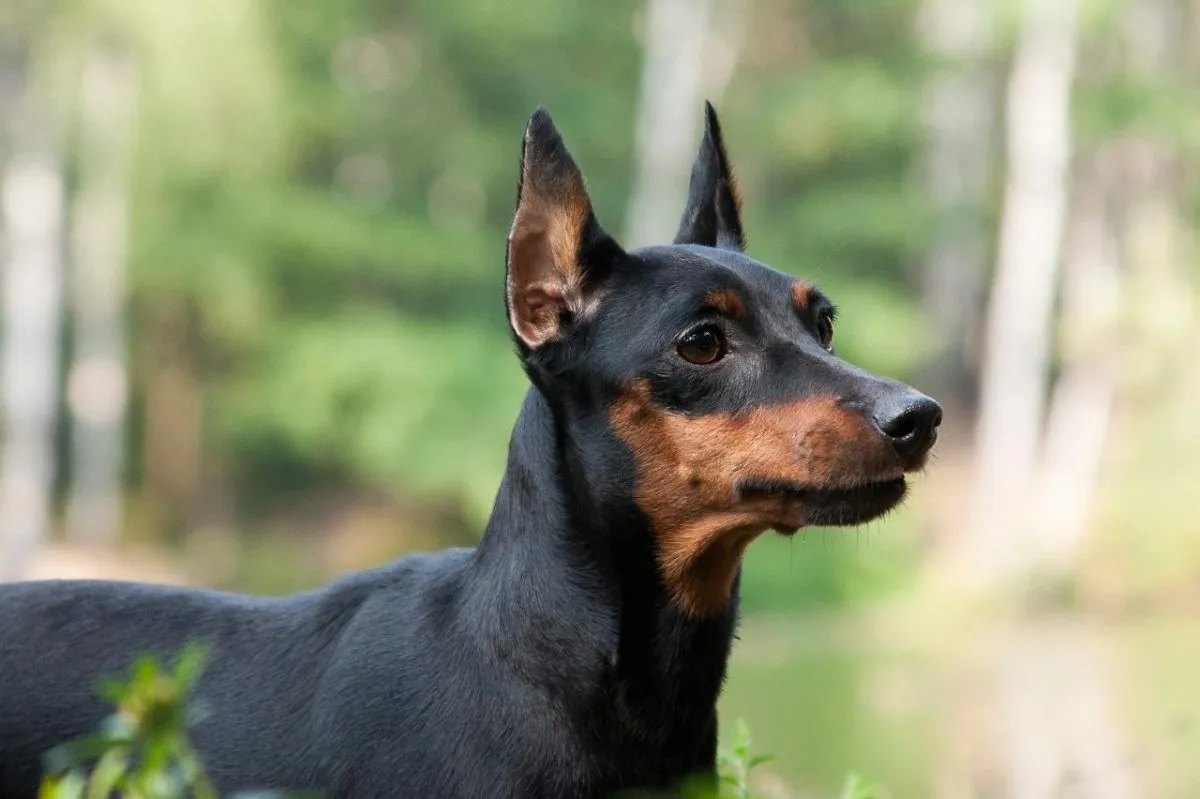
Image Source: iHeartDogs.com
Miniature Pinscher owners need proper training and socialization to succeed. These smart dogs thrive when they have consistent boundaries and positive guidance from their early days.
Why early training is essential
Your Miniature Pinscher’s training should start right away – the day your puppy arrives home. This helps prevent your dog from becoming unruly as an adult. Min Pin puppies go through their critical socialization period between 3-14 weeks of age, which shapes their future personality.
These energetic dogs are incredibly smart and can learn many commands and tricks even as puppies. Starting simple obedience training around two months old gives them the structure they need. Min Pins learn best with patient, positive training methods that work with their boundless energy.
Puppies need exposure to different sights, sounds, people, and places in positive situations. This helps prevent them from becoming dominant or aggressive, especially toward bigger dogs. Puppy training classes that use positive reinforcement are a great way to get both training and socialization.
Common behavior challenges
Min Pins can be stubborn during training and often test their owner’s limits. They’re independent dogs who might know exactly what you want but decide not to listen. The key to success lies in being firm and patient while using consistent positive reinforcement.
Excessive barking is a common issue, as Min Pins bark at anything new or different. Simple commands used early and often help set clear behavior boundaries. These dogs usually take longer to house-train than other breeds, which makes crate training really helpful.
Dominance behaviors can be an issue, and some Min Pins might snap when scared or annoyed. Kids need supervision around these dogs, and you should set clear rules about rough play. Min Pins also pull hard on their leashes during walks, so leash training should start early.
Fun activities and mental stimulation
Like the “Duct tape of dog breeds,” Min Pins excel at rally, obedience trials, scent work, lure coursing, tracking, dock diving, and agility. These versatile dogs love games that challenge their minds and use their energy.
Tug-of-war gives them great physical exercise while working their muscles and burning energy. The game taps into their prey drive and lets you practice obedience commands. Puzzle toys and interactive feeders keep their minds busy and help prevent destructive behavior from boredom.
Agility training is another great option that should start in familiar places before moving to more challenging environments. Simple obedience forms the foundation for agility work since Min Pins must focus and follow commands with distractions around. Regular training activities create a stronger bond with these spirited companions and channel their energy productively.
Health Concerns and Lifespan
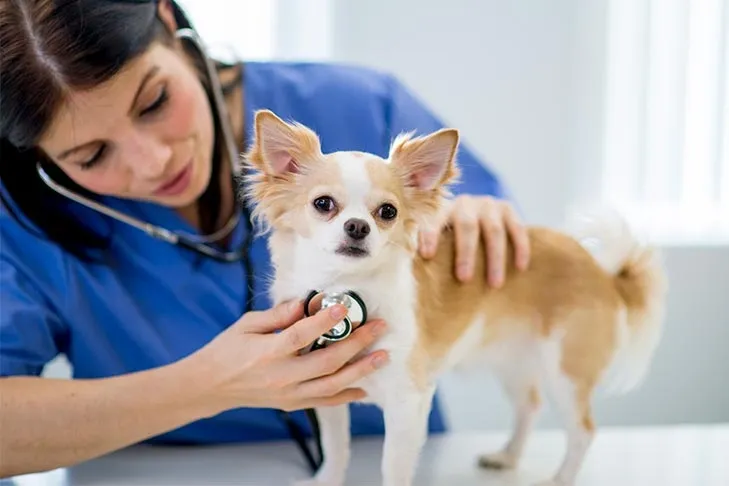
Image Source: American Kennel Club
Health Concerns and Lifespan
Miniature Pinschers show amazing resilience but come with specific health issues that new owners should know about. These spirited companions can live long, active lives with proper health monitoring.
Common health issues in Miniature Pinschers
Min Pins are hardy dogs overall, but they face some breed-specific health challenges. Orthopedic problems top the list. Patellar luxation makes the kneecap slip out of place temporarily and causes limping or a “skipping” gait. The breed also suffers from Legg-Calvé-Perthes disease. This condition reduces blood flow to the femur head in the hip joint. Puppies between 3-18 months old show pain and lameness.
The breed faces a rare genetic disorder called Mucopolysaccharidosis Type VI (MPS VI). Dogs with this inherited condition lack the ARSB enzyme. They show stunted growth, skeletal deformities, and cloudy corneas. Dogs need early detection because affected ones need intensive care. Many don’t survive past their youth.
Min Pins often develop eye problems too:
Progressive retinal atrophy (PRA) starts with night blindness and leads to complete vision loss
Cataracts make their eyes look cloudy
Corneal dystrophy affects how well they see
These small dogs might also develop heart defects, hypothyroidism, epilepsy, and urolithiasis – stones in their urine.
Miniature Pinscher lifespan expectations
Min Pins live remarkably long lives, usually between 12 to 16 years. They rank among dogs with the longest lifespans. A newer study, published in 2024 by UK researchers shows Min Pins live about 13.7 years compared to other purebreds at 12.7 years. Italian researchers found a slightly shorter lifespan of 11 years that same year.
Preventive care and vet checkups
Good health management makes a big difference in a Min Pin’s quality of life. Responsible breeders now test for genetic issues, especially MPS VI. The mutation remains common enough that routine screening makes sense. New owners should ask breeders to show proof of testing.
Regular vet visits are the life-blood of preventive care. Dogs need checkups every 6-12 months until age six, then twice yearly after that. Each visit should include detailed physical exams, blood work, joint checks, and eye tests. Dental health needs extra watchfulness. Regular cleanings help stop periodontal disease.
Year-round protection against ticks, fleas, and heartworms is vital. These preventive steps, along with proper vaccines, help Min Pins keep their typical energy and excitement throughout their long lives.
Cost and Buying Considerations
Cost and Buying Considerations
Getting a Miniature Pinscher involves more than just the original purchase price. Future owners should know the complete investment they’re making.
Miniature Pinscher price range
Several factors affect a Miniature Pinscher’s cost. Puppies from reputable breeders cost between INR 29,533 to INR 253,141. Quality of lineage creates this price difference, and champion bloodlines cost more. You’ll find a more budget-friendly option through adoption, which costs between INR 4,219 and INR 42,190. Monthly care costs, including food, grooming, and routine care, run from INR 5,906 to INR 12,657.
Miniature Pinscher cost in India and globally
Miniature Pinscher prices in India usually range from ₹25,000 to ₹50,000. Simple Miniature Pinscher puppies cost about ₹15,000 to ₹30,000, while KCI-registered puppies sell from ₹30,000 to ₹45,000. Show-quality dogs with excellent features can cost ₹45,000 to ₹65,000. Worldwide, trusted breeders charge between INR 84,380 and INR 210,951.
What to look for in a breeder
The high price makes choosing the right breeder crucial. Good breeders test their dogs’ health, stay away from unhealthy color mutations, and focus on temperament. You should visit the facilities to see living conditions and how they socialize puppies. Ask about vaccinations, deworming schedules, parent dog temperament, and genetic testing. Real breeders offer health guarantees and registration papers. The best breeders put their dogs’ welfare before profits, and their puppies turn out healthier and better adjusted.
Conclusion
Miniature Pinschers live up to their “King of Toys” nickname with a unique mix of confidence, intelligence, and energy. These spirited companions pack huge personality into their small frames. They are perfect choices for experienced dog owners who want an alert, easy-care pet that lives long.
Min Pins come with great benefits despite their small size. Their minimal grooming needs and apartment-friendly size make them attractive to many potential owners. A lifespan of 12-16 years adds to their appeal. Notwithstanding that, future Min Pin parents should know these dogs need consistent training and proper socialization. These dogs have lots of energy that needs an outlet. Their independent nature and sharp minds could lead to stubborn or difficult behavior without proper care.
The breed’s history as ratters, not miniaturized Dobermans, explains their natural instincts and behaviors. These tiny dogs make exceptional watchdogs thanks to their fearless attitude and steadfast dedication to family members.
People getting their first dog should think about whether they can give these spirited dogs the structure and consistency they need. Of course, the rewards are worth it. Few breeds offer such a lively personality and versatility in such an elegant, small package. The right owner who values their unique traits can help these historical German ratters become beloved modern companions. These little dogs truly believe they can take on the world – and win.
Key Takeaways
Understanding the Miniature Pinscher’s unique characteristics helps potential owners make informed decisions about this spirited “King of Toys” breed.
• Miniature Pinschers are NOT miniature Dobermans – they’re an ancient German breed predating Dobermans by centuries, originally bred as ratters.
• These dogs require experienced owners due to their independent, stubborn nature and need for consistent training from day one.
• Despite their 8-10 pound size, Min Pins have huge personalities, high energy levels, and fearless attitudes that require proper outlets.
• They’re exceptionally low-maintenance with minimal grooming needs but are sensitive to cold weather and need protective clothing.
• With proper care, Min Pins enjoy impressive longevity of 12-16 years, making them one of the longest-living dog breeds.
• Early socialization and training are crucial to prevent dominance issues, excessive barking, and aggression toward other dogs.
When matched with the right owner who appreciates their spirited nature, Miniature Pinschers transform from working dogs into devoted companions that truly believe they can conquer the world.
FAQs
Q1. Are Miniature Pinschers suitable for families with children? Miniature Pinschers can be good family dogs, but they require supervision with young children. They are playful and affectionate, but their high energy and potential for rough play make them better suited for families with older children who can interact with them appropriately.
Q2. How much grooming do Miniature Pinschers need? Miniature Pinschers are low-maintenance when it comes to grooming. They have short coats that require only weekly brushing and occasional baths. Regular teeth brushing and nail trimming are important for their overall health and hygiene.
Q3. What are some challenges of owning a Miniature Pinscher? Some challenges of owning a Min Pin include their high energy levels, stubbornness, tendency to bark excessively, and strong prey drive. They can also be escape artists and are sensitive to cold weather. Proper training and socialization are crucial to manage these traits.
Q4. Do Miniature Pinschers make good watchdogs? Yes, Miniature Pinschers make excellent watchdogs despite their small size. They are alert, vocal, and quick to bark at unfamiliar sights or sounds, making them reliable in alerting their owners to potential intruders or unusual activity.
Q5. How much exercise do Miniature Pinschers require? Miniature Pinschers are energetic dogs that need regular exercise to stay healthy and happy. They typically require at least 30 minutes of vigorous activity daily, which can include walks, playtime, or engaging in dog sports. Mental stimulation through training and puzzle toys is also important to prevent boredom and destructive behaviors.