
Havanese

The Havanese breed brings joy to homes worldwide and holds the distinction of being Cuba’s only native dog breed. Their cheerful nature and bright brown eyes make them wonderful companions. People once called them the Havana Silk Dog or Spanish Silk Poodle. A 2024 UK study revealed their impressive 14.5-year lifespan, which is by a lot longer than the average purebred dog’s 12.7 years.
The breed’s story began in the early 1500s when Spanish farmers and nobles brought Tenerife dogs to Cuba. Yet the American Kennel Club didn’t recognize these charming dogs until 1996. These hardy toy dogs reach 9 to 10½ inches at the withers. Their trademark silky double coat gave them their original name. Most Havanese dogs live 14-16 years, though owners should watch for certain health risks. These include eye problems, hearing loss, and joint conditions.
This piece covers essential knowledge for anyone who owns or plans to get a Havanese. Readers will learn about their loving personality, grooming requirements, health needs, and adoption guidance.
Breed Overview: What Makes the Havanese Unique
The Havanese dog’s story stretches back over five centuries, from the Mediterranean shores to the lively streets of Havana. These remarkable dogs survived royal courts, revolutions, and came close to extinction. Today, they rank among the world’s most cherished companion dogs.
Origin and history of the Havanese dog breed
The Havanese story begins with the Tenerife Dog from the Canary Islands. This ancestor started the “Bichon” family of dogs more than 500 years ago. Small white dogs with curly coats and curled tails later became several breeds we know today.
Spanish sailors brought these Bichon-type dogs to Cuba in the 1500s. Ship captains would give these charming dogs to Cuban aristocrats as gifts to get better trade deals. The breed we now call the Havanese came from mixing these dogs with other small breeds – mostly Poodles and Maltese.
Cuba’s wealthy families treasured their Havanese companions over many generations. These dogs weren’t just pets – they showed their owner’s social status. Rich plantation owners and nobles kept them exclusively. These special pups were never sold but passed between upper-class families as gifts.
The Cuban Revolution of 1959 almost wiped out the breed. Many wealthy Cubans had to leave their Havanese behind when they fled Castro’s rule. The American Havanese population started with just 11 dogs in the 1970s. The breed survived thanks to a few dedicated families – the Perez and Fantasio families who escaped to Florida, and Ezekiel Barba who made it to Costa Rica.
Dorothy Goodale helped bring back the Havanese in the mid-1970s. This American dog lover started a breeding program with several purebred dogs. Her work, along with other passionate breeders, helped grow the Havanese population. The American Kennel Club recognized them in 1996. By 2013, Havanese had become America’s 25th most popular purebred dog.
Why it’s called the national dog of Cuba
Cuba claims the Havanese as its only native dog breed, making it the country’s national dog. People used to call it “Blanquito de la Habana” (little white dog of Havana) or the Havana Silk Dog, naming it after Cuba’s capital.
These dogs represented Cuban culture and high society. They even made their way to European royal courts, including Britain’s Queen Anne’s court in the late 1600s. Famous writers like Charles Dickens and Ernest Hemingway had their own Havanese.
The breed’s importance to Cuban culture lives on. Cuba featured the Havanese on postage stamps in 1992, showing its status as a national symbol.
Relation to other Bichon-type dogs
The Havanese comes from the Barbichon family (later called Bichon), which has several similar breeds:
Bichon Frise: Another Tenerife dog descendant, mainly from the Canary Island of Tenerife
Maltese: From the island of Malta
Bolognese: Italy’s noble companion dog
Lowchen: Another Mediterranean bichon-type breed
These breeds share ancestors – small white dogs mentioned in historical records from the first century B.C..
The Havanese stands out from its bichon relatives because of its unique coat colors. Unlike its mostly white cousins, Havanese come in many colors and patterns – a trait they got from Poodle genes during breeding.
These bichon breeds share more than looks. They’re all smart, social, and adaptable – traits that helped the Havanese thrive from royal courts to modern homes.
Physical Characteristics of the Havanese
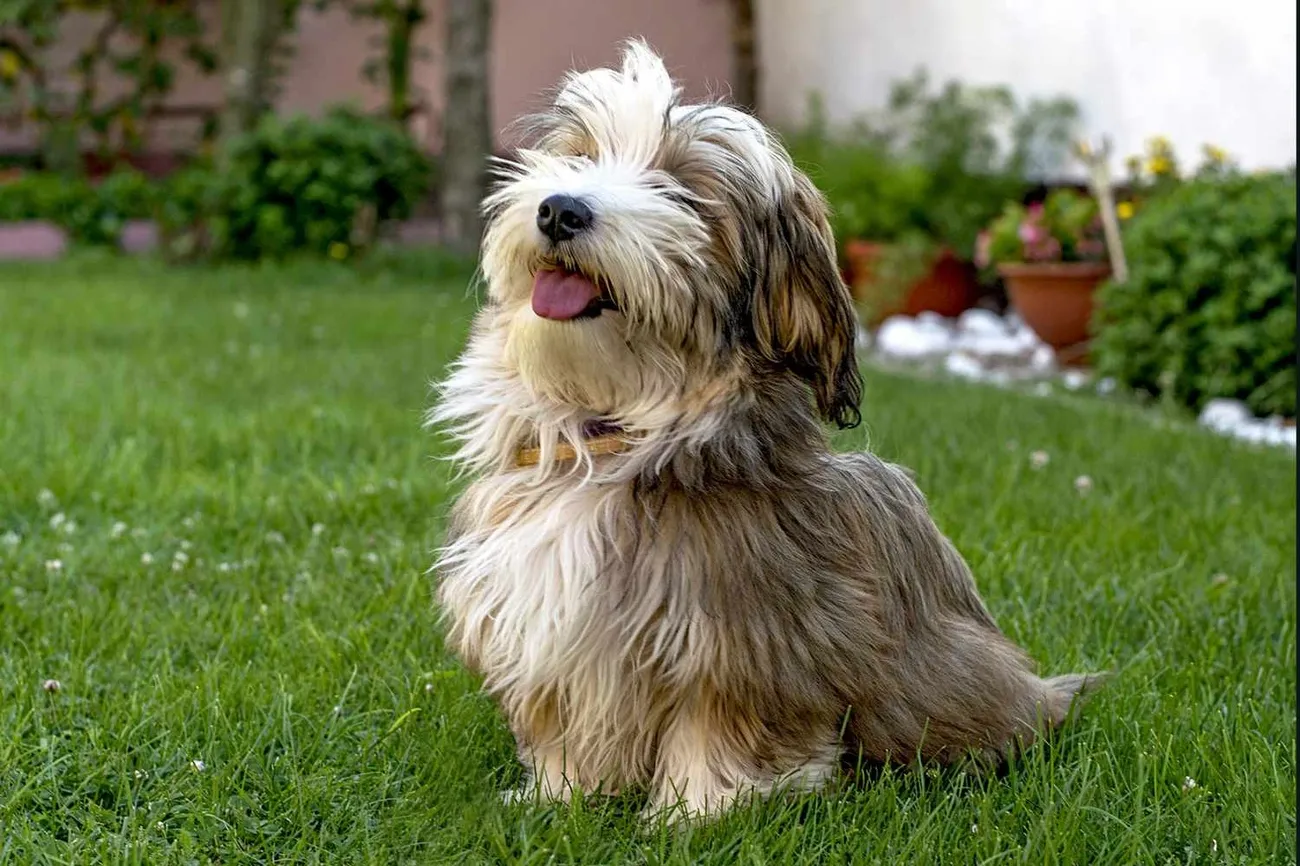
Image Source: Daily Paws
The Havanese steals hearts with its unique physical features that show centuries of careful breeding. These small dogs create an appealing silhouette with their well-balanced proportions. Their luxurious coat comes in many colors, making them instantly recognizable to dog lovers.
Size and weight of a full grown Havanese dog
A full grown Havanese fits perfectly in the toy breed category. American Kennel Club standards show adult Havanese stand between 8.5 and 11.5 inches tall at the withers (shoulders). The ideal height ranges from 9 to 10.5 inches. These dogs usually weigh between 7 and 13 pounds, which makes them compact yet sturdy.
Male and female Havanese show no real size differences. Their body structure is slightly longer than tall, which creates a rectangular rather than square outline. This unique shape gives them their bouncy, springy walk that dog lovers know so well.
These dogs have a slightly rising topline from withers to rump, creating a straight but not completely level back. Their sternum lines up with their elbows when standing, which forms a deep chest for their size. This balanced structure helps create their lively movement that everyone loves.
Coat texture and grooming variations
Without doubt, the Havanese’s most striking feature is its luxurious coat. People used to call them “Havana silk dogs” because their fur feels like fine silk. Both layers of their double coat share a soft, lightweight texture, though the outer coat weighs slightly more.
A grown Havanese’s coat typically reaches 6-8 inches long. It flows freely with a slight lift off the body that highlights their movement. The coat should have gentle waves – not straight or curly. This special texture needs careful grooming because both layers feel similar, which means shed hair gets tangled instead of falling away.
Owners can choose different grooming styles. Show dogs must keep their natural long coat, though trimming around feet, eyes, and sanitary areas is fine. Many pet owners choose a shorter “puppy cut” that’s easier to maintain. The natural Havanese coat works in two ways:
Brushed out—needs thorough line brushing to avoid mats
Corded—lets the coat naturally form tassle-like sections
Whatever the style, good coat care needs regular grooming, best done daily.
Common coat colors and patterns
The sort of thing I love about the Havanese is its amazing color variety—something you won’t find in other bichon-type breeds. The American Kennel Club accepts many standard colors like white, black, blue, silver, cream, gold, chocolate, fawn, and red.
These colors create beautiful combinations and patterns:
Sable Havanese have lighter roots with darker tips on their fur. The colors change most dramatically as puppies grow up. Brindle Havanese show an irregular striped pattern with darker roots and lighter tips.
Parti-colored Havanese wear more than 50% white coat with patches of another color. Irish pied dogs show two colors with less than 50% white. You’ll also find cream markings, silver markings, tan points, and parti belton (white coat with special flecking).
Some colors transform as puppies grow. Silver Havanese start life as black puppies and begin lightening at 4-6 weeks. Blue Havanese also start with dull black coats that slowly turn bluish-gray, sometimes going through a brownish phase first.
The breed standard treats all colors and marking patterns equally. This rainbow of possibilities shows the Havanese’s rich genetic history and adds to their charm as companion dogs.
Understanding Havanese Temperament
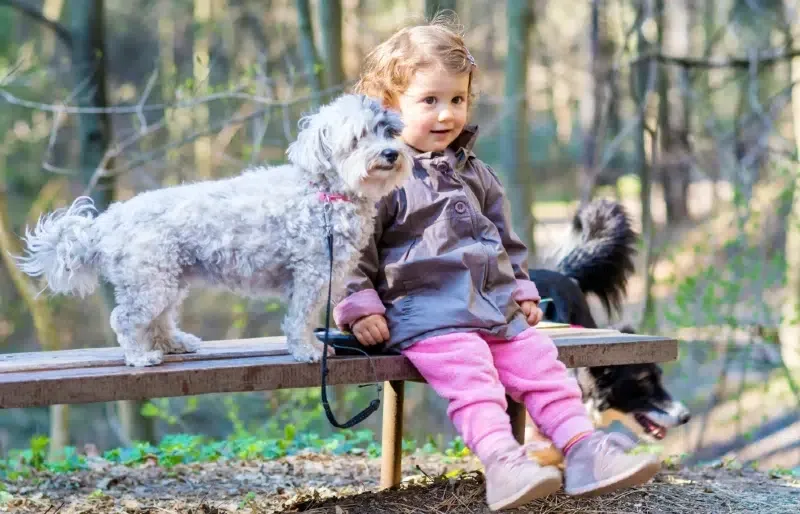
Image Source: Dogster
A Havanese dog’s expressive eyes and silky coat hide a personality that has won hearts in families worldwide for centuries. These dogs pack intelligence, sociability, and playfulness into a small package that fits perfectly into any living situation.
Personality traits and behavior
People call them “velcro dogs” because Havanese create deep bonds with their owners and follow them around like devoted shadows. This sweet behavior comes from their roots as companions to Cuban aristocracy, where they lived just to give love and entertainment.
Havanese dogs show remarkable smarts, earning a five out of five rating from the American Kennel Club for trainability. They learn quickly because they love to please their owners. These clever pups pick up new tricks fast and love showing off what they know.
These dogs blend alertness with a gentle nature. Their breeding focused on companionship rather than work, so they thrive on human contact and become treasured family members quickly. A well-trained Havanese makes an excellent watchdog without excessive barking. The AKC gives them five out of five for playfulness – they’re natural comedians.
Compatibility with children and other pets
Havanese dogs fit perfectly into family life thanks to their friendly, gentle nature. The American Kennel Club rates them five out of five for friendliness with other dogs and strangers alike. These social butterflies seem to make friends with everyone they meet.
Well-socialized Havanese show endless patience with children. Their playful spirit and sturdy build help them handle rough play from little ones, despite their small size. Still, adults should watch interactions between dogs and small children.
These dogs usually adapt beautifully to homes with other pets. They rarely show aggression and have a low prey drive, so they live peacefully with other dogs and cats. Early socialization helps develop their accepting nature – exposing Havanese puppies to different animals, people, and environments makes a big difference.
Separation anxiety and attachment
The biggest challenge for new Havanese owners lies in their need for companionship. These dogs were bred to be companions and don’t do well alone for long periods.
The Havanese Club of America warns against leaving these dogs alone during long workdays. Many develop separation anxiety, which causes real distress when away from their owners and leads to:
Excessive vocalization (whining, barking, howling)
Destructive behaviors (chewing, digging, scratching)
House-soiling despite being fully house-trained
Physical symptoms of stress
You can prevent separation anxiety by starting early with puppies. Short separations that gradually get longer help build their confidence. Keeping departures and arrivals low-key – no emotional goodbyes or over-excited greetings – teaches them that being apart is normal and temporary.
Families with adult Havanese can try positive crate training, engaging toys, and regular routines to manage attachment issues. Getting another pet or hiring dog walkers helps reduce loneliness during workdays.
These dogs live to love their people – it’s just who they are. Success with a Havanese means understanding and embracing their deep need for human connection.
Health and Lifespan of Havanese Dogs
Havanese dogs rank among the longest-living toy breeds when they receive proper care and attention. These dogs make excellent long-term companions for families looking for a small breed. Their impressive lifespan and reliable constitution help them stay healthy through their teen years.
Average Havanese dog lifespan
Your Havanese companion will likely be part of your family for many years. The average Havanese lifespan ranges from 14 to 16 years. This is remarkable when compared to other breeds. A 2024 UK study of 56 Havanese dogs showed their life expectancy at 14.5 years. These numbers are higher than both purebred dogs at 12.7 years and crossbreeds at 12 years.
The breed’s sound health foundation contributes to their extended lifespan. Some Havanese live beyond 16 years with good veterinary care. This means getting a Havanese puppy could mean almost two decades of companionship.
Common Havanese dog health problems
Like all purebreds, Havanese dogs face specific health challenges. Eye problems are particularly common:
Progressive Retinal Atrophy (PRA): This inherited disease breaks down retinal photoreceptor cells over time. Night vision suffers first, and complete blindness follows. No treatments exist yet.
Cataracts: The lens becomes cloudy and affects vision. Your Havanese needs yearly eye checks because of the high risk.
These dogs also face orthopedic challenges:
Patellar luxation: The kneecap moves out of its normal groove in the femur. Mild cases cause occasional skipping, while severe cases lead to lameness. Treatment options range from supplements to surgery.
Legg-Calve-Perthes disease: The femoral head deteriorates in puppies under 18 months. Dogs experience pain, limping, and movement problems that might need surgery.
Other health issues include:
Liver problems: Havanese dogs often develop portosystemic shunt. UC-Davis researchers found this condition in 4.35% of Havanese compared to 0.35% in mixed breeds.
Heart disease: Older Havanese can develop heart valve problems and murmurs that need monitoring.
Dental disease: Small breeds like Havanese face this issue frequently. Poor dental care leads to inflammation, decay, and potential organ damage.
Preventive care and vet checkups
Regular health care helps your Havanese live longer and better. Young dogs need yearly checkups, while seniors should visit the vet twice annually. These visits include physical exams, shots, and dental checks.
Your Havanese puppy’s first vet visit confirms their overall health. Bring a fecal sample to check for parasites like roundworms or coccidiosis. Core vaccines protect against canine parvovirus, distemper, adenovirus, parainfluenza, and rabies throughout their life.
Dental care needs special attention. Brush your dog’s teeth daily with special dog toothpaste. Professional cleanings remove stubborn plaque and tartar that brushing misses.
Key preventive screenings happen at specific ages:
12 months: Check for patellar luxation
24 months: Hip examination
Yearly eye exams: These help catch progressive eye conditions early
Early microchipping helps identify your Havanese if they get lost. Regular heartworm prevention medication rounds out their essential preventive care.
Grooming Needs and Coat Maintenance
A Havanese’s beautiful coat takes dedication and regular care. These dogs have a stunning double coat that you’ll want to groom regularly to keep them healthy and comfortable.
Brushing and detangling tips
You’ll want to brush your Havanese’s coat several times each week, maybe even daily, to stop matting. The undercoat and outer coat feel soft and similar, so loose hair gets stuck inside instead of falling out. Your dog will do best with three to four brushing sessions weekly, though daily care works better for longer coats.
Here’s what works best for brushing:
Start with a pin brush that doesn’t have bobbled ends – they can damage the hair
Use a slicker brush next to spread natural oils and smooth everything out
A rotating comb helps with tough tangles in sensitive spots
Break the coat into sections (line brushing) and work from the ends up to the skin
A conditioning spray makes detangling much easier. Spray small sections before you brush to keep your dog comfortable and protect the hair.
Bathing frequency and products
Your Havanese will usually do fine with a bath every two to three weeks. The schedule changes based on their lifestyle:
Dogs who play outside a lot might want weekly baths
Indoor pets can go up to three weeks between baths
Show dogs often get more frequent baths
Too much bathing strips away natural oils and leads to dry, irritated skin. Stick to gentle dog shampoos – human products mess with your dog’s skin pH. Mix the shampoo with water before you use it, and rinse really well to get all the soap out.
A good conditioner after shampooing keeps the coat silky and tangle-free. Make sure your Havanese dries completely after their bath to avoid skin problems and matting. Warm weather lets you air-dry, but a low-heat dryer (kept 6 inches away) works better in cool weather.
Corded vs. brushed coat styles
Havanese owners can pick between two different looks: the classic brushed style or the unique corded coat.
The brushed style needs regular detangling but shows off the breed’s flowing, silky coat. Most pet and show dog owners go this route.
The corded option – which looks like dreadlocks – starts with controlled matting. This style:
Takes about a year to develop
Needs careful cord separation before baths
Takes a long time to soak (30+ minutes) during washing
Must dry completely to prevent mildew
Eye, ear, and dental care routines
Your Havanese needs more than just coat care:
Clean their eyes daily with a soft, damp cloth to prevent staining and remove dirt. Use fresh cloth for each eye to avoid spreading anything around. Special products can help with stubborn tear stains.
Clean the ears every few weeks with a vet-approved cleaner and cotton balls. Watch for redness, odd smells, or debris that might mean it’s time to see the vet. Some dogs benefit from ear hair plucking, though experts disagree about this.
Small dogs often have dental issues, so tooth care is vital. Brush their teeth several times weekly with dog toothpaste to keep them healthy. Dental chews, water additives, or supplements help between brushings.
Training and Socialization Tips
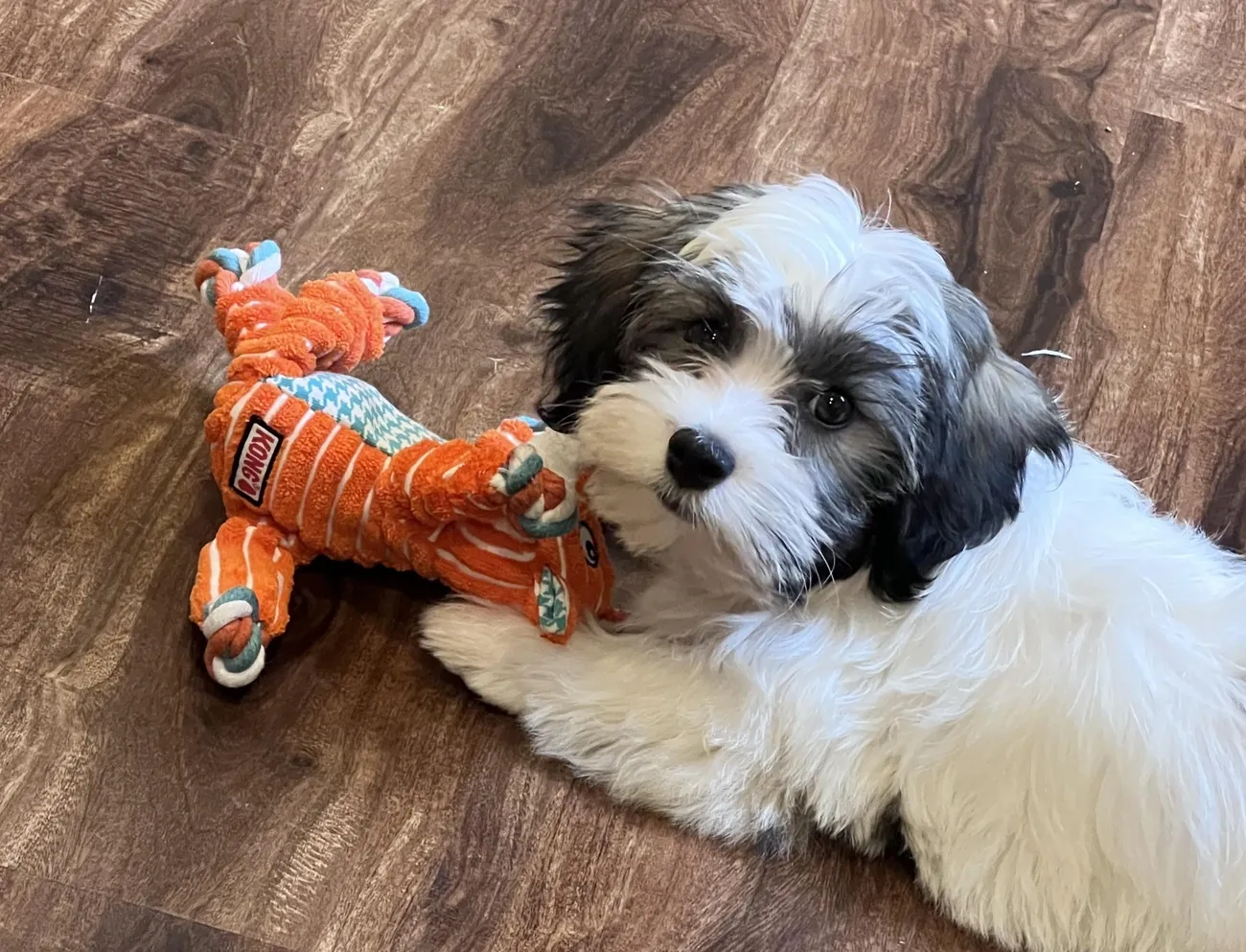
Image Source: Reddit
Havanese dogs are smart and love to learn. These affectionate companions respond amazingly to well-laid-out training that includes play and positive feedback. The American Kennel Club rates their natural intelligence five out of five, which helps them learn commands fast with consistent training and patience.
How to train a Havanese puppy
Positive reinforcement works best with Havanese puppies. Your puppy will learn eagerly when you reward good behaviors with treats, praise, and extra petting. Short training sessions of 5-10 minutes help maintain their focus since puppies drift off easily.
Your puppy’s cuteness shouldn’t let bad behavior slide. Many owners find naughty puppy antics adorable and create behavior problems that last into adulthood. A firm “No!” stops unwanted behaviors without harsh punishment.
Simple obedience commands like “sit,” “stay,” and “come” are the foundations of training. These smart dogs excel at learning tricks because they understand quickly and want to please their owners. Their intelligence makes them ideal candidates to learn advanced activities like tracking and rallying.
Crate training and housebreaking
Housebreaking can be tougher with Havanese compared to other breeds. A crate is a great solution because it uses their natural desire to keep their sleeping area clean. Your dog’s crate should give them just enough room to stand, turn around, and lie comfortably—without extra space for a bathroom corner.
Tips to succeed at crate training:
Make the crate a positive space with treats and praise
Start with brief periods and slowly increase time
Keep the crate a punishment-free zone
Stick to regular bathroom schedules
Bell training works well as another option—you can teach your Havanese to ring bells by the door when they need to go outside.
Fun activities and mental stimulation
Your Havanese needs both physical exercise and mental challenges to stay happy. Puzzle feeders and treat-dispensing balls make shared problem-solving fun.
Mind-stimulating games include:
Hide and seek (with you as the prize)
Agility courses using items around your house
“Hot and cold” games using your voice to guide them to hidden treats
These smart dogs pick up new tricks fast—teaching advanced commands exercises their mind and strengthens your connection. Thanks to their Cuban heritage, Havanese make great dance partners too. Pick some music and create dance moves together for a unique bonding experience.
Feeding and Nutrition Guide
Good nutrition is the life-blood of health for the Havanese dog. It affects everything from coat quality to disease prevention. These small but active companions need balanced diets that match their unique needs as they grow.
Best food for Havanese puppies and adults
Havanese puppies do best with foods made specifically for growth or labeled as “all life stages”. These foods pack more protein and vital nutrients like DHA that help brain development. Your puppy needs a balanced diet with quality protein from meat or fish, healthy fats, and the right carbohydrates.
Adult Havanese need commercial foods that meet Association of American Feed Control Officials (AAFCO) standards. Many owners choose grain-free options since these small dogs don’t need much carbohydrates – which often just fill space in commercial foods.
Raw food diets are worth thinking about too. These diets mix muscle meat, organ meat, bone, raw fats, and a bit of vegetables. They might help improve your dog’s digestion, coat quality, energy levels, and dental health. Whatever you pick, quality ingredients should come first.
Feeding schedule and portion control
Adult Havanese typically need 30-40 calories per pound each day. This usually means ½-1 cup of dry food split into two meals. Puppies need three to four small meals daily to keep their blood sugar steady and prevent hypoglycemia.
Watching portion sizes is vital because Havanese gain weight easily. Watch for signs like weight gain, hidden waistlines, and less activity. Measure food portions carefully and adjust based on your dog’s needs, using package guidelines as a starting point.
Supplements and special dietary needs
Supplements can fill nutritional gaps in your Havanese’s diet. Omega-3 and omega-6 fatty acids help maintain skin, coat, joints, and heart health. Older Havanese often benefit from joint supplements with glucosamine and chondroitin.
Senior dogs need special nutrition with different nutrient levels. Less active or overweight Havanese might do better with weight management formulas. Dogs with food sensitivities might need limited ingredient diets to spot and remove allergens.
Make sure to ask your vet before adding any supplements to your Havanese’s diet.
Buying or Adopting a Havanese

Image Source: heavenlyhavanese.net
Getting your ideal Havanese companion means looking at both breeders and rescue organizations carefully. You’ll need to understand the costs, where to look, and what makes a quality source to make sure you end up happy with your choice.
Havanese dog price in India and globally
Havanese prices can vary quite a bit depending on where you live. Indian buyers usually pay between ₹50,000 to ₹80,000, with city prices running higher. Mumbai sellers ask for ₹55,000–₹75,000, while Delhi prices stay between ₹50,000–₹70,000. Bangalore tops the list at ₹60,000–₹80,000. Global prices are a big deal as it means that Indian rates, with US prices ranging from ₹84,380–₹337,521 based on location.
The breeder’s reputation, pedigree quality, health certifications, and the pup’s gender and age all affect these prices. Dogs from champion bloodlines or those with extensive health testing naturally cost more.
Rescue adoption offers a much more budget-friendly option. You’ll typically spend between ₹4,219–₹42,190, which usually covers spaying/neutering, vaccinations, and microchipping.
Where to find Havanese dogs for sale or adoption
The AKC Marketplace helps connect buyers with quality breeders who meet strict standards. These professional breeders usually label their puppies as either “show quality” or “pet quality,” with prices that match each category.
The Havanese Club of America recommends Havanese Rescue Inc. (HRI) as their only officially backed rescue group. Most of their dogs come straight from previous owners, shelters, or closed breeding operations.
What to look for in a breeder or rescue
Quality breeders always do complete health testing on their parent dogs. They’ll happily show you health clearances from groups like the Orthopedic Foundation for Animals (OFA).
Good breeders typically:
Choose breeding pairs based on temperament and health
Keep puppies in their homes instead of kennels
Make sure puppies are well-socialized
Look closely at potential buyers
Stay in touch after you take your puppy home
The best rescues have breed club endorsements to prove they’re legitimate. They take time to match each dog with the right home rather than giving dogs to the first person who asks.
Conclusion
Havanese dogs prove their amazing adaptability and charm every day. These lovable companions live 14-16 years and combine smarts with playfulness and deep loyalty. They make perfect family pets. Their silky double coat comes in many colors from pure white to chocolate, giving them a unique look that turns heads everywhere.
New owners should think about the dedication needed for Havanese care. The dog’s luxurious coat needs regular grooming to prevent matting. Training must be consistent to channel their intelligence effectively. These social dogs need family time and don’t do well when left alone for long periods. This strong attachment reflects their core nature as companion animals.
The breed’s resilient constitution gives health-conscious owners peace of mind compared to other toy breeds. In spite of that, keeping an eye on potential eye problems, patellar luxation, and dental health helps these charming dogs reach their full lifespan.
Each family can choose between adoption and buying from reputable breeders. Whatever path you choose, a Havanese brings more than companionship – you get a devoted friend whose ancestors were favorites of Cuban aristocracy. Today, they brighten homes worldwide.
A Havanese perfectly fits the companion dog role. Small enough for apartments yet tough enough for active play, these dogs show affection without neediness and intelligence without stubbornness. Their happy nature and loving personality explain why this once-endangered breed has become one of the most cherished companion dogs in many countries.
Key Takeaways
The Havanese is Cuba’s only native dog breed, offering exceptional longevity and companionship for families seeking a devoted small dog with remarkable personality and adaptability.
• Exceptional Lifespan: Havanese live 14-16 years on average, significantly outliving most purebreds at 14.5 years versus 12.7 years for typical breeds.
• High-Maintenance Grooming: Their silky double coat requires daily brushing to prevent matting, with professional grooming every 6-8 weeks for optimal health.
• Velcro Dog Personality: These intelligent companions form intense bonds and suffer separation anxiety when left alone for extended periods.
• Health-Conscious Breeding: Watch for eye disorders (PRA, cataracts), patellar luxation, and dental issues through regular vet checkups and health testing.
• Premium Investment: Expect ₹50,000-₹80,000 in India or $1,000-$4,000 globally, plus ongoing grooming and healthcare costs throughout their long lifespan.
The Havanese transforms from Cuban aristocracy’s treasured companion into modern families’ devoted “shadow dog,” requiring significant time investment but rewarding owners with nearly two decades of unwavering loyalty and affection.
FAQs
Q1. Are Havanese dogs suitable for apartment living? Havanese dogs adapt well to apartment living due to their small size and moderate exercise needs. However, they thrive on human companionship and may become anxious if left alone for long periods.
Q2. What makes Havanese dogs unique among small breeds? Havanese dogs stand out for their silky, low-shedding coat that comes in various colors and patterns. They also have an exceptionally long lifespan, averaging 14-16 years, and are known for their intelligent, playful, and affectionate nature.
Q3. How much grooming do Havanese dogs require? Havanese dogs need regular grooming to maintain their coat. This includes daily brushing to prevent matting and tangles, as well as professional grooming every 6-8 weeks. Their grooming needs are considered higher than some other breeds.
Q4. What are common health concerns for Havanese dogs? Common health issues in Havanese dogs include eye problems like cataracts and progressive retinal atrophy, patellar luxation (kneecap dislocation), and dental issues. Regular veterinary check-ups and proper care can help manage these potential concerns.
Q5. How do Havanese dogs behave with children and other pets? Havanese dogs are generally excellent with children and other pets when properly socialized. Their gentle and playful nature makes them good family companions. However, as with any dog, interactions between young children and dogs should always be supervised.