
yorkshire Terrier
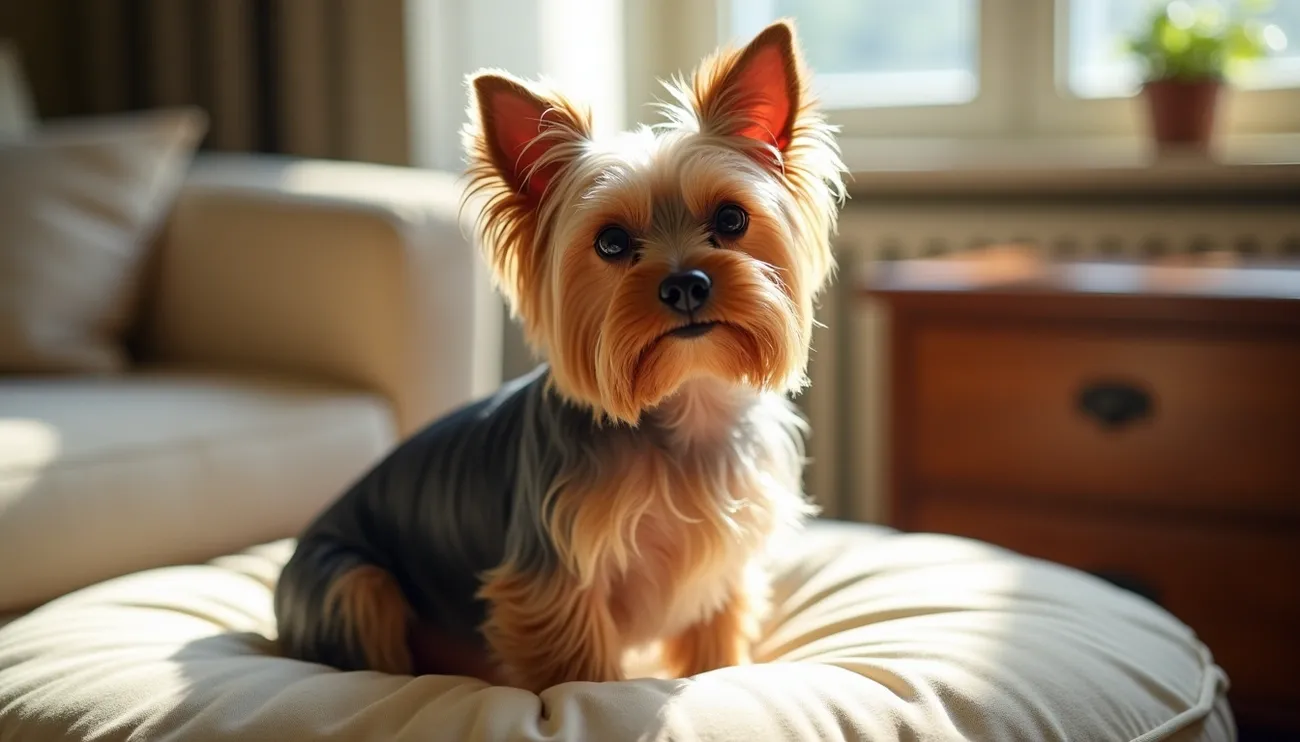 Yorkshire Terriers pack an enormous personality into one of the world’s smallest dog breeds, weighing just 3.2 kg (7 lb). These tiny canines have earned their place among America’s favorite pets, becoming the 6th most popular purebred dog according to the American Kennel Club (AKC) in 2012 and 2013.
The Yorkshire Terrier’s journey began in Britain, and the AKC officially recognized the breed in 1885. Dog lovers worldwide have fallen for these affectionate and playful companions, who often show their bossy nature and boundless energy. These resilient little dogs live 11 to 16 years on average, and some exceptional Yorkies have reached their mid-20s! Two 15-minute walks daily plus playtime keep these energetic pets happy and mentally sharp.
This piece covers everything future Yorkie parents should know about these charming dogs – from their rich history and physical traits to essential care guidelines and training approaches.
The origin story of the Yorkshire Terrier
The Yorkshire Terrier’s luxurious silky coat today masks a rich history that started not in Yorkshire, but in Scotland. This beloved breed’s trip from hardworking dogs to cherished pets spans more than a century of selective breeding and social changes.
From Scottish ratters to English companions
The Industrial Revolution reshaped Northern England into a textile manufacturing hub in the mid-19th century. Scottish weavers moved south to Yorkshire to find work in the mills, and they brought their small terriers with them. These dogs weren’t just pets – they served a vital purpose by catching rats in the textile mills where their owners worked.
The Yorkshire Terrier’s exact ancestry remains a bit of a mystery, though evidence suggests several key breeds in its development. The Clydesdale Terrier (also known as the blue and tan silky coated version of the Skye Terrier) was likely the main ancestor, with the Waterside Terrier and Old English Terrier adding to the mix. These foundation breeds have disappeared over time, which makes tracing the Yorkie’s exact lineage difficult.
People showed these dogs under various names like “Broken Haired Scotch Terrier” or “Toy Terrier (rough and broken haired)” in the early days. Any long-coated terrier with blue on the body and fawn or silver-colored head and legs could qualify as what would become the Yorkshire Terrier, as long as it had a docked tail and trimmed ears.
Huddersfield Ben and the breed standard
Huddersfield Ben stands out as the most influential dog in establishing the Yorkshire Terrier breed standard. Born around 1865 in his namesake town, this remarkable dog became the modern breed’s foundation sire. Mr. and Mrs. M.A. Foster of Bradford owned Ben, who excelled both in shows and ratting competitions.
Ben’s show career was impressive with 74 prizes. He weighed about 11 pounds, slightly more than today’s standard, but his puppies consistently weighed under 7 pounds – helping establish the smaller size that characterizes the breed today. A horse-drawn carriage tragically ended Ben’s life at age six in 1871.
Ben’s impact on the breed was remarkable. A breed authority wrote in 1891 that he “was the best stud dog of his breed during his lifetime, and one of the most remarkable dogs of any pet breed that ever spread; and most of the show specimens of the present day have one or more crosses of his blood in their pedigree”.
The British Kennel Club officially recognized these small terriers in 1874 with their new name – the Yorkshire Terrier – reflecting the county where they had “improved so much”. This recognition marked their shift from Scottish working-class roots to their new identity.
Arrival in North America and global popularity
Yorkshire Terriers reached North America in 1872. The American Kennel Club registered its first Yorkshire Terrier in 1885. Victorian ladies loved the breed’s confident personality and charming looks, which helped transform it from working dog to fashionable companion.
The breed’s popularity has seen ups and downs. Small breed registrations dropped sharply in the 1940s to just 18% of total registrations. America’s wartime focus and the breed’s demanding grooming needs might explain this decline.
A Yorkshire Terrier named Smoky changed everything. This famous World War II war dog sparked renewed interest in the breed. Yorkies steadily gained popularity afterward. The AKC ranked Yorkshire Terriers as America’s 6th most popular purebred in 2012 and 2013, though they’ve moved to 11th place as of 2024.
This tiny terrier’s transformation from Scottish ratter to worldwide companion shows how well they’ve adapted to changing times while keeping their spirited personality that makes Yorkshire Terriers so special.
Physical traits and breed standards
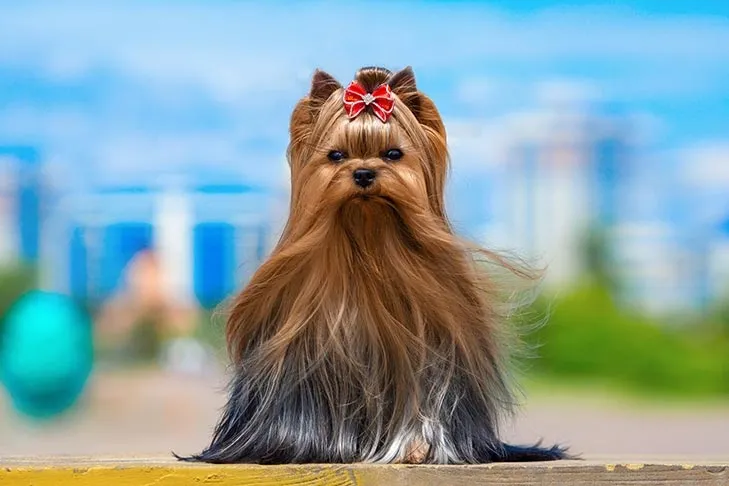
Image Source: American Kennel Club
Yorkshire Terriers catch everyone’s eye with their distinctive looks that make them recognizable worldwide. Their long, silky coat and confident personality make them seem much bigger than they really are. A closer look at this beloved toy breed reveals specific standards that go beyond their cute appearance.
Size, weight, and appearance
These tiny dogs fit right into the toy category. They stand just 7-8 inches (18-20 cm) at the shoulder. The official breed standards say these compact dogs should weigh no more than seven pounds (3.2 kg). Many pet Yorkies might weigh a bit more while keeping their typical proportions.
The breed looks like a “long-haired toy terrier” with a neat, compact body and good proportions. These dogs carry their heads high, and this trait plus their confident manner gives them an unmistakable air of “vigor and self-importance”.
The glamorous coat hides a true terrier’s heart. The American Kennel Club puts it well: “beneath the dainty, glossy, floor-length coat of a Yorkshire Terrier beats the heart of a feisty, old-time terrier”. This mix of elegance and spirit makes these little dogs a fascinating contradiction.
Recognized coat colors and textures
A Yorkie’s hair should be “glossy, fine, straight, and silky”. Their luxurious coat splits down the middle from skull to tail tip and hangs straight down both sides of the body. The silky texture isn’t just for looks—many people call this fine-textured coat hypoallergenic.
Yorkie puppies start life black and tan, then change as they grow up. Their black fur turns into a dark steel-blue between six months to two years old, while tan areas become golden. The AKC recognizes four color combinations during this change: black and tan, black and gold, blue and tan, and blue and gold.
Show-quality adult Yorkies need specific color placement. The blue should cover the body from neck to tail root, with the tail showing an even darker blue at the tip. The tan or gold shows up as a “rich golden tan” on the head (called “headfall”). The color gets darkest at the head’s sides, ear roots, and muzzle. The chest and legs should show a “bright, rich tan” with clear lines—not going above the elbow on front legs or above the stifle on back legs.
White Yorkshire Terrier and other rare variations
Rare Yorkie colors pop up due to genetics. White or parti-colored Yorkies have grown popular lately. These dogs show white markings along with traditional Yorkie colors. A recessive piebald gene creates these white spotting patterns.
The official breed standard won’t allow “any white markings other than a small white spot on the forechest that does not exceed 1 inch at its longest dimension”. White Yorkies can still get registered with kennel clubs but can’t compete in conformation shows.
Other unusual colors include chocolate Yorkies (brown instead of black), merle Yorkies (mottled patches), and red-legged Yorkies (red instead of tan). Most of these colors come from genetic mutations or crossbreeding, except sometimes for red-legged Yorkies.
Some color variants bring health risks. “Born blue” Yorkies often deal with serious health issues including painful leathery skin. Merle Yorkies, especially double merles, often have hearing problems and other health issues.
The Yorkshire Terrier Club of America says “dogs of solid color, unusual combination of colors, and particolors should be disqualified” from shows. This rule helps keep the breed’s special look while stopping breeding practices that focus only on rare colors at the cost of health.
Understanding the Yorkshire Terrier temperament
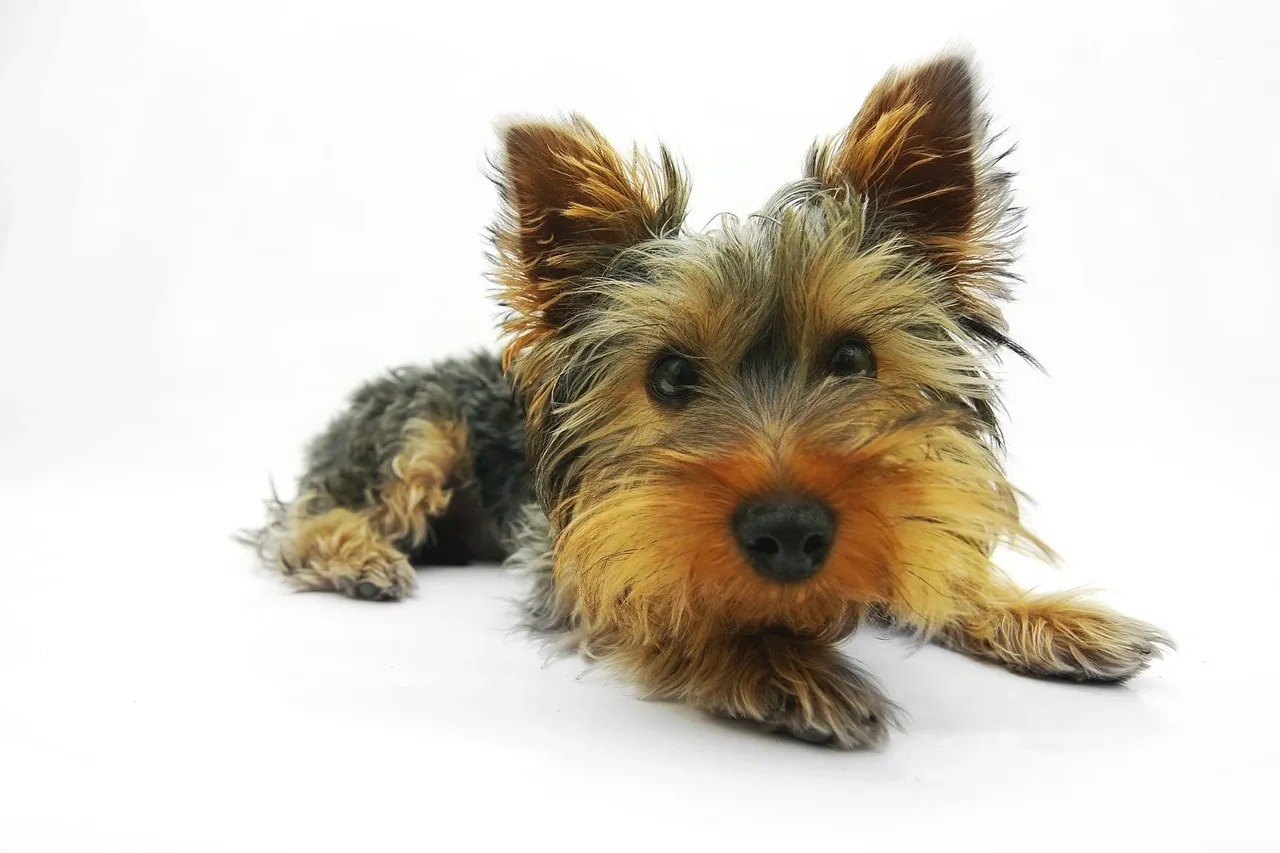
Image Source: https://pixabay.com/
The Yorkshire Terrier’s true nature goes far beyond their luxurious coat and tiny size. These pint-sized dogs have earned the nickname “tomboy toy” thanks to their spirited personality. You wouldn’t guess it from their delicate looks, but these little dogs are among the most fascinating companions in the canine world.
Typical behavior and personality traits
Yorkshire Terriers blend traits that seem to contradict each other. These dogs are dignified yet hard-working, smart yet stubborn at times, and small in size but huge in confidence. A Yorkie’s brave, bossy, and affectionate nature makes them compelling companions.
Their background as ratters in textile mills has given them a fearless spirit you rarely see in such small dogs. The AKC puts it perfectly: “beneath the dainty, glossy, floor-length coat of a Yorkshire Terrier beats the heart of a feisty, old-time terrier”. These confident little dogs often act like they’re much bigger, and they’ll challenge larger breeds without thinking twice.
Yorkies build incredibly strong bonds with their families and sometimes become deeply attached to just one person. These dogs love attention and affection, which makes them perfect companions if you want a dog to shower with love. Their curious nature keeps them busy learning about their surroundings, usually with their human “shadow” right behind them.
How Yorkies interact with children and other pets
Experts disagree about how well Yorkies get along with children. These terriers can become wonderful companions in families with older kids who know how to handle small dogs gently. The AKC gives Yorkshire Terriers top marks for kid-friendliness – matching Labrador and golden retrievers with a perfect five out of five.
You should still be careful though. Rough play with young children can hurt these delicate dogs. These little ones might snap at kids if they don’t feel respected. That’s why Yorkshire Terriers usually do better in homes with older children and teenagers who understand boundaries and play carefully.
Yorkshire Terriers can live peacefully with other dogs and even cats if you socialize them early. Their territorial side means you need to introduce them properly to other pets. Some Yorkies get along great with other household pets, while others might show aggression toward small animals because of their hunting instincts. Their strong prey drive makes them poor choices for homes with smaller pets like guinea pigs or hamsters.
Are Yorkies good watchdogs?
Yorkshire Terriers make excellent watchdogs despite their tiny size. These alert little dogs have sharp senses that help them spot anything unusual quickly. They won’t hesitate to raise the alarm if something seems off.
Yorkies are prominent barkers. They’ll bark at anything they see as a threat, including sounds and strangers. This trait makes them valuable alarm systems, but you’ll need to train them to avoid excessive barking.
These dogs do more than just alert their owners. Yorkshire Terriers are protective of their family members. Mix this protective nature with their fearless spirit, and you’ll find they won’t back down from a threat, whatever its size.
Yorkshire Terriers adapt well to apartment living. With the right training to control their barking, they make ideal apartment companions while keeping their watchful nature intact.
Grooming needs and coat care

Image Source: American Kennel Club
A Yorkshire Terrier’s silky coat needs dedicated care to stay healthy and beautiful. Taking care of a Yorkie goes beyond looks—it’s a vital part of being a responsible owner and creates special bonding moments between you and your pet.
Daily brushing and coat maintenance
Yorkies have hair instead of fur that grows non-stop and feels like human hair. You need to brush them every day because of this unique trait. Professional groomer Daron Newcomb, who has worked with dogs for over 20 decades, says “Grooming is a critical part of owning a Yorkshire Terrier… It’s a perfect bonding time for an owner and a pet”.
Your Yorkie needs brushing three to four times a week at least, though daily brushing works best, especially for dogs with longer coats. You’ll need these grooming tools:
Pin brush to detangle and remove loose hair
Metal-toothed comb for finishing touches
Slicker brush to tackle mats and smooth the coat
Conditioning spray to protect against breakage
Brush your Yorkshire Terrier’s hair in the direction it grows. Start from the ends and work your way gently toward the skin to avoid pulling. A wide-toothed comb works best for spots that tangle easily, like the hocks, tail, and paws.
Bath time needs careful planning. Too much washing removes natural oils that protect your dog’s skin and coat. Adult Yorkies should get baths every one to three months, while puppies shouldn’t have any baths until they’re at least three months old. Make sure to use high-quality dog shampoos made for silky coats.
Professional grooming vs. home care
Professional grooming helps keep your Yorkshire Terrier looking good and staying healthy. Most Yorkies need a trim every 4-6 weeks, either from a professional or from owners who know what they’re doing. Many owners mix it up—they handle daily care at home but see a professional every 6-8 weeks for things like haircuts.
Professional groomers are great because they know how to work with different breeds and personalities. They use top-notch equipment and can spot health issues early, including skin problems, parasites, and infections. They also make life easier for busy owners by offering complete care—baths, nail trims, and haircuts all in one visit.
Home grooming costs less and lets you work on your schedule. You can brush your dog, trim nails, clean ears, and take care of teeth at home. Newcomb points out, “Toenail trimming is something easily learned and can be done at home,” and suggests that beginners “ask for guidance from a vet or professional groomer until they get the hang of it”.
Using a finger brush daily helps prevent dental disease, which many Yorkies get. You should also clean your dog’s ears during bath time with special cleaner and cotton balls to remove dirt.
Managing tear stains and skin issues
Tear stains show up as reddish-brown marks below your Yorkie’s eyes. These marks happen when tears with porphyrins (molecules containing iron) build up and oxidize on facial hair. You’ll see these stains more on white and light-colored Yorkies.
You need a daily cleaning routine to handle tear stains. Here’s what works:
Flush eyes with dog-safe eye wash solutions
Use special eye cleaning wipes made for dogs
Keep the face dry after drinking
Trim facial hair that might bother eyes or hold moisture
A mix of one tablespoon mild hydrogen peroxide in eight ounces of water can help remove tough stains—just apply it with a cotton ball, wiping away from the eyes. Putting cornstarch under the eyes and around the muzzle helps soak up extra moisture.
Most Yorkies don’t get dry skin often. Diet or environment usually cause it when it happens. Regular brushing lets air reach the skin and prevents problems in long-coated Yorkies. These grooming sessions give you a chance to check for skin issues and treat them early.
Common health issues and life expectancy
Yorkshire Terriers may be tiny, but they live longer and stay healthier than many larger breeds. Owners who understand common health issues can give their Yorkies the care they need throughout their lives.
Yorkshire Terrier lifespan and longevity
Yorkshire Terriers live an impressive 12 to 16 years with good care. Research backs up their exceptional longevity. UK studies show they live about 13 years, while Japanese data points to 14.3 years. A newer study, published in 2024 by UK researchers, shows Yorkies live 13.3 years on average. This beats both purebred dogs at 12.7 years and crossbreeds at 12 years.
Tracheal collapse, hypoglycemia, and dental disease
Dental disease is the biggest problem for Yorkshire Terriers. About 80% of them develop issues by age two. Their tiny mouths pack too many teeth, which makes them prone to plaque, gum disease, and decay. These dental problems can cut their life short by one to three years if left untreated.
Tracheal collapse also affects many Yorkies. Their windpipe cartilage weakens over time, causing a distinctive “honking” cough. Exercise, excitement, or neck pressure can make it worse. That’s why vets suggest using harnesses instead of collars when walking them.
Yorkshire Terrier puppies often face issues with hypoglycemia (low blood sugar), especially between 5-16 weeks old. They might show signs like weakness, drowsiness, confusion, trembling, and sometimes seizures. Very small Yorkies or those with irregular eating habits are more likely to have this problem. The good news is most puppies grow out of it.
Preventive care and vet checkups
Good preventive care plays a vital part in keeping Yorkshire Terriers healthy. Puppies need monthly vet visits until they’re four months old to check their growth and get vaccines. Adult dogs should see the vet yearly, while older ones (10+ years) need checkups every six months.
Daily dental care is the life-blood of preventive health. You can brush their teeth with dog-friendly toothpaste, give them dental chews, or schedule professional cleanings to curb their tendency toward periodontal disease. The right diet and portion control help maintain proper weight and prevent many health issues.
Yorkshire Terriers stay healthy with proper care, but owners should watch for these breed-specific issues to help their small companions live their longest, healthiest lives.
Training and behavior management
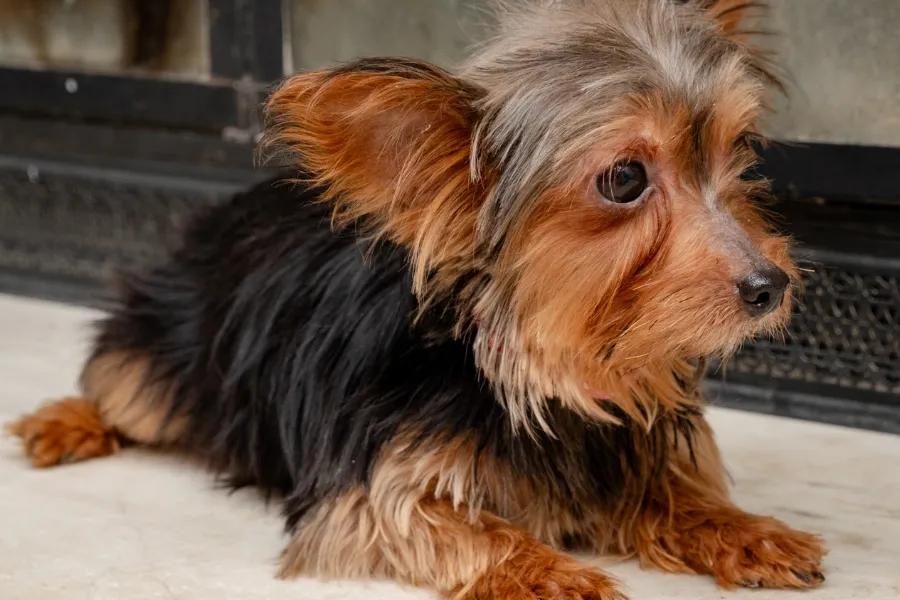
Image Source: Little Puppy Paws
Training a Yorkshire Terrier needs you to understand their remarkable intelligence and spirited independence. These dogs have a sharp mind and a touch of stubbornness from their working heritage as ratters. This combination creates unique training opportunities and challenges.
Are Yorkies easy to train?
Yorkshire Terriers have impressive intelligence, but this doesn’t always make training simple. Their independent streak can look like stubbornness. You’ll need patience and consistency to train them well. These smart dogs aren’t always motivated by food, which can make training trickier.
These tiny terriers respond really well to positive reinforcement. You can reinforce commands effectively with treats, excited praise, and affection. Short sessions of 5-10 minutes help maintain their focus since Yorkies get bored quickly. New owners should stick to similar words for each command instead of mixing them up.
Dealing with barking and stubbornness
Yorkies rank high among breeds prone to excessive barking. Their alert nature and desire to control their environment drive this behavior. Their watchdog tendencies can turn into problem barking if you don’t set proper boundaries.
To handle barking effectively, owners should:
Identify and minimize triggers like pedestrians visible through windows
Use a firm “No” or “Quiet” command when barking begins
Redirect their attention to a different activity when they stop
Never yell or punish, which only creates confusion
Clear leadership helps manage stubborn behavior. You can establish proper hierarchy through simple actions like walking through doorways before your dog. Regular exercise makes a big difference – at least two 20-minute walks each day substantially reduces restless behavior.
Fun activities and mental stimulation
Mental engagement matters just as much as physical exercise for Yorkshire Terriers. Yorkies might develop unwanted habits or don’t deal very well with separation anxiety without daily mental stimulation. We bred these dogs as ratters, so they love toys that let them hunt, chase and “catch” their prize.
Effective mental enrichment activities include:
Puzzle toys that challenge their problem-solving abilities
Nose work and scent games
Hide-and-seek with treats or toys
Learning new tricks beyond simple commands
Simple agility courses using household furniture
Rotating toys helps prevent boredom without doubt. Interactive play between you and your dog builds stronger bonds while exercising their mind. A properly stimulated Yorkie behaves better and lives a more fulfilled, content life.
Feeding and nutrition for Yorkies
Proper nutrition is the life-blood of a Yorkshire Terrier’s health throughout their life. These tiny dogs need specific dietary care that supports their energetic nature and distinctive coat.
Best food types for puppies and adults
Yorkshire Terrier puppies need nutrient-dense food that supports their growth. Puppy formulas with highly digestible proteins help their digestion and nutrient absorption. Adult Yorkies need about 40 calories per pound of body weight daily, while puppies require roughly 55 calories per pound.
A Yorkie’s diet should consist of 50% quality protein, 15-18% fat, and 22-25% carbohydrates. Small-breed commercial foods work best because their tiny kibble size fits their small mouths and level bite. Look for options that list meat as the main ingredient and avoid foods containing artificial colors or chemical preservatives.
Feeding frequency and portion control
Age determines feeding schedules. Puppies under three months should eat freely, while those between 3-12 months need 3-4 small meals daily. Adult Yorkies do well with 2-3 meals per day. Portion size is significant – most adult Yorkshire Terriers need only ½ to ¾ cup of high-quality dry food daily, split into meals.
Excess feeding causes obesity, which can trigger serious health issues including luxating patella. Your Yorkie is at a healthy weight when you can feel their ribs but not see them.
Supplements and special dietary needs
A balanced diet provides most nutritional requirements without extra multivitamins. Small breeds might experience problems with nutrient absorption when given additional multivitamins.
Older Yorkies might benefit from targeted supplements. Omega-3 fatty acids enhance their skin, coat, and joint health, while glucosamine and chondroitin help maintain joint flexibility. Yorkies with sensitive stomachs benefit from probiotics that support digestion and strengthen immunity.
Exercise and lifestyle needs
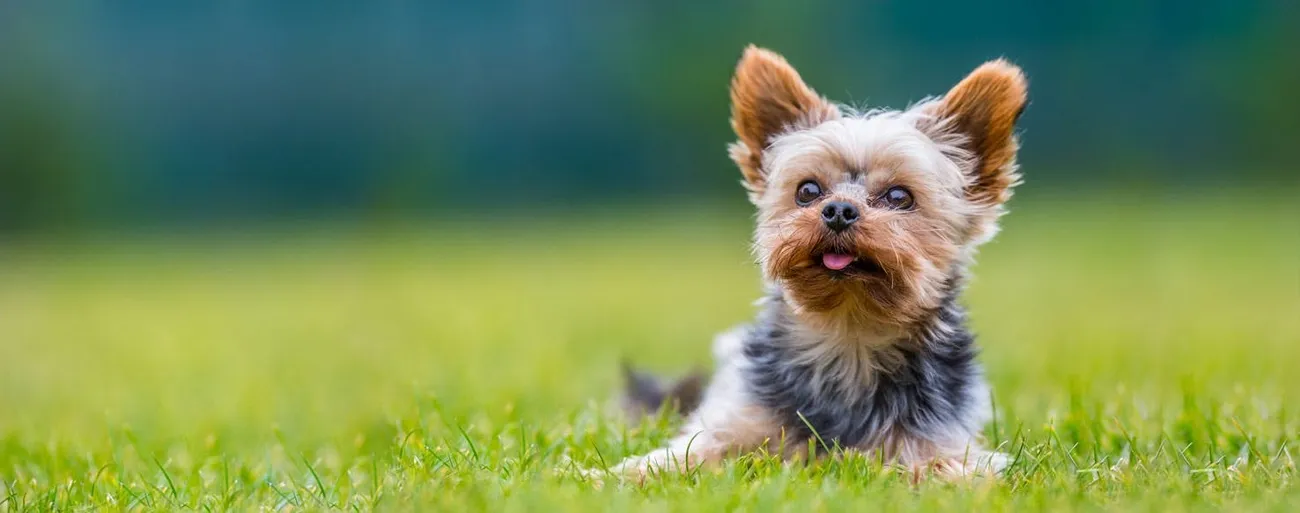
Image Source: Wag!
Yorkshire Terriers, like all dogs, need regular activity to stay healthy. These spirited dogs pack substantial exercise needs into their compact size.
How much activity does a Yorkie need?
Yorkshire Terriers need about 30-45 minutes of exercise daily, despite their small size. Adult Yorkies should get two to three 20-minute walks each day and a cardio session. Young puppies benefit from at least two 20-minute walks daily. Owners should limit exercise before 10 months to protect their growth plates. Older Yorkies do well with one to two slower-paced daily walks.
Indoor play vs. outdoor walks
Most Yorkshire Terriers thrive on morning and evening walks. Indoor activities complement these scheduled walks and give them mental and physical stimulation. Yorkies adapt well to small spaces, which makes them great apartment dogs when they get enough exercise.
Puzzle toys and treat-dispensing balls tap into their natural curiosity. Simple games like hide-and-seek with toys or fetch using small, lightweight balls work great as indoor exercise options.
Dog sports and enrichment ideas
Yorkshire Terriers excel at many dog sports beyond simple exercise. Their nimble nature makes them natural agility competitors, and many Yorkies show impressive speed and confidence on obstacle courses. These small terriers can join tracking events, obedience competitions, and conformation shows once they reach six months.
Interactive toys keep their minds sharp and prevent boredom that leads to unwanted behaviors. Regular cardio through lively fetch games or supervised runs in secure areas helps maintain a healthy weight. A combination of physical activity and mental challenges creates the happiest, healthiest Yorkshire Terrier.
Conclusion
Yorkshire Terriers never fail to surprise people. These tiny dogs show that size has nothing to do with personality. They blend grace with terrier determination in a package under seven pounds. Yorkies have managed to keep their bold spirit while adapting to new roles – from catching rats in Scottish mills to becoming beloved pets worldwide.
A Yorkie’s stunning looks need dedicated care, especially when you have coat maintenance to consider. Owners who brush daily and keep up with regular grooming will see results in that beautiful blue and tan silk coat. These little dogs also make great watchdogs thanks to their sharp instincts and protective nature.
Yorkshire Terriers can live up to 16 years and stay healthy overall. They just need careful preventive care to stay that way. Good dental care helps curb their common mouth problems. Training these smart but sometimes stubborn pets takes time and patience. Positive reinforcement works best.
The right food for their small size and daily exercise will give these lively terriers a happy, healthy life. They fit well in many homes, even apartments, which makes them available companions for different lifestyles.
Yorkshire Terriers are the sort of thing I love – delicate yet brave, tiny but tough, graceful and full of energy. This unique mix explains why people have loved them for generations. Anyone ready to meet their special needs will find a loyal, loving, and spirited friend that proves the best things come in small packages.
Key Takeaways
Yorkshire Terriers pack enormous personality into their tiny 7-pound frames, making them ideal companions for those who appreciate spirited, confident dogs with luxurious grooming needs.
• Daily grooming is essential – Yorkies require daily brushing and professional grooming every 4-6 weeks to maintain their signature silky coat and prevent matting.
• Small size, big exercise needs – Despite weighing under 7 pounds, Yorkies need 30-45 minutes of daily exercise including two walks plus mental stimulation.
• Excellent watchdogs with training challenges – Their alert nature makes them superb guard dogs, but their independent streak requires consistent, patient training with positive reinforcement.
• Impressive longevity with preventive care – Yorkies live 12-16 years on average, but need vigilant dental care since 80% develop dental disease by age two.
• Perfect apartment companions – Their adaptability to small spaces, combined with proper exercise and mental enrichment, makes them ideal urban pets for dedicated owners.
FAQs
Q1. What makes Yorkshire Terriers unique as pets? Yorkshire Terriers are known for their long lifespan, hypoallergenic coat, and excellent watchdog abilities. They have big personalities in small packages, providing years of companionship, love, and entertainment to their owners.
Q2. How much exercise do Yorkshire Terriers need? Despite their small size, Yorkshire Terriers require about 30-45 minutes of daily exercise. This typically includes two to three 20-minute walks per day, plus some indoor playtime for mental stimulation.
Q3. Are Yorkshire Terriers easy to train? Yorkshire Terriers are intelligent but can be stubborn, making training a bit challenging. They respond best to positive reinforcement techniques, short training sessions, and consistent practice. Patience is key when training these spirited little dogs.
Q4. What are the grooming requirements for a Yorkshire Terrier? Yorkshire Terriers have high grooming needs. Their long, silky coat requires daily brushing to prevent matting and tangling. Professional grooming every 4-6 weeks is also recommended to maintain their coat’s health and appearance.
Q5. What health issues are common in Yorkshire Terriers? While generally healthy, Yorkshire Terriers are prone to certain health issues. Dental problems are particularly common, with 80% developing dental disease by age two. Other concerns include tracheal collapse, hypoglycemia in puppies, and heart issues in older dogs. Regular veterinary check-ups and proper dental care are essential for their well-being.