
Greyhound
 “Greyhound” showcases one of history’s most complex naval battles from a rookie commander’s perspective. Tom Hanks both starred in and wrote the screenplay for this 2020 American war film, adapting it from C.S. Forester’s 1955 novel “The Good Shepherd”.
The story centers on a U.S. Navy commander’s first wartime mission to lead an Allied convoy across the Atlantic during World War II. His lack of experience doesn’t stop him from taking charge in what became the Battle of the Atlantic, where German U-boats relentlessly hunt his convoy. The movie earned a solid 7.0/10 on IMDb and captures naval warfare’s intensity brilliantly.
Sony Pictures Releasing planned to release the film in theaters on June 12, 2020, but the COVID-19 pandemic changed everything. The studio sold its rights to Apple TV+, which launched the film digitally on July 10, 2020. The movie’s technical brilliance shone through these challenges, leading to a Best Sound nomination at the 93rd Academy Awards.
The story behind Greyhound (film)
“Greyhound” started as a passion project for one of Hollywood’s most respected actors and grew from the pages of acclaimed historical fiction. The movie’s experience from page to screen shows how classic literature inspires modern war cinema and lets creative talents shape stories for today’s audiences.
Based on C.S. Forester’s novel ‘The Good Shepherd’
The movie builds its story from C.S. Forester’s 1955 novel “The Good Shepherd”. Forester created the beloved Horatio Hornblower series and “The African Queen.” His reputation stems from detailed maritime fiction research. “The Good Shepherd” stands out for its authentic portrayal of naval warfare.
“Greyhound” stays true to Forester’s original text while adapting it for the screen. The story remains the same – an inexperienced naval commander guides an Allied convoy through the dangerous “Black Pit” of the Atlantic as German U-boats lurk nearby.
The source material and film adaptation have substantial differences. Forester’s novel shows protagonist George Krause carrying emotional wounds from his wife Evelyn’s affair with a lawyer. His naval career faced setbacks with delayed promotions and command opportunities. These setbacks made him bitter and haunted.
The movie takes a different approach to this backstory. Ernest (Ernie) Krause replaces George, and instead of being divorced, he’s a bachelor proposing to his girlfriend Evelyn. She doesn’t reject him but suggests they “wait until we can be together” after the war. This change makes the character hopeful rather than defeated.
Naval enthusiasts might spot that Krause commands a Fletcher-class destroyer in the film instead of the novel’s Mahan-class destroyer. These technical changes reflect production needs and the filmmakers’ commitment to historical accuracy.
Tom Hanks as screenwriter and lead actor
Tom Hanks poured his heart into “Greyhound.” He starred as Commander Ernest Krause and adapted Forester’s novel for the screen. His roles as screenwriter and lead actor gave him creative control over the character and story.
His screenplay keeps the novel’s naval tactics and technical precision while reshaping certain character elements. The adaptation preserves the tactical decision-making and military procedures that made Forester’s work compelling, including specific sonar bearings from the original text.
Hanks made key changes to the protagonist’s character arc and backstory. The career naval officer still receives his first wartime command late, but his personal history changes. Critics see this new Krause as a “lovesick dreamer putting his life on hold to serve his country” rather than a bitter divorcé running from his past.
Industry experts say this character change matches Hanks’ screen persona and public image better. The script turns Krause’s emotional journey into a story of patriotic duty and delayed personal happiness instead of regret and shame.
Hanks worked together with director Aaron Schneider and producer Gary Goetzman to balance historical accuracy and dramatic storytelling. People praise the screenplay’s attention to tactical details and naval procedures, showing Hanks’ dedication to honoring both Forester’s work and the real naval officers from the Battle of the Atlantic.
Plot summary of Greyhound
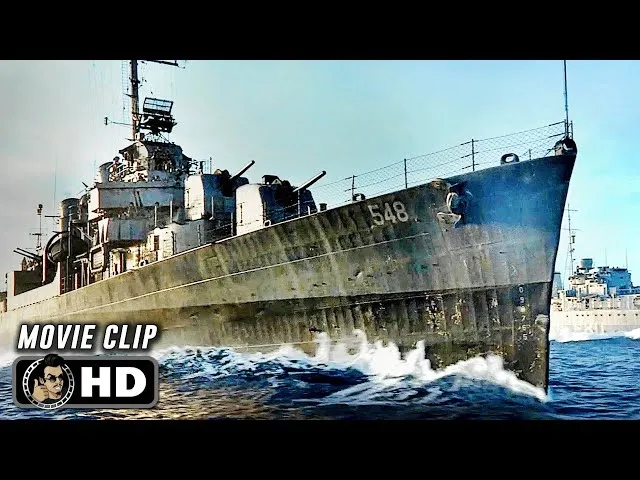
Image Source: YouTube
“Greyhound” is a tense naval thriller set in the deadly waters of the North Atlantic. The story follows a dangerous convoy mission during World War II’s most vital maritime campaign. The film’s tight pacing and authentic naval action shows both the technical side of naval warfare and what it means to fight at sea.
Setting: The Battle of the Atlantic
The story takes place in February 1942, just months after the United States joined World War II. This was during the longest and maybe the most important naval campaign of the war. The Battle of the Atlantic was a desperate fight to control key sea routes between North America and Britain. The Allied war effort depended on these routes. Allied naval forces faced German U-boats that hunted in coordinated “wolf packs” and threatened Britain’s supply lines.
The cost was devastating. Almost 38,000 British sailors lost their lives, while 79% of U-boat crew members never made it home. These Atlantic shipping routes meant survival for the Allies. Britain would have collapsed without them, and D-Day would never have happened.
Commander Krause’s first wartime mission
Commander Ernest Krause had naval education and seniority but faced his first wartime command across the Atlantic. He captained the USS Keeling (codenamed “Greyhound”) and led a four-ship escort team. They protected 37 merchant and troop vessels heading to Liverpool.
The escort team included the American destroyer Greyhound, British destroyer HMS James (“Harry”), Polish destroyer ORP Viktor (“Eagle”), and Canadian corvette HMCS Dodge (“Dicky”). Krause outranked the other captains, but they had fought for over two years. This created subtle tension as the new American commander led battle-tested veterans.
The convoy’s trip through the ‘Black Pit’
The ships entered the dangerous “Black Pit” (also called the Mid-Atlantic gap), a stretch of ocean so big that Allied aircraft couldn’t reach it. The ships had to cross this zone for fifty hours with only their escort vessels to protect them. High-frequency direction finding soon picked up German transmissions that confirmed U-boats in the area.
The escort ships sank their first submarine, but then distress signals came in – a Greek merchant vessel was under attack. Night fell, and reports showed six U-boats lurking just outside firing range. The Germans struck in darkness and torpedoed an oil tanker. Krause had to make impossible choices between rescuing survivors from freezing waters or protecting the convoy. Each decision meant life or death.
The wolf pack attacked throughout the night and sank several merchant ships. By dawn, they’d lost five vessels with 210 dead. Resources ran low faster, leaving Greyhound with just six depth charges.
Climactic battle and resolution
The U-boats changed tactics and targeted the escort ships. Greyhound and Dicky worked together to sink one submarine during an intense surface battle. Enemy fire hit Greyhound, killing some crew members. The whole ordeal claimed three lives, including mess attendant George Cleveland.
After Eagle went down, Krause made a tough call to break radio silence with one word: “help”. The convoy got coordinates for a new meeting point, which meant help was coming.
With air support just hours away, the remaining U-boats launched one last desperate attack. Greyhound destroyed the lead submarine with a full broadside in a tense final battle. An RAF Catalina flying boat arrived to end their isolation and helped sink another U-boat. The other German submarines fled rather than risk being spotted from the air.
HMS Diamond came to relieve the damaged escort ships and sent them to Derry for repairs. The surviving merchant vessels cheered Greyhound’s tired crew for sinking four U-boats as they left the Black Pit behind.
Key characters and cast
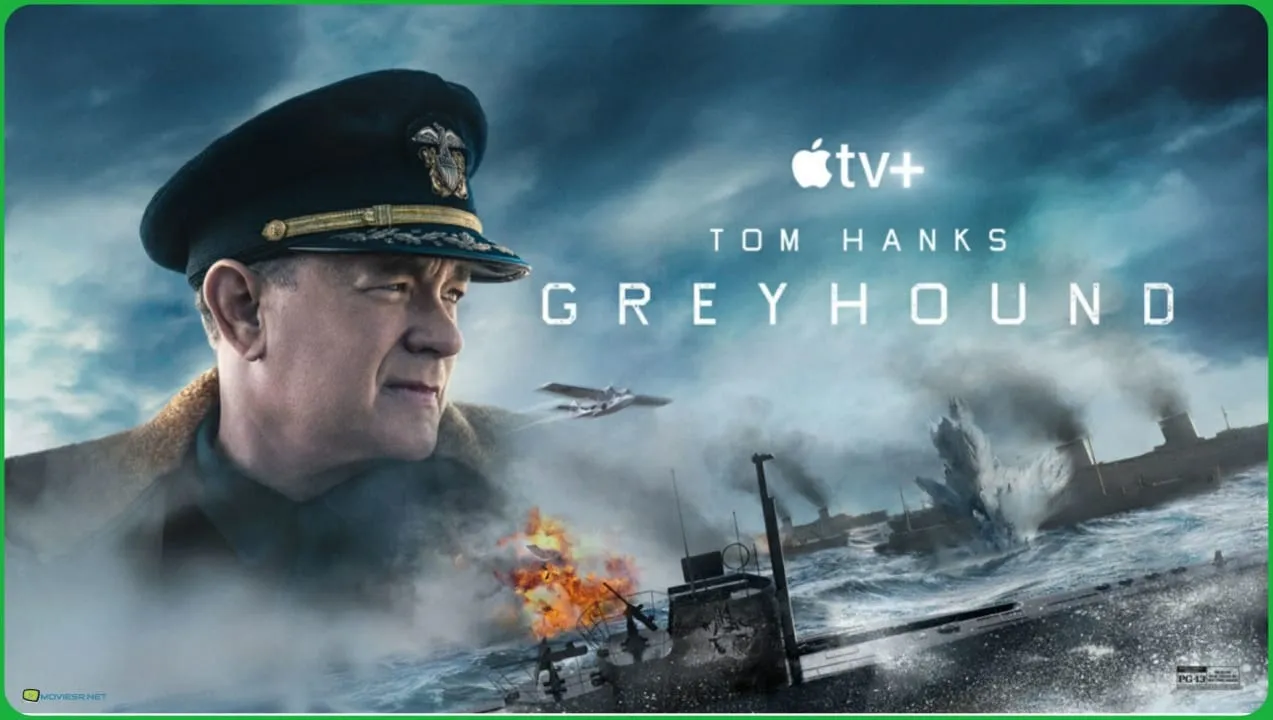
Image Source: Midgard Times
The exceptional cast of “Greyhound” adds depth and authenticity to this naval drama. Their performances showcase both the technical aspects of warfare and the human toll behind military decisions.
Tom Hanks as Commander Krause
Tom Hanks stands at the center of the film as U.S. Navy Commander Ernest Krause, a career naval officer on his first wartime mission. He delivers a subtle performance as the principled captain who must lead an Allied convoy through the dangerous Atlantic Ocean during World War II.
His character carries the weight of command. Krause makes life-or-death decisions that affect thousands of sailors while German U-boats hunt them relentlessly. Unlike typical war heroes, he fights not just enemies but his own doubts too. A powerful scene shows this when a crew member tells him “What you did yesterday got us to today.” Krause’s response is simple: “It’s not enough. Not nearly enough”.
Hanks expertly shows the loneliness of leadership. He portrays Krause as a man of faith who prays quietly before meals and during battle. This spiritual side adds layers to his character beyond his military skills.
Stephen Graham as Charlie Cole
Stephen Graham plays Lieutenant Commander Charlie Cole, who serves as Krause’s executive officer on the USS Keeling (codenamed “Greyhound”). Cole provides vital support throughout their dangerous mission.
Graham and Hanks create compelling chemistry on screen. Cole represents battle-tested leadership—different from Krause’s book knowledge but limited field experience. Their working relationship becomes one of the film’s emotional cores amid the battle scenes.
Cole helps translate the captain’s orders to the crew and provides key information during combat. Graham brings intensity to his role and keeps the tension high even in quiet moments between action scenes.
Elisabeth Shue as Evelyn
Elisabeth Shue plays Evelyn, who shares a meaningful scene with Commander Krause. The scene takes place in a hotel lobby in 1941, right after Pearl Harbor. Krause and Evelyn exchange Christmas gifts, and he asks her to join him at sea as he heads off to war.
Their scene reveals Krause’s personal side. He calls her “Evie” with affection. This moment away from battle shows what Krause hopes to return to someday. Though brief, Shue’s performance gives Krause’s character an emotional anchor.
Supporting cast overview
“Greyhound” features a talented group of actors who bring the naval crew to life:
Matt Helm plays Lt. Nystrom, part of Krause’s bridge crew
Craig Tate takes on the role of Pitts, another core team member
Rob Morgan appears as Cleveland, a mess attendant on USS Keeling
Manuel Garcia-Rulfo plays Melvin Lopez
Tom Brittney appears as Lieutenant Watson and Josh Wiggins as Talker #1, completing the Greyhound’s crew. Thomas Kretschmann voices “Gray Wolf,” the German U-boat commander.
Several actors voice the other escort vessel captains, creating a diverse allied force: Ian James Corlett as HMCS Dodge’s captain (call sign “Dicky”), Maximilian Osinski as ORP Viktor’s captain (call sign “Eagle”), and Dominic Keating as HMS James’s captain (call sign “Harry”).
This talented ensemble creates a realistic naval environment that shows how the Allies worked together. Each character adds to the film’s intense atmosphere of submarine warfare.
Production and filming details
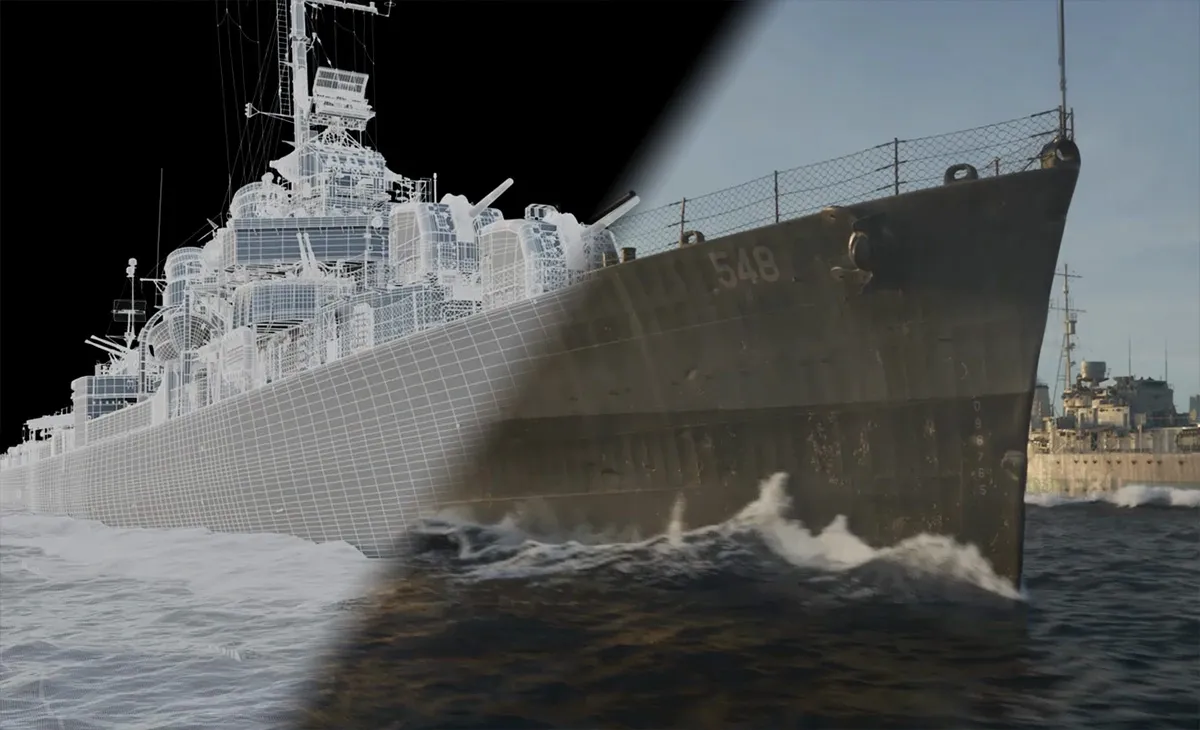
Image Source: Befores & Afters
Making a World War II naval thriller “Greyhound” brought unique technical challenges. The production team used a mix of historical vessels, purpose-built sets, and advanced visual effects. These elements helped transport viewers to the dangerous Atlantic waters of 1942.
Filming aboard USS Kidd
USS Kidd became the primary filming location—a Fletcher-class destroyer now permanently docked in Baton Rouge, Louisiana. The vessel serves as both a museum and provided the perfect backdrop for many significant scenes. The ship stands out as the only surviving WWII destroyer that managed to keep its original wartime configuration. This made it a great way to get authentic settings.
Director Aaron Schneider explained, “The Kidd literally is in its World War II 1945 configuration. Some of the destroyers from that era are still on display, but they were modernized during the Vietnam War and have modern additions. The Kidd is sort of virgin World War II”.
The museum’s dedicated crew restored the vessel meticulously based on historical photographs. They even brought the ship’s inoperable Oerlikon 20mm cannons back to pristine condition. Added pneumatics allowed the gun barrels to recoil precisely and simulate the correct rate of fire.
Use of CGI and historical accuracy
The production built a partial Fletcher-class destroyer at Celtic Studios for sequences requiring dynamic movement impossible on a stationary vessel. The elaborate set included the bridge, its wings, foredeck, and sonar room mounted on a massive gimbal system.
Tom Hanks explained, “Our destroyer sat upon a gimbal, and it was that massive assemblage of steel beams and hydraulic hoses that gave ‘Greyhound’ what the USS Kidd could not—the sense of the rolling sea”. The gimbal created realistic motion that had actors “compensating as best we could, sometimes falling into each other, spilling our coffee, bumping our heads and chasing rolling pencils”.
Advanced photogrammetry techniques ensured visual continuity between the practical ship and CGI elements. The team took about 20,000 photographs of the Kidd. Computer software processed these into an exact, centimeter-accurate 3D model. This allowed seamless integration between scenes filmed on the actual vessel and those needing digital enhancement.
DNEG’s visual effects supervisor Nathan McGuinness and his team created roughly 1,500 digital shots in just four months. They developed a complete “bird’s-eye-view” system that mapped every ship and enemy submarine in up-to-the-minute coordinates. The system worked like a digital “Battleship” game tracking vessel positions throughout the film.
McGuinness noted, “We were military driven, very precise in what we were trying to achieve. We had to be very, very clever about how we did things, because there was no going back”.
Training actors for naval realism
Retired Marine Captain Dale Dye ran a naval boot camp for the cast to ensure authentic performances. The actors and extras stayed aboard the ship overnight and woke at six to run military drills. This immersive training prepared them for the technical jargon and procedures vital to the film’s realism.
The boot camp focused heavily on rehearsing specific sequences, like the military funeral scene showing a burial at sea. Schneider’s commitment to historical authenticity showed in the training regimen, right down to the correct number of stretcher bearers needed for naval burial protocols.
The set experience reflected this dedication to realism. The confined spaces of both the actual Kidd and the gimbal-mounted set mirrored the cramped quarters of actual wartime service. Hanks described it saying, “The isolation we felt when we were filming was not unlike actually being at sea, manning the watch, crammed into a small space, rocking and swaying, being stung by wind and water”.
Release and distribution
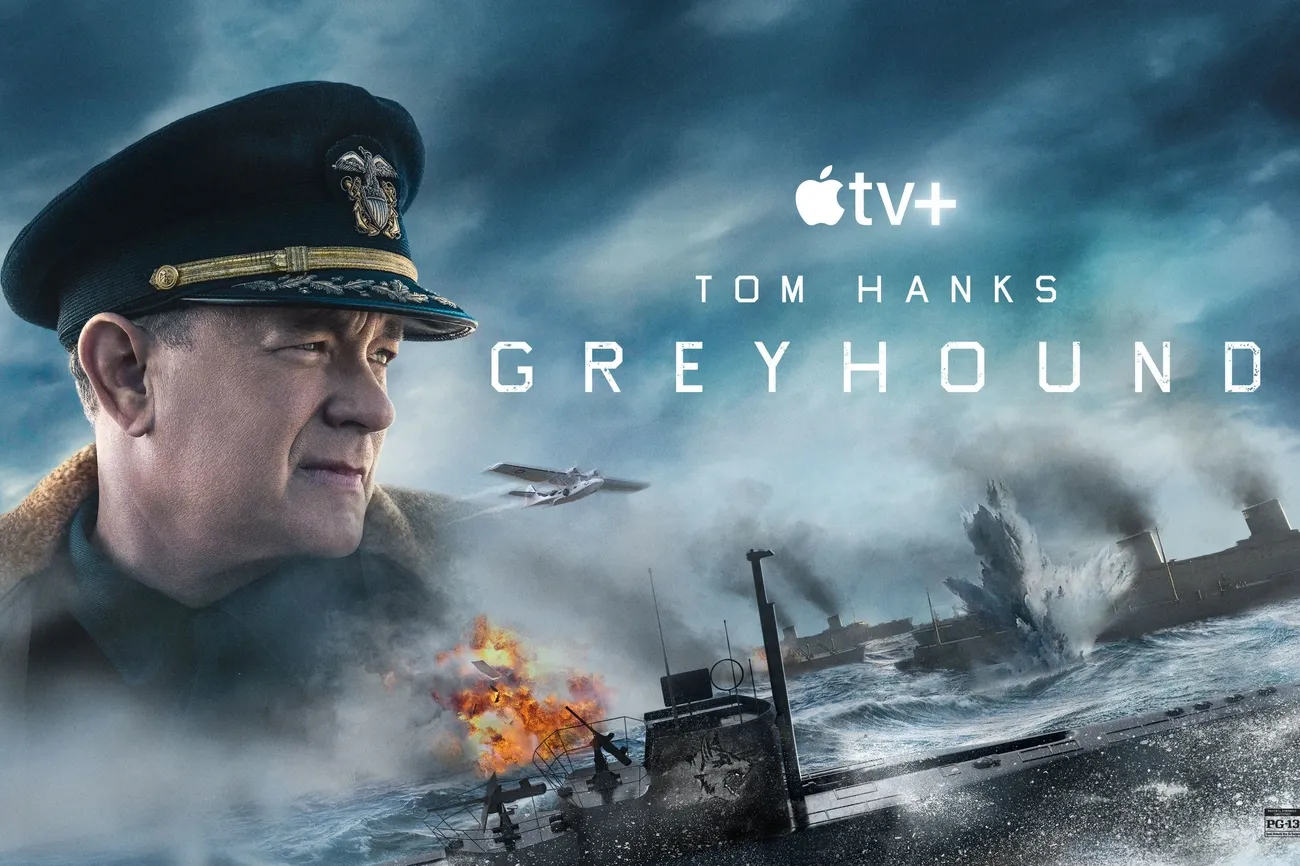
Image Source: Macworld
“Greyhound’s” experience from production to screens took an unexpected turn. The entertainment industry faced broader disruptions during a global health crisis.
Original theatrical plans
Sony Pictures planned to release “Greyhound” in theaters on March 22, 2019, through its Columbia Pictures label. The studio changed these plans and moved the premiere to May 8, 2020. Sony made another adjustment and set June 12, 2020, as the final theatrical release date. The Father’s Day weekend slot seemed perfect to attract male audiences.
Sony had put $50 million into the production. The studio created traditional marketing campaigns that focused on theater attendance. Before the pandemic, Sony positioned “Greyhound” as a mid-budget war drama that could draw history enthusiasts and Tom Hanks fans to theaters.
COVID-19’s effect on release
The sudden COVID-19 pandemic forced theaters worldwide to close in early 2020. Major studios struggled with unprecedented disruptions to their release schedules. Sony had to postpone almost every title planned for 2020 release. Studios rushed to find solutions while theater reopening dates remained unclear.
Tom Hanks called the loss of theatrical release “an absolute heartbreak.” He believed that “there is a difference in picture and sound quality” between theatrical and streaming presentations. The actor knew the pandemic’s personal and professional effects firsthand after contracting COVID-19.
Apple TV+ acquisition and digital premiere
Apple TV+ bought the worldwide distribution rights to “Greyhound” for $70 million in May 2020. This purchase marked a turning point for streaming platforms buying major studio content. Sony kept distribution rights only for China.
The deal needed Hanks’ approval. This was the first time the celebrated actor had skipped theatrical release for one of his starring films. Apple TV+ launched the film digitally on July 10, 2020, just a month after finalizing the acquisition.
The film became an instant hit for Apple’s streaming platform. The company announced it had “the biggest debut weekend of any program in the platform’s history”. The viewership numbers matched “a summer theatrical box office big hit”. “Variety” later ranked the film as 2020’s 24th most-watched straight-to-streaming title.
Critical reception and reviews
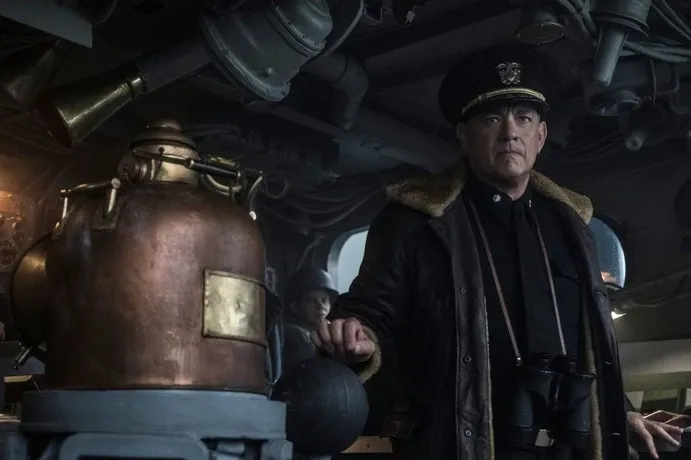
Image Source: Rotten Tomatoes
“Greyhound” landed on Apple TV+ to mostly positive reviews from critics who praised its technical brilliance but pointed out some story limitations.
Rotten Tomatoes and Metacritic scores
The movie holds a solid 79% approval rating on Rotten Tomatoes, based on 228 reviews with a 6.5/10 average rating. The site’s critics summed up the widespread opinion: “Greyhound’s characters aren’t as robust as its action sequences, but this ever-changing World War II thriller benefits from its efficiently economical approach”. The audience reaction matched this sentiment, with the “Popcornmeter” showing a 76% positive rating from more than 1,000 viewer ratings.
Metacritic gave the film a weighted average score of 64 out of 100 from 37 professional critics, that indicates “generally favorable reviews”. The audience seemed even more enthusiastic, giving it a 7.2 out of 10 user score.
Praise for action and pacing
The movie’s tight 90-minute runtime and quick storytelling approach earned frequent praise from critics. Variety’s Owen Gleiberman saw it as “less a drama than a tense and sturdy diary of the logistics of battle.” He noted that “though much of the action is set in the open air of the ship’s command perch, Greyhound often feels like a submarine thriller: tense, tight, boxed-in”.
Michael Phillips from the Chicago Tribune gave three out of four stars and drew a clever comparison to the movie’s namesake: “Like the canine, [Greyhound is] trim, narrow of scope, and it runs efficiently and well despite a barrage of on-screen time stamps and vessel identification markers”.
Critics particularly loved the movie’s technical aspects, especially its CGI and sound design. The film’s immersive audio experience earned it an Academy Award nomination for Best Sound.
Criticism of character development
Character development emerged as the biggest criticism. IndieWire’s David Ehrlich rated it “C-” and called it “a terse and optimized dad movie” that “bobs across the screen like a nuanced character study that’s been entombed in a 2,000-ton iron casket”.
Commander Krause’s character barely got any backstory beyond his relationship with Evelyn and religious devotion. One reviewer noted that “outside of that, we learn nothing about the rest of the crew, despite spending nearly 90 minutes (and over 2 elapsed days in the movie) with them”.
Manuel São Bento pointed out that “all dialogs revolve around characters (mostly Hanks’) calling naval instructions for most of the runtime and looking either through a window or binoculars”. Robert Daniels from Consequence suggested that “with little character development on paper, the narrative finds victory through Hanks’ patient physical performance and the craftsmanship within the battles”.
Awards and nominations
“Greyhound” got major industry recognition for its technical excellence. The team’s sound design and visual effects work marked a milestone for Apple TV+ in the competitive awards space.
Academy Award nomination for Best Sound
“Greyhound” made history as Apple TV+’s first feature film to receive an Academy Award nomination in 2021. The nomination came in the new Best Sound category that combined the previous sound editing and mixing categories. Warren Shaw, Michael Minkler, Beau Borders, and David Wyman earned this recognition for their work.
BAFTA and Critics’ Choice recognitions
The film’s excellence showed in its two BAFTA nominations. Pete Bebb, Nathan McGuinness, and Sebastian von Overheidt were nominated for Special Visual Effects. The sound team of Warren Shaw, Michael Minkler, Christian P. Minkler, David Wyman, and Beau Borders also received a nomination. The Critics’ Choice Awards recognized “Greyhound” for Best Visual Effects. The film also won at the Critics’ Choice Super Awards as Best Action Movie, while Tom Hanks took home the Best Actor in an Action Movie award.
Visual effects and sound editing accolades
The film’s technical achievements drew praise from specialized organizations. “Greyhound” claimed the Motion Picture Sound Editors Golden Reel Award for Outstanding Achievement in Sound Editing – Sound Effects and Foley. The Cinema Audio Society nominated the film for sound mixing. The Visual Effects Society also honored the film with multiple nominations.
Sequel and future of the franchise
Good news for wartime naval thriller fans – Captain Krause’s story continues. Apple and Tom Hanks are expanding the Greyhound universe beyond its original critically acclaimed offering.
Confirmed development of a sequel
Playtone has given the green light to a second chapter in the Greyhound saga. Tom Hanks will return as Captain Krause and has completed writing the screenplay. The project keeps its core team intact with director Aaron Schneider returning to lead the project and Gary Goetzman producing for Playtone. The story takes Krause and his crew on a new wartime mission from Normandy’s beaches to the Pacific theater as they help turn the tide of World War II.
Expected filming locations and timeline
The cameras will roll in Sydney, Australia starting January 2026. The project entered pre-production in early 2025, with ongoing recruitment of talent and film crew while the team finalizes budget and production schedules. The production team has started talks with the original cast members to return for the sequel. Stephen Graham, who recently delivered acclaimed performances in Netflix’s Adolescence, will likely join the cast again. The project made its transition from development to active pre-production throughout May 2025.
Conclusion
“Greyhound” shows proof of careful historical detail and technical excellence in war cinema. The movie’s tight 90-minute runtime captures the intense tension of naval warfare during World War II’s Battle of the Atlantic. Tom Hanks excels both as actor and filmmaker, turning C.S. Forester’s novel into a sharp, action-packed story. His subtle performance as Ernest Krause perfectly conveys a commander’s heavy responsibilities.
COVID-19 completely changed the film’s release plans, but Apple TV+ became the perfect platform for this naval thriller and turned a potential setback into a streaming win. The platform’s viewership numbers broke records during the opening weekend, showing that audiences craved quality historical action on any screen.
The movie’s technical brilliance earned it several prestigious nominations. These included an Academy Award nomination for Best Sound and multiple honors from BAFTA, Critics’ Choice Awards, and industry guilds. Such recognition confirms the production team’s dedication to authenticity – from shooting on the preserved USS Kidd to creating thousands of detailed CGI shots.
Critics noted the limited character depth, but praised the movie’s lean storytelling, spectacular naval scenes, and Hanks’ reliable performance. This mix of human drama and military precision helped “Greyhound” connect with viewers during unusual times.
Fans will be thrilled to hear about the upcoming sequel. Hanks returns as both star and screenwriter to continue Captain Krause’s wartime story. The 2026 production should maintain its technical excellence while adding more character depth that some found missing in the first film.
“Greyhound” moves forward as more than another war movie. It stands as a technically brilliant, historically accurate addition to naval cinema that overcame major distribution hurdles to achieve success and launch a franchise.
Key Takeaways
“Greyhound” demonstrates how classic literature can be successfully adapted for modern audiences while maintaining historical authenticity and technical excellence in wartime cinema.
• Tom Hanks wrote and starred in this WWII naval thriller, adapting C.S. Forester’s novel while filming aboard the authentic USS Kidd museum ship for maximum realism.
• COVID-19 forced Sony to sell distribution rights to Apple TV+ for $70 million, resulting in the platform’s biggest debut weekend in history.
• The film earned an Academy Award nomination for Best Sound, validating its technical achievements in creating immersive naval warfare sequences.
• Critics praised the efficient 90-minute runtime and tense action sequences, though some noted limited character development beyond Hanks’ Commander Krause.
• A sequel is confirmed for 2026 production in Australia, with Hanks returning as writer and star alongside director Aaron Schneider.
The film proves that streaming platforms can successfully showcase high-quality historical dramas, turning pandemic-driven distribution changes into unexpected opportunities for reaching global audiences.
FAQs
Q1. What is the plot of the movie Greyhound? The movie follows US Navy Commander Ernest Krause on his first wartime assignment, leading an Allied convoy across the Atlantic during World War II. The convoy faces relentless pursuit by German U-boats as they traverse the dangerous “Black Pit” area beyond air cover. Krause must make difficult decisions to protect the convoy and combat the enemy submarines.
Q2. Who stars in Greyhound and what role does he play? Tom Hanks stars in Greyhound as Commander Ernest Krause. Hanks not only plays the lead role but also wrote the screenplay, adapting it from C.S. Forester’s novel “The Good Shepherd”. His character is a career naval officer facing his first wartime command, tasked with protecting an Allied convoy from German U-boats.
Q3. How was Greyhound affected by the COVID-19 pandemic? The pandemic significantly impacted Greyhound’s release. Originally scheduled for theatrical release by Sony Pictures, the film’s distribution plans changed due to global theater closures. Apple TV+ acquired the worldwide distribution rights for approximately $70 million and released the film digitally on July 10, 2020.
Q4. What technical achievements was Greyhound recognized for? Greyhound received acclaim for its technical excellence, particularly in sound design and visual effects. The film earned an Academy Award nomination for Best Sound and was nominated for Special Visual Effects and Sound at the BAFTA Awards. It also won the Motion Picture Sound Editors Golden Reel Award for Outstanding Achievement in Sound Editing.
Q5. Is there a sequel planned for Greyhound? Yes, a sequel to Greyhound is in development. Tom Hanks is set to reprise his role as Captain Krause and has already completed the screenplay. Director Aaron Schneider is returning to helm the project. Production is scheduled to begin in January 2026 in Sydney, Australia, with the story following Krause and his crew on a new wartime mission.