
Dachshund
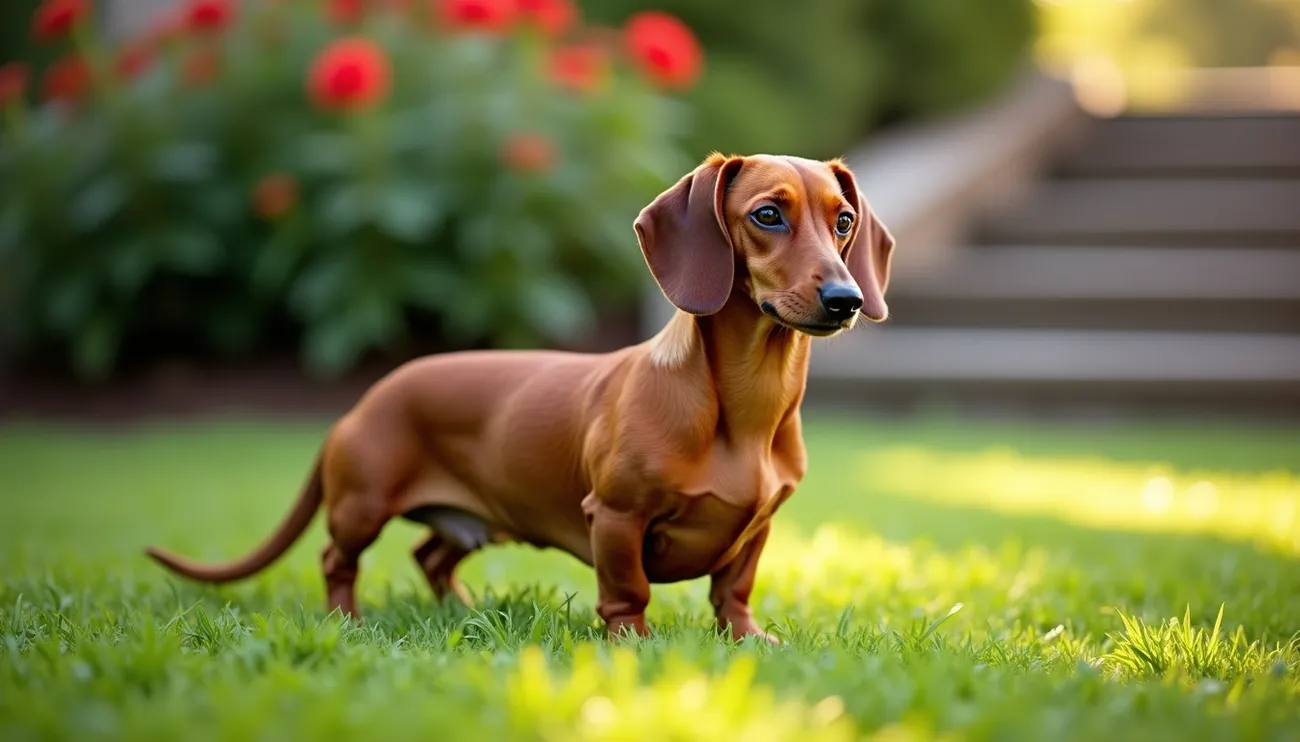 Dachshunds stand at 6th place among the most popular dog breeds in American Kennel Club registrations for 2024. These distinctive dogs were originally bred to hunt badgers and other burrowing animals. A dachshund’s long body, short legs, and spirited personality make it instantly recognizable. The German word “dachshund” translates to “badger dog”, which perfectly captures this breed’s hunting heritage.
The breed comes in two primary sizes: standard dachshunds weigh between 16 and 32 pounds, while miniature ones stay under 11 pounds. Their coats appear in three distinct varieties—smooth, wirehaired, and longhaired. These small dogs possess a bold, lively temperament and can live 12 to 16 years. Though dachshunds are generally healthy, about 25% of them develop intervertebral disk disease (IVDD) during their lifetime. The breed’s charm has captured many prominent figures’ hearts through history, including Queen Victoria, Andy Warhol, and Joan Crawford.
Understanding the Dachshund Dog Breed
The dachshund’s story begins in medieval Germany, taking its familiar shape in the late 17th century. This unique dog breed transformed from a specialized hunter into one of the world’s favorite companion dogs while keeping its distinctive look and lively character.
Origin and meaning of ‘Dachshund’
“Dachshund” captures the breed’s original purpose perfectly. German words “dachs” (badger) and “hund” (dog) combine to mean “badger dog”. Germans also call these dogs “Dackel,” though hunters prefer “Teckel”.
Books from the 18th century first mentioned these dogs as “Dachs Kriecher” (badger crawler) or “Dachs Krieger” (badger warrior). Their roots might go back to the 15th century, though some historians say foresters developed the breed in the 18th century.
The American Kennel Club officially recognized the breed in 1885, though Germans had known them for centuries. The word “dachshund” first appeared in English in 1878.
The badger hunting heritage
These dogs got their name from hunting badgers, which farmers saw as pests damaging their crops and land. Their long bodies and short legs made them perfect for chasing badgers into their underground dens.
Breeders developed the dachshund’s physical features for this tough job. They gave them short, slightly curved legs around the ribcage and compact feet to push soil backward while digging. Their well-angled shoulder let them dig effectively, creating a prominent breastbone and forechest called the “prow”.
Their long ribcage protected vital organs during underground fights. The “keel,” the ribcage’s underside, stretched past the elbow to guard internal organs from sharp objects in the soil. These dogs needed a strong bridge bone over their eyes and powerful jaws with large teeth to face badgers in tight spaces.
These versatile hunters also tracked:
Rabbits and foxes
Weasels and stoats
Deer and even wild boar (in packs)
Standard vs. Miniature Dachshund sizes
U.S. recognizes two official dachshund sizes:
Standard Dachshunds weigh 16 to 32 pounds and stand 8 to 9 inches tall at the withers. These bigger dogs originally hunted badgers and other large burrowing animals.
Miniature Dachshunds weigh under 11 pounds and stand 5 to 6 inches tall. Late 19th century Germany saw a rabbit population boom. Breeders developed these smaller dogs to hunt rabbits and small game in narrower burrows.
Europeans recognize a third size—the “Kaninchen” or “Rabbit” dachshund—between standard and miniature. Americans informally call dachshunds between standard and miniature sizes “tweenies”.
Recognition and popularity
Dachshunds rank as America’s 6th most popular dog breed in 2024, according to American Kennel Club registrations. They’ve climbed from 12th place in 2018.
These dogs charm people worldwide. They’re Germany’s second most popular breed, right behind German Shepherds. City dwellers and apartment residents love them—they rank among the top 10 breeds in 76 of 190 major U.S. cities surveyed by the AKC.
Britain formed the Dachshund Club in 1881, seven years before Germany did, showing how quickly these dogs gained international fame. Queen Victoria had a dachshund named “Dashy,” and Prince Albert hunted woodcock with them, which helped make them popular in Great Britain.
Physical Characteristics of Dachshunds
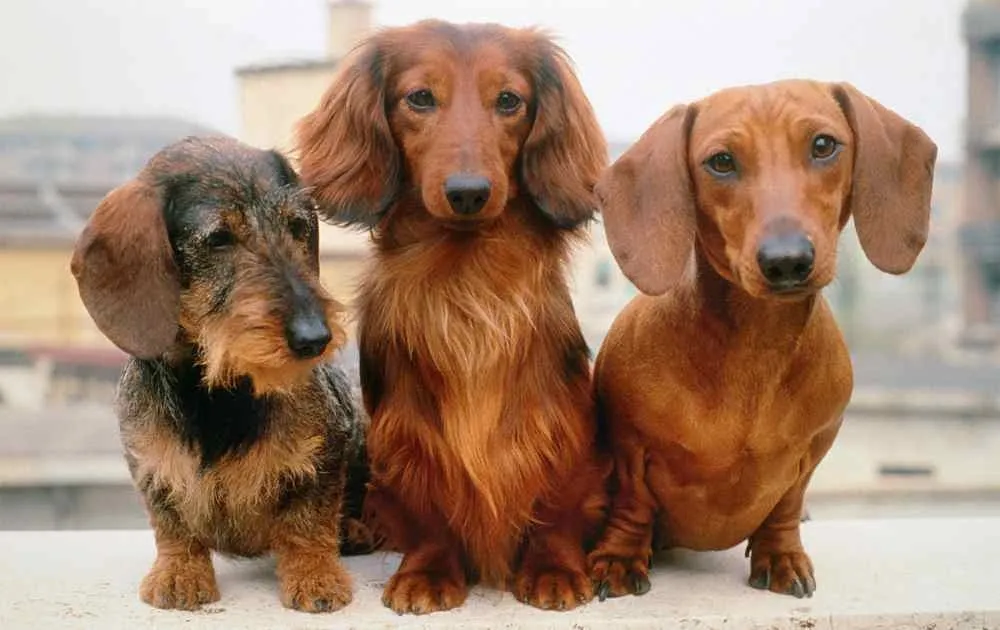
Image Source: Dachshunds Planet
You’ll spot a dachshund right away thanks to their unique shape. These dogs have one of the most striking looks in the canine world. Centuries of selective breeding shaped their physical traits to make them perfect hunting companions.
The distinctive long body and short legs
A dachshund’s body tells quite a story. Their muscular, elongated frame sits on short, sturdy legs – that’s why people started calling them “wiener dogs” or “hot dogs.” These hunting dogs needed this special build to move easily through narrow underground tunnels. Their front paws are disproportionately large and paddle-shaped, which makes them great diggers.
The sort of thing i love about these dogs is their loose skin. It evolved to protect them from tears while they squeezed through tight burrows chasing prey. Their straight back, deep chest, and slightly tucked-up belly work together perfectly. The extended ribcage guards vital organs like the heart and lungs, giving them the stamina they needed to face off with badgers underground.
Three coat types: Smooth, Long-haired, and Wirehaired
These little dogs come with three different coat styles, each bringing something special:
Smooth-coated Dachshunds rock a sleek, shiny, short coat that needs minimal grooming – you could call it a “wash and wear” style. Their dense, smooth coat has a glossy look. The underside of their tail often shows coarser hair.
Long-haired Dachshunds show off beautiful, flowing fur that’s soft and straight or just slightly wavy. The longest hair grows under their neck, on their body’s underside, and behind their legs, creating lovely feathering. Their well-feathered ears and tail create what breed lovers call a “flag”. This elegant look needs regular brushing to stay tangle-free.
Wirehaired Dachshunds stand out with their rough, coarse coat and thick undercoat. Short, straight, harsh fur covers their whole body, plus they sport a beard and bushy eyebrows. These pups are everywhere in Germany but are the hardest to find in the United States. Their coat needs hand-stripping several times yearly to stay sharp.
Common colors and patterns
The dachshund’s color palette amazes many people. Two basic pigments – black and red – create all these variations, while white shows up when there’s no pigment.
The Dachshund Club of America recognizes these base colors:
Red (from light mahogany to deeper shades)
Cream
Black and tan (classic look with tan marks on eyebrows, muzzle, chest, and feet)
Chocolate and tan
Wild boar (mostly in wirehaired types)
Gray/Blue and Fawn/Isabella
These dogs also show off some eye-catching patterns:
Dapple: Light and dark patches speckle the coat
Piebald: White spots pop against the base color
Brindle: Darker stripes run over the base color
Sable: Each hair shows bands of color
Eye and ear features
Medium-sized, almond-shaped eyes give dachshunds their smart, alert look. Their eyes can be dark brown (show judges love this), amber, light brown, green, or even blue in dapple-patterned pups.
Their ears are another standout feature. Set high on the head, these long, rounded-tipped ears hang close to their cheeks. This forward-flopping design keeps debris out of their ear canals when they dash through bushes. Long-haired dachshunds flaunt extra fur on their ears, adding to their graceful look.
These physical traits make dachshunds easy to spot and show how perfectly suited they are to their original role as hunting dogs.
Dachshund Temperament and Personality

Image Source: Facebook
These little dogs pack a personality much bigger than their size suggests. The dachshund wins hearts with its complex character that blends courage, smarts, and steadfast dedication.
Bold and brave nature
People often call them “big dogs in small bodies,” and dachshunds show remarkable courage from their hunting roots. These spirited dogs have a bold personality that looks almost funny compared to their size. Their breeding purpose was to face badgers in underground dens, and today’s dachshunds keep this fearlessness. They stand their ground against much larger animals.
Their bravery sometimes goes too far—these dogs don’t seem to notice how small they are and act as confident as much bigger breeds. They stick to their goals with amazing drive, whether they’re hunting or trying to get treats from their owners. This determination can be both charming and challenging.
Intelligence and independence
Dachshunds are smart cookies, and they shine at problem-solving and adapting to new situations. Quick thinking and making their own choices were vital skills in their hunting days, and these traits live on in today’s pets. Their intelligence works differently than other breeds that just follow orders—they know what you want but decide for themselves if they’ll do it.
Stanley Coren’s intelligence rankings put dachshunds at 92nd out of 138 breeds tested. They learn new commands after 25-40 tries. Notwithstanding that, this ranking looks at obedience rather than overall smarts. What looks like stubbornness is real intelligence shown through:
Problem-solving abilities
Independent decision-making
Selective hearing
Self-sufficient thinking
These clever dogs use what trainers call “selective hearing”—they listen when they want to. Training needs patience, consistency, and positive reinforcement. They think for themselves instead of blindly following orders.
Loyalty to family
These independent spirits build incredibly strong bonds with their families. Most owners notice their dachshunds love everyone at home but pick one special person as their favorite. This special connection shows both their intelligence and emotional depth.
Dachshunds love being close to their favorite people. They’re called “shadow dogs” because they follow their owners everywhere. You’ll find them snuggling up next to you or asking to sit in your lap.
These dogs show amazing loyalty by protecting their family and building deep emotional bonds. They need human contact and can get anxious when left alone too long. Their social nature means they shouldn’t live outside.
Watchdog capabilities
Small size doesn’t stop dachshunds from being great watchdogs. Their hunting background gave them sharp hearing and amazing awareness of strange sounds or movements. These little dogs have a deep, loud bark that surprises people given their size.
Their loud voice had a purpose—it helped hunters find them underground when they were tracking prey. Now, this trait makes them excellent home guardians. Dachshunds usually:
Respond quickly to unusual sounds
Alert owners with persistent barking
Remain watchful about protecting territory
Show wariness toward strangers
One owner shared how their dachshund stopped a break-in by barking until the family woke up when intruders tried to enter. Stories like this show how well these small dogs protect their homes.
Their natural watchfulness and loyalty create a dog that takes family protection seriously. Proper socialization helps balance these protective instincts with good behavior around visitors and other animals.
Health Concerns in Dachshunds

Image Source: wikiHow
Dachshunds may look cheerful and sturdy, but they deal with several breed-specific health issues that owners need to know about. Their unique body shape, genes, and lifestyle make them prone to certain conditions.
Intervertebral Disk Disease (IVDD)
IVDD stands out as the biggest health concern for dachshunds. Research shows that about 25% of them develop this condition during their lives. These dogs are 10 to 12.6 times more likely to have disk problems compared to other breeds. The American College of Veterinary Surgeons reports that dachshunds make up 40-75% of all IVDD cases.
The condition happens when disks between vertebrae break down or rupture. Dogs with IVDD might show these signs:
Pain and discomfort
Problems walking or limping
Lowered head/neck position
Dragged paws or worn-down toenails
Partial or complete paralysis in severe cases
Most dachshunds develop IVDD between ages 3-6, though it can happen anytime. The risk goes up with jumping, rough handling, and extra weight. Treatment depends on how bad the condition is – mild cases need rest and anti-inflammatory medicine, while severe cases often need surgery.
Obesity risks and prevention
Dachshunds’ short legs and small frame make weight control hard, yet extra pounds can cause serious problems. Extra weight not only makes health issues worse but also raises IVDD risk.
A healthy dachshund should have these features:
You can see their waistline from above
Their belly curves inward after the ribcage from the side
You can feel but not see their ribs
Good weight management needs portion control, gentle exercise, and fewer treats. Vets suggest regular weigh-ins through the year to track progress and adjust food amounts.
Common eye problems
These dogs can inherit several eye conditions. Progressive Retinal Atrophy (PRA) ranks among the most serious ones. It slowly destroys cells that detect light in the retina. Dogs first lose night vision, then all sight, and we don’t have a cure yet.
Other eye problems include:
Cataracts: These cloudy spots in the lens block vision partly or fully. Older dachshunds get them more often, and only surgery can fix them.
Glaucoma: This painful eye pressure needs quick treatment to save vision. Watch for red eyes, tears, and light sensitivity.
They can also get corneal problems, weird eyelash growth (distichiasis), and dry eyes. Regular eye checkups help catch these issues early and protect their vision longer.
Dental issues
A dachshund’s small mouth packs teeth close together, creating perfect spots for dental problems. Bad teeth and gums top their dental issues list. It starts with plaque that hardens into tartar, leads to gum disease, and can cause tooth loss.
Small breeds like dachshunds often get dental problems because their crowded teeth make cleaning tough. Good dental care should include:
Brushing teeth with dog toothpaste (2-3 times weekly) Regular professional cleanings Special dental chews and toys Food that supports dental health
Poor dental care can cause pain, infections, and eating problems.
Average Dachshund lifespan
The good news? Despite health challenges, dachshunds live quite long. They usually make it to 12-16 years – pretty good for small dogs. Mini dachshunds often live longer, reaching about 14 years in UK studies.
Several things affect how long they live: genes, healthcare, diet, exercise, and how well owners manage problems like IVDD. Research worldwide shows similar results – Japanese studies found mini dachshunds living 13.9 years on average, while Italian research showed 11.5 years overall.
Knowledge about these health issues helps owners spot problems early and take action. This way, these beloved pets can live their longest, healthiest lives possible.
Caring for Your Dachshund
Dachshunds need specialized care because of their unique body shape and spirited personality. These special dogs will thrive and stay healthy when you pay attention to specific aspects of their care.
Exercise needs and limitations
Adult dachshunds need regular exercise to keep their muscles strong and protect their long spine. Two moderate walks each day will give them enough physical activity. These walks should last between 30-60 minutes total. Puppies need less structured exercise – about 5 minutes twice daily per month of age lets them develop at the right pace.
These small dogs need steady activity to build strong muscles that protect their sensitive backs. You should balance their exercise carefully because dachshunds aren’t built to run, jump, or swim extensively, even though they might try.
Back injury prevention
Back problems affect approximately 25% of dachshunds, so prevention is vital. Your dachshund’s ideal weight substantially reduces spine strain. You should feel their ribs and see a clear waistline when looking at them.
These precautions will help protect your dog’s back:
Never allow jumping on or off furniture
Install pet ramps or steps around the home
Supervise play to prevent rough activities
Lift correctly—support both chest and rump while keeping the spine level
Good leash training protects spine health because pulling strains the back. A harness works better than a collar as it spreads pressure evenly across the body.
Mental stimulation requirements
Dachshunds were hunting dogs originally, so they’re smart and need regular brain exercise. These dogs often develop behavior problems when they get bored. Training sessions give them mental exercise and help build a stronger bond between you and your pet.
Puzzle toys, snuffle mats, and scent games appeal to their hunting instincts. Simple activities like hiding treats in a rolled-up towel can challenge them. Mental exercise tires them out just like physical activity, making it perfect before bedtime.
Socialization importance
Good socialization helps balance your dachshund’s bold nature and watchdog tendencies. Puppies need socialization between 8-16 weeks, but they should complete their first vaccinations before meeting too many other dogs. Adult dachshunds can still learn social skills with extra time and consistency.
Successful socialization happens through steady exposure to different places, people, sounds, and animals. This helps prevent fearful reactions and aggressive behavior while building their confidence. Dachshunds used to hunt in small groups, so they usually do well with proper social interaction. Research shows dachshunds living with other dogs have lower rates of IVDD than those living alone.
Grooming Your Dachshund
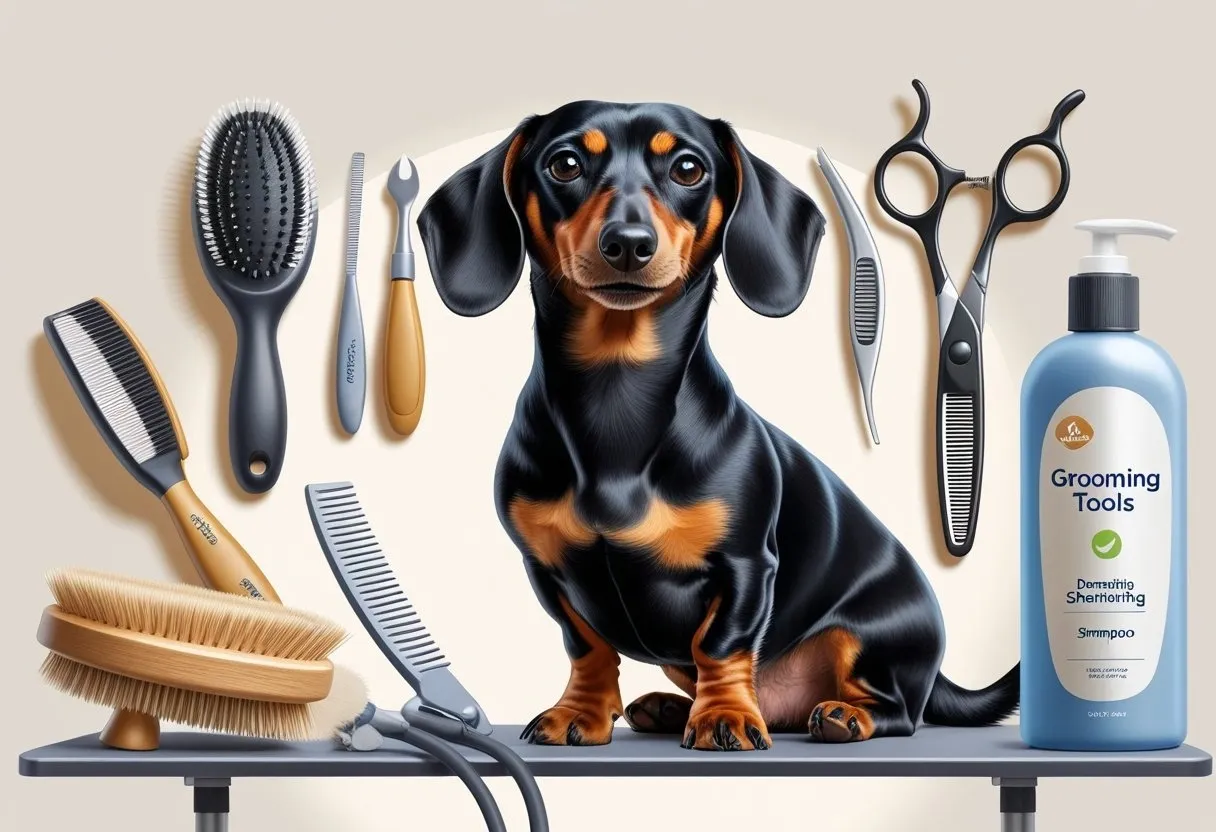
Image Source: Doxie Nest
Dachshunds come in three distinct coat types, and each needs its own grooming routine. These dogs stay naturally clean with minimal body odor, but their coat health depends on proper care tailored to their variety.
Smooth coat care
Smooth-coated dachshunds are the easiest to maintain. People often call them “wipe-clean” dogs. A soft-bristled brush or rubber mitt used once or twice weekly keeps them looking neat. The brush should follow the hair’s natural direction to remove loose and dead hair.
These dogs need a bath every 4-6 weeks. Too much bathing strips away natural oils and can irritate their skin. A simple towel dry is enough after their bath.
Long-haired Dachshund maintenance
Long-haired dachshunds need more attention and daily brushing to keep their coat healthy and tangle-free. The hair behind their ears, under legs, and around feet needs extra care to prevent matting.
The best way to groom these dogs is to work in sections. A pin brush helps fluff up the coat, while a slicker brush removes tangles. Some areas might need trimming, especially around the ears and belly. Monthly baths help maintain their coat’s natural shine.
Wirehaired grooming needs
Wirehaired dachshunds have special grooming requirements due to their dense undercoat and rough outer layer. A quality bristle brush should be used several times each week. Gentle pressure helps reach the skin and stimulates oil glands while removing dead skin.
The coat needs stripping twice a year to remove dead fur and prevent matting. This keeps the coat texture and appearance in good shape. A professional groomer should handle them every 2-3 months to maintain their signature beard and eyebrows.
Nail, ear, and dental care
Every dachshund variety needs regular nail, ear, and teeth care. Nail trimming should happen every 3-4 weeks. Long nails can affect how they walk and harm their spine.
The dog’s ears need monthly checks and cleaning with a vet-approved drying solution – never water, which leads to infections. Their long ears trap moisture and debris easily.
A dachshund’s small mouth and crowded teeth make dental care crucial. Brushing 2-3 times weekly with dog toothpaste prevents tartar buildup. Regular dental care helps avoid common vet visits.
Training Your Dachshund Puppy
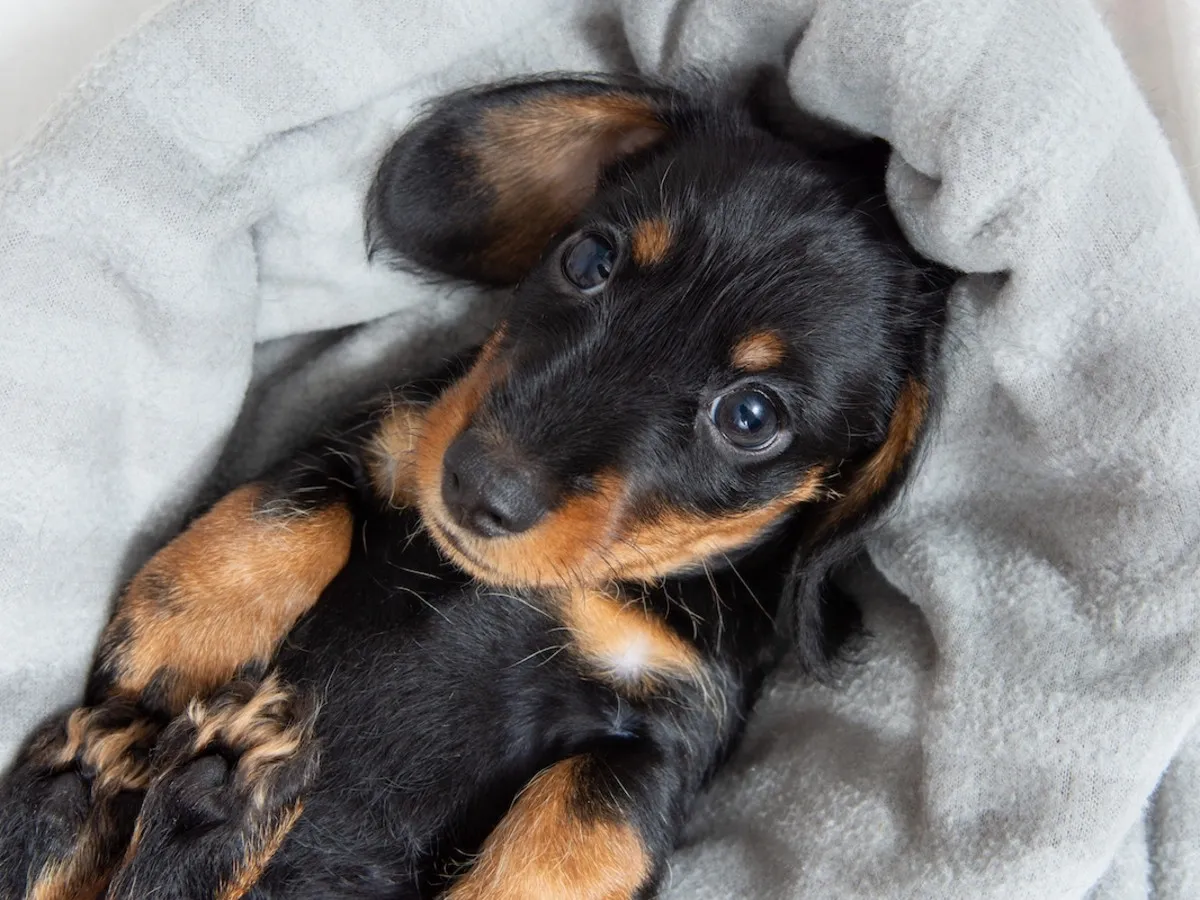
Image Source: PetHelpful
Training a dachshund puppy needs you to understand their unique personality traits and adapt your methods. These lively little dogs have earned their reputation as stubborn pets that challenge even seasoned dog owners.
Understanding their stubborn streak
Dachshunds blend high intelligence with strong hunting instincts. They question commands before they follow them. Their independent nature comes from their breeding history—these dogs needed exceptional determination to chase prey underground. This genetic makeup creates a pup that shows remarkable persistence to get what it wants, often against its owner’s wishes. You’ll train them better when you see this trait as part of their character—not defiance.
Positive reinforcement techniques
These dogs respond best to reward-based training that makes learning fun. As one expert notes, “They really want to please you, so it helps if they understand your expectations”. Your training sessions should be short but frequent rather than long and sporadic. The quickest way to train includes:
High-value treats or favorite toys as motivation
Rewards right after good behavior
Clear commands and boundaries
Time to repeat and practice
Housetraining challenges
Potty training presents a special challenge with dachshunds. They hate going outdoors in bad weather—rain, cold, or darkness makes them resist. A designated potty area and strict schedule help build good habits. Your puppy needs to go outside right after meals, naps, and playtime to increase success.
Addressing barking habits
Your dachshund’s loud bark served a purpose during hunting—it helped handlers locate them underground. Teaching “quiet” or “enough” commands needs consistency. Stay calm and reward silence instead of shouting. Your dog will bark less from boredom if you provide enough exercise and mental stimulation.
Socialization with other pets
The right socialization balances your dachshund’s bold nature. Your puppy should meet different environments, people, and animals between 8-12 weeks of age (after their first shots). Start with positive interactions in familiar places before moving to busier settings. This gradual approach builds confidence and prevents fear responses that could become problems later.
Is a Dachshund Right for You?
You need to think about several vital factors beyond their charm before bringing a dachshund into your home.
Living space considerations
Dachshunds adapt well to homes of all sizes, including apartments. These dogs need minimal space, making them perfect for compact living as long as they get enough daily walks and playtime. However, their vocal nature might create issues in apartments if you don’t train them to control their barking.
Family compatibility
Dachshunds make great family pets but bond better with older children. Their small stature puts them at risk with rough handling, especially the miniature breeds. New dog owners should know that their stubborn personality can be challenging.
Time and attention requirements
Your dachshund will need 30-60 minutes of exercise each day. These social dogs hate being alone too long. Their independent nature means you’ll need to stay consistent with training and keep their minds busy.
Cost of ownership
The price range varies by a lot—adoption costs about INR 42,190 while puppies from good breeders cost between INR 101,256 and INR 295,331. Your first year will cost around INR 84,380-168,760. Getting health insurance is smart since back problems could mean surgery costing INR 6,000-10,000.
Adopting vs. buying a Dachshund puppy
Adoption saves money and gives a deserving dog a new home. Buying from trusted breeders gives you health history and more predictable traits. Both options can lead to amazing companions if you plan ahead.
Conclusion
Dachshunds rank among the world’s most recognizable dog breeds. These dogs are evidence of selective breeding that created excellent hunters, now loved as family pets. Their unique body shape – long with short legs – reflects their badger-hunting past. Dog lovers can choose from three coat types based on their priorities and lifestyle. These small dogs pack surprising courage, intelligence, and loyalty that’s nowhere near what you’d expect from their tiny size.
Life with a dachshund brings plenty of fun moments and responsibilities. You’ll love their bold personality and protective nature that makes them great watchdogs. Notwithstanding that, their backs need extra care. Owners must learn proper lifting methods, keep their weight in check, and limit jumping. Each coat type needs different grooming – smooth coats need minimal care while long-haired and wirehaired types need more attention.
These independent-minded dogs can be tricky to train. Early training with patience and positive reinforcement tends to work best. People often call them stubborn, but dachshunds do well with clear rules and activities that tap into their hunting instincts.
Getting ready to bring a dachshund home means thinking about your living space, family setup, schedule, and budget. Adopting is a chance to help a dog that needs a home. Buying from good breeders can give you peace of mind about health issues. Whatever way your dachshund comes to you, these charming dogs bring loyalty, character, and an unmistakable appeal that keeps winning hearts through the years. They adapt well to homes of all sizes, and their long lifespan makes them amazing companions if you’re ready to meet their special needs.
Key Takeaways
Understanding these essential insights will help you make informed decisions about dachshund ownership and provide optimal care for these unique companions.
• Dachshunds are prone to back problems (IVDD affects 25% of the breed), requiring careful handling, weight management, and avoiding jumps to protect their spine.
• These intelligent but independent dogs need patient, positive reinforcement training due to their stubborn streak inherited from their hunting background.
• Regular grooming varies by coat type: smooth coats need minimal care, while long-haired and wirehaired varieties require daily brushing and professional maintenance.
• Despite their small size, dachshunds make excellent watchdogs with surprisingly loud barks and bold personalities that often exceed their physical dimensions.
• Proper exercise (30-60 minutes daily) and mental stimulation are crucial for preventing behavioral issues while supporting their muscular health and spine protection.
The key to successful dachshund ownership lies in understanding their unique needs stemming from their specialized hunting heritage. While they face specific health challenges, particularly spinal issues, proper preventive care and lifestyle management can help these charismatic dogs live their full 12-16 year lifespan as devoted family companions.
FAQs
Q1. Are dachshunds suitable for first-time dog owners? Dachshunds can be good pets for first-time owners, but they require patience and consistent training. Their playful nature and love for mental challenges make them engaging companions. However, their independent streak means they may not always follow commands immediately.
Q2. How much exercise does a dachshund need daily? Dachshunds typically require 30-60 minutes of exercise per day. This can be split into two walks or play sessions. It’s important to provide regular activity to maintain their muscle tone and support their long spine, but avoid high-impact exercises that could strain their backs.
Q3. What are the grooming needs for different dachshund coat types? Grooming needs vary by coat type. Smooth-coated dachshunds need minimal grooming with weekly brushing. Long-haired dachshunds require daily brushing to prevent tangles. Wirehaired dachshunds need regular brushing and professional grooming every few months to maintain their coat texture.
Q4. How long can dachshunds be left alone? Adult dachshunds can generally be left alone for 4-6 hours. However, they are prone to separation anxiety and prefer companionship. Leaving them alone for extended periods can lead to stress and behavioral issues. It’s best to provide them with mental stimulation and arrange for breaks if you’re away for longer.
Q5. What health issues are common in dachshunds? The most significant health concern for dachshunds is Intervertebral Disk Disease (IVDD), affecting about 25% of the breed. They’re also prone to obesity, which can exacerbate back problems. Other issues include eye problems, dental issues due to their small mouths, and potential ear infections because of their long ears.