
Border Collie
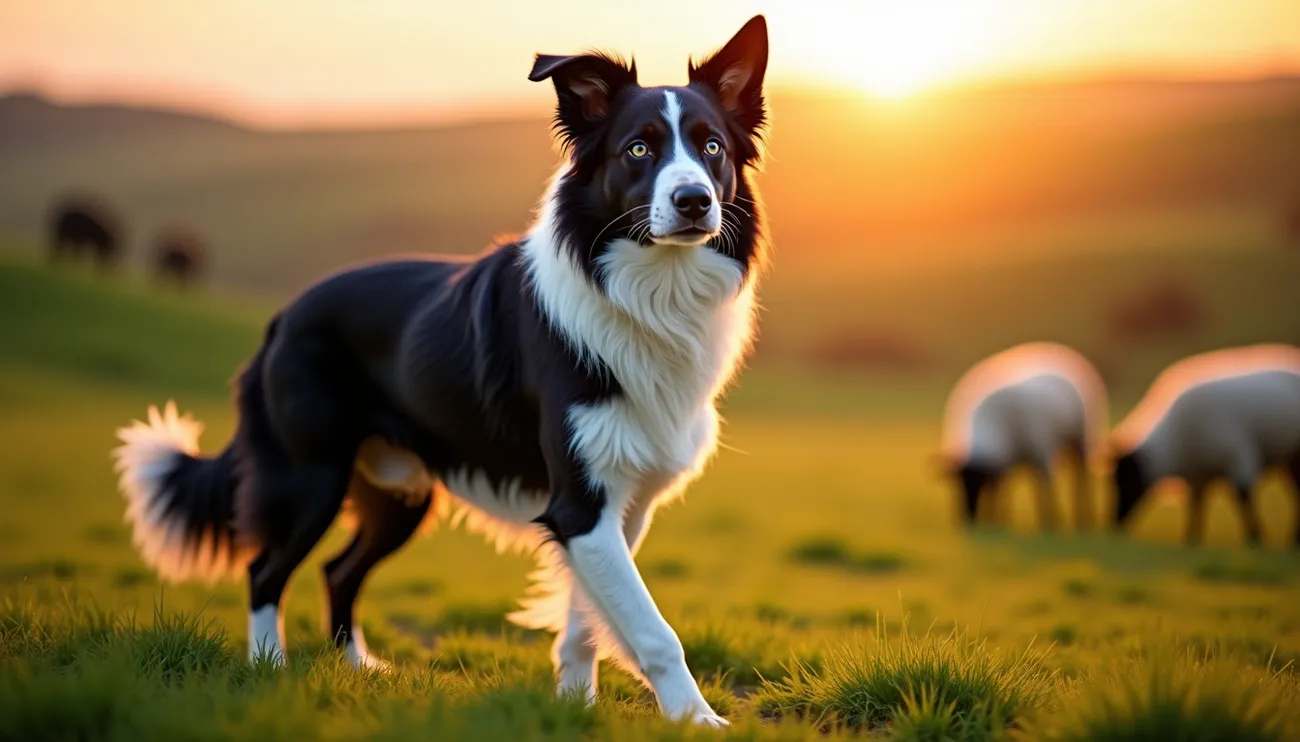 Border Collies stand out as the world’s smartest dog breed. Their intelligence shines through amazing examples like Chaser, who mastered the names of more than 1,000 objects. These medium-sized herding dogs trace their roots to the Anglo-Scottish border region, where they evolved from sheepdogs that roamed the British Isles.
The breed’s history leads back to a single remarkable dog. Every Border Collie today can trace its lineage to a 19th-century stud dog named Old Hemp. Most Border Collies sport medium-length, double coats with wavy hair, though short-haired varieties are common too. These dogs live 12-15 years, which beats the average crossbreed dog’s lifespan of 11.82 years.
The working heritage shapes a Border Collie’s personality. These dogs need tasks and mental challenges to stay happy. Dog owners quickly learn that their Border Collie will create its own projects if they don’t provide enough stimulation. The breed’s high energy and sharp mind make them natural champions in agility competitions and other dog sports.
History and Origin of the Border Collie
Border collies trace their roots to working dogs that grew over centuries in the rugged landscapes between Scotland and England. Unlike many modern dog breeds created for looks, border collies grew naturally as shepherds bred them for their work skills and smarts.
The roots in the Anglo-Scottish border
Border collies came from the Anglo-Scottish border region in the 19th century. Shepherds needed smart and nimble dogs to work with sheep in tough, hilly terrain. These dogs started as landrace collies—a type found all over the British Isles. Shepherds bred them for their amazing herding skills rather than how they looked.
The breed’s name tells us a lot about where it came from. “Border” points to the Anglo-Scottish border region where these dogs thrived. “Collie” has deeper roots in the Scots language. Some say it comes from an old Celtic word meaning “useful”. This name perfectly shows what makes these dogs special—they’re incredible working partners.
These border shepherds picked dogs with a unique “eye”—an intense stare that could control sheep without much barking. This special way of herding makes the breed stand out even now.
Old Hemp and the foundation of the breed
Every purebred border collie today links back to one amazing dog—Old Hemp. Adam Telfer bred him in Northumberland, England, where he was born in September 1893. Old Hemp was a tricolor dog with just a bit of white, quite different from many border collies we see today.
Old Hemp got the best traits from both parents that would shape the breed’s future. His father Roy, a black and tan dog, had a sweet nature. His mother Meg, a black-coated dog, had that intense “strong eye” trait. Old Hemp showed his amazing herding skills when he was just six weeks old.
Old Hemp changed everything with his unique style. Most sheepdogs at that time were noisy, but he moved sheep quietly and quickly. He worked so hard that his body would shake from intensity. Shepherds loved his methods so much that they wanted him to father their puppies. People think he had about 200 puppies in his life. Sheep naturally followed his quiet but powerful guidance.
James Reid, Secretary of the International Sheep Dog Society (ISDS), first used the name “border collie” in 1915. He wanted to set these special working dogs apart from other collie types. The ISDS started the first border collie registry, and Old Hemp was number nine out of more than 300,000 dogs.
Spread to New Zealand and Australia
British ports sent border collies to sheep farms and ranches worldwide, especially where wool became big business. Records show collies reached New Zealand as early as 1858, though nobody wrote down which type they were.
James Lilico from Christchurch, New Zealand, brought in several top working dogs from the United Kingdom in the late 1890s. One of these dogs was Hindhope Jed—a black, tan and white female born in Scotland in 1895. She had won three trials in Scotland before making her big trip.
Hindhope Jed arrived in New Zealand carrying puppies fathered by Captain, another border collie type dog. She became a champion working dog in both New Zealand and Australia. Charles Beechworth King and Alec McLeod took her to Australia in 1901, where she kept winning sheepdog trials.
Border collies changed how people farmed sheep in Australia and New Zealand. Their amazing herding skills worked perfectly on big stations where huge flocks needed quick handling across tough terrain. The New Zealand Heading Dog breed later grew from these border collie roots.
Border collies now live all over the world. They still excel at traditional herding and modern dog sports—proof of the quality breeding that started with Old Hemp more than 100 years ago.
Physical Characteristics and Appearance
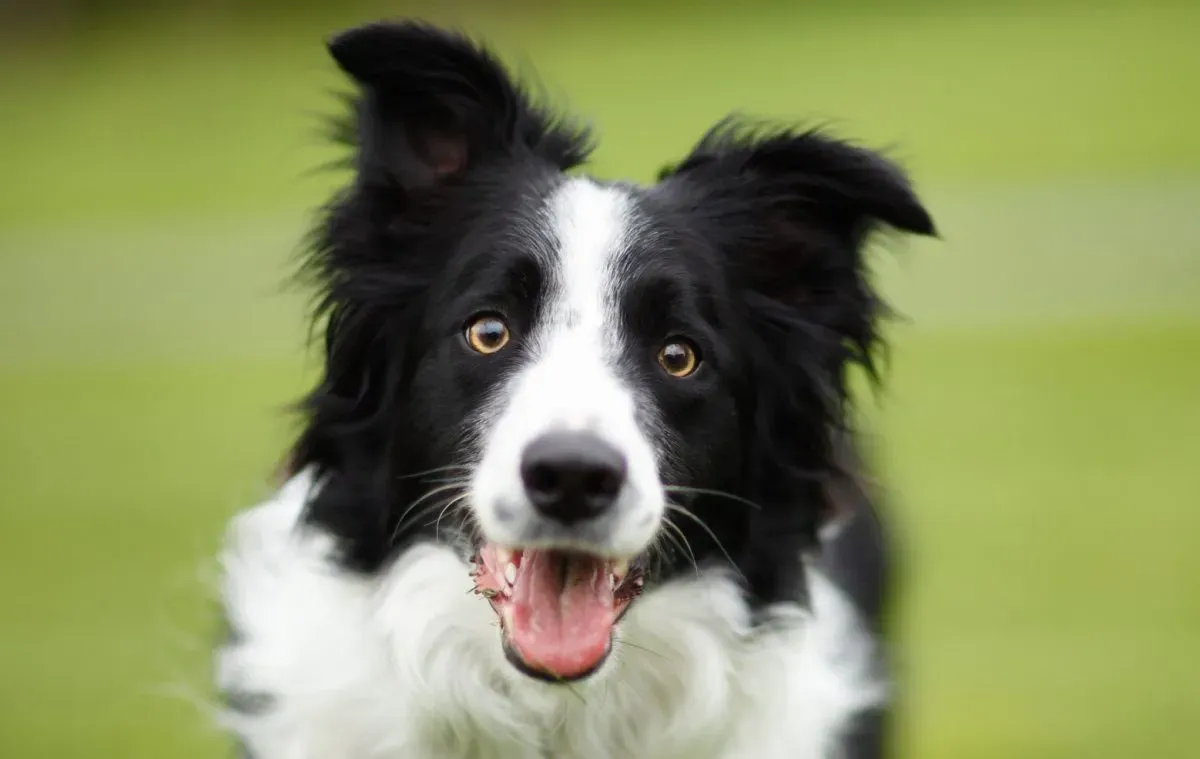
Image Source: DogTime
Border collies show amazing variety in how they look. They’re one of the most diverse-looking purebred dogs that share the same working background. These medium-sized herding dogs come with different coat types, colors, and features. Their athletic build pairs perfectly with weather-resistant coats that reflect their working roots.
Common coat types and colors
You’ll find border collies with two main coat types: rough and smooth. Whatever the length, these dogs have a double coat. A dense, protective undercoat sits under a coarser outer layer that stands up to harsh weather. Rough-coated border collies sport medium to medium-long hair with distinctive feathering on their legs, chest, and tail. Their smooth-coated cousins have shorter, closer-fitting fur but keep that same double-coat structure.
These dogs’ coats go beyond these simple types. The texture ranges from wavy to straight, and sometimes curly, with different levels of thickness. Some border collies even have bearded coats – a trait that shows up in purebreds with working beardie ancestors.
Black and white might be what you see most often, but border collies come in almost every color and pattern dogs can have. The American Kennel Club says these 17 standard colors are official:
Black (with or without white markings)
Blue and blue merle
Red and red merle
Chocolate/liver and white
Gold
Sable and sable merle
Brindle
Lilac
Tricolor combinations (black/tan/white or red/tan/white)
On top of that, these colors mix with various markings. White patches, tan points, merle patterns, or ticking (tiny spots in white areas) are common. The breed standard doesn’t favor any color or pattern over others.
Eye color and ear variations
A border collie’s eye color usually matches its coat, which adds to their expressive looks. Dark-coated dogs tend to have brown eyes ranging from deep black-brown to light amber. But these dogs can have eyes in almost any color – green, gold, and blue included. Merle-coated dogs often have different colored eyes, or even multiple colors in one eye (sectoral heterochromia).
Their ears show just as much variety, with several recognized types:
Fully erect (prick ears)
Semi-erect (tipped or tulip ears)
Fully dropped ears
Mixed ears (one erect, one dropped)
Each ear type gives these dogs their unique character and expression. Old stories suggest that dogs with one blue eye and one brown eye had special herding powers – one eye for distant sheep and one for nearby animals.
Size and weight range
Border collies stay within a medium size range that helps them work efficiently. Male border collies should stand 19 to 22 inches at the withers, while females run slightly smaller at 18 to 21 inches. Their weight matches their height nicely – males typically weigh 30 to 55 pounds, and females 27 to 45 pounds.
This size range lets them move with the exceptional agility and stamina that makes them great herding dogs and sport competitors. Their bodies have just the right bone structure – not too light or heavy. This creates the perfect mix of speed, endurance, and working ability that these dogs have shown for generations.
Border Collie Temperament and Intelligence

Image Source: YouTube
Border collies stand out from all but one of these dog breeds with their amazing work ethic. These dogs combine brainpower and temperament in a unique way. Their mental abilities and laser-sharp focus create a companion that shines in many roles, but owners need to understand them well.
Why they’re the smartest dog breed
Border collies sit at the top of canine intelligence rankings. Scientific research backs up what shepherds have known for ages. These dogs can learn new commands with fewer than five repetitions and follow known commands right away with 95% accuracy. Other smart breeds are nowhere near this level – they need 25-50 repetitions to learn commands and get it right only half the time.
These dogs’ intelligence shows up in remarkable ways. Take Chaser, a prominent border collie who knew more than 1,000 object names. Another border collie, Rico, could respond to over 200 words. No other breed matches this vocabulary skill.
A detailed study of dog thinking showed border collies excel at reading social signals, controlling impulses, and figuring out spatial puzzles. Their smarts come from breeding that focused on intelligence and work ability rather than looks. Dog intelligence expert Stanley Coren states: “According to my research, the seven dog breeds with the highest working and obedience intelligence, starting with the brightest are: Border Collie, Poodle, German Shepherd, Golden Retriever, Doberman Pinscher, Shetland Sheepdog and Labrador Retriever”.
Typical behavior traits
It’s worth mentioning that border collies have intense energy and drive. They’re workaholics who need a purpose. They can develop bad habits without enough physical exercise and brain work.
Their herding instincts run deep, so they often try to “herd” family members, children, or other pets by circling, nipping, or nudging. This comes from their working background and needs proper training.
Border collies show several unique behaviors:
They watch everything and make great guard dogs by alerting owners to visitors or unusual activity
They stay cautious with strangers but show lots of love to family
They use intense focus and their famous “eye” while herding
They think on their own and solve problems
They really want to please their owners, which makes training easier
Adult border collies need one to two hours of daily exercise. Senior dogs slow down to about 30 minutes as they age. Brain work through training, puzzle toys, and different activities matters just as much for their health.
Suitability for families and children
Border collies can become great family dogs in the right setting. Their loyal, protective, and playful nature wins many hearts. All the same, they’re not right for everyone.
These dogs make perfect companions for active families who love outdoor activities. They do best in homes that provide lots of exercise, mental challenges, and steady training. Families into hiking, running, or dog sports will find eager partners in these dogs.
Border collies usually do better with older, dog-savvy kids. Their herding instincts might make them nip at small children who run around. Early socialization and good training help create harmony between these dogs and children.
These dogs usually get along with other pets after proper introductions, especially if they grow up together. Training can help control their urge to herd smaller animals.
These smart dogs ended up being too much for first-time dog owners because of their special needs. They need experienced handlers who get their working drive and can channel their energy and smarts the right way.
Health and Lifespan of Border Collies
Border collies are resilient working dogs that live longer than many breeds of similar size. These intelligent canines can stay active companions for well over a decade if you give them proper care and attention. Their unique health profile helps owners provide the best care throughout their lives.
Average lifespan expectations
Border collies typically live between 12 and 15 years. They rank among the longest-living medium-sized dog breeds. Their working heritage explains this impressive lifespan. Historically, breeders favored healthy, resilient dogs that could perform demanding tasks daily.
Genetics determine much of a dog’s lifespan, but environmental factors like diet, exercise, and preventative healthcare affect how long these dogs live. A border collie’s life might be cut short by one to three years without good dental care. Weight management is vital since obesity can trigger or worsen joint problems, metabolic disorders, and heart disease.
Common genetic conditions
Border collies are healthy dogs overall, but they can develop certain genetic health issues. Here’s what owners should know:
Hip Dysplasia: This condition affects about 11% of border collies. The hip joint’s ball doesn’t fit properly into the socket, which leads to painful arthritis over time. The Orthopedic Foundation for Animals shows an 8.4% dysplastic rate for Border Collies born between 2011-2015.
Eye Conditions: Less than 2.5% of border collies have Collie Eye Anomaly (CEA). CEA affects the retina’s development, optic nerve, and choroid. Dogs can experience anything from mild vision changes to complete blindness by 6-8 weeks of age.
Epilepsy: This neurological disorder affects up to 5% of the breed. Border collie epilepsy shows up between ages 1-5 years. Seizures can range from mild twitching to full-body convulsions.
Trapped Neutrophil Syndrome (TNS): This rare genetic condition affects less than 0.5% of border collies. TNS weakens the immune system because white blood cells can’t move from bone marrow into the bloodstream. Dogs become more vulnerable to infections.
Other genetic issues include Neuronal Ceroid Lipofuscinosis (less than 0.5%), which causes neurological symptoms around 15-20 months. Imerslund-Grasbeck Syndrome stops vitamin B12 absorption. The Multi-Drug Resistance gene mutation (MDR1) makes dogs sensitive to certain medications.
Preventive care and testing
Good health management helps your border collie live longer. Healthy adults need at least one vet visit each year. These checkups let vets screen for breed-specific conditions through physical exams, blood work, and specialized tests.
Dental disease is a big concern. It affects 80% of all dogs by age two and border collies get it often. Regular teeth cleaning and professional care prevent this condition from harming your dog’s health.
Genetic testing gives border collie owners and breeders valuable information. Tests can check for CEA, TNS, NCL, MDR1, and cobalamin malabsorption. Responsible breeders test for these issues to protect future generations.
Daily care makes a difference too. Keep your dog lean through proper diet. Give moderate exercise but avoid pushing growing puppies too hard. Stay current with vaccinations. Working border collies need extra attention because their athletic nature puts stress on their joints.
Quick problem detection leads to better outcomes. Regular wellness checks help keep these active, hardworking companions healthy throughout their lives.
Training and Mental Stimulation Needs

Image Source: PetsCare.com
Border collie training should start the moment your puppy comes home. These amazing herding dogs need mental challenges and meaningful work to thrive, so proper training makes a huge difference in their lives.
Importance of early training
Border collies pick up training at a very young age. Experts say formal training works best when puppies are 3-4 months old. These puppies turn into “learning machines” between 8-12 weeks – their brains work at full speed during this time. The lessons they learn during this key period shape their behavior for life.
Your training approach needs to stay consistent with border collies. Their sharp minds quickly spot any changes in how you train them. Short, focused 10-20 minute sessions work much better than long, random ones. Many trainers find that quick sessions right before meals get the best results.
Getting your puppy comfortable with different people, animals, and places in their first 16 weeks matters just as much as obedience training. Teaching them to come back when called could save their life one day. Some trainers suggest using three different recall commands for various situations.
Mental enrichment activities
Border collies need mental challenges just as much as physical exercise. These dogs get restless and bored without enough brain work. The interesting part? Physical exercise alone creates a tough cycle – your dog just gets fitter and needs more exercise to get tired.
Great ways to keep their minds busy include:
Puzzle toys and food dispensers that test their problem-solving skills
Scent work that uses their amazing sense of smell
Trick training beyond the usual commands
Interactive games like “sheep balls” that tap into their herding instincts
Foraging activities such as snuffle mats, scatter feeding, or hidden treats
Research shows mental exercises tire out border collies and help build a stronger bond with you. Activities that involve licking, sniffing, and proper chewing naturally help them stay calm.
Avoiding destructive behavior
Border collies will make up their own “jobs” if they don’t have enough to do – usually things you won’t like. They might start digging holes, barking too much, chasing cars, or develop odd habits like chasing shadows.
You can prevent these issues by setting clear limits and giving them better options from the start. A good chew toy keeps them from destroying furniture or shoes. A special digging area lets them follow their natural instincts without ruining your yard.
These dogs need new training challenges their whole lives. After they learn the basics, move on to advanced obedience, tricks, or dog sports to keep their minds sharp. Teaching them self-control and how to settle down helps just as much as active training.
Working Roles and Dog Sports

Image Source: Pngtree
Border collies started as sheep herders but have grown into some of the world’s most adaptable working dogs. These dogs combine remarkable smarts with a strong work ethic to excel at both traditional farm work and modern dog sports.
Herding and livestock work
Border collies lead the pack as the most popular herding dogs worldwide. They expertly handle sheep, cattle, goats, and even poultry. Their unique herding style centers on the famous “eye” – a piercing stare that controls livestock without much barking. This technique first caught public attention as early as 1873 in Wales, where people watched in amazement as these dogs guided sheep into small pens using just hand signals and whistles from their handlers.
These dogs really shine when they gather animals and bring them to their shepherd. “I cannot praise my Border Collies enough… they make managing a shepherd’s flock, whatever the size, easier”. They also help sort animals, keep them away from feeders, and find any that are sick or hurt. Their natural instinct drives them to the front of the herd to stop animals from running off.
A single border collie can handle up to 700 animals, depending on what they’re herding. Professional handlers use special commands that mix voice and whistle signals their dogs can hear from over 500 meters away.
Agility, flyball, and obedience
Border collies rule the world of competitive dog sports with their speed, agility, and quick thinking. They zip through agility courses full of jumps, tunnels, weave poles, and obstacles with amazing accuracy. Their herding background helps them work far from their handlers, unlike most breeds that need their owners running beside them.
These dogs thrive in flyball. This high-energy sport pits teams of four dogs against each other in relay races. They jump hurdles, trigger a box that releases a tennis ball, catch it, and race back. Border collies stood out on winning teams in both Regular and Multi-Breed divisions at the 2025 Westminster Kennel Club Dog Show.
Border collies also shine in:
Disk dog competitions with long throws and acrobatic catches
Obedience trials at all levels
Treibball (herding large exercise balls)
Competitive frisbee
Search and rescue capabilities
Border collies play a vital role in search and rescue operations. Their keen sense of smell helps them find people buried in avalanches or lost in the wilderness. Blitz, a border collie in England, saved a 51-year-old woman’s life in 2016 by finding her under thick foliage where human searchers had failed.
In Italy’s avalanche-prone Dolomites, border collies like five-year-old Zen find buried victims more accurately than electronic devices. One rescuer explained, “If something goes wrong though, the only weapon Alpine rescuers have to search is dogs. We have no other chance”. These dogs take the first helicopter from rescue base and reach avalanche sites within 15-20 minutes.
Border collies show an amazing mix of intelligence, physical prowess, and dedication that makes them outstanding working partners.
Grooming and General Care
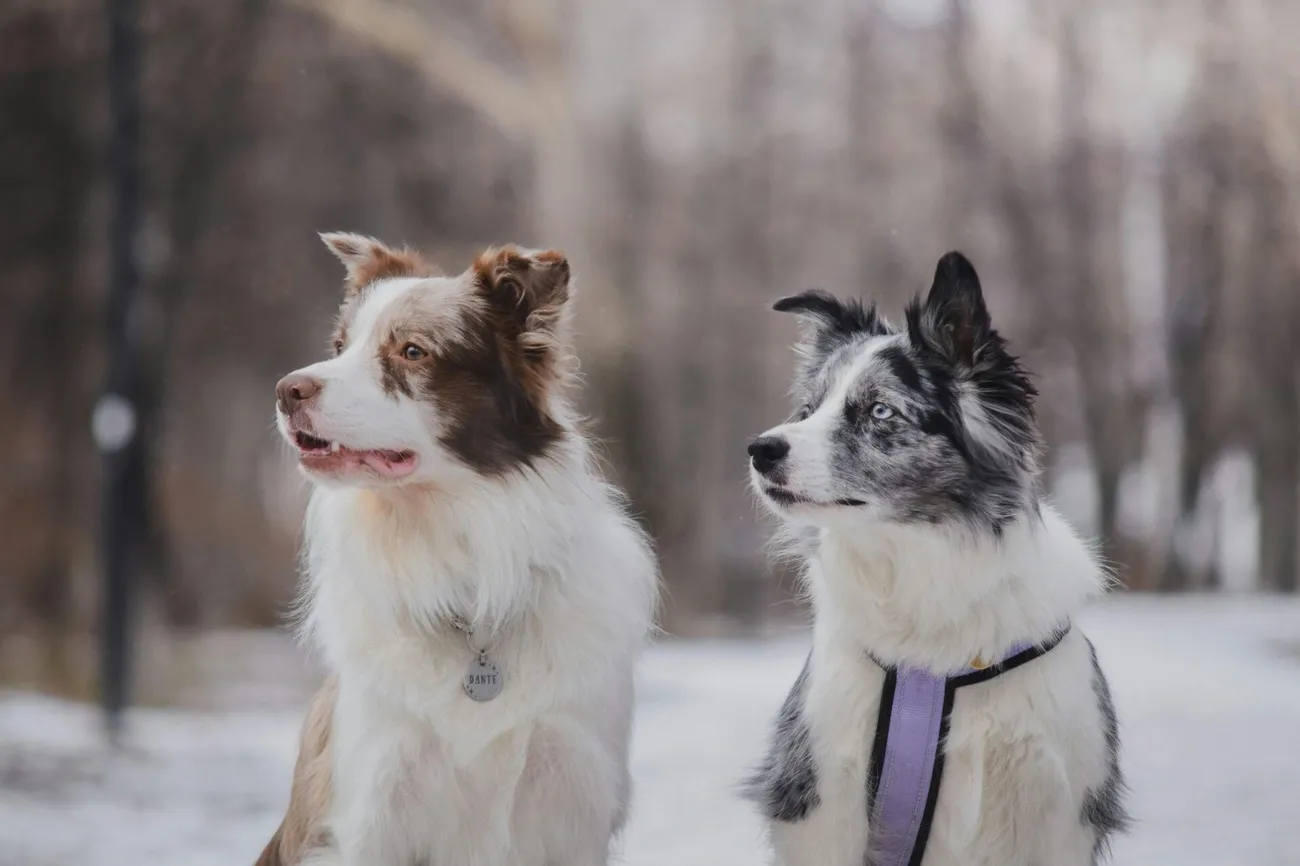
Image Source: Jim’s Dog Wash
Border collies need regular grooming to stay healthy and comfortable. These dogs are pretty easy to maintain, but they do need some basic care routines.
Coat maintenance and brushing
Border collies have a double coat that sheds moderately year-round but “blows” its coat completely in spring and fall. You should brush your collie 2-3 times weekly with a slicker brush. This removes loose hair and stops matting. The shedding seasons need daily brushing to handle all the extra fur. An undercoat rake works great for the dense lower coat, and a dual-width comb helps detangle tricky spots. The areas behind their ears and under their legs need extra care since mats show up there often.
Bathing and nail trimming
Your border collie needs a bath every 6-8 weeks or even every three months based on how active they are. Too much bathing can strip their coat’s natural oils. Give them a good brush before the bath to remove loose fur. Use lukewarm water and dog shampoo, and keep soap away from their eyes while rinsing. Their nails need monthly trimming – if you hear clicking on hard floors, they’re too long. Many people prefer taking their dogs to professionals for nail care since cutting too short can make them bleed.
Ear and eye care routines
Check your collie’s ears weekly to prevent infections. Their ear shape tends to collect dirt and wax, so clean them regularly with vet-approved solutions. Make sure to dry their ears after baths or swims. Watch out for signs of ear problems like head shaking, scratching, or bad smells. White-coated border collies might get red tear stains from iron-containing porphyrins. You can clean under their eyes twice daily with a soft, damp cloth to help with staining.
Buying or Adopting a Border Collie
Getting a border collie is a big decision that starts with finding the right place to get your new family member. You need to know about costs, check out breeder credentials, and look into adoption options to make the right choice.
Border Collie puppy price in India and globally
Border collie prices can vary a lot depending on where you look. Indian markets price purebred puppies between ₹10,000 to ₹60,000. Some sources put the range at ₹12,000-18,000. KCI certification and health papers will bump up the price.
The global market shows even bigger price swings based on where you buy, the dog’s bloodline, and available paperwork. You’ll find prices from INR 16,876 to INR 126,570. Farm-bred working dogs usually cost less than those bred for shows.
What to look for in a breeder
Good breeders test their dogs for hip dysplasia, eye problems, and genetic issues before breeding. They limit their breeding to 1-4 litters yearly and take time to screen potential buyers carefully.
The best breeders welcome visits to see their setup. They’ll let you meet the puppy’s parents, show you health certificates, and stay in touch after you take your pup home.
Adoption vs. buying considerations
Rescue organizations offer a budget-friendly option at INR 4,219 to INR 25,314. This price often covers first shots, fixing, and sometimes microchipping. Many rescues throw in extra perks like training tips and special rates at partner vet clinics.
Choosing adoption helps dogs find new homes. Buying from good breeders supports responsible breeding practices.
Conclusion
Border Collies are amazing dogs that stand out for their intelligence and versatility. These incredible dogs have proven their worth as working partners and family pets, from their beginnings in the Anglo-Scottish borderlands to their worldwide recognition today. Each Border Collie looks unique with different coat types, colors and ear shapes, yet they all share that athletic build that comes from their herding background.
Without doubt, these dogs are smarter than most other breeds out there. Their intelligence means they just need proper training when they’re young, plus regular mental challenges throughout their lives. These brilliant dogs will make up their own activities if you don’t give them enough to do, and that often leads to behavior their owners don’t appreciate.
Border Collies shine in many roles beyond their traditional herding work. You’ll see them excelling at agility, flyball, search and rescue work, and competitive obedience. Their drive to work is at the heart of who they are – they’re happiest when they have real jobs to do.
Anyone thinking about getting a Border Collie should understand what these dogs need. They do best with active families who can give them daily physical exercise and mental challenges. These dogs typically live 12-15 years and stay healthy, but knowing about possible genetic issues helps with preventive care.
Getting a Border Collie, whether from a good breeder or rescue group, means committing to their care, training, and enrichment for life. The payoff is amazing if you can meet their needs – you’ll have a loyal, smart companion whose abilities will keep surprising you, just as they have for hundreds of years of human partnership.
Key Takeaways
Border Collies are extraordinary dogs that combine unmatched intelligence with intense working drive, making them both remarkable companions and challenging pets that require dedicated owners.
• Border Collies are the world’s smartest dog breed, learning new commands in under 5 repetitions with 95% first-try success rates.
• These high-energy dogs need 1-2 hours of daily exercise plus mental stimulation to prevent destructive “self-employment” behaviors.
• Early training starting at 3-4 months is crucial, as their intelligence makes them notice inconsistencies in training approaches.
• They excel in herding, agility, search and rescue, and dog sports due to their athletic build and problem-solving abilities.
• With proper care, Border Collies live 12-15 years but require health screening for genetic conditions like hip dysplasia and eye disorders.
• Best suited for active families with dog experience who can provide consistent mental challenges and physical outlets for their working heritage.
Border Collies aren’t ideal for first-time owners or sedentary households, but for the right family, they offer unparalleled loyalty, intelligence, and companionship that makes every training session and outdoor adventure a rewarding experience.
FAQs
Q1. How much exercise does a Border Collie need daily? Adult Border Collies typically require 1-2 hours of exercise per day. This should include both physical activity and mental stimulation to keep them happy and prevent destructive behaviors.
Q2. Are Border Collies good family dogs? Border Collies can make excellent family dogs for active households. They are loyal and affectionate with family members, but do best with older, dog-savvy children due to their herding instincts. Early socialization and training are essential.
Q3. What health issues are common in Border Collies? Some common health concerns for Border Collies include hip dysplasia, eye conditions like Collie Eye Anomaly, epilepsy, and certain genetic disorders. Regular veterinary check-ups and genetic testing can help manage these risks.
Q4. How intelligent are Border Collies compared to other breeds? Border Collies are widely considered the most intelligent dog breed. They can learn new commands in fewer than five repetitions and obey known commands on the first try with a 95% success rate, far surpassing most other breeds.
Q5. What kind of grooming do Border Collies require? Border Collies need regular grooming, including brushing 2-3 times a week (daily during shedding seasons), occasional baths every 6-8 weeks, monthly nail trims, and weekly ear checks. Their double coat sheds moderately year-round with heavier shedding in spring and fall.