
Shiba Inu dog
Shiba Inu is the smallest among the six original Japanese dog breeds and has become Japan’s most beloved companion dog. This ancient breed’s history dates back before the emergence of modern dog breeds in the 19th century, making it one of the world’s oldest canine bloodlines. They were initially bred as hunting dogs.
The Shiba Inu’s temperament can be challenging to manage. Experts have categorized these dogs as having “high aggression, high reactivity and medium trainability”. The breed’s cultural importance led to its official recognition as a Natural Monument of Japan through the Cultural Properties Act in December 1936. The American Kennel Club acknowledged the breed relatively late in 1992, but Shiba Inus have steadily grown popular in the United States. They now rank 42nd in AKC registrations for 2024.
Potential owners should learn about this distinctive breed’s ancient origins, breed standards, spirited personality, and specific care requirements before bringing one home.
Origins of the Shiba Inu
The Shiba Inu’s rich heritage dates back thousands of years into Japan’s prehistory. Research shows these ancient dogs might have come with the first settlers to Japan around 7000 B.C.. They are among the oldest and most basic dog breeds we know today.
Ancient Japanese roots
Small dog figurines called Dogū from the Jōmon Period (14,000-300 BCE) give us the first solid proof of Shiba-like dogs in Japanese culture. These artifacts show small dogs ranging from 14½ to 19½ inches, which look a lot like the early Shiba Inu.
The third century B.C. brought another group of settlers to Japan. Their dogs bred with the Jomonjin canines that were already there. This mix created dogs with features we still see in modern Shibas – pointed ears and curly or sickle tails.
The Yamato Court showed how important these dogs were by setting up a special dogkeeper’s office in the seventh century A.D. This office looked after Japanese native breeds as key parts of their culture. The government’s early interest in these dogs came centuries before anyone started setting breed standards.
The Shiba Inu grew into three main types based on different regions:
Shinshu Shiba from Nagano Prefecture – small, red-colored dogs with dense undercoats and guard hairs
Mino Shiba from Gifu Prefecture – featuring thick prick ears and distinctive sickle tails
San’in Shiba from Tottori and Shimane Prefectures – larger than modern Shibas with predominantly black coats
The meaning behind the name
The name “Shiba Inu” can mean several things that tell us about its history. “Inu” means “dog” in Japanese. People have different ideas about what “Shiba” means.
Many think “Shiba” refers to “brushwood” – the kind of ground these dogs hunted on. This brushwood connection makes sense for two reasons. It tells us where they hunted and explains their color. The Shiba’s red coat looks like autumn brushwood leaves, which helped them blend in during hunts.
Some experts say “Shiba” comes from an old Japanese word for “small”. This makes sense because Shibas are smaller than other Japanese hunting dogs.
Early hunting roles
These dogs were great hunting companions. They helped flush out small game and birds in Japan’s mountains. Their small size, speed, sharp nose, and ability to learn quickly made them excellent hunters.
The Chūbu region’s rough mountains shaped these dogs. They became incredibly agile and tough, perfect for moving through difficult terrain. While they mostly hunted small game like birds and rabbits, these brave dogs sometimes helped catch wild boar too.
Samurai warriors in 10th-century Japan valued Shibas. The dogs served as both hunters and faithful companions. This connection to Japan’s warrior class made them even more important in Japanese culture.
The early 20th century nearly saw the end of pure Shibas. Western dogs came to Japan during the Meiji Restoration and mixed with local breeds. By 1912-1926, pure Shibas were rare. World War II made things worse with food shortages and disease outbreaks.
The breed survived thanks to the “Japanese Dog Preservation Society” (NIPPO), started by hunters and scholars in 1928. Their work paid off. The Japanese government named the Shiba Inu as a Natural Monument in December 1936.
The Shiba Inu Breed Standard
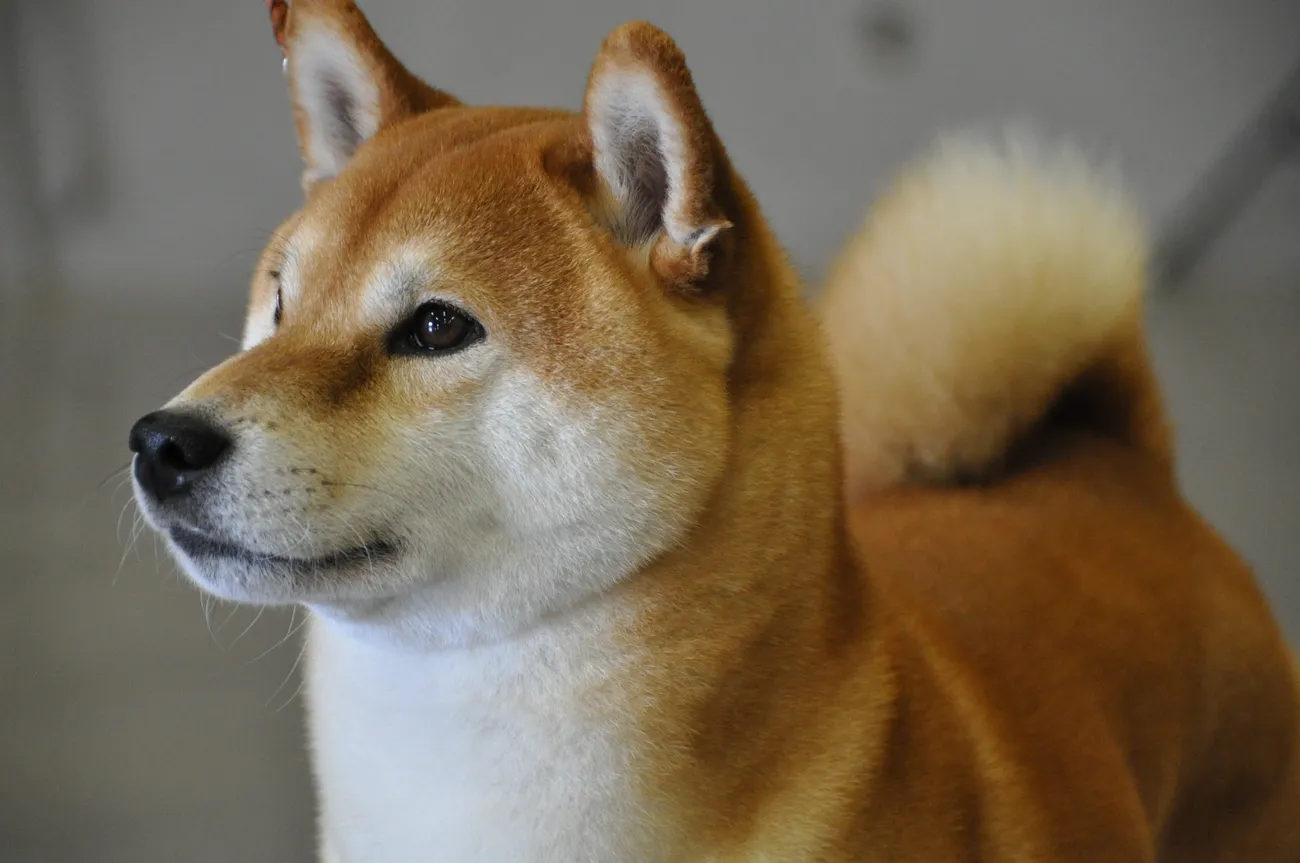
Image Source: Shiba Inu and Hokkaido Ken – WordPress.com
A clear breed standard defines the Shiba Inu’s physical traits. These dogs have a compact, balanced build with unique features that breeders work hard to maintain, keeping their authentic Japanese character alive.
Size and weight expectations
Shiba Inus are small-to-medium sized dogs with specific size requirements. The American Kennel Club standards say male Shibas should stand between 14½ to 16½ inches at the withers. Female dogs are smaller and measure 13½ to 15½ inches. Most breeders aim for dogs sized in the middle of these ranges – they show ideal Shiba proportions.
Males typically weigh about 23 pounds when they reach their ideal size. Females usually weigh around 17 pounds. Some sources mention slightly different ranges: 17-23 pounds for males and under 17 pounds for females.
Males have a height-to-length ratio of 10 to 11, while females’ bodies appear slightly longer. This subtle variation helps show the difference between genders. Dogs that don’t meet these size requirements can’t compete in shows. Males must not be over 16½ inches or under 14½ inches, and females must stay between 13½ and 15½ inches.
Shibas have moderate bone density that gives them a sturdy yet compact look. Their well-muscled body stays balanced despite their smaller size.
Recognized coat colors and markings
Shiba Inus come in four main coat colors, each with its own special traits. Bright orange-red stands out as the most common color – about 80% of Shibas wear this shade. The color ranges from light copper to deep russet, with pure red being the most desired.
Black and tan Shibas have mostly black coats with tan marks in specific spots: two oval patches above their eyes, areas between the black nose bridge and white cheeks, outer parts of front legs from wrist to toes, and outer parts of back legs from knee to toes.
Sesame coats are rare and complex. They show black-tipped hairs spread evenly over red fur. True sesame must follow strict rules: black should cover less than half the coat, spread evenly with no patches or mask, and show a clear red base.
Cream coats, though accepted by the AKC, don’t get much love in show rings because they hide the breed’s signature urajiro markings. Japanese standards see cream as a serious problem, but The Kennel Club in the UK accepts it.
These dogs have double coats – stiff, straight guard hairs on top and soft, thick fur underneath. Their coat adapts naturally to weather changes, growing fuller in cold times and thinner when it’s warm.
Understanding urajiro
Urajiro makes Shiba Inus special. This Japanese word combines “ura” (undersurface) and “shiro” (white), meaning “ventral white”. These cream-to-white marks show up in specific areas and must be present to meet breed standards.
The Japanese Dog Preservation Society (NIPPO) requires urajiro in these spots:
Muzzle sides and cheeks
Under the jaw and upper throat
Inside leg areas
Belly and under the tail
Red Shibas usually show urajiro on their throat and chest areas. Black and tan or sesame dogs typically have triangle-shaped marks on both sides of their chest.
Unlike random white spots on paws or tail tips, urajiro comes from specific coat color genes. This creates soft edges between red fur and urajiro areas instead of sharp lines. Cream Shibas have urajiro too – you just can’t see it against their light coat.
The best urajiro pattern strikes a balance – not too much, not too little. This special marking started as natural camouflage and remains crucial to the authentic Shiba Inu look.
Temperament and Personality Traits
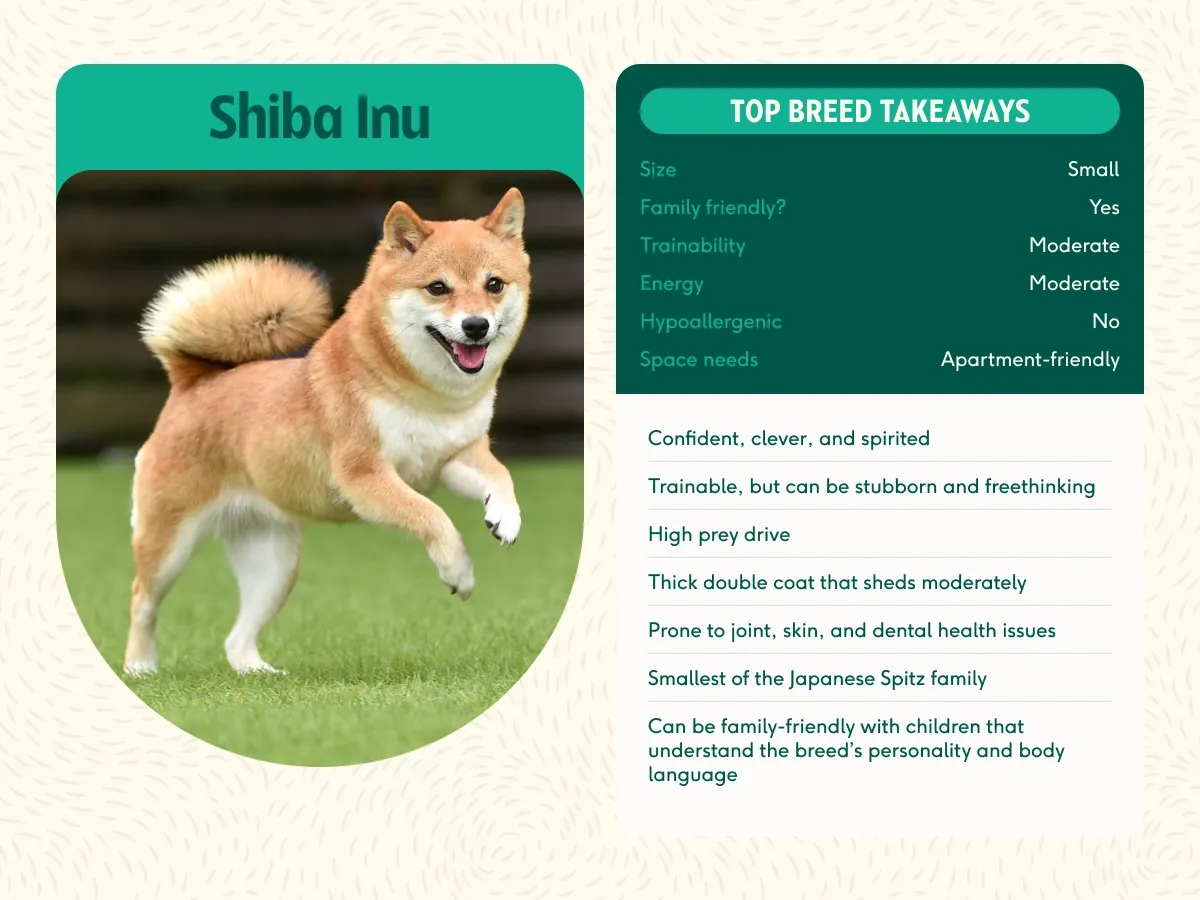
Image Source: Lyka
Shiba Inu dogs are known for more than just their unique looks. They have a complex personality that blends ancient hunting instincts with a fiercely independent spirit. Japanese experts describe these dogs through three key traits: kaani-i (spirited boldness), ryosei (good nature), and soboku (alertness). These traditional descriptors capture the essence of a breed that experts classify as having “high aggression, high reactivity and medium trainability“.
Independent yet affectionate
A Shiba Inu’s most defining trait is independence. These dogs show a “cat-like” demeanor and prefer doing things their way. Their self-reliance often shows up as aloofness, making many people compare them to cats. They like to think before acting and make their own choices instead of just following commands.
Their independent nature hides a deeply loyal companion underneath. These dogs build intense bonds with their families and protect their loved ones fiercely. They love regular playtime with their owners and create strong connections with their human companions. This selective affection makes their loyalty mean even more.
Strangers see a different side of these dogs. Most Shiba Inus keep their distance from unfamiliar people. They don’t usually bark much at newcomers, they just stay cautious around them. Starting socialization early helps reduce their standoffish behavior, though many keep their dignified reserve throughout life.
The spirited boldness of the breed
Confidence and boldness run through every aspect of a Shiba Inu’s behavior. These alert and spirited dogs face life with amazing self-assurance. Their bold personality matched perfectly with their historical hunting role, where they needed to make independent decisions.
Their intelligence makes this boldness even stronger. These dogs pick up commands and tricks quickly, but their independence means they choose when to listen based on what’s in it for them. One owner said it best: “Ask him to do a down stay and actually obey without a reward? Forget about it”.
Training these willful dogs needs patience. They respond best when they think obeying was their own idea. Their stubborn streak shows their thoughtful nature rather than simple disobedience. Positive reinforcement works much better than force with these independent thinkers.
Common behavioral quirks
The famous “Shiba scream” tops the list of unique behaviors. This high-pitched sound comes out when they feel excited, frustrated, or unhappy. Owners often mention this sound as one of the breed’s most distinctive traits.
These dogs’ clean habits stand out too. They groom themselves carefully, just like cats. Many even stay away from puddles and mud, showing how naturally tidy they are.
Other notable behaviors include:
Resource guarding: Many Shibas protect their toys, food, or territory strongly. Early training helps control this behavior.
Strong prey drive: Their hunting background gives them powerful urges to chase small animals.
Handling sensitivity: Some Shibas really dislike grooming, nail trimming, and similar handling.
Anxiety responses: They can be sensitive to changes and may react strongly to certain triggers.
Dog-to-dog interactions: Though not usually aggressive, many Shibas want their space and act snarky when other dogs get too close.
These dogs usually do better with older kids than younger ones. They don’t like rough handling and tend to guard their things, so they need watching around small children.
A Shiba Inu gives unmatched companionship to owners who understand and accept their unique personality. Their intelligence, loyalty, and spirited nature create a bond unlike any other in the dog world.
The Shiba Inu in Modern History
The Shiba Inu dog almost disappeared completely twice in recent history. This amazing breed barely survived the major changes that swept through modern Japanese history.
Near extinction and recovery
The Shiba Inu breed faced its first major threat during Japan’s push toward modernization. Western dog breeds became popular in Japan during the Meiji Era (1868-1912). People started breeding these dogs with English pointing and setting dogs throughout the Taisho Period (1912-1926). By 1926, pure Shiba Inus had all but vanished.
The breed’s fate changed in 1928. Dog lovers created the Nihon Ken Hozonkai (Japanese Dog Preservation Society), known as NIPPO. They started keeping detailed family records in October 1932. Their hard work paid off when Japan’s government named the Shiba Inu a National Monument through the Cultural Properties Act in 1936.
The breed faced another setback during World War II. Dogs died from lack of food and bombing raids. Japan’s struggling economy after the war left very few Shibas alive. Things got worse in the early 1950s when a deadly distemper outbreak almost killed the remaining dogs.
The three surviving bloodlines
The breed managed to survive through three different regional families:
Shinshu Shiba from Nagano Prefecture had small, red-colored dogs with thick undercoats and guard hairs. Most Shibas that lived through the war came from this group.
Mino Shiba from the old Mino Province (southern Gifu Prefecture) had thick, pointed ears and unique sickle tails instead of today’s Shiba’s curled tails.
San’in Shiba from Tottori and Shimane Prefectures grew larger than today’s dogs and usually came in black without the tan and white marks seen in modern black Shibas.
These three bloodlines helped bring back the Shiba Inu population. A dog named Naka Go became the life-blood of efforts to restore the breed after the war. Naka Go came from two important foundation dogs, Akani Go and Beniko Go, and started the famous Akaishi line.
Today, you rarely see pure Mino and San’in varieties. Most modern Shiba Inus come from a mix of all three original bloodlines.
Recognition by kennel clubs
The breed started gaining worldwide recognition after its comeback in Japan. A military family brought the first recorded Shiba Inu to America in 1954. The first American-born Shiba Inu puppies arrived 25 years later in 1979.
Dog clubs around the world soon took notice. The United Kennel Club added the Shiba Inu in 1992. That same year, the American Kennel Club (AKC) recognized the breed and placed it in its Non-Sporting Group the following year.
Shiba Inus have become very popular outside Japan. Recent American Kennel Club rankings show the breed as America’s 46th most popular dog. This amazing comeback shows both the breed’s toughness and its supporters’ dedication worldwide.
Health and Lifespan of the Shiba Inu
Shiba Inus are not just beautiful dogs with unique personalities – they also live remarkably long lives. Like all purebred dogs, these spirited Japanese companions face some health challenges that owners should know about.
Common genetic conditions
The most common health issue for Shiba Inus is patellar luxation, where the kneecap slips out of place. Small breeds often face this problem, but Shibas have it especially tough. A Japanese study ranked them second highest among small breeds, with about 35% of Shibas affected. You need to spot this early since it can range from occasional limping to serious mobility problems that need surgery.
Eye problems are another big concern. These dogs get glaucoma at an alarming rate. A Japanese study found something striking – Shiba Inus made up 33% of all glaucoma cases while being just 2.7% of the dogs studied. They can also develop cataracts (usually when young rather than old) and progressive retinal atrophy (PRA).
Despite their small size, hip dysplasia shows up in Shiba Inus more often than you’d expect. The Orthopedic Foundation for Animals reports that about 7.6% of tested Shibas have some form of hip dysplasia. This condition affects how their hip joints form and can lead to arthritis and mobility issues as they get older.
These dogs might also develop:
Skin irritation from environmental and food allergies
Thyroid problems, mostly hypothyroidism
Autoimmune conditions like VKH syndrome
GM1 gangliosidosis, a rare but serious genetic brain condition
Average life expectancy
The good news is that Shiba Inus tend to live longer than many other breeds. They usually live 13 to 16 years, which beats most other dogs in staying power.
Looking at cemetery records in Japan showed something amazing – Shiba Inus lived longer than any other breed studied, reaching an average of 15.5 years. A recent 2024 UK study backs this up, showing Shibas live about 14.6 years compared to 12.7 years for purebreds and 12 years for mixed breeds.
These dogs live so long because they’re generally healthy, naturally tough, and don’t often get life-threatening conditions. Their medium size helps too – they avoid many health problems that tiny or huge dogs face.
Preventive care tips
Taking good care of your Shiba Inu means staying on top of their health needs. Regular vet visits are key. Puppies should see the vet at 6-8 weeks, 10-12 weeks, 14-16 weeks, and 6 months. Adult dogs need yearly checkups, while dogs over 7 should go twice a year.
These dogs need extra attention to their teeth since they often get gum disease. Brush their teeth daily with special dog toothpaste. They might need professional cleaning every 1-2 years, depending on their mouth health.
The right amount of exercise keeps them fit without hurting their joints. Give them 30-60 minutes of walks and playtime each day. This helps prevent weight gain that could make joint problems worse.
Your Shiba needs core vaccines for rabies, distemper, parvovirus, and adenovirus. Talk to your vet about other shots based on your dog’s lifestyle and risks. Use flea, tick, and heartworm prevention all year round.
Feed them quality food made for small to medium breeds. Watch their portions to keep them at a healthy weight while getting all the nutrients they need.
Grooming and Coat Maintenance
Image Source: iHeartDogs.com
Shiba Inu dogs have a special double coat that needs proper care to stay healthy. Their famous shedding needs careful management, and the right coat care boosts their looks while making a big difference to their comfort and health.
Double coat care
A Shiba’s double coat has two layers – a thick, soft undercoat with a tough outer layer of guard hairs. This special coat setup helps control body temperature and guards against weather. The outer coat repels water and blocks dirt, while the undercoat works as vital insulation from hot and cold weather.
The double coat creates the Shiba’s classic look but needs the right care to work properly. The breed standard doesn’t allow trimming [link_1]. Owners must never shave their Shiba’s coat because it can mess up the natural hair growth and leave their skin open to sunburn.
Shedding patterns
These dogs shed a bit all year round, but they have two big shedding seasons called “blowing coat”. This heavy shedding happens in spring and fall when their bodies get ready for weather changes. Your Shiba will drop their whole undercoat over 2-3 weeks, often in big clumps that make them look uneven until it’s done.
New owners are often surprised by how much fur comes off. Many Shiba veterans joke about using “a comb rake while holding the vacuum to catch all the shed coat”. Changes in hormones and daylight trigger these seasonal coat blows, helping dogs adapt to new seasons.
Bathing and brushing tips
Your Shiba needs these basic grooming tools:
Undercoat rake to remove loose fur
Slicker brush to remove tangles
Pin brush to finish grooming
Brush your dog 2-3 times each week normally, but step it up to daily during shedding season. Their signature tail needs gentle handling – it looks sturdy but that’s just the thick fur.
Bathing should be minimal. Most Shibas need a bath every 4-6 weeks, or 8-12 weeks if they stay clean. Too much bathing strips away natural oils and affects the skin’s temperature control. You can add an extra bath during heavy shedding to help loose fur come out and keep your house cleaner.
Use warm water for baths and rinse out all the shampoo to protect their skin. Make sure your Shiba is completely dry after bathing because wet spots in the undercoat can cause skin problems.
The Shiba Inu in Pop Culture
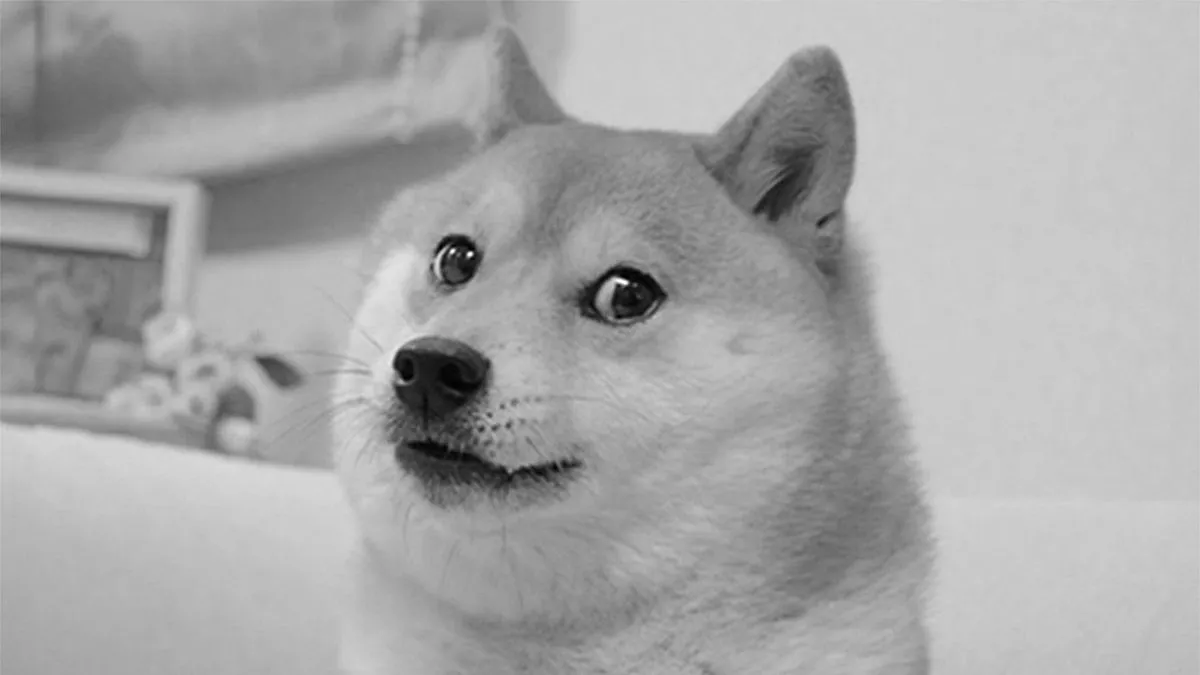
Image Source: The New Yorker
The Shiba Inu dog has evolved from a humble hunting companion to a global internet sensation. This Japanese breed’s distinctive appearance and expressive face have engaged online audiences worldwide since the early 2010s.
The rise of Doge and Cheems
The iconic “Doge” meme emerged in 2013 from a 2010 photograph of Kabosu, a rescue Shiba. Know Your Meme recognized it as the “top meme” of that year. The image featured Kabosu with multicolored Comic Sans text that represented internal monolog and spread rapidly across platforms. Kabosu lived a full life until May 2024, when she died at age 18 from leukemia.
The Shiba legacy continued with Balltze, who became famous as “Cheems” after his Instagram debut in 2017. His photo transformed into the first “Cheemsburbger” meme by June 2019. People loved Cheems for his skeptical expression and the signature “BONK” baseball bat memes that sent others to “horny jail”. Sadly, Balltze died at age 12 in August 2023 after cancer surgery.
Shiba Inu in memes and crypto
These Shiba memes sparked significant financial movements. Dogecoin emerged as the first meme-based cryptocurrency in December 2013. The Shiba Inu token (SHIB) followed in August 2020, created under the pseudonym “Ryoshi” by an anonymous person or group.
The effect of these meme currencies proved substantial. Ethereum founder Vitalik Buterin donated over 50 trillion SHIB tokens to India’s COVID-Crypto Relief Fund in May 2021, worth over INR 84.38 billion. The cryptocurrency’s value shot up 240% in a single week during October 2021.
San-chan and modern fame
Kantaro Inagaki started documenting his walks across Japan with his Shiba Inu, San-chan, in December 2024. His video “Day 1 of walking Japan with Shiba Inu” became an instant hit. His follower count jumped from 50,000 to 1.9 million within a month.
San-chan’s popularity helps support good causes. The “Crypt4Good” project has raised over INR 2,278,272.17 for animal charities, with weekly donations averaging INR 42,190.23.
Unique Varieties: The Sanin Shiba Inu

Image Source: en.wikipedia.org
The Sanin Shiba represents one of the rarest bloodlines among historical Shiba Inu varieties. This remarkable breed has both survived against odds and developed unique traits that set it apart from standard Shibas.
Origins of the Sanin variety
The Sanin Shiba’s roots trace back to southwestern Honshu’s Tottori and Shimane Prefectures. Two local breeds gave rise to this variety – the Inaba Inu from Tottori Prefecture and the Sekishu Inu from Shimane Prefecture. Western dogs gained popularity in Japan and pushed both ancestral breeds toward endangerment. Scientists discovered through DNA analysis that the Sanin Shiba shares genetic links with the Korean Jindo dog, which explains their physical similarities.
Preservation efforts
Former landowner Masuzo Ozaki started breeding programs in Tottori Prefecture during the early Showa period to save local dogs. World War II brought severe challenges – food shortages and military fur harvesting reduced his breeding population from 50 to just 20 dogs. The remaining Inaba and Sekishu dogs were bred together in 1947, creating the foundation for today’s Sanin Shiba Inu. Japan now has about 520 Sanin Shiba Inu dogs spread across the country.
Distinct traits of the Sanin Shiba
The Sanin Shiba looks noticeably different from standard Shibas with these features:
A smaller head with pointed ears set close together that don’t extend past the muzzle width
A leaner, more muscular build with longer legs
Solid red coats dominate, though some very light red specimens exist rarely
Traditional Sanin Shibas were bigger than modern ones and often had mottled black coats. Their standoffish personality likely shaped the independent and spirited nature found in today’s Shiba Inu.
Conclusion
Shiba Inus have carved out an amazing legacy as extraordinary companions over thousands of years. These ancient dogs almost vanished twice from existence. Yet they made an incredible comeback thanks to preservation efforts by dedicated enthusiasts. Their resilient nature reflects a temperament that makes them both challenging and rewarding to own.
You’ll spot a Shiba Inu right away by its distinctive look. The breed’s fox-like features, compact build, and signature urajiro markings create a unique profile. Their double coat needs special attention, especially during seasonal “blowing coat” periods when fur seems to explode from these small but fierce dogs.
A Shiba’s personality sets it apart from other breeds. These dogs combine an independent, cat-like nature with deep loyalty to create bonds on their own terms. Their bold spirit makes them fascinating companions for owners who value their intelligence and dignity rather than expecting blind obedience.
These small dogs pack impressive staying power. Most Shibas live 13-16 years with proper care. The key to their longevity lies in regular vet visits, proper exercise, and watching out for common health issues.
The breed shot to internet stardom through memes like “Doge” and “Cheems.” This exposure introduced the ancient Japanese breed to people worldwide. Their expressive faces and unique looks made them perfect for viral fame. The phenomenon even sparked cryptocurrency trends that pushed their influence way beyond Japan.
Future Shiba owners should know what they’re getting into. These dogs need respect, consistency, and acceptance of their unique character. Smart owners appreciate their clean habits, loyalty, and sharp minds while accepting their stubborn side and famous “Shiba scream.”
Shiba Inus embody living history – ancient hunters turned beloved pets without losing their core nature. Their path from prehistoric times through near-extinction to worldwide fame shows amazing adaptability. They’ve kept the traits that made them Japan’s treasured companions for thousands of years. Living with a Shiba creates a unique bond to canine heritage that stands unmatched.
Key Takeaways
The Shiba Inu is an ancient Japanese breed with a complex personality that requires understanding and patience from potential owners.
• Shiba Inus are independent, cat-like dogs with high intelligence but medium trainability – they choose when to obey based on perceived benefits.
• These dogs require minimal grooming except during seasonal “coat blowing” periods when they shed their entire undercoat over 2-3 weeks.
• With proper care, Shiba Inus enjoy exceptional longevity of 13-16 years, longer than most purebred dogs.
• Early socialization is crucial as Shibas can be reserved with strangers and may display resource guarding behaviors.
• Their famous “Shiba scream” and fastidious cleanliness habits make them unique companions who demand respect rather than submission.
The breed’s journey from near-extinction to internet fame through memes like “Doge” demonstrates their remarkable resilience and cultural impact. For owners who appreciate their spirited independence and ancient heritage, Shiba Inus offer an incomparable bond unlike any other canine companion.
FAQs
Q1. Are Shiba Inus suitable for families with children? Shiba Inus can be good family dogs, especially with older children who understand how to interact with dogs. However, they may not be ideal for families with very young children or babies due to their independent nature and potential for resource guarding. Proper socialization and supervision are essential.
Q2. How much grooming do Shiba Inus require? Shiba Inus are generally clean dogs that require minimal grooming most of the year. However, they experience heavy shedding periods twice a year called “blowing coat.” During these times, daily brushing is necessary to manage the shedding. Regular weekly brushing is recommended outside of shedding seasons.
Q3. What is the average lifespan of a Shiba Inu? Shiba Inus are known for their longevity. With proper care, they typically live between 13 to 16 years, which is longer than many other purebred dogs. Regular veterinary check-ups, a balanced diet, and appropriate exercise contribute to their impressive lifespan.
Q4. What are some common behavioral traits of Shiba Inus? Shiba Inus are known for their independent, cat-like personalities. They can be stubborn and may choose when to obey commands. The breed is also known for its “Shiba scream,” a high-pitched vocalization used to express excitement or displeasure. They tend to be reserved with strangers and may have a strong prey drive.
Q5. What health issues are Shiba Inus prone to? While generally healthy, Shiba Inus can be prone to certain genetic conditions. These include patellar luxation (kneecap dislocation), eye problems like glaucoma and cataracts, and hip dysplasia. Regular veterinary check-ups and genetic testing can help manage these potential health concerns.