
American Bully: The Truth Behind This Misunderstood Breed [2025 Guide]
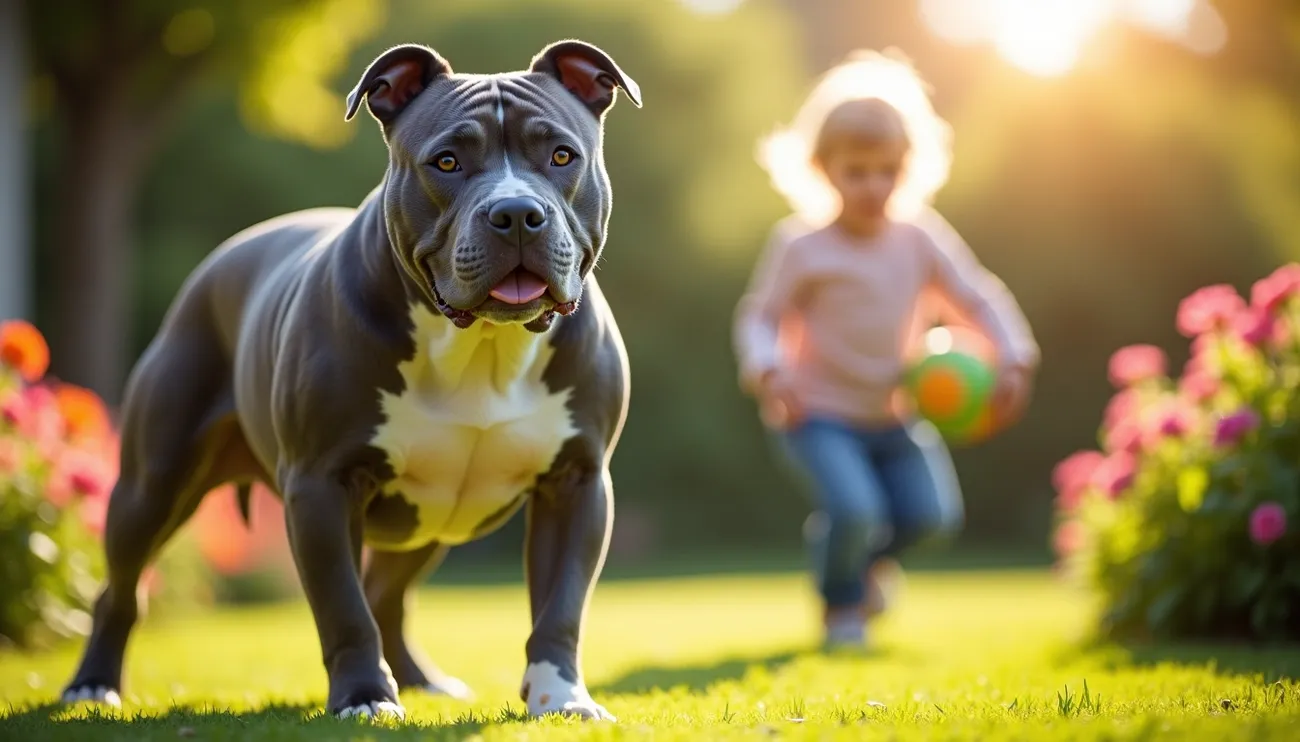 American Bully dogs face widespread misconceptions despite being one of the most loyal and family-oriented breeds available to dog lovers today. Often confused with Pit Bulls or unfairly labeled as aggressive, these muscular companions actually possess a gentle temperament that surprises many first-time owners. Contrary to popular belief, the American Bully was specifically bred to be a family companion rather than for fighting or aggression.
Many potential dog owners avoid this breed based on myths and media portrayal rather than facts. However, when properly trained and socialized, American Bullies typically show remarkable patience with children and affection toward their families. Additionally, they come in various sizes and appearances, from pocket and standard to classic and XL varieties, each with distinct characteristics while maintaining the breed’s signature friendly disposition.
This comprehensive guide will explore everything you need to know about the American Bully—from its fascinating origins and physical traits to its true temperament, health considerations, and the unfortunate legal challenges many owners face due to breed-specific legislation. By the end, you’ll understand why enthusiasts consider these dogs misunderstood gems in the canine world.
Understanding the Origins of the American Bully
The American Bully emerged as a distinct breed in the United States between the 1980s and 1990s, marking the beginning of a new chapter in the history of companion dogs. Unlike many traditional breeds with centuries of history, the American Bully represents modern, purposeful breeding focused on creating the ideal family companion while maintaining an impressive physical appearance.
From Pit Bulls to Bullies: The Breeding History
The American Pit Bull Terrier (APBT) serves as the foundation parent breed from which the American Bully evolved. For over a century, the APBT maintained consistent traits and characteristics, with various strains developing different physical attributes while preserving the breed’s core qualities. During the late 20th century, one particular APBT strain underwent strategic crossbreeding to create a stockier physique that breeders initially presented as purebred APBTs [1].
As these dogs continued developing their unique characteristics throughout the 1980s and 1990s, breeders eventually agreed that these animals had become sufficiently different from traditional APBTs to warrant recognition as a separate breed altogether [1]. This development process reached its conclusion primarily in the 1990s, with the newly formed breed receiving its first official recognition in 2004 by the American Bully Kennel Club (ABKC) [1]. Subsequently, the United Kennel Club (UKC) formally recognized the American Bully on July 15, 2013 [2].
Why the Breed Was Created
The creation of the American Bully stemmed from a deliberate effort to develop a companion dog with specific physical and temperamental traits. Fundamentally, breeders sought to produce a dog that combined the strength and athletic capabilities of bully breeds with a gentler, more family-friendly disposition [3]. This goal represented a conscious move away from working dogs toward creating the ideal household companion.
According to the ABKC, breeders specifically aimed to create a dog with a lower prey drive than the American Pit Bull Terrier and American Staffordshire Terrier, coupled with more pronounced “bully” physical characteristics [1]. Furthermore, the breeding program focused on developing a dog that could thrive in suburban settings with families, including children, by selecting for stable nerves, confidence, and reduced aggressive tendencies [4].
Another motivating factor behind the breed’s development was the desire to distance these dogs from the negative stereotypes associated with Pit Bulls, which are often wrongly linked to dog fighting or aggression [5]. By emphasizing temperament alongside an imposing yet appealing appearance, breeders created a dog that maintained visual impact without the temperamental concerns some associated with its ancestors.
Key Breeds Involved in Development
Several established breeds contributed to the American Bully’s creation, each bringing specific traits to form this unique companion breed:
American Pit Bull Terrier – Provided the foundation genetics, contributing athleticism, intelligence, loyalty, and muscular structure [4]
American Staffordshire Terrier – Added refinement to temperament, offering a more sociable nature better suited for family environments [4]
English Bulldog – Introduced elements that enhanced width, mass, and docile temperament [5]
American Bulldog – Contributed to the breed’s strength and structure [5]
Olde English Bulldogge – Added to the distinctive muscular build and physical characteristics [1]
The precise mixture of these breeds varies by bloodline, but the consistent goal remained creating a dog with the APBT’s loyalty and strength, combined with the calmer, gentler nature of bulldog breeds [6]. This carefully orchestrated breeding program resulted in a dog possessing a wide chest, marked muscular development, and powerful jaws alongside a diminished instinct for aggression [7].
Today’s American Bully exists in several varieties—Standard, Classic, Pocket, XL, and Extreme—each with different size specifications and physical traits, but all sharing the core characteristics that define this increasingly popular companion breed [5].
Types and Physical Traits of the American Bully
The American Bully exists in several distinct varieties, each with their own unique physical specifications while maintaining the breed’s characteristic muscular build and friendly temperament. The American Bully Kennel Club (ABKC) officially recognizes four main types, though other variations exist in breeding circles as well.
Standard, Pocket, XL, and Classic Explained
The Standard American Bully represents the original and most common variety of the breed. Males stand between 17 to 20 inches at the withers, while females measure 16 to 19 inches [8]. This foundational variety showcases the ideal balance of muscular build and proportionate structure that defines the breed.
Pocket American Bullies are notably smaller, hence their fitting name. Males measure under 17 inches but no less than 14 inches at the withers, with females standing under 16 inches but no less than 13 inches tall [8]. Nevertheless, these compact dogs maintain the impressive musculature and confidence of their larger counterparts.
For those seeking a more substantial companion, XL American Bullies certainly fit the bill. These imposing dogs measure over 20 inches up to 23 inches tall for males, with females ranging from over 19 inches to 22 inches at the withers [8]. As the name suggests, they possess greater height along with proportionately increased mass.
Classic American Bullies occupy the same height range as Standards (17-20 inches for males, 16-19 inches for females) but exhibit a significantly different physical structure [8]. As stated by the ABKC, this variety displays “lighter body frames and less overall body mass, but still exhibiting ‘bully’ traits” [9]. In essence, Classics show a less exaggerated form than Standard Bullies while maintaining the same height specifications.
Muscle Mass, Head Shape, and Coat
Regardless of size variation, all American Bullies share certain defining physical characteristics. Most notably, their muscular build sets them apart from other breeds. The breed standard calls for “a compact and medium/large size dog with a muscular body and blocky head” [9]. Their bodies appear powerful with well-defined muscles, especially across the shoulders, back and chest regions.
The head structure particularly defines the American Bully. Official standards describe it as “unique and a key characteristic” that should be “large and broad, but never disproportionate to the overall dog” [8]. The muzzle appears shorter than the skull, measuring 25-35% of the overall head length, with a broad, blocky appearance [8]. This distinctive head shape gives the breed its immediately recognizable profile.
As for their coat, American Bullies sport short, glossy fur that feels “smooth, close, and moderately stiff to the touch” [8]. This practical coat requires minimal grooming. In terms of coloration, virtually any color or pattern is acceptable under breed standards except for merle patterns [8][10].
Recognized vs. Non-Standard Sizes
Beyond the four officially recognized varieties, some breeders produce American Bullies that fall outside standard classifications. Dogs shorter than the Pocket minimum specifications are sometimes called “Micro” Bullies, standing under 14 inches for males and under 13 inches for females [11]. On the opposite end, some breeders produce “XXL” American Bullies that exceed even XL height specifications [7].
The recognition of these varieties differs between kennel clubs. Notably, the United Kennel Club (UKC) has updated its standards to include three categories—Pocket, Standard/Classic, and XL Bullies—which brings their classifications more in line with ABKC standards [12]. Prior to this update, the UKC recognized only one standard size for the American Bully breed.
Overall, across all size variations, the American Bully maintains its characteristic compact, muscular appearance with its distinctive blocky head, broad chest, and powerful stance. These physical traits combine to create a dog that appears imposing yet, as noted in the breed standards, possesses a temperament that is “gentle” and “great with kids” [9].
Temperament: What Are American Bullies Really Like?
Beyond their muscular physique lies the true essence of the American Bully—a temperament that often surprises those meeting the breed for the first time.
Affectionate or Aggressive?
Contrary to what their imposing appearance might suggest, American Bullies are consistently described as one of the “softest-tempered and sweetest dogs around” [13]. These dogs are primarily known for their happy, sociable nature and infectious personality that more closely resembles family companions than intimidating guardians.
The breed scores impressively high on temperament assessments, with an average score of 91.3% [14]. Indeed, the American Bully Kennel Club intentionally developed these dogs to have a more relaxed and stable temperament compared to other bully breeds [15].
Although their lineage includes breeds originally bred for baiting and dog fighting, legitimate breeders have purposefully selected against aggressive tendencies [7]. Yet, it’s important to acknowledge that, as with any breed, individual temperaments can vary. Some American Bullies may display a higher prey drive or more dominant personality traits [16].
Training and Socialization Impact
American Bullies thrive with proper guidance. As one expert notes, “When properly raised, trained, and socialized, these dogs can make wonderful family pets” [17]. Their intelligence coupled with an eagerness to please makes them highly responsive to positive reinforcement training methods.
Early socialization plays a crucial role in developing well-rounded American Bullies. The critical period for this development occurs between 3-16 weeks of age [3]. Throughout this window, exposing puppies to various people, environments, and other animals helps them form positive associations with new experiences.
Consistency serves as the foundation for successful training. American Bullies appreciate routine and clear boundaries [18]. Physical punishment should absolutely be avoided—these sensitive dogs respond best to praise, treats, and play-based rewards [3].
How They Behave Around Children and Other Pets
American Bullies often earn the nickname “gentle giants” because of their patience and gentleness with children [15]. Their affectionate nature makes them excellent companions for families, as they typically form strong bonds with children and enjoy being involved in family activities [19].
As for their behavior around other animals, American Bullies generally do well with other pets, especially when raised together [20]. With proper introductions and ongoing supervision, they can peacefully coexist with other household animals [16].
Nevertheless, supervision remains essential when young children interact with any dog [16]. Likewise, appropriate introductions and monitoring help prevent potential conflicts between American Bullies and other pets [16].
Ultimately, the American Bully’s reputation as a family companion stems from their genuine desire to please their owners and their natural affinity for human companionship.
Health and Care Considerations
Keeping an American Bully healthy requires awareness of their specific medical vulnerabilities and proper care routines. These powerful dogs need attentive owners who understand their unique health profile and maintenance requirements.
Common Health Issues: Hip Dysplasia, Skin Conditions
Hip dysplasia affects many American Bullies, occurring when the ball and socket of the hip joint develop improperly. This condition causes the bones to rub and grind instead of sliding smoothly [21]. Symptoms include decreased activity, difficulty rising, limping, and a characteristic “bunny hopping” gait [21]. Contributing factors include genetics, excessive growth rate, improper weight, and unbalanced nutrition [21].
Skin problems represent another significant concern for this breed. American Bullies often suffer from allergies that manifest as itchy, dry, or red skin [6]. Their short coat provides minimal protection against environmental allergens [6]. Common skin conditions include:
Eczema and seborrhea – causing dry, flaky, or excessively oily skin [22]
Hot spots – characterized by hair loss and raw, moist patches [22]
Demodectic mange – resulting from microscopic mites in hair follicles [6]
Exercise Needs and Mental Stimulation
American Bullies thrive with 30-60 minutes of moderate daily exercise [23]. Their muscular build requires regular activity, yet excessive exercise can harm their joints [24]. Ideal activities include brisk walks, controlled play sessions, and swimming for low-impact exercise [23].
Mental stimulation proves equally important for this intelligent breed. Without adequate mental engagement, American Bullies may develop destructive behaviors [25]. Interactive puzzle toys, training sessions, and scent games help keep their minds sharp [26]. For maximum benefit, aim for 30-60 minutes of mental stimulation daily spread across multiple sessions [25].
Feeding and Grooming Tips
Nutritionally, American Bullies need high-quality food with meat as the first ingredient [5]. Puppies require four daily meals from 8-12 weeks, reducing to three meals from 3-6 months, then two meals from 6-12 months onward [5]. Monitor weight carefully as this breed gains weight easily [23].
First, their coats need minimal maintenance—weekly brushing with a soft-bristle brush removes loose hair [27]. Second, bathe them every 4-6 weeks to prevent skin dryness [27]. Consequently, their ears require regular checking and cleaning to prevent infections [27]. Finally, maintain dental health through regular teeth brushing to prevent oral issues [27].
Legal Status and Public Perception
In recent years, American Bullies have faced increasing restrictions worldwide, often caught in the crossfire of safety concerns and breed stereotypes.
Why Some Countries Have Banned the Breed
The United Kingdom added the American Bully XL to its list of banned dogs in February 2024, making it illegal to own one without an exemption certificate [28]. This decision came after several high-profile attacks, including 23 fatalities between 2021 and 2023 [7]. Beyond the UK, restrictions exist in numerous countries including Denmark, Germany, Turkey, UAE, and parts of Canada [1]. These bans typically require owners to meet strict conditions such as muzzling in public, neutering, and obtaining liability insurance [2].
The Role of Media in Shaping Opinions
Media coverage profoundly influences public perception of dog breeds. News outlets often highlight aggressive incidents involving bully-type dogs, yet rarely report positive stories [4]. This imbalanced reporting creates fear and reinforces negative stereotypes. Moreover, the way these incidents are portrayed may significantly impact policy makers’ decisions regarding breed regulation [4].
What Breed-Specific Legislation Means for Owners
Breed-Specific Legislation (BSL) directly affects thousands of responsible owners and their pets. Currently, approximately 550 jurisdictions in the United States have enacted some form of BSL [29]. For owners, these laws can necessitate special registration, mandatory spay/neuter procedures, public muzzling, and expensive liability insurance [30]. Furthermore, such regulations often make housing difficult to secure, with many insurance companies refusing coverage for bully breeds [1].
Ironically, many animal welfare organizations, including the American Veterinary Medical Association and ASPCA, oppose BSL as ineffective and discriminatory [30]. As an alternative, they advocate for breed-neutral regulations focusing on individual dog behavior and responsible ownership [1].
Conclusion
American Bullies remain one of the most misunderstood dog breeds despite their remarkable family-friendly temperament. Throughout this guide, we’ve uncovered the truth behind these powerful yet gentle companions. Their deliberate breeding history shows they were specifically created to be loyal family pets rather than aggressive animals. Additionally, their various sizes and types offer options for different living situations while maintaining their signature affectionate disposition.
The stark contrast between public perception and reality creates significant challenges for American Bully owners. Breed-specific legislation affects thousands of responsible pet parents, though numerous animal welfare organizations oppose these restrictions as ineffective. Certainly, proper training, socialization, and healthcare allow these dogs to thrive as the loving companions they were bred to be.
American Bullies need owners who understand their specific requirements – from addressing potential health concerns like hip dysplasia to providing appropriate exercise without overtaxing their joints. Their grooming needs remain minimal, making them relatively low-maintenance despite their impressive appearance.
After all, these dogs epitomize the saying “don’t judge a book by its cover.” Their muscular physique and powerful stance often mislead people into assuming aggression, whereas their true nature reveals patience with children and genuine affection toward their families. Therefore, potential owners should look beyond stereotypes and media portrayals when considering this breed.
The American Bully’s journey from development in the late 20th century to growing popularity today demonstrates how thoughtful breeding can create ideal companion animals. With continued education and advocacy, perhaps these misunderstood dogs will eventually receive the recognition they deserve as the loving family pets they truly are.
References
[1] – https://shop.bullymax.com/blogs/news/xl-bully-ban-what-american-dog-owners-need-to-know-about-potential-legislation
[2] – https://www.gov.uk/guidance/ban-on-xl-bully-dogs
[3] – https://citizenshipper.com/blog/american-bully-training-expert-tips-for-obedience-behavior/
[4] – https://www.researchgate.net/publication/51683333_Media_Role_in_Violence_and_the_Dynamics_of_Bullying
[5] – https://www.wikihow.com/Feed-an-American-Bully-Puppy
[6] – https://thepetlabco.com/learn/dog/health-wellness/pit-bull-skin-issues?srsltid=AfmBOoq8PCzRliCVsdmdZ41xAUaVQyhWUwVGqmWdLv68ZX7loB3bmcVj
[7] – https://www.britannica.com/animal/American-Bully
[8] – https://www.ukcdogs.com/american-bully
[9] – https://abkcdogs.net/breeds/breed2/
[10] – https://ckcusa.com/breeds/american-bully/
[11] – https://www.internationalbullyclub.com/breeds/american-bully
[12] – https://shop.bullymax.com/blogs/news/understanding-ukc-vs-abkc-standards-for-bully-breeds
[13] – https://www.betterpet.com/learn/american-bully
[14] – https://www.adventureden.ca/understanding-american-bully-temperament-origins-and-key-traits/
[15] – https://www.petscare.com/news/faq/how-aggressive-are-american-bully
[16] – https://baileyscbd.com/blogs/dog-breeds/american-bully-breed-profile-and-traits?srsltid=AfmBOooN7L2G_FipZc2pwzcx7vszZnDndrD7stJDo92zTp0WTXUrWFzv
[17] – https://shop.bullymax.com/blogs/news/how-to-train-american-bully
[18] – https://royalbullystars.com/en/socialization-and-training-of-a-bully-from-an-early-age/
[19] – https://citizenshipper.com/blog/american-bully-surprising-traits-you-need-to-know/
[20] – https://www.rover.com/blog/breeds/american-bully/
[21] – https://www.akc.org/expert-advice/health/hip-dysplasia-in-dogs/
[22] – https://figopetinsurance.com/blog/4-common-health-problems-bully-breeds
[23] – https://dogsbestlife.com/dog-breeds/american-bully-health-issues/
[24] – https://www.grandtetonbullies.com/post/american-bullies-and-exercise-how-much-do-they-really-need
[25] – https://americanbully.com/blogs/news/mental-stimulation-keeping-your-american-bullys-mind-sharp?srsltid=AfmBOopR13785cqD2AAR2MT5sFaKPDV2BtTdDoX8FKPKeTFZPOR5Akzi
[26] – https://americanbully.com/blogs/news/fun-brain-games-for-american-bullies?srsltid=AfmBOooin38yblXWMQZeD-jm_s4zVynQMdswqx1H67TbWsVnnoHYHqxH
[27] – https://citizenshipper.com/blog/american-bully-grooming-guide-essential-care-tips-for-owners/
[28] – https://www.bbc.com/news/uk-67273889
[29] – https://en.wikipedia.org/wiki/Breed-specific_legislation
[30] – https://www.aspca.org/improving-laws-animals/public-policy/what-breed-specific-legislation