
The Truth About Pitbull Dogs: What Most People Get Wrong in 2025
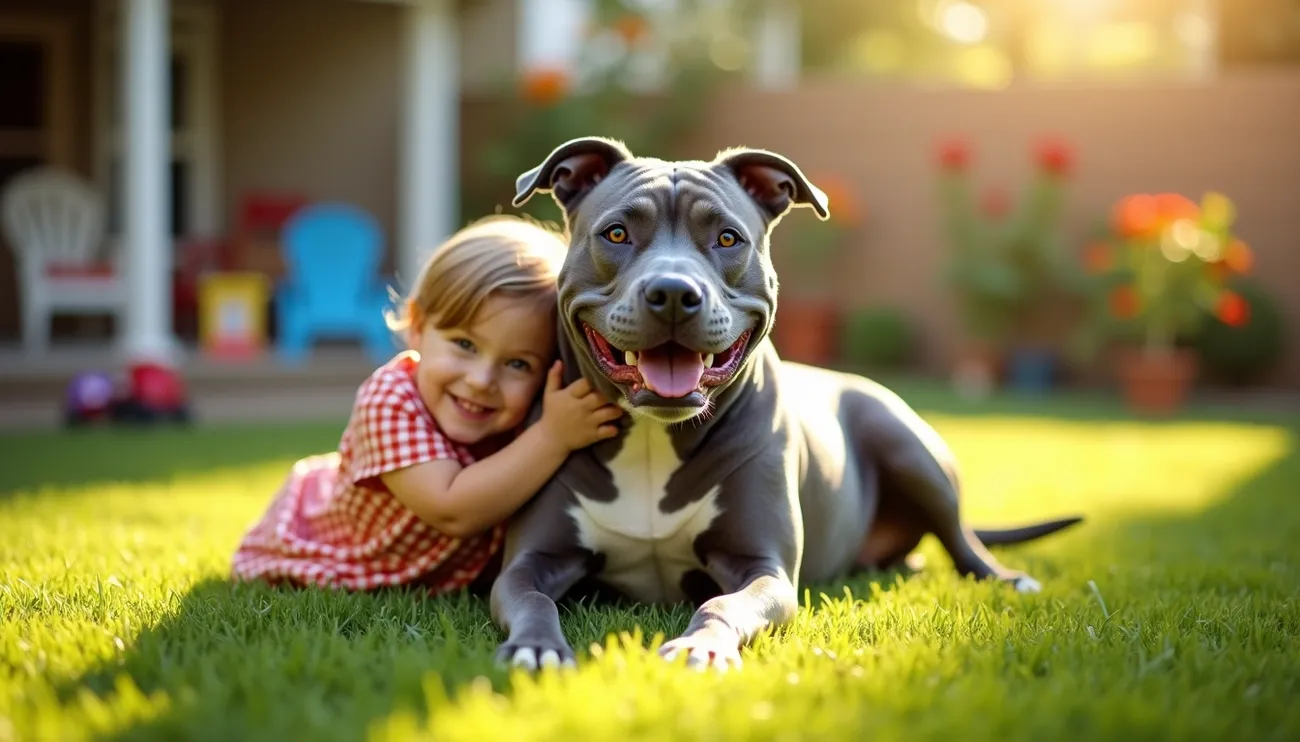 Pitbull dogs remain among the most misunderstood canines in America today. Despite their loyal and affectionate nature, these dogs continue to face discrimination based on myths and misconceptions rather than facts. Unfortunately, media sensationalism has painted pitbulls as inherently dangerous, when research shows temperament varies individually across all breeds.
Contrary to popular belief, “pitbull” isn’t even a single breed but rather a term applied to several breeds with similar physical characteristics. This misclassification has led to widespread misinformation about their behavior, temperament, and suitability as family pets. In fact, studies have consistently shown that breed alone is a poor predictor of aggression or dangerous behavior.
This comprehensive guide examines what most people get wrong about pitbull dogs in 2025, from their historical origins to the scientific evidence about their temperament. We’ll also explore how media coverage has shaped public perception, the impact of breed-specific legislation, and what current research actually tells us about these much-maligned animals.
The Origins of the Pit Bull: Separating Fact from Fiction
The historical roots of what we now call pitbull dogs trace back to early 19th-century British Isles, where they emerged from a complex and often controversial past. Understanding their true origins helps dispel many of the misconceptions surrounding these dogs today.
From bull-baiting to family companion
Initially, pitbull-type dogs descended from the crossing of Old English Bulldogs with Old English Terriers in the United Kingdom. These dogs were specifically bred to combine the gameness of terriers with the strength and athleticism of bulldogs [1]. During this period, these bull-and-terrier crosses were primarily used in blood sports such as bull-baiting and bear-baiting, where dogs were set to harass bulls or bears until the animals collapsed from fatigue or injuries [2].
A significant turning point occurred in 1835 when the British Parliament enacted animal welfare laws that prohibited these cruel blood sports [3]. Subsequently, enthusiasts turned to “ratting” competitions, where dogs were timed to see how many rats they could kill in pits (hence the “pit” in the name) [2]. Furthermore, dog fighting became popular since it was easier to conceal from authorities than the now-illegal bull-baiting [1].
Nevertheless, throughout this evolution, handlers needed to handle their dogs during fights, consequently breeding against human aggression. Any dog showing aggression toward people was typically culled to prevent passing on such traits [3].
The evolution of the American Pit Bull Terrier
These bull-and-terrier dogs arrived in America between 1845-1860 [2]. Upon arrival in the United States, they underwent a transformation in both purpose and perception. In early America, these frontier dogs took on versatile roles beyond fighting – herding cattle, guarding livestock, hunting, and working as companions on farms [2].
Throughout the first half of the 20th century, pitbull-type dogs gained prominence in American culture. They were viewed as working-class companions embodying qualities Americans admired: friendly, brave, hardworking, and worthy of respect [2]. Moreover, they gained fame through notable examples like Sergeant Stubby, considered the most decorated war dog of WWI, who served 18 months on the front lines in 17 battles [2].
In 1898, the United Kennel Club became the first organization to officially recognize the breed as the American Pit Bull Terrier [4]. Additionally, the American Dog Breeders Association established itself as an organization dedicated to fostering the positive traits of these dogs, including loyalty, dedication, and athleticism [4].
Why the term ‘pit bull’ is misunderstood
Today, “pit bull” is generally used as an umbrella term rather than referring to a single breed. The term has been in use since at least the early 20th century [5]. Currently, several breeds may be classified under this label:
American Pit Bull Terrier
American Staffordshire Terrier
Staffordshire Bull Terrier
Sometimes American Bulldogs and Bull Terriers
Importantly, visual identification of “pit bulls” is highly subjective and often inaccurate. Without DNA testing, it’s virtually impossible to definitively identify these breeds based solely on appearance [6]. This misidentification contributes significantly to misconceptions about these dogs.
The vast majority of pitbull-type dogs in homes today aren’t from fighting lines [7]. Instead, most are the result of random breeding without specific behavioral traits in mind [3]. This explains the wide variety of temperaments seen in these dogs, contradicting the notion that they’re all bred for aggression.
Temperament and Behavior: What Science Really Says
Scientific research offers important insights into the true nature of pitbull dogs, often contradicting popular myths about their temperament and behavior. Examining the evidence helps separate fear-driven stereotypes from factual understanding.
Are pit bulls naturally aggressive?
The question of inherent aggression in pitbull dogs remains complex, with research revealing nuanced findings. Contrary to widespread belief, aggression in these dogs isn’t simply hardwired. The American Society for the Prevention of Cruelty to Animals (ASPCA) emphasizes that while some pitbulls were historically bred for dog fighting, aggression toward humans was actively culled from breeding lines [8]. This deliberate selection against human-directed aggression occurred because handlers needed to safely manage these dogs during fights.
Research consistently shows that dog-aggressive canines are no more likely to direct aggression toward people than dogs without dog aggression [8]. However, some scientific studies present conflicting data, with one noting that pitbulls exhibited more pronounced aggression toward other dogs compared to breeds perceived as friendlier [9].
An important distinction emerges in the research: for dogs assessed as aggressive, breed explains less than 10% of the variance in aggression [10]. This finding strongly suggests that individual experiences and environment play a substantially larger role in determining aggressive behavior than genetic heritage alone.
How temperament tests compare to other breeds
Formal temperament evaluations offer valuable objective measurements of canine behavior. The American Temperament Test Society (ATTS) has conducted extensive testing, finding that pitbull-type breeds consistently perform well. These dogs achieved an impressive average pass rate of 87.4%, outperforming 121 other common breeds, including Golden Retrievers who scored 85.2% [11].
Further supporting this finding, additional temperament testing data shows pitbull-type breeds scoring within the top 20% of all breeds evaluated, with an average score of 91.3% compared to the 83.0% average across all breeds [10].
Yet genetics do play some role in predispositions. Research identified that pitbull-type dogs showed reduced risk of owner-directed aggression but increased risk of dog-directed fear [12]. This aligns with their breeding history—selected against human aggression yet sometimes bred for dog fighting.
The role of training and environment
Perhaps most critically, behavioral experts emphasize that a dog’s development occurs through complex interactions between genetics and environment. Numerous factors influence behavior, including early nutrition, prenatal stress levels, housing conditions, and social history [8].
Environmental stressors significantly impact all dogs. Social and spatial restriction, insufficient stimulation, or inconsistent handling can lead to chronic stress, psychological distress, fear, and increased aggression [13]. These problems aren’t breed-specific but affect any dog kept in poor conditions.
For pitbull owners specifically, experts recommend:
Early, positive socialization with people and other animals
Teaching impulse control through consistent training
Providing adequate physical exercise and mental stimulation
Using positive reinforcement rather than punishment-based methods [14]
Common training challenges for pitbull dogs include potential dog aggression (due to their history) and sometimes strong guarding instincts [15]. These traits aren’t universal but do appear more frequently in these breeds. Nonetheless, a combination of proper socialization, positive training methods, daily exercise, and mental enrichment typically results in confident, well-adjusted pitbulls [15].
Overall, research indicates that responsible ownership practices—not breed restrictions—offer the most effective path to reducing aggressive incidents across all dog breeds [14].
Health and Physical Traits of Pit Bulls
Beyond temperament and behavior, understanding the physical characteristics and health profile of pitbull dogs provides essential knowledge for responsible ownership. Like all breeds, pitbulls have specific health considerations that prospective and current owners should recognize.
Common health issues to watch for
Pitbull dogs are prone to several breed-specific health conditions that require monitoring. Skin problems rank among the most frequent concerns, ranging from allergies and dry skin to more severe conditions like ichthyosis, which causes fish-like scales [16]. These dogs often experience environmental allergies to pollen, grass, ticks, and certain food components, particularly grains [17].
Joint issues present another significant concern for this athletic breed. Hip dysplasia affects many pitbulls, causing pain, improper joint formation, and eventually arthritis [18]. Signs include difficulty climbing stairs, hind leg lameness, and a distinctive “bunny hopping” gait [16]. Equally important, knee complications—particularly cranial cruciate ligament (CCL) tears—frequently trouble these dogs, with more than 60% of pitbulls with a torn CCL likely to experience issues in the other knee [16].
Other notable health concerns include:
Thyroid disease, particularly hypothyroidism, which can cause weight gain and skin problems [16]
Heart conditions, especially aortic stenosis [18]
Cataracts, which develop more commonly in pitbulls than other breeds [16]
Cerebellar ataxia, a genetic condition affecting 1 in 400 pitbulls [16]
Lifespan and physical characteristics
The average lifespan of a pitbull ranges between 8-16 years, varying by specific breed type [16]. American Staffordshire Terriers can live up to 16 years, whereas Staffordshire Bull Terriers typically live 12-14 years [16]. With proper care, nutrition, and regular veterinary attention, these dogs often live long, healthy lives.
Physically, pitbulls are medium-sized, muscular dogs. Males typically weigh 35-70 pounds and stand 18-21 inches tall, whereas females generally weigh 30-60 pounds and stand 17-20 inches tall [3]. Their distinctive features include a broad, blunt wedge-shaped head and a deep, well-defined chest [19].
Grooming and exercise needs
Fortunately, pitbulls have relatively straightforward grooming requirements thanks to their short, single-layer coat with no undercoat [20]. Regular brushing—approximately once weekly—helps remove loose fur, distribute natural oils, and maintain coat health [3]. Although they don’t require frequent bathing, using gentle dog-specific shampoo when necessary keeps their skin in good condition.
As for exercise, adult pitbulls typically need 1-2 hours of daily physical activity [21]. This requirement can be divided into multiple sessions throughout the day and should include:
Daily walks (at least twice daily)
Running (after proper warm-up)
Fetch and play sessions
Swimming (many pitbulls are natural swimmers) [22]
Agility training or mental stimulation activities [23]
Exercise needs vary by life stage—puppies require shorter, more frequent sessions (5-7 minutes per month of age, twice daily), whereas senior dogs benefit from 30-45 minutes of gentle exercise divided into shorter periods [21].
Above all, recognizing these health considerations and meeting their exercise needs helps ensure pitbull dogs remain healthy companions with the potential for long, fulfilling lives.
The Impact of Media and Misidentification
Media portrayal has played a decisive role in shaping public perception of pitbull dogs, often distorting reality through selective reporting and sensationalism. This disconnect between perception and reality has real consequences for these animals and their owners.
How media coverage shaped public fear
News outlets frequently highlight pitbull attacks while underreporting similar incidents involving other breeds, creating a skewed perception. This reporting pattern has fueled what researchers describe as a “pit bull panic,” where high-profile sensationalized stories about fatal attacks and dogfighting rings dominate coverage [1]. Throughout the 1980s and 1990s, this cycle of rare but highly publicized incidents, followed by sensational reporting, became commonplace [1].
Notably, scholars have documented how media coverage propagated negative associations between pitbull dogs and racial stereotypes, transforming their image from “trusted guardians of white children” to extensions of racist fears about criminality [1]. Indeed, the narrative only began shifting after the 2007 rescue of dogs from Michael Vick’s dogfighting operation, which helped reposition pitbulls as victims rather than perpetrators [1].
Why many dogs are wrongly labeled as pit bulls
Visual identification of pitbull dogs proves remarkably unreliable. Studies show that shelter workers and veterinarians frequently misidentify dogs based on appearance alone [24]. In one comprehensive study, different shelter staffers evaluating the same dogs showed only moderate agreement among themselves when identifying pitbull-type dogs [25].
Most strikingly, DNA analysis reveals that shelter workers are often mistaken when labeling dogs as pitbulls [24]. Research found that dogs with pitbull heritage DNA were correctly identified only 33% to 75% of the time, depending on which staff member was judging them [25]. Conversely, dogs completely lacking relevant breed DNA were incorrectly labeled as pitbulls up to 48% of the time [25].
The consequences of breed misidentification
Misidentification creates serious ramifications for dogs and their owners:
Pitbull-labeled dogs stay in shelters approximately three times longer than similar-looking dogs with different breed labels [26]
These dogs face substantially higher euthanasia rates, accounting for over 40% of all dogs euthanized in shelters during 2015-2016 [1]
Breed-specific legislation often targets dogs based on appearance rather than actual breed [2]
Misidentified dogs may be seized from owners or face housing restrictions [24]
Even service animals and working dogs suffer from breed-based stereotypes [2]
Ultimately, the challenge of accurate identification led many shelters to stop labeling breeds entirely. One study found that removing breed labels improved adoption outcomes for all shelter dogs, with adoption rates increasing most dramatically for pitbull-type dogs [6].
Breed-Specific Legislation and Its Effects
Throughout the world, government attempts to regulate pitbull-type dogs through breed-specific legislation have raised questions about effectiveness and fairness. These policies vary widely in scope yet remain fiercely debated among experts, dog owners, and policymakers alike.
Where pit bulls are banned or restricted
Currently, jurisdictions in at least 84 countries regulate dangerous dog breeds, with 99% including pitbull breeds in their restrictions [7]. These restrictions range from complete prohibition to conditional ownership requirements like muzzling, insurance, or sterilization. Approximately 5 billion people worldwide are familiar with or directly affected by these laws [7]. In the United States, roughly 550 jurisdictions have enacted breed-specific legislation [27], yet 22 states have laws preventing local governments from creating breed-specific regulations [28].
Does BSL reduce dog attacks?
Research regarding BSL effectiveness shows mixed results. A Missouri study found “no association between emergency department visits for dog bite injuries and whether the municipality enacted Breed-Specific Legislation” [28]. Similarly, researchers in Canada discovered no difference in bite incidents between areas with and without BSL [27]. Interestingly, after Pawtucket, Rhode Island’s BSL was overturned, pitbull attacks reportedly increased tenfold between 2013-2019 [4]. Yet following a pitbull ban in Council Bluff, Iowa, overall dog bites increased, merely shifting to other breeds [4].
Alternatives to breed-specific laws
Veterinary experts increasingly advocate for non-breed-specific approaches focused on owner behavior. The American Veterinary Medical Association opposes BSL, stating “dangerous animal legislation should not refer to specific breeds” [2]. Effective alternatives include enhanced enforcement of existing animal control laws, affordable sterilization programs, and dangerous dog laws that target individual dog behavior regardless of breed [5]. Calgary, Canada implemented a community policing approach focusing on aggression rather than breed, resulting in a 56% decrease in aggressive incidents within two years [4].
Conclusion
Pitbull dogs deserve to be understood based on facts rather than myths that have persisted for decades. Throughout this article, we’ve seen how these misunderstood canines suffer from widespread misconceptions about their temperament, behavior, and suitability as family pets. Most importantly, scientific evidence consistently shows that breed alone poorly predicts aggression or dangerous behavior, with individual personality and environment playing far more significant roles.
The term “pitbull” itself represents several breeds rather than a single breed, leading to frequent misidentification. Consequently, many dogs face discrimination solely based on physical appearance rather than actual heritage or behavior. This misidentification carries serious repercussions—longer shelter stays, higher euthanasia rates, and housing restrictions that separate loving pets from their families.
Media portrayal has undoubtedly shaped public perception, often highlighting negative incidents while overlooking the countless pitbulls living as gentle, loyal companions. This selective reporting creates a skewed reality that doesn’t align with temperament test results, which actually show pitbull-type dogs outperforming many popular breeds.
Breed-specific legislation attempts to address dog attacks through breed restrictions, yet research questions its effectiveness. Alternative approaches focusing on individual dog behavior assessment, owner responsibility, and proper enforcement of existing animal control laws show greater promise for community safety.
The truth about pitbull dogs stands in stark contrast to popular myths. These dogs possess the same capacity for affection, loyalty, and gentleness as any other breed when properly raised and trained. Responsible ownership—including appropriate socialization, positive training methods, and meeting their physical and mental needs—remains the most reliable path to raising well-adjusted dogs regardless of breed.
Understanding pitbulls means looking beyond sensationalist headlines and breed stereotypes. Although challenges exist, these resilient dogs continue proving their worth as beloved family members, therapy animals, and working dogs across America. Their future depends not on fear-based policies but on education, compassion, and judging each dog as an individual—the approach any dog truly deserves.
References
[1] – https://pmc.ncbi.nlm.nih.gov/articles/PMC12291974/
[2] – https://www.avma.org/resources-tools/pet-owners/dog-bite-prevention/why-breed-specific-legislation-not-answer
[3] – https://www.petmd.com/dog/breeds/american-pit-bull-terrier
[4] – https://www.britannica.com/procon/pit-bull-bans-debate
[5] – https://www.aspca.org/improving-laws-animals/public-policy/what-breed-specific-legislation
[6] – https://nationalcanineresearchcouncil.com/research_library/whats-in-a-name-effect-of-breed-perceptions-labeling-on-attractiveness-adoptions-length-of-stay-for-pit-bull-type-dogs/
[7] – https://blog.dogsbite.org/2025/03/countries-worldwide-that-restrict-dangerous-dog-breeds.html
[8] – https://www.aspca.org/about-us/aspca-policy-and-position-statements/position-statement-pit-bulls
[9] – https://pmc.ncbi.nlm.nih.gov/articles/PMC10886264/
[10] – https://www.pitbullhero.org/pit-bulls-temperament
[11] – https://www.k9sonly.com/blog/pit-bulls-are-like-ferraris
[12] – https://pmc.ncbi.nlm.nih.gov/articles/PMC8819838/
[13] – https://pmc.ncbi.nlm.nih.gov/articles/PMC5406672/
[14] – https://positively.com/victoria-stilwell/post/advocacy-the-truth-about-pit-bulls
[15] – https://a-z-animals.com/blog/training-pit-bull/
[16] – https://walkinpets.com/blogs/blog/common-health-issue-pit-bulls?srsltid=AfmBOooxT6kiUSQluxRcp6_5p9IpavdGeHlQXZk0nPPH7n0XkCa5qWLZ
[17] – https://jiminys.com/blogs/benefits/pitbull-health-guide-common-gi-issues-allergies-and-natural-solutions?srsltid=AfmBOopj25If668fEQKu6MGDhhGQuS3HI9uubd-_UHbWDmghBh6t-VJZ
[18] – https://wellebyvet.com/blog/5-common-pit-bull-health-issues/
[19] – https://www.chewy.com/education/dog-breeds/american-pit-bull-terrier
[20] – https://www.petcarerx.com/article/a-shiny-coat-for-your-pit-bull/525?srsltid=AfmBOorwYUCKZ5-KaeISh2tobRN-_LC6T9gCt5v32d7hVc58Fo0aCShz
[21] – https://www.petscare.com/news/post/exercise-needs-for-pitbulls
[22] – https://a-z-animals.com/articles/pit-bull-exercise-energy-level-and-how-much-activity-they-need/
[23] – https://www.britannica.com/animal/pit-bull
[24] – https://www.vetmed.ufl.edu/2016/02/17/dna-studies-reveal-that-shelter-workers-often-mislabel-dogs-as-pit-bulls/
[25] – https://www.sciencedirect.com/science/article/pii/S109002331500310X
[26] – https://pmc.ncbi.nlm.nih.gov/articles/PMC4805246/
[27] – https://en.wikipedia.org/wiki/Breed-specific_legislation
[28] – https://nationalcanineresearchcouncil.com/bsl-a-worldwide-failure/