
Pug
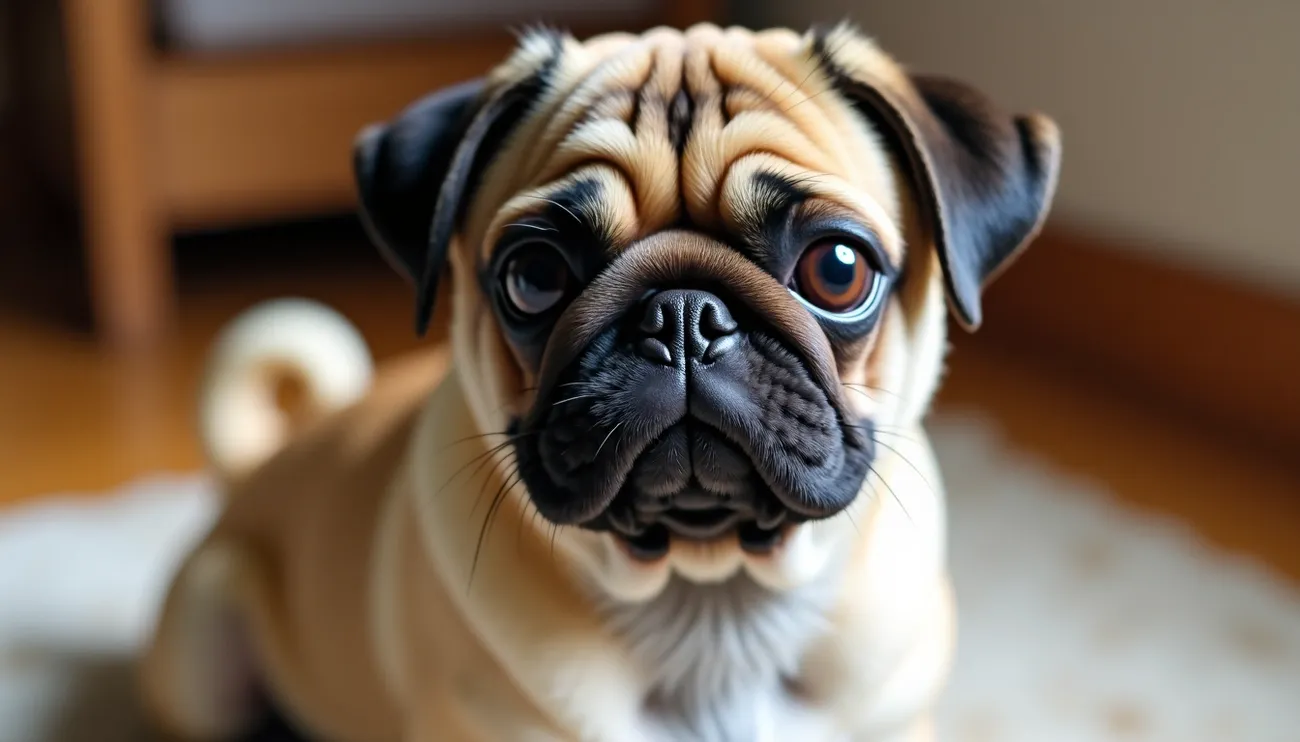 Pugs rank among the world’s oldest dog breeds, tracing their origins to ancient China around 400 B.C. Chinese emperors cherished these compact dogs so much that people could only receive them as gifts. These small dogs, standing 10-13 inches tall and weighing just 14-18 pounds, truly live up to their Latin motto “multum in parvo” (a lot in a little).
These tiny dogs have left their paw prints throughout history. European royalty fell in love with pugs after traders brought them from China in the sixteenth century. The House of Orange of the Netherlands and Queen Victoria of the United Kingdom became particularly fond of these charming dogs. A pug’s unique features make it easy to spot – from its wrinkly short-muzzled face to its curled tail and large round head. The breed’s most distinctive feature is the vertical wrinkle on its forehead. Chinese tradition says this wrinkle looks like their character for “prince,” earning it the nickname “prince mark”.
A pug’s personality makes it even more special than its royal connections and distinctive looks. These sociable and gentle companion dogs live to give and receive love. Unlike other toy breeds, pugs show a more serious side, paired with their quirky sense of humor. These loyal and alert dogs typically live 13-15 years, bringing joy to families worldwide.
Physical Characteristics of the Pug
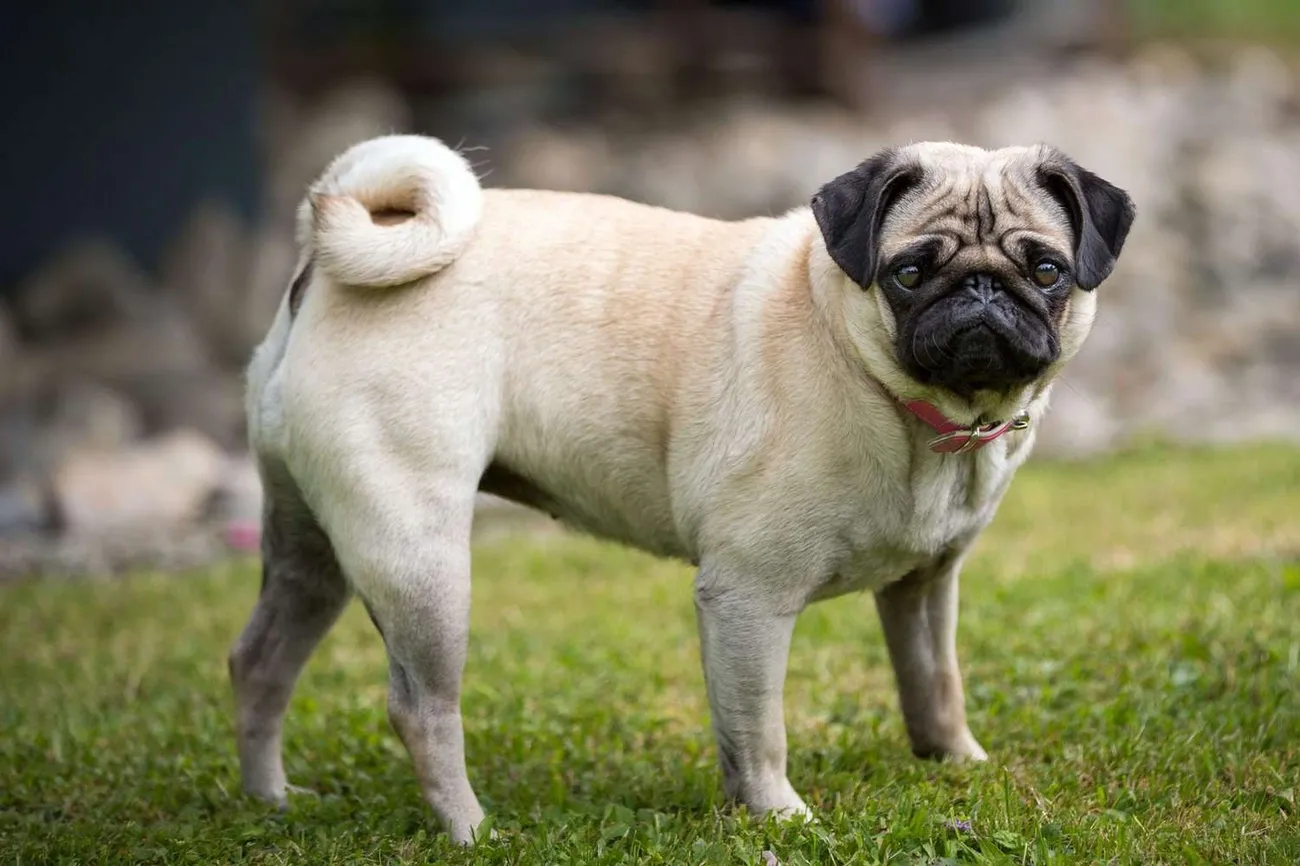
Image Source: Daily Paws
The pug’s distinctive build packs strength into a small frame. These dogs have unique features that make them easy to spot anywhere in the world.
Size, weight, and body structure
Pugs belong to the toy breed category with a square, cobby body that’s packed with muscle. A full-grown pug stands between 10 to 13 inches tall at the withers. Their weight ranges from 14 to 18 pounds at maturity. Muscle development continues until they turn one year old.
These dogs have a square and thickset body. The distance from their shoulder point to the ischium matches their height from withers to ground. Unlike other toy breeds, pugs have strong, straight legs that sit well under their bodies. Their shoulders slope back moderately, and they have a wide, deep chest.
A well-built pug shows strong muscles throughout its body. This gives them a solid feel despite their small size. Their muscular build and compact shape earned them the Latin name “multum in parvo” – they’re like little concrete blocks in the toy dog world.
Coat types and colors
Pugs sport a short, smooth, fine, and glossy coat that looks sleek and needs little grooming. The coat might be low-maintenance, but these dogs shed quite a bit.
The American Kennel Club recognizes just two pug colors:
Fawn – Most pugs (about 60%) come in this color, which ranges from light beige to deeper tan with a black face mask
Black – About 27% of pugs have this solid, glossy black coat that covers their whole body
Other color variations exist with different levels of recognition. The United Kingdom Kennel Club accepts apricot (a warm golden-orange) and silver (a shiny dark-gray). Canadian Kennel Club rules include silver fawn as an official color – it’s a light-dark apricot coat with a gray sheen.
You might also see rarer colors like brindle (tiger-stripe pattern), panda (black and white patches), and cream (pale color between fawn and white). Markings stand out clearly, and fawn pugs often show a black line from their occiput to tail.
Distinctive features like the pug nose and curled tail
A pug’s head stands out as its most defining feature – it looks large, massive, and round from the front but appears flat from the side. The muzzle stays short, blunt and square, never pointing upward. This flat-faced structure creates their unique look but affects how they breathe.
Their black nose sits flat against the face when viewed from the side. A special wrinkle runs across the nose and brings the face together while hiding the stop. People used to call this facial wrinkle the “prince mark” because it looked like the Chinese character for “prince.”
These dogs have dark, striking eyes that catch everyone’s attention. The eyes look large, round, and globular but never bulge out. Their expressive gaze can show many emotions from joy to curiosity.
Pug ears come in two styles: “rose” ears (smaller and folded with the front edge touching the head) and “button” ears (the preferred type). These thin, small ears feel soft like velvet.
The tail curves tightly over the hip – experts love seeing a double curl, though a tight single or 1½ twist works too. This curl stays tight even when the dog moves, with no light showing through it. The curly tail completes the pug’s unique profile.
Understanding Pug Temperament
Image Source: PetHelpful
Pugs charm everyone with their unique personalities that match their distinct looks. These small dogs pack huge personalities that dog lovers have adored for centuries.
Are pugs good with kids and other pets?
Pugs shine in family settings with kids of all ages. Their tough build helps them handle rough play from small children without getting hurt, while staying gentle enough to be safe around kids. Research shows pugs score better than most breeds on temperament tests for calmness and gentleness. These dogs stay loyal to children and rarely leave their side during playtime. They form strong bonds with young family members.
Pugs don’t bark much, which makes them great companions for homes with babies or toddlers who need quiet nap times. Their patience stands out – they’ll calmly put up with curious children’s poking and prodding without snapping or biting.
These dogs get along great with other pets. Their friendly nature and laid-back attitude helps them live peacefully with animals of different personalities. Pugs love playtime but don’t have endless energy, so they won’t overwhelm other pets in the house. Still, proper socialization matters, especially for shelter pugs who might have faced tough times before.
Common personality traits
Pugs show several unique personality traits:
Affectionate companions – These dogs live for love and attention, just as their breeding intended. They crave company and shower their owners with affection.
Intelligent yet stubborn – Pugs often amaze their owners with clever problem-solving skills. This smarts comes with a stubborn streak, so they need consistent, gentle training.
Emotionally intuitive – These dogs excel at reading human emotions and body language, then adjust how they act. They know just when to cuddle quietly or play to cheer you up.
Cheerful disposition – Pugs bring fun and joy with their silly, clownish behavior. Yet they keep a somewhat serious air, showing what many call a “dry sense of humor”.
People often describe pugs as stable, charming dogs with outgoing, loving personalities. Training comes easier since they want to please their owners. Their sensitive nature means harsh training methods should never be used.
How pugs behave in different environments
Pugs adapt well to many living situations. They thrive equally in city apartments or country homes, with kids or seniors, alone or with other pets. Their modest exercise needs suit apartment life since they don’t need lots of running space.
Unlike some toy breeds that act like social butterflies, pugs show a more serious side while staying playful and upbeat. They rarely develop problem behaviors like constant barking, digging, or chewing.
These dogs need companionship above all else. Pugs bond deeply with their families and feel sad when left alone too long. Human interaction keeps them happy, and without it, they might develop separation anxiety.
Experts suggest early socialization and puppy training classes to keep their natural friendliness and help them grow into well-adjusted adults. Well-socialized pugs handle different settings with confidence.
The History and Origins of Pugs
Pugs have one of the most impressive family trees in the dog world, with their history going back more than 2,000 years. These charming dogs started their trip from imperial palaces to royal courts, and ended up becoming beloved family pets worldwide.
Ancient Chinese roots
The pug’s story starts around 400 B.C. in ancient China. The ruling elite wanted these dogs specifically as companions. Most ancient breeds were developed for hunting or guarding, but pugs had just one job – to be companions, a role they still excel at today. These early pugs were part of a group called “lo-sze” or “Foo dogs,” which included several short-muzzled breeds that Chinese society valued highly.
Chinese emperors loved these small dogs so much they lived in luxury inside imperial palaces. Some pugs even had their own royal guards and servants. The dogs’ importance extended beyond the royal court – Tibetan Buddhist monks kept them in monasteries too.
The pug’s wrinkled face holds special meaning in ancient China. Breeders aimed to make their facial wrinkles look like the Chinese character for “prince” (王). This made pugs symbols of royalty and good fortune. People called this distinctive facial wrinkle the “prince mark,” showing their connection to nobility.
European adoption and royal connections
Dutch traders from the Dutch East India Company brought pugs from China to Europe in the 16th century. These dogs quickly won the hearts of European nobility after arriving in the Netherlands.
One famous story involves Prince William the Silent of Holland. His pug Pompey saved his life in 1572 by barking to warn him about Spanish assassins near his tent. After this heroic act, pugs became the House of Orange’s official dog. Later, William III and Mary II took their beloved pugs with them when they became England’s rulers in 1688.
Pugs stayed royal favorites through the 18th and 19th centuries. Catherine the Great’s aunt in Russia and England’s Queen Victoria adored them. Queen Victoria loved pugs so much she bred them herself and owned up to 36 during her reign. Her passion for the breed helped create the British Kennel Club in 1873.
Modern progress and retro pugs
Selective breeding has changed pugs’ looks by a lot over centuries. Old paintings and sculptures show that original pugs had longer legs, thinner bodies, more noticeable snouts, and fewer wrinkles. Their muzzles got shorter, wrinkles increased, and bodies became more compact gradually through breeding.
A big change happened around 1860. French and British soldiers brought back “Happa dogs” or “Pekingese pugs” after destroying the Old Summer Palace in Beijing. These dogs had shorter legs and flatter faces, which influenced the modern pug’s appearance.
Modern pugs face more health risks than other dog breeds, with problems affecting their breathing, eyes, ears, and skin. These problems are systemic, and in 2006, people started developing “retro pugs” to look more like their healthier ancestors.
Breeders in the 21st century started mixing pugs with Jack Russell terriers to create retro pugs. These dogs have longer snouts and fewer wrinkles. They’re healthier and live longer than modern pugs. Better breathing helps them stay active and maintain healthy weights.
Common Health Problems in Pugs

Image Source: ResearchGate
Pugs are charming and lovable dogs, but their distinctive physical features bring unique health challenges. Their flat faces and compact bodies might look cute, but these traits, bred for looks, create several health issues that pug owners need to watch out for.
Brachycephalic airway syndrome
Brachycephalic Obstructive Airway Syndrome (BOAS) stands out as one of the biggest health challenges pugs face. Research shows pugs are 53.9 times more likely to develop this condition compared to non-pugs. A functional grading study revealed that half of all pugs show serious BOAS symptoms. The condition involves several physical problems:
Stenotic nares (narrowed nostrils)
Elongated soft palate
Everted laryngeal saccules
Sometimes a hypoplastic (narrowed) trachea
These features block proper airflow and make breathing hard, especially during exercise or hot weather. BOAS affects normal activities by a lot, disrupts sleep patterns, raises heat stroke risk, and often causes obesity. Most worrying, it ranks as the leading cause of death in pugs. Surgery before age 2 usually gives better results.
Eye and skin issues
A pug’s protruding eyes make them prone to many eye problems. Here are the common ones:
Dry eye (keratoconjunctivitis sicca) can cause intense pain and might lead to vision loss without treatment. Corneal ulcers happen often because of their eye structure, and need immediate vet care. Many pugs also develop pigmentary keratitis, where brown pigment spreads onto the eye’s white part, affecting up to half of all pugs.
Skin health poses another challenge. Studies show pugs are 11 times more likely to get skinfold infections than other breeds. Their facial wrinkles create perfect spots for bacteria and yeast growth. Black spots (hyperpigmentation) often show up on their skin, usually because of allergies, contact dermatitis, or infections.
Obesity and joint problems
Obesity tops the list of diagnosed problems in pugs. The Royal Veterinary College’s research shows pugs face almost twice as many health issues as other dogs, with weight problems being especially common. They’re more than three times as likely to become obese compared to other dogs.
Extra weight makes other health issues worse, especially bone and joint problems. Many pugs suffer from hip dysplasia, which causes pain and makes moving difficult. Medial patellar luxation (slipping kneecap) happens often too, with severity levels from 1-4. Extra pounds put more stress on these already weak joints.
Pug life expectancy and aging
Pugs typically live around 10 years, both males and females. Fixed pugs tend to live longer (11 years) than unfixed ones (8 years). Most pugs enter their senior years at age 8 or 9 and need special care.
Older pugs face more age-related problems, including brain issues like cognitive dysfunction, which affects 4.3% of them. BOAS (8.2%), seizures (6.7%), and spine problems (4.7%) cause most pug deaths. For pugs put to sleep, the main reasons include brain issues (29.6%), masses (15.9%), and breathing problems (14.8%).
Pug owners can help their pets live better lives through proper weight control, suitable exercise, regular vet visits, and understanding what these special dogs need throughout their lives.
Caring for a Pug: Grooming and Hygiene
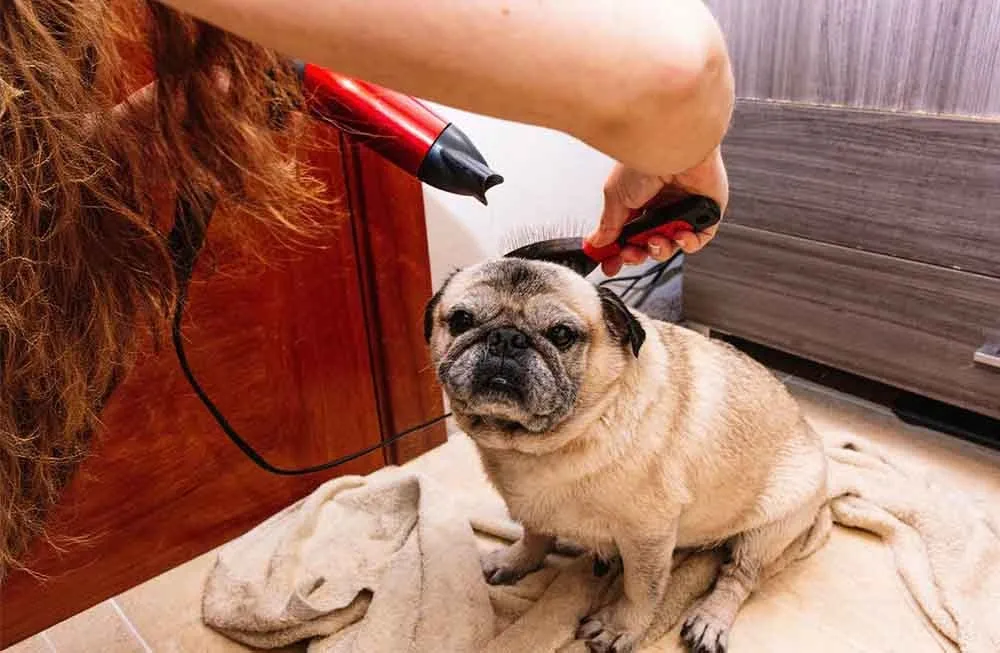
Image Source: Epitails
Pug care starts with good grooming. It’s the life-blood of keeping these adorable dogs healthy and happy. Their unique physical traits need specific grooming routines.
Coat brushing and shedding control
Most people think short-coated breeds don’t shed much. The reality is quite different – pugs shed heavily all year round. These dogs have a two-layer coat (fawn pugs) or sometimes a single-layer coat (many black pugs). Both types need regular maintenance. Brushing does more than remove loose hair. It lets air reach the skin and stops fallen hair from tangling with live hair that creates bad smells.
Your pug needs brushing 2-3 times every week. During heavy shedding seasons, daily brushing works best. Here are the tools that work best:
Rubber curry brushes or grooming gloves for everyday use
Deshedding tools like the Furminator for weekly use during heavy shedding
Bristle brushes as finishing tools
Bath time should happen every 2-3 weeks with dog-specific shampoo. Many pug parents get great results with anti-shedding products like Nature’s Miracle. After the bath, dry your pug really well. Pay extra attention to skin folds where water likes to hide.
Cleaning facial wrinkles
A pug’s charming wrinkles need careful attention. These deep skin folds can trap moisture, food bits, dirt, and debris. These create perfect spots for bacteria and yeast to grow. Daily cleaning becomes essential, especially when you have a pug with deep wrinkles.
Here’s how to clean your pug’s wrinkles:
Look for any signs of irritation, redness, scabbing, or strange smells in the folds
Spread each fold gently and clean with an unscented baby wipe, soft damp cloth, or canine facial wipe
Use extra gentle motions since wrinkle skin is very sensitive
Dry each fold completely with soft tissue, gauze, or an absorbent cloth
Use vet-recommended balm if prescribed for skin problems
The “V” shaped wrinkles on the forehead and deep nose roll above the snout need special care. Skipping regular cleaning can lead to infections with strong odors, lots of scratching, swelling, and sometimes pus.
Dental and ear care routines
Dental health is vital for pugs. Their short muzzles often mean crowded teeth that trap bacteria and plaque. Your pug needs daily tooth brushing with dog-safe toothpaste and a soft-bristled toothbrush or finger brush. Pugs with serious dental issues should see a professional cleaner once a year, based on what vets recommend.
Ear care deserves just as much attention because pugs often get ear infections. Their floppy ears trap moisture and debris, giving bacteria a perfect home. Clean the ear flaps and outer ear canal weekly with special ear wipes that contain soothing ingredients like aloe vera or eucalyptus. Vets usually suggest cleaning the inner ear canal every six weeks – more often for pugs that get frequent ear infections.
Follow these steps to clean your pug’s ears:
Hold the ear flap up with one hand
Put the recommended ear solution into the canal
Massage the ear base for 2-3 minutes
Clean out debris with gauze or cotton balls (never use cotton swabs)
Regular grooming helps keep your pug healthy and deepens their commitment to you as their favorite human companion.
Feeding and Nutrition for Pug Dogs
Nutrition plays a vital role in your pug’s health. The right food choices directly affect their quality of life and how long they live. These adorable dogs need special nutrition because of their unique physical traits.
Best diet for pug puppies and adults
Pug puppies thrive on nutrient-rich foods that help their bones develop and muscles grow. You should pick a high-quality puppy formula that has balanced calcium and phosphorus to keep their skeleton healthy. These little ones do best with 3-4 small meals each day until they reach about 6 months.
Adult pugs’ nutritional needs move toward keeping their weight in check while preserving muscle. Their ideal diet has:
High-quality proteins (20-24% of dry matter)
Moderate fats (8-12% of dry matter)
The right amount of fiber to aid digestion
Omega-3 fatty acids that support skin and joints
Your pug’s metabolism slows down substantially when they hit their senior years around age 7. Senior food should focus on easy-to-digest proteins (18-22%), less fat, and extra support for joints, kidneys, and immune system.
Managing food allergies and sensitivities
Pugs often struggle with food allergies, especially when you have wheat and corn in their diet. Watch for signs like itchy skin, ear infections, digestive problems, and sometimes severe reactions. Food trials that last 8-12 weeks are the quickest way to spot specific allergens.
Limited-ingredient diets with just one protein and one carbohydrate source work well for many pug owners. Another option is vet-approved therapeutic diets that follow strict rules to avoid mixing in allergens.
Preventing obesity through portion control
Pugs top the charts for obesity risk among all dog breeds. Studies show that all but one of these five pugs get an obesity diagnosis yearly. This makes them three times more likely to gain too much weight compared to other breeds.
These weight management strategies work best:
First, set fixed meal times instead of leaving food out all day – adult pugs do well with two meals daily. Second, measure portions carefully based on how active your pug is. An average adult pug just needs about 30 calories per pound of body weight each day. Third, keep treats and table scraps minimal since they pack extra calories.
Regular but gentle exercise helps with diet management. Your pug’s flat-faced structure means they can’t handle intense workouts. A healthy weight reduces pressure on their joints and breathing. This tackles key health issues that affect this cherished breed.
Training and Socializing Your Pug
Training a pug requires an understanding of their unique personality and adapting methods to match their distinctive learning style. A proper training approach sets significant boundaries and deepens their commitment to their owner.
Are pugs easy to train?
Pug training creates an interesting paradox – these dogs are intelligent and eager to please, yet they have an independent streak that can make training a bit tricky. Their intelligence helps them learn commands quickly, but their stubborn nature sometimes shows up as selective listening. Pugs have relatively short attention spans, so they need brief, engaging training sessions to stay interested.
These dogs respond exceptionally well to food rewards, which makes them highly trainable with proper motivation. Their food-driven nature is a chance – they “take to training with food like a fish to water”. Training sessions should stay short, positive, and need consistent reinforcement to work best.
Positive reinforcement techniques
Positive reinforcement is the most effective way to train pugs. This method rewards desired behaviors right after completion to increase their frequency. Pugs’ sensitivity makes them respond poorly to harsh corrections or punishments.
Effective positive reinforcement for pugs has:
Small, high-value treats broken into tiny pieces (critical for weight management)
Enthusiastic verbal praise (“Good boy/girl!”)
Physical affection like belly rubs or gentle petting
Brief play sessions with favorite toys
Clickers are excellent training tools for pugs because they mark the exact moment a behavior is performed correctly. This clarity helps pugs understand which action earned the reward.
Importance of early socialization
The best time for socialization is between 8-14 weeks during the critical “socialization window”. Puppies are especially receptive to new experiences and form positive associations during this period. Early socialization reduces the likelihood of fear-based behaviors like aggression or anxiety in adult dogs by a lot.
Good socialization exposes your pug to:
Various people including children, men in hats, people with beards
Different environments like parks, sidewalks, and busy streets
Other well-mannered, vaccinated dogs
It’s worth mentioning that socialization continues throughout your pug’s life and doesn’t end after puppyhood. This ongoing process builds confidence, adaptability, and will give a well-adjusted companion.
Pugs in Art, Media, and Pop Culture
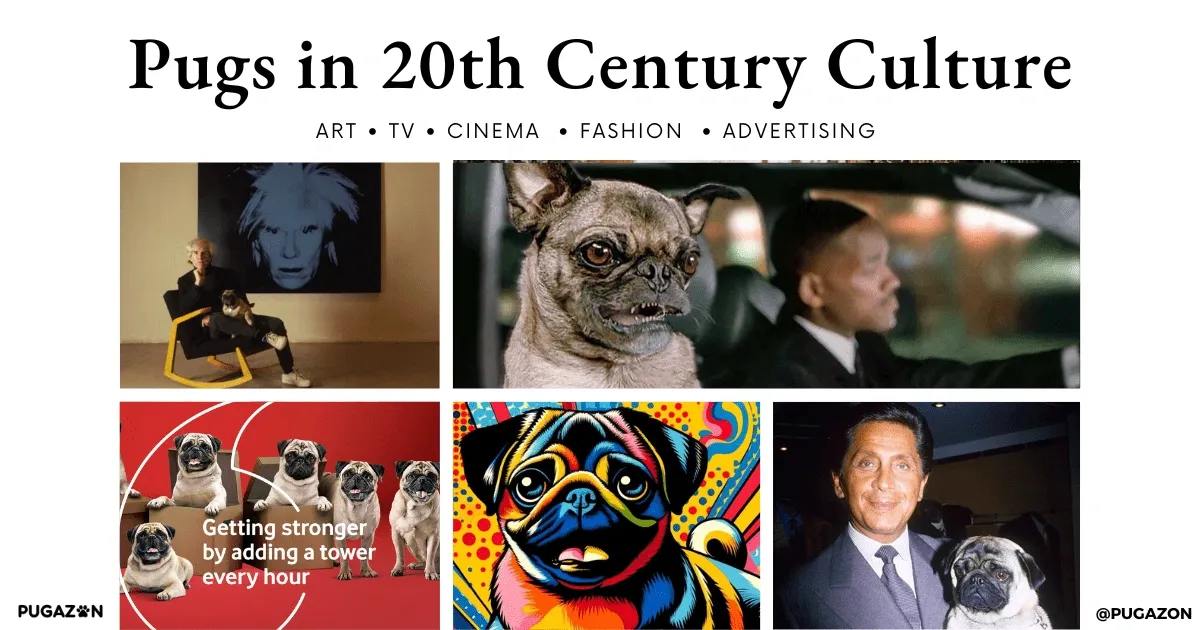
Image Source: Pugazon
Pugs have charmed their way from royal courts to Hollywood and become one of the most recognizable dog breeds in popular culture.
Famous pug owners
Many celebrities and historical figures have fallen in love with pugs. Queen Victoria bred pugs herself and kept up to 36 during her reign. Italian designer Valentino’s devotion to pugs became legendary – he traveled with them to fashion shows and made them part of his brand image. The list of pug enthusiasts has grown to include Gerard Butler with his pug Lolita, Jessica Alba with Syd and Nancy, Paris Hilton with Mugsy, and Rob Zombie with his black pugs Dracula and Godzilla.
Pugs in movies and TV
Pugs left their mark in cinema through “Frank the Pug” in the Men in Black series, played by animal actor Mushu. Frank’s witty character added humor and personality to the franchise. These adorable dogs also appeared in popular TV shows like Friends during a motherhood storyline. A pug named Allan made several appearances in The King of Queens.
How pugs became a cultural icon
Social media has amplified pugs’ cultural status in recent years. A 13-year-old pug named Noodle took TikTok by storm in 2021 with the “no-bones day” phenomenon and amassed over 25 million views. Pugs’ distinctive appearance makes them perfect subjects for internet memes and viral content. Their cultural significance dates back centuries, with renowned painters like William Hogarth featuring pugs in their masterpieces.
Conclusion
Pugs rank among the most unique and cherished dog breeds in history. Their trip from Chinese imperial courts to global fame shows how adaptable and charming they are. These small dogs match their unique looks with a perfect companion temperament that lives up to their Latin motto “multum in parvo” – a lot in a little.
You’ll spot a pug right away by their wrinkled face, curled tail, and expressive eyes. Their gentle, loving nature makes them exceptional family pets. These dogs get along great with kids and other animals. They adapt well to different homes thanks to their balanced temperament and reasonable exercise needs.
Future pug owners should think about these dogs’ specific health challenges. A pug’s brachycephalic structure needs extra attention for breathing. Weight control is vital to avoid obesity, and their signature wrinkles need regular cleaning. The right care improves these special companions’ quality of life and longevity by a lot.
A pug’s unique character shines through during training. Smart but sometimes stubborn, they respond well to positive reinforcement and short, engaging sessions. Early socialization helps create well-adjusted adult dogs that handle different situations easily.
These dogs managed to keep their royal connections while becoming pop culture icons. Their appearances in art, film, TV, and social media show why people of all ages and backgrounds love them.
Pugs are devoted companions wrapped in an irresistible package of wrinkles, snorts, and personality. They need specific care, but families who welcome these charming dogs find the same qualities that engage dog lovers since ancient times – loyalty, affection, and an adorably unique look that keeps winning hearts worldwide.
Key Takeaways
Understanding pugs means recognizing their unique blend of ancient heritage, distinctive health needs, and irresistible charm that has captivated dog lovers for over 2,000 years.
• Pugs require specialized care due to brachycephalic syndrome – daily wrinkle cleaning and weight management are essential for their health and longevity.
• These compact companions excel with families and children, displaying gentle temperaments while maintaining their signature stubborn-yet-intelligent personality traits.
• Originally bred as Chinese imperial companions, pugs embody “multum in parvo” (a lot in a little) with their 14-18 pound frames packed with personality.
• Training success comes through positive reinforcement and short sessions, as pugs respond poorly to harsh methods but excel with food rewards and patience.
• Modern pugs face significant health challenges including breathing difficulties and obesity risks, making preventive care and proper nutrition absolutely critical for quality of life.
While pugs offer unmatched companionship and adaptability to various living situations, prospective owners must commit to their specific grooming, health monitoring, and training needs to ensure these beloved dogs thrive throughout their 10-15 year lifespan.
FAQs
Q1. Are pugs suitable for families with children? Pugs are excellent family dogs, especially with children. Their sturdy build allows them to tolerate rough handling, while their gentle and patient nature makes them ideal playmates. They rarely bark excessively, making them suitable for households with babies or toddlers who need quiet during nap times.
Q2. What are some common health concerns for pugs? Pugs are prone to several health issues, primarily due to their flat faces and compact bodies. These include Brachycephalic Obstructive Airway Syndrome (BOAS), eye problems like dry eye and corneal ulcers, skin infections in their facial wrinkles, and a tendency towards obesity. Regular veterinary check-ups and proper care are essential to manage these concerns.
Q3. How much exercise do pugs need? Pugs have moderate exercise needs. While they enjoy playtime, they aren’t overly energetic dogs. Short daily walks and indoor play sessions are usually sufficient to keep them healthy and happy. However, due to their brachycephalic nature, it’s important to avoid strenuous exercise, especially in hot weather.
Q4. Are pugs easy to train? Pugs are intelligent and eager to please, but they can also be stubborn. They respond well to positive reinforcement techniques, especially when food rewards are involved. Short, engaging training sessions work best due to their relatively short attention spans. Consistency and patience are key when training pugs.
Q5. How often should pugs be groomed? Despite their short coats, pugs require regular grooming. They shed heavily and need brushing 2-3 times a week, increasing to daily during heavy shedding periods. Their facial wrinkles need daily cleaning to prevent infections. Bathing every 2-3 weeks, regular dental care, and weekly ear cleaning are also important parts of a pug’s grooming routine.