
Coton De Tulear
 Noble families treasured the Coton De Tulear so much that they made it illegal for common people to own them. These charming small dogs charm everyone with their cotton-like white coat. A full-grown Coton weighs between 8-15 pounds and can live a remarkable 14-19 years.
These dogs fit right into any lifestyle thanks to their balanced temperament and social nature. Their signature white coat feels incredibly soft, though you might spot some with gray, tan, black, or tri-colored markings. Male Cotons typically tip the scales at 6-8 kg (13-18 lb), while females stay a bit smaller at 3.5-5 kg (7.7-11.0 lb). The American Kennel Club gave these lovable dogs official recognition in 2014.
This piece walks you through everything you’d want to know about these delightful companions. You’ll learn about their royal roots in Madagascar, what they look like, how they behave, what grooming they need, and ways to keep them healthy. The sort of thing I love about these laid-back island dogs is how they keep winning people’s hearts around the world.
Breed overview and origin
Madagascar’s pristine shores tell the origin story of one of the world’s most endearing canine companions. The Coton De Tulear’s incredible experience spans centuries and has tales of shipwrecks, pirates, and royal decrees.
Where the Coton de Tulear comes from
The Coton de Tulear originated on Madagascar, a big island nation about 250 miles off Africa’s eastern coast. This beautiful tropical paradise became these charming dogs’ home. Their name comes from their cotton-like coat texture and Tulear (now Toliara), the port city where they first became prominent.
These dogs first reached Madagascar’s shores between the 15th and 17th centuries. The breed’s ancestry links to the Bichon family of dogs. Most experts point to the now-extinct Bichon Tenerife as a direct ancestor.
Several theories explain how they arrived on Madagascar:
The Shipwreck Theory: The most romantic tale suggests these dogs were aboard a ship that wrecked off Madagascar’s coast. Their fluffy coats acted as natural flotation devices that helped them swim ashore while human passengers perished.
The Pirate Connection: Madagascar was a notorious pirate haven during this era, with pirate graveyards still visible today. Pirates set up bases on the island, including St. Mary’s Island. Some historians believe they brought the dogs as companions or as “ratters” to control vermin aboard ships.
The Trade Route Theory: The dogs might have arrived through maritime trade routes. Ships from Europe, Asia, and the Middle East regularly stopped at Madagascar’s ports for refueling.
Today’s Coton likely evolved through breeding with local Malagasy dogs over centuries. A French regional Governor, Etienne de Flacourt, mentioned “small white dogs” with “long noses and short legs like foxes” in his 1658 book “History of the great Isle of Madagascar”.
Why it’s called the Royal Dog of Madagascar
The Coton de Tulear earned its royal nickname through a special bond with Madagascar’s ruling class. The Merina tribe, Madagascar’s ruling indigenous people, fell in love with these charming cotton-coated dogs in the 17th century.
The Merina nobility loved these playful companions so much they made it illegal for common citizens to own them. This law turned the dogs into symbols of power and prestige among the island’s elite.
Historical records show people often gave Cotons as gifts to please the Merina nobility. This practice strengthened their connection to Malagasy high society. French colonists also fell for these charming dogs after arriving on the island in the late 17th century.
Madagascar officially recognized the breed’s royal status in 1974 by releasing a postage stamp featuring the Coton de Tulear as the “Royal Dog of Madagascar”. This stamp forever marked the breed’s importance to the island nation.
The island’s nobility shaped the Coton de Tulear’s distinctive traits through selective breeding during this royal period. Their friendly, loving temperament came from generations of breeding for companionship rather than work, making them perfect royal pets.
The Coton de Tulear stayed hidden from the outside world for centuries until reaching Europe in the mid-20th century. Dr. Robert Jay Russell brought the first Cotons to America in 1974 while studying lemurs in Madagascar. These royal companions started their journey to become beloved family pets worldwide.
Physical characteristics of the Coton de Tulear
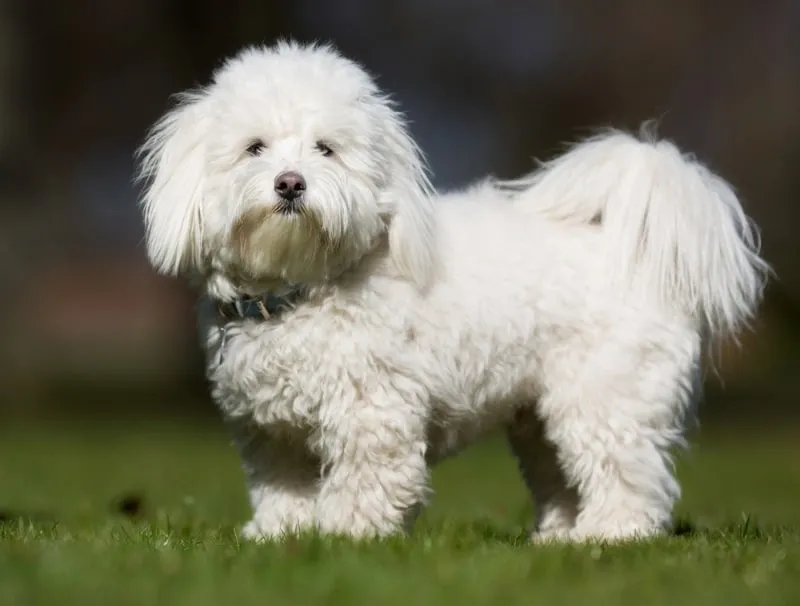
Image Source: Dogster
The Coton de Tulear catches everyone’s eye with its plush, cotton-candy-like coat and bright eyes. This small but tough breed stands out from other companion dogs with its unique physical traits.
Size and weight range
Coton de Tulears are compact dogs with well-balanced builds. Males reach 10-11 inches at the shoulder, while females are a bit smaller at 9-10 inches. The breed standard lets dogs be a half-inch shorter or an inch taller, though this isn’t ideal.
Different kennel clubs have their own weight guidelines. The American Kennel Club says males should weigh 9-15 pounds and females 8-13 pounds. The Fédération Cynologique Internationale suggests slightly higher numbers: 13-18 pounds for males and 7.7-11.0 pounds for females.
These dogs should look sturdy no matter their size. The breed standard makes it clear that Cotons “should never appear fragile” even though they’re small. Their body has a rectangular shape, with length greater than height, which gives them a balanced look.
Coat texture and length
The name “Coton de Tulear” tells you about the breed’s standout feature. “Coton,” French for cotton, describes the feel perfectly. The coat feels incredibly soft and supple, never harsh or rough.
A full-grown Coton’s coat reaches about four inches long. It grows thick and full, sometimes with a slight wave. Show dogs can’t have tightly curled, wooly, or silky coats – judges see these as serious flaws.
The coat changes as the dog grows up. Puppies start with an extra-soft coat that changes texture as they mature. The coat is hair rather than fur and barely sheds. People with allergies might do well with Cotons since they’re thought to be hypoallergenic, though no dog is completely allergy-free.
Color variations and fading patterns
Coton de Tulears have an amazing way of changing colors as they grow. While adults are mostly white, puppies can show up in surprising shades that fade over time.
White is the main color, but puppies often start with different shades that lighten as they get older. This happens because of a special “fade gene” that makes darker puppy colors start lightening from the hair base.
Each kennel club has its own rules about colors:
The American Kennel Club only allows 5% light tan marks on adult dogs
The Fédération Cynologique Internationale accepts slight gray or “red-roan” (lemon) marks, mainly on the ears
The Canadian Kennel Club recognizes three types: all-white/white with champagne, tricolor (white/brown/black), and black/white
Tricolor Cotons change the most dramatically. They start life with lots of tan and black marks but end up mostly white, keeping just a few spots of color around their ears. Black Cotons turn gray or silver as they age but never become pure white.
Anyone looking to get a Coton puppy should know about these color changes. Your tricolor or black puppy will look quite different grown up – it’s just part of what makes this breed special.
Coton de Tulear temperament and personality

Image Source: Houndsy
The Coton de Tulear’s cotton-soft looks hide something truly special – a personality that makes dog lovers talk about them like they’re human. These charming dogs build deep bonds with their families and bring a perfect mix of smarts, love, and fun to their homes.
Friendly and affectionate nature
People call the Coton de Tulear a “velcro dog” because they stick so close to their family members. These pups shadow their owners everywhere they go. The bond runs so deep that owners talk about their Cotons like they’re people – describing them as “witty” friends who “can be loud but never pushy”.
Cotons love being with people and are happiest when they’re part of family activities. They show their affection through gentle nudges and excited welcomes. These dogs also know how to read their owner’s emotions and comfort them when needed. A wagging tail after work or a sweet nuzzle when you’re sad shows how much they care.
These social butterflies don’t do well alone for long stretches. They might get anxious if left by themselves for more than a few hours. Regular interaction, friendship, and mental challenges are key to their happiness.
Behavior with children and other pets
Family life suits Cotons perfectly. They’re patient and gentle with kids of any age. Their tough but small size helps them handle enthusiastic children. In spite of that, adults should watch over playtime, especially with little ones who might not know how to be gentle.
These dogs play nice with others too. They usually become great friends with other dogs and can live happily with cats if introduced properly. This makes them great additions to homes with other pets.
Early socialization helps boost these natural traits. Well-socialized Cotons grow up confident and behave well around different people, animals, and places. That’s why owners should focus on positive experiences during puppyhood.
Common personality traits
Cotons are smart cookies. These clever dogs pick up new commands and tricks fast, especially with positive training methods. They learn better through fun activities than boring repetition.
One of their best features is their silly side. These dogs love making their humans laugh and often act goofy just to get attention. Walking on their back legs is their signature move. Many even create their own special sounds beyond barking – what owners lovingly call “Coton talk”.
These playful pups adapt easily to different homes. They’re just as happy in apartments as they are in big houses, and they handle hot or cold weather well. While they love playtime, they’re also happy to snuggle up when the fun’s over.
Cotons are usually quiet, but they can get chatty during play. Some might bark to alert you about strange noises or movement, but good training can help manage this.
These dogs nail the balance between playful friend and cuddly companion. Their happy attitude, flexibility, and talent for bonding make them perfect for almost any home.
Grooming needs and coat care
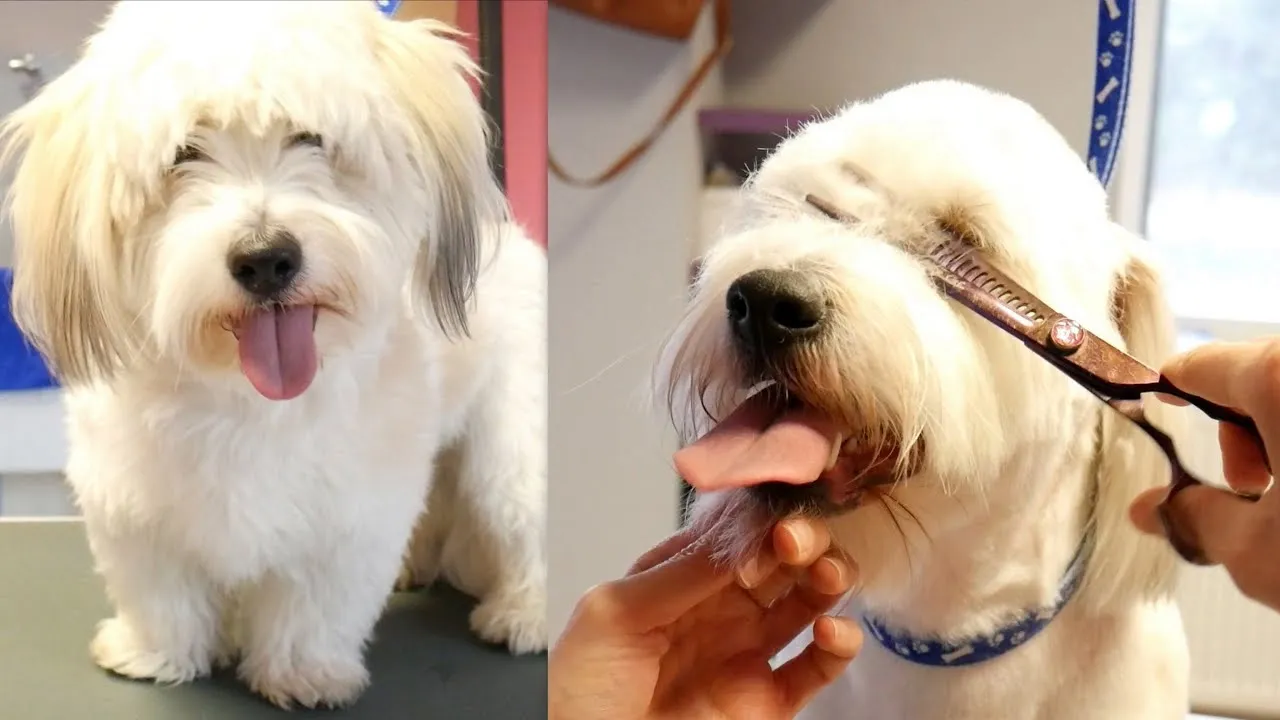
Image Source: Smart.DHgate
A Coton de Tulear’s cotton-like coat needs dedicated care and attention from its owners. These dogs are known for their fluffy appearance that doesn’t happen by chance – you just need regular grooming routines and the right tools to keep their coat beautiful and free from uncomfortable mats and tangles.
Brushing frequency and tools
Your Coton’s fluffy coat needs consistent brushing to stay beautiful and prevent painful matting. You should brush your Cotons three to four times weekly at minimum. Note that puppies have softer coats that need less maintenance, but starting a daily 15-minute grooming routine early creates better habits for adult grooming.
Most Cotons go through their most important coat change between seven to eight months as their puppy coat becomes an adolescent coat. This phase can be tricky since mats form easily, so daily brushing becomes crucial. The adult coat usually develops by fifteen months.
Essential grooming tools include:
Pin brush: Perfect for longer coats and general brushing
Slicker brush: Great for removing mats and dead hair
Combination comb: Half-fine and half-medium teeth (often called a poodle comb)
Flea comb: Best for facial cleaning and removing debris
Detangling spray: Helps prevent breakage when working through knots
Line brushing works best – you’ll want to work in sections from the skin outward. Never brush a dry coat. You should lightly mist the hair with detangling spray before brushing to prevent breakage.
Bathing and detangling tips
Your bathing schedule depends on your dog’s lifestyle and coat length. Some owners say their Cotons need baths just a few times yearly, but most bathe their dogs between once weekly to once every 4-6 weeks. Dogs with longer coats need more frequent baths – weekly for coats over 3 inches, every two weeks for 2-inch coats, and at least every three weeks for shorter styles.
A proper bath involves:
Removing all tangles before bathing (mats get worse when wet)
Using lukewarm water from a shower head (never hot)
Using shampoo made for white dogs
Washing the head last to keep shampoo out of eyes
Rinsing until water runs clear
Patting dry gently—never rub as this creates mats
Stubborn mats? Soak them with detangling spray, work the product in, and wait about 20 minutes before gently separating them. Pull the mats sideways in both directions, then carefully comb through using the end tooth of a comb as a pick.
Managing tear stains and ear hygiene
Tear stains show up easily on a Coton de Tulear’s white coat. Clean your dog’s eyes daily to prevent staining and remove irritating secretions. Dog eye wipes work well to reduce the reddish-brown marks.
Porphyrins cause most tear stains – these are iron-containing molecules in tears. Sunlight makes these stains look worse. Regular cleaning and keeping the face dry helps reduce staining. See your vet if the problem persists since blocked tear ducts or infections might be why it happens.
Your dog’s ears need weekly care. Check inside the ear canal for hair growth that needs removal to avoid problems. A bit of ear powder helps you grip these hairs better. Clean only the outer ear with a cotton ball dampened with canine ear solution—never insert anything into the ear canal.
Take your dog to the vet if you notice constant head shaking, ear scratching, bad smells, or brownish discharge. The same goes for eye redness, swelling, or too much tearing.
Common health issues and lifespan
The Coton de Tulear stands out as one of the healthiest breeds in the dog world. These dogs live longer and face fewer genetic health issues than most purebred dogs. This makes them perfect companions for anyone looking for a healthy, long-lived pet.
Coton de Tulear lifespan expectations
These small dogs live remarkably long lives, often reaching their late teens. Most Cotons live between 15 and 19 years, though some sources put the range at 14 to 19 years. The average life expectancy sits at 14.5 years, but many dogs live past 17.
The breed’s excellent genetic health explains their impressive lifespan. Breed organizations and dedicated breeders deserve recognition for their careful breeding practices that protect this advantage. The Coton gets “incredibly high marks for general health—especially for a purebred group”.
Good nutrition, regular exercise, dental care, and routine vet visits help extend a Coton’s life. These dogs stay active and playful well into their senior years. Their care needs change as they age, so adjusting routines helps maintain their quality of life.
Luxating patella and joint concerns
Luxating patella tops the list of orthopedic issues in Cotons. The kneecap slips out of its normal position in this condition. About 7% of puppies across all breeds develop this issue. Small breeds like the Coton face higher risks.
Common signs of luxating patella include:
Sudden hind leg lifting or “bunny hopping” during runs
Popping sounds from knee movement
Quick episodes of lameness that go away on their own
Less jumping or exercise avoidance
Vets rate luxating patella severity on a four-grade scale. Grade I cases need only weight management and anti-inflammatory drugs. More serious cases might require surgery. Regular vet checks help catch this condition early.
Hip dysplasia affects some Cotons, though less often than larger breeds. This hip joint problem can lead to arthritis and movement issues without treatment. Weight control helps manage symptoms in affected dogs.
Eye and spinal conditions to watch for
Progressive retinal atrophy (PRA) ranks as a major eye concern for Coton owners. This genetic disorder slowly destroys the retina until blindness occurs. Dogs might hesitate to enter dark rooms or move around at night. No treatments exist for PRA, but genetic testing identifies carriers.
Multifocal retinopathy shows up in Coton puppies around 3-4 months old. This inherited condition creates gray-tan-pink areas in the eye from retinal detachments. Most dogs keep normal vision despite these concerning eye changes.
Intervertebral disk disease (IVDD) presents the biggest spinal risk. Research shows Cotons carry the same genes (CFA12 FGF4 and CFA18 FGF4) linked to IVDD in Dachshunds. These genes start damaging disks at birth. Signs range from back pain to complete paralysis in worst cases.
Royal Kennel Club research reveals dogs with one or two copies of these genes face a 39% lifetime IVDD risk. Dogs without these genes have a 22% risk. IVDD can strike as early as 18 months but usually appears in middle age.
Good breeders test their dogs’ eyes, knees, hearts, and hips before breeding. Anyone looking to buy a Coton puppy should ask for these health screening results.
Feeding and nutrition guide
A balanced diet builds the foundation of your Coton de Tulear’s health. These small but lively companions need well-balanced meals to keep their cotton-soft coats healthy and support their active lifestyle through their long lives.
Recommended diet for puppies and adults
Coton de Tulears’ nutritional needs evolve as they age. Puppies need more nutrients than adult dogs to support their growth and development. Quality puppy food from trusted brands delivers the proteins, fats, carbohydrates, vitamins and minerals they need during this key period.
Adult Cotons thrive on foods with approximately 30% protein content according to the American Coton Club. Quality animal proteins should make up most of their diet. Many owners choose foods without fillers and artificial additives since Cotons can develop food sensitivities.
Your Coton needs you to:
Pick age-appropriate food (puppy, adult, senior)
Watch their weight and adjust food portions
Keep treats under 10% of daily calories
Stay away from fatty table scraps and cooked bones
Feeding schedule and portion control
A regular feeding schedule helps your Coton’s digestion and prevents overeating. Puppies need 3-4 meals daily on a set schedule, then switch to twice-daily feeding as adults—morning and evening.
Your Coton’s size, age, and activity level determine their portions. Dogs up to 7 pounds do well with ¼ cup per meal, while those between 7-14 pounds need about ⅓ cup per meal. Adult Cotons usually eat ½-1½ cups daily split into two meals.
Set meal times work better than free-feeding. This lets you track food intake and spot changes in appetite that might signal health issues. Portion control matters even more since these dogs can gain weight quickly without proper monitoring.
Supplements for coat and joint health
A balanced diet provides most nutrients, but some Cotons benefit from specific supplements. Fish oil’s omega-3 fatty acids help keep their signature coat hydrated and shiny. Biotin makes hair follicles stronger and reduces shedding.
Joint supplements with glucosamine, chondroitin, green mussel extract, and MSM can help Cotons since they tend to develop joint problems like luxating patellas, especially as they age.
Start new supplements at half dose for 10 days, then slowly increase to full strength. This helps your dog’s system adjust smoothly. Talk to your vet before adding any supplements to your dog’s diet.
Training and socialization tips

Image Source: TikTok
Coton de Tulear dogs are smart and eager to please their owners. They pick up training quickly when you stay consistent. These cotton-fluffed companions love making their humans happy, which makes teaching them everything from simple commands to fun tricks a breeze.
How to train a Coton de Tulear puppy
Your Coton de Tulear puppy’s training should start soon after they come home. Give them a moment to get comfortable in their new space, then start setting simple house rules and bathroom schedules. These clever little dogs learn best when you start training them before they hit 20 weeks old.
Small dogs like Cotons need different training approaches than bigger breeds. Many owners find success with bells on door handles to signal potty time – it helps them communicate clearly. City dwellers might prefer teaching their pups to use potty pads or litter boxes.
Positive reinforcement techniques
Coton de Tulears thrive when you reward good behavior. Harsh corrections or showing dominance usually backfires and makes these sensitive pups anxious or stubborn. Each dog responds differently to motivation – some love treats, others prefer praise or playtime.
Training should be quick, fun, and engaging. “Cotons won’t do well in military-style drills; their curious minds need variety and fun,” notes one expert. Think of training as a game instead of repetitive exercises.
Importance of early socialization
A Coton’s future behavior depends heavily on proper socialization. The North American Coton Association makes this crystal clear: “Socialize! Socialize! Socialize!”. Dogs without enough early exposure often develop behavioral issues and separation anxiety.
Good socialization means:
Getting puppies comfortable with different types of people
Letting them explore various environments and surfaces
Getting them used to common household noises and activities
Puppy kindergarten classes offer great socialization opportunities once your pup has their shots. These early experiences help create a calm, well-mannered companion who stays relaxed in any setting.
History and breed recognition

Image Source: American Kennel Club
The Coton de Tulear’s remarkable rise from a treasured island dog to a beloved global companion tells an incredible story.
Historical role in Madagascar
The Coton de Tulear enjoyed a prestigious status in Madagascar’s social hierarchy for centuries. The ruling Merina tribal monarchy took these charming dogs under their wing in the 17th century. They created strict ownership rules that prevented coastal tribesmen and commoners from owning a Coton. This exclusivity made them the “Royal Dog of Madagascar,” and the nation celebrated this status by featuring the breed on a postage stamp in 1974. French colonists who took control of Madagascar at the start of the 20th century quickly became enchanted by the Coton’s charm.
Introduction to Europe and the U.S.
These dogs remained on their isolated island until French travelers found them during their visits to Madagascar in the 1960s. Dr. Robert Jay Russell, a biologist studying lemurs in Madagascar in 1974, fell in love with these dogs and brought the first breeding pairs to America. His father’s New Jersey-based Oakshade Kennel became the launching point for introducing the breed to American dog lovers.
Kennel club recognition timeline
The Societe Canine de Madagascar first registered the Coton de Tulear on May 15, 1968. France’s national kennel club (Societe Centrale Canine) added the breed to its registry in 1970. The Fédération Cynologique Internationale soon followed and published the official breed standard in 1972. The United Kennel Club welcomed the breed on January 1, 1996. The American Kennel Club took longer and finally granted full recognition in 2014.
Conclusion
Coton de Tulear dogs make remarkable companions for anyone looking for an affectionate, smart, and long-lived pet. These dogs’ journey from Madagascar’s royal courts to homes worldwide shows just how special they are. They bring so much to the table – beautiful cotton-like coats, friendly personalities, and an impressive lifespan of 15-19 years.
New owners need to think about the time they’ll spend grooming these fluffy friends. The Coton’s distinctive coat needs regular brushing and proper bathing to keep its cotton-soft feel and avoid matting. Most Coton lovers say the grooming time is worth it because of the happiness these dogs bring to their families.
These dogs are among the healthiest purebreds around, but it’s worth mentioning that issues like luxating patella and progressive retinal atrophy can occur. Training comes naturally to these smart pups who love to please their owners, especially with consistent positive reinforcement.
Over several centuries, Coton de Tulears have shown they can adapt well to different living situations. Their mix of playful energy and snuggly affection works great in homes of all types – from busy families to seniors who want loyal companions.
Anyone lucky enough to have a Coton will quickly see why Madagascar’s nobility treasured these dogs. Their winning mix of charm, good looks, and loyalty keeps winning hearts around the world. The “Royal Dog of Madagascar” will stay beloved for generations.
Key Takeaways
The Coton de Tulear offers exceptional companionship with remarkable longevity and relatively few health concerns, making them ideal for those seeking a devoted, long-term canine partner.
• Coton de Tulears live 15-19 years with fewer genetic health issues than most purebreds, requiring only routine care for luxating patella and eye conditions.
• Daily brushing prevents painful matting of their signature cotton-like coat, especially during the challenging 7-8 month coat transition period.
• These “velcro dogs” form intense bonds with families but may develop separation anxiety if left alone for extended periods.
• Early socialization and positive reinforcement training are crucial for developing well-adjusted companions who thrive on variety and fun.
• Originally exclusive to Madagascar’s nobility, these 8-15 pound dogs adapt perfectly to various living situations while maintaining their playful yet cuddly nature.
The breed’s combination of intelligence, adaptability, and exceptional health profile makes them outstanding companions for families, seniors, and anyone seeking a devoted pet with minimal medical concerns throughout their impressively long lifespan.
FAQs
Q1. Are Coton de Tulears good family dogs? Coton de Tulears make excellent family dogs. They form strong bonds with their families, get along well with children and other pets, and adapt easily to various living situations. Their friendly and affectionate nature makes them ideal companions for households of all sizes.
Q2. What are the grooming requirements for a Coton de Tulear? Coton de Tulears require regular grooming to maintain their signature cotton-like coat. This includes daily brushing, especially during their coat transition period around 7-8 months of age, and regular bathing. While not the highest maintenance breed, their grooming needs are significant and shouldn’t be overlooked.
Q3. How long do Coton de Tulears typically live? Coton de Tulears have an impressive lifespan, typically ranging from 15 to 19 years. This longevity, combined with their generally good health, makes them an excellent choice for those seeking a long-term canine companion.
Q4. What health issues are common in Coton de Tulears? While generally healthy, Coton de Tulears can be prone to certain conditions. The most common include luxating patella (kneecap dislocation), progressive retinal atrophy, and hip dysplasia. Regular veterinary check-ups can help detect and manage these issues early.
Q5. Are Coton de Tulears easy to train? Coton de Tulears are intelligent and eager to please, making them relatively easy to train. They respond best to positive reinforcement techniques and enjoy variety in their training sessions. Early socialization is crucial for developing well-adjusted adult dogs.