
Chow Chow
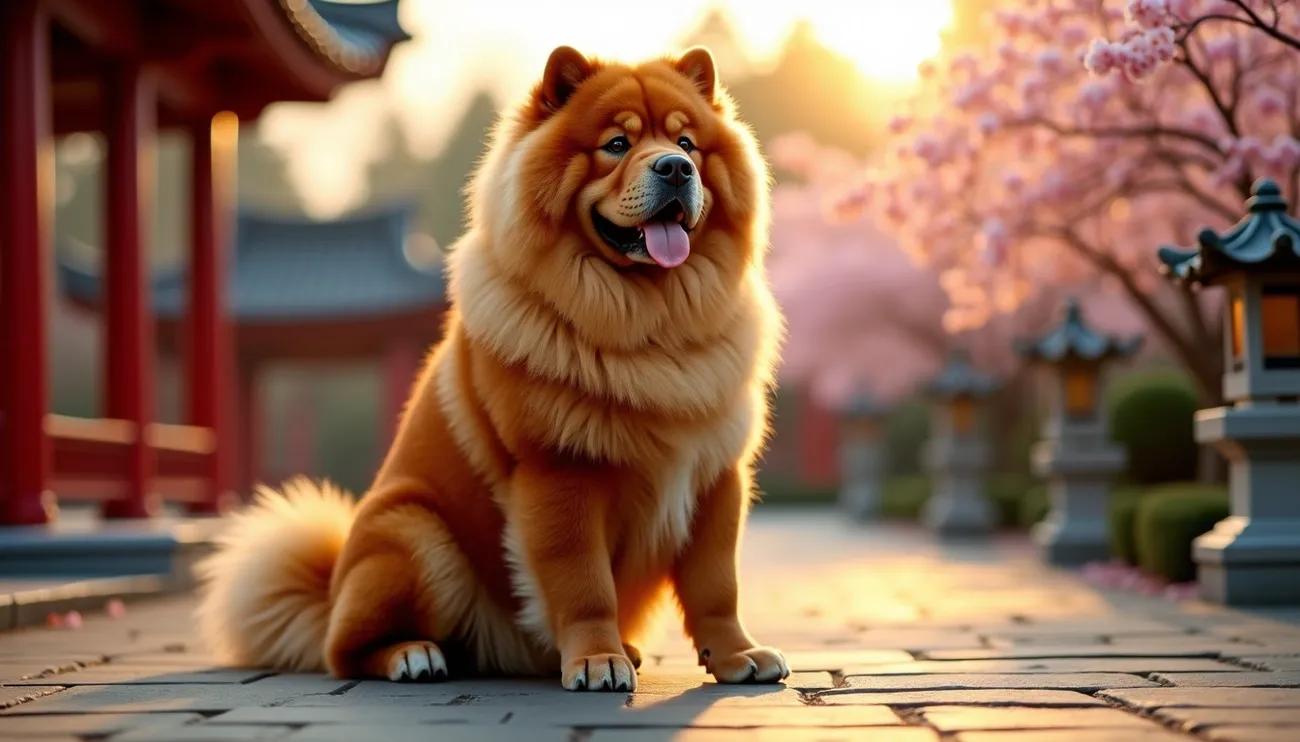 Chow Chow dogs are among the oldest canine breeds worldwide. Research traces their ancestry to indigenous dogs from central China about 8,300 years ago. The Han Dynasty (206 BCE to 220 CE) saw these versatile working dogs emerge, and they have kept their distinct traits through centuries.
A Chow Chow’s lion-like appearance and blue-black tongue make it instantly recognizable. These dogs stand 17-20 inches tall and weigh 45-70 pounds at maturity. The breed’s cleanliness mirrors that of cats, as they rarely have an odor. While Chow Chows show an independent and reserved nature, they form strong bonds with their family members.
The breed’s lifespan spans only 8-12 years, shorter than many other dogs. Their dense double coat needs regular grooming and sheds moderately throughout the year, with heavier shedding during seasonal changes. This piece explores essential information for future owners about this ancient breed, whose genetic makeup stays remarkably similar to wolves.
History and Origin of the Chow Chow
The Chow Chow ranks among the world’s oldest dog breeds. Genetic evidence backs up its ancient status in canine history. Unlike many dog breeds that came about in the 19th century, the Chow Chow belongs to a special group of basal breeds older than modern breeding practices.
Ancient roots in China
Scientists have discovered that the Chow Chow came from indigenous dogs in central China about 8,300 years ago. This matches the time when farming began near the Yangtze River region. The settled lifestyle of early farmers helped create the selective breeding of these unique dogs.
Chinese culture has valued the Chow Chow since the Han Dynasty (206 BCE to 220 CE). These dogs played many roles in Chinese society:
Hunting partners in wilderness areas
Guard dogs protecting homes and temples
Draft animals pulling sleds through difficult terrain
Companions to nobility and commoners alike
A fascinating story tells of a Tang Dynasty emperor who managed to keep a kennel with about 5,000 Chow Chows. The facility needed twice as many staff members to run it. Chinese legends also talk about large war dogs from Central Asia that looked like “black-tongued lions” – a clear reference to the Chow Chow’s unique look.
Progress through centuries
The Chow Chow’s long history shaped its unique features that make it different from other breeds. They developed their blue-black tongue, thick double coat, and strong build. These features served real purposes – the thick coat protected them from harsh weather, and their strong body let them handle various work tasks.
Marco Polo wrote about seeing these dogs pull sleds through swampy ground. The breed became such a big part of Chinese culture that people often compared them to the stone guardian lions found outside Buddhist temples and palaces.
The name “Chow Chow” has several possible origins. One theory suggests it comes from the Cantonese word for “edible,” pointing to their past use as food in areas with little protein. Another links to their nickname “the Edible Dog”. But most people believe it comes from 18th-century British trading ships, where “chow chow” meant miscellaneous cargo items. Traders simply listed these unique Chinese dogs under this general term.
Introduction to the West
Chow Chows started their trip to Western countries in the late 1800s. The London Zoo showed these unique dogs as the “Wild Dogs of China” in the 1820s, giving Westerners their first look at the breed. The breed really took off after Queen Victoria, known for loving dogs, got her own Chow Chow.
The royal seal of approval made the breed’s popularity grow faster. Americans first saw Chow Chows at shows in the 1890s. The American Kennel Club officially recognized them in 1903. Today, the American Kennel Club registers about 10,000 Chow Chows each year, while the Canadian Kennel Club registers around 350.
The breed almost vanished from China during the Cultural Revolution when most Chow Chows were killed. So today’s Chow Chows come mostly from dogs that had already left China before this time.
Physical Characteristics and Appearance
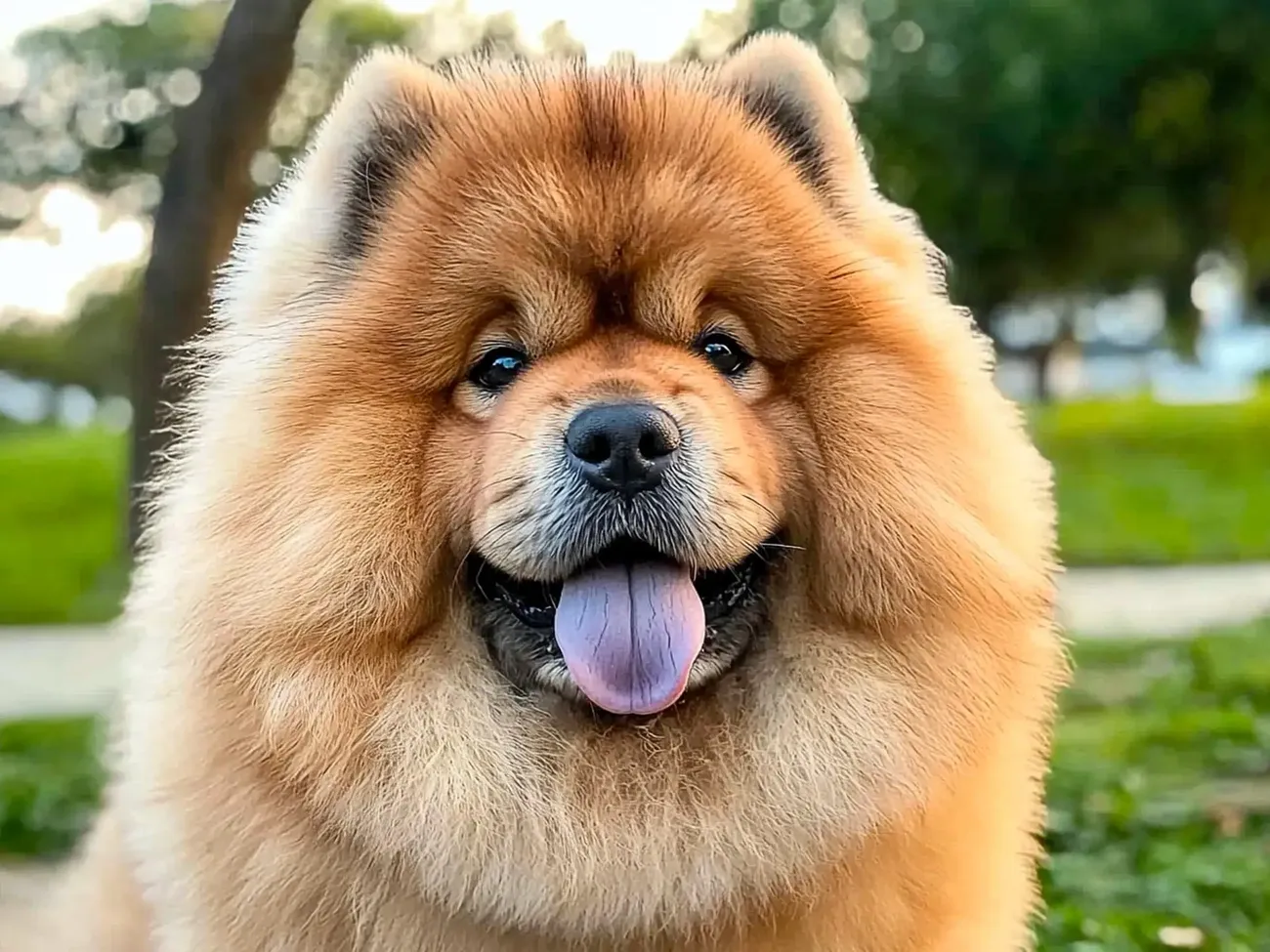
Image Source: DogPack App
The Chow Chow’s striking looks make it stand out among dog breeds worldwide. Its distinctive features create what many call a “masterpiece of beauty, dignity, and naturalness.”
Coat types: rough vs smooth
Chow Chows come in two coat varieties: rough and smooth. Both types have a dense double coat with a soft, thick, wooly undercoat.
The rough-coated Chow is more common and has an abundant, straight outer coat that stands off from the body. This longer coat creates a lion-like ruff around the head and neck that frames the face. Male Chow’s ruffs are typically fuller than those of females.
The smooth-coated variety has a hard, dense outer coat with a clear undercoat but lacks the ruff or feathering on its legs and tail. Both types follow the same breed standards except for coat quantity and distribution.
Each coat type needs different grooming. Rough coats need brushing every other day to get rid of dead hair and stop matting. Smooth coats are easier to maintain and need brushing just once or twice weekly. They also resist water and dirt better.
Distinctive blue-black tongue
The Chow Chow’s most unique feature is its blue-black tongue – a trait shared with only a few other breeds, like the Chinese Shar-Pei. This feature makes it special in the dog world and defines the breed.
Chow puppies start life with pink tongues, just like other dogs. The blue-black color develops as they open their eyes and finishes around six months of age. Breed standards require the tongue’s top surface and edges to be uniformly blue-black – darker is better.
This trait is vital – incomplete coloring disqualifies a Chow from meeting breed standards and makes it ineligible for conformation shows. Any red or pink spots on the tongue are serious faults.
Chow Chow height and weight
Chow Chows are medium-sized dogs with compact, square bodies. Adult Chows typically reach 17-20 inches at the withers. Males usually measure 17-22 inches, while females range from 17-20 inches.
A mature Chow’s weight ranges from 45-70 pounds. Males typically weigh 55-70 pounds, and females 45-60 pounds. The breed’s proportions should stay balanced – their height at the withers should match their body length, creating a square profile.
Tail, ears, and facial features
Several distinctive features complete the Chow Chow’s appearance:
Tail: Sits high on the back and stays close to it. It curves over the back or to either side and thickens at the root, becoming thinner toward the tip.
Ears: Small, thick, wide-set, and standing upright with a slight forward tilt. Their triangular shape with rounded tips adds to the breed’s unique look.
Head and Face: A large head surrounded by a lion-like ruff. Deep-set, almond-shaped eyes create the breed’s signature scowling expression. This scowl, along with its blue-black tongue and distinctive walk, defines the breed.
Muzzle: Broad and deep with a short profile. Facial wrinkles (often hidden by fur) add to the scowling expression typical of the breed.
These physical traits create the Chow Chow’s unmistakable look. Their powerful build combined with unique features like the blue-black tongue and lion-like mane has captivated people throughout their history.
Understanding Chow Chow Temperament
The Chow Chow’s lion-like mane and distinctive scowl hide a complex temperament that makes this breed unique among dogs. Anyone who wants to bring one home should learn about their special behavioral traits.
Independent and aloof nature
Chow Chows are known for their independent, sometimes stubborn personality that comes from their ancient heritage. Most dogs love constant human attention, but these dogs are happy with solitude or quiet companionship. Their self-sufficient nature gives them a dignified and serious appearance.
A Chow Chow’s independence shows up in several ways:
They’re smart but like doing things their way
They don’t play much, especially as adults
They stay relatively calm with moderate exercise needs
They rarely get clingy or demand attention
Their strong independent streak makes training a challenge. These dogs won’t automatically try to please their owners or quickly follow commands. Patient, consistent training must start early. Their strong-willed nature might overwhelm first-time dog owners.
Loyalty to family
Even with their distant personality, Chow Chows build deep bonds with their families. They show steadfast dedication to those who earn their respect and trust. They treat their family differently from everyone else in the world.
A Chow Chow often picks one person in the family to form an extra special bond. This special connection doesn’t stop them from protecting the whole household. Yes, it is true – they make great watchdogs and alert their family to unusual activity without barking too much.
Their love shows in subtle ways instead of obvious affection. You might see them:
Sitting close to their favorite person or leaning against them
Walking behind family members around the house
Sitting on their owner’s feet
Showing playful moments and silly behavior in private
This quiet affection matches their dignified nature – they express love through presence and protection rather than excited displays.
Interaction with strangers and pets
Chow Chows react to strangers anywhere from polite disinterest to clear suspicion. They naturally stay cautious around unfamiliar people and might seem standoffish at first. Without good socialization, this caution could turn into aggression.
Note that early and consistent socialization plays a vital role. Puppies need exposure to different people, situations, and environments to grow into well-adjusted adults. Puppy training classes are a great way to get controlled social interactions.
These dogs have a mixed relationship with other animals. Here’s what you should know:
They might not be friendly with unfamiliar dogs and could show aggression
They usually do better with pets they’ve known since puppyhood
They get along well with other household pets, including cats
Their territorial instincts mean you need to watch carefully when new animals arrive
Chow Chows usually do better with older children who know how to respect boundaries. Their protective nature can help, but their guarding instincts need training to ensure they respond appropriately.
A Chow Chow’s temperament blends dignity, independence, and loyalty in a unique way. People who invest time in proper training and socialization will find these ancient dogs make devoted companions on their own special terms.
Chow Chow Colors and Breed Standards
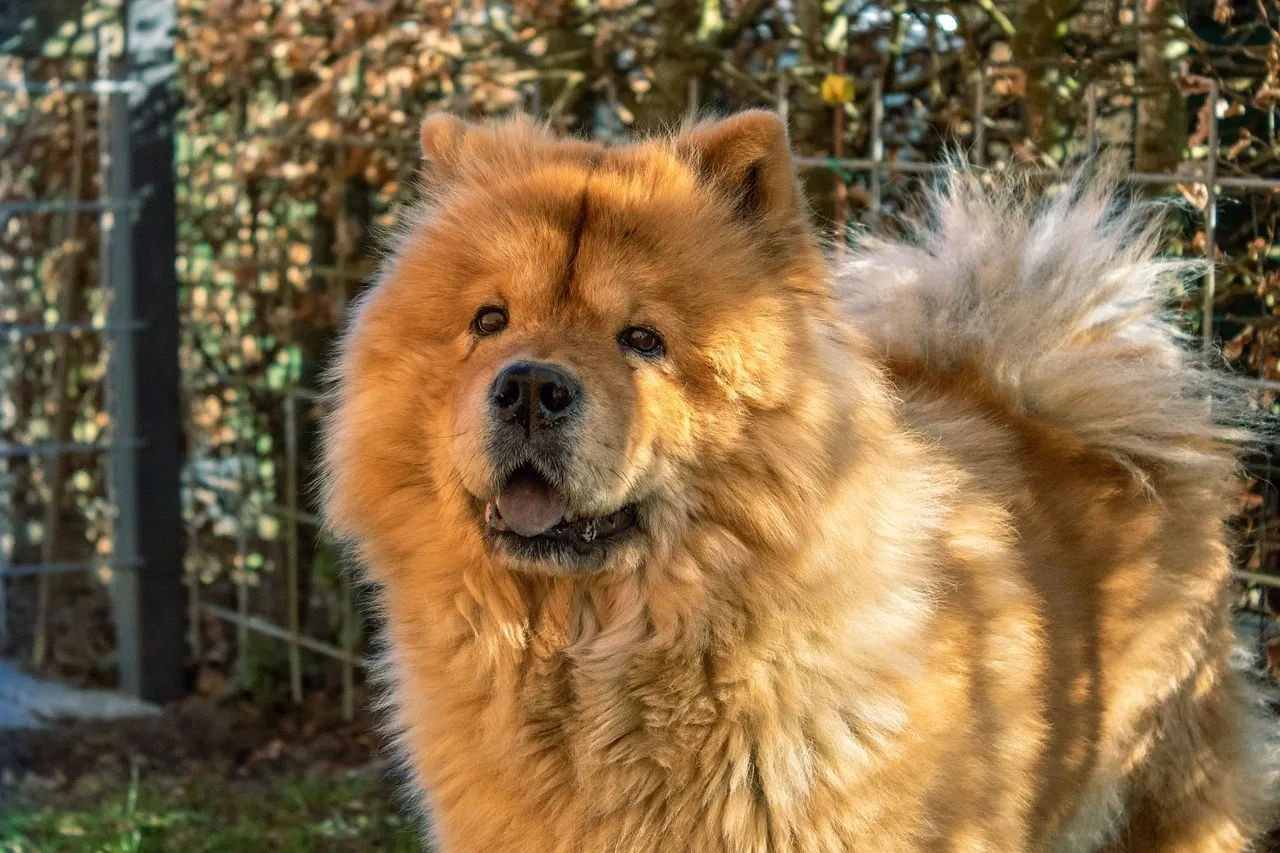
Image Source: iHeartDogs.com
Chow Chows come in five officially recognized standard colors. Each color gives these dogs their unique look and charm. These colors help define the breed’s identity, and kennel clubs worldwide have specific standards they want to see.
Recognized coat colors
You’ll find Chow Chows in five standard colors that breed standards fully accept:
Red – The shade ranges from light golden to deep mahogany. Lighter areas often show up on the ruff, tail, and breechings. “Self-reds” stay one solid color throughout, while “shaded reds” have lighter spots. Red puppies usually start with a mousy brown coat and black mask that fades as they grow up.
Black – These Chows are solid black everywhere, though some have silver hints in their tail or breechings. Too much sun can make black Chows develop a reddish tint, which we call “rusting.”
Blue – The color looks more like steel-gray, from dark bluish-gray (think new jeans) to lighter silvery-blue (like faded jeans). Blue Chows often show a “frosted” look on their muzzle and legs because of mixed light and dark hairs.
Cinnamon (some countries call it “fawn”) – The color goes from light beige with gray hints to deeper cinnamon shades. Like blue Chows, true cinnamons have that special “frosted” muzzle.
Cream – These Chows look almost white to ivory, and often have light tan ears. Unlike red puppies, cream puppies don’t have dark masks.
The American Kennel Club (AKC) breed standard values all five colors equally. Every Chow Chow must have that signature blue-black tongue, no matter what color their coat is.
Color variations across countries
Different kennel clubs around the world have their own takes on Chow Chow colors. The AKC and Canadian Kennel Club stick to these five colors. The Fédération Cynologique Internationale (FCI) and UK Kennel Club add white as a sixth standard color.
Color names change depending on where you are. What Americans know as “cinnamon” becomes “fawn” in the UK. Each country might describe colors and acceptable shadings a bit differently in their standards.
Major kennel clubs agree on one thing – Chow Chow colors should stay clear and solid throughout the coat. They don’t want patches or parti-colors. Light shadings work fine on the ruff, tail, and breechings, but the main color should stay consistent.
Breed standard vs rare colors
Anyone looking to get a Chow Chow should watch out for claims about “rare” or “unique” colors. None of the five standard colors are actually rare – they’re all equally valuable and shouldn’t cost more just because of their color.
Some breeders market colors with fancy names like “champagne,” “silver,” “lilac,” or “chocolate.” These are usually just creative spins on the five standard colors. Non-standard colors like parti-colored (spotted), brindle (striped), or merle often mean the dog isn’t purebred.
The merle pattern never existed in purebred Chow Chows until crossbreeding brought it in. This pattern can cause serious health issues, including deafness and blindness.
Black and tan, chocolate, and other patterns don’t belong in the traditional breed standard. These non-standard varieties popped up as trends but never made it into official breed standards. Good breeders focus on the five standard colors while making sure their dogs are healthy, well-tempered, and properly built.
Common Health Issues in Chow Chows
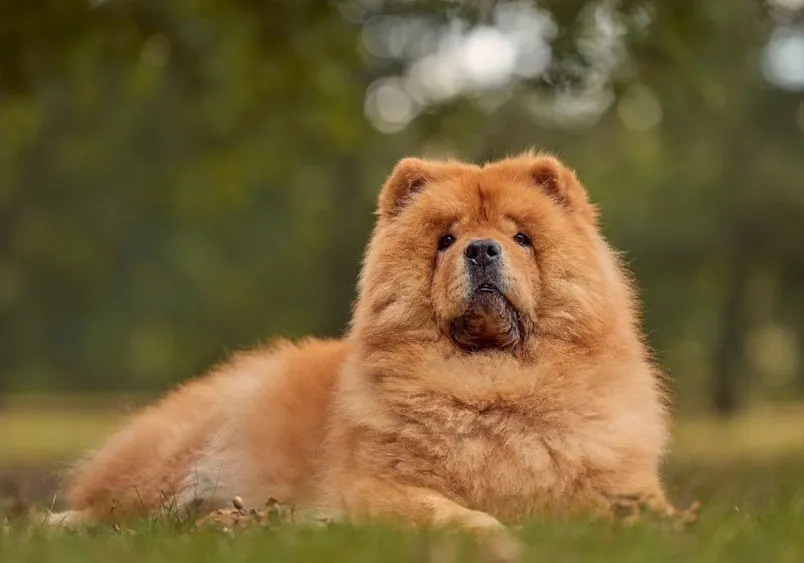
Image Source: Embrace Pet Insurance
Chow Chows, like many purebred dogs, can develop several health conditions that you should know about before getting one. These ancient dogs are generally strong, but they face specific genetic challenges that need careful monitoring throughout their lives.
Hip and elbow dysplasia
Joint problems are one of the biggest concerns for Chow Chow owners. Elbow dysplasia happens at an alarming rate – studies show 48.6% of Chow Chows over two years old have this condition. The breed also has a higher rate of hip dysplasia at 6.44% compared to 3.52% in dogs of all breeds.
These conditions develop when joints don’t form properly and lead to painful arthritis as dogs age. You might notice your Chow limping, having trouble getting up, or avoiding exercise. Pain management medications are enough for mild cases, but severe cases need surgery.
Finding these problems early is vital for good management. Most dogs show signs between 4-12 months old, though milder cases might not show up until they’re 7-8 years old. Regular vet checkups with physical exams and X-rays help catch these issues before they cause too much pain.
Eye conditions: entropion, glaucoma
Eye disorders are common in Chow Chows and need quick attention. Entropion, where eyelids roll inward and eyelashes rub against the cornea, shows up often in this breed. This causes ongoing irritation, discomfort, and can permanently damage the eye’s surface.
Glaucoma is another serious issue. Chow Chows have the third-highest rate among all dog breeds at 4.7% versus 0.89% overall. This painful condition builds pressure in the eye, making dogs squint and causing watery, red eyes. Glaucoma can cause blindness faster if left untreated.
Cataracts and distichiasis are other eye problems these dogs face. Surgery works best for most of these conditions, especially entropion, which usually has great results when done early.
Skin and coat disorders
The breed’s unique double coat makes them prone to skin problems. Pemphigus foliaceus usually starts around age four and causes crusts and hair loss on the nose and inside ear flaps.
Research shows Chow Chows are more likely to get atopic dermatitis with a 7.1 odds ratio and alopecia X. Their thick fur can hide early signs of skin issues, which makes regular grooming essential to check the skin underneath.
Endocrine issues like hypothyroidism
Hypothyroidism is especially common in Chow Chows. The thyroid gland stops making enough hormones, which affects almost every system in their body. These signs point to hypothyroidism:
Lethargy and general weakness
Weight gain despite normal eating habits
Dry, brittle coat with excessive shedding
Skin abnormalities including recurrent infections
Intolerance to cold temperatures
Behavioral changes including aggression or fearfulness
Blood tests can diagnose hypothyroidism, and testing should start around age four when symptoms usually appear. Treatment involves daily thyroid hormone replacement pills. With proper medication, these dogs can live normal, healthy lives.
Anyone thinking about getting a Chow Chow should plan for regular vet visits and stay proactive about health monitoring throughout their dog’s life.
Feeding and Nutrition Guidelines
Good nutrition is the foundation of a healthy Chow Chow. Your dog’s diet will affect everything from coat quality to energy levels and lifespan. You need a proper feeding plan that matches your Chow’s dietary needs at different life stages.
Best diet for chow chow puppy and adult
Chow puppies need special puppy food until they reach 12 months of age to support their growth. These young dogs do better with 3-4 small meals each day until 6 months old. After that, you can switch to feeding twice daily. Adult Chows usually need 2-3 cups of quality dry food each day, split into two meals.
These dogs thrive on diets rich in quality protein, and real meat should be the first ingredient. The food must have the right balance of omega-3 and omega-6 fatty acids to keep their skin and coat healthy.
Many Chow owners see good results with grain-free or raw diets. A biologically appropriate raw food (BARF) diet can improve digestion, skin health, energy, and dental health. This diet includes muscle meat, organ meat, bone, raw fats, and small amounts of vegetables or berries.
Avoiding obesity and related risks
Weight control is vital for Chow Chows because they tend to be inactive and gain weight easily. Their relaxed nature makes them prone to weight-related problems like diabetes, glaucoma, and arthritis.
You can prevent weight gain by:
Measuring food portions exactly
Keeping treats minimal
Adding low-calorie vegetables like carrots or green beans instead of some kibble
Setting regular feeding times to help metabolism
Using ground-level food bowls to reduce bloat risk
Regular weight checks and vet visits will help adjust calories based on your dog’s needs.
Chow chow fruit and food safety tips
Some human foods are safe in small amounts, but others can harm your dog. Safe options include plain cooked meats and certain fruits and vegetables. Never give your Chow chocolate, grapes, onions, or anything with xylitol.
Look out for food allergy signs that show up as itchy skin, ear infections, upset stomach, or diarrhea. If you notice these symptoms, try an elimination diet with new protein sources to find what causes the problem.
Water is just as important as food. Always keep fresh water available, especially if your dog eats dry kibble. Adding wet food can help dogs that need more fluids or have urinary problems.
Following these nutrition guidelines will help your Chow Chow stay healthy and avoid many preventable health issues throughout their life.
Grooming and Bathing Needs
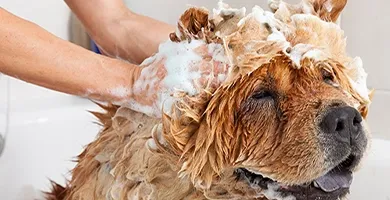
Image Source: Artero
Your Chow Chow’s majestic appearance needs dedicated effort. Their distinctive double coat needs consistent care. Proper grooming keeps these dogs looking their best and prevents uncomfortable skin conditions and health issues.
Chow chow bath frequency
Too frequent baths strip essential oils from your Chow’s skin, while infrequent washing lets dirt build up. Most experts suggest bathing every 6-8 weeks for the average Chow. You might need monthly baths during shedding seasons. Show dogs can handle weekly baths when you use high-quality products.
Lukewarm water and dog-specific shampoo work best for your Chow. Human products can irritate their sensitive skin. The bath needs to be thorough. You should completely saturate their thick coat and lather it gently. Rinse until the water runs clear, then rinse once more to remove any leftover residue. Light-colored Chows with staining benefit from specialized whitening products that won’t harm their coat.
Brushing and coat maintenance
Regular brushing is the life-blood of Chow Chow care. Rough and smooth-coated varieties need brushing 2-3 times weekly. Daily brushing helps during heavy shedding periods that happen twice a year. A light spray of water or conditioning spray before brushing prevents coat breakage.
The right technique makes all the difference. Section the coat and brush down to the skin instead of surface brushing. Begin at the head and work your way down. A slicker brush works best for shorter areas while longer fur needs a pin brush. A metal comb helps catch remaining tangles. This detailed approach stops “cobweb matting” from forming near the skin that leads to painful problems.
Ear, eye, and nail care
Your Chow’s erect ears need weekly cleaning with cotton balls and dog-safe ear cleaner. Never push anything deep into the ear canal. A self-drying cleaner that’s safe for the ear drum helps prevent infections after baths or swimming.
Deep-set eyes need daily care. Clean any discharge with a damp cloth and trim eye-area hair that might cause irritation. Your vet should check any excessive tearing, squinting, or unusual discharge right away.
Trim nails every 2-3 weeks to prevent walking discomfort and foot problems. Some Chow owners prefer filing over clipping. The quick becomes visible as you get closer, and your dog will usually pull back when you’re near this sensitive spot.
Training and Socialization Tips
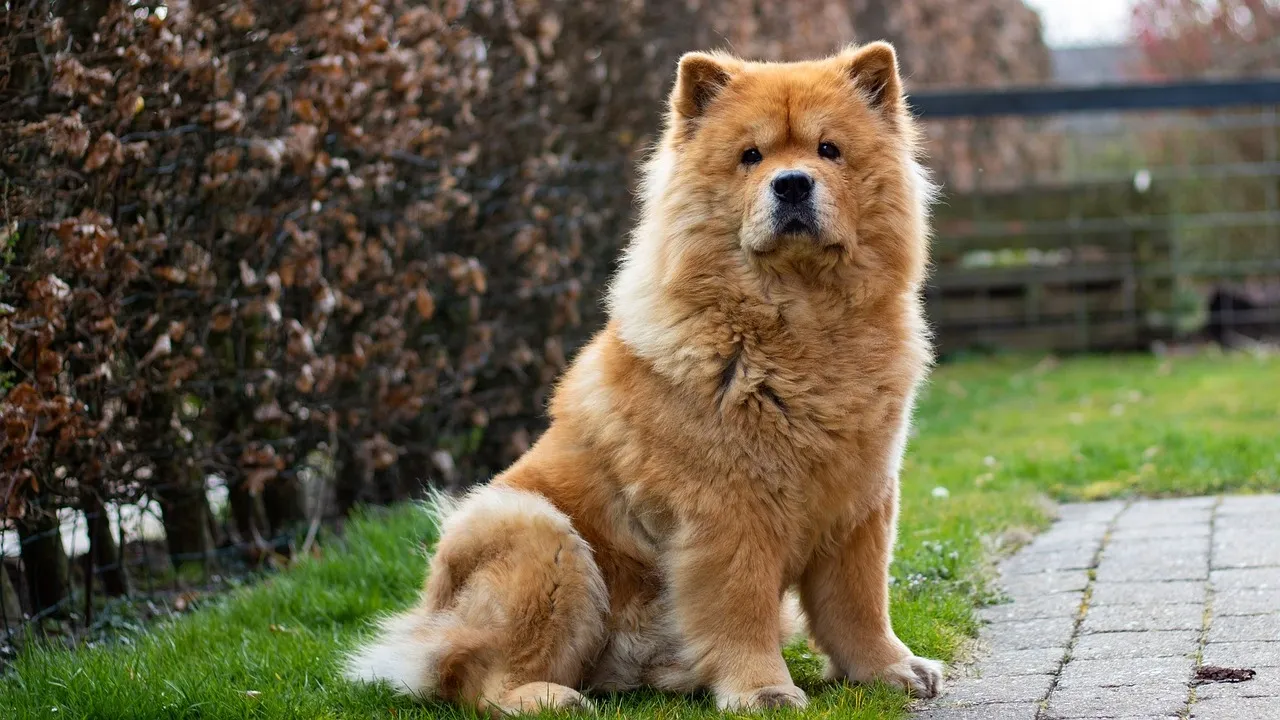
Image Source: iHeartDogs.com
Your Chow Chow’s training starts the moment they step into your home. These dignified dogs need a solid foundation that respects their independent spirit.
Early socialization importance
Chow Chow puppies need socialization right from 3-12 weeks of age. This window makes them most open to new experiences. Your family members should handle them gently at first. Friends and strangers can join in as the puppy grows more comfortable. Your puppy needs exposure to different environments, everyday sounds, and careful meetings with other dogs. Taking them on car rides and visiting new places helps build their confidence. These dogs naturally stay cautious around strangers, so positive early interactions play a vital role in their development.
Positive reinforcement techniques
Chow Chows don’t respond well to harsh training methods. Their stubborn nature often kicks in when faced with strict discipline. Keep training sessions brief – 5-10 minutes work best since these smart dogs lose interest quickly. Treats, toys, and plenty of praise get better results than punishment. Your demeanor should stay calm yet confident because these dogs value consistency above all else. Their independent streak means they need to understand why they should follow commands. They’re bright but won’t just obey to make you happy.
Fun activities for mental stimulation
Chow Chows need both physical and mental exercise to stay happy. Here are some engaging activities:
Games of fetch with their favorite toys
Treat-hunting adventures
Treibball (pushing large balls into goals)
Treat-dispensing puzzle toys
Quick obedience training sessions
These activities help strengthen your bond while honoring your Chow’s dignified nature and moderate energy levels.
Conclusion
Chow Chows rank among the world’s oldest and most distinctive dog breeds. Their majestic looks and complex personality have captivated people for over 8,000 years. These dignified companions need owners who understand their unique requirements – from their self-reliant nature to their specific health issues.
Anyone looking to own a Chow should think about the most important grooming commitment these dogs need. Their thick double coats just need regular care, especially when seasonal shedding occurs. Their susceptibility to certain health conditions means owners must watch them closely and provide preventive care throughout their lives.
The right training methods make a real difference with Chow Chows. A combination of early socialization and consistent positive reinforcement helps develop well-adjusted adult dogs who interact well with family and strangers alike. These smart dogs enjoy mental challenges that respect their independent spirit rather than forced compliance.
Good nutrition is a vital part of keeping Chow Chows healthy. Precise portions of quality food help prevent weight issues while supporting their unique coat and overall health. Owners should watch for any food sensitivities common to this breed.
Chow Chows need substantial time and effort for training, grooming, and healthcare. Yet they reward their dedicated owners with steadfast loyalty and noble companionship. You’ll spot them right away by their lion-like mane and blue-black tongue. Their reserved but devoted nature creates a special bond with those who earn their trust.
Families who value dogs with an independent spirit and ancient wisdom will find Chow Chows exceptional companions. These remarkable dogs connect us to canine history while bringing their unique presence into today’s homes.
Key Takeaways
Understanding the Chow Chow breed requires recognizing their ancient heritage, unique characteristics, and specific care requirements that make them exceptional yet demanding companions.
• Chow Chows are among the world’s oldest breeds, originating 8,300 years ago in China with distinctive blue-black tongues and lion-like appearance.
• Early socialization is absolutely critical due to their naturally independent and aloof temperament toward strangers.
• Regular grooming every 2-3 days is essential to manage their thick double coat and prevent painful matting issues.
• Health monitoring is crucial as they’re prone to joint dysplasia (48.6% elbow dysplasia rate), eye conditions, and hypothyroidism.
• Training requires patience and positive reinforcement since these intelligent dogs are independent-minded and won’t automatically obey commands.
• Weight management through measured portions prevents obesity-related health issues in this naturally sedentary breed.
These dignified dogs reward dedicated owners with unwavering loyalty, but their ancient wisdom comes with modern responsibilities that require commitment to proper care, training, and health maintenance throughout their 8-12 year lifespan.
FAQs
Q1. Are Chow Chows suitable as family pets? Chow Chows can be good family dogs with proper socialization and training. They are loyal and protective of their families but tend to be aloof with strangers. They generally do better with older children who can respect their boundaries. Early socialization is crucial for developing a well-adjusted Chow Chow that interacts appropriately with family members and visitors.
Q2. How do Chow Chows handle warm weather? Chow Chows are sensitive to heat due to their dense double coat. In warmer climates, they benefit from air conditioning and should not be left outdoors for extended periods during hot weather. Owners need to provide plenty of fresh water and monitor their Chow Chow for signs of overheating, especially during summer months.
Q3. What are the unique characteristics of Chow Chows? Chow Chows are known for several distinctive features, including their blue-black tongues, lion-like mane, and scowling expression. They have a fastidious nature, often compared to cats in their cleanliness. Chow Chows come in both rough and smooth coat varieties and are recognized in five standard colors: red, black, blue, cinnamon, and cream.
Q4. What are the grooming requirements for a Chow Chow? Chow Chows require regular grooming to maintain their thick double coat. They should be brushed 2-3 times weekly, increasing to daily during shedding seasons. Bathing is typically recommended every 6-8 weeks. Their ears, eyes, and nails also need regular attention. Proper grooming not only keeps them looking their best but also helps prevent skin issues.
Q5. What kind of diet is best for a Chow Chow? Chow Chows thrive on a diet rich in high-quality protein, with real meat as the first ingredient. They benefit from balanced levels of omega-3 and omega-6 fatty acids for coat health. Portion control is crucial to prevent obesity, as Chow Chows tend to be sedentary. Some owners report success with grain-free or raw diets. Always consult with a veterinarian to determine the best nutritional plan for your individual Chow Chow.