
Chinese Crested
 Chinese crested dogs are among the most unique breeds you’ll find, known for their elegant looks and distinct hairless variety. Their name might suggest Chinese origins, but these dogs are actually one of the oldest breeds in existence. Hairless dogs first appeared in warm regions of Africa and Central America over 2,000 years ago. The breed eventually made its way to China, where it evolved into the dog we know today.
These toy-sized dogs typically reach 11 to 13 inches in height and weigh between 8 and 13 pounds. The breed comes in two varieties – the hairless and the fully-coated “powder puff” dog. Both share identical genes but look completely different. A 2024 UK study revealed some good news about their lifespan. These dogs live an average of 13.4 years, which beats both purebred dogs at 12.7 years and crossbreeds at 12 years. Future owners should note that dental problems are common, especially in hairless varieties[-2]. Major kennel clubs recognized the breed in the late 1980s and early 1990s, and these loving pets continue to engage dog lovers with their grace and unique appearance.
Breed Overview and Varieties
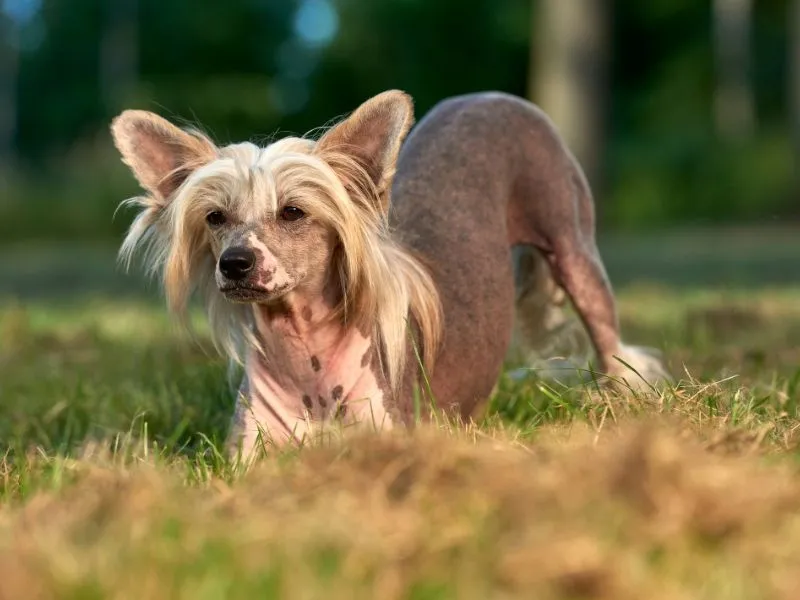
Image Source: Holistapet
Chinese crested dogs fascinate people with their elegant looks and two distinct varieties that can appear in the same litter. These fine-boned toy dogs have a graceful build and move with a lively gait that shows their unique charm.
Hairless vs Powderpuff: Key Differences
The two varieties of the chinese crested dog—hairless and powderpuff—look so different you might think they’re separate breeds. They share the same genetic makeup though. The difference comes from an incomplete dominant trait.
Hairless chinese crested dogs have soft, humanlike skin with tufts of silky hair in specific spots: the head (called a “crest”), the tail (known as a “plume”), and the feet from toes to front pasterns and rear hock joints (called “socks”). The crest starts at the stop (forehead area) and gradually fades between the base of the skull and back of neck. You’ll find quite a range within the hairless variety. Some dogs have almost no body hair while others, known as “hairy hairless,” can grow almost a full coat without grooming.
Powderpuff chinese crested dogs have a complete coat that covers their body. These dogs have a unique double coat with long, thin guard hairs over a short silky undercoat. This coat structure is rare among dogs since the undercoat stays shorter than the overlay—unlike most haired breeds. Brushing a powderpuff is easier, but the coat can mat quickly without regular care.
Size, Weight, and Appearance
Both varieties share the same bone structure and proportions. These small companions stand 11 to 13 inches at the shoulder and weigh 8 to 12 pounds. Their fine-boned, slender bodies radiate elegance.
These dogs have pointed muzzles and faces that look somewhat like Poodles. Their almond-shaped eyes and large, erect ears give them an alert, expressive look. They move with natural grace that boosts their charm.
Hairless dogs often have crooked or missing teeth, which is common in most hairless breeds.
Color Variations: From Black and White to Pink
Chinese crested dogs come in amazing colors across both varieties. The American Kennel Club recognizes 11 standard colors:
Apricot
Black
Black White & Tan (tricolor)
Blue (a diluted black giving a blue-gray appearance)
Chocolate
Cream
Palomino (fawn)
Pink & Chocolate
Pink & Slate
Slate
White
Hairless varieties show these colors right on their skin, ranging from pale flesh to deep black. Pink-skinned hairless dogs need special sun protection to avoid burns.
Black and white is the most recognizable color combo. The contrast really shows off the breed’s sleek lines in hairless dogs and creates eye-catching patterns in powderpuffs. Tricolor dogs (black, white, and tan) are equally striking.
These dogs stand out because they can have various color combinations and markings, including white or palomino accents. This wide range means each chinese crested dog looks truly unique, making them special companions.
History and Origins of the Chinese Crested
The Chinese Crested dog’s name doesn’t tell its whole story. This unique breed has roots that spread across many continents and cultures, making it one of the most interesting breeds to study.
Ancient Hairless Breeds in Africa and the Americas
The Chinese Crested dog wasn’t born in China at all. Genetic research has found that these elegant dogs share their hairless trait with two other old breeds—the Mexican Xoloitzcuintli and the Peruvian Inca Orchid. Scientists have found the mutation responsible for hairlessness in all three breeds and it turned out to be similar, which points to them having common ancestors.
Mexico seems to be where hairless dogs first came from. Archeologists have found artifacts that are 4,000 years old showing hairless dogs that look just like today’s Xoloitzcuintli. This tells us that hairless breeds started in the Americas, not Asia.
Spanish explorers found hairless dogs in Mexico and parts of Central and South America back in the 1500s. British, French, and Portuguese explorers came across similar dogs in Africa and Asia during the 17th and 18th centuries. Early missionaries who traveled with these explorers wrote about these special dogs in their journals.
People used to think European breeds had completely taken over New World dogs after colonization. But DNA evidence shows that breeds like the Chinese Crested, Xoloitzcuintli, and Chihuahua still carry unique genetic material from Old World dogs.
How the Breed Got Its Name
Chinese sailors brought these small hairless dogs onto their trading ships because they were good at catching rats. The sailors would trade puppies with merchants at different ports, and that’s how these dogs spread around the world.
People started calling them “Chinese Ship Dogs” or “Chinese Royal Hairless” because of their connection to Chinese trade ships. They also went by names like “Chinese Hairless” and even “Chinese Edible Dog”. Different places had their own names—”Pyramid” or “Giza Hairless” in Egypt, “South African Hairless” in southern Africa, and “Turkish Hairless” in Turkey.
These dogs picked up the nickname “Dr. Seuss Dog” because they look like something out of his books. The Chinese name stuck, even though historians knew it wasn’t quite right.
Modern Development and Recognition
The breed’s Western story began in the mid-19th century. People saw them in zoological shows in England during the 1850s and 1860s, which got everyone interested, but no one started breeding them properly just yet.
Great Britain registered its first Chinese Crested dog in 1881—they named it “Chinese Emperor”. Around that time, these dogs also started showing up in American dog shows, as the American Kennel Club records show.
Two women shaped the breed’s future in America. New York journalist Ida Garrett spent 60 years breeding, showing, and writing about hairless breeds starting in 1880. She introduced the breed to Debra Woods of Florida in the 1920s, starting a 40-year partnership that would change everything.
Gypsy Rose Lee, the famous entertainer, got a Chinese Crested from her sister in the 1950s. She became a passionate breeder and supported the breed, which helped make it known worldwide. Almost all Chinese Crested dogs today can trace their family trees back to either Debra Woods’ “Crest Haven” kennel or Gypsy Rose Lee’s dogs.
The breed got its official papers pretty late: the Fédération Cynologique Internationale said yes in 1987, and the American Kennel Club followed in 1991. Today, Chinese Crested dogs are loved both as pets and show dogs all over the world.
Personality and Temperament

Image Source: PetHelpful
Chinese Crested dogs charm their owners with more than just their unique looks. These toy-sized companions blend playful energy with devoted affection. Their distinctive personality makes them a top choice for anyone looking for a dedicated pet.
Affectionate and Loyal Nature
Chinese Crested dogs create incredibly strong bonds with their human families. People often call them “Velcro dogs” because they stick close to their humans. These pets love interaction and don’t do well when left alone too long. They show their devotion by following their owners everywhere, snuggling on laps, and staying alert to their family’s activities all day long.
The breed stands out for its remarkable emotional sensitivity. These dogs know how to read their owner’s feelings. They respond with extra cuddles and affection if they sense sadness or stress. This natural ability to comfort others makes them great therapy dogs.
These small dogs have a lively but balanced personality. They stay playful without becoming too hyper – perfect for owners who want an involved yet manageable companion. They’re smart and quick to learn, but respond best to gentle training. Harsh methods might make them shy or withdrawn.
Behind their elegant appearance lies a watchful nature. Chinese Cresteds make excellent alert dogs. They’ll let you know about strangers without being aggressive or too protective. This mix of alertness and friendliness creates the perfect companion who stays aware but greets familiar faces warmly.
Cat-like Behaviors and Quirks
The sort of thing I love about Chinese Crested dogs is their cat-like behavior. The American Chinese Crested Club even describes them as having a “cat-like” personality. These unique traits often surprise new owners.
These dogs are amazing climbers. You might find them perched on furniture backs, window sills, or navigating obstacles with cat-like grace. Their light weight and slim build let them reach high spots usually reserved for cats.
On top of that, it’s fascinating to watch them prepare for sleep. They circle around, paw at their bedding, and create perfect nesting spots. This behavior is especially noticeable since they’re sensitive to temperature changes.
They’re also known for their “singing.” Beyond regular barking, these dogs make musical sounds to show they’re happy or excited.
Compatibility with Families and Other Pets
Chinese Crested dogs combine smoothly with different types of families. They’re friendly and welcome new people easily, but early socialization helps them grow into well-adjusted adults.
Families with kids need to watch these delicate dogs carefully. They love gentle playtime but can get hurt easily because of their fine bones. They’re a better fit for older kids who understand gentle handling or homes where everyone knows to be careful.
These dogs usually get along great with other pets, including cats, especially if they meet them as puppies. Their easy-going nature helps them bond with different animals – some have even made friends with horses. All the same, new introductions should happen slowly to build positive relationships.
Chinese Crested dogs thrive on affection and gentle care. Their loyalty, emotional smarts, and adaptability make them great companions for many different homes – as long as they get the close human connection they need.
Grooming Needs for Both Varieties
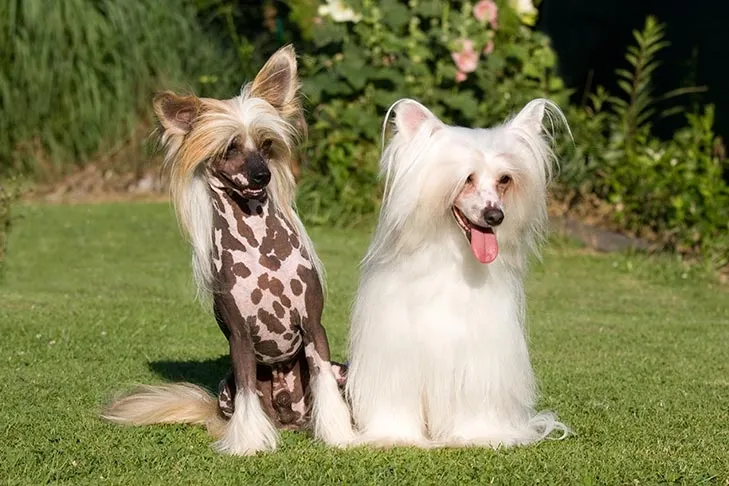
Image Source: American Kennel Club
Chinese Crested dogs need special grooming routines that vary between their two types. Each type needs regular care to keep their unique looks and stay healthy.
Skin Care for Hairless Dogs
A hairless Chinese Crested dog’s skin works just like human skin. You’ll need to protect it from getting dry, irritated, or sun-damaged. These dogs need weekly bathing with mild, hypoallergenic dog shampoo. Make sure you rinse well to avoid any leftover soap that might bother their sensitive skin. After the bath, pat their skin dry instead of rubbing it hard to prevent irritation.
Getting the moisture balance right is tricky. Too much moisturizer can clog pores and cause acne, while too little leaves the skin dry and uncomfortable. The best approach is to add a light, dog-safe moisturizer only when you see dry skin rather than using it every day. Your hairless pup needs protection from sunburn, so use dog-safe sunscreen or protective clothes outdoors. Watch out for blackheads or acne, which often show up during their teen months.
New owners should know that baobab oil works great for hairless breeds. It creates a protective layer that fights acne and helps keep collagen healthy. Each dog’s skin type is different – some get dry while others get oily – so you’ll need to customize their care.
Brushing and Trimming Powderpuff Coats
A powderpuff Chinese Crested’s coat has a unique double-layer structure. The undercoat is shorter than the silky top coat, which means tangles form easily without proper care. Daily brushing works best, but you should brush them at least 2-3 times weekly to stop painful mats.
Here’s a key tip: never brush a powderpuff’s coat when it’s dry. Spray the fur lightly with water or a mild water-conditioner mix (1 part conditioner to 10 parts water) before brushing. This stops breakage and keeps the fur from getting frizzy. Pin brushes work better than slicker brushes on powderpuff coats because they won’t damage the fine hair.
Take your powderpuff to a groomer every three months to keep their coat looking its best. Regular trims around their face, ears, and feet help maintain their elegant look. After baths, don’t rub with a towel as this causes frizz and split ends. Gently squeeze out extra water with an absorbent towel before air-drying or using low heat.
Eye, Ear, and Nail Maintenance
Both types of Chinese Crested need careful attention to their eyes, ears, and nails. These dogs often get tear stains, especially those with lighter coats. Clean under their eyes twice daily with a soft, damp cloth and keep the face hair trimmed. Using filtered water and feeding from stainless steel or ceramic bowls helps reduce staining.
Your dog’s ears need weekly cleaning to avoid infections. Just wipe the outer ear with a warm, damp cloth for basic care. Don’t clean deep inside unless your vet says to. A mix of mineral oil and warm water works well for thorough cleaning when needed.
These dogs spend lots of time inside, so their nails grow fast. Weekly nail trims prevent painful walking and foot problems. Both varieties feel better when you trim the hair between their foot pads. This gives them better grip and stops ice balls from forming in winter.
Your Chinese Crested’s dental health is vital, and the hairless type has more tooth problems than most. Brush their teeth daily if possible, but at least three times a week to keep their mouth healthy.
Health Concerns and Lifespan
Chinese Crested dogs catch everyone’s eye with their unique looks, but future owners need to know about their health needs. These small companions live longer than many other breeds and stay quite healthy throughout their lives.
Common Issues: Eye, Skin, and Dental
These dogs need extra attention to their eyes. They face a higher risk of several eye disorders. We see progressive retinal atrophy (PRA) most often, which leads to gradual vision loss and blindness. Primary lens luxation (PLL) is another big concern that makes the lens become loose and eventually move out of place. The breed also doesn’t deal very well with glaucoma, dry eye syndrome, and other eye problems that need regular vet checkups.
The hairless variety’s skin needs special care. These dogs have no protective fur, which makes them easy targets for sunburn and increases their skin cancer risk. Many develop dry skin, comedones (like acne), and sometimes seborrhea. This condition causes flaking and itching that can create an unpleasant smell. Dog-safe sunscreen and proper moisturizers help protect their sensitive skin.
Dental problems are the biggest challenge, especially for the hairless variety. These dogs have what vets call a “primitive mouth,” where all teeth look pointy like canines. Hairless Chinese Cresteds often miss teeth, have overcrowding, and get tooth decay easily. Powderpuff varieties have better dental health with fewer problems. Vets suggest brushing your dog’s teeth two to three times weekly to stop plaque buildup and keep their mouth healthy.
Genetic Conditions to Watch For
The breed’s genetic makeup includes several inherited conditions. Chinese Cresteds might develop patellar luxation, which makes their kneecap slip and causes them to skip or walk with a bunny-hopping gait. Sometimes they get Legg-Calvé-Perthes disease and hip dysplasia—both affect their hip joint’s structure and how it works.
Other genetic conditions include:
Canine Multiple System Degeneration (CMSD)—a brain disorder that starts early and affects walking and movement skills
Chondrodystrophy (CDDY)—shows up as shorter limbs and possible spine disk issues
Neuronal Ceroid Lipofuscinosis 7 (NCL7)—changes behavior, movement, and vision with possible seizures later in life
Primary Lens Luxation (PLL)—moves the lens out of place and might cause glaucoma
Good breeders test for these conditions using the Orthopedic Foundation for Animals’ recommended screenings, including eye, heart, and hip checks. Anyone looking to get a puppy should ask for these health clearances.
How Long Do Chinese Cresteds Live?
Despite these health concerns, Chinese Cresteds live exceptionally long lives. They usually stay with us for 13 to 18 years, making them one of the longest-living small breeds. The largest longitudinal study in the UK from 2024 showed they live about 13.4 years on average. This is longer than purebreds at 12.7 years and crossbreeds at 12 years.
These dogs live longer because they have fewer serious breed-specific health issues than other purebreds. Their long life means owners need to stay committed to health care since many conditions develop slowly.
To help your dog live a long, healthy life, keep up with vet checkups, take care of their teeth, and protect their skin if they’re hairless. Regular dental cleanings and home care are essential because dental problems can affect major organs if left untreated.
Feeding and Nutrition Guide
Nutrition is the life-blood of health for Chinese Crested dogs. Each variety might need slight diet adjustments to support their unique physical traits. A balanced diet keeps their energy up, maintains skin health, and helps them live longer.
Choosing the Right Food
Chinese Crested dogs need quality proteins as the foundations of their diet. These small but active dogs do best with chicken, turkey, eggs, and fish that build strong muscles. Their skin and coat health depends on essential fatty acids—specifically omega-3 and omega-6.
The choice between dry and wet food helps you meet different needs. Dry kibble benefits dental health. Wet food adds moisture and tastes better to most dogs. Many pet parents mix both to get the most nutritional value. Whatever form you pick, make sure it meets the Association of American Feed Control Officials (AAFCO) nutritional standards for your dog’s life stage.
Chinese Crested owners now lean toward grain-free or fresh food options since these dogs need very few carbohydrates. Yes, it is true that commercial foods often contain over 50% carbohydrates mostly as cheap fillers rather than for nutrition.
Feeding Schedule by Age
Puppies grow fast and need several meals to thrive. Chinese Crested pups should eat three to four small meals of puppy food rich in protein and fats each day. They need about 600 calories daily during this growth phase.
Adult Chinese Cresteds do fine with breakfast and dinner. A typical adult needs around 500 calories per day—about 40 calories per pound of body weight. Most adults eat between 1/2 to 1 cup of dry food daily, split into two meals.
Senior Chinese Cresteds have slower metabolism. Senior-specific diets with adjusted calories but enough protein help maintain their weight while supporting their aging bodies.
Nutritional Supplements: Yes or No?
A balanced diet usually provides everything healthy Chinese Cresteds need. Vets actually recommend against supplements unless specifically prescribed.
Some health conditions might need extra support. Senior dogs might benefit from joint supplements with glucosamine and chondroitin to stay mobile and protect cartilage. Omega-3 fatty acids can help keep hairless varieties’ skin moisturized, while probiotics support digestion in both types.
Your vet should always approve any supplements for your Chinese Crested to ensure they target specific needs without causing problems or interactions.
Training and Exercise Tips
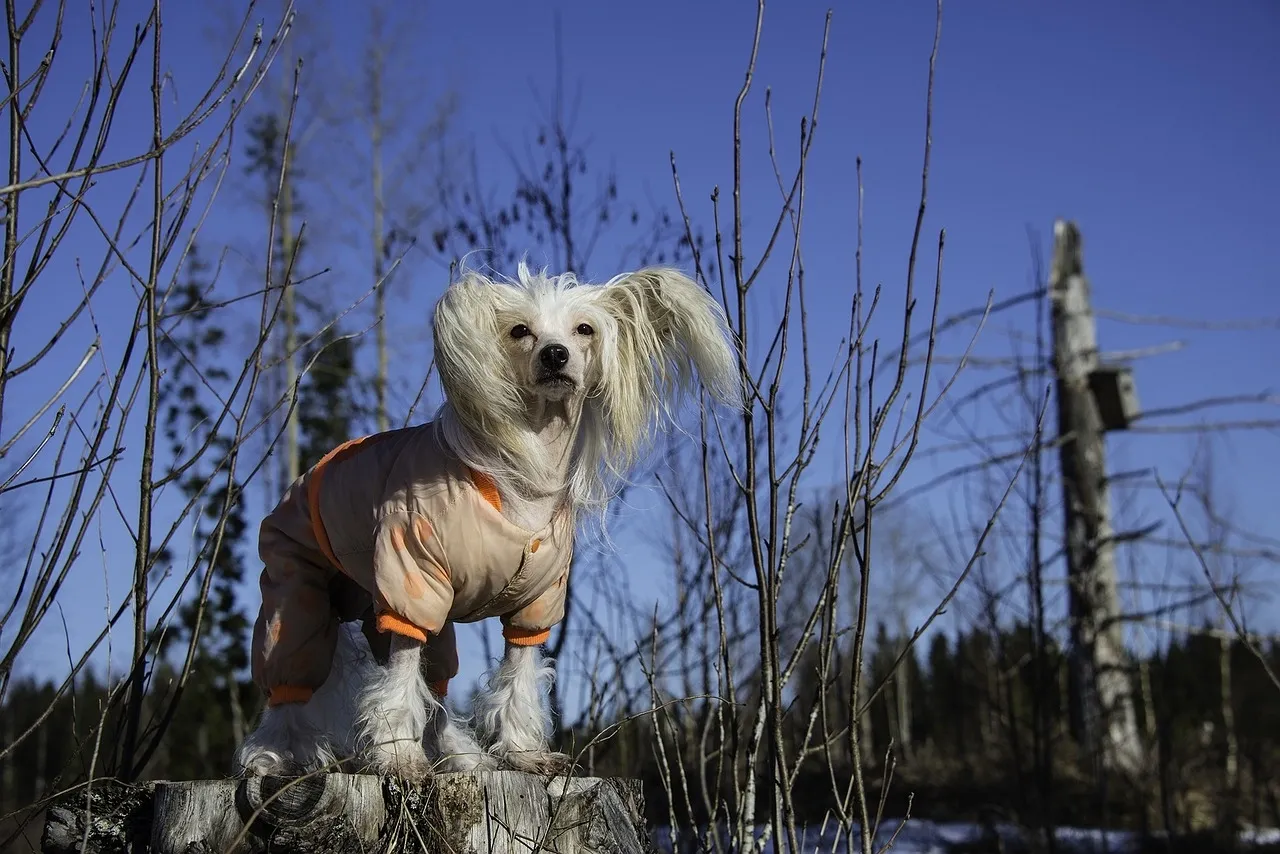
Image Source: iHeartDogs.com
Training Chinese Crested dogs needs a good grasp of their smart but sensitive personality. These companion animals do great with the right training methods and need some exercise to stay healthy in body and mind.
Positive Reinforcement Techniques
Chinese Crested dogs do best with reward-based training methods. These dogs respond very well to treats, praise, and playtime as tools to learn good behaviors. Harsh corrections or punishment usually backfires and can make these sensitive pets fearful or anxious.
Here’s how to get the best training results:
Use clear, simple one-word commands like “sit,” “stay,” and “come”
Give rewards right after good behavior
Switch unwanted behaviors to better options (like giving a chew toy instead of letting them chew furniture)
Stay patient as each dog learns at their own speed
A strong bond through fun training sessions creates a Chinese Crested that’s happy to follow commands. Their smart nature and desire to please make them quick learners with the right approach.
Fun Activities and Mental Stimulation
Chinese Cresteds have moderate energy and need daily exercise mixed with brain games. These smart dogs need mental challenges to avoid boredom that leads to destructive behavior.
Puzzle toys, training exercises, and interactive games are great ways to challenge their problem-solving skills. These dogs love learning tricks—they pick up sitting up, walking on their hind legs, and jumping through hoops pretty quickly.
These adaptable dogs enjoy both indoor and outdoor fun. Walks outside meet their physical needs, while indoor play keeps their minds sharp, making them great pets whatever your living situation.
Socialization and Obedience Basics
Good socialization in early months builds the foundation of a well-adjusted Chinese Crested. Puppies that meet different environments, people, and animals during their early months grow up confident and well-behaved.
Structured puppy classes are a great way to start basic training and controlled socialization. These classes help puppies learn basic obedience while they meet other dogs and people in a safe setting.
Regular obedience training helps prevent common problems like separation anxiety, too much barking, and destructive habits. Good early socialization combined with basic commands helps create a Chinese Crested that handles different situations with confidence and good manners.
Buying or Adopting a Chinese Crested

Image Source: My 105.3 WJLT
Getting a Chinese Crested dog needs careful thought about your options. You’ll need to decide between a breeder or rescue organization, understand the costs, and find ethical sources that will give a positive experience.
Chinese Crested Dog Price and What Affects It
The price of a Chinese Crested dog changes based on quality level. Pet-quality dogs cost between INR 67,504 and INR 126,570, while show-quality dogs with champion bloodlines can reach INR 210,951. Rescue organizations charge between INR 12,657 and INR 50,628, and this usually includes vaccinations and microchipping. The price depends on several factors:
Health testing papers
Family history and pedigree
Dog’s age and training
Coat type (hairless or powderpuff)
Where you live
Finding a Reputable Breeder
The best breeders put their dogs’ health before profits. Smart buyers should look for breeders who:
Do complete health testing (patellas, eye exams)
Give written health guarantees
Let you visit their facilities and meet parent dogs
Belong to breed clubs like the American Chinese Crested Club
Provide proper papers and help after you buy
Chinese Crested Dog Price in India
Chinese Crested dogs in India typically cost between ₹15,000 and ₹50,000. The price varies based on the dog’s pedigree and availability. Some specialized breeders offer different packages that include vaccinations, after-sale support, and delivery options.
Conclusion
Chinese Crested dogs are one of the most distinctive and charming toy breeds you can find today, despite what their name might suggest. These dogs turn heads everywhere they go with their unique looks – whether it’s the elegant hairless variety or the fluffy powderpuff coat. They’re incredibly loyal companions that build deep bonds with their families. Their emotional intelligence is remarkable, which helps them quickly pick up on their owner’s needs.
The care these dogs just need depends on their variety. The hairless ones must have regular skin care, protection from the sun, and moisturizing routines. The powderpuff variety’s fine double coat requires consistent brushing to avoid matting. Both types are healthier than many purebreds. This is a big deal as it means that their average lifespan of 13.4 years is longer than most purebred and crossbreed dogs.
These intelligent yet sensitive dogs respond well to positive reinforcement training. They adapt perfectly to apartment living with their moderate energy levels, but they also love having a yard to show off their playful side. Anyone thinking about getting one should look into breed-specific rescues or carefully screened breeders who focus on health testing and ethical breeding.
Chinese Crested dogs blend their distinctive looks with loving personalities and impressive lifespans. They make ideal pets for people who want an extraordinary canine companion that’s different from other breeds. These dogs behave like cats sometimes, stay devoted to their humans, and adapt well to different living situations. While they need special attention for their skin or coat care, the friendship these charming dogs offer makes it all worth it.
Key Takeaways
The Chinese Crested dog offers a unique combination of distinctive appearance, devoted companionship, and impressive longevity that makes them exceptional toy breed companions.
• Two distinct varieties exist: Hairless dogs need specialized skin care and sun protection, while Powderpuff dogs require daily brushing to prevent matting of their fine double coat.
• Exceptional longevity: With an average lifespan of 13.4 years, Chinese Cresteds outlive most purebred and crossbreed dogs, though they’re prone to dental issues.
• Cat-like personality: These “Velcro dogs” display feline behaviors like climbing furniture and form intense bonds with owners, making them ideal emotional support companions.
• Moderate care requirements: They thrive with positive reinforcement training, need minimal exercise, and adapt well to apartment living while requiring consistent grooming routines.
• Investment considerations: Prices range from ₹15,000-₹50,000 in India, with rescue adoption offering a cost-effective alternative while supporting breed welfare.
Despite their misleading name and unique care needs, Chinese Cresteds reward dedicated owners with unmatched loyalty, emotional intelligence, and a truly one-of-a-kind companion experience that spans well over a decade.
FAQs
Q1. What makes Chinese Crested dogs unique as pets? Chinese Crested dogs are known for their affectionate nature, strong bond with owners, and cat-like behaviors such as climbing furniture. They make excellent companions due to their emotional intelligence and adaptability to various living situations.
Q2. How long do Chinese Crested dogs typically live? Chinese Crested dogs have an impressive average lifespan of 13.4 years, which is longer than many other purebred and crossbreed dogs. With proper care, they can live between 12 to 18 years.
Q3. What are the grooming needs of Chinese Crested dogs? Grooming needs vary between the two varieties. Hairless Chinese Cresteds require regular skin care, sun protection, and moisturizing. Powderpuff Chinese Cresteds need daily brushing to prevent matting of their fine double coat.
Q4. Are Chinese Crested dogs good for families? Chinese Crested dogs can be excellent family pets. They are loving, loyal, and adapt well to different household dynamics. However, due to their small size, supervision is necessary with young children to prevent accidental injury.
Q5. What is the origin of the Chinese Crested breed? Despite their name, Chinese Crested dogs likely originated in Africa or Central America. They got their name because Chinese sailors transported them on ships in the 13th century, using them as ratters. The breed was later developed and popularized in China.