
Chihuahua
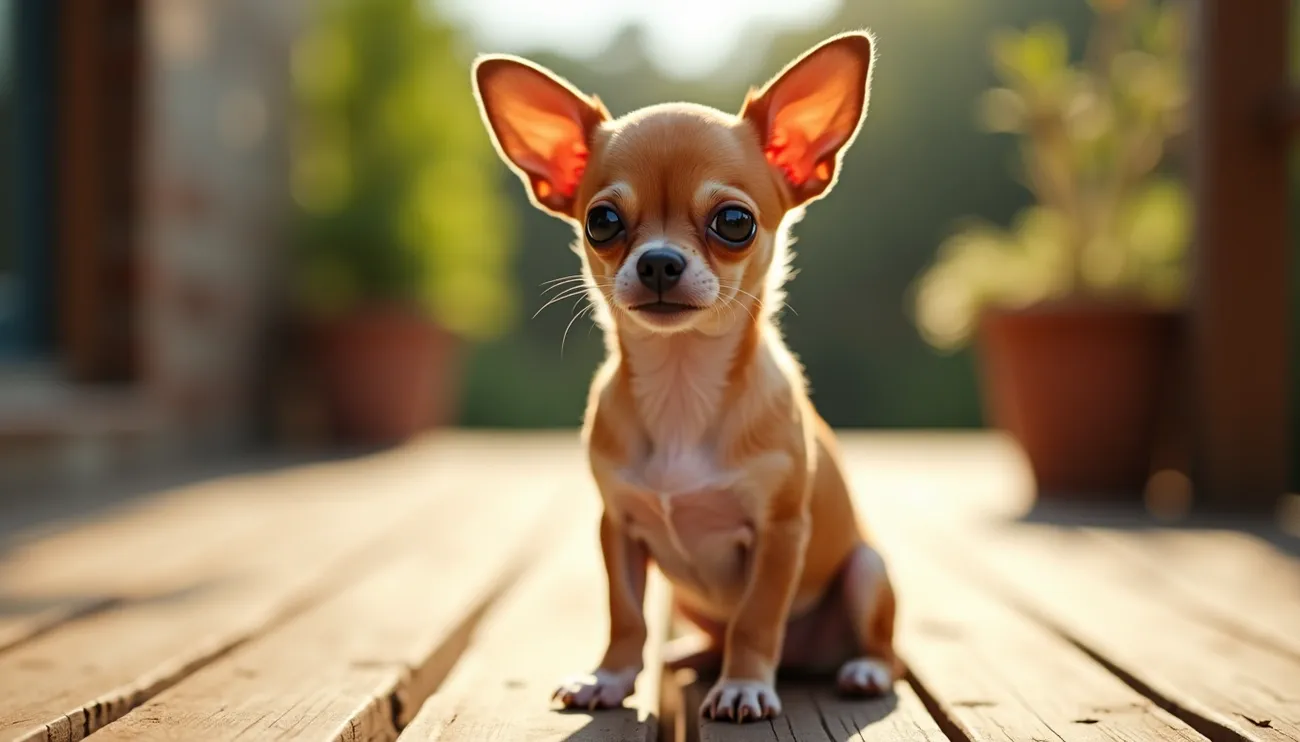 Chihuahuas hold the title of world’s smallest recognized dog breed. These tiny dogs weigh just 1-6 pounds (0.5-3 kg) and stand only 5-8 inches (13-20 cm) tall. Their small size belies the huge personalities packed into their diminutive frames.
These mighty companions, named after Mexico’s state of Chihuahua, have become incredibly popular and with good reason too. Most Chihuahuas live 14-16 years, outlasting many larger breeds and providing years of devoted companionship. Their signature rounded “apple” head makes them instantly recognizable. People often notice their “terrier-like” temperament, but well-socialized Chihuahuas form deep bonds with their owners. These smart little dogs need consistent yet gentle training. Their remarkable journey from ancient origins to modern-day popularity shows why these tiny dogs with big personalities continue winning hearts worldwide.
The Origins of the Chihuahua Dog Breed
The Chihuahua’s fascinating story goes back thousands of years. This tiny companion ranks among the oldest dog breeds alive today. Their deep roots in pre-Columbian societies make them a living link to ancient civilizations that once thrived in modern-day Mexico.
From Techichi to Chihuahua: Ancient Roots
The Techichi, bred by the Toltec civilization in the 9th century CE, marks the beginning of Chihuahua ancestry. These ancient predecessors were a bit larger than modern Chihuahuas. They showed distinctive features like large ears and an apple-shaped head that you can still see in today’s breed.
Toltec and later Aztec civilizations deeply respected these small dogs. Toltecs believed their Techichis could see into the future. Unlike today’s vocal Chihuahuas, these ancient Techichis couldn’t make any sounds.
The Aztecs kept breeding these special dogs after conquering the Toltecs. They refined the breed into lighter, apple-headed toy dogs that look more like modern Chihuahuas. Experts think this change happened through careful breeding, possibly by mixing Techichis with the Mexican hairless dog, the Xoloitzcuintli.
These small dogs played vital spiritual roles in Aztec culture. Aztec nobles would have a Chihuahua sacrificed and buried or cremated with them. People believed the dog’s spirit would guide the noble’s soul through the afterlife. The dog would help them cross a mystical river by carrying the human spirit on its back. Noble families might have owned hundreds of these dogs, based on archeological findings.
Several influences shaped the modern Chihuahua. Recent DNA studies show mixed results – some research suggests ancient dogs contributed up to 70% of Chihuahua DNA, while other studies show just 3-4% of genomic DNA. All the same, scientists confirm that today’s Chihuahuas maintain “a continuous unbroken maternal lineage from the ancient origins of these dogs to now”.
Recognition by Kennel Clubs
American visitors found these tiny dogs in Mexico and brought them home in the mid-19th century. James Watson, an author and judge, got a Chihuahua named Manzanita in 1888. Owen Wister, who wrote The Virginian, brought in a dog named Caranza that would establish important bloodlines.
The American Kennel Club (AKC) made the Chihuahua official in 1904. “Midget,” owned by H. Raynor of Texas, became the first registered Chihuahua. The breed’s first champion, “Beppie,” belonged to Mrs. L.A. McLean of New Jersey just a few years later.
The Chihuahua Club of America started in 1923 to develop and promote the breed. Their first specialty show happened on May 19, 1928, featuring 42 Chihuahuas. The United Kennel Club recognized the breed in 1948.
Chihuahua and Mexican Heritage
The breed gets its name from the Mexican state of Chihuahua, where people found many modern breed specimens. This connection to place firmly establishes the breed’s Mexican identity.
Many Mexicans see the Chihuahua as a symbol of their country’s unique mix of ancient traditions and modern energy. The Xoloitzcuintli holds the official title of Mexico’s national dog, but people worldwide associate the Chihuahua more closely with Mexico.
The Chihuahua remains one of the Americas’ oldest breeds and serves as Mexico’s national symbol. Their evolution from sacred religious animal to beloved family pet shows their amazing adaptability. They create a living connection to pre-Columbian kingdoms and their advanced civilizations.
Physical Characteristics and Size
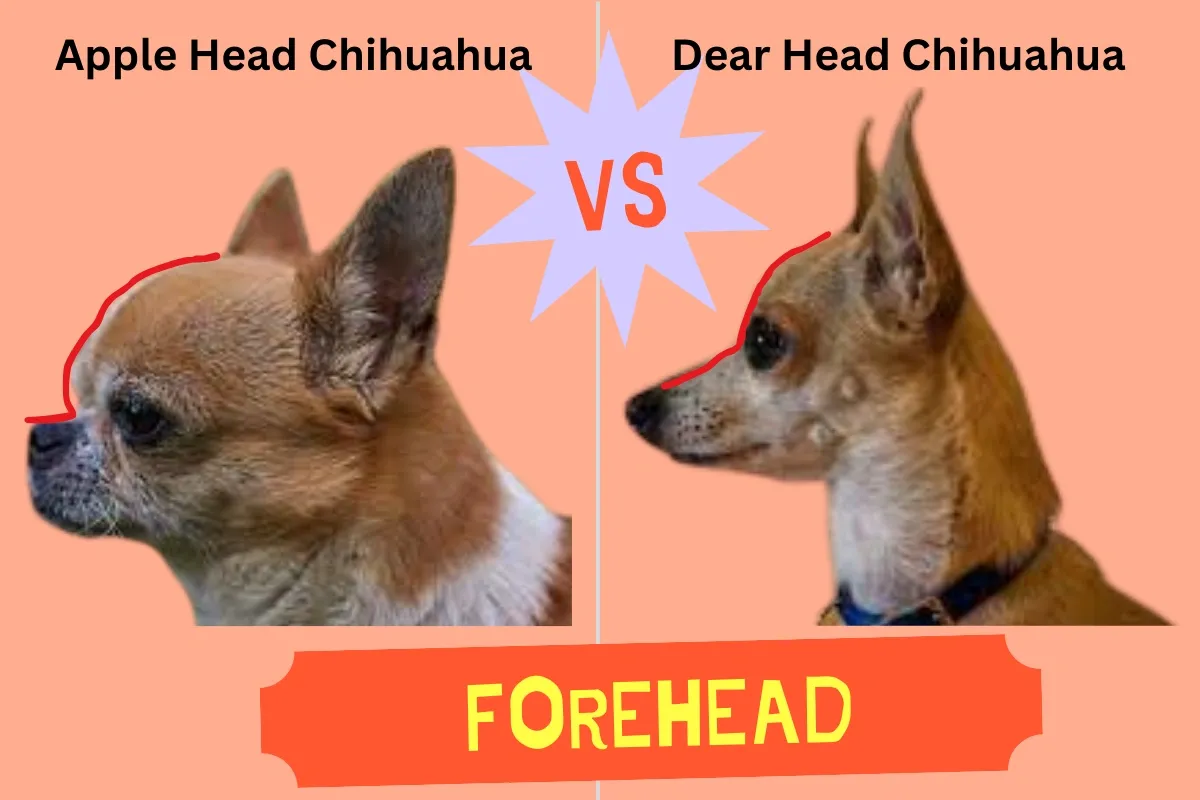
Image Source: Wegreeco
Chihuahuas stand out from other dog breeds with their unique physical features. These tiny dogs have such a distinctive look that people recognize them instantly worldwide.
Apple Head vs Deer Head
Chihuahua lovers can choose between two distinct head shapes. The apple head Chihuahua has a round, dome-shaped skull that looks just like an apple, with the dome’s widest part sitting between the ears. You’ll notice their large, striking eyes, a short snout meeting the head at a 90-degree angle, and a compact jaw. These pups usually have smaller bodies with shorter limbs. They also often have a molera—a soft spot on their skull that’s like a human baby’s fontanelle.
The deer head Chihuahua looks quite different. Their skull is narrower and more sloped, reminding you of a young deer. They have a longer muzzle and jaw that meets the head at a gentle 45-degree angle. Their eyes aren’t as prominent, and their ears tend to be larger. These pups are bigger overall, reaching up to a foot tall and 10-12 pounds—about twice the size of apple heads.
The apple-shaped skull remains the only head type that meets major kennel clubs’ breed standards. The American Kennel Club specifically points to the “rounded apple head” as the breed’s defining feature. This means apple head Chihuahuas are the ones you’ll see competing in dog shows.
Coat Types: Long-Haired and Short-Haired
These tiny dogs come in two official coat varieties: long-haired and short-haired. Short-haired Chihuahuas sport sleek, glossy coats that are smooth to touch. They’re easy to care for—a quick brush now and then and regular baths are enough to keep them looking sharp.
Long-haired Chihuahuas have soft, flowing fur that takes several years to grow fully. These beautiful pups need more attention, with weekly brushing sessions to prevent tangles. Both types come in many colors and patterns, giving future owners plenty of choices.
Chihuahua Size and Weight Range
These pups hold the title of world’s smallest recognized dog breed. The American Kennel Club says a standard Chihuahua should weigh no more than six pounds and stand between five to eight inches tall. The Fédération Cynologique Internationale sets slightly different rules, preferring weights between 1.5 and 2.5 kg (3.3-5.5 pounds). Dogs outside 1.0-3.0 kg (2.2-6.6 pounds) can’t compete in shows.
Most Chihuahuas grow to be 15-23 cm (6-9 inches) tall. Interestingly, puppies from the same litter can end up very different in size. Pet Chihuahuas often grow larger than show standards, sometimes reaching over 4.5 kg (9.9 pounds), especially if they have bigger bones or put on extra weight.
Color Variations and Markings
Chihuahuas show off one of the most colorful ranges in the dog world. The American Kennel Club lists 9 standard colors and 21 more combinations and patterns, each with its own registration code. Their breed standard keeps it simple: “Any color – Solid, marked or splashed”.
Common colors include:
Fawn (light tan, sometimes with reddish undertones)
Black (pure black is rare)
White (one of the rarest colors)
Red (orange-brown)
Chocolate (rich brown)
Blue (actually a diluted black appearing as gray)
Cream (very light tan)
Gold (shinier than fawn, especially noticeable in sunlight)
The AKC recognizes 11 official markings including black brindling, black mask, merle markings, and spotted on white. Many Chihuahuas show off bi-color or tri-color patterns, with darker shades on top and lighter colors decorating their chest, face, muzzle, toes, and belly.
These amazing variations in physical traits make each Chihuahua special, whether they’re show champions or beloved family companions.
Understanding Chihuahua Temperament
Chihuahuas may be tiny, but their personalities pack quite a punch that often catches new owners off guard. These small companions show diverse temperaments – from outgoing and confident to timid and reserved. Each Chihuahua develops its own distinct behavioral patterns.
Loyalty and Attachment to Owners
These little dogs form remarkably strong bonds with their humans and become fiercely loyal to one or two people. Their intense devotion shows up in different ways. They follow their chosen person around the house and snuggle contentedly in their lap for hours. Many Chihuahua owners find deep satisfaction in this affectionate relationship.
A Chihuahua’s bond makes them stick close to their human. Their attachment runs so deep that they become protective of their owners and stay wary of strangers until trust builds. This loyalty develops gradually – Chihuahuas pick their favorite person based on who gives them care, attention, and security.
This devoted attachment has a downside. These dogs can develop separation anxiety when left alone too long. The anxiety might lead to destructive behaviors like chewing furniture, whining, or having accidents inside. They do best in homes where someone stays around most of the time.
Common Behavioral Traits
These loyal companions display several distinctive characteristics:
Bold confidence – Many Chihuahuas show surprising fearlessness despite their small size, often confronting much larger dogs. This bold attitude has earned them a reputation for having a “big dog” personality in a tiny package.
Intelligence and trainability – These dogs show high intelligence and respond well to positive training methods. In spite of that, their stubborn streak requires patience during training.
Playfulness – These energetic pets love interactive play with their owners and burst with energy that makes them fun companions.
Protective instincts – Their alertness and tendency to bark at threats make them excellent watchdogs. This protective nature comes from both their loyalty and natural alertness.
These dogs often sense their owner’s emotions and react to stressful situations. This emotional connection creates a special bond between Chihuahuas and their families.
Chihuahua Angry Behavior: Myth or Reality?
Popular culture paints Chihuahuas as angry, aggressive little dogs, but this view needs careful examination. Their seemingly angry behavior usually stems from fear rather than meanness. Their small size makes them vulnerable, which can trigger defensive responses when threatened.
Several factors contribute to perceived aggression in Chihuahuas:
Fear-based reactions – Living in a world of larger beings can spark defensive behaviors. A Chihuahua’s barks and growls often mean “please don’t hurt me” rather than showing true aggression.
Lack of socialization – Limited early exposure to different people, animals, and environments can make Chihuahuas fearful and reactive. Early socialization shapes well-adjusted adults.
Owner reinforcement – Some owners accidentally encourage reactive behaviors by laughing at aggressive signs or excusing bad behavior. This response can worsen problematic tendencies.
Small dog syndrome – Different treatment compared to larger dogs can lead to stubbornness, entitlement, and sometimes aggression.
Studies suggest that a dog’s final temperament comes from both genetics (35%) and training/socialization (65%). This highlights how proper handling and training matter. With good socialization and positive reinforcement, Chihuahuas grow into friendly, well-adjusted companions that break the “angry dog” stereotype.
Common Health Issues in Chihuahuas
Chihuahuas tend to live long lives, but their tiny size makes them prone to certain health conditions. Pet owners should know about these problems to help their furry friends live healthier lives.
Patellar Luxation
The kneecap’s dislocation from its normal position, known as patellar luxation, is a common orthopedic problem in Chihuahuas. This condition affects approximately 4% of Chihuahuas and ranks among their most common health issues.
Dogs with this condition show a distinctive “skipping” gait. They lift one back leg suddenly while walking before returning to normal movement. Most Chihuahuas with mild cases feel no pain beyond occasional limping.
Veterinarians rate patellar luxation severity on a four-grade scale:
Grade I: Manual displacement of kneecap is possible but it returns to position naturally
Grade II: The patella moves out during joint flexion and causes temporary skipping
Grade III: The kneecap stays dislocated most times
Grade IV: Permanent dislocation with severe lameness
Weight control and joint supplements help manage mild cases. Severe cases might need surgery to fix the femoral groove or realign the kneecap.
Heart Conditions
Heart disease causes 18.8% of deaths in older Chihuahuas, making it their leading cause of death. These dogs usually develop chronic degenerative mitral valve disease that weakens their heart’s left valve.
The disease shows these signs:
Regular coughing
Less tolerance for exercise
General weakness
Sudden collapse
Breathing problems
Vets usually spot heart problems by hearing murmurs during checkups. X-rays, electrocardiograms, and echocardiograms help measure how serious the disease is. Heart valve problems need lifelong medicine and monitoring, but early detection helps these dogs live longer, better lives.
Hydrocephalus and Tracheal Collapse
Brain fluid buildup, or hydrocephalus, can affect Chihuahuas from birth or after injuries. Signs include seizures, confusion, protruding eyes, weakness, and unsteady walking. Medicine helps mild cases, while serious ones might need surgery to place shunts.
Chihuahuas face higher risks of tracheal collapse than most other breeds. Their windpipe’s cartilage rings weaken and flatten during breathing. These dogs make a distinctive “goose honk” cough that gets worse with excitement, neck pressure, or heat. Using harnesses instead of collars, maintaining healthy weight, and taking medicine to reduce inflammation helps manage this condition.
Hypoglycemia in Puppies
Chihuahua puppies risk low blood sugar because they can’t store much glucose. Blood sugar below 3.3 mmol/L (60 mg/dL) indicates hypoglycemia.
Young Chihuahuas face this risk because they have:
Few glycogen stores
Limited liver glucose production
Little body fat for energy
Underdeveloped hormone systems
Watch for signs like tiredness, muscle shaking, weakness, confusion, seizures, or collapse. These puppies can develop problems within 2-3 hours without food.
Quick treatment involves rubbing honey or corn syrup on their gums before rushing to the vet. Regular nutritious meals help prevent this condition in puppies.
Eye and Dental Problems
Chihuahuas’ big eyes make them prone to glaucoma, dry eye, and cataracts. Red eyes, discharge, rubbing, and sometimes blindness signal these problems.
Dental disease affects 13.5% of Chihuahuas—their most common health issue. Small mouths lead to crowded teeth, stuck baby teeth, and tartar buildup. Beyond causing pain and eating problems, tooth infections can spread to other organs through the bloodstream.
Regular dental care, including brushing, dental chews, and professional cleanings, helps keep these dogs healthy throughout their lives.
Feeding and Nutrition Tips
A balanced diet is the foundation of health for the tiny Chihuahua breed. Your feeding choices play a vital role in their well-being and long life. These small dogs need specific nutrients that are different from larger breeds. You must pay attention to both food quality and quantity.
Feeding Schedule by Age
Chihuahua puppies need frequent meals to prevent dangerous drops in blood sugar. Vets recommend four to six small meals daily for puppies under three months. The feeding frequency changes as they grow:
2-4 months: 4-6 meals daily
4-6 months: 3-5 meals daily
6-8 months: 3-4 meals daily
Over 8 months: 2-3 meals daily
Adult Chihuahuas (over 12 months) do well with two to three meals per day. Senior Chihuahuas (8+ years) need age-appropriate food that matches their changing metabolism.
Best Food Types for Chihuahuas
Your Chihuahua’s diet should be rich in quality protein, making up 20-30% of their nutrition. Pick foods that list real meat as the first ingredient. Stay away from fillers like corn, wheat, and soy as they offer little nutritional value.
Essential fatty acids help maintain your dog’s skin, coat, and brain health. Look for foods with fish oil, flaxseed, or sunflower oil. Your Chihuahua needs limited carbs because too much can lead to weight gain and dental problems.
Active Chihuahuas need more calories. A lively 4-pound Chihuahua might need about 40 calories per pound of body weight. Senior dogs who move less need around 30 calories per pound.
Avoiding Obesity in Small Breeds
Portion control is crucial to prevent obesity. An adult Chihuahua between 4-10 pounds usually needs ¼ to 1⅓ cups of food daily, split into meals. Use a proper measuring cup instead of guessing.
Extra weight shortens your Chihuahua’s life and causes chronic pain from inflammation. Overweight Chihuahuas are 2.3 times more likely to get arthritis. They also face higher risks of breathing issues, heart disease, and diabetes.
Keep track of your dog’s weight regularly. Visit your vet for weigh-ins to check body condition scores. Small food adjustments early on can prevent major weight changes.
Chihuahua Cheese and Other Human Foods
You can add certain human foods to your Chihuahua’s meals, but don’t use much of either. Cheese is safe in tiny amounts, though some dogs might get upset stomachs from its fat and lactose.
Safe human foods include:
Cooked, plain chicken or turkey (without bones)
Plain popcorn without salt or butter
Small amounts of fruits like blueberries or watermelon (without seeds)
Vegetables like carrots, green beans, and pumpkin
Never give your Chihuahua chocolate, grapes, raisins, onions, garlic, or foods with xylitol – these are toxic. Don’t add salt, sugar, oil, or butter when preparing human food for your pet.
Good nutrition can transform your Chihuahua’s health, energy, and lifespan. Focus on quality food, proper portions, and safe treats to keep your tiny friend healthy and happy.
Grooming and General Care
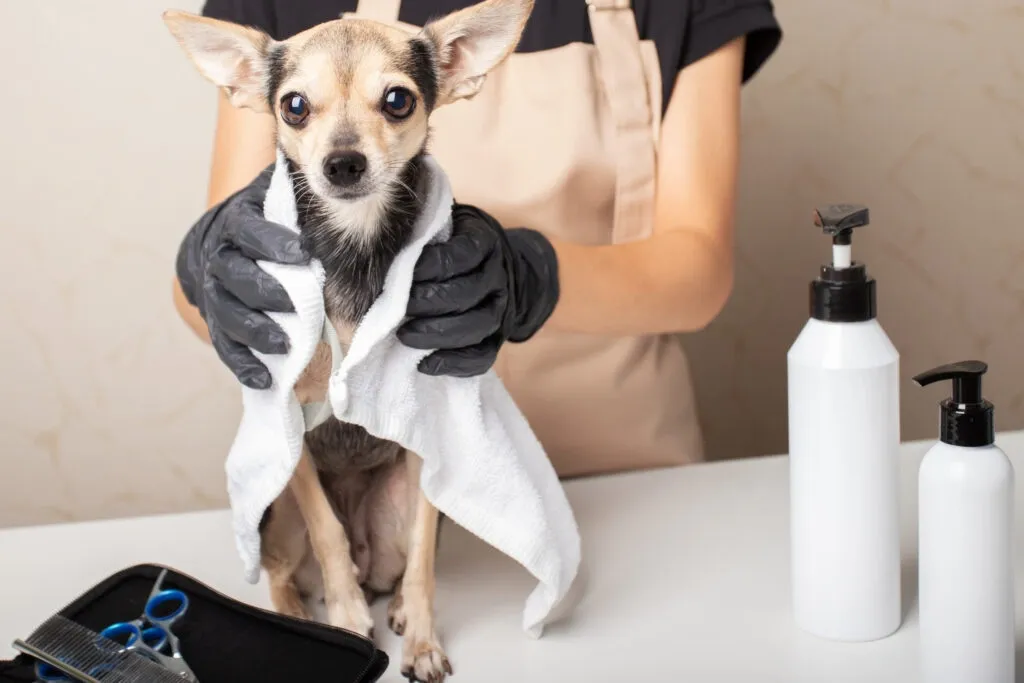
Image Source: Supertails
A good grooming routine keeps your Chihuahua looking great and substantially affects their health and comfort. These tiny dogs need specific care routines that prevent problems and help create a stronger bond between you and your pet.
Brushing and Bathing Needs
Your Chihuahua needs regular brushing, whatever type of coat they have. Short-haired Chihuahuas do well with weekly brushing to get rid of loose hair and spread natural skin oils. A soft bristle brush or rubber mitt works great for these quick grooming sessions and helps protect their sensitive skin.
These dogs don’t need many baths. Chihuahuas keep themselves pretty clean and usually need a bath only once every three to four weeks. Too much bathing removes everything in their skin’s natural oils and can make them dry and itchy. The bath water should be lukewarm, and you’ll need to use special dog shampoo. Make sure water stays out of their ears. Chihuahuas get cold easily, especially puppies, so keep the room warm and dry them really well afterward.
Nail, Ear, and Eye Care
Your Chihuahua’s nails need extra attention because they grow fast and don’t wear down naturally since these dogs are so light. Cut their nails every two to three weeks, or as soon as you hear them clicking on the floor. Small dog nail clippers work best to avoid hitting the quick – that sensitive part inside with blood vessels.
Look at their ears weekly to check for wax buildup, redness, or bad smells that might mean an infection. Long-haired Chihuahuas often have ear hair that traps moisture and might need a trim.
Keep an eye out for discharge or tear stains around their eyes, which show up more on light-colored dogs. Use a damp cloth to clean around their eyes, but keep the area dry to stop staining.
Grooming Differences by Coat Type
The biggest difference between coat types shows up in how often and how you brush them. Long-haired Chihuahuas need more work – brushing two or three times every week with a slicker brush and then a fine-tooth comb for tough spots. Watch out for matting behind their ears, under the collar, and in their armpits.
Short-haired Chihuahuas are easier to care for and just need weekly brushing with a rubber brush or grooming mitt. Both types shed with the seasons, but short coats usually shed twice a year.
Dental care matters for all Chihuahuas because they often get periodontal disease. You should brush their teeth several times a week with special dog toothpaste to prevent tartar buildup.
Training and Socialization Needs
Training lays the groundwork for a well-adjusted Chihuahua and turns these tiny companions into well-behaved family members. These small dogs are smart but come with their own training challenges that need special handling.
House Training Challenges
Your Chihuahua’s tiny bladder means house training takes extra patience. These little pups need almost constant outdoor breaks during early training. Setting up indoor potty areas works great for this breed, especially if you live somewhere with harsh weather. Here’s what works best for house training:
Take your puppy outside hourly at first, then stretch the time between breaks
Pick one potty spot and stick to it
A crate helps prevent accidents when you can’t watch them
Use enzymatic cleaners to get rid of accident smells completely
Positive Reinforcement Techniques
These tiny dogs thrive on positive training and don’t do well with force or punishment. A clicker gives them instant feedback when they follow commands correctly. You can also use a simple “yes” to mark good behavior.
Your training sessions should be quick – just 5-10 minutes to start – since Chihuahuas don’t focus long. End each session after they do something right to build their confidence. These little ones might need extra practice to learn commands, so stay patient.
Preventing Separation Anxiety
The best time to socialize your Chihuahua is between 3-14 weeks old. Let them meet different people, animals, and places in safe, positive ways to build their confidence.
You can help prevent separation anxiety with these steps:
Step outside for a few seconds, then come right back
Add more time apart as weeks go by
Keep your hellos and goodbyes low-key
Give them treat-filled toys before you leave
If you don’t address separation anxiety early, your Chihuahua might start destroying things, having accidents, or barking non-stop when left alone. Teaching them to be independent young helps create a confident pup who’s okay being by themselves.
Is a Chihuahua Right for You?

Image Source: TAILored Pet Services
You should take a good look at your lifestyle, living space, and what you want in a pet before getting a Chihuahua. These little dogs work better in some situations than others.
Chihuahua for Families with Kids
Adult family members usually form stronger bonds with Chihuahuas than children do. Most breeders won’t sell puppies to families with young kids because these small dogs can get hurt during playtime. Families with older, more responsible children who know how to handle pets gently might find Chihuahuas to be great companions. Watching over any interactions between Chihuahuas and children remains crucial.
Apartment Living and Travel
Chihuahuas make perfect apartment pets and adapt well to city life. They don’t need a big yard to be happy. These portable pups are great travel buddies and fit easily in carriers or purses. Their light weight makes them easy to take anywhere.
Teacup Chihuahua Considerations
Teacup Chihuahuas weighing under 4.5 pounds face more health problems. These tiny versions need extra care because their bones break easily from falls. They also have higher risks of low blood sugar, heart problems, and fluid in the brain. They need specially sized equipment that fits their small frame.
Chihuahua Price in India and Elsewhere
The price of a Chihuahua changes based on location, quality, and family history. Indian prices typically range from ₹15,000-₹40,000. Imported dogs can cost between ₹50,000 and ₹1,00,000 or more. Mumbai’s prices run ₹25,000-₹50,000, Delhi’s range from ₹20,000-₹40,000, and Bangalore’s fall between ₹18,000-₹40,000. Adoption costs less, usually ₹5,000-₹15,000.
Conclusion
Chihuahuas prove that the smallest packages often pack the biggest personalities. These tiny companions blend historical significance, distinctive physical traits, and complex temperaments that fascinate dog lovers worldwide. Their small size doesn’t stop them from making their presence known through loyalty, intelligence, and their occasional sassy attitude.
Most people think Chihuahuas are difficult or angry, but these dogs form deep bonds with their owners when socialized properly. They often become devoted shadows to their favorite humans. These dogs make excellent companions for apartment dwellers, travelers, and anyone who wants a portable yet spirited friend. In spite of that, future owners should think over the breed’s specific health issues, from dental problems to patellar luxation, before committing to these long-lived companions.
These tiny dogs need owners who see beyond their small size to give them proper training, socialization, and healthcare. Their delicate build means they need gentle handling, especially when you have young children around. Their smart nature responds best to consistent, positive reinforcement during training.
These Mexican treasures give unmatched companionship in a conveniently small package. Chihuahuas have shown remarkable adaptability from their ancient Techichi ancestors to today’s show ring through centuries of changing human needs. You’ll find them curled up on laps or standing guard at windows, delivering big love and personality that’s way beyond the reach of their tiny paw prints.
The choice to bring a Chihuahua home needs careful thought about your lifestyle, living space, and ability to provide long-term care. People who understand and meet this special breed’s needs end up with a loyal, spirited companion. Their big-dog attitude and loving nature create lasting bonds throughout their impressively long lives.
Key Takeaways
Understanding the Chihuahua breed reveals essential insights for potential owners considering these tiny yet complex companions.
• Chihuahuas are the world’s smallest breed (1-6 pounds) but possess outsized personalities requiring firm, gentle training and early socialization to prevent fear-based aggression.
• These ancient dogs trace back to pre-Columbian civilizations and come in two head types (apple vs deer) and coat varieties, with only apple heads meeting official breed standards.
• Despite their 14-16 year lifespan, Chihuahuas face specific health risks including patellar luxation, heart disease, and hypoglycemia that require vigilant veterinary care.
• Their intense loyalty to one person makes them excellent apartment companions but potentially challenging around young children due to their fragile size.
• Proper nutrition with frequent small meals, minimal grooming needs, and positive reinforcement training are essential for raising a well-adjusted Chihuahua.
When properly cared for and socialized, these Mexican treasures transform from stereotypically “angry” small dogs into devoted, intelligent companions that offer decades of loyal friendship in a conveniently portable package.
FAQs
Q1. What are the key characteristics of Chihuahuas? Chihuahuas are known for being the world’s smallest dog breed, typically weighing between 1-6 pounds. They have distinctive large eyes, apple-shaped heads, and come in both long and short-haired varieties. Despite their tiny size, Chihuahuas are known for their big personalities, loyalty, and intelligence.
Q2. Are Chihuahuas good with children? Chihuahuas can be good with older, responsible children who understand how to handle them gently. However, they may not be ideal for families with very young children due to their fragile size and potential for injury during rough play. Proper supervision is always essential when Chihuahuas interact with kids.
Q3. How often should Chihuahuas be fed? Adult Chihuahuas typically do well with 2-3 small meals per day. Puppies require more frequent feeding, starting with 4-6 meals daily for those under three months old, gradually decreasing as they age. Portion control is crucial to prevent obesity, which can lead to health issues in this small breed.
Q4. What are common health concerns for Chihuahuas? Common health issues in Chihuahuas include patellar luxation (kneecap dislocation), heart conditions, dental problems, and hypoglycemia, especially in puppies. They may also be prone to eye problems and tracheal collapse. Regular veterinary check-ups and proper care can help manage or prevent many of these conditions.
Q5. How much exercise do Chihuahuas need? Despite their small size, Chihuahuas still require regular exercise to maintain good health and prevent obesity. Short daily walks and play sessions are usually sufficient. However, their exercise needs are relatively low compared to larger breeds, making them well-suited for apartment living and less active owners.