
Cesky Terrier
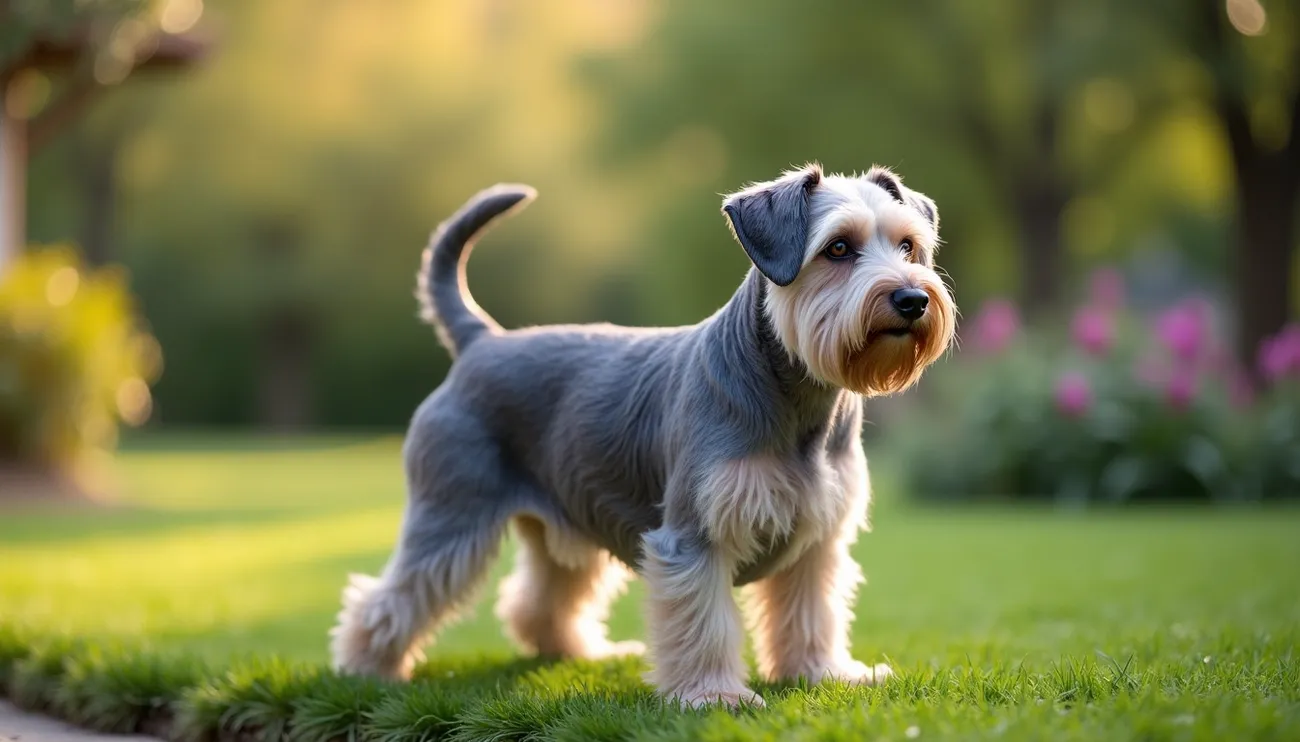
Cesky Terriers stand among the six rarest dog breeds in the world. These exceptional canine companions have slowly built a following since dedicated enthusiasts brought them to the US in the 1980s.
The Cesky Terrier’s striking looks come from its long, silky coat and compact, well-muscled frame. Their kind personality and sharp mind make them different from their more excitable terrier relatives. A typical Cesky weighs between 13 and 22 pounds. Females stand about 10.5 inches tall at the withers, while males reach 11.5 inches. The breed’s elegant yet practical nature shines through in every aspect. The dog’s unique coat needs regular care to stay free from mats and tangles.
This piece covers everything you need to learn about the Cesky Terrier. You’ll find details about their fascinating origins, breed standards, temperament, grooming needs, and what to think over before adoption.
The Origins of the Cesky Terrier
Unlike many ancient terrier breeds, the Cesky Terrier came to life in the mid-20th century as one determined man’s creation. This young breed originated in 1948 when a Czech visionary wanted to create the perfect hunting companion for his homeland’s dense forests.
František Horák and the breed’s creation
František Horák, a Czech research assistant at the Czechoslovak Academy of Science, dedicated his life to creating a national terrier breed with unique hunting abilities. His love for dog breeding started early. At just 9 years old, he learned under his parents’ guidance and developed a deep fascination with canine traits. He set up his kennel “Lovu Zdar” (meaning “Successful Hunter”) between the world wars. This name showed his commitment to breeding functional hunting dogs.
Hard times shaped Horák’s dream. His hunting terriers helped feed his family and themselves by catching game in the forests east of Prague during World War II. The communist revolution that turned Czechoslovakia into an Eastern Bloc country came after the war. The communist idea of “no one unemployed” helped Horák’s breeding project. He got hired at the Physiology Institute where a senior professor taught him about genetics and scientific method.
Horák’s scientific knowledge and accounting background helped him keep detailed breeding records. These records made the Cesky Terrier the best-documented dog breed that exists. He had a clear goal: to create a terrier that could hunt in Bohemia’s forests while being more relaxed than traditional terriers.
Crossbreeding Scottish and Sealyham Terriers
Horák got his first Scottish Terrier in 1932 and studied its behavior and hunting skills. The Scottie excelled at going to ground with great prey drive, but he found it too aggressive, especially toward people. So after becoming friends with another breeder who owned Sealyham Terriers, Horák started to think over crossing the two breeds.
The actual crossbreeding started in 1949. Horák mated his Scottish Terrier bitch, Donka Lovu Zdar, with his friend’s Sealyham Terrier named Buganier Urquelle. Three puppies came from this first breeding. Only one male survived – Adam Lovu Zdar. Sadly, someone accidentally shot this brindle puppy with half-hanging ears during a hunt in 1951.
Horák pushed forward with his breeding program. He crossed another Scottish Terrier bitch, Scotch Rose, with the same Sealyham Terrier in 1950. This litter produced six puppies. One dog, Balda Lovu Zdar, had the natural drop ears Horák wanted and became the breed’s foundation sire. Through careful line-breeding and selection, he created dogs with his ideal traits: a longer body, softer coat, and gentler nature than either parent breed.
Recognition by international kennel clubs
Horák entered several dog shows in 1959 after ten years of dedicated breeding. He then started registering his new breed in the Czechoslovakian Register as the “Cesky Terrier”. The breed reached a major milestone in 1963. It became the first Czech national breed to get official recognition from the Fédération Cynologique Internationale (FCI).
The 1989 Velvet Revolution ended communist control. Czechoslovakia split into Slovakia and the Czech Republic. These changes finally let Horák promote his creation worldwide. He lived to see his breed vision become reality before his death in 1996.
The Cesky Terrier’s popularity grew around the world. The breed first came to the United Kingdom in 1989. The Kennel Club (UK) recognized it in 1990, and it earned rare breed status on January 1, 2000. American enthusiasts brought the first Cesky Terriers to the United States in the 1980s. They formed the Cesky Terrier Club of America in January 1988. The American Kennel Club welcomed the breed into its Foundation Stock Service Program from January 1, 2004. Full recognition in the Terrier Group came in 2011. Today, Cesky Terriers remain quite rare. They rank 192nd out of 201 AKC-recognized breeds as of 2024.
Physical Characteristics and Appearance
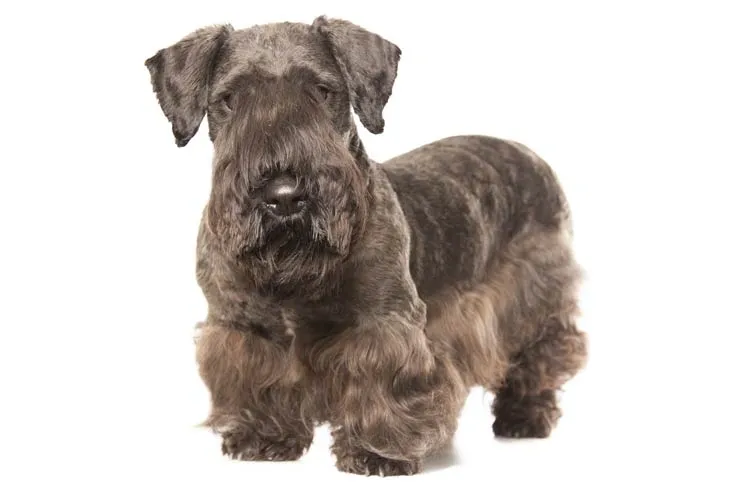
Image Source: American Kennel Club
The Cesky Terrier catches everyone’s eye with its rectangular silhouette and charming European flair. This muscular hunting terrier packs both function and elegance into a compact body that shows its carefully thought-out breeding for forest hunting.
Body structure and proportions
The Cesky Terrier has a distinctly rectangular shape and measures longer than its height. Males ideally stand at 11.5 inches at the withers, while females reach 10.5 inches. These dogs weigh between 13 to 22 pounds – just right for a sturdy yet manageable companion. Short legs support their muscular, solid body that speaks volumes about their hunting background.
The breed’s silhouette stands out thanks to its unique topline. These dogs don’t have a straight back. Instead, you’ll notice a slightly arched loin with hip bones sitting just higher than the withers. This creates the breed’s signature gentle slope toward the rear. The chest appears cylindrical rather than deep and shows nicely sprung ribs.
A Cesky Terrier’s body measures about 1.5 times longer than its height from sternum to buttocks. This longer body design lets them move easily through dense underbrush while hunting. All the same, balanced proportions matter more than exact measurements.
Coat texture and grooming style
The Cesky’s coat feels fine and silky, with a slight wave and glossy sheen – quite different from other terriers’ wiry coats. This soft texture shows how František Horák took a different path from traditional terrier traits, making these dogs look unique and feel wonderful to pet.
The breed needs a different grooming approach than other terriers. Clipping and scissoring work better than hand-stripping. The body coat follows a “saddle” pattern – the back and sides get clipped to about half an inch to 1.5 cm. Longer fur stays on the head to create distinctive brows and beard, plus decorative furnishings on the legs, chest, and belly.
Good grooming requires specific tools: a pin brush, metal comb with rotating teeth, straight and thinning scissors, and clippers with various blades. The process isn’t complicated compared to some breeds, but regular grooming prevents matting, especially around the legs and facial furnishings.
Common Cesky Terrier colors
These dogs come in two main colors. Gray-blue appears most often, ranging from platinum to charcoal. Black puppies gradually turn gray-blue as they grow up. Light coffee brown makes up the second color variety, with chocolate brown puppies lightening over time.
Yellow, gray, or white markings can show up on both colors in specific spots: the head (including beard and cheeks), neck, chest, belly, limbs, and around the vent. Some dogs sport a white collar or white-tipped tail. These markings look great but shouldn’t take over – the main color needs to cover at least 80% of the body.
The dog’s skin color matches its coat – gray-blue dogs have gray skin, while light coffee brown dogs show flesh-colored skin. This standard keeps the breed’s look consistent despite allowed color variations.
Anyone looking to add a Cesky Terrier to their family should know these physical traits. The breed’s unique rectangular shape, silky coat that needs regular clipping, and signature colors create an elegant yet practical dog that dog lovers worldwide find irresistible.
Understanding the Breed Standard
Breed standards for the Cesky Terrier provide exact specifications that help breeders and judges review these unique hunting dogs. These guidelines keep the breed consistent and preserve František Horák’s original vision. He wanted a practical, efficient forest hunter with a more relaxed temperament than other terriers.
Ideal height, weight, and length
Cesky Terriers need specific size measurements to balance their hunting skills with portability. Male Ceskys should ideally stand 11½ inches at the withers, while females are a bit smaller at 10½ inches. The acceptable height ranges from 25 to 32 centimeters (about 9¾ to 12½ inches). This flexibility helps maintain proper proportions.
The breed’s working heritage shows in its weight requirements. Cesky Terriers should weigh between 13 and 22 pounds. European standards sometimes narrow this range to 6-10 kg (13¼-22 lbs). This moderate weight lets them move easily through dense undergrowth while staying strong enough for hunting.
These rectangular dogs need specific body proportions. A Cesky’s body length should measure about 1½ times its height from sternum to buttocks. Males typically reach around 43 cm (16.9 inches), and females about 40 cm (15.7 inches). The chest circumference behind the elbows should reach 45 cm for males and 44 cm for females. This gives them enough lung capacity without extra bulk.
Head, ears, and tail features
The Cesky Terrier’s head stands out with its long, blunt wedge shape. It measures about 7-8 inches long and 3-4 inches wide. The head connects smoothly to the neck with a slight but clear stop between the forehead and muzzle. Male skulls typically measure 21 cm long by 10 cm wide, while females measure 20 cm by 9 cm.
The breed’s ears are one of its defining features. These medium-sized, triangular ears sit high on the head. They should drop down to cover the ear opening without sticking out above the skull. The front edge must stay close to the cheek, creating a neat triangle with the shorter side at the fold.
The tail has its own detailed requirements. It should measure 7-8 inches long (European standards suggest 18-20 cm) and be relatively strong and set low. Ceskys can hold their tails in several acceptable ways: hanging down, slightly bent at the tip, or in a “saber shape” horizontally or higher when alert. Show judges will penalize tails carried over the back or with a squirrel-like curl.
Gait and movement expectations
A Cesky Terrier’s movement must reflect its working background. The breed standard requires free, lasting, and energetic movement with strong drive. The front legs need to extend straight forward. This creates an efficient stride that covers ground easily.
The ideal Cesky moves with purpose – quick and energetic with plenty of forward momentum. Their movement is different from other terriers because they were bred for forest hunting endurance. Their gallop might be slower than other terrier breeds, but it shows lasting power.
From behind, the legs should move parallel without crossing or scissoring. The front view should show straight forward movement without paddling out or stepping in. This proper movement shows how the breed’s overall balance and structure work together. It lets these terriers excel at their original hunting tasks.
These precise standards explain why well-bred Cesky Terriers look so different from other terrier breeds. Each requirement serves the breed’s original purpose as an efficient, lasting hunter in Bohemia’s forests.
Cesky Terrier Temperament and Behavior
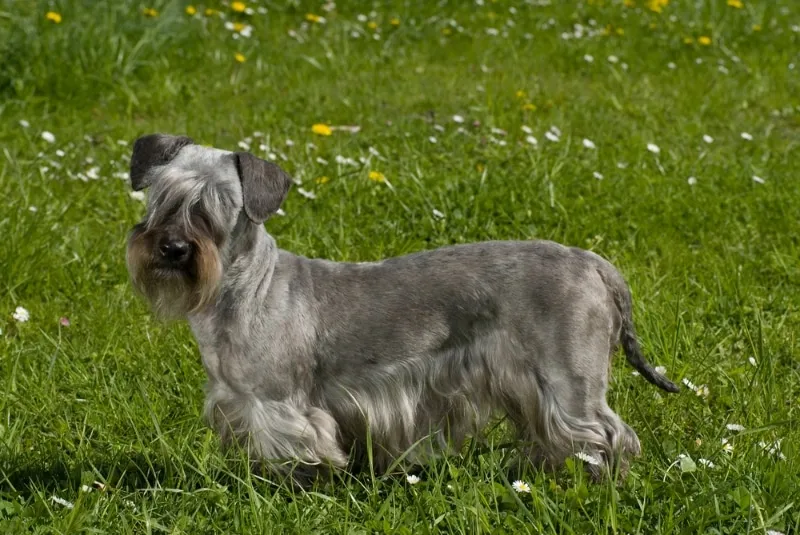
Image Source: Dogster
The Cesky Terrier came to life as a gentler option to traditional terriers. These Czech dogs have a temperament that matches their unique looks. František Horák bred them to balance hunting skills with companion qualities.
Calm and friendly nature
The Cesky Terrier stands out from other terriers due to its calmer nature. Breed standards explicitly call for a calm dog, and aggression disqualifies them. These dogs are more relaxed and substantially quieter than typical terriers. You’ll find them to be balanced workers outdoors who turn into peaceful companions indoors.
Cesky Terriers build strong bonds with their families. They show their affection through playful behavior and cuddles. These versatile dogs can relax on your couch or jump into action whenever needed.
As watchdogs, they stay alert without barking too much. While cautious with strangers, they protect their family without the jumpiness common to other terriers. Their polite yet reserved approach to unfamiliar people makes them balanced guardians who won’t cause trouble.
Suitability for families and children
Several traits make Cesky Terriers excellent family companions. They show amazing patience with well-behaved children and build great relationships with younger family members. Their playful nature shines through during games with kids. They become active playmates rather than just watching from the sidelines.
These dogs usually get along well with other canines, especially when they grow up together. Early socialization helps boost these natural tendencies, adding to their reputation as friendly terriers. Their success with cats depends on personality and early experiences, though most adapt well to feline housemates.
The breed adapts well to different living situations. Their moderate exercise needs and small size work well even in apartments. Their quiet nature helps avoid the noise issues that plague other small breeds.
Comparison with other terrier breeds
Cesky’s personality differs from typical terrier traits in key ways. They’re nowhere near as stubborn as their terrier cousins and respond better to positive training. Even first-time dog owners find them easy to train.
Unlike other terriers’ quick reactions, Ceskys keep their hunting instincts without being overly excited or aggressive. They show determination during work but remain easier to handle than typical terriers. This unique behavior comes from Horák’s choice to breed dogs that work well in teams rather than alone.
These smart dogs love to please their owners. Quick learners, they need different training approaches to stay interested. Their sharp minds and sensible nature make them great at dog sports despite their calm personality.
The Cesky Terrier’s special temperament showcases František Horák’s breeding genius. He created a terrier that combines working skills with family-friendly traits rarely seen in traditional terrier breeds.
Grooming and Coat Maintenance
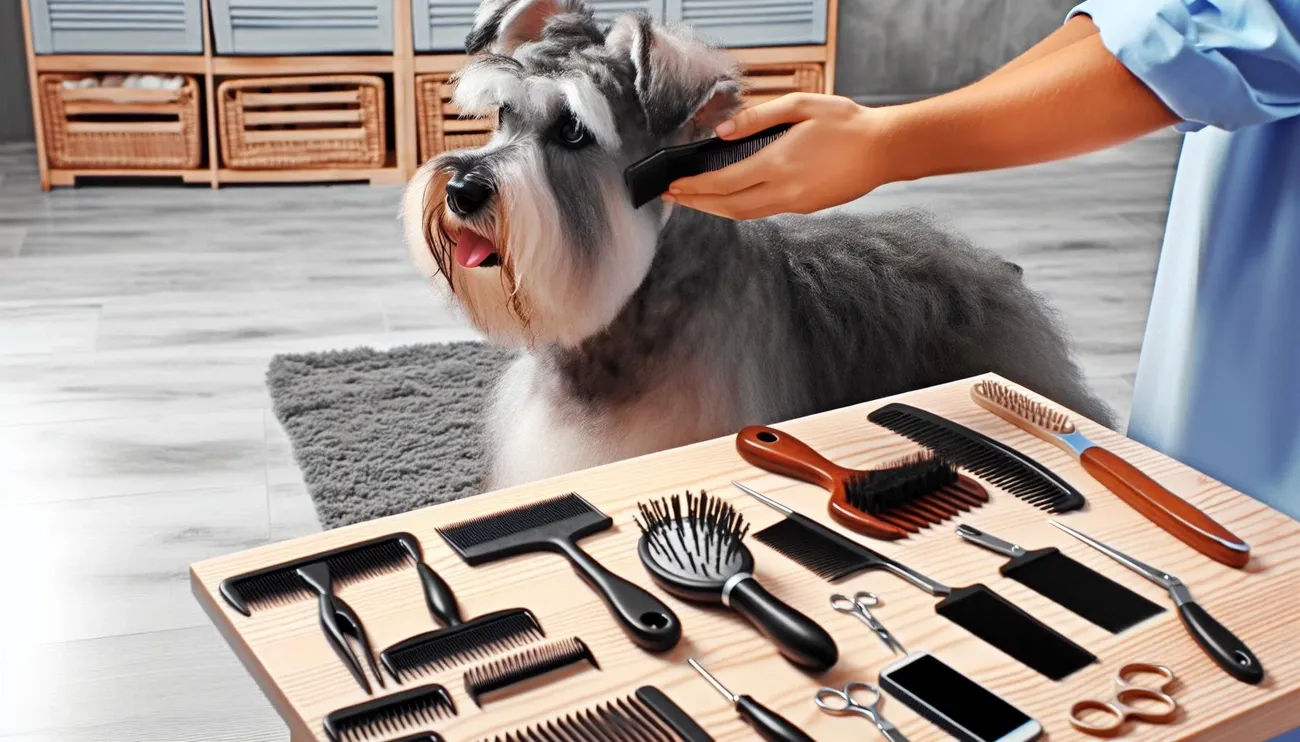
Image Source: Cesky Terrier Fanciers
A Cesky Terrier’s grooming needs serious time and money. These dogs have a beautiful silky coat that doesn’t shed, but it needs regular care to stay healthy and look its best.
Clipping vs stripping
Most terriers need hand-stripping where you pull out dead hair by the roots. The Cesky Terrier is different – it needs electric clippers. This makes maintenance a bit easier than wire-coated terriers, though you still need to know what you’re doing.
The clipping creates that classic Cesky look we all love. Pet Ceskys do well with a #7F blade on their body and a #10 blade for ears and tail. Show dogs need more precise work – they get clipped with a #10 blade about six weeks before shows. This lets their coat grow to around 1.5 cm by show day.
Note that a Cesky’s coat grows pretty fast. You’ll need trimming every 6-10 weeks to avoid that shaggy look. Taking your dog to a groomer can get pricey over time. That’s why many owners learn to do it themselves after getting some original training.
Daily brushing and coat care
The Cesky Terrier’s coat won’t drop dead hair like shedding breeds do. You’ll need to brush daily. The minimum is a good brushing 2-3 times each week. Some spots need extra attention because they mat easily.
Your grooming kit should have:
Pin brush or bristle brush
Metal comb with rotating teeth
Fine-toothed comb for tangles
Straight scissors and thinning shears
The “skirts” – that long hair on legs and belly – need special care. The area under the arms tends to mat up fast. Surface brushing won’t cut it. Your comb needs to reach right down to the skin to get rid of any forming tangles.
These dogs need baths every 3-6 weeks. Use quality dog shampoo or gentle human shampoo-conditioner mix. Too much bathing strips away natural oils and leaves the skin dry, which affects how the coat looks and feels.
Managing an ungroomed Cesky Terrier
A Cesky Terrier can go from elegant to messy really quick without proper care. The non-shedding coat mats severely and might cause skin problems. In bad cases, it can even limit how well your dog moves. The dog starts looking quite scruffy with matted furnishings and uneven coat.
Dealing with mats takes patience. The biggest rule: never bathe a matted dog. Water just makes those mats tighter and harder to remove. Small mats might come out with careful combing and some conditioner. Bad matting means a trip to the groomer to avoid hurting your dog or damaging their skin.
Watch out for mats under the arms that can limit movement, between paw pads causing discomfort, and around the beard where food gets stuck. The ear hair needs regular removal to stop infections.
Many pet owners choose shorter cuts, especially during wet seasons. This helps cut down on muddy paw prints in the house. Even with shorter hair, your Cesky keeps that distinctive look while being easier to maintain.
Health Considerations and Genetic Issues
The Cesky Terrier comes from careful breeding practices. Future owners should know about several health issues that affect this rare breed. The breed’s small gene pool, especially in the United States, keeps breeders busy as they work to eliminate genetic health problems.
Common health problems in the breed
Scottie Cramp stands as the most important inherited condition in Cesky Terriers. This neurological disorder stems from serotonin deficiency and affects how dogs move. Dogs experience temporary muscle spasms and can’t move their limbs during exercise or stress. These episodes last about 10 minutes. The good news? Scottie Cramp won’t shorten your dog’s life or cause pain, though it stays with them forever.
The breed also faces issues with patellar luxation – a slipped kneecap. The condition ranges from Grade I to Grade IV in severity. Some dogs live their whole lives with mild cases. Others need surgery to fix the problem.
Eye problems show up in the breed too. Cataracts and progressive retinal atrophy (PRA) can cause vision loss that starts with night blindness. Heart issues also appear, so monitoring your dog’s cardiac health throughout life becomes vital.
The breed’s Sealyham Terrier ancestry might put them at risk for Primary Lens Luxation (PLL), a painful eye disorder. All the same, UK Cesky Terriers have never shown this condition.
Recommended health screenings
Good breeders test their breeding stock thoroughly. They start with eye exams from certified veterinary ophthalmologists. The Cesky Terrier Club helps by setting up eye testing clinics to watch the breed’s health.
Other recommended screenings include:
Patella evaluations to check for kneecap stability
Cardiac examinations for heart health
Dentition examinations for dental development
Smart buyers ask for their puppy’s parents’ health clearances, including documents that prove testing.
Lifespan and wellness tips
Cesky Terriers live 12 to 15 years and stay healthy. Regular vet check-ups help maintain this good health.
Your dog’s weight needs special attention. Extra pounds can make joint problems worse and create health issues. Older Ceskys benefit from gentle exercise. Short walks help them stay mobile without gaining weight.
Dental care plays a vital role in your dog’s health. Dental disease affects 80% of all dogs by age two. Cesky Terriers face this problem more often than other breeds. Daily tooth brushing stops tartar buildup that leads to serious health issues.
Puppies need core vaccinations against distemper, parvovirus, hepatitis, and parainfluenza. The schedule runs at 6-8 weeks, 10-12 weeks, and 14-16 weeks, with yearly boosters after that.
Most Cesky Terriers lead long, active lives with proper care and health monitoring, despite their potential genetic health concerns.
Buying or Adopting a Cesky Terrier
Getting a Cesky Terrier needs more than just money since these dogs are very hard to find in the United States and around the world.
How much does a Cesky Terrier cost?
The price of a Cesky Terrier changes based on where you live. Dog lovers in the Northeast, including New York and Massachusetts, should expect to pay between INR 101,256 to INR 210,951. You’ll find better deals in the Southeast – Florida and Georgia owners pay from INR 84,380 to INR 185,636. The Midwest keeps things reasonable with prices between INR 84,380 and INR 168,760. The Western states tend to be pricier, with costs running from INR 126,570 to INR 210,951. Southwestern prices match what you’d pay in the Midwest.
A well-bred Cesky Terrier puppy across the US usually costs between INR 168,760 and INR 210,951. Indian buyers can find these dogs priced from ₹50,000 to ₹1,50,000, depending on the breeder’s reputation.
Good breeders might charge more upfront but help you avoid health problems that can get pricey later. These professional breeders give health guarantees, breed responsibly, take care of vet needs, and make sure their puppies go to good homes.
Finding reputable breeders or rescues
The American Kennel Club’s (AKC) Breeder Referral Contacts page gives you a great place to start. Dogs listed on the AKC Marketplace come from AKC-registered parents, which adds a layer of quality assurance.
Finding a genuine breeder takes time since only about 600 Ceskys live in America. Smart buyers should ask for health clearance papers for both parent dogs. Responsible breeders always check for genetic health issues.
Cesky Terrier for adoption vs for sale
Adoption saves you money. Rescue groups include first vet visits, shots, and spaying/neutering in their fees. Your choice to adopt helps more dogs find homes.
Finding a Cesky through rescue groups is tough. A breed expert puts it simply: “This dog is so rare in the United States that it is unlikely any rescue group will carry them”. Most people who want this breed end up working directly with established breeders.
Clubs, Community, and Breed Rarity
Dedicated breed clubs maintain standards and promote these rare dogs through strong community support for Cesky Terrier owners.
Cesky Terrier Club of America and others
American Cesky Terrier enthusiasts started their unique experience in the 1980s by importing these dogs and forming the Cesky Terrier Club of America in January 1988. Two major organizations now support American owners. The American Cesky Terrier Fanciers Association became the AKC Parent Breed Club in 2007, and it earned AKC Licensed Breed Club status in 2016. The organization achieved AKC Member Club standing in 2021. The 34-year-old Cesky Terrier Club of America continues its active role in breed promotion with the newer organization. British enthusiasts connect through the Cesky Terrier Club, which provides show results and latest updates.
Breed rarity and global presence
Cesky Terriers stand out as one of the six rarest dog breeds worldwide. Their exceptional lack of numbers makes each encounter with these dogs a remarkable event. The breed gained official AKC recognition in 2011, making it one of the newest additions to the registry.
Customized Cesky Terrier gifts and culture
Dog lovers show their dedication through specialized merchandise. Owners can find custom Cesky Terrier decorations crafted from plywood, sized at about 100mm x 70mm. These items strengthen the unique bond between owners and their rare companions.
Conclusion
The Cesky Terrier shows what focused breeding and clear vision can achieve. František Horák’s work created a unique dog that combines a terrier’s hunting skills with a gentler nature. These rare dogs give their owners an elegant look and practical temperament that you won’t easily find in other breeds.
Future owners should think over the work needed to maintain their coat properly. The dog needs regular clipping and daily brushing, while professional grooming sessions are part of owning a Cesky Terrier. The owner must also watch for health issues like Scottie Cramp and patellar luxation throughout their 12-15 year lifespan.
Getting a Cesky Terrier takes time and determination because of their lack of availability. Breed clubs are a great way to get support for owners while they help preserve this Czech national treasure. People keep falling in love with the breed’s distinctive rectangular shape, silky coat, and calm nature, even though they’re hard to find.
The Cesky makes a perfect match for families who want a terrier without the typical stubborn streak. Their balanced personality makes them great companions for kids and other pets. They even do well in apartments. These traits, plus their eye-catching looks, explain why dog lovers worldwide treasure this special breed despite how rare they are.
Key Takeaways
The Cesky Terrier represents one of the world’s rarest dog breeds, offering unique characteristics that set it apart from traditional terriers. Here are the essential insights for potential owners and dog enthusiasts:
• Exceptional rarity makes ownership special – Ranking among the six rarest breeds globally with only 600 living in America, encountering a Cesky Terrier is truly remarkable.
• Gentler temperament than typical terriers – Deliberately bred for calm, friendly nature with less stubbornness and aggression, making them excellent family companions.
• High-maintenance grooming requirements – Daily brushing and professional clipping every 6-10 weeks are essential to prevent matting of their silky, non-shedding coat.
• Moderate health concerns with good lifespan – Generally healthy with 12-15 year lifespan, but potential issues include Scottie Cramp and patellar luxation requiring health screenings.
• Significant investment and patience required – Expect to pay $2,000-$2,500 for puppies, with limited breeder availability requiring extensive research and waiting periods.
The Cesky Terrier offers a unique opportunity to own a piece of canine history – a deliberately created breed that successfully combines hunting ability with family-friendly traits, though prospective owners must be prepared for the grooming commitment and rarity challenges.
FAQs
Q1. How rare are Cesky Terriers? Cesky Terriers are among the six rarest dog breeds worldwide. With only about 600 living in America, they are exceptionally scarce, making encounters with these dogs truly remarkable experiences.
Q2. What is unique about the Cesky Terrier’s temperament? Unlike typical terriers, Cesky Terriers have a notably calmer and friendlier disposition. They were deliberately bred to be less stubborn and aggressive, making them excellent family companions while still maintaining their hunting abilities.
Q3. How much grooming does a Cesky Terrier require? Cesky Terriers have high-maintenance grooming needs. They require daily brushing and professional clipping every 6-10 weeks to prevent matting of their silky, non-shedding coat. Regular maintenance is crucial to keep their distinctive appearance.
Q4. What are the common health concerns for Cesky Terriers? While generally healthy with a 12-15 year lifespan, Cesky Terriers can be prone to certain conditions. The most significant inherited condition is Scottie Cramp, a neurological disorder. Other potential issues include patellar luxation and eye problems like cataracts and progressive retinal atrophy.
Q5. How much does a Cesky Terrier typically cost? The average cost for a well-bred Cesky Terrier puppy in the United States typically falls between $2,000 and $2,500. However, prices can vary significantly by region, with some areas commanding higher prices due to the breed’s rarity.