
Central Asia Shepherd
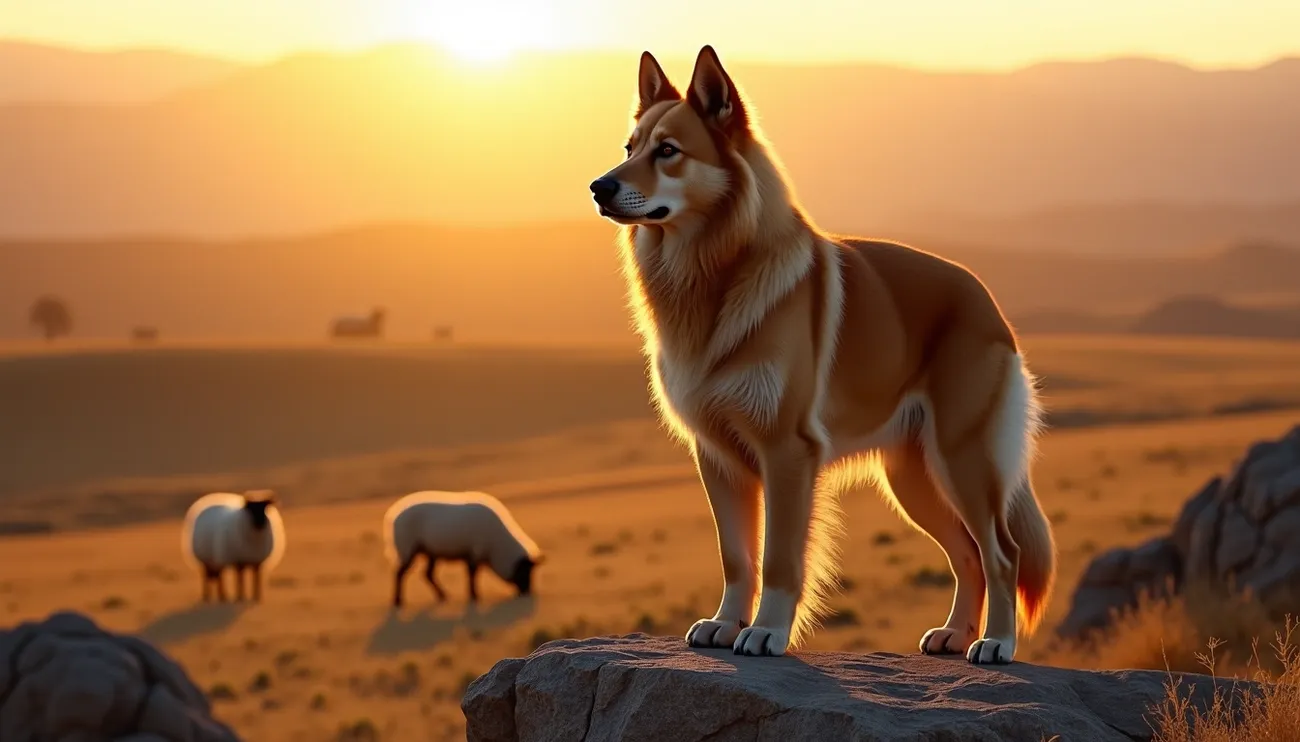 The Central Asia Shepherd ranks among the oldest natural dog breeds alive today, showcasing a commanding presence that reflects its ancient legacy. People know this impressive livestock guardian as the Alabai or Ovcharka. The breed’s origins trace to an area so big it stretches between the Ural Mountains, Caspian Sea, Asia Minor, and China’s Northwest border. Archeological findings confirm the breed’s existence dates back to at least 2000 B.C., as shown on an ancient vase now displayed at the Louver museum.
This magnificent Central Asian Shepherd Dog has earned its place as Turkmenistan’s symbol of national pride. The country’s government revealed a gold statue at the time of 2020 to honor this remarkable breed. These dogs command attention with their impressive size – males reach at least 70 centimeters (27.5 inches) at the withers while females grow to a minimum of 65 centimeters (25.5 inches). The breed’s value shines through in India’s market, where prices range from ₹30,000 to ₹1,00,000, highlighting their worth as both working dogs and companions. These intimidating guardians prove surprisingly durable and typically live 12-15 years with proper care.
History and Origin of the Central Asian Shepherd
The Central Asian Shepherd Dog’s heritage dates back approximately four thousand years. These magnificent guardians adapted naturally to some of earth’s harshest environments, unlike many breeds shaped by modern breeding programs.
Ancient roots across Central Asia
From the Caspian Sea to China and the southern Ural Mountains to Afghanistan, the ancestors of today’s Central Asian Shepherd roamed a big territory. Archeological findings confirm the breed’s ancient legacy, with dog images appearing on vases from 2000 B.C..
People tell different stories about these dogs’ origins. A fascinating tale suggests that the Tibetan Mastiff came from China to Central Asia and bred with local dogs. This mixing created what we now call the Alabay. Nobody knows if this story holds true, but written records first mentioned the breed in the 11th century.
The breed grew across Kazakhstan, Uzbekistan, Kyrgyzstan, Turkmenistan, and Afghanistan. These dogs became more than pets – they worked as vital partners to nomadic peoples who relied on livestock to live.
Cultural significance in Turkmenistan and beyond
Central Asian Shepherds mean much more than just guard dogs, especially in Turkmenistan where people see them as symbols of their heritage. Turkmenistan showed this pride in 2020 by building a 15-meter monument to the Alabay in Ashgabat. They even made a gold statue of the dog.
“A husband must be strong, cattle must be well fed and Alabay must be brave” – this Turkmen saying shows how deeply these dogs connect to the culture. The Turkmen Alabay’s image appears on state medals like “People’s Dog Breeder of Turkmenistan” and “Honored Dog Breeder of Turkmenistan”.
President Gurbanguly Berdimuhamedov created the Turkmen Alabay dogs company in 2019. This company works to promote selective breeding and preserve this national treasure. The president’s book “Turkmen Alabay” contains extensive research about this cultural icon.
Rise through natural selection
The Central Asian Shepherd developed through natural selection over thousands of years, unlike many modern breeds shaped by humans. Survival in rough terrain, extreme weather, and fights with predators like bears and wolves shaped their traits.
Turkmen shepherds kept only the bravest and most successful guard dogs through the centuries. These dogs had to protect flocks from dangerous predators – not just scare them away but fight to the death if needed to guard their master’s property.
Life’s challenges helped create their special features: powerful joints, strong necks with massive dewlaps, and unique body traits perfect for guarding. These dogs often lived and worked in groups, which explains why puppies from the same litter might show different working abilities.
Russian scientists studied these dogs since the 18th century, but formal breeding standards came much later. After the Communist revolution, Soviet officials saw the breed’s potential for military use and brought the best dogs to Russia for the Red Army. The breed stayed most authentic in its homeland, especially Turkmenistan, where they set original standards in 1976 and updated them in 1990.
Physical Characteristics and Breed Standards
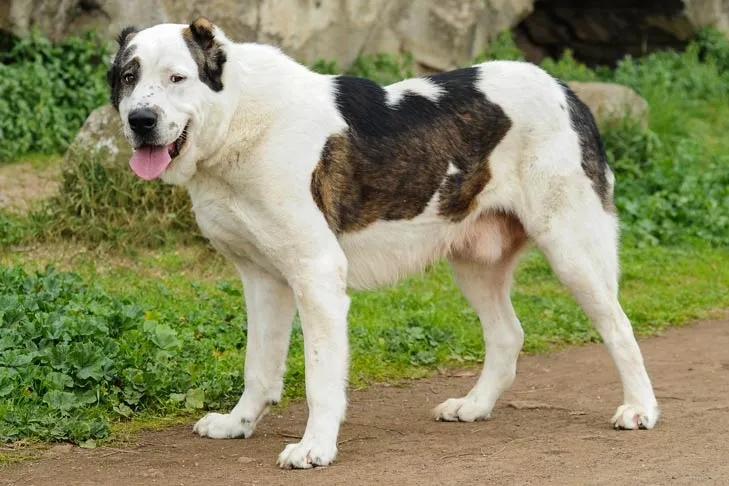
Image Source: American Kennel Club
Central Asian Shepherd Dogs command respect with their towering presence. These magnificent dogs have physical traits shaped by hundreds of years of guarding livestock. Their power, toughness, and unique features set them apart from other guardian breeds.
Size and weight range
Central Asian Shepherds rank among the world’s largest dog breeds. The breed standard sets minimum heights instead of maximums, which shows just how big these dogs are. The Fédération Cynologique Internationale (FCI) standard requires males to stand at least 70 cm (27.5 inches) at the withers, while females must be at least 65 cm (25.5 inches). Their weight matches their impressive height. Males must weigh no less than 50 kg (110 lbs) and females no less than 40 kg (88 lbs). Many dogs grow even bigger, with some males reaching 175 lbs (79 kg).
The breed standard values larger size, but balanced proportions matter most. These dogs’ body length is just slightly more than their height at withers. This near-square build creates a balanced look, and their forelegs make up about 50-52% of their total height at withers.
Coat types and colors
These dogs have a weather-resistant double coat with coarse outer guard hairs and a thick, protective undercoat. This coat helped them survive harsh continental weather throughout their development. The breed comes in three coat varieties—short, intermediate, and long—and breed standards accept all types equally.
Short coats have outer layers 3-5 cm long, while longer coats reach 7-10 cm. Dogs with longer coats develop special features: a thick mane around the neck, feathering behind their ears, extra fur on their back legs, and a fuller tail. The head and front legs always have shorter, thicker hair, whatever the coat length.
These dogs come in many colors. They can be white, black, gray, various shades of fawn (from almost white to deep red), brindle, gray-brown, and mixed colors. The FCI standard accepts almost all colors except genetic blue, genetic brown combinations, and black mantle on tan.
Unique anatomical features
Central Asian Shepherd Dogs have several distinct body features beyond their size and coat. Their head looks massive and rectangular from above or from the side. The skull’s width equals its length, with a flat top and modest eyebrow ridges.
The muzzle’s length is more than a third but less than half of the total head length. This creates a balanced look without the extreme shortness seen in some molossoid breeds. These dogs have a strong, relatively short neck that often includes a loose fold of skin.
Their most unique features include very flexible joints and false ribs that make their ribcage look longer. This body structure gave working dogs an edge when facing predators. Their body shows strong muscles without looking bulky, so they stay athletic despite their size.
Males and females look noticeably different. Males are much bigger, with more prominent withers and larger heads. Every physical aspect of these dogs combines impressive size with practical features that reflect their background as guardians in some of the world’s toughest environments.
Temperament and Behavior Traits
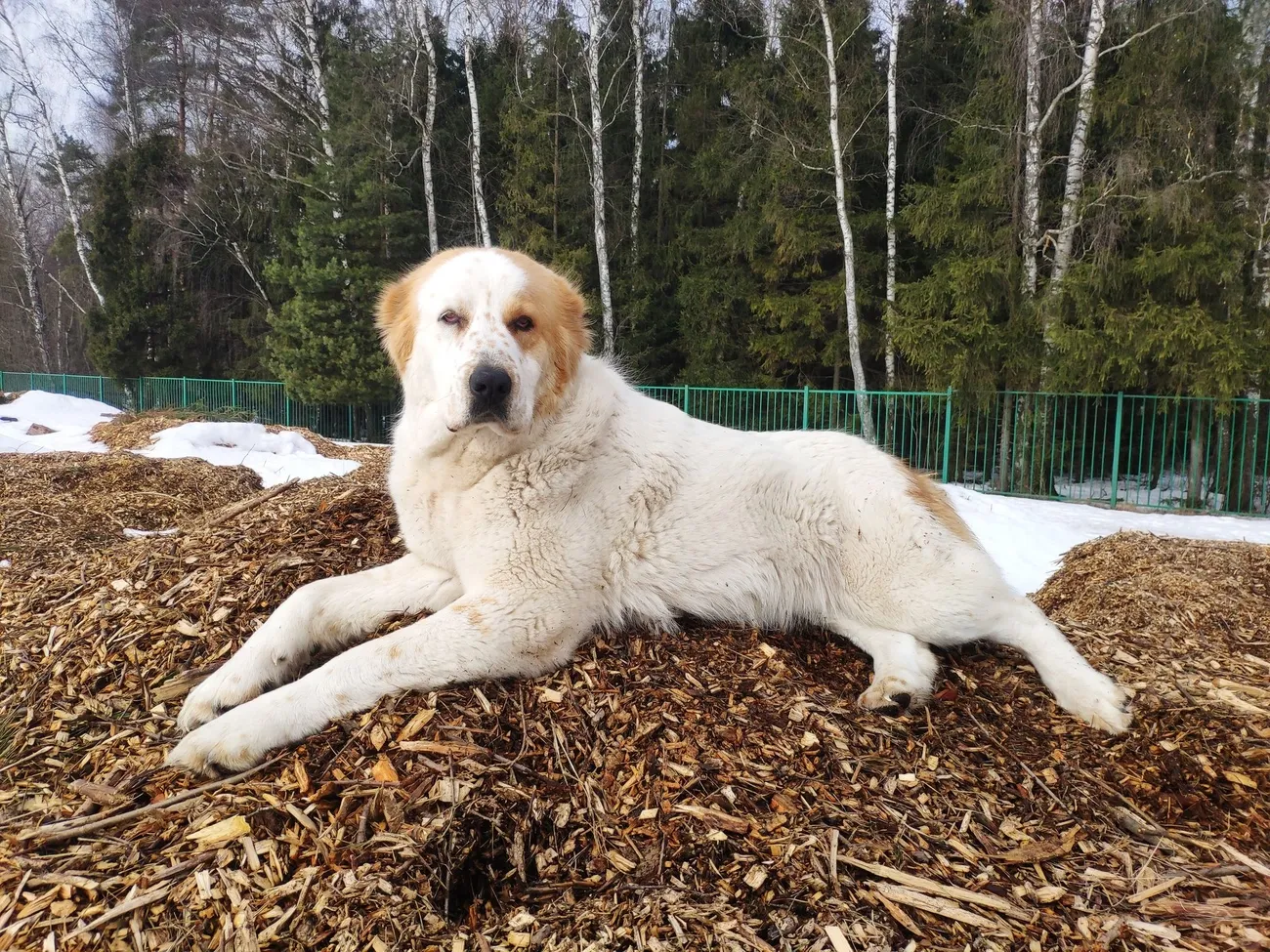
Image Source: The Spruce Pets
The temperament of Central Asian Shepherd Dogs reflects their ancient heritage of guarding livestock in the harsh landscapes of Central Asia. These powerful guardians have a unique behavioral profile that blends independence with steadfast dedication. This combination makes them exceptional protectors, but they need careful handling.
Protective instincts and loyalty
Central Asian Shepherd Dogs show remarkable loyalty to their families. They build deep bonds with their owners and fiercely protect them. Their protective instincts come from genetics rather than training – a trait passed down through generations of defending livestock from predators like wolves and bears.
These dogs think for themselves. They don’t wait for commands to act – a trait that served them well in their traditional role of patrolling big territories without human oversight. This self-reliance, combined with their territorial awareness, creates an always-alert guardian.
You’ll find Central Asian Shepherd Dogs calm and balanced in normal situations. They stay quiet and self-assured, watching situations before they act. But they transform into fearless defenders the moment they see danger to their family or territory.
Key temperament traits include:
Exceptional loyalty to family members
Natural protective instincts without aggressive promiscuity
Independent decision-making capabilities
Territorial awareness and confidence
Calm demeanor when not provoked
Interaction with children and family
Behind their imposing appearance, Central Asian Shepherd Dogs show a gentle, affectionate side to their family. They display amazing patience and compassion toward household members, particularly children they grow up with. Though they remain reserved with strangers, these dogs create strong emotional connections within their home.
Parents should watch interactions between these dogs and young children because of the breed’s size. These dogs weigh 88-110 pounds on average, so even friendly play might accidentally hurt smaller children. Families with older kids who know how to behave around large dogs make better homes for these pets.
These dogs don’t act clingy, but they like staying close to their family instead of being alone. Too much isolation can lead to barking or digging. They do best in families that include them in activities while respecting their independence.
Socialization with other animals
The first 16 weeks of a puppy’s life shape its future behavior. During this time, exposure to different animals, people, and environments helps create a well-adjusted adult dog. Without good socialization, their natural wariness can turn into problematic territorial aggression.
These dogs usually accept other pets as part of their “flock” if raised together from puppyhood. Their heritage as livestock guardians makes them natural protectors of smaller animals they see as family. But they might show defensive or dominant behavior toward unfamiliar animals without proper introductions.
With the right training and socialization, these dogs can live peacefully with other pets, though same-sex dogs might compete for dominance. Someone should always watch during introductions since these powerful dogs might mistake normal animal behavior for threats.
These extraordinary guardians need experienced handlers. Their complex temperament makes them a poor choice for first-time dog owners or apartment living. They need space, consistent training, and strong leadership to become the amazing protectors they were meant to be.
Working Roles and Abilities
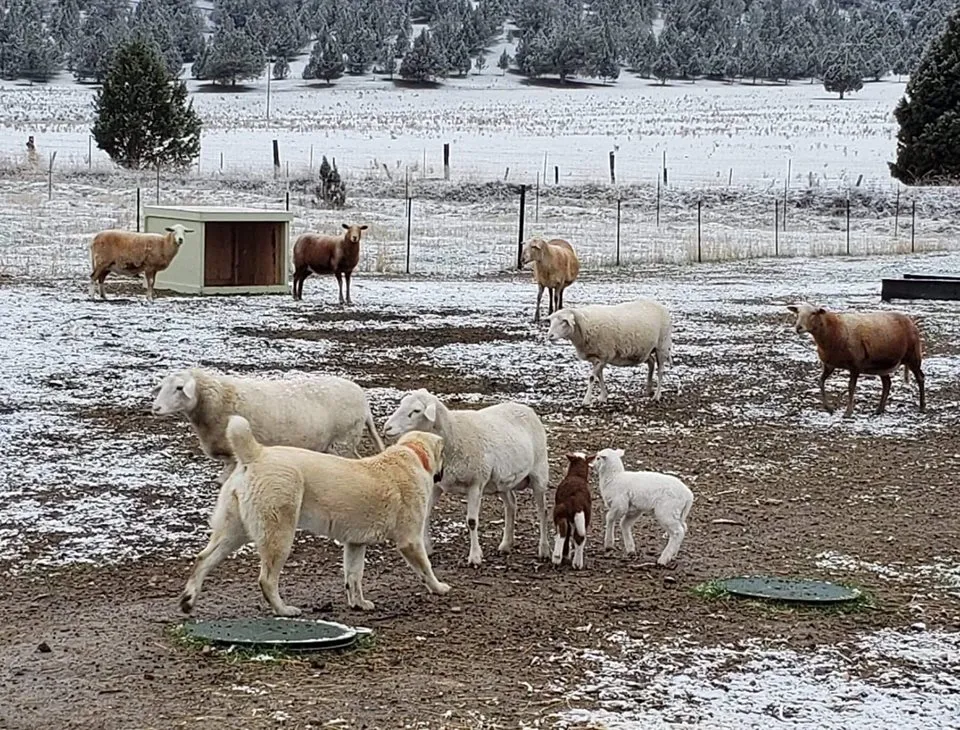
Image Source: K2, the Kuvasz, and me
The Central Asian Shepherd Dog has played many vital roles in the rugged landscapes of Central Asia for centuries. These dogs have proven their worth by protecting livestock from predators and serving as territorial guardians.
Livestock guardian duties
Nomadic tribes bred the Central Asian Shepherd Dog to protect livestock from predators. As one of the oldest guardian breeds, these dogs excel at keeping sheep, goats, cattle, and other animals safe in remote areas. They build strong bonds with their charges and treat the livestock as part of their protected territory.
These guardians face tough opponents in their role. They’ve defended herds against wolves, bears, and even lions—predators that would destroy unprotected livestock. Their success comes from their territorial instinct, which lets them patrol big areas and stand up to any threat.
The Central Asian Shepherd stands out from other guardian breeds because of its independence. These dogs make smart decisions without needing human guidance. This trait proved essential for their traditional work with nomadic herders in steppes and mountains. They can protect livestock in remote places with little supervision.
These dogs’ guardian skills remain valuable today worldwide. In their native Central Asia and other regions, they still do their original job. Like Anatolian Shepherds that protect endangered cheetahs in Namibia, Central Asian Shepherds help reduce conflicts with predators without harming wildlife.
Personal and property protection
The Central Asian Shepherd Dog shines as a property and personal protector. Their protective instincts, big size, and brave temperament make them natural security assets. They stay alert to possible intruders because of their territorial nature and natural wariness of strangers.
Modern families and businesses use these dogs as guards. Their protective instinct easily shifts from livestock to property and family. Unlike other guard breeds, Central Asian Shepherds think before they act when they see threats instead of showing blind aggression. This mix of good judgment and courage makes them reliable protectors.
Russia’s National Breed Club has created specific tests and protection titles to check and certify these dogs’ guarding abilities. Some Central Asian Shepherds also train for special jobs like search and rescue operations.
Participation in traditional dog fights
Traditional competitions with Central Asian Shepherds started among shepherds from nearby areas. These events were nothing like modern commercial dog fights. Instead of trying to hurt each other, dogs competed to show who was boss. Most matches ended when one dog showed it gave up by dropping its tail, whimpering, or walking away.
The All-Russian Association of Russian Volkodavs runs competitions where Central Asian shepherd dogs compete in weight classes: middleweights under 136 pounds and heavyweights above. People who support these events say they help preserve ancient breeds with deep cultural roots. In Russia, these competitions exist in a legal gray area because animal rights groups haven’t successfully challenged them under animal cruelty laws.
Good breeders today focus on stopping unnecessary aggression in the breed. They work to preserve the dogs’ real working skills as guardians. Testing now looks at a dog’s protective abilities without encouraging fighting behavior.
Health and Lifespan Considerations
Natural selection, not intensive breeding, shaped Central Asian Shepherd Dogs. Yet these majestic guardians still face some health challenges. Future owners should know about their health profile to help these dogs live their best lives.
Common health issues
These dogs have stayed healthy through natural development over centuries, unlike many purebred dogs. Still, some health problems show up from time to time.
Large dogs often deal with hip and elbow dysplasia. These joint problems can make it hard to move around and cause pain as dogs get older. Good breeders test their dogs before breeding to reduce these issues.
Bloat is another serious concern that needs quick attention. This dangerous condition makes the stomach fill with air. Dogs need to see a vet right away if this happens. Heart problems, arthritis, and parasites can also affect these dogs.
A rare but serious genetic skin problem called dystrophic epidermolysis bullosa can occur. Dogs with this condition have very delicate skin that damages easily. No good treatments exist right now, so it’s crucial to buy puppies from breeders who check for this condition.
These dogs can get ear infections because their floppy ears trap moisture and dirt. Regular ear cleaning helps prevent these problems.
Vaccination schedule
Vaccines protect Central Asian Shepherd Dogs from serious diseases. Puppies need their first shots early, followed by regular boosters.
The recommended vaccination timeline includes:
6-8 weeks: Core vaccines including distemper, parvovirus, hepatitis and parainfluenza
10-12 weeks: Booster shots for the same core vaccines
14-16 weeks: Rabies vaccination
Annually: Boosters for core vaccines, alongside leptospirosis
The British Small Animal Veterinary Association lists core vaccines for UK dogs. These protect against canine distemper virus, canine adenovirus/infectious canine hepatitis, canine parvovirus, and leptospirosis. Unvaccinated dogs risk catching these dangerous diseases.
Life expectancy of the breed
Central Asian Shepherd Dogs live longer than most giant breeds. Most live 12-15 years, and some reach 17 years. Their natural development, with little human interference, likely explains their long lives.
Many things affect how long these dogs live. Genes matter, but exercise, stress levels, and good healthcare make a big difference too.
Good food, regular exercise, and vet checkups help these dogs live longer. Dogs should see the vet yearly until middle age. After age 7-8, they need checkups twice a year as senior dogs.
These dogs stay healthier than many specially bred breeds, showing the benefits of natural development. Though not problem-free, Central Asian Shepherds are tough dogs that work hard and protect well while staying healthy.
Nutrition and Feeding Guidelines
A balanced diet is the key to keeping a Central Asian Shepherd Dog healthy and strong. These powerful guard dogs need specific diets that change as they grow older.
Daily calorie needs by age
Central Asian Shepherd puppies need more calories than adult dogs because they grow so fast. Young puppies typically need around 2000 kcal daily, and this amount changes as they get older. Adult Central Asian Shepherds need about 3000 kcal each day, but this varies based on how active they are and where they live.
Puppies under 4 months old should eat 3-4 times a day, then switch to 2-3 meals until they’re fully grown. Adult dogs do best with two meals a day – one in the morning and one at night. This schedule helps control their blood sugar and prevents bloat. Older dogs need fewer calories as they slow down and become less active.
Your vet should approve your dog’s meal plan since each dog has different needs. Keep track of your dog’s body condition and adjust their food portions to keep them at an ideal weight.
Recommended food types
A good diet for Central Asian Shepherds needs the right mix of nutrients: about 30% protein, 45% carbohydrates, 10% fats, 5% fiber, and 5% vitamins and minerals. Foods high in protein with real meat listed first help these big dogs maintain their muscles.
Foods that meet AAFCO standards give these giant breeds all the nutrition they need. Many people feed their dogs premium dry kibble plus fresh meat, vegetables, and brown rice. These dogs need fresh water available all the time.
Treats should make up no more than 10% of what they eat each day. If you use treats for training, remember to count these calories as part of their daily food allowance.
Foods to avoid for Asian Shepherds
Some foods can harm Central Asian Shepherds. Stay away from alcohol, avocados, cherries, cinnamon, coffee/tea, dairy, fruit seeds, and grapes. Foods with artificial preservatives or too many fillers can upset their stomachs.
Cheap dog foods full of corn and wheat fillers don’t provide much nutrition and might cause allergies, bloating, or skin problems. These ingredients can spike blood sugar and cause digestive issues in dogs that are sensitive to them.
Talk to your vet before changing your dog’s diet, especially if they have health issues or food sensitivities. A diet plan that matches your dog’s specific needs will help these magnificent guardians live their full 12-15 year lifespan.
Grooming and Maintenance Needs
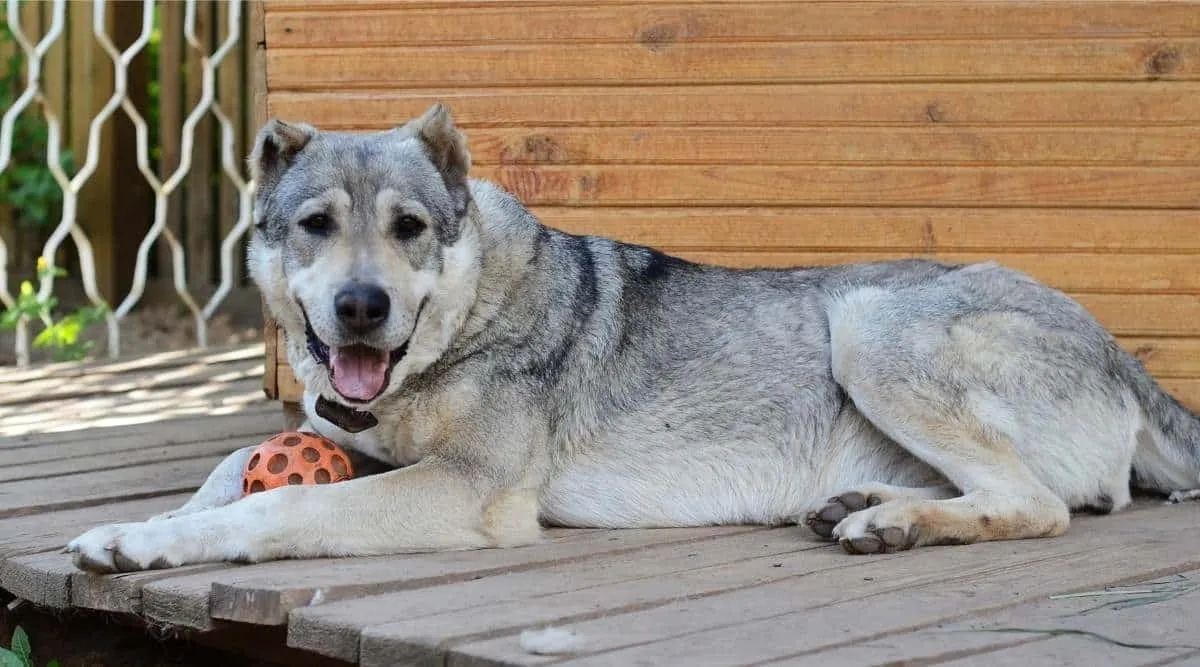
Image Source: Canine Journal
Central Asian Shepherds might look intimidating due to their size, but they need simple grooming care. Their tough background has created a breed that takes care of itself mostly. Still, owners should know everything about their care needs.
Shedding and coat care
Central Asian Shepherds have a thick double coat with a rough, straight overcoat and an exceptionally dense, protective undercoat. This natural insulation works great for them but creates major shedding challenges at certain times. These dogs go through a dramatic seasonal shed—people call it the “fur storm”—once or twice a year. Dead undercoat fur doesn’t always fall out by itself and needs help to avoid matting.
Weekly brushing is enough to keep their coat healthy most of the year. The brushing needs to happen more often during shedding seasons, which usually hit in spring and fall. Good grooming stops dead hair from forming “sheets” and handles tangles. You’ll find most tangles around their neck, ears, and where their legs bend.
Bathing and hygiene checklist
These dogs need minimal bathing to keep the natural oils that protect their coat. You should only bathe your Central Asian Shepherd:
When they’re visibly dirty or soiled
After they’ve played in mud
No more than a few times yearly unless a vet says otherwise
A complete hygiene routine has regular nail trimming, ear cleaning, and teeth brushing. Ear care matters a lot because their ear shape can trap moisture and debris, which might cause infections. On top of that, it helps to check for ticks and parasites after outdoor activities.
Monthly grooming costs
Taking care of a Central Asian Shepherd’s grooming needs won’t break the bank, despite their size. Monthly costs usually run between ₹700-1,200. This covers simple supplies like brushes, nail trimmers, ear cleaning solutions, and sometimes professional grooming services during heavy shedding times.
You might need professional help during those intense “fur storm” seasons when home brushing just isn’t enough. If you’re new to the breed, get ready for these seasonal challenges. Buy the right grooming tools and think about booking professional appointments when shedding gets heavy.
Buying or Adopting a Central Asian Shepherd

Image Source: Facebook
Buying a Central Asian Shepherd dog comes with several key decisions. Future owners need to think carefully about where to get their dog, how much they can spend, and if they’re truly ready for this magnificent breed.
Central Asian Shepherd dog price in India
Quality and lineage play a big role in a Central Asian Shepherd’s price in India. Pet-quality puppies cost between ₹60,000 and ₹80,000. Show-quality dogs will set you back ₹90,000 to ₹1,50,000. Dogs from champion bloodlines are a big deal as it means that prices can reach ₹1.5 to ₹3.5 lakhs. The Alabai dog, as it’s also known, ranges from ₹60,000 to ₹2,50,000 based on the breeder’s reputation, coat color, and training level.
Choosing a breeder vs adoption
Shelters can’t keep up with the need for these dogs, housing less than half the required number. Each year, about 8 million people look to buy puppies. Good breeders are transparent about their dogs’ health and temperament. They focus on proper socialization and maintain clean facilities. Breed-specific rescues are a great way to get these dogs at a lower cost, with adoption fees between ₹25,314 and ₹50,628.
Prerequisites for ownership
Experience with large breeds is essential since these dogs aren’t right for novice owners. Central Asian Shepherds need handlers who can set clear boundaries while staying sensitive to their needs. On top of that, they need plenty of space with secure fencing and regular exercise. The breed’s independent nature means owners must dedicate enough time to training.
Conclusion
Central Asian Shepherds embody ancient working dog traditions with their imposing physical presence and exceptional guardian instincts. These magnificent dogs have served humanity in some of earth’s harshest environments during their 4000-year history. Their thick double coats, powerful builds, and independent thinking make them perfect for their traditional roles of protecting livestock and property.
New owners should definitely understand that these dogs need more than just admiration for their impressive looks. A complex temperament lies behind their commanding presence that needs experienced handling, consistent training, and proper living conditions. Any family thinking about a Central Asian Shepherd must give them enough space, secure boundaries, and clear leadership to properly direct their protective instincts.
These loyal guardians create deep bonds with their families through proper socialization despite their working background. They show surprising gentleness toward family members while staying vigilant against outside threats. Their smart nature lets them make independent decisions about potential dangers—a great trait for working dogs but one that needs thoughtful management in today’s homes.
These dogs’ cultural importance, especially in Turkmenistan where they appear on national monuments and medals, reveals their historic significance. Responsible ownership means understanding and respecting this heritage while giving them the nutrition, healthcare, and maintenance they need through their 12-15 year lifespan.
Central Asian Shepherds blend ancient lineage with practical working skills exceptionally well. Though not right for every home, these magnificent guardians provide exceptional protection, loyalty, and companionship if you’re ready to meet their specific needs. Preserving this breed ensures one of the world’s oldest and most impressive dog breeds will keep protecting and serving humans for generations.
Key Takeaways
The Central Asian Shepherd represents one of the world’s oldest and most impressive guardian breeds, combining ancient heritage with exceptional protective abilities. Here are the essential insights for anyone considering this magnificent breed:
• Ancient Heritage Meets Modern Needs: Dating back 4,000 years, Central Asian Shepherds evolved through natural selection rather than selective breeding, creating remarkably robust dogs with lifespans of 12-15 years.
• Size and Strength Demand Respect: Males stand minimum 27.5 inches and weigh 110+ pounds, requiring experienced handlers who can establish firm leadership with these independent-thinking guardians.
• Protective Instincts Are Genetic, Not Trained: These dogs make autonomous decisions about threats and form deep family bonds while remaining naturally suspicious of strangers—traits essential for their livestock guardian heritage.
• Significant Investment Required: Prices in India range from ₹60,000-₹3.5 lakhs, plus ongoing costs for proper nutrition (3,000 kcal daily), grooming (₹700-1,200 monthly), and veterinary care.
• Not Suitable for First-Time Owners: Central Asian Shepherds need ample space, secure fencing, early socialization, and owners who understand their complex temperament and working heritage.
These magnificent guardians offer unparalleled loyalty and protection for experienced owners prepared to meet their specific needs, continuing their ancient legacy as one of humanity’s most devoted working companions.
FAQs
Q1. How big do Central Asian Shepherd dogs get? Central Asian Shepherds are large dogs. Males typically stand at least 27.5 inches (70 cm) tall at the shoulder and weigh a minimum of 110 pounds (50 kg). Females are slightly smaller, with a minimum height of 25.5 inches (65 cm) and weight of 88 pounds (40 kg). Some individuals can grow even larger.
Q2. Are Central Asian Shepherds good family dogs? Central Asian Shepherds can be good family dogs for experienced owners. They are loyal and protective of their families, including children they are raised with. However, their large size, independent nature, and strong guarding instincts mean they require proper training, socialization, and an understanding of their needs. They are not recommended for first-time dog owners.
Q3. How much exercise does a Central Asian Shepherd need? Central Asian Shepherds need moderate exercise. While not hyperactive, they benefit from daily walks and opportunities to patrol a securely fenced yard. Mental stimulation through training and interactive play is also important. Their exercise needs are not as high as some working breeds, but they do require regular activity to maintain physical and mental well-being.
Q4. What kind of grooming do Central Asian Shepherds require? Central Asian Shepherds have a thick double coat that requires regular grooming. Weekly brushing is usually sufficient, but during shedding seasons (typically spring and fall), daily brushing may be necessary to manage the heavy shedding. They don’t need frequent bathing, only when visibly dirty. Regular nail trimming, ear cleaning, and teeth brushing should also be part of their grooming routine.
Q5. How much does a Central Asian Shepherd cost in India? The price of a Central Asian Shepherd in India can vary widely based on quality, lineage, and breeder reputation. Pet-quality puppies typically cost between ₹60,000 and ₹80,000, while show-quality dogs can range from ₹90,000 to ₹1,50,000. Puppies from champion bloodlines may cost anywhere from ₹1.5 to ₹3.5 lakhs. Adoption through breed-specific rescues, when available, can be a more affordable option.