
Why the Canaan Dog Survived 2000 Years: Ancient Breed Secrets Revealed
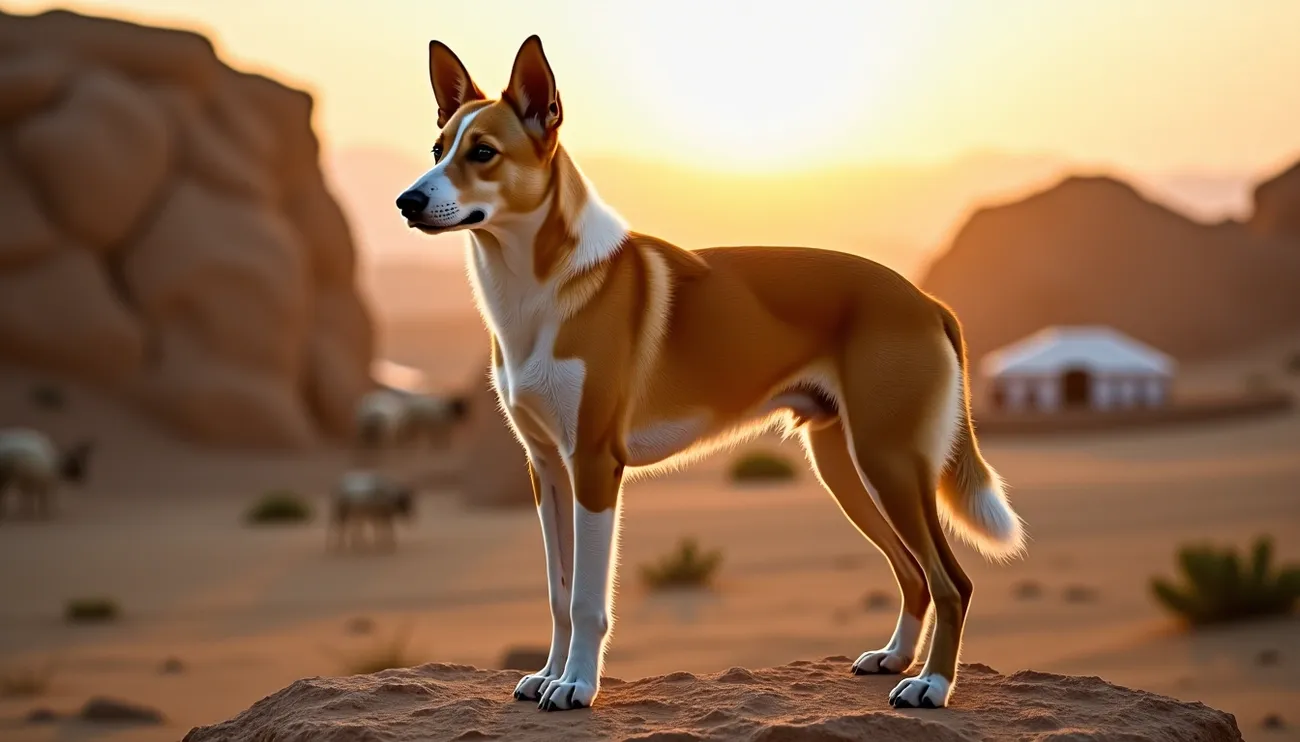 The Canaan dog ranks among the oldest dog breeds alive today. The Canaan Dog Club of America traces its origins back to 2200-2000 BCE. The American Kennel Club lists these dogs at 191st out of 200 breeds in 2024, making them one of America’s rarest breeds.
The breed’s story begins with semiwild pariah dogs that lived in the region since biblical times. Their ancient heritage found proof in Israel’s Ashkelon dog cemetery. Archeologists discovered 700 dog skeletons that matched modern Canaan dogs’ anatomy. This site remains the ancient world’s largest animal cemetery. The 1930s saw the start of a breeding program that turned these wild dogs into guards for remote kibbutzim. During World War II, Dr. Rudolphina Menzel trained over 400 Canaan Dogs to detect mines for Middle East forces.
These Israeli dogs measure 19 to 24 inches tall and weigh between 35 to 55 pounds. The breed’s temperament shows an interesting mix – gentle with family members but cautious around strangers. The sort of thing I love about these ancient canines is their ability to survive through thousands of years. Their story offers valuable lessons to modern dog owners.
The Ancient Origins of the Canaan Dog
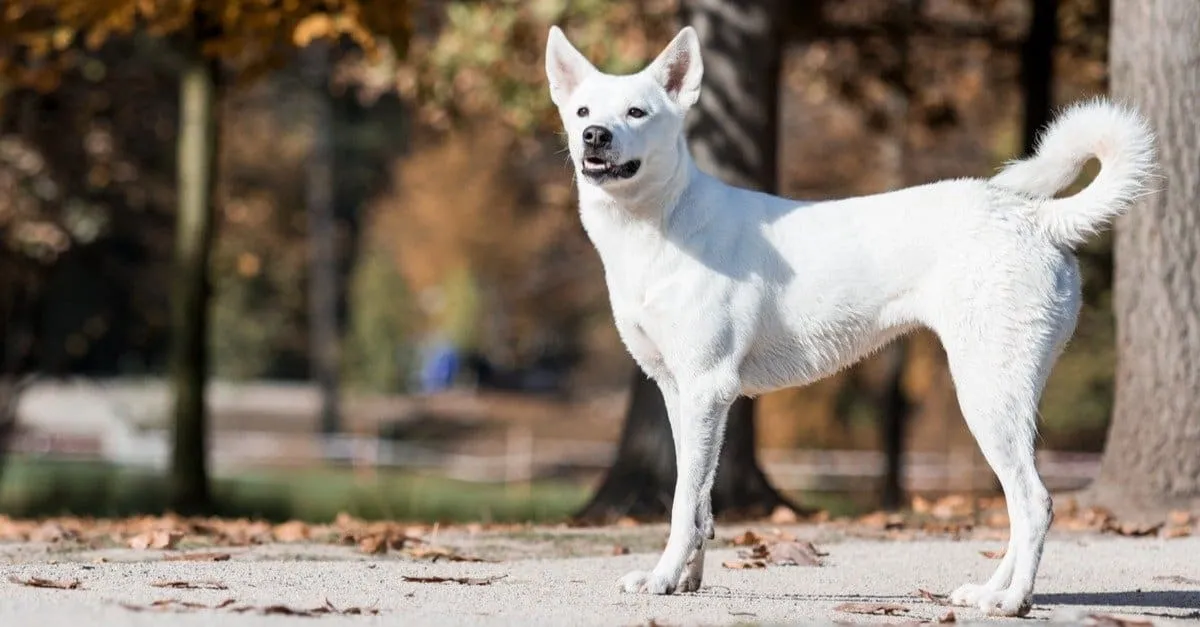
Image Source: A-Z Animals
The story of the Canaan dog goes back to prehistoric times. Rock carvings in Saudi Arabia‘s arid regions show dogs that look like today’s breed. These petroglyphs capture detailed hunting scenes with leashed canines and stand as the earliest proof of dogs on the Arabian Peninsula. They predate the first physical evidence by thousands of years.
From pariah dog to protector
The term “pariah dog” describes these animals that managed to keep their semi-wild state for thousands of years. These free-ranging canines lived on the edges of human settlements – neither completely wild nor fully tame. They built a unique partnership with humans instead of the usual master-servant relationship seen in other breeds.
Ancient Canaan dogs played vital roles in early societies. Bedouin tribes used them to herd livestock and guard their camps. This practical bond lasted for thousands of years into modern times. The dogs’ natural alertness and territorial nature made them excellent sentinels that warned communities about strangers.
The Canaan dog stands out because it has barely changed over thousands of years. Their physical traits—pricked ears, short snouts, deeply-angled chests, and curled tails—remain similar to their ancient ancestors. This consistency shows how well their adaptations worked in the harsh Middle Eastern environment.
The Israelites had to leave their dogs behind during their forced removal in the diaspora, according to oral tradition. These abandoned animals went back to their wild state and continued to thrive in the region’s challenging conditions. These dogs lived mostly wild lives for centuries after, with occasional human contact.
Biblical references and archeological evidence
The Bible mentions dogs about forty times, which shows their importance in ancient Israelite society. These biblical passages show that dogs had multiple roles:
Hunting and herding companions (Isaiah 56:11; Job 30:1)
Camp guardians and protectors of flocks
Sentinels alerting communities to strangers
The Hebrew word for dog is celeb, from which comes the name Caleb—the representative of Judah’s tribe who scouted Canaan’s land.
Archeological findings prove the Canaan dog’s ancient heritage. The Ashkelon dog cemetery stands out as the largest known animal cemetery in the ancient world, with about 700 dog skeletons. These burials date back to the fifth century BCE during Persian rule. Each dog was buried carefully: on their sides with flexed legs and tails tucked around their hind legs.
The archeological team found dogs “were a little over 20 inches high and weighed a little more than 30 pounds”—just like today’s Canaan dogs. These dogs might have been part of temple healing rituals because Phoenicians celebrated dogs’ healing powers.
Tomb drawings from Bene Hassan (2200-2000 BCE) and rock carvings from Wadi Celoqua in Central Sinai (1st-3rd century CE) show dogs that look just like modern Canaan dogs. Archeologists also found a bas-relief of a Canaan-type dog on a 2nd century CE sarcophagus in Ashkelon.
Israel’s Galilee region yielded one of the oldest proofs of human-dog bonds at Ein Malacha. They found a woman’s skeleton buried with her hand on her dog, dating back roughly 12,000 years. This intimate burial arrangement hints at the deep connection between humans and these ancient canines.
How the Harsh Desert Shaped the Breed
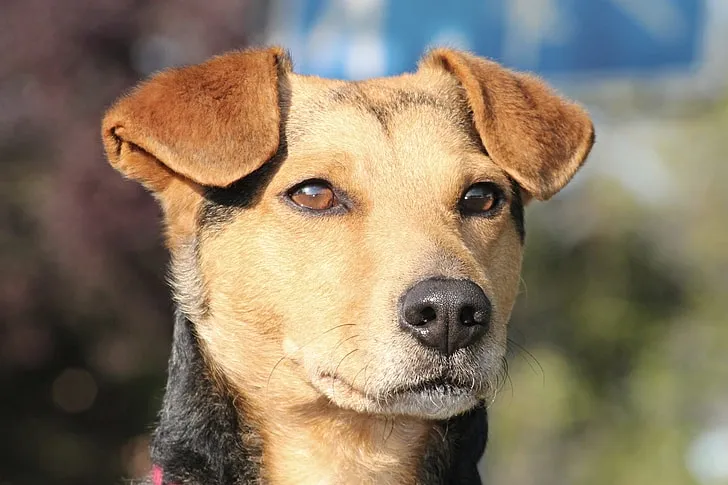
Image Source: DogTime
The Canaan dog has lived in the harsh Negev Desert for thousands of years. This environment shaped them into one of the toughest and most flexible breeds alive today. These dogs developed specific traits that let them thrive where other breeds failed – clear proof of nature’s power to mold species through environmental challenges.
Survival in extreme climates
The Canaan dog shows remarkable physical adaptations from their millennia in some of Earth’s toughest conditions. Research at Tel Aviv University and Ben Gurion University of the Negev showed these dogs know how to survive extreme temperature fluctuations and limited water access typical of desert environments.
The Canaan dog’s specialized double coat stands out as a vital survival feature. This coat combines a thick undercoat with a rough outer layer that insulates against both blazing heat and cold nights. During summer, it reflects heat and guards against sunburn while letting air flow. In winter, the undercoat grows thicker for warmth. The coat naturally adjusts its thickness based on climate – getting thicker in cold regions and lighter in warm ones.
These dogs move with remarkable efficiency. Their quick, ground-covering trot seems effortless and endless, letting them search vast areas for scarce resources. Expert observers note they “trot briskly, covering ground faster than you can imagine”. This amazing stamina helped them survive. Their incredible agility – changing direction almost instantly – helped them direct themselves through rough terrain, catch prey, and escape predators like lions, wolves, and hyenas that once roamed the region.
The Canaan dog’s natural cleanliness comes straight from desert living. Living in desert dens for centuries taught their bodies to stay clean where water was scarce and parasites common. Modern Canaan dogs still show this self-cleaning trait.
Natural selection and independence
Unlike most modern breeds shaped by human choices, the Canaan dog grew through natural selection. Only the strongest and most adaptable dogs lived to breed. This tough process created dogs with amazing problem-solving skills and self-reliance.
The Canaan’s intelligence works differently from breeds trained to follow human commands constantly. These dogs learned to think independently to stay alive. Their sharp minds developed through centuries of making survival choices without human help, giving them exceptional awareness of their surroundings.
Their alertness – another desert-born trait – served many survival purposes. These dogs learned to stay quiet except to warn of danger, since noise could attract predators or scare away prey. Their natural alertness made them excellent guards. This sharp awareness and territorial nature came from living where resources were scarce and needed protection.
Modern Canaan dogs show curiosity that links directly to their wild past. In the desert, noticing changes in surroundings – new smells, sounds, or disturbances – could mean finding food instead of starving. Their self-reliance came from surviving where depending on others could be deadly.
These ancient survival traits live on in today’s Canaan dogs – independence, territorial awareness, problem-solving smarts, and physical adaptability. Their toughness shows us that beneath our modern companion lies thousands of years of desert survival wisdom, making them a living connection to dog evolution history.
The Role of the Canaan Dog in Early Human Societies
The Canaan dog played a vital role as a partner to human societies throughout ancient Middle Eastern history. These dogs helped communities survive in challenging environments. Archeological evidence shows a deep connection between these dogs and early civilizations that goes back thousands of years.
Guarding livestock and camps
Protection was the main job of Canaan dogs in early societies. These alert canines watched over the ancient Israelites’ flocks and herds with amazing skill. Their natural watchfulness helped them spot potential threats quickly. The dogs’ agility, endurance, and keen senses made them perfect guardians of livestock against predators and thieves in rough terrain.
Biblical texts mention dogs about forty times, which shows how much ancient Israelite society valued them. These passages tell us that dogs had several protective roles:
Guarding the flocks and herds against wild wolves and hyenas
Protecting camps and settlements
Alerting communities to approaching strangers
Serving as hunting companions
The Ashkelon dog cemetery discovery gives us solid proof of their cultural importance. This fifth-century BCE site has more than 700 carefully buried dog skeletons. Each dog was buried individually with great care. The site stands as one of the largest animal cemeteries we have found from the ancient world, showing just how much these dogs meant to society.
These dogs’ protective instincts helped early communities survive. Canaan dogs were gentle with family but stayed alert and cautious around strangers, which made them excellent watchdogs. They would bark to warn of potential threats but stayed quiet otherwise – a trait that evolved because unnecessary noise could attract predators.
Partnership with Bedouin tribes
Many Canaan dogs were left behind when Romans forced Jews from their homeland. These semi-wild dogs survived in the harsh desert for centuries. They eventually built relationships with the region’s nomadic peoples.
Bedouin tribes saw how good these dogs were at guarding and took them in. These nomadic peoples used Canaan dogs to protect their camps, warn them about intruders or predators, and herd livestock across tough terrain. This partnership benefited both sides and lasted well into modern times. The dogs worked as partners rather than pets in the traditional sense.
The dogs’ smarts and adaptability really helped these mobile societies. Though they were independent and semi-wild, they worked well with humans. They defended territory responsibly by warning about threats without being too aggressive – a balance that tribal communities needed.
Bedouin tribes kept working with these dogs even in the 20th century. Animal behaviorist Rudolphina Menzel found free-ranging Canaan dogs in the Negev Desert in the 1930s. These dogs still helped the Bedouin by guarding camps and herding livestock.
The Druze people also welcomed these dogs into their communities as protectors and guardians. The fact that so many cultures worked with these dogs shows how useful and adaptable they were.
The sort of thing I love about Canaan dogs is how closely their story connects to human societies. From biblical times through centuries of working with nomadic peoples, these dogs were more than just companions – they helped humans survive in one of Earth’s toughest environments. Their ability to switch between being wild and independent to working as partners makes their thousand-year history fascinating.
Rediscovery and Domestication in the 20th Century
A new chapter in the Canaan dog’s story began in the 1930s as Dr. Rudolphina Menzel arrived in what was then Palestine. Her groundbreaking work would reshape the scene for these ancient semi-wild canines. They became valued working companions again after living on society’s edges for centuries.
Rudolphina Menzel’s breeding program
Dr. Menzel came from an upper-middle-class, assimilated Jewish Viennese family in 1891. She earned her doctorate in chemistry from the University of Vienna in 1914. Her scientific background and deep interest in cynology (the study of dogs) made her perfect for the work that would become her legacy.
The Haganah (Jewish Defense Forces) reached out to her in 1934, soon after she came to Palestine. They wanted her to set up a service dog organization. She started with traditional European breeds for guarding, tracking, and other tasks. These attempts showed a big problem – regular working breeds couldn’t handle the region’s harsh climate and terrain[152].
She made a crucial choice to look at the local pariah dogs – the same Canaan dogs that had survived on their own for thousands of years. She caught both adults and puppies and found they “remarkably adapted to domestication”. Her first success was a dog named Dugma (meaning “example”). He took six months to catch but adapted within weeks. She could even take him to town and on busses.
She named these dogs “Canaan Dogs” after the Land of Canaan and started her official breeding program in 1934. She found that they absorbed training easily. These dogs succeeded where other breeds failed because they had perfect adaptations to the local environment.
Military and guide dog training
Menzel’s Canaan dogs excelled in several military roles during the 1930s and World War II. They served as:
Guards for isolated kibbutzim
Sentries and messengers
Mine detectors for Middle East forces
Patrol and tracking dogs
Red Cross helpers locating wounded soldiers
The dogs thrived in intense heat where European breeds struggled. A Canaan dog was among the first to work effectively as a mine detector.
After World War II, Menzel turned to helping civilians. She created the Institute for Orientation and Mobility of the Blind in 1949[161]. She trained Canaan dogs to guide blind children. Though she saw “reasonable success,” the breed’s independent nature made them less suitable than other breeds for guide work.
The breeding stock consisted of about 150 kennel-raised Canaan dogs during this time. Her careful program kept the ancient breed’s traits while selecting qualities needed for modern work. The Israel Kennel Club recognized her breed standard in 1953.
Menzel’s work changed how Jewish settlers saw these dogs. She wrote to her fellow Jews in Palestine in 1943: “Help us reclaim the dog for our people. Make room for a new pioneering path to reclaim the dog for the building of our country”. Her message struck a chord – these once-wild pariah dogs became Israel’s national breed.
Unique Physical Traits That Helped Them Endure
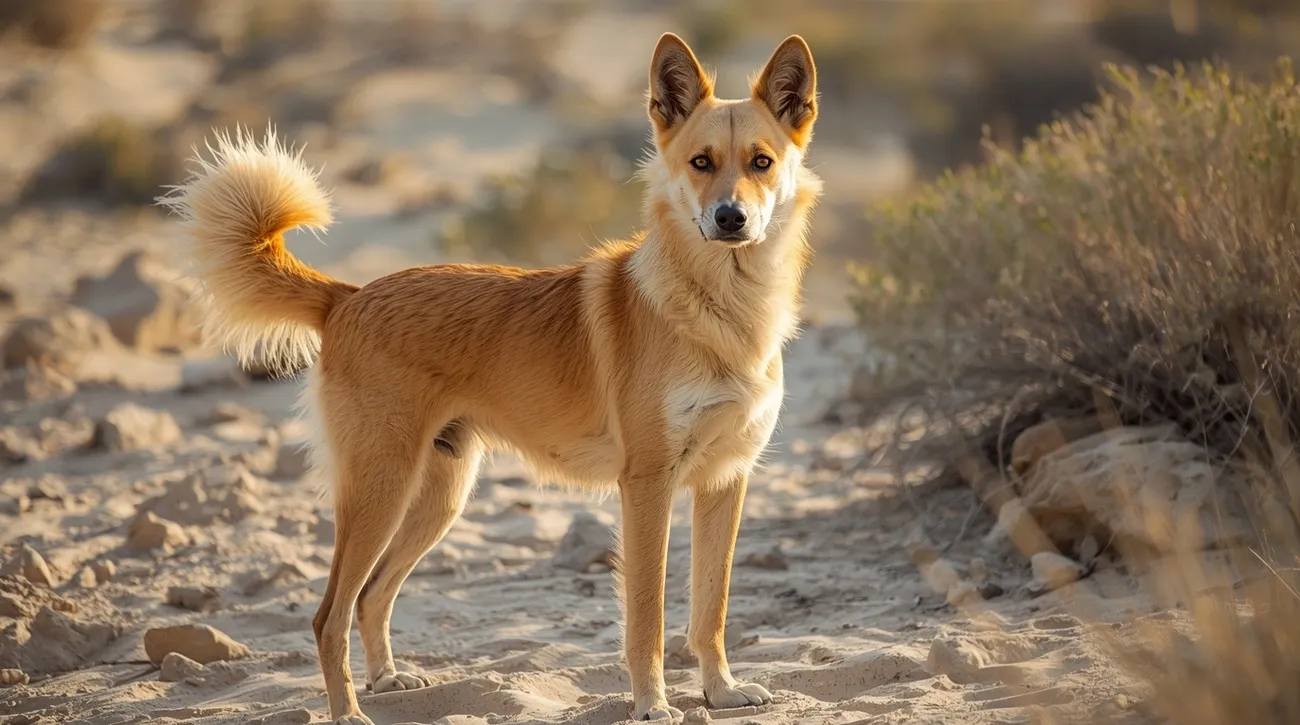
Image Source: Depthdogguide –
The Canaan dog’s physical features tell a story of survival and adaptation, shaped by thousands of years in one of Earth’s harshest environments. Natural selection, not human breeding, forged these remarkably resilient animals that perfectly suit their habitat.
Canaan dog size and coat
The Canaan dog’s medium size represents nature’s sweet spot—large enough to defend itself yet small enough to conserve resources. Adults stand between 19-24 inches at the shoulder and weigh 35-55 pounds. Their square build makes movement efficient because their height equals length. This proportion helps them trot and move with agility that’s vital for survival in the wild.
The specialized double coat stands out as their most remarkable physical adaptation. A straight, harsh outer coat of short to medium length pairs with a dense, profuse undercoat. This dual-layer system insulates them against scorching daytime heat and cold desert nights. The outer coat’s texture helps survival by preventing burrs and thorns from snagging or sticking in rough terrain.
Climate affects the coat’s thickness—it grows thicker in cooler regions and lighter in warmer areas. The dog’s guard hairs along the neck and spine rise during confrontations to make it appear larger and protect vulnerable areas from potential bites.
Color variations like black and white, cream, and red
The Canaan dog’s color distribution emerged as a survival mechanism tied to their environment. The breed shows these variations:
Desert colors (sand, gold, red, cream) dominate southern regions and provide camouflage in open desert terrain
Black or black and white patterns appear more in northern Israel, where rocks and brush create shadows for blending
Solid-colored dogs often show white trim on the chest, undercarriage, lower legs, feet, and tail tip
White dogs typically feature symmetrical facial masks covering both eyes and ears
Geographic color distribution shows natural selection. Darker colors would not help in open deserts because they absorb more heat and provide less camouflage. The breed standard does not accept certain colors and patterns—gray, liver, brindle, black and tan, and tricolor.
Adaptability to terrain
The Canaan’s physical structure lets them adapt exceptionally well to challenging terrain. They move with a brisk, ground-covering trot that helps them search for resources efficiently. Their agility allows almost instant direction changes—essential for navigating rough landscapes, catching prey, and avoiding predators.
Their tail serves multiple purposes beyond balance. It sits high and thick at the base, hanging naturally at rest but curving over the back when alert or moving. This position keeps the tail above rough terrain while showing the dog’s emotional state to packmates.
The Canaan’s feet and legs developed for durability and efficiency across varied surfaces. Their moderate substance balances strength and agility perfectly.
These physical adaptations enabled the Canaan dog’s remarkable 2,000-year survival story—clear evidence of nature’s engineering through selective pressure.
Temperament and Intelligence: Built for Survival
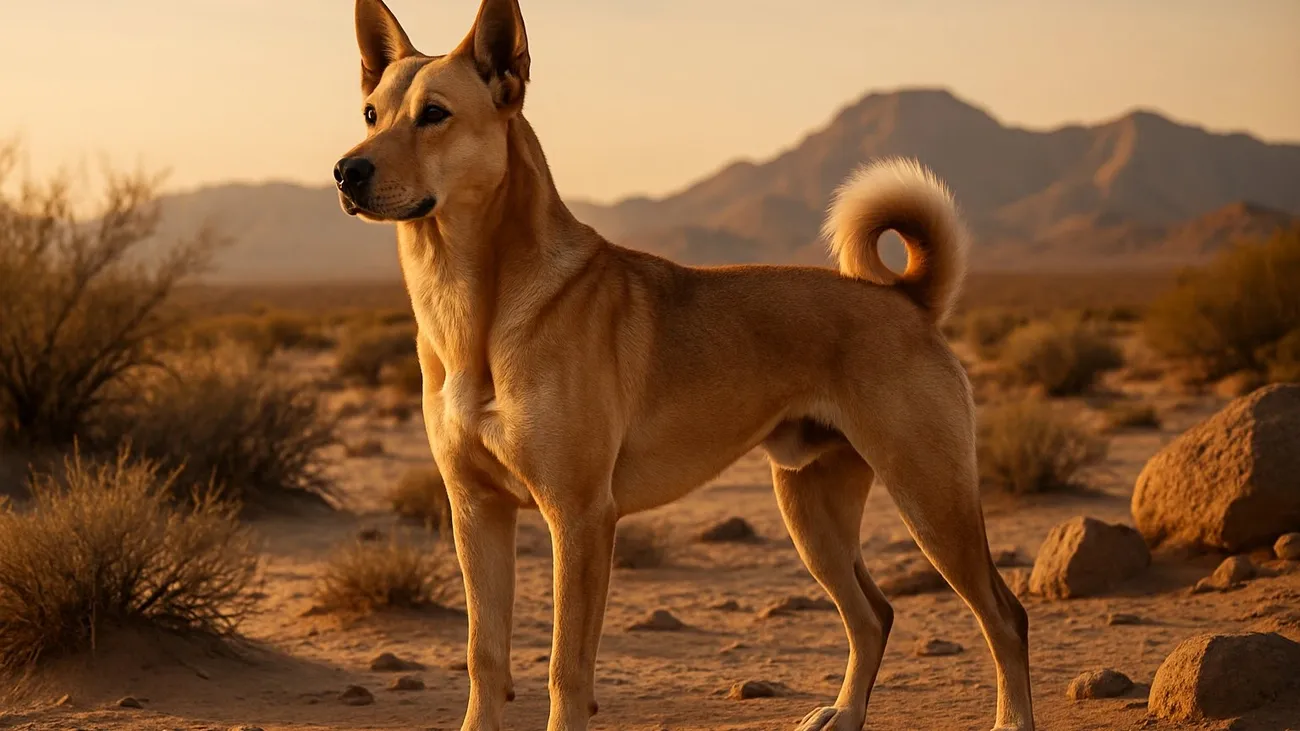
Image Source: Woof
The Canaan dog’s survival over thousands of years wasn’t just about physical adaptations. Their temperament and intelligence played equally significant roles in their endurance. Natural selection, not human priorities, shaped these mental characteristics. These exceptional survival instincts remain visible in the breed today.
Canaan dog temperament and instincts
Canaan dogs have a unique blend of independence, alertness, and loyalty that comes directly from their centuries of semi-wild existence. These dogs keep many of their wild instincts, which show up as natural wariness and strong territorial behavior.
Their temperament includes these key traits:
Alert yet gentle with family members
Quick learners who solve problems naturally
Self-reliant with strong survival skills
Territorial but not aggressive
These dogs don’t just follow orders blindly—they think things through. Generations of self-reliance have made them review situations before they act. One expert puts it well: “high intelligence is indicated by the capacity to learn, to adapt to changing circumstances, to solve problems, to react effectively”. These skills helped them survive in the wilderness.
Alertness, loyalty, and wariness of strangers
The Canaan’s sharp awareness helped them survive in the wild. They respond fast to environmental changes, which makes them excellent watchdogs. Their natural suspicion of unfamiliar things isn’t fear—it’s a survival mechanism.
These dogs build deep bonds with their families and become loving, protective companions. This balance of caution with strangers and devotion to family helped them guard settlements while working closely with humans.
Their barking habits reflect their guardian role. Canaan dogs bark persistently to warn of threats but stay quiet otherwise. This behavior helped them avoid attracting predators in the wild.
Training challenges and mental stimulation needs
Training a Canaan dog requires understanding their unique personality. They respond well to positive reinforcement like clicker training, treats, and praise. Harsh corrections backfire—these sensitive dogs will stop responding altogether.
Canaan dogs need regular mental challenges to stay happy. Boredom leads to unwanted behaviors. They excel at activities that keep their minds busy.
Brief, fun training sessions work better than long drills because these dogs get bored with repetition. Puppies need early exposure to different environments, people, and animals. This helps turn their natural wariness into proper alertness instead of fear.
These dogs do best with clear leadership. Their pack instincts need consistent boundaries and guidance. Without structure, a Canaan dog might become too shy or try to take charge—neither works well for a modern family pet.
Modern Recognition and Global Spread
Dr. Menzel’s innovative work helped the Canaan dog receive worldwide recognition. The Israel Kennel Club recognized their native breed in 1953. The Federation Cynologique Internationale (FCI) followed suit in 1966. Breed enthusiasts and kennels worked hard to establish these dogs globally.
Breed recognition in Israel, UK, US, and Canada
The UK officially acknowledged the Canaan dog in December 1970 and placed it in the Utility Group. Canada welcomed its first Canaan dogs from a Delaware kennel on May 16, 1970. The Canadian Kennel Club added the breed to its Miscellaneous Class in 1975. The dogs later moved to the Working Group in January 1993.
The United States took longer to recognize these dogs. The breed entered the American Kennel Club’s Miscellaneous Class in June 1989. It later joined the Herding Group in 1997. The breed gained some attention after John F. Kennedy Jr. bought a Canaan named Friday in 1995. The breed remains rare today and ranks 179th out of 193 AKC recognized breeds.
Efforts to preserve the gene pool
Today, only 2,000-5,000 purebred Canaan dogs exist worldwide. Israel has about 1,000 of these dogs. Conservation faces major challenges because Israeli authorities eliminated many wild specimens during rabies control programs. Finding wild Canaan dogs has become harder since then.
Dedicated breeders like Myrna Shiboleth search the Negev Desert for dogs living near Bedouin camps to strengthen the gene pool. Breed clubs in the US, Canada, UK, Finland, Germany, Israel, and France work together on preservation projects. These include creating a detailed global pedigree database and DNA analysis projects.
Canaan dog mixed breed and crossbreeding concerns
The breed faces its biggest threat from crossbreeding with non-native dogs. The Canaan dog’s natural habitat shrinks as human settlements grow. Most Bedouin dogs show mixed breeding today. Only dogs belonging to tribes that keep traditional nomadic lifestyles remain pure.
This genetic mixing threatens the breed’s unique traits that developed through thousands of years of natural selection. Biologist Janice Koler-Matznick warns these ancient dogs might “just fade into history” without focused preservation efforts. The declining Bedouin way of life makes things worse because fewer pure specimens stay in their traditional environment.
Caring for a Canaan Dog Today
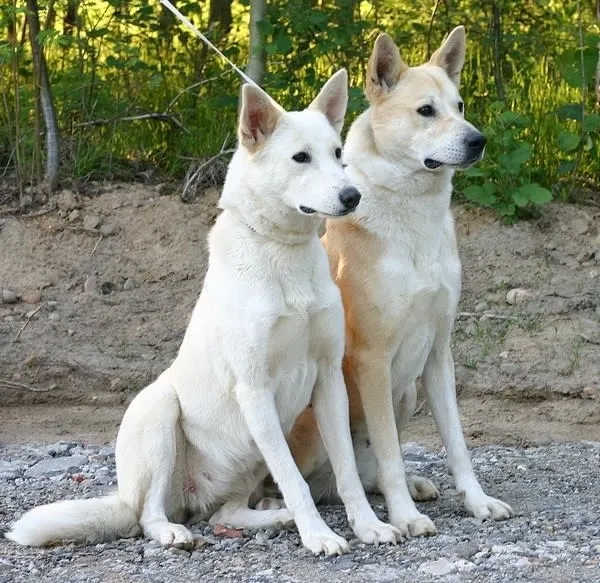
Image Source: PetHelpful
A Canaan dog needs special care that reflects its desert-adapted nature over thousands of years. These ancient dogs do best with clear routines while you retain control of their free spirit.
Canaan dog food and feeding tips
Quality, balanced nutrition that meets Association of American Feed Control Officials (AAFCO) standards helps Canaan dogs thrive. Adult Canaans should eat twice daily—morning and evening—while puppies need three to four meals each day. You must watch portion sizes since these naturally fit dogs can pack on extra pounds when overfed. Their desert background makes fresh water access crucial.
Exercise and grooming needs
Modern Canaan dogs need moderate exercise—about an hour split throughout the day. These adaptable dogs love activities like:
Long walks or jogs (at least two 30-minute sessions daily)
Dog sports like agility, tracking, herding, and nose work
Brain games through training and interactive play
The dog’s double coat just needs weekly brushing most times, though shedding seasons call for extra grooming. Their self-cleaning nature means baths every couple months work fine. Basic care includes regular nail trims, dental work, and ear checks.
Rehoming and adoption considerations
Canaan dogs remain hard to find in North America. Future owners can look into:
Breed-specific groups like Canaan Dog Rescue Network
Adoption costs that cover spaying/neutering, vaccines, and microchipping
Breeder puppies that cost substantially more ($800-$1,200)
New owners should start socialization early and use consistent positive-reinforcement training. The dog’s alert and territorial traits make them nowhere near ideal for apartments or homes with many visitors.
Conclusion
The Canaan dog is proof of natural selection and survival against incredible odds. These remarkable canines have adapted perfectly to one of Earth’s harshest environments without human help over their 4,000-year history. Their specialized double coat, efficient movement, and medium size evolved specifically to survive in the desert, which makes them unique among breeds that would struggle in such conditions.
Thousands of years of self-reliance helped Canaan dogs develop exceptional intelligence and problem-solving skills. They needed their alertness, territorial nature, and independent thinking to survive in their semi-wild state. These traits made them valuable partners to ancient Israelites and Bedouin tribes, and they later proved useful in modern working roles through Dr. Menzel’s groundbreaking program.
Canaan dogs have earned recognition across multiple countries, yet they remain one of the world’s rarest breeds. Their small population faces threats from habitat loss and crossbreeding, which endangers the genetic purity of this ancient lineage. Breed organizations worldwide continue their preservation efforts, though protecting this living link to canine evolutionary history remains challenging.
Future owners should know these dogs need consistent leadership, proper socialization, and regular mental stimulation. Their independence and natural wariness come directly from their ancient heritage – not from stubbornness or poor temperament. Families who understand these traits and provide appropriate structure will find a loyal, clean, and intelligent companion.
The Canaan dog’s story means more than just another breed history. These dogs show nature’s remarkable resilience – surviving unchanged for thousands of years through war, diaspora, and environmental challenges. Their survival today gives us a chance to learn about canine evolution while connecting modern dog lovers to our ancient past.
Key Takeaways
The Canaan dog’s 4,000-year survival story reveals how natural selection creates the ultimate canine survivor, offering valuable lessons for dog enthusiasts and conservationists alike.
• Desert-forged adaptations enabled millennia of survival – Their specialized double coat, efficient movement, and medium size evolved specifically for harsh Middle Eastern climates without human intervention.
• Independence and intelligence stem from wild heritage – Unlike human-bred dogs, Canaans developed problem-solving abilities and self-reliance through natural selection, making them think before obeying commands.
• Ancient working partnerships shaped their temperament – Biblical references and archeological evidence show these dogs served as livestock guardians and camp protectors, creating their natural alertness and family loyalty.
• Modern preservation efforts face critical challenges – With only 2,000-5,000 purebred Canaans worldwide, habitat loss and crossbreeding threaten this living link to canine evolutionary history.
• Successful ownership requires understanding their unique needs – These dogs thrive with consistent leadership, early socialization, and mental stimulation while maintaining their independent desert-survivor instincts.
The Canaan dog represents more than just an ancient breed—it’s a remarkable example of natural adaptation and the enduring bond between humans and dogs across millennia.
FAQs
Q1. What are the origins of the Canaan Dog breed? The Canaan Dog is an ancient breed that originated in the Middle East over 4,000 years ago. They descended from pariah dogs that lived in the region since biblical times and were later redomesticated in the 1930s to serve as working dogs in Israel.
Q2. What unique physical traits help Canaan Dogs survive in harsh environments? Canaan Dogs have a specialized double coat that provides insulation against extreme temperatures, a medium-sized body for efficient movement, and color variations that offer camouflage in desert terrain. These traits evolved through natural selection to help them thrive in challenging conditions.
Q3. How does the temperament of a Canaan Dog differ from other breeds? Canaan Dogs are known for their independence, alertness, and problem-solving abilities. Unlike breeds developed through selective breeding, they retain many of their wild instincts, making them naturally wary of strangers but loyal to family. Their intelligence requires them to think before obeying commands.
Q4. What are the exercise and training needs of a Canaan Dog? Canaan Dogs require moderate daily exercise, typically about an hour split into multiple sessions. They excel in activities like long walks, jogging, and dog sports. Training should involve positive reinforcement techniques, short upbeat sessions, and mental stimulation to keep them engaged.
Q5. Are Canaan Dogs rare, and what efforts are being made to preserve the breed? Yes, Canaan Dogs are quite rare, with only 2,000-5,000 purebred individuals worldwide. Conservation efforts include searching for wild specimens in the Negev Desert, maintaining a global pedigree database, and DNA analysis projects. However, challenges like habitat loss and crossbreeding threaten the breed’s genetic purity.