
Why Cairn Terriers Make Perfect Family Dogs: An Owner’s Truth Guide
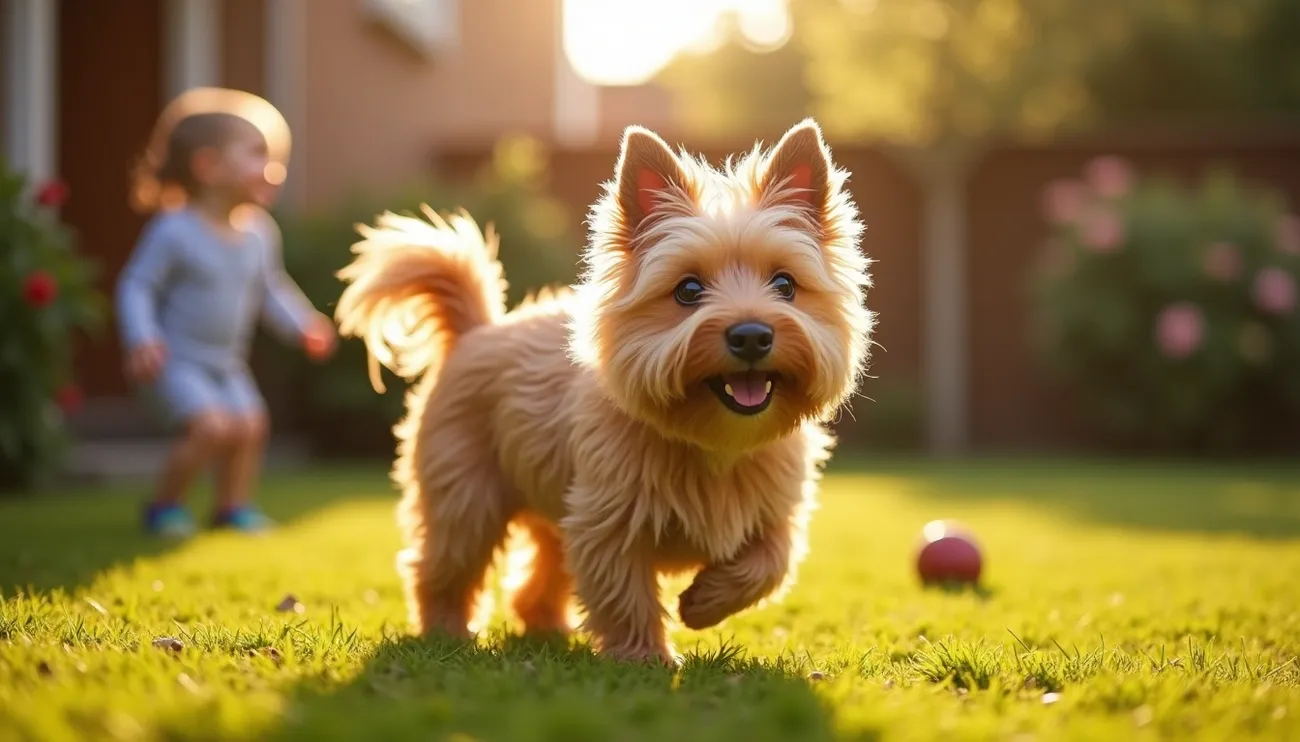
Cairn Terriers boast an impressive lifespan of 13-15 years. A 2024 UK study shows they outlive many other purebred dogs by more than a year. These tenacious little earthdogs started as working dogs in the Scottish Highlands, where they hunted foxes and other small prey. Their small stature—standing only about 10 inches tall and weighing between 13-14 pounds—contrasts sharply with their outsized personalities that bubble with cheerfulness and alertness.
Modern Cairn Terriers have smoothly transitioned from farmland vermin hunters to beloved family companions. Their unique temperament blends playfulness with independence, which makes them perfect companions for households with children. The American Kennel Club recognized the breed in 1913, and since then, Cairn Terriers have proven themselves as both a historically important breed and a practical choice for modern families who want a small, energetic, and long-lived dog. This piece covers everything future owners should know about welcoming a Cairn Terrier into their family.
The Origin and History of Cairn Terriers

Image Source: Getty Images
The rugged Cairn Terrier ranks among Scotland’s oldest working breeds. Its roots trace back centuries to the misty Scottish Highlands and the Isle of Skye. These tough little dogs became the foundation for several other popular Scottish terrier breeds that came later, including the Scottish Terrier and the West Highland White Terrier.
From Scottish Highlands to Modern Homes
Records show Cairn Terriers existed as a distinct breed as early as the 15th century. People knew them first as “short-haired Skye Terriers”. Even earlier mentions exist of similar earthdogs. King James I of Scotland, who later became James VI of England, sent “Earth Dogges” to the King of France in the sixteenth century. These dogs proved so precious that the king made them travel on different ships to ensure they reached safely.
Captain Martin MacLeod of Drynock on the Isle of Skye owned one of the oldest documented lines of Cairn Terriers. A passionate Highland sportsman and otter hunter, MacLeod managed to keep a pack of silver-gray Short-haired Skye Terriers for forty years before he left for Canada in 1845. John Macdonald later preserved this Drynock line. He worked as a gamekeeper to the Clan Chief MacLeod of McLeod at Dunvegan Castle for more than four decades.
The breed took its time to gain formal recognition. Most of the 19th century saw all terrier-type dogs in Scotland lumped together as “Scottish Terriers”. Dedicated breeders like Mrs. Alastair Campbell and Mary Hawke stepped up in the early 1900s to champion these distinct dogs for formal recognition.
Name confusion created conflict with Skye Terrier breeders at first. Dog publications debated the issue until the Kennel Club welcomed a delegation of Skye Terrier breeders in 1910. They officially named Mrs. Campbell’s prick-eared, short-coated dogs “Cairn Terriers”. This recognition opened new opportunities:
1910: Officially recognized by the UK Kennel Club
1912: Given a separate register by the Kennel Club of the UK
1913: First Cairn Terriers imported to the United States
1913: Recognized by the American Kennel Club
1917: Cairn Terrier Club of America granted membership in the AKC
The breed captured worldwide attention when Terry, a female Cairn Terrier, played Toto alongside Judy Garland in the 1939 classic film The Wizard of Oz.
Why They Were Bred and What They Excel At
The breed’s name tells us much about its purpose. Small rock piles called cairns marked boundaries or memorials across Scotland. These piles often became homes for foxes, rabbits, rats, and other animals farmers saw as pests. Breeders developed Cairn Terriers to flush out these vermin from their rocky hideouts.
Early breeders cared only about working ability, not looks. They focused on practical traits: courage, tenacity, intelligence, sturdy bodies, weather-resistant coats, large teeth, and strong jaws. The dogs needed to be small and quick enough to guide through underground dens and tight spaces between rocks.
Their working heritage shaped many physical features. They developed well-padded front feet, slightly larger than their back feet, specifically for digging. Their powerful muzzle and scissor bite helped them grasp roots while digging or secure prey during hunts. Their strong, upright tail served as a visible “flag” when they worked underground or between rocks—sometimes even helping pull out a stuck dog.
These adaptable working terriers hunted foxes, otters, badgers, and weasels. Pack hunting influenced their social nature and helped them get along with other dogs. Their loud bark while chasing prey helped handlers track them during hunts.
Modern Cairn Terriers still mirror those early working dogs. They remain sensible, confident, independent yet friendly—keeping alive the authentic spirit of this ancient Scottish breed.
Understanding the Cairn Terrier Temperament
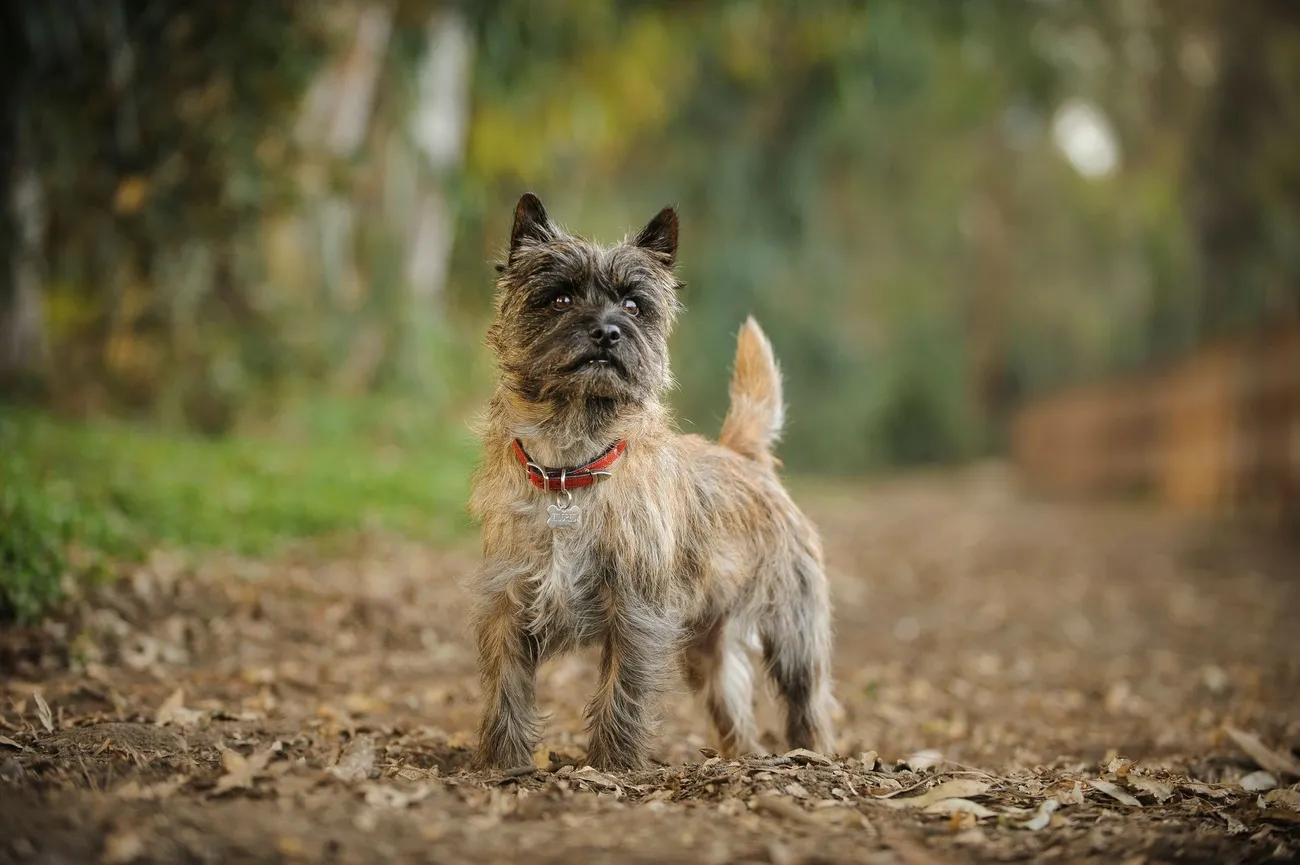
Image Source: The Spruce Pets
People often call the Cairn Terrier “the best little pal in the world,” and this small dog lives up to its reputation. Their special mix of personality traits makes them great family companions. These tiny but strong dogs blend affection with independence perfectly. You’ll find them happy to cuddle on the couch or run around the backyard with endless energy.
Loyal and Loving Nature
Cairn Terriers build incredibly strong bonds with their families and show steadfast dedication and love [link_1]. Their devotion comes out in sweet ways. They might nudge you with a wet nose while you read or rest a friendly paw on your knee during quiet moments at home. These little gestures tell you how much they want to stay connected with their people.
These dogs love being around humans, unlike some independent breeds. They grow deeply attached to their families and want to be part of everything happening at home. Someone should be home most of the day because these social creatures can get sad when left alone too long.
A brave heart beats behind their loving nature. Cairns don’t look for trouble, but they show amazing courage to protect their family and territory. This protective nature and alertness make them great watchdogs without too much barking.
Playful Yet Independent
Life excites Cairn Terriers, and their eyes sparkle with joy. They stay playful throughout their lives and find fun in simple daily activities. Regular walks, games, or training sessions help burn their spirited energy and prevent them from getting bored and causing trouble.
Their working dog heritage gives them an independent streak. They needed to think for themselves while hunting, and this sometimes shows up as stubbornness during training. Smart owners know these dogs respond best to consistent, positive reinforcement instead of harsh corrections.
These dogs are smart – really smart. Cairns pick things up quickly and love solving problems, which might lead to mischief without proper guidance. Give them good training, and they’ll learn almost anything.
How They Interact with Children and Other Pets
Cairn Terriers naturally get along great with kids. Their tough build helps them handle rough play from children, and their good nature means they usually forgive small accidents. Kids and Cairns match well because they share the same playful energy and sense of humor.
Dogs and kids still need watching, though. Both sides need to learn good behavior:
Kids must respect the dog’s space
Puppies should get breaks from even well-behaved children
Good early experiences build trust between dogs and kids
Cairns usually get along with other dogs, especially when they meet lots of them as puppies. Their pack-working history helps with this friendliness. Small animals might trigger their chase instinct, though. New pets should meet carefully, especially smaller ones. Early socialization helps create a peaceful home with multiple pets.
Cairn Terriers fit perfectly into families ready to train them well, keep them active, and give them lots of attention. They adapt to different homes easily and truly love being with people, making them great family dogs for many situations.
Physical Traits That Make Them Ideal for Families
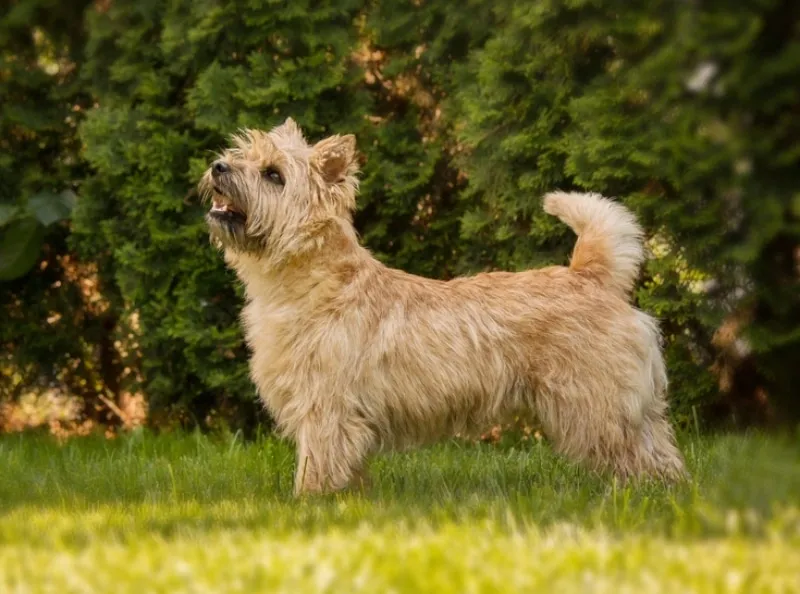
Image Source: Dogster
Cairn Terriers pack all the right physical traits to make great family pets. Their size and practical coat work together perfectly to create a versatile canine companion that fits right into family life.
Size and Build
These dogs hit the sweet spot when it comes to size, making them a great fit for almost any home. They’re just right – not too big to overwhelm smaller spaces, yet tough enough to handle family activities. Male Cairns stand 10 inches at the withers and weigh about 14 pounds. Females are a bit smaller at 9.5 inches and 13 pounds. This compact size lets them adapt well to life anywhere, from big suburban houses to city apartments.
The Cairn’s build stands out because of its unique balance of power and agility. Their solid frame shows what breed lovers call “Cairnishness” – a short, wide head sitting on a nimble, short-legged body that shows both strength and grace. This sturdy build comes in handy with families since these dogs can handle playful children without getting hurt easily.
These terriers still carry physical traits from their working past. Their front paws are bigger than their back ones – a trait that developed to help them dig better. They also have a broad head with dark, expressive eyes and small, pointed ears that give them an alert look. This makes them good watchdogs without seeming scary.
Coat Type and Colors
A Cairn’s double coat looks good and serves a practical purpose in family life. The weather-resistant fur has a rough, shaggy outer layer that protects a soft, thick undercoat. Busy families appreciate how these dogs can join outdoor fun in any weather without needing emergency grooming sessions.
The breed offers plenty of color choices. You’ll find Cairns in cream, wheaten, red, gray, and brindle – but never white, which belongs to West Highland White Terriers. Brindle Cairns often surprise their owners by changing color as they age, sometimes turning more black or silver. The breed standard likes dark ears, muzzle, and tail tips.
Families with allergies might like knowing that Cairns don’t shed much compared to other breeds. But remember – since all dogs produce dander and saliva, even “hypoallergenic” breeds like Cairns might trigger reactions in very sensitive people.
Energy Levels and Daily Activity Needs
Cairn Terriers bring the right amount of energy to active families. They need moderate exercise that fits easily into regular family schedules. A daily workout of 30-60 minutes keeps them healthy and happy.
Regular walks, backyard playtime, or fun games usually tire them out enough. Unlike some high-energy breeds, Cairns stay balanced without needing special athletic training. This makes them great for families with different activity levels.
These adaptable terriers do well in many living situations with proper daily exercise. They thrive anywhere from country farms to city apartments. Dog sports offer great options to channel their energy. These smart pups love activities that challenge both mind and body, such as agility, tracking, flyball, and obedience training.
Their smarts and moderate energy create a playful, engaged pet that won’t wear out the family with endless exercise needs. This mix makes Cairn Terriers perfect for families who want an energetic friend without overwhelming demands.
Caring for a Cairn Terrier: Grooming and Maintenance
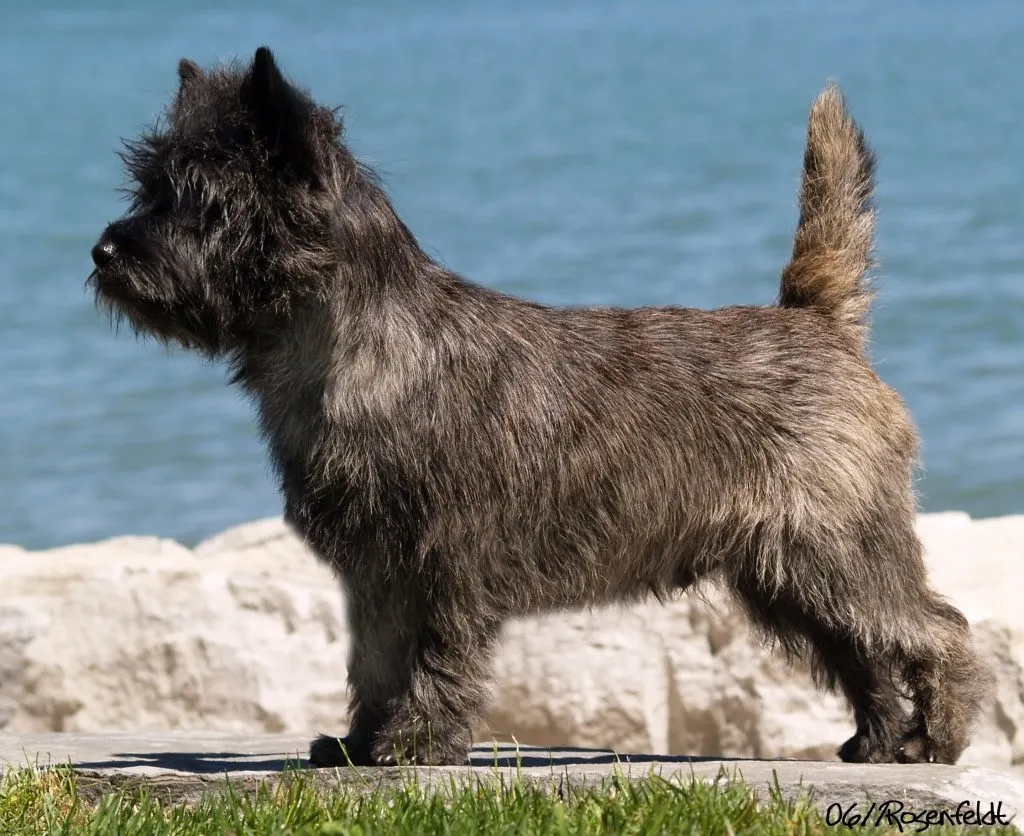
Image Source: Cairn Terrier Club of Canada
Cairn Terriers have a distinctive double coat that needs specific grooming practices different from other breeds. Their unique fur gives them that lovable scruffy look and protects them naturally. The right grooming helps keep these features intact.
Brushing and Hand-Stripping
The dog’s weatherproof double coat has a soft, dense undercoat with a harsh outer layer that naturally keeps dirt and water away. Your Cairn needs weekly brushing with a pin brush to reach through the thick undercoat and groom the rougher topcoat. Regular brushing stops mats from forming and gets the skin ready for healthy coat growth.
Hand-stripping is a significant technique to keep your Cairn’s authentic look and coat health. Unlike clipping that just cuts the hair and might harm its natural properties, hand-stripping pulls out dead hairs from the root. This process:
Keeps the coarse texture and vibrant color of the coat
Protects the coat’s natural dirt-repellent and weather-resistant qualities
Makes new hair grow healthy from the follicles
New owners might feel nervous about hand-stripping, but many professional groomers can do this service several times a year. You can learn this technique from videos or experienced Cairn owners. Tools like pumice stones or specialized stripping knives make the job easier.
Bathing and Nail Trimming
Cairn Terriers don’t need frequent baths – busy families love this trait. Their water-resistant double coat works best when natural oils stay in place. You should only bathe them when they really need it. If your dog needs a bath, use shampoos made for “hard coats” to keep the right texture.
A “modified bath” works great between full baths – just clean the paws, private areas, and beard where dirt builds up. This keeps the coat’s natural protection without removing essential oils.
Your dog’s nails need regular care with weekly trimming. Long nails make dogs walk wrong and can cause pain and structural problems. Here are two quick ways to trim:
Use nail clippers for small cuts, then file
Try a Dremel tool with a special grinding head for better control
Regular nail care helps the quick (sensitive inner part) slowly move back. This leads to shorter, healthier nails over time.
Eye and Ear Care Tips
Your Cairn’s eyes need regular checks to avoid irritation. Short hair around the eyes helps them see better and reduces eye problems. A warm, damp cotton pad works great to clean any eye discharge without causing discomfort.
Ear care matters just as much for these active dogs. Clean their ears weekly, starting when they’re puppies, to stop wax buildup and infections. Make sure to dry their ears well after baths to prevent moisture problems. Watch for unusual redness, smells, or discharge that might show early problems.
Dental care plays a vital role in your Cairn’s grooming routine, though many owners forget about it. Daily tooth brushing with dog toothpaste stops tartar and keeps them healthy. Start this habit early when their adult teeth come in to get the best results.
These regular grooming habits help Cairn Terriers look their best and stay healthy – making them even better family companions.
Training Your Cairn Terrier Puppy
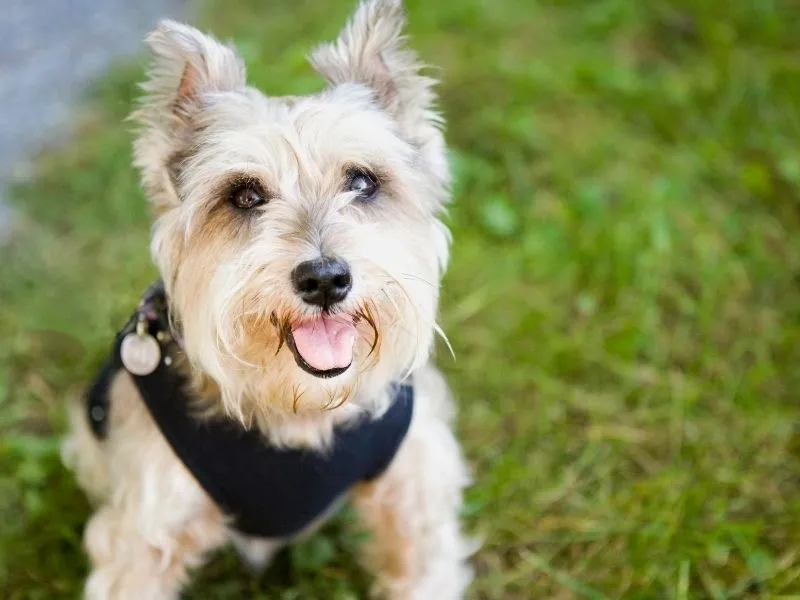
Image Source: Borrow My Doggy
Training a Cairn Terrier needs you to understand their mix of smarts and strong will. These lively dogs do well with good guidance, but their stubborn nature means you’ll need steady patience and consistency.
Why Early Socialization Matters
Your Cairn Terrier’s first 12 weeks are crucial. During this time, their brain readily accepts new experiences as safe and positive. Research shows that waiting until after vaccinations to socialize your puppy is nowhere near as risky as the long-term effects of delayed socialization. The American Veterinary Society of Animal Behavior states that putting off socialization is outdated and has no place in modern dog training.
Safe early socialization options include:
Picking puppy classes with good cleaning practices
Taking your pup in a stroller to watch new environments
Setting up play dates with puppies of similar age at home
Staying away from areas that might have dog waste
Your puppy needs positive experiences because one bad encounter can erase many good ones. Watch your puppy’s body signals and give them space when needed. Let them explore new situations at their own pace.
Positive Reinforcement Techniques
Reward-based training works wonders with Cairn Terriers. This method rewards your puppy’s good choices instead of punishing mistakes. Studies show that positive reinforcement leads to better learning and behavior without the downsides of correction-based methods.
Treats, praise, and play time make excellent rewards when your Cairn shows good behavior. Keep training short—5-10 minutes works best since Cairns have shorter attention spans. Everyone in your family should use similar commands and training methods to stay consistent.
Clicker training suits this breed perfectly. A click marks the exact moment of good behavior, and a reward follows to strengthen that behavior.
Common Challenges and How to Overcome Them
Cairns are smart dogs that quickly grasp what you want, but they might explore all their options before they listen. Their independent spirit sometimes leads them to train their owners into giving treats rather than learning commands.
These dogs thrive on your approval and truly want to make you happy—not just get treats. Short daily training sessions throughout puppyhood build a strong bond. Your dog learns to work with you instead of testing you.
Progress comes in waves with these dogs. Your Cairn might nail a command today and seem clueless tomorrow. Stay calm when facing setbacks—they’re normal for this breed. End each session on a good note and try again later.
Health and Lifespan: What Owners Should Know
Cairn Terriers look tough and act spirited, but their genetic resilience makes them truly remarkable. Dog parents should learn about health issues and preventive care to help these hardy dogs live their best lives.
Common Genetic Conditions
These sturdy dogs can develop several breed-specific health issues despite their strong constitution. Eye problems often show up in the breed. Cataracts might develop in older dogs or appear as juvenile cataracts in younger ones. Progressive retinal atrophy (PRA) can lead to complete blindness without any treatment options. Dog parents should look for vision loss signs like confusion, bumping into objects, anxiety, or hesitation on stairs.
Blood can sometimes bypass the liver through liver shunts (portosystemic vascular anomalies). This prevents proper toxin filtering. Dogs with this condition might lose weight, grow poorly, drink more water, vomit, have diarrhea, and show behavior changes.
Some Cairns deal with joint problems too. Patellar luxation tops the list—their kneecap slips out of place and makes them kick their back legs and hop. Without treatment, this often causes arthritis and might need surgery in serious cases.
These dogs can also inherit other conditions:
Cushing’s disease—too much cortisol makes them thirsty, urinate more, lose hair, and feel tired
Hypothyroidism—low thyroid hormones lead to weight gain, skin problems, and poor cold tolerance
Craniomandibular osteopathy—their jaw bones grow too much and cause pain when eating
Preventive Care and Vet Visits
Good health management makes a big difference for Cairn Terriers. They need regular shots based on what their vet recommends to protect against common dog diseases. Your vet can tell you which preventatives work best in your area for heartworm, roundworm, hookworm, fleas, and ticks.
Timing matters for spaying or neutering. Vets now suggest waiting until at least 18 months old. This helps with proper hormone development and reduces risks of joint problems and certain cancers.
Breed organizations recommend specific tests for Cairns:
Liver function tests (bile acid test) between 12-16 weeks and before breeding
Kidney ultrasound checks for aplasia or dysplasia
Eye checks by a veterinary eye specialist, especially for ocular melanosis
Heart and kneecap evaluations
Average Lifespan and Quality of Life
Cairn Terriers live longer than many other breeds. A newer study, published in 2024 by UK researchers shows they live about 14 years on average. This beats both purebreds (12.7 years) and crossbreeds (12 years). French research found they live about 13.42 years, and breed experts usually say 13-15 years.
Keeping these dogs at a healthy weight helps them live longer, better lives. Many Cairns struggle with obesity, which can cause joint problems, digestive issues, heart disease, and back pain. Daily treats should make up less than 10% of what they eat.
These tough little terriers stay lively and smart throughout their long lives with proper care. The right food, exercise, and quick response to health issues help Cairn Terriers stay active and happy family members for many years.
Feeding and Nutrition for a Healthy Cairn
Nutrition is the life-blood of a Cairn Terrier’s overall health. It affects their characteristic energy levels and long-term wellness. These small but active dogs need specific dietary requirements that owners should understand.
Choosing the Right Dog Food
Your Cairn needs dog food that meets standards approved by the Association of American Feed Control Officials (AAFCO). This will give a properly balanced diet that supports their active lifestyle. Quality ingredients play a crucial role – you should look for foods with named meat sources as primary ingredients instead of vague proteins or fillers.
Cairn Terriers do best with diets containing at least 75% raw ingredients. Quality proteins, healthy fats, and limited carbohydrates are the foundations of their diet. Many experts suggest staying away from foods with corn, by-products, and glutens. These ingredients provide minimal nutritional value and could trigger digestive problems.
Foods containing omega-3 fatty acids like fish oil or flaxseed help maintain your Cairn’s distinctive weather-resistant coat. These nutrients support their overall wellness too.
Feeding Schedules by Age
Puppies need three meals daily on a set schedule. This supports their rapid growth and prevents hypoglycemia. Their high metabolic rates burn through calories quickly, which makes regular feeding crucial.
Adult dogs should eat twice daily. Feed them at the same times each day to create routine and help digestion. Senior Cairns might benefit from special formulas with joint-supporting ingredients and antioxidants.
Fresh water should always be available, especially during mealtimes. This helps proper hydration and healthy digestion.
Avoiding Obesity in Small Breeds
Cairn Terriers face high obesity risk. This is serious because being just 10% overweight can cut their lifespan by one-third. It also increases risks of heart disease, arthritis, diabetes, and cancer.
Portion control works best to prevent weight gain. Measure meals accurately instead of guessing. Package guidelines should be adjusted based on your dog’s activity level and weight. Free feeding isn’t recommended since Cairns might eat when bored or lack self-control.
Treats need careful management and should make up less than 10% of daily calories. Small vegetables or divided regular kibble make healthy alternatives for rewards.
A balanced diet combined with regular exercise maintains ideal weight. Your Cairn needs 30-60 minutes of daily physical activity to balance their food intake.
Note that Cairn Terriers keep their enthusiastic appetite throughout life. Their “wolf appetite” means they rarely turn down food or treats. Owner watchfulness remains key to their long-term health.
Why Cairn Terriers Fit So Well in Family Life
Cairn Terriers make wonderful family pets, not just because of their charming looks and lively personality, but also because they can adapt to any situation. These small dogs feel at home in urban apartments and country houses alike.
Adaptability to Apartment or House Living
Cairn Terriers can adapt to many different living spaces. Their small size—typically weighing 13-18 pounds and standing 9-11 inches tall—makes them perfect for apartment living. These versatile dogs are just as happy in larger homes with yards. They can adjust to your lifestyle as long as you meet their simple needs for exercise and companionship. New dog owners will be glad to know that Cairns stay happy with just 30-60 minutes of daily exercise.
Their Role as Watchdogs and Companions
Don’t let their small size fool you – Cairn Terriers make excellent watchdogs. They stay alert to their surroundings and quickly bark at unusual sounds or movements. Many owners notice their Cairns’ “supervisory behavior” as they watch over other pets—earning them nicknames like “Constable” or “Fun Police”. This watchful nature pairs perfectly with their loving personality, making them both protectors and companions.
Real Stories from Cairn Terrier Owners
“Our Cairn quickly became part of the family routine—school runs, weekend outings, and even camping trips. He needs to be involved, and that’s what makes him so happy,” shares Michael Andrews from Adelaide.
Another owner reflects, “I cannot imagine a time without him. Every day, he makes me laugh and makes me want to pull my hair out, then makes me laugh again”.
Conclusion
Cairn Terriers strike the perfect balance of traits that families want in a dog companion. These spirited Scottish dogs combine centuries of working heritage with modern adaptability. They naturally fit into a variety of household dynamics. Their impressive 13-15 year lifespan lets them become true family members who share countless precious moments with you.
These dogs’ versatile nature makes them a family favorite. Though small in size, Cairn Terriers have big personalities full of loyalty, courage, and affection. Their sturdy build helps them handle rough play with children, and their playful spirit matches a child’s natural enthusiasm. They also have moderate exercise needs that work well for families with different activity levels without taking up too much time.
These adaptable dogs feel at home anywhere. Cairn owners find their pets adjust well whether they live in apartments or countryside homes, as long as they get proper daily exercise and companionship. Their flexibility and alertness make them ideal family guardians without too much barking or aggression.
Cairn Terriers are relatively easy to maintain. Their distinctive weatherproof coat stays in great condition with weekly brushing, occasional hand-stripping, and limited bathing. Training can be challenging due to their independent nature. However, patient owners who use positive reinforcement techniques consistently end up with an intelligent, responsive companion.
Of course, future owners should know about possible health issues like eye conditions and joint problems. The breed’s overall toughness and longevity shine through when they stay at proper weight through good nutrition and exercise. This usually results in healthy dogs throughout their impressive lifespan.
Michael Andrews from Adelaide perhaps best captures the Cairn experience: “Our Cairn quickly became part of the family routine—school runs, weekend outings, and even camping trips. He needs to be involved, and that’s what makes him so happy.” His words echo what countless Cairn owners worldwide have found – these dogs don’t just join families, they boost them with their special mix of affection, independence, and undeniable charm.
Families looking for a versatile, spirited companion will find their match in a Cairn Terrier. These remarkable little dogs blend loyalty, adaptability, and character perfectly. Time and again, they prove themselves as ideal family members in a small but mighty package.
Key Takeaways
Cairn Terriers offer families the perfect blend of loyalty, adaptability, and manageable care requirements, making them exceptional long-term companions for diverse households.
• Exceptional longevity: Cairn Terriers live 13-15 years, outliving most purebreds and providing families with long-term companionship and memories.
• Perfect family size: At 13-14 pounds and 9-10 inches tall, they’re sturdy enough for children’s play yet compact for any living space.
• Moderate exercise needs: Just 30-60 minutes daily activity keeps them happy, making them manageable for busy families without excessive demands.
• Adaptable temperament: Their loyal, playful nature combined with independence creates excellent watchdogs and companions for various household dynamics.
• Low-maintenance grooming: Weekly brushing and minimal bathing preserve their weather-resistant coat, perfect for active families seeking practical pet care.
These Scottish terriers prove that the best family dogs come in small packages—offering decades of devotion, entertainment, and protection while adapting seamlessly to your family’s unique lifestyle and living situation.
FAQs
Q1. Are Cairn Terriers suitable for families with children? Cairn Terriers are excellent family dogs, especially for households with children. They are playful, sturdy, and have a good-natured temperament that matches well with kids’ energy. However, as with any dog breed, supervision is recommended during playtime between children and pets to ensure safe interactions.
Q2. What are some potential challenges of owning a Cairn Terrier? While Cairn Terriers make great pets, they can be quite energetic and require regular exercise to prevent destructive behavior. They may also be stubborn at times and need consistent training. Additionally, their small size doesn’t deter them from confronting larger dogs, so owners should be mindful during encounters with other canines.
Q3. Do Cairn Terriers tend to bark excessively? Cairn Terriers can be vocal dogs. As true terriers, they are alert and may bark to signal unfamiliar sounds or sights. While this makes them good watchdogs, some individuals may be prone to excessive barking. Proper training and socialization from an early age can help manage this behavior.
Q4. What is the average lifespan of a Cairn Terrier? Cairn Terriers are known for their longevity. On average, they live between 13-15 years, with some reaching up to 16 years of age. This long lifespan makes them excellent long-term companions for families, outliving many other purebred dogs.
Q5. How much exercise does a Cairn Terrier need daily? Cairn Terriers have moderate exercise requirements. They typically need about 30-60 minutes of physical activity each day to stay healthy and content. This can include walks, playtime in a securely fenced yard, or interactive games. Meeting their exercise needs helps prevent boredom and associated behavioral issues.