
Borzoi Dog Breed Information: Characteristics, Behavior, Temperament, Lifespan, Weight

Borzoi dogs run at speeds between 35 to 40 miles per hour. These Russian-bred hounds rank among the fastest dog breeds worldwide. Russian breeders originally developed them to hunt wolves, and their physical build matches this heritage perfectly. Male Borzois stand 28 to 34 inches tall while females measure 26 to 32 inches. A male’s weight ranges from 75 to 105 pounds, and females typically weigh 60 to 85 pounds[-4].
These gentle giants adapt well to home life despite their size. A Borzoi’s nature stays calm and peaceful indoors, and they curl up into surprisingly small spaces when they want to rest. Their beautiful silky coat needs regular grooming, and their independent spirit makes training an interesting challenge. Borzois live 9 to 14 years on average[-4][-5]. Indian buyers can expect to pay between ₹40,000 to ₹80,000, with prices varying based on the dog’s bloodline, breeder reputation, and location. This piece covers essential information about Borzois that potential owners should know – from their unique physical traits and personality to daily care needs and their role as family pets.
Breed Origin and History

Image Source: American Kennel Club
The majestic Borzoi came from Russia’s vast countryside centuries ago. These dogs became symbols of nobility and hunting. Breeders developed them to be both fast and strong. These aristocratic hounds survived revolutions and almost died out to become one of the world’s most distinctive breeds.
From Russian Wolfhound to Borzoi
The Borzoi’s tale started in sixteenth-century Russia. Breeders crossed Arabian Salukis and European sighthounds with thick-coated Russian breeds. They thought over this mix to create a dog that was lightning fast and knew how to handle harsh Russian winters. People called it the Russian Wolfhound at first, which showed its main goal—chasing wolves through the Russian countryside.
The name “Borzoi” comes from the old Russian word “borzyi,” meaning “swift”. The breed got official recognition by the 1650s and stands as one of the oldest dog breeds worldwide. Two main types came about based on local needs:
- Northern Russian strains: Finer build, we used them mostly to hunt hares
- Lowland Borzoi: Heavier build, we bred them to hunt wolves
These two types later merged to create the Psovi (long-coated) Borzoi of medium build that could hunt different types of game.
Role in aristocratic hunting
Russian nobles had exclusive rights to own Borzois for centuries. The breed became tied to Russian royalty so deeply that commoners faced death just for touching these dogs without permission. These dogs were so precious that nobles only gave them as gifts to other royalty or traded them for entire country estates.
Russian nobles managed to keep hundreds or thousands of Borzoi in their kennels since Ivan the Terrible’s time in the 15th century. Grand Duke Nicholas Nicolaievich built what might be the most impressive Borzoi kennel ever at his Perchino estate, about 125 miles from Moscow. Perchino’s kennels held 130 adult Borzoi, 60 puppies, and many other hunting dogs. A staff of 78 people took care of them all. The Grand Duke hosted his kennels by color and pattern, with a special ninth kennel just for his personal hunting pack.
Wolf hunts turned into grand events that mixed show with purpose. Hunters wore the Grand Duke’s signature green livery and rode out with three matched Borzoi—usually two males and one female. The dogs would catch up to the wolf, grab its neck, and hold it until the hunter arrived. Instead of killing the wolves, hunters often brought them back to Perchino to train new hunting dogs.
How the breed spread globally
The 1861 freedom of Russia’s serfs started the decline of many grand Borzoi kennels as the old system fell apart. The 1917 Russian Revolution hit the breed hard. Revolutionaries killed many Borzois because they represented the aristocracy. Some owners shot their own dogs rather than leave them behind to face unknown fates.
The breed had already started moving beyond Russia’s borders. Joseph Thomas Jr. from Connecticut went to Russia in 1903 to find quality Borzois for American breeding. He visited the Grand Duke’s kennels at Perchino and brought back several outstanding dogs, including a white-and-brindle male named “Bistri”. These new dogs improved American Borzoi bloodlines by a lot.
The breed’s English story began when the Czar gave two Borzois to Queen Victoria around 1830. The Prince of Wales (later King Edward) loved these dogs, which helped make them popular among English nobles. The Duchess of Manchester showed England’s first Borzoi in 1863.
During the Russian Revolution, dedicated breeders from Germany, Belgium, and Holland risked their lives to save breeding dogs from Russia’s best kennels. They rescued at least 17 Borzoi from the famous Perchino and Woronzova hunts, which later became the foundation for European show lines.
Australia got its first Borzois straight from the Czar in 1898. These dogs stayed in quarantine at the Melbourne Zoo. Over the last several years, American exports went back to Russia, which helped bring this noble hunting dog back to its homeland.
Physical Characteristics of the Borzoi

Image Source: PetGuide
The Borzoi commands attention with its elegant silhouette. This aristocratic sighthound combines impressive height, refined bones, and a flowing coat that makes it unique among other breeds.
Height and weight range
Borzois stand among the world’s tallest dogs. The breed standards specify that mature males must be at least 28 inches at the shoulder, and many reach 32 to 34 inches. Female Borzois are a bit smaller at 26 inches minimum, usually ranging between 27 and 31 inches.
These dogs maintain a lean build despite their height. Male Borzois weigh 75 to 105 pounds, while females tip the scales at 60 to 85 pounds. Their narrow frame and bladed bone structure explain this light weight. As one breeder puts it, “They are narrow, though, so that they weigh less than other dogs of comparable height”.
Male Borzois have equal or slightly greater height at the withers (shoulders) compared to the height from the top of the croup (lower back) to the ground. Female dogs show equal measurements at these points, which creates a balanced look.
Coat types and colors
A luxurious coat sets the Borzoi apart. The breed features straight, wavy, or curly coat variations. Breed standards accept all these types as long as the coat keeps its silky texture. Young Borzois often have curlier coats until their first “coat blow” between 9-12 months.
The coat follows a specific pattern. Short and smooth fur covers the head, ears, and front legs, while longer fur grows on the body. Notable features include:
- A large curly frill around the neck
- Heavy feathering on the backs of legs and hindquarters
- Abundant tail feathering
- A distinctive “frill” on the neck
Males usually have thicker coats than females, and females shed substantially after heat cycles. The undercoat grows thicker in winter or cold weather but thins out when it’s warm. This adaptation helps these dogs handle temperature changes.
The Borzoi’s color palette shows remarkable variety. The breed accepts any color or pattern except merle, blue, brown (chocolate), or their variations. White with patches appears frequently, and many dogs sport masks or distinctive markings.
Unique body structure and gait
The Borzoi’s build reflects its history as a swift hunter. These dogs follow the ancient Greyhound template with some key differences.
Their long, narrow head shows barely any “stop” at the eyes. This shape adds to their noble look and helps them cut through the air. Their deep but narrow chest gives them excellent lung capacity without extra weight.
The Borzoi’s topline—the line from neck to tail—stands out from other breeds. It “rises gracefully over the loin” to create that signature curved silhouette. This flexible spine lets them achieve a double suspension gallop, essential for chasing prey at speeds up to 35-40 miles per hour.
These dogs move with grace. They show an “extended trot, effortless, very supple and lifting” in normal movement. During hunts, they switch to powerful gallops with impressive leaps. Their front legs reach far with springy pasterns, while strong hindquarters provide drive.
Bladed leg bones rather than round ones make them more aerodynamic. Their feet look more like a hare’s than typical dog paws, which gives them better grip during high-speed chases.
Borzoi Temperament and Personality

Image Source: A-Z Animals
The Borzoi’s elegant appearance matches its unique personality that blends aristocratic dignity with gentle affection. These regal dogs have a temperament as refined as their looks, and their mix of independence and loyalty continues to fascinate dog lovers everywhere.
Calm and quiet nature
Borzoi dogs are the epitome of tranquility at home. These dignified and calm companions make peaceful housemates and rarely bark without reason. Their quiet nature makes them great apartment dogs despite their size. Adult Borzoi sleep for up to 18 hours daily, and they usually curl up in their favorite spot.
These elegant hounds don’t need constant attention from their owners. They show affection but prefer to quietly watch their surroundings instead of demanding interaction. Their balanced temperament combines a dignified reserve with gentle affection, which makes them perfect for anyone who wants a calm dog companion.
Borzoi’s key temperament traits are:
- Rarely bark excessively
- Maintain spatial awareness even in smaller homes
- Display dignified, elegant mannerisms
- Possess an even-tempered, quiet demeanor
Interaction with children and other pets
Borzoi build strong bonds with family members, including children, especially with proper socialization. All the same, they’re usually too dignified to join in rough play that young children might start. Their relationship with children works best under certain conditions:
Supervision is crucial when Borzoi interact with younger kids to prevent accidents due to the dog’s size. The breed also does better in homes with older children who understand boundaries and respect the dog’s space. Borzoi can feel stressed in chaotic or noisy environments, so households with loud toddlers might be challenging.
Most Borzoi get along well with other sighthounds, especially their own breed. Their relationship with cats depends on early exposure. Many Borzoi live peacefully with indoor cats if they grow up together as puppies. Outdoor cats aren’t safe from their hunting instincts. Most Borzoi don’t chase small dogs because small canines “smell and behave like dogs”.
Prey drive and independence
The Borzoi’s temperament comes from its history as an independent hunter. These dogs learned to think independently because they were bred to chase and catch game without constant handler direction. This self-reliance means they understand commands well but might choose not to follow them.
Their strong prey drive kicks in when they see small animals moving. This hunting instinct means Borzoi need to stay on leash unless they’re in securely fenced areas. Getting them to come back when called can be tough without lots of training.
These dogs create deep connections with their human families. They develop strong bonds with their owners and often become devoted to one person. Many follow their favorite person around the house, staying close without being needy. This mix of independence and affection creates a special relationship that many owners truly love.
Understanding and adapting to the Borzoi’s temperament reveals a wonderful balance of dignified reserve and quiet devotion. These aristocratic sighthounds become cherished companions in the right homes.
Lifespan and Health Overview
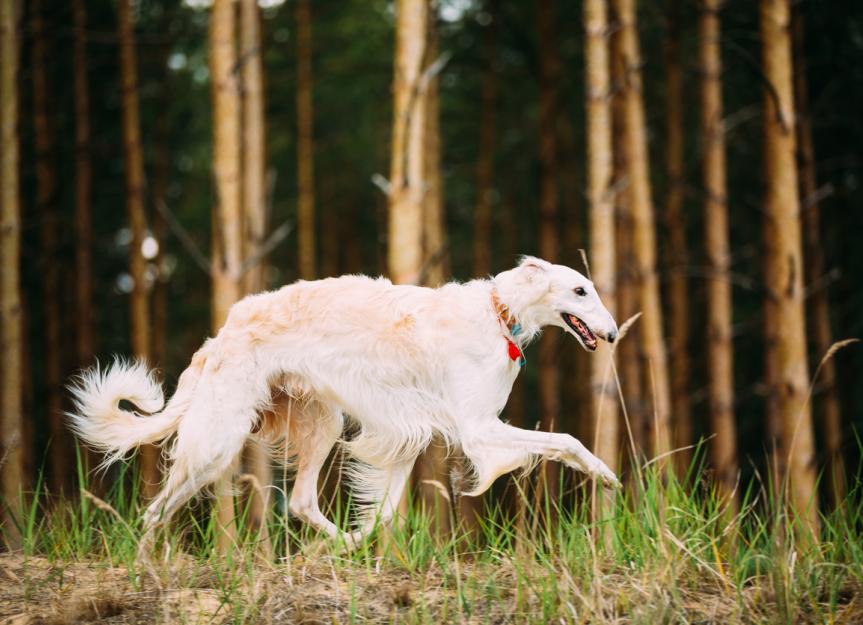
Image Source: PetMD
A Borzoi’s health profile needs careful attention to their typical lifespan and medical concerns. These elegant sighthounds face several breed-specific challenges that owners should watch throughout their dog’s life.
Average lifespan of Borzois
You can expect to spend 9-14 years with your elegant Borzoi companion. Their lifespan varies based on care quality and genetics. A 2024 UK study that analyzed 43 Borzois showed they lived an average of 12 years. This matches up with purebreds’ 12.7-year average and mixed breeds’ 12-year average.
Trusted sources agree on these numbers:
- 9-14 years (PetMD)
- 9-13 years (several veterinary sources)
- 8-13 years (VCA Hospitals)
Good care and preventative health measures help many Borzois reach their early teens in great shape. Their lifespan depends on how well owners handle these dogs’ breed-specific health issues.
Common health issues
Bloat (gastric dilation-volvulus or GDV) poses the biggest threat to Borzoi dogs. This life-threatening condition happens when the stomach fills with gas and twists, which cuts off blood supply and causes shock. Watch for these warning signs:
- Restlessness or pacing
- Distended abdomen
- Dry heaving without productive vomiting
- Excessive drooling
Your dog needs emergency vet care right away – bloat can kill within hours without treatment.
Many Borzois struggle with orthopedic issues. Hip and elbow dysplasia from improper joint formation leads to pain and arthritis as dogs age. Dogs might have trouble getting up, move less, and seem stiff after resting. Osteochondritis dissecans (OCD), an inflammatory joint condition, mostly affects large-breed puppies during growth spurts.
Heart problems need close attention. A notable American study revealed some worrying numbers: 53.8% of healthy-looking Borzois had heart murmurs, 30.2% showed mild mitral regurgitation, 36.1% had mild tricuspid regurgitation, and 14.4% already showed signs of heart disease.
Borzois’ unique body type – low fat and lean muscle – makes them extra sensitive to anesthesia. Vets must adjust their methods for any procedure needing sedation.
Other health concerns include:
- Progressive retinal atrophy that leads to vision loss
- Hypothyroidism causing weight gain and lethargy
- Cancer, especially osteosarcoma (bone cancer)
- Bleeding disorders like Von Willebrand’s disease
- Dental disease, which affects 80% of all dogs by age two
Preventive care and vet visits
Your Borzoi’s health depends on proactive care. Regular vet checkups catch problems early. Yearly blood tests should check for hypothyroidism and other metabolic issues.
Dental care needs extra attention since Borzois face higher risks of gum disease than other breeds. Brush their teeth regularly and get professional cleanings to keep their mouth healthy.
Managing your dog’s weight helps prevent joint problems and metabolic disorders. Extra pounds can cut a Borzoi’s life short by one to three years.
Parasites need year-round prevention. Give heartworm, flea, and tick medicines as your vet recommends. Keep core vaccines like distemper, parvovirus, and rabies up to date.
Spaying or neutering brings major health benefits, including lower cancer risks. Talk to your vet about timing since these large dogs need to reach full maturity for proper bone development.
A microchip gives permanent ID if your Borzoi gets lost. This simple step brings peace of mind, especially with a breed known for speed and strong prey drive.
Grooming Needs and Shedding

Image Source: Facebook
A Borzoi’s luxurious coat needs dedicated attention, but a well-groomed dog is truly a sight to behold. This regal breed’s flowing silky fur just needs consistent care to keep its distinctive appearance and make sure your dog stays comfortable.
Brushing and bathing routine
Regular brushing is the life-blood of Borzoi coat maintenance. Your Borzoi’s coat needs brushing 2-3 times weekly with a pin brush or slicker brush. A metal comb should follow to stop mats and tangles. Areas behind the ears, under the legs, and the feathering on hindquarters need extra attention because they mat easily. Daily brushing becomes necessary at times of heavy shedding.
The sort of thing i love about Borzois is they don’t need frequent baths. Their coat naturally resists dirt and debris – a useful trait from their hunting background. Most experts say you should bathe them once every 4-8 weeks or after they get really dirty outdoors. The bathing process should:
- Use a mild, dog-specific shampoo designed for long coats
- Clean in the direction of hair growth, not in circular motions
- Rinse completely to stop skin irritation
- Dry really well to prevent matting
Many owners find an unexpected plus: “Whenever my boys get dirty in a puddle, I can just wait for them to dry and the dirt will fall off on its own”.
Seasonal shedding patterns
In stark comparison to this abundant coat, Borzois shed moderately through most of the year. In spite of that, they go through intense shedding cycles twice yearly—usually spring and fall as their summer and winter coats change. These “coat blows” mean you’ll just need to brush daily to manage loose hair.
Female Borzois’ shedding patterns link to their reproductive cycles. Unspayed females typically shed after each heat season. Spayed females follow the same yearly shedding pattern as males. Warmer climates might cause more frequent shedding.
Their coat’s self-cleaning nature amazes many. One owner puts it perfectly: “The Borzoi coat is a little bit magic! It’s super silky so once any mud dries it falls off or can be brushed off easily”.
Ear, nail, and dental care
Complete Borzoi grooming includes several other key areas beyond coat care. Their long ears need monthly cleaning with a gentle veterinary-approved solution to prevent infections. A few drops of mineral oil help soften wax, then you can gently massage and swab with cotton-tipped applicators.
Your Borzoi’s nails need trimming every 2-3 weeks. Pain and walking problems can result from overgrown nails. The hair between footpads also needs occasional trimming since overgrown fur there can hurt during running.
Dental health really matters – 80% of all dogs develop dental disease by age two. Brush your Borzoi’s teeth several times weekly with dog-safe toothpaste to stop tartar buildup. Good dental care prevents bad breath and serious health issues.
These grooming practices will give your Borzoi a healthy, comfortable life that matches their aristocratic heritage.
Training and Exercise Requirements

Image Source: https://pixabay.com/
Physical activity and proper training are the foundations of a well-adjusted Borzoi’s life. These aristocratic hounds need thoughtful exercise routines despite their refined appearance. Their training approach should respect their hunting heritage.
Exercise needs and leash safety
Borzoi need moderate daily exercise—typically 30-60 minutes divided between walks and playtime. These dogs were built for sprinting, not endurance running. They usually prefer to relax after a quick burst of energy. A couple of daily walks with occasional running opportunities satisfy most Borzoi.
Borzoi must stay on leash in unsecured areas. Small animals trigger their hunting instinct instantly, which could send them racing without concern for roads or other hazards. Even the best-trained Borzoi might ignore recall commands once their chase instinct takes over.
A securely fenced yard is vital for safe running—underground fences cannot stop a determined Borzoi. The fence should be tall enough to contain a dog that can reach 40 mph when motivated.
Training challenges and tips
Borzoi are intelligent dogs that can test experienced owners with their independent nature. Their self-sufficient character comes from their hunting heritage, where they made decisions without constant handler guidance.
Effective training methods include:
- Positive reinforcement with treats and praise
- Short, engaging sessions that prevent boredom
- Consistency and patience with commands
- Early introduction of simple obedience
This sensitive breed responds poorly to harsh corrections. Clear expectations paired with calm assertiveness build respect. Borzoi understand commands perfectly but often decide when to follow them based on their judgment.
Socialization and mental stimulation
A confident, well-adjusted Borzoi needs early socialization. Exposure to different people, environments, and situations helps prevent the shyness some Borzoi show around strangers.
Mental exercise prevents boredom and challenges their intelligent nature. Good mental enrichment options include:
- Puzzle toys that dispense treats
- Hide-and-seek games with toys or treats
- New walking routes with different scents and sights
- Interactive guessing games
Lure coursing, agility, and scent work provide mental and physical outlets that strengthen the human-Borzoi bond. These activities celebrate the breed’s athletic abilities in safe, controlled settings.
Borzoi Dog Price and Adoption in India

Image Source: Spot Pet Insurance
Bringing home a Russian sighthound in India needs careful financial planning. These elegant Borzois are rare in the Indian market. This rarity impacts their availability and cost, so you need to know what goes into their pricing.
Borzoi dog price in India
Borzoi puppies come with a premium price tag in India because they’re hard to find. Regular puppies cost between ₹40,000 to ₹80,000. The price jumps up for quality-certified dogs – KCI-registered Borzoi puppies sell for ₹85,000 to ₹1,20,000. Show-quality Borzois can set you back ₹1,20,000 to ₹1,80,000. The costs can really add up if you import directly from Russia. One buyer spent ₹22 lakh to bring their Borzoi home.
Factors affecting cost
The price of a Borzoi depends on several things:
- Registration status: A KCI (Kennel Club of India) certificate adds value to your dog
- Physical attributes: Rare coat colors cost more than common ones
- Age and gender: You’ll pay more for puppies compared to adult dogs
- Bloodline quality: Dogs from champion parents come with higher price tags
- Geographical location: Some Indian regions have more breeders than others
Since Borzois love cold weather, you’ll need air conditioning which adds to your monthly expenses.
Adoption vs buying from breeders
Adoption saves money and changes lives. India has about 35 million street dogs, including many abandoned pedigree breeds. The money you save through adoption can go toward giving your dog the best care possible [164, 176].
If you decide to buy, vets recommend working with responsible breeders who put their dogs’ health first. Good breeders provide health certificates and stay in touch after the sale. Stay alert about breeding practices that might harm the dogs.
Pros and Cons of Owning a Borzoi

Image Source: Reddit
A Borzoi can make an amazing pet, but you should think over their remarkable traits and challenges before welcoming one home. These noble hounds give their owners a unique experience that sets them apart from other breeds.
Advantages of the breed
Most Borzoi owners love their dogs’ peaceful and quiet nature. These elegant pets bark only when necessary and stay composed even in apartment living. They show lots of affection to family members without being clingy. Their silky coats naturally resist dirt, which makes grooming easier than you might expect. Despite their size, these dogs eat moderately – about the same as medium-sized breeds.
Challenges to consider
Life with sight hounds comes with specific challenges. These dogs will chase small animals unless you train them early as puppies. Secure fencing is absolutely essential since they can reach speeds of 35mph. Training can be tricky because Borzois tend to be stubborn and independent. They don’t do well alone for long periods and might develop separation anxiety.
Is the Borzoi right for you?
Patient, consistent people who spend lots of time at home make ideal Borzoi owners. Before getting a Borzoi, make sure you can provide:
- A securely fenced area for safe running
- Regular schedule and companionship
- Money for proper care
- A home without small children who play roughly
Conclusion
Borzois rank among the most graceful and distinctive dog breeds worldwide. These elegant Russian sighthounds blend aristocratic dignity with gentle affection and make unique companions for the right owners. Their speed reaches an impressive 35-40 miles per hour. This amazing pace, combined with their striking looks and calm nature, creates an extraordinary canine companion.
New owners should think over several factors before bringing a Borzoi home. These dogs’ 9-14 year lifespan gives you plenty of time to create deep bonds. The length of their life depends on good preventive care. Regular vet checkups are crucial to monitor potential health issues like bloat, heart conditions, and orthopedic problems.
Life with a Borzoi comes with its share of joys and challenges. Their independent spirit needs patient, consistent training that focuses on positive reinforcement. These dignified dogs adapt well to apartment living if they get enough exercise. You’ll notice their calm, quiet nature indoors that transforms into explosive bursts of speed outside.
The Borzoi’s grooming needs fit into an easy routine despite their luxurious coat. They need brushing 2-3 times weekly, with extra attention during shedding seasons. Their coat’s self-cleaning nature keeps dirt away, making maintenance easier than most first-time owners expect.
Money matters when you’re getting a Borzoi in India. Prices start from ₹40,000 to ₹80,000 for regular puppies. Show-quality dogs can cost between ₹1,20,000 to ₹1,80,000. Beyond buying your pup, you’ll need to budget for specialized care throughout your dog’s life.
Getting a Borzoi deserves careful thought. These majestic sighthounds need: • Secure fencing for safe exercise • Patient, consistent training • Regular veterinary care • Sufficient human companionship • Protection from extreme heat
Families that value their unique mix of independence and affection will find these aristocratic dogs make wonderful companions. Borzois combine a dignified presence with a gentle spirit. They connect us to Russian nobility’s heritage while giving us the simple joy of a loving pet. People ready to meet these dogs’ specific needs will find out why these graceful giants have engaged dog lovers through the centuries.
Key Takeaways
Understanding the Borzoi breed requires recognizing their unique blend of aristocratic elegance and specific care needs that make them suitable for dedicated owners.
• Borzois are gentle giants reaching 28-34 inches tall and 75-105 pounds, capable of 35-40 mph speeds but surprisingly calm indoors • These independent sighthounds require secure fencing and leash safety due to their strong prey drive and hunting instincts • Regular brushing 2-3 times weekly maintains their self-cleaning silky coat, with increased attention during seasonal shedding periods • With proper care, Borzois live 9-14 years but need monitoring for breed-specific issues like bloat and heart conditions • In India, expect to invest ₹40,000-₹80,000 for basic puppies, with show-quality specimens reaching ₹1,20,000-₹1,80,000
The Borzoi’s aristocratic heritage shines through their dignified temperament and striking appearance, but their independent nature and specific exercise needs make them best suited for patient owners who can provide consistent care, secure environments, and regular companionship.
FAQs
Q1. How much exercise does a Borzoi need daily? Borzois typically require moderate daily exercise, usually 30-60 minutes split between walks and playtime. They are built for sprinting rather than endurance, so short bursts of activity followed by rest periods are ideal.
Q2. Are Borzois good with children and other pets? Borzois can be good with children, especially when properly socialized. However, they tend to do better with older kids who understand boundaries. Their compatibility with other pets varies – they often get along with other dogs but may have a strong prey drive towards smaller animals.
Q3. How often should I groom my Borzoi? Regular brushing 2-3 times a week is recommended for Borzois, with daily brushing during heavy shedding periods. Their coat is relatively low-maintenance and self-cleaning, requiring baths only every 4-8 weeks or as needed.
Q4. What health issues are common in Borzois? Borzois are prone to certain health issues including bloat (gastric dilatation-volvulus), hip and elbow dysplasia, heart problems, and eye conditions like progressive retinal atrophy. Regular veterinary check-ups are essential for early detection and management of these conditions.
Q5. How much does a Borzoi cost in India? In India, Borzoi puppies typically cost between ₹40,000 to ₹80,000 for basic specimens. KCI-registered puppies can range from ₹85,000 to ₹1,20,000, while show-quality Borzois may cost between ₹1,20,000 to ₹1,80,000.