
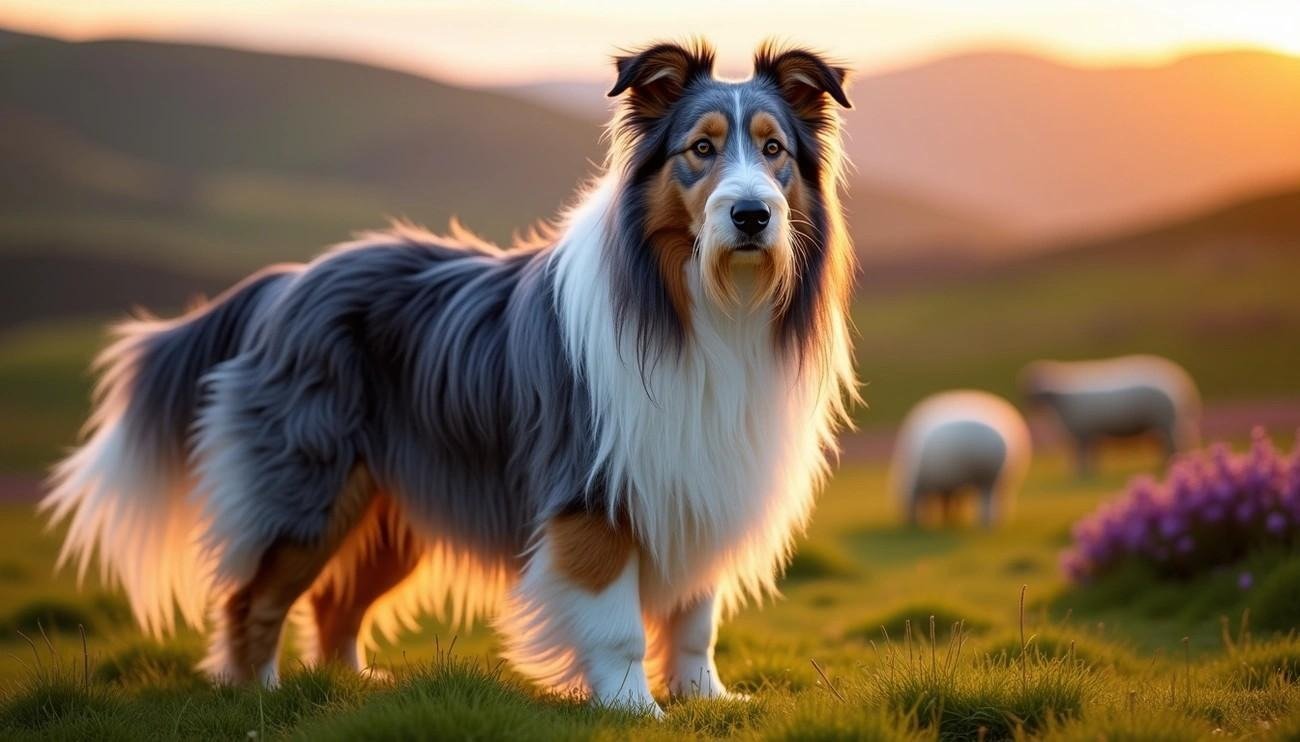
Bearded collies stand out among herding breeds with their shaggy double coats. These Scottish dogs reach 20 to 22 inches at the shoulder. Unlike other collie breeds that focused on herding, we used these medium-sized dogs mainly for droving. Their lean, solid build and balanced temperament make them excellent working dogs and devoted companions.
These energetic dogs usually weigh between 45 to 55 pounds and live 12 to 14 years. Their grooming needs careful attention, especially when they go through heavy annual shedding. These dogs might develop genetic joint conditions that could affect how they move.
The American Kennel Club recognized bearded collies in 1976, and they’ve proven themselves as both working dogs and family pets. This piece covers everything about this remarkable breed – from their looks and personality to their care needs and tips to find bearded collie puppies from trusted breeders.
Breed Overview and History
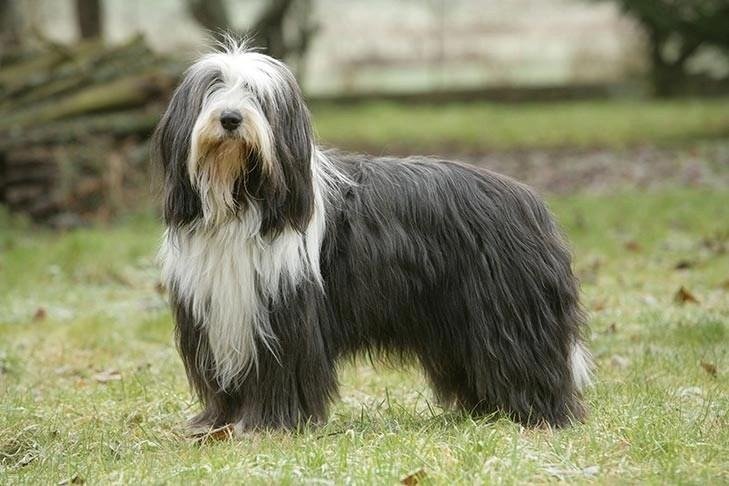
Image Source: American Kennel Club
The bearded collie’s remarkable story spans over five centuries, making it one of Britain’s oldest herding breeds. These lovable dogs with their distinctive shaggy coats started as working animals in Scotland’s farming traditions and later became cherished family pets.
Origin in Scotland and herding roots
Scottish farmers have raised dogs similar to modern bearded collies for about 500 years. These tough working dogs thrived in the Scottish Highlands and Border regions, where they proved themselves as exceptional herders.
The breed earned several distinctive names through its history:
- Highland Collie or Mountain Collie
- Hairy Mou’ed Collie (referencing their bearded facial hair)
- Scotch Sheepdog
- Loch Collie
Farmers valued these dogs more for their working abilities than their looks. The breed developed into independent problem-solvers that could handle Scotland’s rough terrain and harsh weather. Their thick, shaggy coats served as natural protection while they herded sheep and drove cattle.
A widespread theory about the breed’s beginnings suggests Polish Lowland Sheepdogs (PON) arrived in Scotland during the 1500s and bred with local herding dogs. The story tells of a Polish merchant, Kazimierz Grabski, who traded grain for sheep in Scotland in 1514 and brought six Polish Lowland Sheepdogs to handle them. A Scottish shepherd liked these dogs’ herding skills so much that he traded several sheep to get some, and later bred them with local Scottish dogs. This breeding program created what we now know as the bearded collie.
Development into a companion breed
The bearded collie population dropped substantially by the 1940s. The breed’s comeback started with an unexpected twist in 1944. Mrs. G. Olive Willison ordered a Shetland Sheepdog puppy from a Scottish farmer but got a bearded collie puppy instead, which she named Jeannie.
Jeannie captured Mrs. Willison’s heart, and she started looking for a suitable mate. She met a man walking his bearded collie on Brighton beach who needed to rehome his dog before moving abroad. Mrs. Willison took in this dog and registered him as Bailie of Bothkennar. Jeannie and Bailie became the foundation pair that shaped modern show bearded collies.
These dogs managed to keep their working abilities despite growing popular in show rings. Scottish shepherds still relied on them, valuing their intelligence, agility, and independent nature. Their steady, balanced temperament made them reliable workers without any signs of nervousness.
Recognition by major kennel clubs
D.J. Thomson Gray wrote the first documented description of bearded collies in his 1891 book “The Dogs of Scotland.” He described them as “a big, rough, ‘tousy’ looking tyke, with a coat not unlike a doormat, the texture of the hair hard and fibry, and the ears hanging close to the head”.
The breed’s first standard appeared in 1912, but official recognition took several more decades:
- The Kennel Club (UK) added the breed in 1959
- The American Kennel Club (AKC) followed in 1976
- The United Kennel Club (UKC) granted recognition in 1979
The breed’s popularity grew substantially during the late 20th century. A defining moment came in 1989 when Potterdale Classic at Moonhill won Best in Show at Crufts, bringing worldwide attention to these remarkable dogs.
Modern bearded collies blend their working heritage with family-friendly traits. They still show their working dog intelligence while being gentle and adaptable enough to fit into any home setting.
Physical Characteristics and Appearance
Bearded collies catch everyone’s eye with their flowing locks and medium-sized frames. These dogs leave a lasting impression with their looks that blend practicality and charm. Their appearance reflects their background as tough working dogs bred to handle Scotland’s harsh weather.
Size and weight range
These dogs have a balanced, medium-sized frame that’s both sturdy and athletic. Adult males usually reach between 21 to 22 inches (53-56 cm) at the withers. Female dogs are a bit smaller at 20 to 21 inches (51-53 cm). Breed standards strictly maintain these height requirements to keep the bearded collie a true medium-sized dog.
The typical weight falls between 45 to 55 pounds (20-25 kg), though some dogs might weigh anywhere from 40 to 60 pounds (18-27 kg). The sort of thing I love about these dogs is their rectangular profile – they’re longer than they are tall.
Most bearded collies take two or three years to reach their full size and weight. Under that thick coat lies an athletic body built to move quickly and work long hours – traits they needed to be great herding dogs.
Coat type and color variations
The bearded collie’s standout feature has to be its amazing double coat. This includes:
- A soft, furry undercoat that keeps them warm
- A flat, harsh outer coat that shields them from bad weather
The coat naturally splits down their spine and falls to each side without any special grooming. The breed’s signature beard forms as the hair grows longer from their cheeks, lower lips, and chin down to the chest.
These dogs come in four main colors:
- Black
- Brown
- Blue (dilute black)
- Fawn (dilute brown)
The breed’s coat colors change throughout their lives, which makes them unique. Many carry the “fading gene” that causes their dark puppy coat to start lightening around 8 weeks old. A black puppy might end up any shade of gray from slate to silver by adulthood. Brown puppies often turn into various sandy shades. This color-changing trait has earned them the nickname “dogs of changing colors”.
White markings show up in specific spots: the foreface as a blaze, on the skull, tail tip, chest, legs, feet, and sometimes as a collar that stops at the shoulder. Light tan marks might appear on the eyebrows, inside ears, cheeks, under the tail, and where white meets the main color.
Bearded Collie short hair vs long coat
In stark comparison to what some might think, real bearded collies never come with naturally short hair. The breed standard clearly states that “the coat must not be trimmed in any way” and should stay natural for shows.
All the same, some owners choose a practical “puppy cut” to make grooming easier. This shorter style comes from grooming rather than genetics. While it saves time on maintenance, it doesn’t meet show standards.
The traditional long coat looks magnificent but needs regular care. These dogs need 5-10 minutes of daily brushing to prevent tangles. Weekly grooming sessions usually take 30-60 minutes. The long coat can get matted without regular care, especially behind the ears and under the legs.
Regular grooming won’t stop these dogs from shedding, which happens more during season changes. Understanding the time needed to maintain their coat is a vital part of deciding whether a bearded collie fits your lifestyle.
Temperament and Behavior
Bearded collies stand out with a personality that matches their unique looks. These dogs combine smarts, independence, and endless enthusiasm. Their charm and energy bring happiness to families through their spirited nature and loving ways.
General personality traits
The bearded collie’s temperament is “active, outgoing, bouncy, and affectionate“. These smart dogs have an independent streak that comes from their working dog background, where they had to make decisions without human guidance. This independence can turn into stubbornness during training.
Bearded collies are known for:
- Bouncy enthusiasm – Their excitement shows up physically, especially in their signature “beardie bounce” where they jump up and down on their front feet when excited
- Natural intelligence – They pick up new tasks quickly
- Social nature – They love human interaction and build strong bonds with family members
- Clownish humor – Many owners say their dogs have a sense of humor and love to entertain their families
These dogs just need to be part of family activities. As social animals, they can get anxious if left alone too long. So, they won’t do well in homes where they’re stuck in crates while owners work long hours.
Interaction with children and other pets
Bearded collies make great family companions and are gentle with kids. People often call them “excellent with children” and perfect playmates for energetic kids. Owners say these dogs are “good with children” and “protective over their household members”.
Keep in mind that adult supervision is needed when bearded collies interact with young children. We noticed this mainly because of their herding background—these dogs might try to “herd” running children by nipping at their heels, treating them like sheep.
With other animals, bearded collies usually:
- Get along with other dogs and rarely show aggression
- Live well with cats and smaller pets after proper introductions
- Might chase small animals due to herding instincts without proper training
The Bearded Collie Club of America says these dogs can live peacefully with pets from tiny Chihuahuas to giant Irish Wolfhounds.
Energy levels and playfulness
Bearded collies stay energetic throughout their lives. They love outdoor play, whatever the weather. In fact, unlike their owners, beardies love outdoor activities even in rain or snow.
These dogs need:
- Daily exercise—including a couple of walks plus running or play time
- Mental challenges to avoid boredom behaviors
- At least an hour of active exercise daily
Bearded collie lovers often say “a busy beardie is a happy beardie”. These smart, active dogs might start barking, digging, or chewing destructively without enough exercise and mental challenges.
Their playful nature remains one of their best features. People describe them as having “endless energy and a playful disposition,” and these dogs truly enjoy playing games with their humans. Their zest for life makes them perfect companions for active families who want a dog that matches their energy.
Lifespan and Common Health Issues
Bearded collies make great companions with their strong health profile and longer lifespan compared to many purebred dogs. Future owners should learn everything about their health to give them the best care throughout their lives.
Average lifespan of a Bearded Collie
These dogs live impressively long lives. Most sources show they typically live 12 to 14 years. Many bearded collies live even longer, with lifespans reaching 12 to 15 years. A newer study, published in 2024 by UK researchers found bearded collies’ average lifespan reaches 13.9 years. This beats both purebreds (12.7 years) and crossbreeds (12 years).
The Kennel Club’s 2004 survey revealed these main causes of death in bearded collies:
- Old age (26%)
- Cancer (19%)
- Cerebrovascular disease (9%)
- Chronic kidney failure (8%)
These numbers tell us bearded collies often reach their full natural lifespan, which speaks well of their overall health.
Hip dysplasia and joint problems
Hip dysplasia stands out as one of the common skeletal issues these dogs face. Dogs with this condition have loose or poorly fitting hip joints that can cause arthritis and movement problems. The condition gets worse by a lot between 6 and 18 months, with most changes happening before age 2.
Watch for these signs of hip dysplasia:
- Limping or trouble getting up
- Less activity than usual
- “Bunny hopping” gait
- Pain or stiffness
The good news? Hip dysplasia isn’t a major concern for the breed when breeders check hip scores before breeding. Breeders use the British Veterinary Association/Kennel Club hip scoring system to find dogs with better hip structure. Recent data shows a 5-year rolling mean hip score of 9.5 for bearded collies.
Eye conditions like PRA and CEA
UK bearded collies rarely suffer from inherited eye diseases, but some eye conditions can pop up:
Progressive Retinal Atrophy (PRA) damages the retina and leads to blindness. Dogs first struggle to see in dim light[223]. This inherited condition causes gradual vision loss as light-sensitive cells break down.
Collie Eye Anomaly (CEA) affects how the choroid develops – that’s the blood vessel layer under the retina. A UK bearded collie was diagnosed with CEA in 2012, but the genetic defect rarely shows up. CEA’s impact on vision varies from mild to complete blindness.
These dogs might also develop cataracts and corneal dystrophy.
Autoimmune diseases and allergies
Autoimmune conditions worry bearded collie owners because the dog’s immune system attacks its own body.
Hypoadrenocorticism (Addison’s disease) runs in families and affects 2-3.4% of bearded collies in the USA/Canada. It causes about 1% of bearded collie deaths in the UK. These numbers are much higher than what we see in all dogs (0.1%). Dogs get this disease when their adrenal glands don’t make enough hormones.
Other autoimmune conditions sometimes seen in bearded collies include:
- Immune-mediated hemolytic anemia
- Thrombocytopenia
- Pemphigus foliaceus (affects the skin)
- Symmetrical lupoid onychodystrophy (affects nails)
Allergies often show up in these dogs through skin problems, ear infections, or stomach issues. Regular vet visits and finding what triggers these allergies helps keep them under control.
Good breeders test their dogs’ hips and sometimes eyes to reduce these health issues. Anyone looking to get a bearded collie puppy should ask about health records going back three generations.
Grooming and Maintenance Needs
A bearded collie’s magnificent double coat needs consistent care and attention, and your efforts will reward you with a healthy, beautiful companion. These dogs have long, flowing hair that just needs regular attention to stay in great shape and avoid matting.
Daily brushing and coat care
Bearded collie owners should follow a two-part grooming routine. Quick 5-10 minute daily brushing sessions help remove tangles and debris. These short daily touch-ups stop small knots from becoming big problems.
Your weekly grooming session should last 30-60 minutes to keep the coat looking its best. Here’s how to brush effectively:
- Work from bottom up in layers with a bristle brush for complete coverage
- Follow up with a pin brush to find and fix any mats
- Add coat conditioner or restorer to separate hair easily
- Use a wide-toothed wooden comb only after brushing to avoid painful pulling on knots
Bath time should happen every 6-8 weeks, though suggestions range from every 14 days to every three months. Follow these steps to bathe your bearded collie:
- Check that the coat has no tangles before getting wet
- Pick a protein pH-balanced shampoo and quality conditioner
- Blow-dry while using a pin brush
- Use a lanolin lubricant to improve texture and prevent matting
Seasonal shedding and de-shedding tips
Bearded collies shed quite a bit, despite what some might think. They go through one big annual shed that can last up to a month. Daily brushing becomes even more important during this time to handle loose hair.
Here’s how to handle seasonal shedding:
- Brush at least three times weekly during heavy shedding periods
- Try specialized de-shedding tools like undercoat rakes
- Use a light grooming spray before brushing to prevent hair pulling
- Keep up with vacuuming and dusting daily when shedding peaks
Most bearded collie owners keep lint rollers, microfiber dusters, and special pet vacuum cleaners ready for quick cleanups.
Ear, nail, and dental hygiene
Good grooming goes beyond coat care. These dogs have sensitive ears with long hair that grows inside. This means you should:
- Look for signs of ear infection weekly
- Use a cotton ball to clean ears and prevent buildup
- Keep nails trimmed to avoid walking problems
- Use dog toothpaste daily to fight tartar and gum disease
Nail trimming works best with positive reinforcement and treats. Professional grooming every 6-8 weeks helps maintain overall coat health and appearance.
Starting good grooming habits early turns coat maintenance into a special bonding time rather than a task. Your time investment pays off with a happier, more comfortable companion who sports that classic shaggy bearded collie look.
Training and Socialization Tips
Training a bearded collie requires you to understand their unique heritage as independent herding dogs. These intelligent canines respond best to consistent, patient approaches that respect their ability to think and channel their natural energy.
Early obedience training
Your bearded collie’s development depends heavily on socialization and puppy training classes. The original exposure to different people, places, and situations between seven weeks and four months helps them grow into well-mannered adults. This early period shapes their entire adult life.
Puppy classes offer two key benefits – they help your bearded collie socialize with other dogs and allow owners to spot unwanted behaviors before they become habits. The early learning window matters because bearded collies tend to become more independent as they grow older.
Dealing with stubbornness
Bearded collies have an independent streak that comes from their background of working in fields without constant human direction. This self-reliance shows up as stubbornness during training sessions.
These dogs hate being wrong and might “shut down” if they don’t understand what you want. This behavior isn’t real stubbornness – it usually means they’re confused about the exercise or lack motivation. You need to stay patient and positive because these sensitive dogs can quickly sense your frustration.
Positive reinforcement techniques
Positive reinforcement works wonders with bearded collies. Here are some effective approaches:
- High-value treats like cheese, hot dogs, or meat work great for challenging skills
- Play and toys make excellent rewards (many beardies love chase games)
- Verbal praise combined with treats builds their inner motivation
- Short training sessions (5-10 minutes) help maintain focus
A balance of firmness and fairness brings the best results. One clear correction works better than several small ones, though positive methods usually get better results with this breed.
Mental stimulation and enrichment
Bearded collies need mental challenges as much as physical exercise. These natural problem-solvers excel at activities like agility, obedience training, and puzzle games. Fun activities like agility courses or obedience competitions stimulate their minds while building your bond stronger.
Fetch games serve multiple purposes – they provide exercise when you’re tired and reinforce the “come” command at the same time. Stubborn dogs might benefit from a “nothing in life is free” approach to establish leadership.
These clever dogs respond well to training that taps into their intelligence while respecting their independent nature. Consistent, positive methods help them become responsive, well-mannered companions.
Feeding and Nutrition Guide
Proper nutrition is the life-blood of health for energetic bearded collies. These active herders need specific dietary requirements that help maintain their vitality throughout their 12-14 year lifespan.
Ideal diet for active dogs
Bearded collies burn more calories daily than many other breeds due to their higher-than-average metabolic rate. A balanced diet should include:
- Quality protein sources – Chicken, lamb, or fish provide essential muscle support
- Healthy fats – Fish oil and flaxseed contribute to coat health and reduce inflammation
- Complex carbohydrates – Brown rice and vegetables supply sustained energy
The protein content should range between 18-25% because excessive protein may trigger allergic reactions. Puppies need higher protein levels, but senior dogs do better with reduced amounts. Most owners choose high-quality commercial kibble, and some prepare homemade meals.
Feeding schedule and portion control
Adult bearded collies do well with two meals daily, while puppies need three to four meals throughout the day. Dogs that eat faster benefit from slow feeder bowls that provide portion control and mental stimulation.
Daily caloric requirements vary by age:
- Puppies: approximately 1500 kcal
- Adults: around 1400 kcal
Each dog’s portion sizes need adjustment based on weight, activity level, and age. Treats should make up no more than 10% of daily caloric intake to avoid weight problems.
Avoiding obesity and food allergies
All but one of these dogs are overweight – a condition that can reduce their lifespan by three years. You’ll notice excess weight through these signs:
- Inability to easily feel ribs
- No visible waist when viewed from above
- Sagging abdomen
Bearded collies often develop food allergies or digestive sensitivities. Watch for symptoms like loose stool, scratching, or hot spots. Foods free from common allergens like soy, dairy, and eggs can prevent digestive issues.
Changing the protein source usually fixes allergic reactions – to name just one example, switching from lamb to poultry. Your dog needs adequate hydration, especially after exercise.
Buying or Adopting a Bearded Collie
The journey to find your perfect bearded collie requires research and a good understanding of your options. You can either buy from a breeder or adopt from a rescue organization.
Bearded Collie price in India and globally
A bearded collie’s price depends on several factors like location, breeder reputation, bloodline, and coat color. Reputable breeders in India charge between ₹40,000 to ₹1,00,000 for puppies. Some sources mention lower prices from ₹8,438 to ₹25,314, which shows why checking breeder credentials matters so much.
The price varies across different regions globally:
- Northeast USA: ₹126,570 to ₹210,951
- Midwest USA: ₹101,256 to ₹168,760
- Southern USA: ₹109,694 to ₹185,636
- Western USA: ₹151,884 to ₹210,951
Bearded Collie puppies for sale vs adoption
Adoption is a budget-friendly option with fees ranging from ₹4,219 to ₹42,190. This choice comes with several benefits:
- Rescued dogs usually have their vaccinations and neutering/spaying done
- They’ve gone through behavioral assessments
- Your choice gives a loving dog its second chance
Bearded collies aren’t rare, which makes finding one at a shelter possible.
How to find a responsible breeder
Red flags to watch for in breeders include:
- Demanding large non-refundable deposits
- Selling unregistered puppies
- Missing health screening documents for parents
- Not letting you meet the mother
Good breeders always provide health records, vaccination certificates, pedigree information, and written sales agreements.
Bearded Collie cross lurcher and mixes
Bearded collie crosses, especially with greyhounds (known as “lurchers”), create unique combinations of traits. UK prices for these mixes range between £100-£200. Some owners love how these dogs combine the beardie’s intelligence with sighthound speed. Others point out that temperaments can vary, and some describe them as “skulky, nervous critters”.
Conclusion
Bearded Collies make fantastic companions for active families who want a smart, loving, and high-energy dog. These shaggy herders from Scotland blend their working abilities with family-friendly traits that help them fit into many homes.
Their unique shaggy look isn’t just for show – it serves a purpose. The long flowing double coat needs regular care that includes 5-10 minutes of daily brushing and thorough grooming sessions that last 30-60 minutes each week. Their ears need regular checks and cleaning, along with proper nail trimming and dental care.
These dogs bring endless enthusiasm and smarts to everything they do. Most Beardie owners say their dogs are playful and affectionate, yet they think for themselves. This independent streak comes from their heritage as working dogs who had to make choices without constant human guidance.
These energetic companions thrive with active families. A Bearded Collie needs plenty of daily exercise, brain games, and time with their people. They might act out from boredom if they don’t get enough activity.
The good news is these medium-sized dogs live 12-14 years on average. Regular vet visits help manage health issues like hip dysplasia, eye problems, and autoimmune diseases. Their strong constitution lets them stay active well into their senior years.
Families should take an honest look at their lifestyle before getting a Beardie. They work best in homes that love outdoor activities whatever the weather. The ideal family can commit to consistent training, socialization, and regular grooming. These dogs need people who want an enthusiastic, energetic friend.
Indian families might spend between ₹40,000 to ₹1,00,000 based on the breeder’s reputation, bloodlines, and coat color. Rescue organizations offer a budget-friendly option that gives deserving dogs a second chance.
Bearded Collies give their steadfast loyalty, intelligence, and joyful energy to dedicated owners. Their famous “beardie bounce” and playful nature bring fun and activity to homes ready to meet their exercise, grooming, and training needs. Ready families don’t just get a pet – they gain a charismatic, loving friend for many great years ahead.
Key Takeaways
Understanding the Bearded Collie breed helps potential owners make informed decisions about welcoming these energetic Scottish herders into their homes.
• Bearded Collies require daily 5-10 minute brushing plus weekly 30-60 minute grooming sessions to maintain their signature double coat • These high-energy dogs need substantial daily exercise and mental stimulation to prevent destructive behaviors from boredom • With proper care, Bearded Collies enjoy impressive 12-14 year lifespans, longer than many purebred dogs • Their independent herding heritage makes them intelligent but sometimes stubborn, requiring patient positive reinforcement training • Expect to invest ₹40,000-₹1,00,000 in India for quality puppies, though adoption offers more affordable alternatives
Bearded Collies thrive with active families who appreciate their “beardie bounce” enthusiasm and can commit to their grooming, exercise, and training needs. These charismatic companions reward dedicated owners with unwavering loyalty and joyful energy throughout their long lives.
FAQs
Q1. How much exercise does a Bearded Collie need daily?
Bearded Collies require at least an hour of vigorous activity daily. This should include a couple of walks plus running or play time to keep them physically and mentally stimulated.
Q2. Are Bearded Collies good with children?
Yes, Bearded Collies are generally excellent with children. They are gentle, protective, and make great playmates for high-energy kids. However, adult supervision is always recommended, as they may occasionally try to “herd” running children.
Q3. How often should I groom my Bearded Collie?
Bearded Collies need daily brushing sessions of 5-10 minutes to prevent tangles, plus a more thorough weekly grooming session lasting 30-60 minutes. Bathing is typically recommended every 6-8 weeks.
Q4. What is the average lifespan of a Bearded Collie?
The average lifespan of a Bearded Collie is 12 to 14 years, with some living up to 15 years. This is notably higher than the average for many purebred dogs.
Q5. How much does a Bearded Collie puppy cost?
In India, Bearded Collie puppies from reputable breeders typically cost between ₹40,000 to ₹1,00,000. Prices can vary based on factors such as breeder reputation, bloodlines, and coat color.