
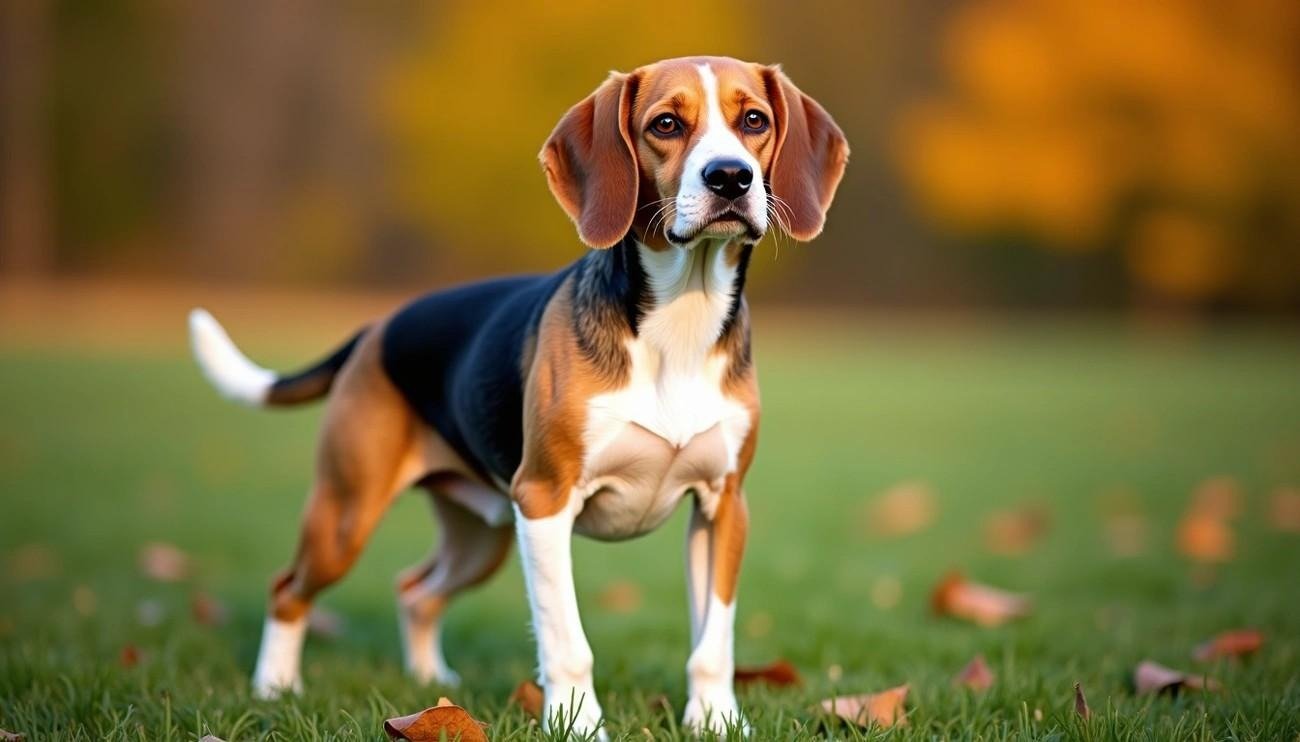
France gave us the elegant Beagle Harrier in the 19th century – a perfect blend of two beloved scent hound breeds. People often mistake this medium-sized dog for a large Beagle or a small Harrier, but its unique hunting abilities and balanced traits make it stand apart.
You might notice these dogs look like Beagles, but they’re quite a bit bigger. They reach 45 to 50 centimeters at the shoulder and tip the scales at 20 to 25 kilograms. These skilled hunters track all sorts of game effectively, from hares and foxes to roe deer and wild boar. With proper care, they live happily for 12 to 13 years [-3].
This piece covers everything a future Beagle Harrier owner should know. We’ll explore their unique physical features, personality traits, and what it takes to keep them exercised and well-trained. Whether you want to bring this energetic companion into your home or just learn more about these remarkable dogs, you’ll find all the details about this uncommon but fascinating breed here.
Beagle Harrier at a Glance
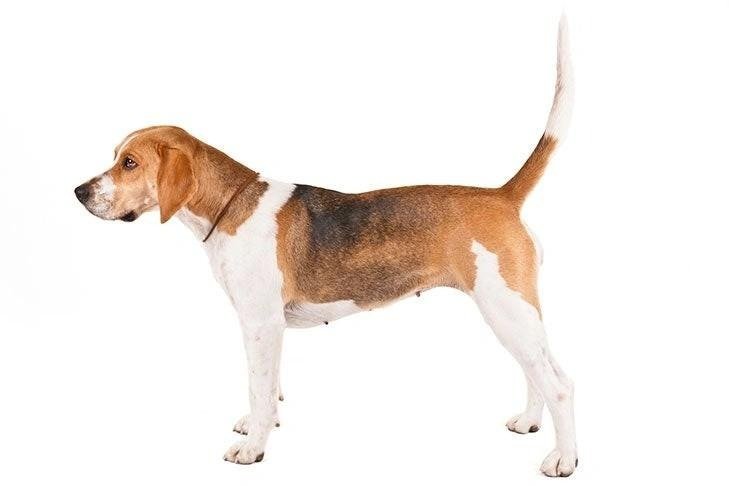
Image Source: American Kennel Club
The Beagle Harrier’s story begins in France, where careful breeding and selection created a unique hunting companion that deserves a closer look.
Origin and breed history
The story of the Beagle Harrier takes us back to 19th century France. Baron Gerard, a French painter who loved hunting, wanted to create a new breed. His goal was simple – he wanted a smaller Harrier that would keep the Beagle’s excellent hunting skills. He had a clear vision to develop a dog with amazing stamina and determination.
Baron Gerard’s breeding program focused on traits that helped these dogs keep up with hunters on horseback without getting separated. The breed became skilled at tracking different game animals. Though we bred them first to hunt hares, these dogs learned to track foxes, deer, and other game over time.
The Beagle Harrier’s popularity grew quickly across Europe. The breed made its way to the United States by the mid-1800s, where hunters used them mainly for rabbit hunting. The breed had proven itself as a versatile hunting partner in both European and American hunting circles.
Beagle vs Harrier vs Beagle-Harrier
Dog enthusiasts often get confused about how these three breeds relate to each other. The Beagle Harrier might be a mix of two parent breeds or the middle ground between them – nobody knows for sure.
Here’s a look at these breeds:
- Heritage: The Beagle and Harrier have English roots, but the Beagle Harrier is distinctly French. The Harrier actually came before the Beagle, though both started as hunting dogs.
- Size and Appearance: Some call the Harrier “a Beagle with a gym membership” – it’s bigger and stronger than a Beagle but smaller than an English Foxhound. The Beagle Harrier fits nicely between the two.
- Classification: The Beagle and Harrier are purebreds, while the Beagle Harrier is technically a cross-breed. They’re all hunting dogs.
- Recognition: The AKC recognized both the Beagle and Harrier in 1885, but not the Beagle Harrier.
Recognition by kennel clubs
The Beagle Harrier’s path to official recognition looks different from many other breeds. Let’s see how various kennel clubs view this breed.
The Fédération Cynologique Internationale (FCI) led the way by recognizing the Beagle Harrier as a distinct breed in 1974. They put it in the Scent hounds and related breeds group, under the Scent hounds section.
The United Kennel Club (UKC) followed suit in 1996. The Continental Kennel Club also lists the Beagle-Harrier in their Hound group.
The American Kennel Club (AKC) hasn’t recognized the Beagle Harrier yet, even though they accepted both parent breeds – the Beagle and Harrier – back in 1885.
The UK’s Kennel Club added the Harrier to their list in January 2020, but they haven’t recognized the Beagle Harrier. You won’t find many Beagle Harriers outside France, but hunting enthusiasts who know the breed love it dearly.
Physical Characteristics and Appearance
The Beagle Harrier shows off balanced proportions and an athletic build that showcase its hunting background and working abilities. Let’s get into the specific traits that make this breed both practical and appealing.
Beagle Harrier height and weight
These dogs fit perfectly in the medium-sized category, with consistent measurements across breeding standards. Standing between 18 to 20 inches (45 to 50 centimeters) at the withers, they maintain a height that strikes the perfect balance between agility and endurance. They stand noticeably taller than standard Beagles but remain slightly smaller than pure Harriers.
The weight ranges show some variation:
- Most sources point to an average of 42 to 46 pounds (19 to 21 kilograms)
- Some breeding standards suggest they can reach 44 to 55 pounds
Their weight distribution helps them excel as tireless workers with impressive stamina. You might think of them as a slightly heavier, longer-legged version of the standard Beagle, built perfectly for long hunting sessions.
Both males and females share similar height and weight ranges, which isn’t always true for other breeds.
Coat type and color variations
These dogs sport a practical, weather-resistant coat that suits their working background. Their coat features:
- Short to medium-short length
- Smooth texture that lies close to the body
- Thick and flat consistency
- Harsh and glossy appearance
You’ll notice some subtle variations. The coat might grow slightly longer around the neck and create a light ruff. Some dogs even show a slight brush on their tail.
The classic tricolor pattern stands out as their signature look:
- Black
- Fawn/tan (from light tan to deep red)
- White trim markings
This tricolor combination remains their most recognized pattern. Some dogs might show gray in their tricolor coat, which creates an interesting variation while keeping the three-color layout.
Distinctive features of the breed
The Beagle Harrier’s unique physical traits set it apart from similar breeds:
Head and Facial Features:
- A broad skull leads to a tapered, somewhat triangular muzzle
- The black nose stands out with wide-open nostrils
- Dark brown eyes appear lively and moderately large
- V-shaped ears hang close to the head at medium length
Body Structure:
- Strong, straight legs both front and back
- The chest runs shallower than standard Beagles but deep enough for a powerful bay
- A straight back leads to a thick, tapered tail
- The muscular body shows good bone structure
Their tail typically points up in a “saber fashion,” adding to their alert and ready look. These physical features make the Beagle Harrier an elegant mix of both parent breeds.
The breed presents itself as a functional hunting companion with balanced features – neither too heavy nor too refined. Every aspect of their physical makeup serves their original purpose as dogs that could keep up with mounted hunting parties through sheer endurance and determination.
Temperament and Behavior Traits
The Beagle Harrier stands out for its perfect mix of hunting skills and family-friendly qualities. Its temperament shows its roots as a pack hound that excels at endurance and teamwork in the field.
General personality
The Beagle Harrier’s core nature combines passionate hunting with amazing social skills. We bred these dogs to hunt in packs, and they show a friendly, compatible, and people-oriented nature. Their personality mixes the Beagle’s loving traits with the Harrier’s driven nature, which creates a balanced character.
Key personality traits include:
- A relaxed and even-tempered nature
- Deep loyalty and affection toward their owners
- Strong independence and determination, especially while tracking scents
- Quick response to new sounds and movements
- Pure focus during tracking
These dogs can be stubborn, especially when interesting scents catch their attention. In spite of that, this shows their hunting instinct and determination rather than disobedience. So, starting training early helps set clear boundaries and expectations.
These dogs shine not just as hunters but also as social and outgoing companions. They bring a touch of seriousness and professionalism you won’t see in regular Beagles. Their need for companionship means they don’t do well alone, which makes them a poor fit for owners who stay away from home for long stretches.
Interaction with children and families
The Beagle Harrier makes an excellent family companion, especially in homes with kids. Its medium size and patient, gentle nature fit perfectly in households with children of any age.
These dogs show exceptional behavior around children and seem to truly enjoy their company. Of course, they love the extra treats and attention that kids usually give! Their playful yet patient nature matches children’s energy levels perfectly, which creates a great bond between them.
The breed’s steadfast dedication to their families stands out as one of their best qualities. This strong connection can lead to anxiety if they spend too much time alone. So, they fit best in homes where someone stays around regularly.
Families looking to add this breed should know about pack dynamics. A Beagle Harrier needs to understand where it fits in the family structure. Clear training and boundaries help both the dog and family thrive.
Compatibility with other pets
The breed’s pack-hunting background makes Beagle Harriers great with other animals. Their social skills extend beyond humans, and they rank among the most dog-friendly breeds you can find.
These dogs usually build great relationships with other canines, especially those that match their energy and play style. Their pack mindset means they feel happiest with people or other dogs around.
Cats and smaller pets present a more nuanced situation. Many Beagle Harriers learn to live peacefully with house cats, but their hunting instincts need attention. New pet introductions should happen slowly and under supervision.
Tips for homes with multiple pets:
- Start socializing early to improve relationships between pets
- Watch out for prey drive when small animals run
- Build trust through careful introductions
The breed shows a unique comfort around horses, which comes from their history of working with mounted hunters. This trait makes them great companions for families who ride horses.
The Beagle Harrier offers an excellent choice for families wanting a versatile dog that bonds well with children and other pets. Just make sure to give them enough exercise and proper outlets for their hunting instincts.
Beagle Harrier Lifespan and Health Overview
Beagle Harriers make great family pets because they’re healthy and live long lives. These dogs need minimal maintenance and stay loyal companions for years.
Average lifespan of the breed
These dogs live an impressive 12 to 15 years [link_1]. This puts them ahead of many other medium-sized breeds in terms of longevity. Most experts agree on this timeframe, though some say it’s closer to 12-13 years.
Their strong build and fewer genetic problems compared to other purebreds help them live longer. Yes, it is true that with good food and exercise, these dogs stay active even in their golden years.
Both male and female Beagle Harriers tend to live just as long. Good care makes the biggest difference in how many years these companions spend with their families. Anyone looking to get this hunting breed can expect at least a decade of friendship.
Common health issues
Beagle Harriers are tough and healthy dogs[193]. Like any breed, they can face certain health problems owners should watch for:
- Hip dysplasia – Many sources list this joint problem as the breed’s main health concern[193]. The condition leads to pain, mobility issues, and arthritis.
- Eye conditions – These dogs might develop progressive retinal atrophy, glaucoma, and “cherry eye” (prolapsed gland of the third eyelid).
- Ear infections – Their floppy ears create perfect conditions for bacteria and yeast. This makes ear infections a common problem[172].
- Obesity – These dogs can gain too much weight without enough exercise and proper diet. Extra pounds make joint problems worse[173].
- Other conditions – Some dogs might get hypothyroidism[172][192], epilepsy[172][173], or intervertebral disk disease (IVDD)[173].
Research shows 60-70% of Beagle Harriers might face at least one health issue in their life. Regular vet visits become vital.
Preventive care and vet checkups
The life-blood of keeping your Beagle Harrier healthy lies in good preventive care. Regular vet visits play a key role.
Yearly check-ups help catch problems early. Dogs need core vaccines to protect against rabies, distemper, parvovirus, adenovirus, and parainfluenza.
Dog owners should follow these care basics:
- Ear care – Check and clean ears weekly with vet-approved solutions[172]
- Dental hygiene – Brush teeth with special dog toothpaste
- Weight management – Control food portions and exercise to keep them fit[173]
- Parasite control – Follow vet recommendations for deworming and flea/tick prevention
Many owners opt for wellness plans that cover routine care and check-ups. These plans help manage costs while ensuring their Beagle Harrier stays healthy. Good preventive care helps avoid many health issues or catch them early enough to treat effectively.
Grooming and Maintenance Needs
Beagle Harriers need simple grooming compared to other breeds. This makes them a great choice for busy families and first-time dog owners.
Coat care and brushing frequency
A Beagle Harrier’s short, dense double coat stays glossy and healthy with simple care. Regular brushing is the life-blood of keeping their coat in top shape:
- Weekly brushing keeps this breed looking great. You can use a soft-bristle brush or grooming glove to remove dirt and loose hair
- Brushing frequency should increase to 2-3 times weekly during spring and fall shedding seasons
- Bathing works best every 4-6 weeks, or right after they roll in something smelly
A gentle dog shampoo helps maintain their coat’s natural oils. A quick brush after bath time spreads these oils evenly and leaves their coat naturally shiny.
Ear, nail, and dental hygiene
These dogs need extra attention to certain areas because of their floppy ears, scent hound background, and active nature:
Ear Care: Those cute hanging ears can become breeding grounds for infections if left unchecked. Clean your Beagle Harrier’s ears weekly with a vet-approved solution and cotton balls. Never put anything inside the ear canal. Look out for redness, strange discharge, or bad smells that might signal infection.
Nail Maintenance: Your Beagle Harrier’s active lifestyle usually keeps their nails trim, but regular checks matter. You might need to clip nails every 3-4 weeks if they’re not wearing down naturally. Long nails can hurt them and affect how they walk.
Dental Hygiene: Good dental care prevents common breed diseases. Brush your dog’s teeth 2-3 times weekly with dog toothpaste[203][204]. Regular toothpaste can harm dogs, so it’s off limits. Dental chews help but can’t replace brushing.
Drooling and shedding tendencies
A Beagle Harrier’s shedding and drooling habits might surprise you:
These dogs shed moderately throughout the year[203]. Their double coat has a soft, dense undercoat beneath a coarser outer layer. Shedding picks up in spring and fall as they “blow” their coat.
Here’s how to handle shedding:
- A de-shedding tool works wonders during heavy shedding seasons
- Quality food helps reduce excessive shedding
- Omega-3 supplements can improve coat and skin health
Beagle Harriers drool nowhere near as much as larger breeds. They might drool more than other medium-sized dogs, but a quick wipe with a cloth takes care of it.
Grooming time gives you a chance to check for skin problems, bumps, or parasites while deepening their commitment to you. These simple grooming habits keep your dog healthy, comfortable, and looking sharp.
Training Guide for Beagle Harriers
Training a Beagle Harrier requires deep knowledge of their mental characteristics. These intelligent but independent dogs need patience, consistency, and respect for their hunting background.
Trainability and intelligence
Beagle Harriers show remarkable intelligence and learn commands fast. Their scent hound ancestry has created dogs that are smart but stubborn. This mix creates an interesting training challenge – they understand your commands but often choose to follow exciting scents instead.
Food motivation leads to training success. Beagle Harriers respond well to treat-based training. The timing matters a lot – rewards work best right after good behavior to create clear connections. Daily food portions should include these treats to avoid weight gain.
These dogs really want to make their owners happy. Their intelligence helps them learn simple commands fast if the training stays fun. Positive reinforcement works by a lot better than harsh or punishment-based methods.
Tips for early socialization
Proper socialization is vital to raise a well-adjusted Beagle Harrier. The best time starts between 3-4 weeks and continues through 12-16 weeks – this window shapes their development.
Your Beagle Harrier puppy should experience:
- Different environments (parks, streets, homes)
- Various people (children, strangers, men, women)
- Other animals (particularly cats and small pets)
- Household sounds and activities
“Meet the puppies” gatherings are a great way to get socialization experience. Short walks around the neighborhood let puppies discover new experiences safely. Gentle encouragement and favorite treats work best for shy puppies instead of forcing them.
Beagle Harriers usually get along with other dogs thanks to their pack instincts. Careful, slow introductions to cats and smaller pets help control their natural prey drive. Patient introductions during puppyhood reduce pet conflicts later.
Common training challenges
Beagle Harrier’s powerful nose creates the biggest training challenge. An interesting scent can make them ignore commands completely as they focus on tracking. Their independent hunting nature means you’ll need steady training to keep their attention around distractions.
Recall commands deserve extra practice because these dogs often chase scents on their own. Starting in controlled spaces before moving to distracting environments makes recall more reliable.
Separation anxiety often affects these dogs. Prevention strategies include:
- Gradual alone-time training
- Effective crate training
- Engaging chew toys during absences
- Short departures that get longer over time
Beagle Harriers need mental and physical challenges. Boredom leads to destructive behavior. Scent work uses their natural skills well – they love activities like mantrailing.
Steady routines help training work better. Use the same commands each time and keep house rules firm. Obedience classes help first-time owners handle this smart but sometimes stubborn breed’s unique challenges.
Exercise and Activity Requirements
Beagle Harriers need substantial exercise to stay healthy and well-behaved. Their hunting background makes them incredibly energetic dogs, and owners must meet these exercise needs.
Daily physical activity needs
These dogs have exceptionally high energy levels due to their breeding for long hunting pursuits. They need about two hours of daily exercise to stay calm and well-behaved indoors. A lack of physical activity leads to boredom, which can result in destructive behaviors like unwanted chewing or excessive barking.
Effective exercise options include:
- Long walks with opportunities for sniffing
- Jogging or cycling alongside their owner
- Hiking on dog-friendly trails
- Interactive play sessions in a secure yard
Beagle Harriers do best with a mix of moderate and vigorous activities throughout the day. A good daily schedule might include a morning walk, afternoon play session, and evening activity. Regular exercise matters more than intense workouts in single bursts.
Mental stimulation and scent work
Physical exercise isn’t enough – Beagle Harriers need plenty of mental challenges too. Their powerful nose is their greatest skill and the key to their mental well-being. Scent games help these dogs use their natural sniffing instincts while keeping their minds sharp.
Mental stimulation options include:
- Puzzle feeders and interactive toys
- Hide-and-seek games with treats or toys
- Short training sessions with rewards
- Scent detection activities
Scent work proves especially valuable as it makes use of the Beagle Harrier’s natural abilities. These activities improve focus, provide enrichment, and help calm excitable or reactive dogs.
Suitable environments for exercise
The best environment for a Beagle Harrier has access to secure outdoor spaces. Safety comes first—these dogs must stay on a leash or in securely fenced areas outdoors. Their hunting instincts will override recall commands once they catch interesting scents.
Beagle Harriers usually do better in rural settings with access to large, secure territories. City apartments can make it hard to meet their exercise needs. Urban owners should plan daily trips to parks or natural areas.
Exercise isn’t optional for this breed—it’s a crucial part of responsible Beagle Harrier ownership. Their health and behavior depend on it.
Beagle Harrier Price in India and Adoption Tips
Getting a Beagle Harrier in India needs careful thought about the costs that come with this long-term commitment.
Beagle Harrier price in India
Beagle Harriers in India cost between ₹15,000 and ₹40,000. The breed’s uncommon nature makes exact pricing details hard to find. Regular Beagles sell for ₹25,000 to ₹80,000, and Harriers range from ₹59,066 to ₹101,256.
Factors affecting cost
The final price depends on these important factors:
Breeder reputation – A breeder’s track record affects pricing. Quality breeders charge more because they offer health guarantees, proper care, and complete documentation. They also invest in health screenings.
Geographic location – Prices vary across cities. Dogs cost more in urban areas due to higher operating costs and demand.
Coat color and rarity – Common colors cost less, while unique shades like lemon or chocolate come at premium prices.
Adoption vs buying from breeders
Adopting offers a cost-effective way to welcome a Beagle Harrier home:
- Cost comparison – Adoption fees run from ₹2,000 to ₹5,000. This is a big deal as it means that you pay much less than breeder prices of ₹15,000 to ₹35,000.
- Adoption benefits – You save a life and might get a dog that already knows basic commands.
- Adoption considerations – Rescued dogs may have gaps in their health history or need extra behavioral support.
Your priorities, needs, and budget will help you choose between adoption and buying from a breeder.
Conclusion
Beagle Harriers are amazing dogs that blend the finest traits of Beagles and Harriers into one breed. These medium-sized dogs stand 45-50cm tall and weigh 19-25kg. Their friendly and energetic nature makes them perfect family pets. They love spending time with humans and usually get along great with kids and other pets. Early socialization helps them develop their best behavior.
These dogs are known for their strong health and can live 12 to 15 years. Owners should keep an eye out for hip dysplasia, ear infections, and weight issues. Regular vet visits, good food, and daily exercise help prevent these health problems.
Your Beagle Harrier needs about two hours of exercise each day. Scent work is a great way to keep them mentally sharp, especially when you have a dog with natural hunting instincts. Their short, dense coat is easy to maintain. Weekly brushing is enough most of the time, but you’ll need to brush more often during shedding seasons.
Training these dogs takes time and patience. Smart as they are, Beagle Harriers can be independent, particularly when they catch an interesting scent. Starting training early and using positive reinforcement gives the best results.
Indian buyers can find Beagle Harriers priced between ₹15,000 and ₹40,000. The cost depends on the breeder’s reputation, location, and the dog’s features. Adoption is a budget-friendly option to think about.
Beagle Harriers are definitely worth your attention if you want a medium-sized dog that combines friendliness with determination. These dogs make loyal companions and will reward you with years of love. They need plenty of exercise, consistent training, and social time. While you won’t find many outside France, active families looking for a versatile pet should give these wonderful dogs a chance. They adapt well to home life while keeping their hunting skills sharp.
Key Takeaways
The Beagle Harrier is a French hunting breed that combines the best traits of Beagles and Harriers, making it an excellent medium-sized family companion for active households.
• Size and Lifespan: Medium-sized dogs standing 18-20 inches tall, weighing 42-55 pounds, with a healthy lifespan of 12-15 years.
• Exercise Requirements: Needs approximately 2 hours of daily physical activity plus mental stimulation through scent work to prevent destructive behaviors.
• Family-Friendly Nature: Excellent with children and other pets due to pack hunting heritage, but requires early socialization for optimal behavior.
• Training Challenges: Intelligent but independent-minded dogs that respond best to positive reinforcement and consistent training, especially around distractions.
• Low Maintenance Care: Short coat requires only weekly brushing, with special attention needed for ear cleaning due to floppy ears prone to infections.
This breed rewards dedicated owners with loyal companionship, provided their substantial exercise needs and hunting instincts receive proper outlets through structured activities and training.
FAQs
Q1. What are the typical behavior traits of a Beagle Harrier?
Beagle Harriers are friendly, energetic, and social dogs. They have a strong hunting instinct and can be independent-minded, especially when following scents. These dogs are generally good with children and other pets, but require consistent training and early socialization.
Q2. How long do Beagle Harriers typically live?
The average lifespan of a Beagle Harrier ranges from 12 to 15 years. With proper care, nutrition, and regular veterinary check-ups, these dogs can remain healthy and active well into their senior years.
Q3. Are Beagle Harriers high-maintenance dogs?
Beagle Harriers are relatively low-maintenance in terms of grooming, requiring only weekly brushing of their short coat. However, they do have high exercise needs, demanding about two hours of daily physical activity and mental stimulation to prevent boredom and destructive behaviors.
Q4. How energetic are Beagle Harriers?
Beagle Harriers are very energetic dogs. They have a high activity level inherited from their hunting background and require regular exercise, including long walks, jogging, or play sessions. Without adequate physical and mental stimulation, they can become restless or develop behavioral issues.
Q5. What are the main training challenges for Beagle Harriers?
The primary training challenges for Beagle Harriers stem from their strong hunting instincts and independent nature. They can be easily distracted by scents, making recall training crucial. Consistency, patience, and positive reinforcement techniques are essential for successful training, as these intelligent dogs may sometimes prioritize following interesting smells over obeying commands.