
Basset Hound Dog Breed Information: Characteristics, Behavior, Temperament, Lifespan, Weight
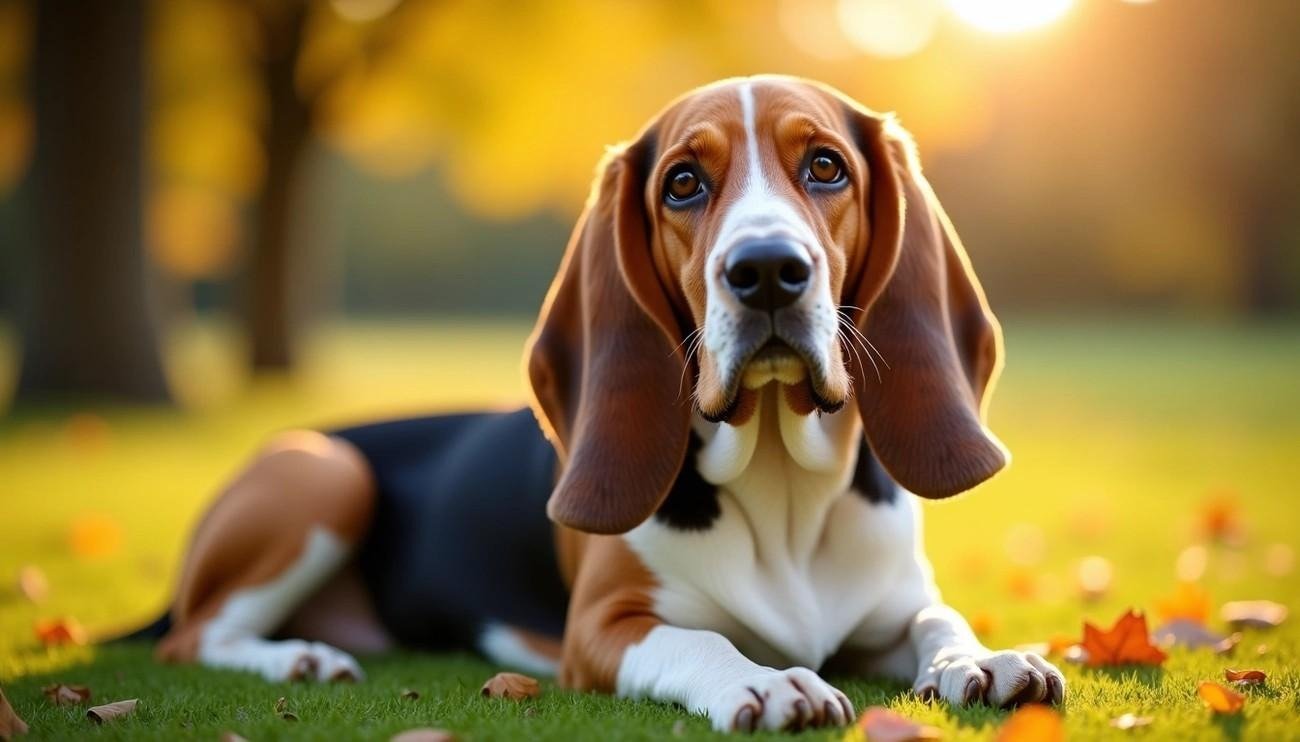
Basset hounds may be short at just 14-15 inches at the shoulder, but these dogs pack amazing strength and stamina into their sturdy frames. Their droopy ears, soulful eyes and wrinkled faces make these charming dogs favorites among pet lovers worldwide.
These hunting dogs trace their roots to France, where “basset” means “short” or “low”. A typical Basset hound’s lifespan ranges from 10-13 years [-4], with males weighing 40-65 pounds (20-29 kg) and females 20-27 kg [-4]. Though they stand only 11-15 inches tall [-3] [-4], their remarkable bone structure and powerful legs made them excellent hunting partners.
The American Kennel Club officially recognized the Basset Hound in 1885. These dogs became hugely popular pets in America. Their gentle nature, unique looks and loyalty have made them beloved family companions around the world. This piece covers everything future owners should know about Basset Hounds – from their physical traits and personality to how to care for them and what health issues to watch for.
Breed Overview and History
The Basset Hound’s story starts in sixth-century France, a country famous for its many types of hunting dogs. The name tells us a lot about the breed—”basset” comes from the French word “bas” meaning “low,” and the suffix “-et” adds the difference of “rather low” or “very low,” which perfectly matches their short-legged look.
Origin of the Basset Hound
Today’s Basset Hound can trace its roots to the Abbey of St. Hubert in France’s Ardennes region around 700 C.E.. These dogs came from the St. Hubert’s Hound, which had its own ancestry in the ancient Laconian (Spartan) Hound. Monks at the abbey carefully bred these hounds for aristocratic and royal clients who needed hunting companions.
Jacques du Fouilloux’s hunting text “La Venerie” first mentioned a “Basset” in 1585. Back then, people called any dog under 28 inches “low,” but this standard dropped to 16 inches by the 16th century.
The Basset Hound we know today took shape between the 16th and 19th centuries. Their achondroplastic dwarf structure became a defining trait, giving them their crooked legs and massive bone structure. These dogs carry up to 25 percent of their body weight in bone, more than any other breed proportionally.
English shores saw their first French Basset Hounds in the 1870s. Everett Millais, who many call the modern Basset Hound’s father in England, created a heavier type by breeding a Basset with a Bloodhound. This mix led to the breed’s trademark features: long, low-set ears and that noble yet sad-looking expression.
The American Kennel Club quickly recognized the breed officially in 1885.
From hunting dog to companion
Basset Hounds started as working dogs. Breeders developed their short legs and heavy bone structure to create dogs that could track prey on rough ground at a walking pace. This made them perfect for hunters who couldn’t afford horses, which only nobles usually owned.
These talented scent hounds tracked hares, rabbits, and deer expertly. Their long ears helped stir up scents while packs of Bassets would push small prey from thick cover into open ground where hunters could make their shot. Only Bloodhounds beat them at tracking, thanks to their amazing sense of smell.
Hunting practices changed, and as specialized hunting dogs became less necessary, Basset Hounds found their place as family pets. Their relaxed nature, friendly attitude, and patience made them great companions, especially for families with kids.
Basset Hound vs Beagle: Key differences
Basset Hounds and Beagles share some St. Hubert Hound ancestry but differ in several ways:
- Physical build: Basset Hounds weigh much more (51-64 lbs for males, 44-60 lbs for females) than Beagles (22-24 lbs for males, 20-22 lbs for females). Height stays similar, with Basset Hounds at 12-15 inches and Beagles at 14-16 inches.
- Temperament: Basset Hounds are more relaxed than other hound breeds. They get along great with children and other dogs. Beagles, on the other hand, show more adventure and energy.
- Exercise needs: Basset Hounds don’t need as much exercise as Beagles. They like casual walks with plenty of sniffing breaks instead of high-energy activities. Still, they need about an hour of daily exercise to stay healthy.
- Lifespan: Beagles live longer (12-15 years) than Basset Hounds (10-12 years).
- Social behavior: Breeders created Basset Hounds as pack dogs, which makes them very social and happy in homes with big families or other dogs. They struggle when left alone too long.
Dr. MacMillan helps people choose between these breeds: “The basset hound is more relaxed of the two, so I think they would be most suited to families with young children or other pets”.
Physical Characteristics and Appearance
Basset Hounds have a unique silhouette that stands out in the dog world. Their rectangular body sits on short, strong legs, creating a profile unlike any other breed.
Size and weight range
These dogs may be short, but they pack quite a bit of weight into their frame. Adult Bassets stand no taller than 15 inches at the shoulder according to breed standards, yet they weigh between 40 and 65 pounds. This weight-to-height ratio isn’t random – Basset Hounds have heavier bones than any other breed relative to their size.
Male dogs usually weigh a bit more than females. A Basset’s growth is gradual, and they don’t reach full size until about two years old. At six months, puppies usually weigh 30 to 40 pounds and stand 9 to 11 inches tall.
These dogs need extra attention when it comes to their weight. Bassets tend to put on extra pounds throughout their lives. Extra weight can hurt their spine because of their long body shape. Owners must watch their dog’s weight to avoid health problems from obesity.
Coat type and color variations
A Basset’s coat feels rough and dense, though it’s fairly short. While it might look easy to care for, these dogs shed a lot. Their fur repels water, which helps protect them during outdoor activities in different weather conditions.
Basset Hounds come in many colors, falling into three main groups:
- Tri-colored – Most common, with mixes of black, brown, and white; black, white, and tan; or black, red, and white
- Bi-colored – Including mahogany and white, lemon and white, or red and white
- Solid colors – These are rare and the AKC doesn’t recognize them
The AKC accepts 19 different coat colors. Blue coats are hardest to find, with lemon coats coming in second rarest. Light-colored puppies often start with darker fur that gets lighter around eight weeks old.
Distinctive features: ears, eyes, and wrinkles
A Basset Hound’s most notable features help them hunt and give them their unique look. Their long, velvet-like ears hang so low they seem to start from their neck instead of their head. These big ears serve a purpose – they help stir up ground scents as the dog moves.
Their big, rounded head features deep-set eyes that look somewhat sad. Breeders prefer dark brown eyes, but some dogs have lighter hazel or amber colors. This sad-looking gaze and wrinkled forehead creates their famous “sad clown” expression.
Loose, wrinkled skin defines another key trait, showing up most around their face and neck. The neck’s loose skin, called the dewlap, adds to their droopy look. These wrinkles also help trap scents while the dog tracks.
These dogs have big paws with tough pads that help spread out their weight. Their slightly curved tail stands high above their long back. All these features work together to create a dog that looks unique and suits its hunting heritage perfectly.
The dog’s special features need regular care – their ears need weekly cleaning to prevent infection.
Basset Hound Temperament and Behavior
A basset hound’s droopy eyes and floppy ears hide a personality that makes them cherished family companions. Their temperament blends affection with independence to create something uniquely their own.
Typical personality traits
Basset hounds have earned their reputation as friendly and easygoing dogs. These gentle giants in miniature form show a calm demeanor that makes them excellent household companions. Their agreeable personality comes in part from their history as pack hunters, which naturally made them sociable animals.
These dogs display remarkable loyalty to their families despite their relaxed attitude. They build strong bonds with their owners and can become protective without showing aggression. A stubborn streak lies beneath their mild-mannered exterior. This independence makes sense given their hunting background, where they needed to track scents without getting distracted.
Key personality traits of basset hounds include:
- Very devoted and loyal
- Patient and tolerant
- Mild-mannered and calm at home
- Independent and sometimes stubborn
- Intelligent but not always happy to please
Interaction with children and other pets
Basset hounds shine through their exceptional compatibility with children. These dogs show remarkable patience and tolerance, which makes them ideal companions for families with kids. Their gentle nature helps them stay calm under provocation, which greatly reduces any chance of snapping or biting.
Multi-pet households suit basset hounds perfectly. Their breeding as pack dogs helps them get along wonderfully with other canines. This pack mentality makes busy family environments natural for them. They show friendliness toward cats and other animals, though proper introductions and early socialization help ensure peaceful relationships.
Veterinarians often suggest basset hounds to families because of their relaxed temperament and natural compatibility with children and other pets.
Common behavioral quirks
Life with a basset hound means embracing their distinctive traits. These dogs have a loud, ringing bark they use freely. Their powerful baying becomes noticeable especially when they feel lonely or bored.
Digging stands out as another typical behavior. Many basset hounds become passionate diggers with their sturdy feet and strong nails. This habit often shows up during long periods of solitude.
Their amazing sense of smell—second only to bloodhounds—creates another interesting quirk. Basset hounds can become fixated once they catch an interesting scent and might wander off without proper containment.
Training these dogs presents its own set of challenges due to their independent nature. Unlike more compliant breeds, basset hounds approach commands with a “what’s in it for me?” mindset. Successful training needs patience, consistency, and food rewards.
Social sleeping habits add to their charm. These dogs prefer to sleep near their owners or other pets, showing their pack-hunting heritage. This behavior highlights their need for companionship—they don’t do well when left alone for extended periods.
Lifespan and Health Considerations
Your basset hound’s health profile needs special attention to give them proper care throughout their life. These dogs have a unique physical structure that looks charming but creates specific health challenges. Every owner should learn about these challenges.
Average Basset Hound lifespan
A typical basset hound lives 12 to 13 years. Some experts say they live 10 to 12 years, while others note they can reach 14 years with good care. Each dog’s lifespan depends on its genes, environment, and health care.
Weight control plays a vital role in your basset hound’s life. These dogs pack on pounds easily, which can make joint problems and diabetes worse. You can help them live longer by measuring their food and giving them regular exercise.
Common health issues
Basset hounds face several health concerns because of their unique body shape:
- Ear conditions: Their droopy ears don’t get much air flow, which leads to infections. Watch for head shaking, ear scratching, or bad smells that need a vet’s attention.
- Joint and skeletal problems: Hip and elbow dysplasia show up often in these dogs. These joint development issues cause pain and make moving hard. Their long backs and short legs also put them at risk for intervertebral disk disease (IVDD).
- Gastric Dilatation-Volvulus (GDV): This life-threatening condition happens when the stomach fills with gas and twists. Look out for signs like trying to throw up without success, lots of drooling, and a swollen belly.
- Eye problems: These dogs can develop glaucoma, cataracts, and cherry eye. Regular eye checks help catch these issues before they cause blindness.
- Skin issues: The loose skin and folds make basset hounds prone to infections, allergies, and dermatitis. The skin folds near their jaw need extra care to prevent pyoderma.
Good breeders test their dogs for hip dysplasia, elbow dysplasia, glaucoma, hypothyroidism, bleeding disorders, and luxating patella.
Preventive care and vet checkups
Taking care of your basset hound’s health early makes a big difference. Regular vet visits catch problems early. Most vets want to see these dogs yearly, with more visits as they age.
These dogs need extra dental care because they get tooth problems more than other breeds. Brush their teeth with dog toothpaste twice weekly.
Clean their ears weekly with vet-approved cleaner to stop infections. After baths or wet walks, dry their ears well to keep bacteria away.
A daily walk at an easy pace gives basset hounds enough exercise. This activity keeps their weight down and joints healthy without putting too much stress on their unique body structure.
Feed them quality dog food made for their age group (puppy, adult, or senior). Keep fresh water available all day to prevent kidney problems.
You’ll help your basset hound stay healthy by spotting signs of illness early. Take them to the vet if you notice changes in how they act, eat, or move. Quick action stops small problems from becoming serious ones.
Grooming and Maintenance Needs
Proper grooming is the life-blood of basset hound care. Their distinctive physical features need specific maintenance routines. These hounds require regular attention to stay healthy and comfortable, despite their seemingly low-maintenance appearance.
Brushing and bathing routine
Basset hounds have short, smooth coats that benefit from weekly brushing. This helps manage shedding and distributes natural oils. These dogs shed moderately throughout the year. A rubber curry brush works best to loosen dead hair. You can then use a soft bristle brush to give a polished finish.
Bathing should be done in moderation. Most basset hounds do well with a monthly bath using an oatmeal dog shampoo. Dogs with chronic skin infections might need baths every one to two weeks with medicated shampoo. Make sure to dry their skin really well after bathing. This prevents irritation from trapped moisture in their heavy skin folds.
Ear, eye, and wrinkle care
Basset hounds’ iconic droopy ears just need consistent attention. These long ears create a perfect environment for infections by trapping moisture and debris. A weekly cleaning with a vet-approved ear cleaner helps remove wax and debris. Clean only the visible parts of the inner ear and avoid inserting anything deep into the ear canal. The ears should be dried carefully with a soft towel after swimming or bathing.
Their droopy eyes create extra mucus that should be cleaned regularly with a vet-recommended eye cleaner. Their facial wrinkles need routine wiping to prevent irritation or infection. The skin folds along the jaw deserve extra attention as they can develop problems if not kept clean and dry.
Nail trimming and dental hygiene
Basset hound nails grow remarkably thick and tough, which makes trimming challenging. Regular nail maintenance is crucial since their low frame puts extra weight on their feet. You can choose from three nail trimmer types:
- Grinders (like Dremels) – excellent for smooth finish but require acclimation
- Scissor-type clippers – ideal for thick basset hound nails
- Guillotine-type trimmers – nowhere near suitable for the breed’s large nails
Dental problems often go unnoticed until they become serious. Basset hounds tend to have dental issues because of their small jaws that lead to overcrowded teeth. Daily brushing with a pet toothbrush and dog-specific toothpaste works best. You can brush 2-3 times weekly if daily brushing isn’t possible. Dental powder cleansers in water are a great way to get reduced plaque buildup. Hard chews help with oral health while requiring minimal effort.
Grooming sessions give you perfect opportunities to check for unusual symptoms like redness, excessive tearing, or foul smells that might indicate health issues. Regular vet check-ups remain essential to catch problems early.
Training a Basset Hound: What to Expect
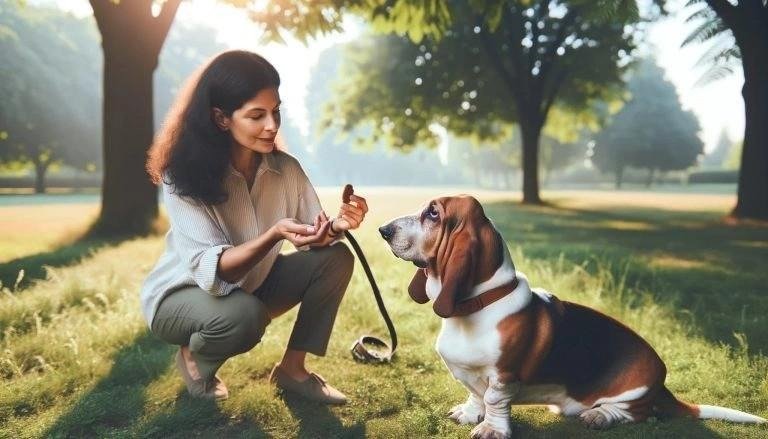
Image Source: Basset Hound Foundation
Training a basset hound takes a special touch that matches their unique personality. These adorable dogs have complex characters that affect how they learn and respond to training.
Why training can be challenging
Basset hounds show an independent streak that makes training tough. Their breeding background as scent trackers has given them a stubborn nature that shows up as selective hearing. These dogs don’t eagerly follow commands like other breeds. They’ll often size up a situation with a “what’s in it for me?” mindset.
Their incredible nose creates another challenge. A basset hound might completely tune out your recall commands once they catch an interesting scent. This laser focus comes from their hunting roots and can test any owner’s patience.
On top of that, it’s hard to keep a basset hound’s attention. You’ll need to keep training sessions short – no more than 5-10 minutes. Your dog might need about 80 repetitions to really learn a command.
Positive reinforcement techniques
Treats work magic with basset hounds. They learn better through rewards and praise than punishment. Here’s what works best:
- Break high-value treats into tiny bits
- Give rewards right after good behavior
- Mix treats with happy verbal praise
- Run quick 10-15 minute sessions 2-3 times each day
Everyone at home should use similar commands and rewards. Your first training goals should focus on basic commands like ‘sit,’ ‘stay,’ ‘come,’ ‘down,’ and ‘leave it’.
House training works better when you take your basset hound to the same spot outside. Watch for signs they need to go, and this will speed up the process.
Socialization tips for puppies
Basset hound puppies need early socialization. Fear-based behaviors might develop later without proper exposure to different situations, people, and animals.
Starting socialization early builds the foundation of a well-adjusted adult dog. Try these approaches:
- Let your puppy meet different people – all ages, looks, and voices
- Set up play dates with friendly, vaccinated dogs
- Show them new places, sounds, and experiences slowly
- Look into puppy classes for structured social time
Patience becomes your best friend throughout this learning experience. Your basset hound’s stubborn side will challenge you, but consistent positive reinforcement and early socialization help create well-behaved companions. Just remember they might still pretend not to hear you when an interesting scent catches their attention.
Feeding and Nutrition Guidelines
Good nutrition is the foundation of a healthy basset hound. Your dog’s diet affects everything from joint health to lifespan. These unique dogs need specific foods, and owners should know what works best to avoid health issues.
Recommended daily food intake
Adult basset hounds need about 1,200 to 1,500 calories each day [link_1], but this varies with age, weight, and how active they are. Most adult dogs do well with 1.5 to 2.5 cups of quality dry food daily.
Basset hound puppies thrive on smaller meals more often throughout the day. Their growing bodies need special puppy food packed with nutrients. Their nutritional needs change as they grow into adults.
Weight control should guide how much you feed. Basset hounds pack on pounds easily, which makes joint problems worse. Many dog food packages suggest portions that are too large for this breed. The right amount depends on your dog’s body condition – you should feel the ribs without too much fat covering them.
Feeding schedule and portion control
Your adult basset hound needs two meals a day – one in the morning and one at night. This helps prevent gastric dilatation-volvulus (GDV), a dangerous condition that often affects deep-chested breeds like basset hounds.
The best way to control portions:
- Measure food exactly instead of guessing
- Keep treats under 10% of daily calories
- Change portions based on exercise and weight
- Don’t feed right before or after exercise
Feed multiple dogs in separate spaces to prevent food fights. Regular feeding times and careful monitoring help keep your dog at an ideal weight. This prevents joint strain and health problems from extra pounds.
Supplements for joint and skin health
Basset hounds often need specific supplements because of their joint issues:
Fish oil or flaxseed oil provides omega-3 fatty acids that help joints and reduce inflammation. These oils also keep skin healthy and reduce itching or dryness.
Glucosamine and chondroitin sulfate keep cartilage strong and joints moving smoothly. Older basset hounds need extra protein to maintain muscle mass.
Some basset hounds are allergic to wheat, corn, and chicken. Switching to lamb, venison, or duck might help with allergy symptoms. Foods rich in calcium, phosphorus, and glucosamine support this breed’s bones and joints.
Basset Hound Price in India and Buying Tips
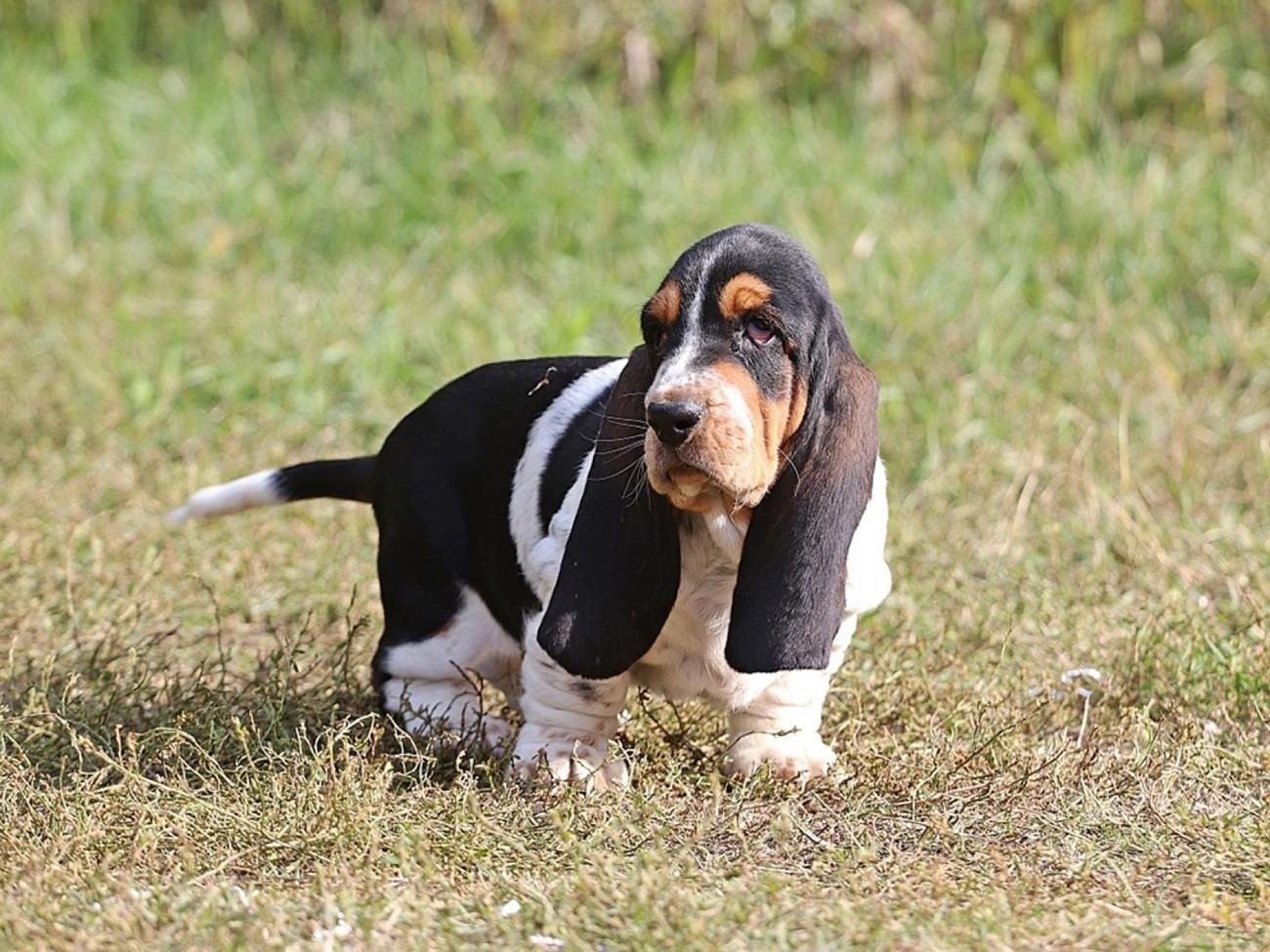 Image Source: Euro Puppy
Finding the right basset hound in India requires careful financial planning and a reliable source. These two factors are crucial steps in your pet ownership trip.
Average Basset Hound price in India
A basset hound puppy in India costs between ₹25,000 and ₹60,000. Different cities show varying price ranges. Mumbai and Bangalore tend to have higher prices (₹25,000 to ₹60,000), while Delhi, Chennai, and Hyderabad start at around ₹20,000. Pet parents who choose adoption over buying from breeders can expect to pay less – between ₹16,876 and ₹33,752.
Factors affecting cost
Your basset hound’s price depends on several key factors:
- Lineage and pedigree: Champion bloodlines with documented ancestry can push prices up to ₹210,951 from quality breeders
- Age and size: Younger pups come with higher price tags
- Registration status: KCI registration adds to the cost
- Breeder reputation: 10+ year old breeders offering health guarantees charge more
Tips for choosing a responsible breeder
Quality breeders put their dogs’ wellbeing ahead of profits. The right basset hound breeder should:
- Welcome family visits to meet the puppy
- Keep their facilities clean and spacious with happy, healthy dogs
- Share breed-specific health and development information openly
- Ask detailed questions about your home setup and yard space
- Provide a contract that includes return policies
- Run health tests for breed-specific conditions
Your conversations with the breeder need to feel open and honest. Keep looking for a better match if you don’t feel confident about their responses.
Conclusion
Basset Hounds make extraordinary family companions with their gentle temperament and distinctive appearance. These low-slung dogs blend a sweet nature with surprising sturdiness. Their pack-hunting background makes them patient with children and friendly toward other pets.
These easygoing dogs just need careful attention to stay healthy. A weekly brush keeps their short coat in good shape. Their iconic droopy ears need extra care to avoid infections. The dog’s unique body structure means owners must watch their weight carefully to protect joints and spine throughout their 10-13 year life.
Training these smart but independent dogs takes patience. Basset Hounds approach commands with their own mindset, unlike more eager-to-please breeds. Short, engaging sessions with food rewards and praise work best with these independent thinkers.
Smart owners keep an eye out for joint problems, ear infections, and weight gain. These sturdy companions stay healthy with regular vet visits, good food, and daily walks. They adapt well to both apartment life and houses with yards because of their moderate exercise needs.
Indian families can expect to pay between ₹25,000 to ₹60,000 for a Basset Hound puppy. The price varies based on lineage, registration, and the breeder’s reputation. This initial investment starts a wonderful journey with one of the most charming dog breeds.
Basset Hounds blend affection, loyalty, and unique charm perfectly. Their soulful eyes, velvety ears, and loving personality make them irresistible to dog lovers. These gentle hounds might be stubborn and led by their remarkable nose, but they reward patient owners with steadfast companionship and endless love.
Key Takeaways
Understanding Basset Hounds helps potential owners make informed decisions about welcoming these charming, low-slung companions into their homes.
• Basset Hounds are gentle, patient family dogs weighing 40-65 pounds despite standing only 11-15 inches tall, making them ideal for households with children and other pets.
• Their distinctive droopy ears require weekly cleaning to prevent infections, while their short coats need regular brushing to manage moderate year-round shedding.
• Training requires patience and food-motivated positive reinforcement due to their independent, stubborn nature inherited from their hunting background.
• Weight management is crucial throughout their 10-13 year lifespan to prevent joint problems and other health issues common to their unique body structure.
• In India, expect to invest ₹25,000-₹60,000 for a puppy from reputable breeders who conduct health screenings and prioritize dog welfare over profit.
These lovable hounds reward patient owners with unwavering loyalty and affection, though their powerful noses and selective hearing mean they’ll always march to the beat of their own drum when an interesting scent crosses their path.
FAQs
Q1. What is the typical temperament of a Basset Hound?
Basset Hounds are known for their friendly, easygoing nature. They are gentle, patient dogs that get along well with children and other pets. While generally calm at home, they can be stubborn and independent, especially when following an interesting scent.
Q2. How long do Basset Hounds typically live?
The average lifespan of a Basset Hound is 12 to 13 years. With proper care, including regular vet check-ups, a healthy diet, and appropriate exercise, these dogs can enjoy a good quality of life throughout their senior years.
Q3. Are Basset Hounds considered low-maintenance dogs?
Basset Hounds are relatively low-maintenance in terms of exercise needs, making them suitable for first-time dog owners. However, they do require regular grooming, especially ear cleaning, and careful weight management to prevent health issues.
Q4. Do Basset Hounds tend to be active or lazy?
While Basset Hounds can be energetic when following a scent outdoors, they are generally known for being quite lazy at home. They enjoy their downtime and are content with moderate daily exercise, making them well-suited for families with a relaxed lifestyle.
Q5. What are some common health concerns for Basset Hounds?
Basset Hounds are prone to certain health issues due to their unique body structure. These include ear infections, skin problems in their wrinkles, joint issues like hip dysplasia, and a tendency to gain weight easily. Regular vet check-ups and proper care can help manage these potential problems.